
茶饮料

Search documents
天福(06868)8月26日耗资约1.23万港元回购4000股
智通财经网· 2025-08-26 09:55
Core Viewpoint - Tianfu (06868) announced a share buyback plan, intending to repurchase 4,000 shares at a cost of approximately HKD 12.3 million by August 26, 2025 [1] Company Summary - The company plans to execute a buyback of 4,000 shares [1] - The total expenditure for this buyback is estimated at HKD 12.3 million [1]
澜沧古茶:预计2025年上半年收入约1.17亿元至1.2亿元
Cai Jing Wang· 2025-08-09 04:07
Core Viewpoint - The company, Lancang Ancient Tea, anticipates a significant decline in revenue and a shift from profit to loss for the reporting period ending June 30, 2025, primarily due to slow recovery in the consumer market and internal management adjustments [1] Revenue Summary - The expected revenue for the reporting period is projected to be between 117 million to 120 million yuan, representing a year-on-year decrease of approximately 38.5% to 40.0% [1] - The decline in revenue is attributed to the sluggish recovery of the terminal consumer market, which continues to impact the operations and sales of physical stores [1] Profitability Summary - The company anticipates a net loss of approximately 28 million to 32 million yuan for the reporting period, a significant drop from a profit of 5.1 million yuan recorded in the same period ending June 30, 2024 [1] - The board attributes the loss primarily to the decrease in operating income [1] Management and Strategy Summary - The decline in business performance is also linked to management adjustments that required time for transition, alongside resource allocation for evaluating and adjusting the group's operational and management strategies [1]
跨界新品接连亮相 吴裕泰守正创新有道
Bei Jing Shang Bao· 2025-08-07 12:55
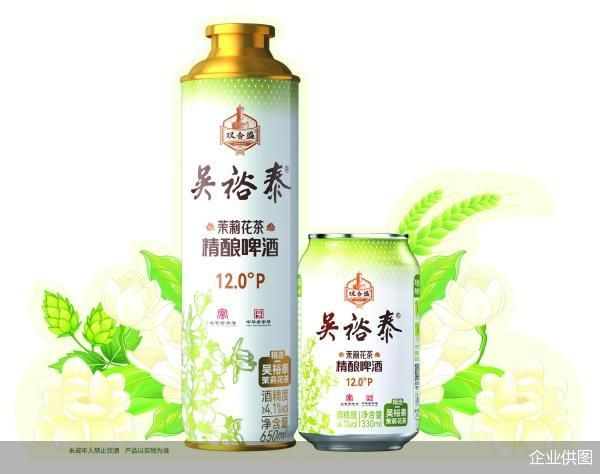
Core Insights - The article discusses how the 138-year-old company Wu Yutai is transforming its image from a traditional brand to an innovative leader in consumer experiences, particularly targeting younger demographics [1] Group 1: Cultural Empowerment and Innovation - Wu Yutai is leveraging cultural IP by integrating tea culture with elements like artifacts and regional art, creating products that serve as cultural carriers [3] - Collaborations with local artists, such as comic artist Li Binsheng, have resulted in products that resonate with local culture, enhancing consumer engagement through relatable designs [3] Group 2: Product Diversification and Modernization - The company is breaking category boundaries by introducing innovative products like tea-flavored ice cream and jasmine tea craft beer, appealing to modern consumption scenarios [5] - Wu Yutai maintains a commitment to quality while innovating product varieties, ensuring that the essence of tea remains central to its offerings [5] Group 3: Experiential Marketing and Consumer Engagement - Wu Yutai is creating immersive and interactive retail spaces that connect tea with everyday life, enhancing the consumer experience [6] - The marketing strategy employs a youthful language and narrative, making the brand relatable to younger consumers and moving away from traditional marketing approaches [7] - The overall innovation strategy focuses on combining cultural elements with experiential marketing, allowing Wu Yutai to carve out a unique position in a competitive market [7]

吴裕泰
Bei Jing Shang Bao· 2025-08-07 12:55
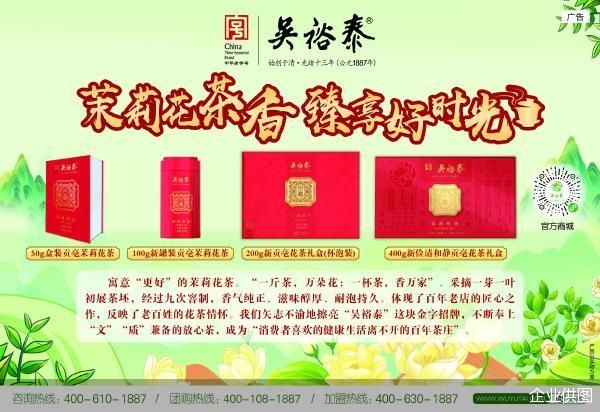
Core Viewpoint - The article emphasizes the dedication of the company "Wu Yutai" to maintaining its reputation as a century-old brand by offering high-quality jasmine tea that reflects traditional craftsmanship and consumer preferences [1]. Group 1: Product Quality - The company highlights the meticulous process of tea production, which includes nine rounds of refinement to ensure a pure aroma and rich flavor, showcasing the craftsmanship of a century-old establishment [1]. - The jasmine tea is described as having a deep cultural significance, with the phrase "One pound of tea, ten thousand flowers" symbolizing the quality and essence of the product [1]. Group 2: Brand Commitment - The company expresses its commitment to enhancing the "Wu Yutai" brand, aiming to provide both quality and cultural value in its tea offerings, which are positioned as essential for a healthy lifestyle [1]. - The brand's goal is to become a trusted choice for consumers, emphasizing the importance of quality and tradition in its products [1].
传统茶该向“新茶饮”学点啥
Jing Ji Ri Bao· 2025-08-06 22:23
Core Insights - The new tea beverage industry has experienced rapid growth, with annual sales reaching tens of billions or even over a hundred billion yuan, attracting attention from traditional tea practitioners [1] - New tea beverages are popular due to their appealing taste, high aesthetic value, and effective marketing strategies [1][2] Group 1: Popularity Factors of New Tea Beverages - The taste of new tea beverages caters to young consumers' desire for innovative flavors and personalized experiences, combining tea with fruits, milk, and other ingredients for a unique "drink and chew" experience [1] - The aesthetic appeal of new tea beverages, characterized by attractive packaging and distinctive branding, aligns with young consumers' tendencies to share visually appealing products on social media [1] - Effective marketing strategies, including a unified brand image and diverse service channels (online, offline, takeout, delivery), have successfully attracted more customers [1] Group 2: Challenges and Opportunities for Traditional Tea Industry - The traditional tea industry has advantages such as rich cultural heritage and unique product characteristics but faces challenges like low cultural accumulation and easy replicability of business models [2] - Traditional tea brands should enhance their original branding through measures like ecological tea garden construction and geographical indication protection to avoid homogenization [2] - Accelerating digital transformation through new media channels can help bridge the gap between traditional tea culture and younger consumers [2] - Diversifying product forms, such as developing tea powders and capsules, can address the complexities of traditional tea preparation and adapt to fast-paced lifestyles [2] Group 3: Market Structure and Capitalization - The national tea market has a scale of nearly 300 billion yuan with over 70,000 tea companies, yet there are no A-share listed companies in the traditional tea sector [3] - The new tea beverage industry is actively seeking capital in overseas markets, highlighting the need for the traditional tea industry to improve its market concentration to realize its potential [3]
香飘飘,被奶茶店改变的生意
Hu Xiu· 2025-07-29 03:43
Core Viewpoint - The company is facing significant challenges in its traditional bubble tea business, with a notable decline in revenue and profits, while attempting to pivot towards ready-to-drink tea products amidst fierce competition in the beverage market [2][5][20]. Group 1: Company Performance - In Q1 2023, the company's revenue decreased by 19.98% year-on-year, and it reported a net loss of 18.77 million yuan [2]. - For the first half of 2023, the company expects revenue of 1.035 billion yuan, down 12.21% year-on-year, with a net loss of approximately 111 million yuan, an increase of 230.12% compared to the previous year [2]. - The company's revenue peaked at 3.978 billion yuan in 2019 but has been on a downward trend since 2020, with a cumulative decline of 21.4% by 2022 [5][6]. Group 2: Market Trends - The ready-to-drink tea segment is growing, with sales of ready-to-drink tea and functional beverages increasing by 16.6% and 12.1% respectively in 2024 [11]. - The retail scale of instant tea has been declining, with a compound annual growth rate of -2.01% from 2014 to 2023, while the overall retail scale of hot drinks grew at a rate of 4.31% [10]. Group 3: Product Transition - The company is transitioning from its traditional brewing products to ready-to-drink options, with the ready-to-drink segment accounting for nearly 30% of total revenue in 2024 [16]. - The Meco fruit tea product line has shown promising growth, with revenue reaching 780 million yuan in 2024, a growth rate of 20.69% [14]. - Despite the introduction of new products, the overall ready-to-drink segment's growth remains limited compared to leading competitors in the market [15][18]. Group 4: Competitive Landscape - The number of new tea drink stores in China has increased significantly, from 378,000 in 2020 to nearly 630,000 in 2024, intensifying competition for market share [19]. - The company faces stiff competition from established brands like Mixue Ice City, which sells around 1 billion cups of fresh lemon water annually, highlighting the disparity in market presence [17][18]. Group 5: Channel Strategy - The company is exploring new retail channels, including snack wholesale stores, and has launched a portable 280ml Meco fruit tea package targeting this market [26][27]. - The company has over 30,000 partnerships with snack wholesale stores, indicating a strategic shift in distribution channels [26]. - The company is cautious about expanding its direct retail presence, focusing instead on using physical stores as testing grounds for new products [23][24]. Group 6: Marketing and Promotion - The company has been investing heavily in marketing, with sales promotion expenses significantly exceeding research and development costs, indicating a focus on brand visibility [37][38]. - The company has engaged popular youth idols for brand endorsements, which has led to increased sales during live-streaming events [34][35]. - Despite these efforts, the online sales channel remains underdeveloped, with e-commerce revenue declining by 25% in 2024 [36].

碧生源蓝帽子袋泡茶:传统茶产业工业化升级的探索
Jing Ji Wang· 2025-07-24 08:17
Core Insights - The company Biyuan has gained popularity in the functional tea market with its "Blue Hat" certified products, Changrun Tea and Changjing Tea, which effectively combine tea with traditional Chinese herbal medicine [1][2] - Biyuan aims to modernize the traditional Chinese tea industry by utilizing industrialized methods to standardize traditional tea formulas, addressing the long-standing issue of "having categories but no brands" in the industry [1][2] - The company has initiated a partner operation mechanism in 2023 to streamline its organizational structure, ensuring efficient communication between frontline and headquarters, which has led to a significant recovery in performance [2] Company Strategy - Biyuan's brand name signifies "the source of green life," aligning with its focus on green, natural, and healthy products, while also aiming to establish long-term connections with consumers [1] - The company has implemented a flat organizational structure, allowing operational staff to become shareholders, linking their income directly to sales performance [2] - Biyuan has established a strict standardized system for product development and production, ensuring all raw materials comply with national health food regulations and maintaining real-time data connectivity with the Beijing Drug Administration [2] Cultural and Industrial Impact - Biyuan is advocating for the recognition of "Oriental Tea Art" as an intangible cultural heritage, positioning itself at the forefront of the tea industrialization movement [3] - The company combines traditional culture with innovative industrial practices through the use of bagged tea, effectively preserving and promoting Chinese heritage [3]
七彩云南诚挚邀约 投资云南正当其时
Sou Hu Cai Jing· 2025-07-16 14:36
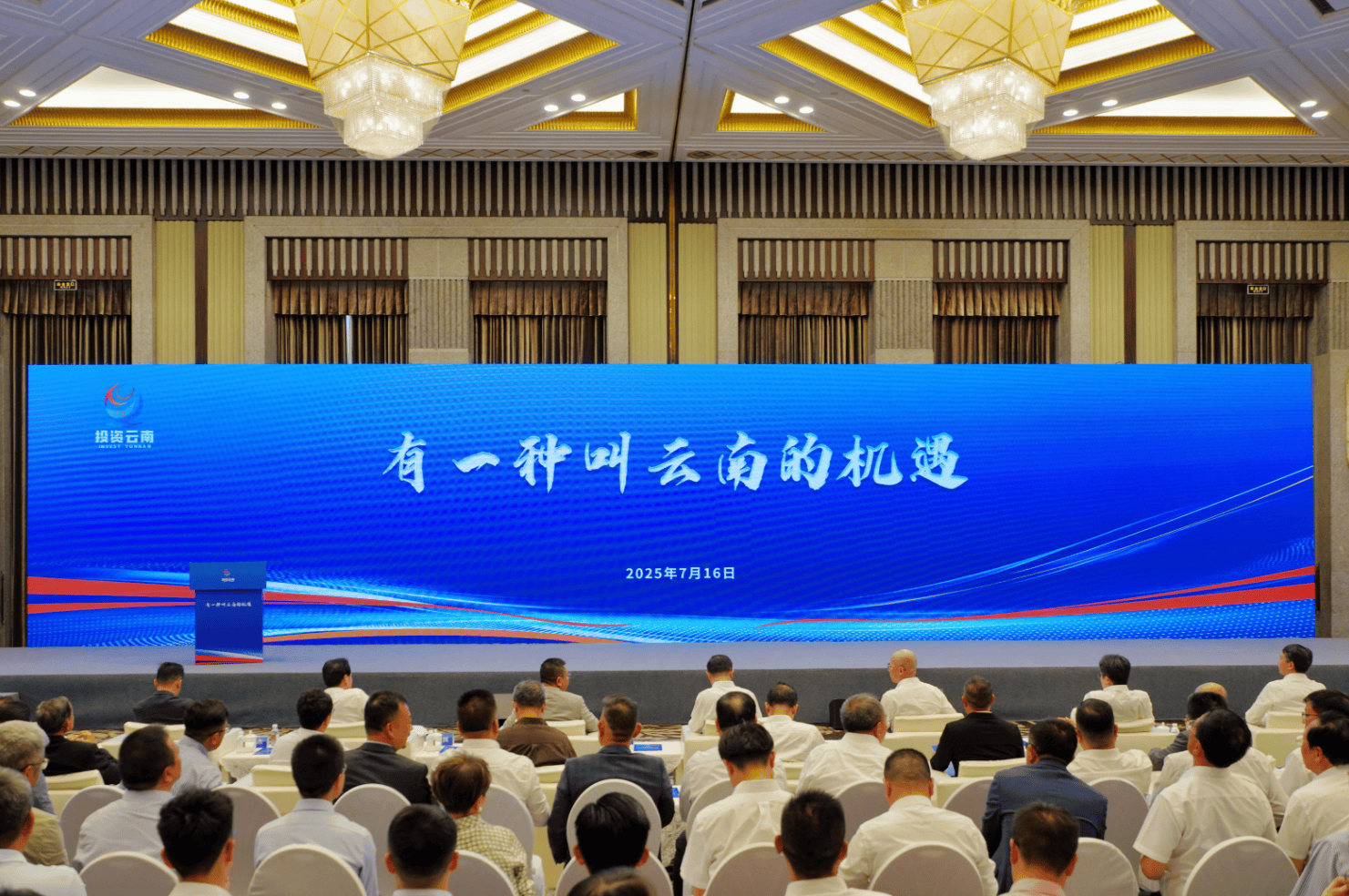
Core Viewpoint - Investment in Yunnan is timely and advantageous, as highlighted during the investment promotion conference held in Shanghai on July 16, where various business leaders gathered to discuss development and cooperation opportunities [1][3]. Group 1: Investment Opportunities - Over 120 well-known enterprises participated in the conference, facilitating direct communication and signing investment cooperation agreements [4]. - Key industries highlighted for investment include "green electricity + advanced manufacturing," industrialization of the tea industry, and the industrialization of traditional Chinese medicine [5]. Group 2: Green Development - Deloitte emphasized Yunnan's potential for green development due to its abundant green electricity resources, favorable climate, low production costs, and solid industrial foundation, making it an ideal location for enterprises aiming for low-carbon development [7]. - The collaboration between the Yunnan government and enterprises through "green electricity +" aims to create new advantages and address climate challenges [7]. Group 3: Tea Industry - Nongfu Spring, as the largest tea beverage producer in China, supports the development of Yunnan's tea industry across various stages, planning to invest in tea processing bases to enhance the industrialization of the tea supply chain [9]. - Yunnan's unique climatic conditions provide a solid foundation for tea cultivation, making it a significant player in the tea industry [9]. Group 4: Traditional Chinese Medicine - Yunnan Baiyao Group plans to establish a 10 billion yuan traditional Chinese medicine industry development fund to support the growth of the industry and invites collaboration from various parties [11]. - The "Digital Cloud Medicine" platform developed by Yunnan Baiyao has achieved a transaction volume exceeding 1 billion yuan within six months of operation [11]. Group 5: Strategic Industries - Yunnan is recognized for its rich mineral resources, with 157 out of 174 mineral types found in the province, and 82 types ranking in the top ten nationally [13]. - The province's agricultural sector has a total industrial chain output value exceeding 2.7 trillion yuan, with competitive products like coffee and natural rubber [13]. Group 6: Tourism Industry - Yunnan boasts 207 tourist attractions rated 4A and above, with significant growth in inbound tourism, as evidenced by a 168% increase in overnight visitors [14]. - The province's tourism development is supported by its rich cultural heritage and natural beauty, making it a key area for investment [14]. Group 7: Business Environment - Yunnan is committed to enhancing its business environment by implementing policies to support the private economy and improving communication between government and enterprises [15]. - The province aims to effectively connect investment attraction with actual investment through various support measures [15].
日本抹茶告急,贵州小城狂飙!铜仁正在成为下一个“宇治”?
创业邦· 2025-07-11 03:17
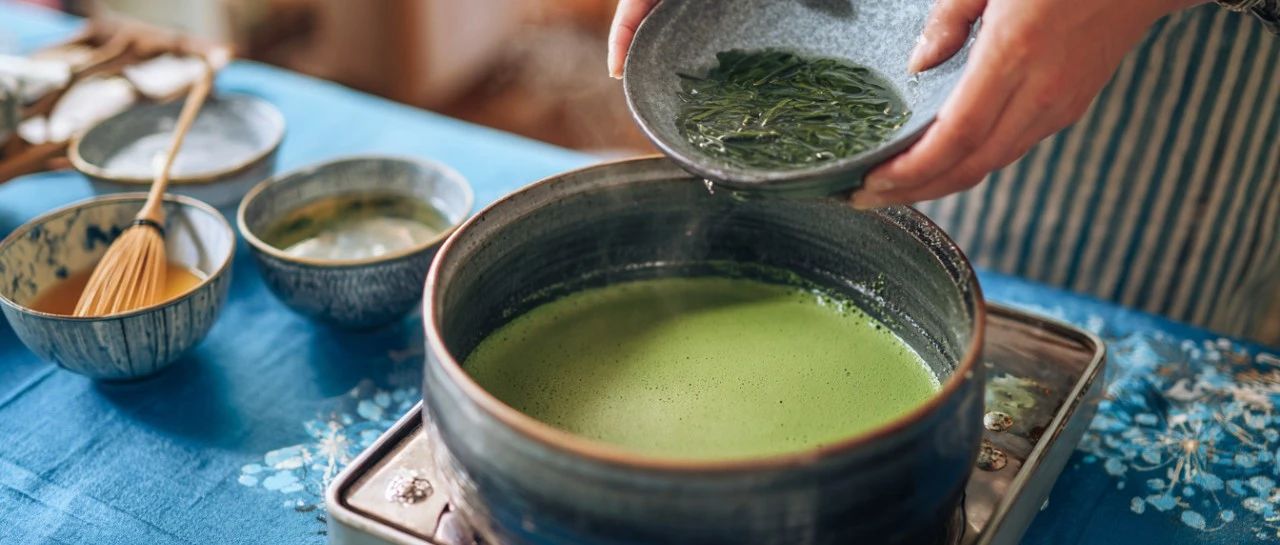
Core Viewpoint - The article discusses the global attention on the shortage of Japanese matcha and highlights the rise of Guizhou, China, as a potential new center for matcha production and consumption, driven by increasing demand and supply constraints in Japan [4][8][10]. Group 1: Japanese Matcha Shortage - In June, a BBC author witnessed matcha powder selling out within five minutes at a famous shop in Uji, Japan, indicating a surge in demand [5]. - The demand for matcha is significantly increasing due to a tourism boom, with a projected 36.87 million visitors to Japan in 2024, a 47% increase year-on-year [7]. - The mismatch between supply and demand has led to a shortage of Japanese matcha, prompting some brands to limit purchases [8]. Group 2: Rise of Guizhou as a Matcha Producer - Guizhou has become the largest matcha producer and consumer in the world, with Tongren City contributing to 25% of China's matcha production [9]. - Guizhou's matcha production has rapidly scaled in the past decade, with Guizhou's Guicha Group producing over 1,000 tons of matcha in 2023, equivalent to 25% of Japan's total matcha production [15]. - In 2025, Guizhou exported 4 tons of matcha to Japan, with expectations for further exports, establishing itself as a supplier for major brands like Starbucks and Haidilao [16]. Group 3: Cultural and Market Development - Guizhou's matcha industry is still in its early stages of brand building and cultural integration, needing to develop a cohesive aesthetic experience similar to Uji's [49][50]. - The local government is promoting the integration of matcha culture with tourism, aiming to create a comprehensive experience for visitors [50]. - The collaboration with new retail enterprises like Hema is helping Guizhou matcha reach a broader audience, enhancing its visibility and market presence [31][32].
立顿黄山再投5000万,供应链升级能否撬动中国茶包市场?
Xi Niu Cai Jing· 2025-07-10 14:20
Group 1 - Lipton is optimizing its supply chain in China by investing over 50 million yuan in the Liheng Central Warehouse project, which is seen as a crucial step to enhance logistics efficiency and reduce costs in a competitive market [1][2] - The company faces challenges in the Chinese market due to the rise of sugar-free and freshly brewed tea, which has squeezed the growth potential of traditional tea bags [1] - Lipton plans to launch a caffeine-free Louis Bos tea in 2025, targeting caffeine-sensitive consumers, and is accelerating the introduction of new products like whole leaf tea and cold brew tea to change the perception of "broken leaf tea" [1] Group 2 - The Huangshan project has received strong local support, including rent-free factory space and reserved development land, which is expected to boost local tea farmers' income and upgrade the industry [2] - The company's sales strategy continues to focus on dining and office scenarios, with iced tea and milk tea powders performing well in fast-food chains, while e-commerce sales show a pattern of high demand during weekdays and low demand on weekends [1]