
啤酒

Search documents
燕京啤酒:燕京营养家是公司控股子公司线下销售渠道
Zheng Quan Ri Bao Wang· 2025-12-25 12:13
Group 1 - The core viewpoint of the article is that Yanjing Beer (000729) is actively engaging with investors regarding its market strategies, specifically through its subsidiary Beijing Yanjing Zhonghua Biotechnology Co., Ltd. [1] - Yanjing Nutrition Home is identified as a sales channel that the company is utilizing as part of its market development initiatives [1]

燕京啤酒(000729) - 000729燕京啤酒投资者关系管理信息20251225(二)
2025-12-25 10:20
Group 1: Company Overview and Strategic Goals - The company focuses on high-quality development, emphasizing transformation and innovation as key drivers for growth [2] - It aims to enhance operational efficiency, management quality, and development standards through nine major reforms [2] - The company plans to deepen innovation and advance reforms across various fields to strengthen its brand and market presence [2] Group 2: Management and Operational Efficiency - The company implements a comprehensive management system to improve production efficiency, cost control, and product quality [3] - It utilizes automation and smart factory technologies to align with industry best practices, enhancing service quality for customers [3] Group 3: Digital Transformation Achievements - During the "14th Five-Year Plan," the company completed its supply chain digital transformation, significantly reducing operational costs and improving management levels [4] - The digital initiatives have enhanced market responsiveness and customer experience, contributing to the brand's influence and competitiveness [4] Group 4: Product Strategy and Market Growth - The company adheres to a major product strategy, with the Yanjing U8 brand showing strong growth, driving product structure upgrades and profitability [5] - It focuses on integrating channels and deepening regional market engagement to solidify growth foundations [5] Group 5: Shareholder Returns and Dividend Distribution - The company prioritizes shareholder returns, planning to distribute cash dividends based on its 2025 performance [6] - For the first three quarters of 2025, it will distribute cash dividends of 1.00 yuan per 10 shares, totaling approximately 281.85 million yuan [7]
燕京啤酒(000729) - 000729燕京啤酒投资者关系管理信息20251225(一)
2025-12-25 10:20
Group 1: Strategic Development - The "14th Five-Year Plan" marks a significant strategic restructuring period for Yanjing Beer, focusing on growth and transformation as key themes [2] - The company aims to maintain a positive development trend through reform and innovation, with a focus on "second entrepreneurship and revitalizing Yanjing" as the main theme of the "15th Five-Year Plan" [2] - Key economic indicators have shown continuous growth for five years, leading the industry and demonstrating strong growth resilience [2] Group 2: Market Development - Yanjing Beer employs a "full-channel integration + regional deep cultivation" strategy to activate market growth potential and optimize regional strategies [3] - The company has introduced the "Hundred Cities Project" to enhance market development strategies, focusing on expanding sales networks and market coverage [3] - There is a positive trend in market expansion and product upgrades in emerging markets and new consumption scenarios [3] Group 3: Digital Transformation - The company recognizes the strategic value of digital transformation for traditional manufacturing and has integrated digital upgrades into its core strategic initiatives [4] - A "154" digital strategy blueprint is being implemented, focusing on supply chain digital transformation and establishing a digital operation system platform [4] - The goal is to achieve "fully online business, fully connected processes, and data visualization," creating an agile, intelligent, and green supply chain [4] Group 4: Product Innovation - Yanjing Beer drives product upgrades through R&D transformation, leveraging its national-level technology center and laboratories [5] - The company has increased R&D efforts to meet diverse consumer demands, developing strategic products like Yanjing U8 and V10 white beer [5] - An innovative model of "developing a batch, launching a batch, and reserving a batch" for product development has matured, covering various market segments [5]
研报掘金丨爱建证券:首予燕京啤酒"买入"评级,大单品战略成效显著,成长动能持续释放
Ge Long Hui· 2025-12-25 07:12
Core Viewpoint - Yanjing Beer has successfully implemented a big product strategy, leading to significant growth momentum and continuous release of growth potential [1] Product Strategy - The company focuses on beer research, production, and sales, forming a product matrix that includes high-end products like U8, V10, Lion King Craft, and Lijiang 1998, mid-range products like fresh beer and refreshing beer, and basic products with regional characteristics [1] - The success of the U8 big product has driven sales growth that consistently outpaces the industry, with profitability accelerating [1] Market Performance - The U8 product has shown strong growth, contributing to an upgrade in product structure, with the proportion of mid-to-high-end beer sales increasing from 54.6% in 2019 to 70.1% in the first half of 2025 [1] - The company plans to launch a "Hundred Cities Project" in 2025, focusing on high-capacity, high-structure, and high-growth cities to build model markets and explore growth potential in strong markets while strengthening its presence in underdeveloped markets [1] Regional Expansion - In the first half of 2025, the North China region accounted for 56.7% of the company's revenue, indicating a strategy of deepening advantages in strong markets while making breakthroughs in weaker markets [1] - The company is committed to advancing its big product strategy, with U8's growth continuing to show strong momentum [1]
华润啤酒,一路向“南”
Sou Hu Cai Jing· 2025-12-25 03:26
Core Viewpoint - China’s largest beer giant, China Resources Beer, has officially relocated its headquarters from Beijing to Shenzhen, marking a strategic shift towards southern markets and high-end product development [2][6][10]. Group 1: Company Strategy and Relocation - The relocation to Shenzhen is part of a broader strategy to enhance collaboration within the supply chain and tap into the growing market potential in Guangdong, which is projected to produce 4.75 million kiloliters of beer in 2024, making it the largest beer province in China [7][10]. - The new headquarters will not only serve as a decision-making center but will also integrate research, development, and brand experience, facilitating innovation and internal collaboration [10][12]. - The move is seen as a response to the challenges faced in the northeastern market, where the company has been closing inefficient factories and reducing its operational footprint [6][12]. Group 2: Market Performance and Financials - The company has experienced a decline in sales and profits due to market saturation and operational adjustments, with a reported revenue of 38.635 billion RMB in 2024, a slight decrease of 0.76% year-on-year, and a net profit of 4.739 billion RMB, down 8.03% [18][19]. - The beer segment showed a revenue increase of 2.6% in the first half of 2025, while the white wine segment saw a significant decline of nearly 34%, indicating a disparity in performance across product lines [18][20]. - The company has faced challenges in its high-end product strategy, with its own brands lagging behind partners like Heineken, which saw over 30% growth in high-end products [21][22]. Group 3: Challenges and Future Outlook - The exit from the northeastern market has not been without difficulties, including high costs associated with asset disposals and the impact on local employment and tax revenues [12][16]. - The company is exploring new product categories, such as yellow wine, in an attempt to innovate and expand its market presence, although the long-term success of these initiatives remains uncertain [23][24]. - As competition intensifies from both traditional beer rivals and new entrants from other industries, the company must navigate the complexities of market dynamics while maintaining a focus on high-end product development and operational efficiency [26].


2025年第51周:食品饮料行业周度市场观察
艾瑞咨询· 2025-12-25 00:05
Group 1 - The beverage market is experiencing a surge in demand for turmeric drinks, particularly among young consumers, despite taste complaints and high sugar content [3] - The health and wellness trend is gaining traction among young people, with a significant increase in health-related consumption, particularly in the "healthcare and wellness" sector [4] - The approval of elderberry anthocyanins as a new food ingredient in China marks a significant opportunity in the functional food market, with a projected global market size of $960 million by 2027 [5] Group 2 - The 2025 Probiotic Industry White Paper highlights the rapid growth of the probiotic market in China, with an expected annual growth rate of 11%-12% [6] - The food and beverage sector is anticipated to gradually recover, supported by government initiatives to promote consumption and the integration of various consumption scenarios [9] - The classic beverage iced tea has seen a resurgence in popularity, with sales reaching 12.7 billion yuan, driven by nostalgia and innovative marketing strategies [10] Group 3 - The plant-based market is facing challenges, with major brands like Beyond Meat withdrawing from China due to high prices and poor taste, indicating a need for product improvement [12] - The beverage industry is entering a price war, with major brands signaling price reductions, which may impact profit margins across the supply chain [13] - The low glycemic index (GI) food market is rapidly expanding, with a projected market size of 176.2 billion yuan by 2024, driven by health trends and rising diabetes rates [14] Group 4 - Beer companies are diversifying into the beverage sector as the beer market slows, reflecting a trend of cross-industry expansion [15] - The self-service dining model is gaining popularity in the restaurant industry, with significant growth in the small hot pot segment, driven by cost-effectiveness [17] - The trend of cross-industry collaboration in the food and beverage sector is evident, with brands like Mixue Ice City testing breakfast offerings to expand consumer engagement [18] Group 5 - The beverage market is witnessing structural growth opportunities, particularly in niche segments that cater to specific consumer needs [19] - Innovative product forms and visual appeal are becoming key drivers in the beverage industry, as brands seek to differentiate themselves in a crowded market [21] - The competition among food delivery platforms is intensifying, with major players adjusting strategies to focus on operational efficiency rather than solely on price competition [22] Group 6 - New product launches in the food and beverage sector include innovative items like sugar-free Oreos and functional non-alcoholic beers, reflecting changing consumer preferences [23][24] - Companies like Kunlun Mountain Mineral Water are expanding their market presence through strategic partnerships, aiming to enhance brand visibility and market reach [25] - Jiahua Foods is facing challenges in its transition to consumer branding, with rising costs impacting profitability despite slight revenue growth [26]

食品饮料2026年投资策略报告:曙光渐显,在分化中前行-20251224
Hua Yuan Zheng Quan· 2025-12-24 12:13
Group 1: Core Insights - The report emphasizes the recovery stage of consumer spending, highlighting that different sectors exhibit both commonalities and differences in their recovery rhythms, driven by supply-demand dynamics and industry structure [4][5] - ROA (Return on Assets) is identified as a leading indicator for the operational recovery of consumer companies, with a focus on analyzing various sub-sectors [4][13] Group 2: Sector Performance - The current recovery sequence indicates that soft drinks and snacks are leading, followed by the catering supply chain, condiments, dairy products, beer, and finally, liquor [5][25] - The report draws parallels with Japan's 1990s consumption differentiation, noting that sectors addressing consumer pain points and with low penetration rates are likely to succeed [5][6] Group 3: Investment Strategy - The report suggests focusing on sectors where ROA is stabilizing, indicating potential valuation recovery opportunities, particularly in traditional sectors like liquor, beer, and dairy [6][8] - It recommends identifying sub-sectors with either price or volume growth, with a preference for price-driven strategies [6][8] Group 4: Detailed Sector Analysis - The frozen food sector is showing signs of marginal improvement, with leading companies enhancing operational efficiency through product innovation and channel reforms [27][28] - The snack sector is experiencing high demand, driven by new channel developments, although competition is intensifying [33][35] - The beer industry is under pressure, with a focus on high-end products, but overall growth is slowing due to external economic factors [39][41] - The dairy sector is nearing the end of its adjustment phase, with expectations of improved performance as raw milk prices rise [41][42] - The liquor sector is currently in a phase of inventory reduction, with performance risks gradually clearing as channels stabilize [43][48]




青岛啤酒:公司高度重视股东合理投资回报
Zheng Quan Ri Bao· 2025-12-24 12:12
Core Viewpoint - Qingdao Beer emphasizes its commitment to providing reasonable returns to shareholders through a stable profit distribution policy, increasing cash dividends in line with business performance growth [1] Summary by Categories Dividend Policy - The company will distribute a cash dividend of 2.20 yuan per share (including tax) for the fiscal year 2024, representing a 10% increase compared to the 2023 fiscal year [1] - The dividend payout ratio has reached 69%, indicating a strong commitment to returning profits to shareholders [1] Financial Commitment - The total amount allocated for dividends in 2024 is set to be 3 billion yuan [1]
金星啤酒亮相河南消费新媒体联盟七周年盛典,携手共筑放心消费生态
Sou Hu Cai Jing· 2025-12-24 10:44
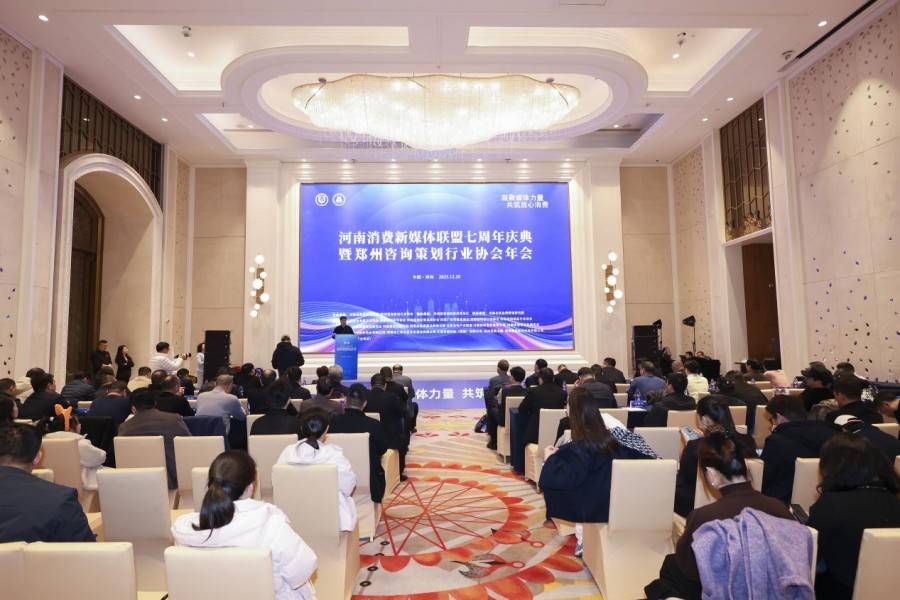
Group 1 - The event celebrated the seventh anniversary of the Henan Consumer New Media Alliance, focusing on the theme "Gathering Media Power, Building Trustworthy Consumption" with participation from over a hundred guests including government officials, industry associations, and business representatives [1] - Jin Xing Beer Group, a key enterprise in Henan, participated in discussions on brand credit construction and consumer rights protection, contributing to the high-quality development of the Central Plains consumption economy [3] - Jin Xing Beer Group has maintained a production capacity of 2 million tons annually, leading the industry in Henan, with over 60 products in the "Jin Xing" series sold across more than 20 provinces [5] Group 2 - The Henan Consumer New Media Alliance has grown from a coalition of a dozen media outlets to 24 member units, emphasizing the need for new media to enhance public confidence in consumption through authentic and objective content [7] - Jin Xing Beer has prioritized consumer rights protection throughout its production chain, ensuring quality control from raw material procurement to logistics, which has built a solid foundation for participating in the trustworthy consumption ecosystem [9] - The event featured discussions on topics such as "New Media Empowering Consumption Upgrade," with Jin Xing Beer receiving high praise for its practices in quality assurance and brand communication, positioning it as a benchmark enterprise in promoting healthy regional consumption [11] Group 3 - Jin Xing Beer aims to deepen collaboration with the Henan Consumer New Media Alliance and partners, actively participating in consumer rights advocacy and industry standard development, while focusing on quality and innovation [13]
燕京啤酒(000729):首次覆盖报告:大单品战略成效显著,成长动能持续释放
Shanghai Aijian Securities· 2025-12-24 07:56
Investment Rating - The report assigns a "Buy" rating for the company, marking its first coverage [2][3]. Core Insights - The company is effectively implementing a big product strategy, with sustained growth momentum. The revenue projections for 2025, 2026, and 2027 are estimated at 156.9 billion, 167.2 billion, and 177.0 billion yuan, respectively, reflecting year-on-year growth rates of 7.0%, 6.6%, and 5.9%. The net profit attributable to shareholders is projected to be 14.5 billion, 17.6 billion, and 20.3 billion yuan for the same years, with growth rates of 36.9%, 22.0%, and 15.3% respectively [3][5]. Summary by Sections Market Data - Closing price: 12.04 yuan - One-year high/low: 14.36/10.7 yuan - Price-to-book ratio: 2.1 - Dividend yield: 1.58% - Market capitalization of circulating A shares: 30,216 million yuan [2]. Financial Projections - Total revenue for 2023 is 14,213 million yuan, with a year-on-year growth rate of 7.7%. The net profit for the same year is 645 million yuan, showing a significant increase of 83.0% [5][19]. - The gross margin is expected to improve from 37.6% in 2023 to 45.0% by 2027, indicating a positive trend in profitability [5][19]. Product Strategy - The company has established a product matrix that includes high-end products like U8, V10, and regional specialties, which have shown strong sales growth. The U8 product line is expected to achieve a sales target of 90,000 tons in 2025, with a year-on-year growth of 31.4% [3][4]. - The company is focusing on expanding its market presence through initiatives like the "Hundred Counties" and "Hundred Cities" projects, targeting high-capacity and high-growth cities [5][19]. Competitive Landscape - The beer industry is characterized by stable competition, with production levels stabilizing around 35 million kiloliters since 2021. The company has been outperforming the industry in terms of sales growth, driven by its successful U8 product strategy [3][4]. Revenue Breakdown - Revenue from mid-to-high-end beer is projected to grow from 95.1 billion yuan in 2025 to 109.2 billion yuan in 2027, with gross margins improving from 52.0% to 55.0% [3][5]. - Revenue from regular beer is expected to grow modestly, with projections of 44.5 billion yuan in 2025 and 46.0 billion yuan in 2027, maintaining a stable gross margin of around 31.5% [3][5].