家电

Search documents
九部门推“新春焕新家”惠民促销 家居焕新补贴再升级
Bei Jing Shang Bao· 2026-02-02 13:45
Core Insights - The "Le Gou New Spring" initiative aims to boost consumer spending during the Spring Festival by promoting trade-in subsidies and enhancing offline retail support [1][2] - The event will take place from February 15 to 23, 2026, covering six areas: food, accommodation, transportation, tourism, shopping, and entertainment [1] Group 1: Policy and Support Measures - The initiative encourages local governments to increase the number of trade-in subsidies for consumer goods during the Spring Festival [1] - It emphasizes the importance of offline retail support and mobilizes enterprises to conduct exhibitions and sales for automobiles, home appliances, digital, and smart products [1][2] - The "New Spring Home" promotion will involve collaboration among home furnishing markets, appliance brands, and home decoration companies [1] Group 2: Market Impact and Data - The trade-in policy is part of a broader government effort to upgrade consumption in the home and related industries [2] - In 2025, the sales volume of trade-in related goods exceeded 2.6 trillion yuan, benefiting over 360 million people [2] - Specific figures for 2025 include over 129 million home appliances, 120 million home renovations, 11.5 million automobiles, 9.1 million digital products, and 1.25 million electric bicycles traded in [2]
多家上市公司披露新进展!美的、顺丰:已回购股份近20亿元!
证券时报· 2026-02-02 13:35
Core Viewpoint - Multiple listed companies have disclosed their share repurchase progress, indicating a trend of companies actively engaging in buybacks to enhance shareholder value and stabilize stock prices [3][4][6][10]. Group 1: Company Repurchase Plans - Midea Group (000333) announced a plan to repurchase A-shares with a total amount not exceeding 3 billion yuan and not less than 1.5 billion yuan, with a maximum price of 100 yuan per share. As of January 31, 2026, the company had repurchased 26.94 million shares, accounting for 0.3545% of the total share capital, at an average price of 74.14 yuan per share, totaling approximately 1.998 billion yuan [3][4]. - SF Holding (002352) adjusted its repurchase plan to a total amount between 1.5 billion yuan and 3 billion yuan, with a maximum price of 60 yuan per share. As of January 31, 2026, the company had repurchased 48.29 million shares, representing 0.96% of the total share capital, at an average price of 39.34 yuan per share, totaling around 1.9 billion yuan [6]. - GoerTek (002241) increased its repurchase amount from a minimum of 500 million yuan to a minimum of 1 billion yuan, with a maximum of 1.5 billion yuan. As of February 2, the company had repurchased 40.55 million shares, accounting for 1.14% of the total share capital, at an average price of 27.29 yuan per share, totaling approximately 1.108 billion yuan [8]. Group 2: Termination of Repurchase Plans - Qinsun Holdings (002638) announced the termination of its plan to reduce repurchased shares, which was initially set to sell 16.49 million shares, representing 1.15% of the total share capital. The decision was made to stabilize the stock price and enhance investor confidence [10]. Group 3: Financial Support for Repurchase - Xidun Pharmaceutical (301130) disclosed that it obtained a commitment letter from a financial institution for a stock repurchase loan, with a total amount between 25 million yuan and 50 million yuan, and a maximum repurchase price of 42 yuan per share. The expected repurchase quantity is between 595,200 and 1,190,500 shares, accounting for 0.78% to 1.56% of the total share capital [12][14].





攀高向新 把握主动——我国民营企业内生动力持续增强
Xin Hua Wang· 2026-02-02 13:32
Group 1: Private Enterprises and Market Trends - The core viewpoint emphasizes the increasing internal motivation of private enterprises in China, showcasing their confidence and innovative spirit in navigating challenges and seizing new opportunities [1][6] - Private enterprises are focusing on innovation and practical solutions, as seen in the case of Anhui Shenghua Bo Automotive Electric Co., which invested 150 million yuan in automating its production lines, achieving a product qualification rate of 99% and capturing over 30% of the national market share for wipers [1] - The health food sector is also expanding, with companies like Binzhou Zhongyu Food Co. planning to invest 2.7 billion yuan in new product lines, including dietary fibers and protein peptides, to tap into the growing health consumption market [2] Group 2: Technological Advancements and Consumer Services - Companies are leveraging technology to enhance consumer services, as demonstrated by Xiaoxiang Supermarket, which has optimized its supply chain for deep-sea fish, reducing the time from catch to delivery to under 36 hours [3] - The instant retail market in China is projected to reach 971.4 billion yuan by 2025, with expectations to exceed 1 trillion yuan by 2026, indicating significant growth potential in this sector [3] - The introduction of smart air conditioning products by companies like Aux is a response to market demand, with plans for increased R&D investment to develop new health-focused air management systems [4] Group 3: International Expansion and Supply Chain Strategies - Private enterprises are increasingly looking to expand internationally, as seen with Yadea Technology's strategy to establish a factory in Vietnam, contributing to double-digit growth in overseas sales [5] - Payment platforms like PingPong are addressing the challenges faced by chain brands in international markets by offering comprehensive management solutions for global operations [5] - The Chinese manufacturing system is positioned to rapidly develop in the field of embodied intelligence, supported by a highly coordinated supply chain [5] Group 4: Policy Support for Private Enterprises - Recent policy measures, including structural interest rate cuts and expanded financial support for equipment upgrades, are aimed at fostering the growth of private enterprises [6] - The introduction of a 500 billion yuan special guarantee plan for private investment is expected to stimulate innovation and provide substantial momentum for high-quality economic development in China [6]
从一个家电卖场看国补新账(财经深一度)
Ren Min Ri Bao· 2026-02-02 13:31
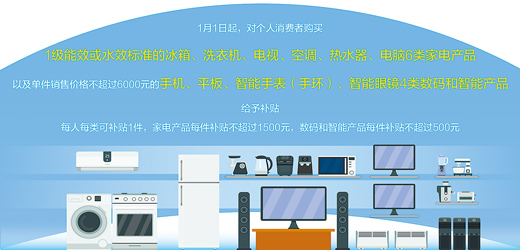
Core Viewpoint - The new national subsidy policy for 2026 aims to stimulate consumer spending by focusing on energy-efficient and smart products, with a more targeted approach to financial resources [3][15]. Group 1: Policy Changes - The 2026 subsidy policy narrows its focus from 12 categories in 2025 to 6 key categories: televisions, refrigerators, water heaters, computers, washing machines, and air conditioners [3]. - The subsidy standard has been reduced from 20% to 15%, and the maximum subsidy per household appliance has decreased from 2000 yuan to 1500 yuan, emphasizing the efficient use of fiscal funds [3][15]. - New products like smart glasses have been included in the subsidy list, reflecting the government's responsiveness to emerging consumer demands [3]. Group 2: Implementation and Market Response - The Chongqing Municipal Commerce Committee quickly implemented the subsidy policy, with a well-prepared execution plan ready within hours of the official announcement [6]. - The initial response from consumers was strong, with a significant increase in foot traffic at stores like JD MALL, doubling the number of visitors [8]. - However, there were issues with the redemption rate of subsidy coupons, leading to a policy adjustment to allow for daily coupon claims instead of weekly [9][10]. Group 3: Financial Support and Consumer Behavior - Financial institutions have been proactive in addressing the cash flow pressures faced by retailers, introducing products like "National Subsidy Loans" to support businesses [12]. - The average transaction value at stores has increased by over 40% compared to 2024, indicating that consumers are opting for higher-quality products rather than just cheaper options [15]. - The new policy is seen as a driver for consumption upgrades, with a notable increase in sales of energy-efficient and smart products, reflecting a shift in consumer preferences towards quality [14][15]. Group 4: Future Outlook - The 2026 subsidy policy is expected to foster a more advanced, intelligent, and green domestic market, aligning with national goals for sustainable consumption [16].
“两新”政策加力 提振消费活力
Yang Shi Wang· 2026-02-02 12:52
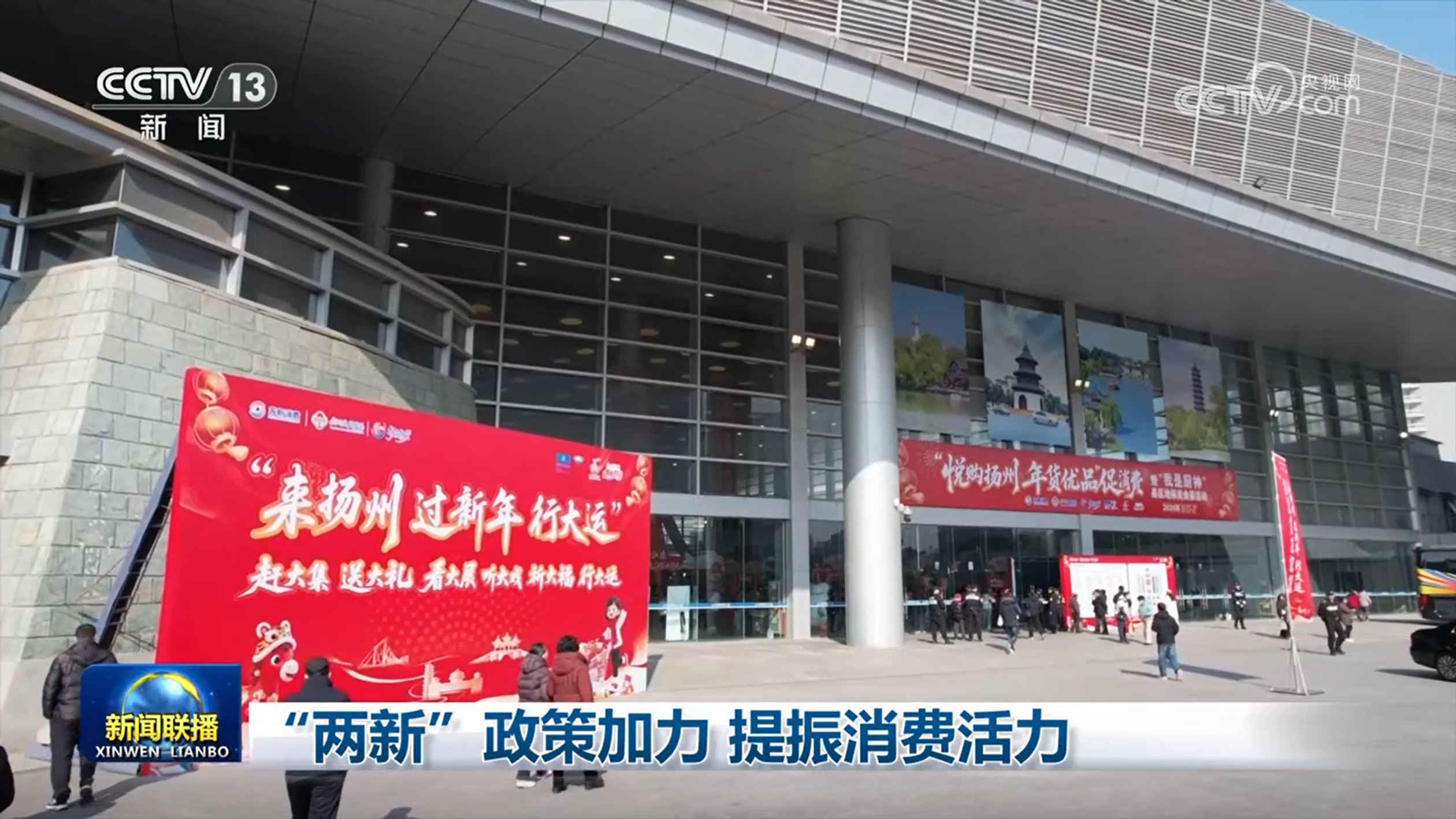
Group 1 - The core focus is on promoting consumption through various initiatives, including the "Renew Life Zone" in Jiangsu Yangzhou, which emphasizes the replacement of old products with new ones in categories like automobiles, home appliances, and digital products [2] - A total of 237 million yuan will be allocated in the first quarter to stimulate consumer spending [2] - In regions like Xinjiang Urumqi and Inner Mongolia Baotou, businesses are offering diverse promotional packages for mobile phones and home appliances, enhancing consumer options beyond national subsidies [2] Group 2 - Local governments are optimizing services to support the implementation of new policies, with efforts such as the Liaoning Liaoyang industrial department assisting local chemical companies in upgrading outdated equipment [3] - In Anhui, multiple regions are organizing agricultural machinery sales events to promote purchase subsidies and replacement policies, attracting significant interest from rural residents [3]
美的,换帅疑云
3 6 Ke· 2026-02-02 12:11
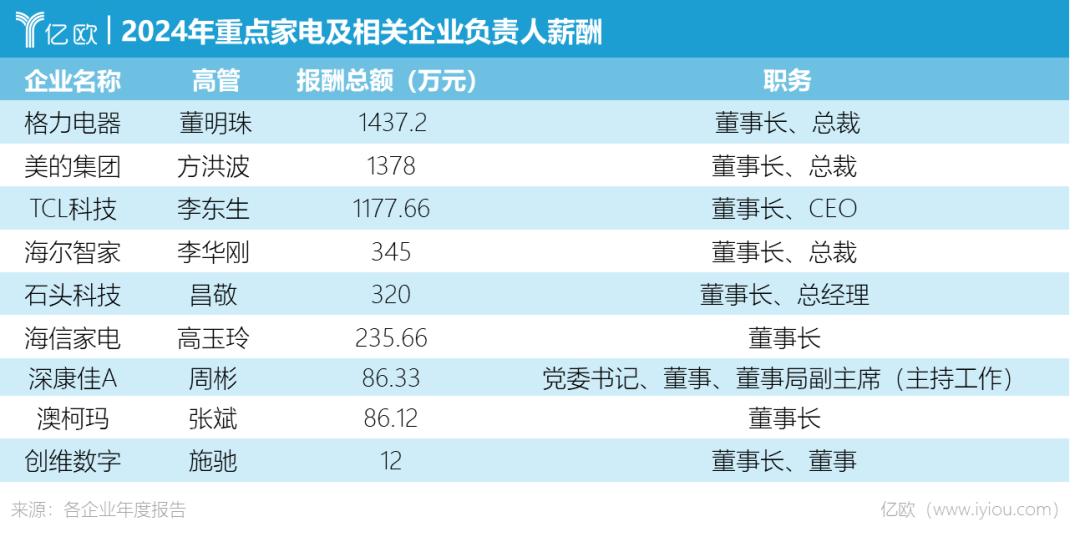
年薪千万元、"最牛打工人"、职业经理人"天花板"......美的集团董事长兼总裁方洪波,在商界拥有耀眼的光环。 以美的视角看,方洪波值得称赞之处在于,既非美的创始元老,也非第一大股东,这突破了民企股权与管理权深度绑定的传统结构。 在这种情况下,方洪波接班12年,推动美的营收增长298%、净利润增长531%、自有资金增长4512%、资产总额增长589%(数据源自美的集团官网,与 2013年年度报告对比存在偏差),市值峰值一度突破7000亿元。方洪波带领美的拳打格力、脚踢海尔,将美的推向了中国"家电一哥"的位置。 更可贵的是,方洪波多次表示"我一定要退下来""我只是美的发展历史中的一个过客"……他对外展示的个人形象非常鲜明——不恋权、不恋名,随时准备 隐入尘烟。 当然,美的集团也没有亏待这位功臣。 天眼查显示,方洪波持有美的集团1.17亿股,占美的集团总股本1.52%。按1月30日开盘价77.60元计算,方洪波身价达到91.84亿元。《2025新财富500创富 榜》显示,方洪波以88.1亿元的持股估值,位列第391位。 在薪酬上,美的也给予了方洪波"天价"回报。2024年美的年度报告显示,方洪波从公司获得的税前报 ...
美的集团:累计回购股份26943695股
Zheng Quan Ri Bao· 2026-02-02 11:41
(文章来源:证券日报) 证券日报网讯 2月2日,美的集团发布公告称,截至2026年1月31日,公司通过回购专用证券账户,以集 中竞价交易方式累计回购公司A股股份数量为26,943,695股,占公司目前总股本的0.3545%,最高成 交价为80.44元/股,最低成交价为69.50元/股,支付的总金额为1,997,553,694元(不含交易费 用),本次回购符合相关法律法规的要求,符合公司既定的回购方案。 ...
海尔智家(06690):累计回购42.2万股D股股份
智通财经网· 2026-02-02 11:33
智通财经APP讯,海尔智家(06690)发布公告,关于回购境外上市外资股(D股)股份进展,自2026年1月21 日至2026年1月31日,公司已累计回购D股股份42.2万股,占公司总股本的比例为0.0045%,购买的最高 价为2.1025欧元/股、最低价为2.07欧元/股,支付的金额(含手续费)为88.41万欧元,该等回购股份将全部 注销。 ...

家电行业 2026 年 2 月投资策略:原材料价格上涨对白电龙头影响有限,白电 1-2 月排产增速环比改善
Guoxin Securities· 2026-02-02 11:09
Core Views - The report maintains an "Outperform" rating for the home appliance industry, indicating a positive outlook despite challenges from rising raw material prices and market competition [1][5][11]. Raw Material Price Impact - Recent increases in copper and aluminum prices have raised concerns about the profitability of leading white goods manufacturers. However, historical analysis shows that the negative impact of raw material cost increases on gross margins has diminished over time. For instance, during previous cycles from 2008 to 2022, the maximum quarterly gross margin decline for leading white goods companies was 5-7 percentage points in 2009-2011, around 5 percentage points in 2016-2017, and only about 2 percentage points in 2020-2022. The current price increases are expected to have a lesser impact, with an anticipated gross margin decline of less than 2 percentage points [1][17][18]. Production and Demand Trends - In January and February 2026, the total production of white goods in China was 23.79 million units, reflecting a year-on-year decline of 22.1%. However, the cumulative production decline for the first two months is expected to be around 5%. The production performance has shown signs of recovery compared to a more than 10% decline in Q4 2025. The demand is expected to stabilize due to the effects of national subsidy policies [2][24]. Retail Market Performance - The retail market for home appliances in China is projected to decline by 4.3% in 2025, with a total retail scale of 893.1 billion yuan. Specific categories such as air conditioners and refrigerators are expected to see declines of 0.4% and 11.5%, respectively, while small kitchen appliances are expected to grow by 3.8% [2][31]. Investment Recommendations - The report recommends several companies for investment based on their performance and market position. For white goods, companies like Midea Group, Haier Smart Home, TCL Home, and Hisense Home Appliances are highlighted. In the small appliance sector, Stone Technology, Bear Electric, and New Treasure are recommended. For black goods, TCL Electronics and Hisense Visual are suggested [3][12][50]. Company Earnings Forecasts - The report provides earnings forecasts for key companies, indicating that Midea Group is expected to have an EPS of 5.84 yuan in 2025 and 6.43 yuan in 2026, with a PE ratio of 13 for 2025. Haier Smart Home is projected to have an EPS of 2.27 yuan in 2025 and 2.53 yuan in 2026, with a PE ratio of 11 for 2025 [4][50].



预亏超百亿,老牌家电巨头或被*ST
Zhong Jin Zai Xian· 2026-02-02 10:58
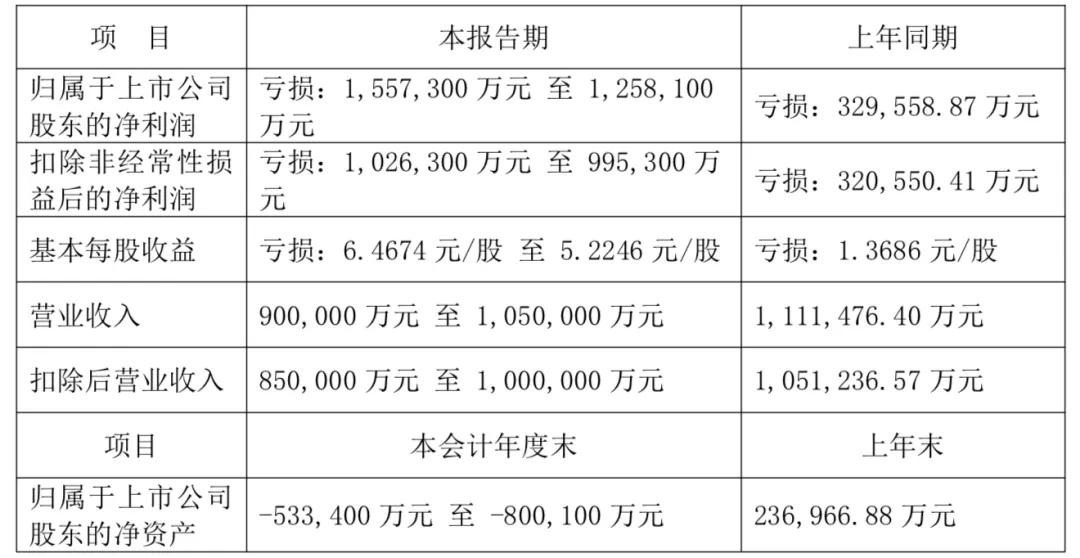
Group 1 - The company, Deep Konka A, expects a significant net profit loss for 2025, projecting a loss between 15.573 billion yuan and 12.581 billion yuan, compared to a loss of 3.296 billion yuan in the previous year [1][2] - The projected loss is attributed to increased impairment provisions for inventory, accounts receivable, equity investments, financial assistance, and ineffective assets, leading to a negative net asset value for shareholders [2][3] - The company's consumer electronics business is experiencing revenue decline due to insufficient product competitiveness, resulting in continued losses despite a reduction in overall expenses [3] Group 2 - If the audited net assets for 2025 are negative, the company's stock may face a delisting risk warning, potentially being classified as *ST [3] - The investigation of former executives, including the former chairman and vice president, for serious violations of discipline and law marks the first case since China Resources took control of Konka in July 2025 [4] - The former chairman, Zhou Bin, has been with the company since 2001, rising through the ranks to become the chairman of the board, and has faced accountability for previous financial reporting inaccuracies [4]