
玩具

Search documents
深夜,又一A股公司算力计划泡汤
财联社· 2025-10-21 01:50
Core Viewpoint - The article discusses the abrupt termination of the acquisition of Hangzhou Tiankuan Technology Co., Ltd. by Qunxing Toys, highlighting the challenges faced in reaching an agreement on key terms and the implications for the company's future strategies and financial performance [2][6]. Group 1: Acquisition Details - Qunxing Toys announced the termination of its plan to acquire at least 51% of Tiankuan Technology due to failure to agree on transaction price and terms [2][6]. - The acquisition was initially disclosed on February 26, leading to a surge in stock price, but the deal has now been called off after nearly eight months of discussions [2][7]. - This would have been the fifth restructuring attempt by Qunxing Toys since its listing, with previous attempts also failing to materialize [6][7]. Group 2: Financial Performance - Following the acquisition announcement, Qunxing Toys' stock experienced a significant decline, with a drop of 24.84% over the past eight months and a 14.44% decrease year-to-date [7]. - The company reported a net loss that expanded by 158.63% year-on-year, with its main revenue source being alcoholic beverages, which accounted for over 80% of total revenue [9]. - In the first half of the year, the intelligent computing business generated revenue of 18.11 million, representing 10.32% of total revenue, but incurred a net loss of 18.61 million due to high costs associated with the cross-industry transition [9]. Group 3: Business Strategy and Market Position - Qunxing Toys has attempted to diversify into various sectors, including mobile gaming, energy, and artificial intelligence, but has faced challenges in successfully executing these strategies [6][7]. - The company had previously engaged in a partnership with Tencent for providing cluster computing services, amounting to 113 million, indicating a strategic pivot towards the intelligent computing sector [8][9]. - Despite the setbacks in the acquisition and ongoing losses, Qunxing Toys remains committed to exploring opportunities in the intelligent computing field, which aligns with the core business of Tiankuan Technology [8][9].



四大证券报精华摘要:10月21日
Xin Hua Cai Jing· 2025-10-21 00:18
Group 1: A-Share Market Performance - As of October 20, 2025, 125 A-share companies have disclosed their Q3 reports, with 93 companies achieving a year-on-year increase in net profit attributable to shareholders, representing 74.4% [1] - Among 140 companies that released Q3 performance forecasts, 117 are optimistic, resulting in a forecast positivity rate of approximately 83.57% [1] - Technology sectors such as semiconductors, artificial intelligence, consumer electronics, and communications are showing continuous improvement in performance [1] Group 2: Robotics Industry Developments - Recent announcements from humanoid robot companies indicate significant orders in the manufacturing sector, with Zhiyuan Robotics securing a multi-billion yuan order from Longqi Technology [2] - Zhiyuan and Shenzhen Huizhi Wulian plan to deploy over 1,000 humanoid robots in production bases over the next three years [2] - The integration of robots into factories is expected to enhance efficiency and provide real-world data for technological advancements [2] Group 3: Wind Power Industry Outlook - The "Beijing Wind Energy Declaration 2.0" sets a target of an average annual new installed capacity of no less than 120 million kilowatts for the wind power industry over the next five years [3] - The industry is experiencing a surge in activity due to both domestic and international market drivers, coinciding with the peak construction season in Q3 [3] - The wind power sector is positioned for high-quality growth, supported by market reforms aimed at enhancing the sector's competitiveness [3] Group 4: Securities App User Growth - The number of monthly active users for securities service apps reached 175 million in September, marking a year-on-year increase of 9.73% and setting a new record for the year [4] Group 5: Investment Opportunities in A-Shares - Foreign institutions view the recent market fluctuations as creating long-term investment opportunities driven by "performance realization" and "technological innovation" [5] - The combination of strong industrial policy support, continued foreign capital inflow, and breakthroughs in key technology sectors is seen as the core logic for the long-term upward trend in the A-share market [5] Group 6: CATL's Q3 Financial Performance - CATL reported Q3 revenue of 104.186 billion yuan, a year-on-year increase of 12.90%, and a net profit of 18.549 billion yuan, up 41.21% [6] - For the first three quarters, the company achieved total revenue of 283.072 billion yuan, a 9.28% increase, and a net profit of 49.034 billion yuan, growing by 36.20% [6] - CATL's cash and financial assets exceeded 360 billion yuan, supporting its extensive R&D and global capacity expansion [6] Group 7: Cement Industry Developments - A meeting focused on stabilizing growth in the cement industry emphasized optimizing capacity structure to address supply-demand imbalances [8] - Major cement companies are increasing off-peak production halts due to declining demand, with overall capacity utilization remaining around 50% [8] Group 8: AI Toy Market Growth - The AI toy market is rapidly transforming the industry, catering to diverse consumer needs across age groups and creating a "golden age" for development [11] - AI toys are predicted to grow from a market size of $18.1 billion in 2024 to $60 billion by 2033, with a compound annual growth rate of approximately 14% [11] Group 9: Fund Issuance Trends - On October 20, 26 funds were launched simultaneously by 23 public fund institutions, with passive index funds being the most prevalent [12] - The concentration of passive index fund issuance reflects public fund institutions' strategic outlook on industry development [12] Group 10: iPhone Air Launch and eSIM Market - The iPhone Air, set to launch on October 22, is the first domestic smartphone to eliminate the physical SIM card slot, utilizing eSIM technology [10] - Several companies, including Unisoc and Eastcompeace, have been preparing for eSIM business for years, indicating a growing market for eSIM solutions [10] Group 11: iFlytek's Q3 Financial Results - iFlytek reported Q3 revenue of 6.078 billion yuan, a year-on-year increase of 10.02%, and a net profit of 172 million yuan, up 202.40% [13] - The company has made significant advancements in AI technology, focusing on self-controlled core technology strategies [13]

AI玩具 开启产业“黄金时代”
Zheng Quan Ri Bao· 2025-10-20 23:43
Core Insights - The AI toy industry is experiencing rapid transformation, becoming a new consumer hotspot across all age groups and entering a "golden era" of development [1][9] - AI toys cater to the dual needs of education and entertainment for children, provide emotional companionship for Generation Z, and serve as memory aids for the elderly, leveraging advanced technologies like multimodal interaction and emotional computing [1][2] Market Trends - AI toys are perceived as "screen-free educational tools" by parents, significantly enhancing children's learning experiences through interactive and engaging methods [2] - Sales of AI toys surged dramatically, with a reported sixfold increase in sales in the first half of 2025 compared to the previous period, and over 200% year-on-year growth [2] - The global AI toy market is projected to grow from $18.1 billion in 2024 to $60 billion by 2033, with a compound annual growth rate (CAGR) of approximately 14% [1] Consumer Demographics - The target audience for AI toys has expanded beyond children to include the Z generation and older adults, indicating a broadening market appeal [2][3] - AI toys are designed to provide emotional support and companionship, particularly for young professionals and the elderly, enhancing their quality of life [2][3] Capital Investment - The AI toy sector has seen a significant increase in the number of companies and investment activities, with nearly a hundred investment institutions entering the market [4] - The market size for AI toys in China is expected to reach 29 billion yuan in 2025 and further grow to 85 billion yuan by 2030 [4] Competitive Landscape - The AI toy market is characterized by low industry concentration and diverse competition, with traditional toy companies beginning to integrate AI technologies into their products [6] - Companies are focusing on developing high-value products that emphasize emotional companionship and personalized growth, moving beyond basic entertainment functions [6] Challenges and Innovations - The industry faces challenges such as product homogenization and reliance on similar AI service providers, necessitating innovation to differentiate offerings [7][8] - Companies are encouraged to invest in research and development to create unique features and enhance user experience, thereby improving product competitiveness [9] Conclusion - The rise of AI toys represents a fusion of technology and human emotion, reshaping the toy industry and addressing societal emotional needs, marking the beginning of a new era in consumer products [9]

AI玩具开启产业“黄金时代”
Zheng Quan Ri Bao· 2025-10-20 17:09
Core Insights - The AI toy market is rapidly transforming the industry landscape, catering to various age groups and creating a "golden era" for development, driven by products that meet the dual needs of education and entertainment for children, emotional companionship for Generation Z, and memory assistance for the elderly [1][2][3] Market Trends - AI toys are perceived as "screen-free educational tools" by parents, significantly enhancing children's learning experiences through interactive and engaging methods, leading to a remarkable sales increase of 600% in the first half of 2025 compared to the previous year [2][3] - The target audience for AI toys has expanded beyond children to include Generation Z, with products being valued for their emotional support and companionship, indicating a shift in consumer behavior [2][3] Market Size and Growth - The global AI toy market is projected to grow from $18.1 billion in 2024 to $60 billion by 2033, with a compound annual growth rate (CAGR) of approximately 14% from 2024 to 2033, highlighting the potential for significant market expansion [1][4] Capital Investment - The AI toy sector has seen a surge in investment, with nearly a hundred investment firms entering the market and numerous startups securing multiple rounds of funding, indicating strong capital interest and growth potential [4][5] Competitive Landscape - The AI toy industry currently has low participant concentration and a diverse competitive landscape, with traditional toy companies beginning to integrate AI technologies into their products, thus accelerating the transition to smart toys [6][7] - Companies are focusing on enhancing user experience through emotional companionship and personalized growth advisory features, moving beyond basic entertainment functions [6][7] Challenges and Innovations - The industry faces challenges such as product homogenization and reliance on similar AI service providers, necessitating innovation to differentiate offerings and enhance user interaction [7][8] - Companies are encouraged to invest in research and development to create unique products tailored to specific age groups or scenarios, emphasizing the importance of user experience and brand differentiation [9]
群兴玩具终止筹划重大资产重组事项
Zhi Tong Cai Jing· 2025-10-20 14:43
Core Viewpoint - The company has decided to terminate the major asset restructuring plan to acquire at least 51% of Hangzhou Tiankuan Technology Co., Ltd. due to failure to reach an agreement on key terms such as transaction price and scheme [1] Group 1 - The company initially planned to acquire a significant stake in Hangzhou Tiankuan Technology Co., Ltd. through a cash transaction [1] - The termination of the acquisition was a result of insufficient consensus among parties involved regarding core terms of the deal [1] - The company conducted thorough research and engaged in friendly negotiations with relevant parties before deciding to terminate the restructuring [1]
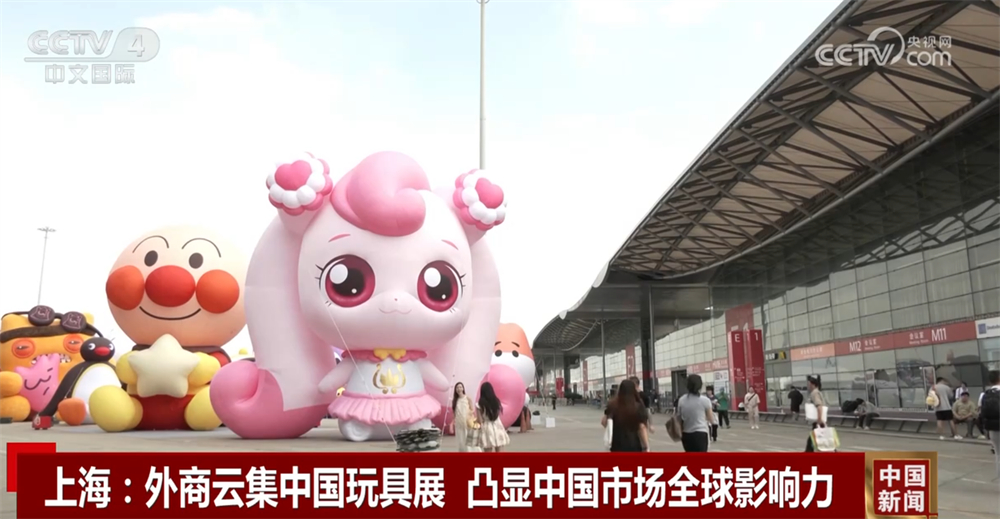
爆发式增长、“出海”效应凸显……外商云集中国玩具展 凸显中国市场“强磁力”
Yang Shi Wang· 2025-10-20 03:46
Core Insights - The 23rd CTE China Toy Expo and four other exhibitions were held in Shanghai, attracting 2,629 exhibitors and 5,426 brands from 41 countries and regions, showcasing China's market appeal and innovation potential [1] - The exhibitions included CTE China Toy Expo, CLE China Licensing Expo, CKE China Baby and Child Products Expo, and CPE China Early Education Expo, covering a total area of 230,000 square meters, with a significant increase in international participation [1] - The number of overseas exhibitors at the CLE China Licensing Expo increased by 65% year-on-year, highlighting China's global market influence [1] Group 1 - The exhibitions showcased explosive growth in overseas exhibitors, with a concentration of global leading brands and a notable "going out" effect of industrial clusters [6] - Over 1,200 export-oriented exhibitors participated, indicating a shift from merely processing for foreign brands to having independent designs and brands, reflecting the soft power of China's toy industry [8] - The event provided a platform for global industry collaboration and demonstrated China's commitment to expanding openness and promoting industrial innovation [9] Group 2 - Key trends in the market are emerging from China, with companies actively collaborating with major partners to scale up [4] - The number of visitors and buyers at the event was impressive, indicating a growing and expanding market [4] - Exhibits included smart toys and environmentally friendly products, showcasing new trends in the industry [6]
情绪价值改写消费规则
Jing Ji Ri Bao· 2025-10-20 00:06
Group 1 - The core phenomenon of "邪修" (unconventional life hacks) has emerged as a new expression of lifestyle among young people, leading to new consumption growth points [1] - Brands are increasingly capturing this trend, with products like Jellycat's brain organ plush toys and "五黄高纤慢养瓶" from Shanghai catering to the emotional and health needs of young consumers [1] - The rise of "邪修" reflects a deeper emotional need among youth, who prioritize emotional consumption and seek emotional compensation through their purchases [1] Group 2 - A new marketing trend is emerging where the relationship between brands and consumers is shifting from "value transmission" to "value co-creation," disrupting traditional product development and marketing models [2] - Brands are now focusing on providing emotional value and identity recognition, moving away from traditional functional advertising to more relatable marketing strategies [2] - While engaging with popular culture, brands must establish creative boundaries and consider content safety and ethical risks to ensure sustainable growth [2]
AI x 玩具:从“会说话”到“懂你心”
红杉汇· 2025-10-20 00:05
Core Insights - The AI toy industry is identified as a high-growth potential sector due to its ubiquitous presence and diverse functionality, appealing to various age groups and serving as a primary coach for learning to coexist with AI [3][5][6] Group 1: AI Toy Development - The evolution from "AI + Toy" to "AI x Toy" signifies a deeper integration of AI technologies with toy hardware, enhancing user interaction through advanced features like voice recognition, emotional analysis, and gesture recognition [5][6] - "AI x Toy" products are designed to proactively understand user needs and emotions, providing personalized responses and experiences, as exemplified by AI dolls that can analyze voice tone and emotional state [5][6] Group 2: Market Dynamics - The AI toy market is projected to grow significantly, with estimates indicating a rise from a market size of over 10 billion yuan in 2023 to over 100 billion yuan by 2030, reflecting a compound annual growth rate exceeding 70% in China [6][7] - The shift in the toy industry from a focus on hardware sales to a model emphasizing ongoing service and content delivery is driven by the capabilities of cloud-based AI models [6][7] Group 3: Target Demographics - The target audience for AI toys has expanded beyond traditional markets, with increasing demand for emotional companionship across various demographics, including children, young adults, and the elderly [6][7][8] - AI toys cater to diverse consumer needs, from educational support for children to emotional comfort for young adults and health monitoring for seniors, thus broadening their market appeal [7][8] Group 4: Pricing Strategy - AI toys exhibit a comprehensive pricing strategy, ranging from budget-friendly options under 100 yuan to premium products exceeding 1,000 yuan, ensuring accessibility for different income levels [7][8] Group 5: Industry Participants - Various players in the AI toy sector, including traditional toy manufacturers, tech startups, and internet companies, are leveraging their unique strengths to create differentiated products and capture market share [8][10][12] - Companies like Leapfrog Innovation and Lobo Technology are focusing on emotional companionship and interactive experiences, while others are integrating popular IPs to enhance product appeal [10][12] Group 6: Future Outlook - The exploration of AI toys is expected to foster a positive coexistence between humans and AI, with toys serving as a medium for users to learn about intelligent interaction and technology [13]

“借来的灵魂终不如自己的”,IP如何点石成金
Jie Fang Ri Bao· 2025-10-18 13:07
Core Insights - The article highlights the significant impact of intellectual property (IP) on sales in the Chinese toy industry, emphasizing that 91.4% of licensed businesses believe IP licensing drives sales, with 22.7% reporting sales doubling compared to 2023 [2] - The Chinese toy market is projected to surpass 155 billion yuan in retail sales in 2024, reflecting a 10.7% increase from 2023, indicating a robust growth trajectory for licensed products [2] Group 1: Market Trends - During the National Day holiday, the average daily foot traffic at Jing'an Joy City exceeded 100,000, with sales reaching over 92 million yuan, driven by the popularity of My Little Pony merchandise [1] - The diversification of product offerings by companies like Card Game has led to a decrease in reliance on collectible card sales, which dropped from 95.1% in 2022 to 81.5% in 2024 [3][4] - The retail sales of Card Game's stationery business reached 513 million yuan in 2024, capturing a 24.3% market share, indicating successful cross-industry expansion [3] Group 2: IP Strategy - Card Game holds 69 licensed IPs, including popular franchises like Ultraman and Harry Potter, which allows for a diversified revenue stream and mitigates risks associated with relying on a single IP [6][7] - The revenue contribution from Card Game's top five core IPs has decreased from 98% in 2022 to 86% in 2024, showcasing a healthier distribution of income across multiple IPs [7] - The licensing market is characterized by high costs, with top IPs commanding substantial upfront fees and sales royalties, which can limit the ability of smaller companies to diversify their IP portfolios [6] Group 3: Consumer Behavior - A survey indicates that 63.4% of consumers plan to increase their budget for licensed products in 2024, reflecting a growing enthusiasm for IP-related merchandise [2] - The success of new products, such as the plush My Little Pony, is attributed to effective marketing strategies that resonate with younger consumers [4] Group 4: Long-term IP Development - The article emphasizes the importance of developing original IPs, as seen with Card Game's success in creating its own IPs like the Three Kingdoms series, which has gained significant traction in the market [9] - Companies are encouraged to adopt a long-term perspective in IP development, focusing on building emotional connections with consumers rather than seeking quick profits [12][13]
光环之下有陷阱
Jing Ji Ri Bao· 2025-10-17 21:58
Core Insights - The article discusses the "Halo Effect" in management, explaining how companies' overall performance influences the perception of their strategic decisions, leading to inconsistent evaluations of similar actions by different firms [1][2]. Group 1: Halo Effect and Its Implications - The "Halo Effect" suggests that a company's overall impression affects how its actions are judged, with successful companies more likely to have their explorations viewed positively, while struggling companies face negative evaluations for similar actions [1][2]. - The author critiques the simplistic narrative of "winners and losers" in business, warning against the dangers of attributing success solely to outcomes without understanding the underlying drivers of performance [2]. Group 2: Case Studies - Cisco and IBM serve as examples of the Halo Effect, where media perceptions shifted dramatically based on the companies' performance, highlighting the inconsistency in evaluations tied to financial metrics versus qualitative factors like culture and management style [3]. - The article illustrates how the same organizational traits can be praised or criticized depending on the company's financial success, complicating the understanding of what truly drives performance [3]. Group 3: True Drivers of Performance - The author identifies strategic choices and execution capabilities as the true drivers of performance, emphasizing that these factors are not easily quantifiable and can vary significantly between companies [4]. - Companies must assess user needs, competitor actions, and their own strengths to make informed strategic decisions, acknowledging that risk is inherent in any choice made [4]. Group 4: Critical Thinking in Management - The article encourages management to focus on improving the probability of success through strategic choices and execution rather than merely replicating others' successes [4]. - It stresses the importance of maintaining a critical perspective on success narratives, recognizing the uncertainty and complexity of the business environment [5].

