
电信

Search documents
品牌互怼背后的秘密:为什么“黑”对手让消费者更买账?
3 6 Ke· 2025-08-25 01:13
Core Insights - The essence of competition lies in storytelling, where mentioning competitors in marketing can enhance consumer engagement and loyalty [1][12] - Brands that effectively identify true competitors and craft compelling narratives can leverage this as a powerful tool to boost consumer participation [1][12] Group 1: Competitive Narrative Power - Not all competition is equally effective; brands like Samsung target Apple, T-Mobile targets Verizon, and Burger King targets McDonald's, showcasing the unique power of brand competition rooted in shared history [4] - The study reveals a "competitive reference effect," where mentioning competitors significantly increases consumer engagement compared to generic competitors [4][5] Group 2: Advantages of Negative Information - Contrary to traditional marketing beliefs, negative mentions of competitors can be more effective, especially among loyal customers, reinforcing their brand preference [5][7] - Negative information is perceived as natural and acceptable within the context of established competition, reducing the adverse effects typically associated with negative messaging [5][11] Group 3: Audience-Centric Messaging - The effectiveness of competitive messaging varies by audience: loyal customers respond strongly to negative information, neutral consumers are receptive to both negative and neutral messages, while loyal customers of competitors only respond to positive mentions of their preferred brands [6][7] Group 4: Strategies for Leveraging Competition - Brands should identify true competitors based on shared history and consumer recognition, and both market leaders and smaller challengers can effectively use competitive messaging [9] - Constructing a detailed log of significant interactions and marketing activities helps maintain a coherent narrative for future communications [9] - Incorporating narrative cues in messaging can guide consumers to understand the broader competitive context [10] Group 5: Timing and Tone - Matching the tone of information with the audience is crucial; negative messaging works well on platforms where loyal customers gather, while broader campaigns can utilize both negative and neutral tones [10] - Strategic timing and frequency of competitive mentions are important to avoid consumer fatigue and maintain brand image [10][11]


印度倒戈后,中国反其道而行!给莫迪甜头,力挺印美关税战打到底
Sou Hu Cai Jing· 2025-08-24 22:38
Group 1 - China has lifted export restrictions on key materials such as fertilizers and rare earths to India, with rare earth supplies accounting for 85% of India's imports in this category [2] - India initially expressed goodwill towards China, but quickly reversed its stance by denying its commitment to the "One China" principle and conducting missile tests shortly after diplomatic engagements [3] - The U.S. imposed high tariffs on Indian goods, including a 50% tariff on textiles and pharmaceuticals, exacerbating India's economic challenges [2][3] Group 2 - In response to India's agricultural crisis due to fertilizer shortages, China announced the export of 7 million tons of urea to India, with the first shipment already on its way [5] - China proposed a four-point cooperation strategy to strengthen ties with India, focusing on mutual trust, common interests, civil society connections, and shared international responsibilities [5] - The geopolitical landscape is complicated by India's missile tests, which highlight its reliance on foreign technology and the challenges it faces in maintaining a credible defense posture [10] Group 3 - India's economic struggles are evident as it faces a significant drop in foreign exchange reserves, losing $18 billion in just six months, while also dealing with the fallout from U.S. tariffs [14] - Chinese companies are gaining ground in India, with Huawei helping reduce costs for Indian telecom firms by 37% and Chinese firms capturing 28% of India's pharmaceutical raw material orders [14] - The contrasting responses from the U.S. and China have left India in a precarious position, with public sentiment shifting towards cooperation with China and Russia amidst rising tensions [14]

巴帕·辛哈:印度在半导体领域一度领先中韩,直到美国放了一把大火
Guan Cha Zhe Wang· 2025-08-24 05:23
Group 1 - India's journey towards self-reliance has historical roots dating back to the independence movement, emphasizing economic independence as a precursor to political independence [1][3] - Post-independence, India adopted a strong state-led industrial policy, inspired by Soviet models, to achieve rapid industrialization through five-year plans [1][4] - The shift to neoliberal reforms in the 1990s led to the privatization of state-owned enterprises, diminishing the role of self-reliance in key industries [4][5] Group 2 - The "Make in India" initiative under Modi's government aims to attract foreign investment in manufacturing but lacks genuine technology transfer, focusing instead on inviting foreign companies to set up operations in India [5][11] - Despite significant budget allocations for semiconductor and electronics industries, the lack of a local market and genuine technology transfer has hindered progress [11][12] - India's reliance on foreign technology and equipment has resulted in a weakened domestic manufacturing base, particularly in sectors like telecommunications and semiconductors [10][12] Group 3 - The digital economy in India is heavily dominated by foreign companies, with significant market shares held by U.S. firms in software, e-commerce, and social media [15][18] - The government has made strides in digital payment infrastructure, but the applications accessing this infrastructure are still largely controlled by foreign entities [18][19] - Data sovereignty issues have emerged, with recent legislation failing to protect user privacy and allowing data to be stored outside India, undermining national data security [19][20] Group 4 - The Indian government has recognized the need for technological self-reliance, particularly in artificial intelligence, but current strategies focus more on application development rather than foundational technology [23][24] - The historical context of India's technological advancements, such as in semiconductors and telecommunications, highlights missed opportunities due to policy shifts and lack of sustained investment [8][10] - The call for a renewed focus on local technology development and collaboration with global south partners is emphasized as a way to regain technological independence [28][29]
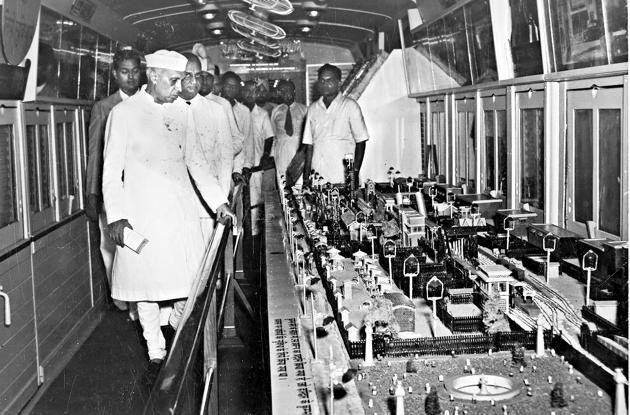
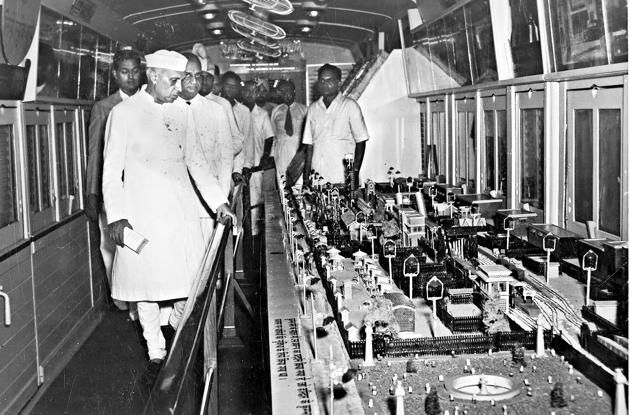
印度在半导体领域一度领先中韩,直到美国放了一把大火
Guan Cha Zhe Wang· 2025-08-24 05:15
Group 1 - The article discusses the challenges faced by the Global South, particularly India, in achieving digital sovereignty amidst Western dominance in technology and infrastructure [1][2][3] - It highlights India's historical journey towards self-reliance in industrial and digital sectors, emphasizing the need for a robust local capability and multilateral cooperation [1][4][5] - The shift from a self-reliant economy to a more liberalized one under neoliberal reforms is noted, with significant implications for India's technological independence [5][6][7] Group 2 - The Modi government's "Make in India" initiative is critiqued for inviting foreign investment without ensuring technology transfer, contrasting with earlier self-reliance efforts [7][9][10] - The failure of the "China + 1" strategy is acknowledged, with economic reports indicating that India has not successfully attracted manufacturing from China [9][10][11] - Specific examples of India's past technological advancements in semiconductors and telecommunications are provided, illustrating lost opportunities due to policy shifts [10][13][14] Group 3 - The article emphasizes the current reliance on foreign technology in various sectors, including hardware and software, with a significant portion of the market dominated by foreign companies [19][20][22] - It discusses the inadequacies of India's data protection laws and the implications of international agreements that compromise data sovereignty [23][24][26] - The lack of a coherent national strategy for artificial intelligence and technology development is highlighted, with calls for a return to foundational policies that prioritize local innovation [27][28][30] Group 4 - The need for collaboration among Global South countries to develop technology and reduce dependency on Western nations is stressed [32][33][34] - The potential of India's talent pool in technology sectors is recognized, advocating for a national strategy to leverage this talent for local development [33][34]
港股,最新调整!
券商中国· 2025-08-23 15:21
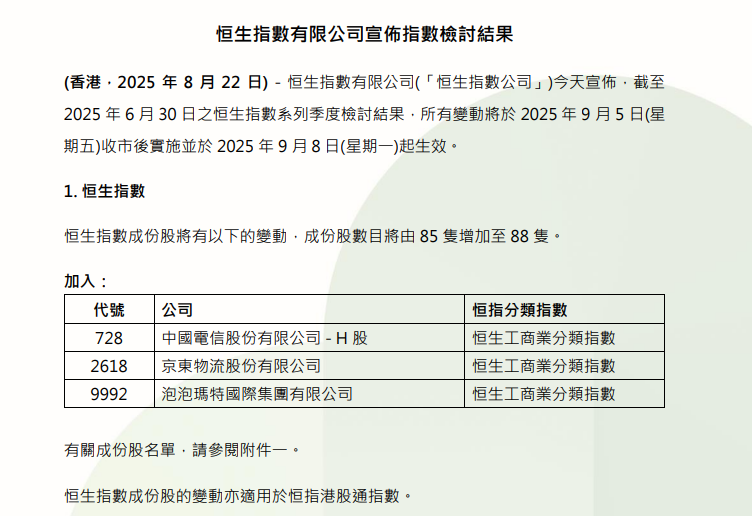
Core Viewpoint - The Hong Kong stock market is undergoing significant adjustments with the inclusion of new companies in major indices, reflecting a positive outlook from various financial institutions towards the market's future performance [2][4][14]. Index Adjustments - The Hang Seng Index will increase its constituent stocks from 85 to 88, adding China Telecom, JD Logistics, and Pop Mart [2][4]. - The Hang Seng China Enterprises Index will include Pop Mart while removing Jitu Express, maintaining a total of 50 stocks [8]. - The Hang Seng Biotechnology Index will see a reduction in constituent stocks from 50 to 30, with several companies being removed [8]. - The Hang Seng Composite Index will add 24 new stocks, increasing its total from 502 to 504, while removing 22 stocks [8]. - The Hang Seng Sustainable Development Enterprises Index will maintain 30 stocks after adding three new companies and removing three others [8][9]. Market Performance - On August 22, major Hong Kong indices experienced a collective rise, with the Hang Seng Index up by 0.93% and the Hang Seng Technology Index soaring by 2.71% [12]. - Specific sectors such as semiconductor chips, media entertainment, and telecommunications equipment showed significant gains, with notable increases in stocks like Hua Hong Semiconductor and SMIC [12]. Future Outlook - Analysts from Guoyuan Hong Kong express optimism about the market's structural rally, supported by increased southbound capital inflows and potential domestic demand recovery [13]. - According to招商证券, the overall earnings outlook for Hong Kong stocks is positive, with a high earnings forecast rate, particularly for "new economy" sectors [13]. - Franklin Templeton, a U.S. fund management company, highlights the attractiveness of the Hong Kong stock market due to its reasonable valuations and improved earnings predictability [14][15]. - The average price-to-earnings ratio for Hong Kong stocks is approximately 10.8 times, slightly above the 10-year average of 10.4 times, indicating potential investment opportunities compared to higher valuations in U.S. indices [15].

8月22日重要资讯一览
Sou Hu Cai Jing· 2025-08-22 14:04
Group 1: New Stock Offerings - Huaxin Jingke is set to launch an IPO with a subscription code of 732370, an issue price of 18.60 yuan per share, and a subscription limit of 13,500 shares [2] Group 2: Regulatory Updates - The China Securities Regulatory Commission (CSRC) released the revised "Securities Company Classification Evaluation Regulations," emphasizing high-quality development and enhanced protection for small investors [3] - The Ministry of Industry and Information Technology, along with other departments, issued interim measures for the management of rare earth mining and separation, requiring companies to maintain product flow records [3] - The China Photovoltaic Industry Association called for enhanced industry self-discipline to maintain fair competition and compliance with various laws [3] Group 3: Economic Indicators - From January to July 2025, 36,133 new foreign-invested enterprises were established in China, marking a 14.1% year-on-year increase, while actual foreign investment decreased by 13.4% to 467.34 billion yuan [4] - In July 2025, China's retail sales of consumer goods reached 3.88 trillion yuan, a 3.7% year-on-year increase, with a total of 28.42 trillion yuan for the first seven months, reflecting a 4.8% growth [4] Group 4: Stock Market Developments - The Hang Seng Index Company announced an increase in the number of constituent stocks from 85 to 88, with new additions including China Telecom, JD Logistics, and Pop Mart International Group, effective September 8, 2025 [4] - The Shenzhen Stock Exchange took self-regulatory measures against 147 instances of abnormal trading behavior, including price manipulation and false declarations [5] - The Shanghai Stock Exchange issued warnings and suspended trading for 253 instances of abnormal trading behavior, focusing on stocks with significant price fluctuations [5] Group 5: Company News - Changjiang Electric Power's controlling shareholder plans to increase its stake by 4 to 8 billion yuan [7] - Tailing Micro plans to acquire all or part of the equity of Pankai Micro, with trading suspended from August 25 [7] - Various companies, including Kexing Pharmaceutical and Zhongjian Technology, are planning to issue H-shares and list on the Hong Kong Stock Exchange [8] - Several companies reported significant profit increases, such as Hekang New Energy with a net profit of 71.18 million yuan, up 732.83% year-on-year, and Zhenai Meijia with a 484.48% increase [8]
港股,重大调整
Zheng Quan Shi Bao· 2025-08-22 11:41
Group 1 - The Hang Seng Index will increase its constituent stocks from 85 to 88, adding China Telecom, JD Logistics, and Pop Mart [5][3] - The Hang Seng Composite Index will also expand from 502 to 504 constituent stocks [2] - The changes will take effect after the market closes on September 5, 2025, and will be implemented on September 8, 2025 [9][3] Group 2 - The Hang Seng China Enterprises Index will maintain 50 constituent stocks, adding Pop Mart and removing J&T Express [8] - The Hang Seng Biotechnology Index will decrease from 50 to 30 constituent stocks, adding InnoCare Pharma and removing 21 stocks including Hutchison China MediTech [8] - The Hang Seng Composite Index will see an addition of 24 stocks including China Foods, Hengrui Medicine, and Boleton, while 22 stocks will be removed [8] Group 3 - The Hong Kong stock market has shown relatively weak performance compared to the A-share market, with the Hang Seng Index rising by 0.27% this week [11] - Notable stock performance includes Anta Sports rising by 11.53% and several other stocks increasing over 5%, while some stocks like China Resources Power and Zijin Mining fell over 5% [11] - Southbound Stock Connect funds have shown strong interest in Hong Kong stocks, with net purchases exceeding HKD 50 billion on August 22, and cumulative net purchases of approximately HKD 900 billion in August [12]
约旦首条私营海底光缆在亚喀巴完成岸端接入
Shang Wu Bu Wang Zhan· 2025-08-22 04:27
(原标题:约旦首条私营海底光缆在亚喀巴完成岸端接入) 约旦佩特拉通讯社8月18日报道,约旦数字城市集团旗下Nightel公司宣 布,"Coral Bridge"海底光缆今日在亚喀巴完成岸端接入,此前已在埃及塔巴完 成铺设。 该光缆全长约15公里,配备高容量光纤,可提供大容量国际数据传输通 道,适用于云计算、人工智能及数据中心业务,并有助于降低数据传输延迟和 成本。接入点位于亚喀巴数字城市数据中心,该中心为开放接入设施,是区域 内最大的中立数据中心之一。 项目由约旦数字城市集团与埃及电信公司合作建设,并得到约埃两国政府 相关部门支持,是两国在数字基础设施领域合作的一部分,也是中东地区近年 来海底光缆项目的重要进展之一。 ...
港股新消费概念走强,机构称当前或已来到港股大众消费品补涨窗口,聚焦港股消费ETF(513230)布局机遇
Mei Ri Jing Ji Xin Wen· 2025-08-22 02:37
Group 1 - The Hong Kong stock market opened higher on August 22, with the Hang Seng Index rising by 0.4%, the Hang Seng China Enterprises Index increasing by 0.56%, and the Hang Seng Tech Index up by 0.99% [1] - New consumption concepts in the Hong Kong stock market showed strength, with Miniso Group rising over 13% post-earnings, and other stocks like Xiaomi Group, Gu Ming, and Mixue Group also experiencing gains [1] - The Hong Kong Consumption ETF (513230) saw a nearly 1% increase during early trading, reflecting positive market sentiment [1] Group 2 - Zheshang International maintains a cautiously optimistic outlook for the short to medium-term performance of the Hong Kong stock market, favoring sectors that are relatively prosperous and benefit from policy support, such as automotive, new consumption, innovative pharmaceuticals, and technology [1] - Shenwan Hongyuan Securities expresses continued confidence in the Hong Kong stock market as a potential leader in a bull market, noting that as the "bull market atmosphere" strengthens, investors will be more active in sector rotation within the Hong Kong market [1] - The Hong Kong Consumption ETF (513230) tracks the CSI Hong Kong Stock Connect Consumption Theme Index, encompassing leading companies in internet e-commerce and new consumption, including Pop Mart, Laopu Gold, Mixue Group, and Miniso, as well as tech giants like Tencent, Kuaishou, Alibaba, and Xiaomi, highlighting its strong tech and consumption attributes [1]




港股缺乏方向,恒指续料2万5争持
Guodu Securities Hongkong· 2025-08-22 01:50
Group 1: Market Overview - The Hong Kong stock market lacks direction, with the Hang Seng Index expected to continue fluctuating around the 25,000 points level [2][3] - The Hang Seng Index opened at 25,216, reached a high of 25,216, and closed at 25,104, down 61 points or 0.24% [3] - The total market turnover decreased to HKD 23.94 billion [3] Group 2: Macro & Industry Dynamics - As of August 18, the overall return of the Mandatory Provident Fund (MPF) increased by 1.6%, with an average gain of HKD 4,956 per person [6] - Year-to-date, the MPF composite index rose by 11.9%, with stock fund indices increasing by 16.7% [6] - The strongest performing fund in August was the Japanese stock fund, which rose by 5.5%, while the weakest was the US stock fund, which only increased by 1.3% [6] Group 3: Company News - Smoore (06969) continues to invest in the development of Heat-Not-Burn (HNB) products, with a focus on enhancing user experience and optimizing tobacco flavor [11] - The company reduced its R&D spending on electronic vapor products, prioritizing HNB products and medical vaporization, with total R&D expenditure of approximately RMB 723 million, down about 4.9% year-on-year [11] - Tencent's new mobile game "Valorant" generated approximately HKD 7.8 million on its first day of release, with around 170,000 downloads [13]