
汽车

Search documents
早报 | 美防长称美伊冲突或持续八周或更长;委员建议废除劳务派遣制度;苹果MacBook Neo来了;特朗普正式提名美联储主席
虎嗅APP· 2026-03-05 00:19
Group 1 - Iran has identified several candidates for the Supreme Leader position, with a temporary committee set to exercise the leader's powers until a new leader is elected [2][3] - Israel has issued a warning that any new Supreme Leader who opposes Israel and the U.S. will be targeted for elimination [3] - The U.S. Defense Secretary stated that the conflict between the U.S. and Iran could last for eight weeks or longer, while Iran denied reports of seeking negotiations with the U.S. [4] Group 2 - Russia's President Putin suggested that Russia might proactively cut off gas supplies to Europe, citing rising energy prices and the EU's plans to ban Russian gas imports [5] - The Iranian military successfully attacked Israeli defense installations, destroying seven radar systems, which has left the U.S. and Israel at a disadvantage in the region [7][8] Group 3 - Morgan Stanley plans to cut approximately 3% of its workforce, affecting various departments, including investment banking and asset management, due to performance-related reasons and changes in business priorities [14] - Xiaomi announced plans to upgrade its self-developed SOC chips annually and is preparing to launch an independent AI assistant for international markets, aiming to create a competitive edge in technology [15] Group 4 - Nvidia's CEO indicated that the recent $30 billion investment in OpenAI might be the last before the company goes public, and he expressed skepticism about a previously announced $100 billion infrastructure deal [16] - China Merchants Industry announced that the recent export ban on lithium from Zimbabwe will have a limited impact on its operations, as it maintains sufficient domestic raw material inventory [25][26]






马斯克频繁为中国AI站台,真相被忽略了
虎嗅APP· 2026-03-05 00:19
Core Viewpoint - The article discusses Elon Musk's recent praise for Chinese AI models, particularly in the context of his business interests and competitive strategies in the AI sector. It highlights the implications of Musk's comments for both Tesla's operations in China and the broader AI landscape. Group 1: Musk's Interest in Small Models - Musk's excitement about small AI models, such as Qwen3.5, stems from their efficiency and ability to operate locally, which is crucial for applications like Tesla's Optimus robot and FSD (Full Self-Driving) technology [10][12][14]. - The Qwen3.5 models, with parameters ranging from 0.8B to 9B, can perform complex tasks while being lightweight enough for mobile and embedded devices, making them suitable for real-time applications [12][15]. Group 2: Business Implications for Tesla - Tesla's sales in China account for over one-third of its global sales, and the Shanghai factory is its largest production base. The company plans to invest over $20 billion in AI capabilities and autonomous vehicle production by 2026 [20]. - Tesla is reportedly using Chinese AI models for its in-car voice assistant, indicating a strategic shift to leverage local technology due to challenges faced by its own AI model, Grok [21][22]. Group 3: Competitive Dynamics - Musk's criticisms of competitors like Anthropic are intertwined with his business interests, as he aims to position his company, xAI, favorably in the market while undermining rivals [28][34]. - The article suggests that Musk's public support for Chinese AI serves a dual purpose: to enhance his own business prospects and to critique the limitations of American AI infrastructure [39][41]. Group 4: Broader Narrative and Strategy - Musk's comments about China's AI capabilities reflect a strategic narrative aimed at highlighting the need for reform in the U.S. energy and AI sectors, emphasizing the importance of power supply for AI development [38][40]. - By framing Chinese AI as a model of accessibility and efficiency, Musk seeks to position himself against perceived monopolistic practices in the AI industry, aligning with his long-standing anti-establishment persona [41][42].

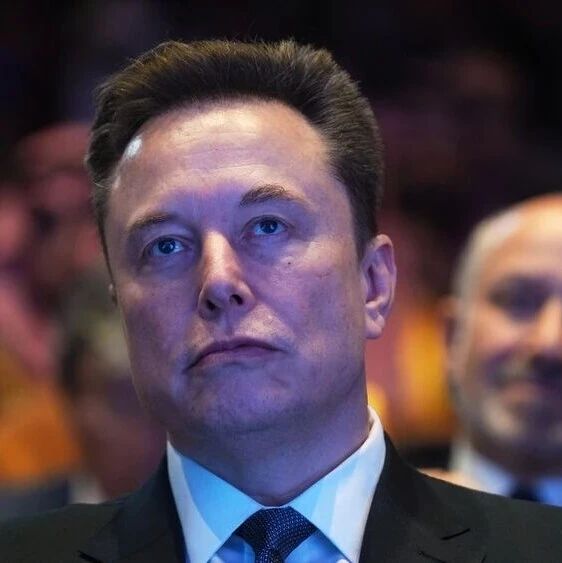
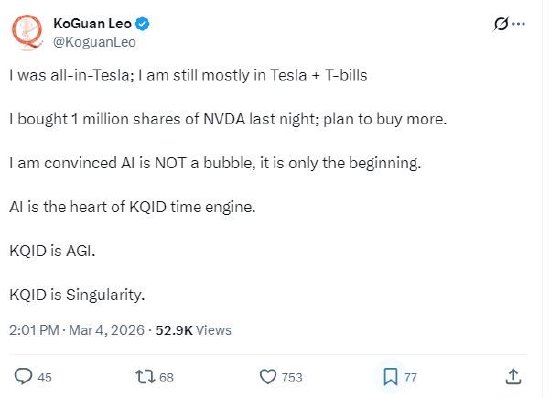
特斯拉投资者廖凯原宣布买入100万股英伟达股票:“我坚信人工智能没有泡沫”
Xin Lang Cai Jing· 2026-03-04 23:30
Core Viewpoint - Liao Kaiyuan, one of Tesla's largest individual shareholders, is making significant investments in the artificial intelligence sector, believing that AI is just beginning and not in a bubble [1][2]. Group 1: Investment in NVIDIA - Liao has purchased 1 million shares of NVIDIA and plans to buy more [2]. - He believes that his investment in NVIDIA is aimed at calming a "nervous market" as traders reassess the impact of AI technology [3]. - NVIDIA's stock has declined by 4% year-to-date, indicating a shift in market sentiment regarding AI investments [3]. Group 2: Outlook on Tesla - Despite previously claiming that Elon Musk intentionally suppressed Tesla's stock price, Liao remains optimistic about Tesla's future [3]. - He continues to hold a significant amount of Tesla stock and short-term U.S. Treasury bonds [3]. - Liao believes that Tesla's potential in energy, cybersecurity, and the Teslabot has not yet been fully reflected in its stock price, suggesting that risk-tolerant investors may still find value in Tesla shares [3].
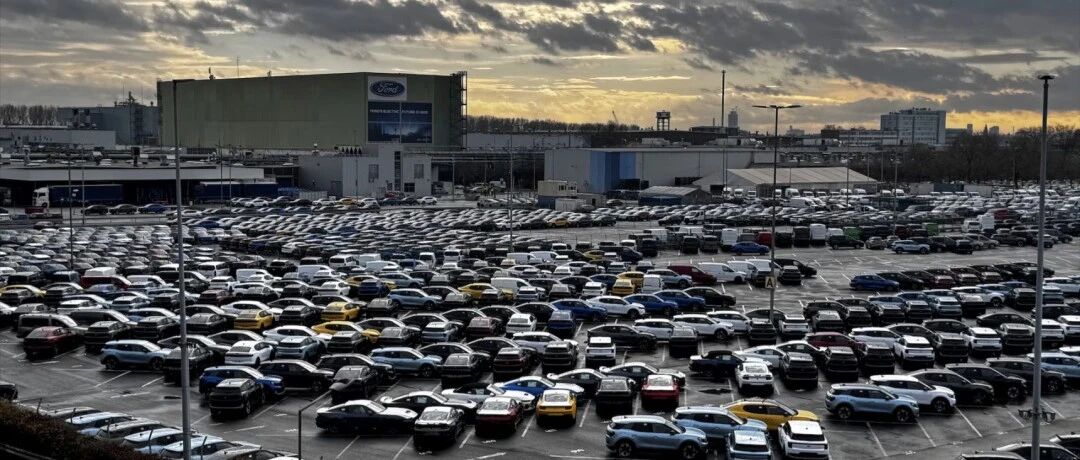
欧盟《工业加速法案》将给中国带来什么影响?
汽车商业评论· 2026-03-04 23:05
Core Viewpoint - The European Union has introduced the Industrial Accelerator Act to enhance local manufacturing competitiveness against foreign producers, particularly from China, by implementing stricter localization requirements and foreign investment regulations [4][5]. Group 1: Key Provisions of the Industrial Accelerator Act - The Act emphasizes local content requirements, mandating that 60%-70% of the value of key green technology products, such as electric vehicles and solar panels, must be produced within the EU to qualify for government subsidies [6][7]. - It introduces restrictions on foreign direct investment (FDI) from countries with over 40% market share in specific sectors, requiring technology transfer and local employment [6][8]. - The establishment of Industrial Acceleration Areas aims to streamline administrative processes, reducing project approval times from an average of 2-3 years to 6-9 months for strategic projects [8][9]. Group 2: Impact on the Automotive Industry - The Act poses significant challenges for Chinese automotive manufacturers, as it requires a substantial portion of their supply chains to be localized in Europe to remain competitive [23][24]. - The 40% rule will penalize suppliers from countries that dominate the market share of specific components, pushing European companies to diversify their supply sources [23][24]. - The legislation could disrupt the traditional model of Chinese manufacturers exporting vehicles to Europe, compelling them to establish production facilities within the EU [24][26]. Group 3: Reactions from Industry Stakeholders - Reactions to the Act are mixed, with some European suppliers expressing concerns about job losses and competitiveness, while others see it as a necessary step to protect local industries [9][11]. - German automakers are worried that strict localization requirements may lead to trade tensions and impact their significant exports to China [13][14]. - The complexity of the global automotive supply chain makes it challenging to assess compliance with the new localization standards, as demonstrated by the varying local content percentages in different vehicle models [15][19]. Group 4: Comparison with U.S. Policies - The U.S. has implemented similar "Buy American" policies, which have led to increased domestic manufacturing investment but also raised compliance costs for automakers [30][36]. - The EU's Industrial Accelerator Act reflects a broader global trend towards local manufacturing and protectionist measures, which are becoming integral to national strategies [36][37].
全国人大代表、广汽集团董事长冯兴亚:建议加快完善农村补能网络 构建出海合规服务体系
Mei Ri Jing Ji Xin Wen· 2026-03-04 16:25
Core Viewpoint - The article emphasizes the need to accelerate the improvement of rural charging networks and enhance after-sales service points, while also strengthening talent and equipment support to fully unleash the consumption potential of new energy vehicles in rural areas [1] Group 1: Rural New Energy Vehicle Development - Accelerate the establishment of a rural charging network and promote the decentralization of after-sales service points [1] - Optimize fiscal and financial support to maximize the consumption potential of rural new energy vehicles [1] Group 2: Battery Swapping and Hydrogen Fuel Cell Standards - Accelerate the construction of a unified national standard for battery swapping models and strengthen operational subsidies and resource guarantees [1] - Improve the 70MPa hydrogen refueling standards and regulatory framework to provide necessary institutional support for the hydrogen fuel cell vehicle industry [1] Group 3: International Standards and Compliance - Accelerate the establishment of a compliant service system for overseas expansion, promoting alignment of domestic standards with international ones [1] - Strengthen the coordination and unification of standards among domestic enterprises to enhance the quality and efficiency of automobile exports [1] Group 4: Aging Population and Accessibility - Accelerate the digital application adaptation for the elderly and improve artificial safety net services [1] - Promote the upgrade of barrier-free facilities and transportation tools to cater to the aging population [1] Group 5: Autonomous Driving and Low-altitude Economy - Accelerate the improvement of laws and regulations related to autonomous driving, establishing a unified national standard and evaluation system [1] - Strengthen the planning and coordination of the low-altitude economy to expand commercial application scenarios [1]

任泽平:游学日本,失去的三十年
泽平宏观· 2026-03-04 16:06
Group 1 - The core viewpoint is that after the real estate bubble burst, Japan's path forward lies in "debt migration" and the development of emerging industries [3][4] - Japan has experienced a significant decline in GDP since its peak in 1995, with a projected GDP of $4.03 trillion in 2024, a 36% decrease from 2012 and a 27% decrease from 1995 [5][11] - The comparison with the U.S. highlights that government and central bank interventions can alleviate debt pressure, leading to a recovery in consumer spending and investment [4][3] Group 2 - Japan's society exhibits characteristics of a "low-desire society," where individuals are less inclined to marry, have children, or engage in social activities due to economic pressures [8][6] - The high cost of living in Japan contributes to many workers being unable to save money, leading to a phenomenon where young people are financially strained [6][8] - Japan's global economic standing has significantly declined, with its GDP representing only 14% of the U.S. GDP in 2024, down from 72.6% in 1995 [11][13] Group 3 - Japan's high level of civilization is evident in its social order and cleanliness, with residents actively participating in waste management despite the absence of public trash bins [14] - The service industry in Japan is noted for its exceptional customer service, which is a reflection of cultural values emphasizing politeness and community [14] - The visit to Japanese companies like Toyota and Kyocera reveals their strengths in precision manufacturing and management practices, which are crucial for maintaining competitiveness [15] Group 4 - The real estate market in Tokyo has seen significant price increases, with some areas experiencing price hikes of up to 100%, largely driven by Chinese buyers [16] - Post-bubble trends in Japan include a focus on overseas expansion, value-for-money consumption, and health-related products, which are responses to the economic challenges faced [16][20] - The perception of China in Japan has improved, with a notable presence of Chinese-speaking sales staff in high-end retail environments [17]

国内高频 | 人流出行延续高位(申万宏观·赵伟团队)
赵伟宏观探索· 2026-03-04 16:03
Group 1: Industrial Production Tracking - The industrial production shows a divergence, with the construction sector experiencing a slight recovery in activity [2] - The blast furnace operating rate remains resilient, with a week-on-week increase of 0.1% and a year-on-year rise of 0.1 percentage points to 2.3% [2] - Steel apparent consumption has decreased, showing a year-on-year decline of 3.5 percentage points to -6.4% compared to the week before the Spring Festival [2] - The social inventory of steel has increased significantly, rising by 9.6% week-on-week [2] Group 2: Demand Tracking - The national real estate transaction volume has improved, particularly in second-tier cities, with a year-on-year increase in average daily transaction area to 106.8% [50] - First-tier cities saw a year-on-year increase in transactions of 47.9%, while second and third-tier cities experienced even larger increases of 137.8% and 97.4% respectively [50] - Freight volume and port cargo throughput related to domestic demand have both increased, with railway freight volume rising by 2.1 percentage points to 3.1% year-on-year [62] - The national migration scale index has increased by 36.8 percentage points to 52.7% [74] Group 3: Price Tracking - Agricultural product prices have generally declined, with egg and vegetable prices dropping by 3.4% week-on-week [104] - The industrial product price index has shown a mixed trend, with the Nanhua industrial price index decreasing by 0.5% week-on-week [116] - The energy and chemical price index fell by 1.1%, while the metal price index increased by 0.4% [116]
高开低走又回弹,美股终于“回血”!亚马逊、特斯拉、英伟达等科技股齐涨,中概股普涨!金价涨油价跌,美元指数回调|美股开盘
Mei Ri Jing Ji Xin Wen· 2026-03-04 15:47
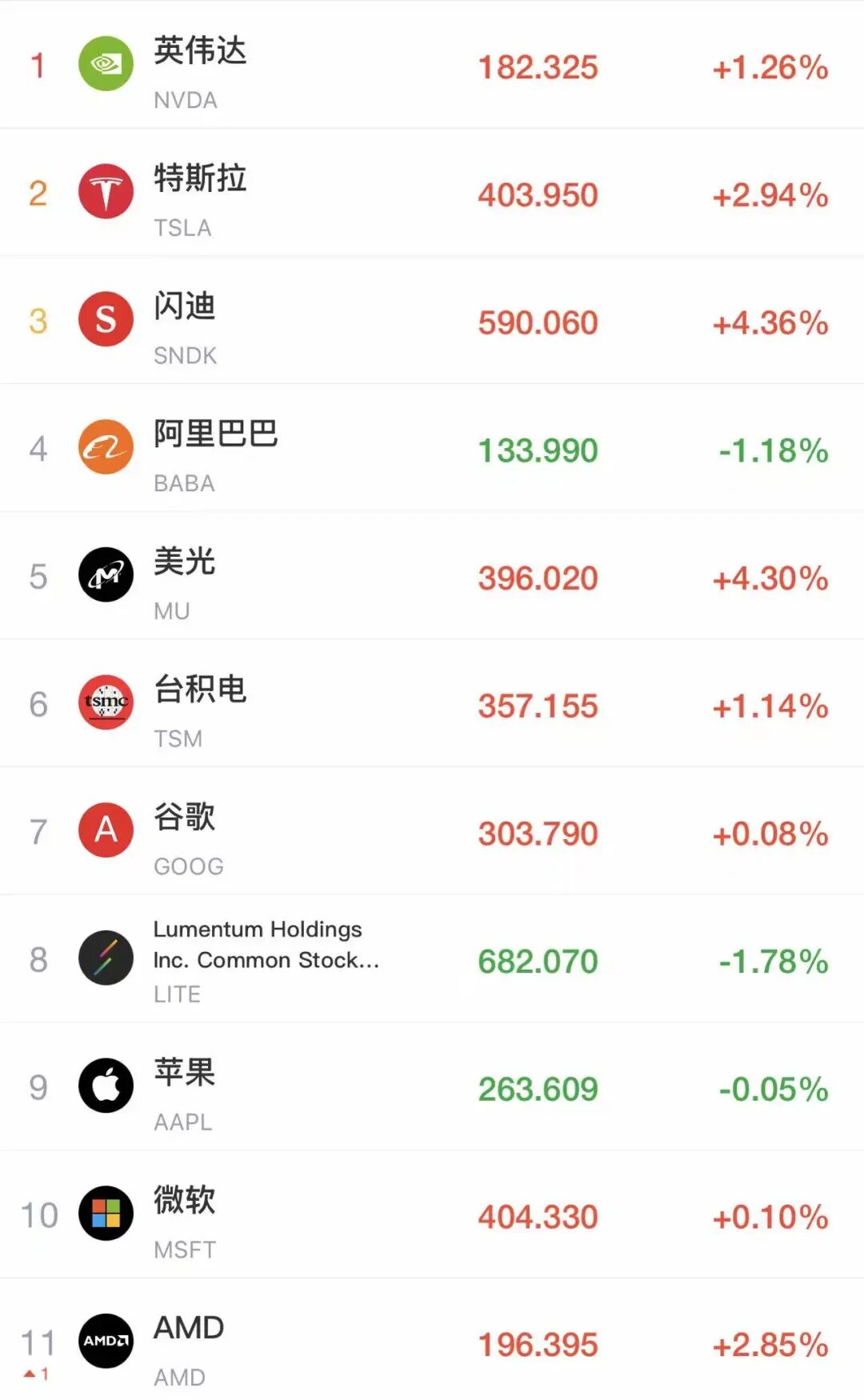
Group 1 - US stock market opened higher but fluctuated, with the Dow Jones Industrial Average briefly turning negative before recovering, closing with a gain of 0.42%, while the Nasdaq rose by 1% and the S&P 500 increased by 0.56% [1] - Technology stocks saw a broad rebound, with Micron Technology and SanDisk rising over 4%, Tesla and Amazon increasing nearly 3%, and Nvidia gaining over 1% [1][2] - The Nasdaq Golden Dragon China Index rose by 0.83%, with notable gains from Zai Lab and CenturyLink, both up over 4%, and Pony.ai increasing by more than 3% [4] Group 2 - International gold prices increased by over 1%, while both New York and Brent crude oil futures declined [4] - The US dollar index retreated, falling below the 99 mark, amid announcements from US Treasury Secretary that a series of announcements would be made to support oil transport in the Persian Gulf [6] - Deutsche Bank's Jim Reid noted that the current market is in a phase of closely monitoring news headlines, with conflicting messages affecting market sentiment and no signs of de-escalation in tensions [8]


海通国际2026年3月金股
Haitong Securities International· 2026-03-04 14:34
Investment Focus - The report highlights the strong growth potential in the storage industry, with domestic storage manufacturers expected to exceed production expansion forecasts, benefiting companies closely tied to these manufacturers [1] - NVIDIA is projected to have a strong performance in FY4Q26, with a significant increase in overall revenue and EPS trajectory, supported by a robust order backlog of 500 billion [1] - Alphabet's cloud business is expected to grow significantly, driven by AI solutions, with a 48% growth rate in the last quarter, leading to an increase in EPS for 2026 and 2027 [1] - Alibaba's cloud growth is anticipated to exceed consensus estimates by 2-3% for the year, despite short-term performance pressures [1] Company Analysis - Zhongwei Company is positioned as a leading player in the hardware sector, benefiting from a deepening platform strategy that expands its capabilities in etching, film deposition, and measurement [1] - Tencent is recommended as a top pick in the internet sector, with a target price of 700, driven by steady growth in core gaming and advertising businesses, alongside new revenue streams from mini-games and video accounts [2] - New Oxygen is recognized for its strong marketing capabilities and low customer acquisition costs, with a target price of 10.1 USD based on its growth trajectory in the light medical beauty sector [2] - Ato Hotel is expected to achieve a revenue growth of 26% to 12.39 billion, with a strong market position in the mid-to-high-end hotel sector [3] - HashKey is positioned as a leading digital asset platform in Asia, benefiting from regulatory trends and expected to expand its product offerings in derivatives and leveraged trading [4] - Tesla's advancements in autonomous driving and robotics are highlighted, with expectations for accelerated overseas expansion and significant product developments [4] - MP Materials is noted for its strategic importance in the rare earth industry, benefiting from domestic supply chain localization and increasing demand from the defense and renewable energy sectors [7] - ACWA Power is recognized as a leader in the renewable energy sector, with a focus on solar, wind, and green hydrogen projects, supported by government power purchase agreements [8] - Vestas is highlighted as a dominant player in the wind energy sector, benefiting from global wind power growth and technological advancements in turbine efficiency [9] - Three-Six Pharmaceutical is noted for its strong market position in kidney, blood, and oncology sectors, with promising pipeline products and collaborations with Pfizer [10]



汽车行业协会专家
2026-03-04 14:17
Summary of Key Points from the Automotive Industry Conference Call Industry Overview - The automotive industry is expected to experience a "low first, high later" trend in 2026, with initial low demand due to reduced consumer confidence from decreased housing loans and increased savings, followed by a gradual recovery starting in March 2026 [1][5] - The "7-year low-interest" financial policy is effectively replacing price wars, with loan rates as low as 0.5%-0.98%, significantly boosting sales of mid-to-high-end vehicles and those priced around 200,000 yuan [1][6] - The export growth rate is projected to decline to over 30% in 2026 due to the dual pressures of RMB appreciation and USD depreciation, with key markets being Central and South America, the Middle East, and the EU [1][6] Core Insights and Arguments - The automotive financial sector is seeing increased participation from banks due to a lack of better investment opportunities, with a strong willingness to engage in auto loans as they are considered relatively low-risk [7] - The "old-for-new" policy has tightened, limiting vehicles eligible for subsidies, which has created significant pressure at the beginning of 2026. Adjustments to the policy are expected to increase subsidy coverage and relax eligibility criteria [1][11] - The sales recovery in March 2026 is noted, particularly for small electric vehicles, driven by the return to normal production cycles and the implementation of "old-for-new" policies [3][4] Additional Important Content - The impact of the "7-year low-interest" policy is evident, with Tesla reporting a 107% increase in retail sales from January to February 2026, attributed to the attractiveness of low-interest financing options [8] - The automotive industry is focusing on "capacity restructuring" rather than "corporate restructuring" to alleviate competition, aiming to optimize existing joint venture capacities rather than pursuing direct mergers [9] - The potential for further policy adjustments to stimulate automotive consumption is high, especially in light of weak market performance in early 2026, with expectations for more targeted stimulus measures rather than large-scale initiatives [10][13] Export and Market Dynamics - The growth of new energy vehicle exports is expected to slow down in 2026 compared to 2025, with a projected growth rate of 30% or more, influenced by high growth rates in the previous year [14][15] - Domestic competition is likely to extend into overseas markets, with Chinese brands aiming to capture market share in regions where they currently hold a minor presence, leveraging lower pricing and higher dealer margins [16] - Key regions for future expansion include Central and South America, the Middle East, and the EU, with varying levels of opportunity and competition across these markets [17][18] This summary encapsulates the critical insights and projections from the automotive industry conference call, highlighting the expected trends, policy impacts, and market dynamics for 2026.