动力电池

Search documents
2025年1-7月动力电池装机量TOP10企业配套主机厂客户分析
起点锂电· 2025-08-25 10:24
Core Viewpoint - The article highlights the significant growth in China's new energy vehicle (NEV) market and the corresponding increase in power battery installation capacity, indicating a pivotal year for GWh-level shipments in 2025 [2][3]. Summary by Sections New Energy Vehicle Sales - In the first seven months of 2025, China's NEV sales reached 8.22 million units, a year-on-year increase of 38.5%, with a penetration rate of 45.0%, up by 8.6 percentage points [2]. Power Battery Installation - The power battery installation capacity in China for the same period reached 343.52 GWh, reflecting a year-on-year growth of 40.2% [2]. Battery Enterprises and Clients - A total of 48 power battery companies provided installation for vehicles, a decrease of 3 companies compared to the previous year, primarily serving passenger vehicles [6]. - The top 10 battery enterprises by installation volume include CATL, BYD, and others, with a total installation of 153.46 GWh for the leading companies [7][8]. Market Concentration - The market concentration for the top 10 battery companies (CR10) was 95.3%, a decrease of 1.3 percentage points year-on-year, attributed to the market share gains of emerging companies [8]. Battery Material Types - In terms of battery materials, the installation of ternary batteries was 66.63 GWh, accounting for 19.4%, down by 7.2 percentage points year-on-year, while lithium iron phosphate batteries reached 276.56 GWh, making up 80.5%, an increase of 7.2% [8]. Battery Shapes - The installation of square batteries was 334.29 GWh, representing 97.3% of the total, an increase of 0.5 percentage points year-on-year. Cylindrical batteries accounted for 2.1% and soft-pack batteries for 0.6% [10]. - BMW announced the upcoming use of large cylindrical batteries in its new vehicles, which is expected to boost the market share of cylindrical batteries [10].





规划70GWh!吉利短刀电池产能行业第一
起点锂电· 2025-08-25 10:24
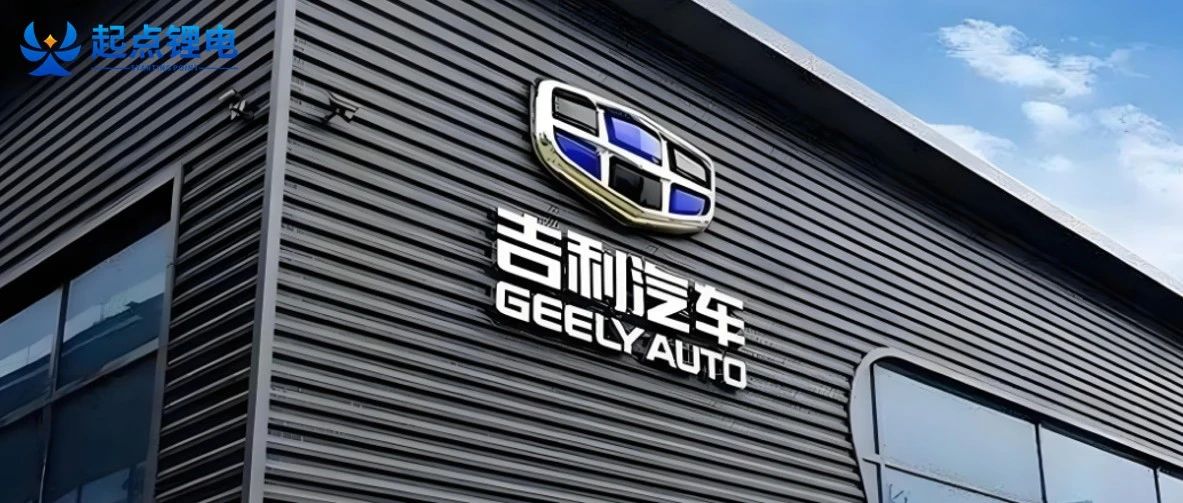
Core Viewpoint - The article highlights the advancements in battery technology by Geely, particularly the development of the "Shen Dun" short blade lithium iron phosphate battery, which is set to significantly enhance the company's production capacity and market position in the electric vehicle sector [3][4]. Group 1: Production Capacity and Technology - Geely's subsidiary, Jiyao Tongxing, has established the largest advanced production capacity for short blade batteries in the industry, with plans to reach a production scale of 70GWh by 2027 across 8 production bases [4][8]. - The Shen Dun short blade battery, launched on June 27, 2024, features a length reduction of 40% compared to traditional long blade batteries and an increase in thickness by 35% [3][5]. - The battery boasts a cycle life of 3,500 cycles (approximately 1 million kilometers) and supports fast charging from 10% to 80% in just 17 minutes and 4 seconds at a 2.45C rate [5]. Group 2: Safety Features - The battery has undergone extreme safety tests, including 8-pin puncture tests, 5.8mm live ammunition penetration, dynamic seawater immersion, and 26-ton crushing tests, utilizing a patented grid framework and three-layer protective design [6][7]. Group 3: Production Bases and Investment - The production bases include locations in Tonglu, Quzhou, Jianhu, Ganzhou, Shangrao, Yingtan, Ningguo, and Zaozhuang, with significant investments aimed at achieving the planned production capacity [7][8][10]. - The Tonglu base is set to achieve an annual production capacity of 12GWh, while the Quzhou base aims for 24GWh, with total investments exceeding 100 billion yuan [8][9]. Group 4: Market Position and Growth - Following the integration of its battery businesses, Geely's battery installation volume has entered the top 10 in the Chinese market, with a total of 8.24GWh installed in 2024, surpassing LG Energy [13][14]. - Geely plans to increase its self-supply ratio of batteries to 30% within two years, with current self-supplied battery volume accounting for approximately 18% of its total demand [15][16]. Group 5: Strategic Partnerships - Geely has established a strategic partnership with CATL, which has been a key supplier since 2013, and plans to expand their joint production capacity to 25GWh by 2024 [16].

动力电池“出海”趋势向上
Zhong Guo Qi Che Bao Wang· 2025-08-25 06:36
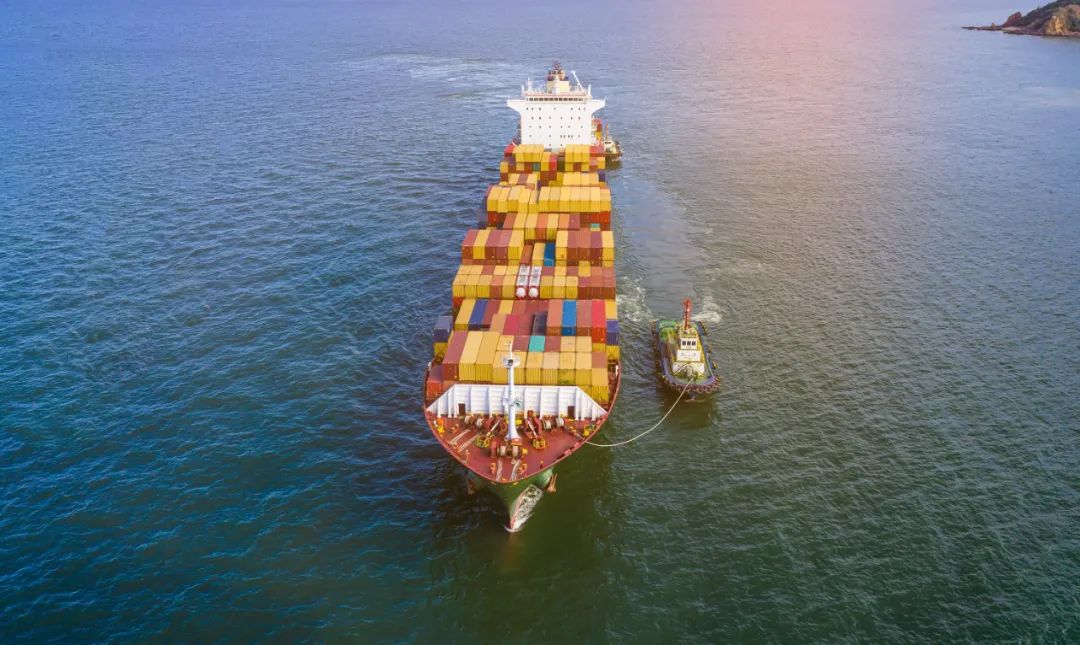
Core Insights - The Chinese power battery industry is experiencing significant growth in exports, with a total export volume of 23.2 GWh in July, marking a year-on-year increase of 35.4% and accounting for 18.3% of total sales for the month [2] - Major companies like CATL, BYD, and others are expanding their overseas production capacity, indicating a strategic move towards international markets [2][4] Export Growth and Competitive Landscape - In the first seven months of 2025, China's cumulative power battery exports reached 96.4 GWh, a year-on-year increase of 29.4%, with July alone seeing exports of 14.8 GWh, up 48.4% year-on-year [3] - The export volume of ternary lithium batteries in July was 8.4 GWh, showing a year-on-year growth of 32.9%, while lithium iron phosphate batteries saw a 76.1% increase to 6.2 GWh [3] - Companies like Ruipu Lanjun and Honeycomb Energy have reported exceptional growth rates, with exports increasing by 144.5% and 159.8% respectively [4] Leading Companies and Their Strategies - CATL ranked third in overseas market battery installation with a volume of 16.2 GWh and a market share of 18% [5] - CATL plans to invest up to €7.34 billion in a new battery production facility in Hungary, aiming for an annual capacity of 100 GWh [5] - Other companies like EVE Energy are also establishing production bases overseas, including in Hungary and Malaysia, to enhance their global footprint [5] Industry Trends and Market Dynamics - The overseas revenue of CATL surged from 7.9 billion yuan in 2020 to 110.3 billion yuan in 2024, indicating a growing reliance on international markets [7] - The global demand for power batteries is on the rise, driven by the increasing penetration of electric vehicles in markets like Europe and Southeast Asia [10] - Local policies in regions like Europe are encouraging domestic production, providing opportunities for Chinese companies to leverage their technological advantages [10] Future Outlook and Challenges - The international market is viewed as the next battleground for the Chinese power battery industry, with expectations of maintaining competitive advantages in technology and cost [11] - However, challenges such as local policy barriers, competition from international firms, and geopolitical factors may impact the growth trajectory [11]
信息差 2025投资日历(九)
申万宏源证券上海北京西路营业部· 2025-08-25 02:44
Core Viewpoint - The article highlights significant upcoming events and economic data releases that may impact various industries and markets, particularly focusing on China and the U.S. [2] Group 1: Upcoming Events - Major conferences and exhibitions are scheduled, including the China International Equipment Manufacturing Expo and the World New Energy Vehicle Conference [2] - Key product launches from major companies like Apple and Huawei are anticipated, which could influence market trends [2] Group 2: Economic Data Releases - Important economic indicators for August, such as unemployment rate, foreign exchange reserves, and new non-farm employment figures, are set to be released [2] - The article notes the release of various financial metrics including M2 data, CPI, and PPI, which are crucial for assessing economic health [2] - The Federal Reserve's interest rate decision and the LPR quotation for September are also highlighted as critical events for market participants [2]
习近平生态文明思想省域实践的江苏探索
Zhong Guo Huan Jing Bao· 2025-08-25 00:27
Core Viewpoint - The article emphasizes the importance of ecological civilization construction in Jiangsu Province, highlighting the commitment to prioritize ecological protection while achieving high-quality economic development [1][2]. Group 1: Ecological Civilization Construction - Jiangsu has integrated ecological civilization construction as a major political task and a livelihood project, exploring paths for high-quality development and ecological protection [1][2]. - The province has established a legal framework for ecological civilization, including local regulations such as the "Jiangsu Provincial Ecological Environment Monitoring Regulations" and "Jiangsu Provincial Biodiversity Protection Regulations" [2]. Group 2: Spatial Layout and Function Optimization - Jiangsu is focusing on creating ecological protection spaces by delineating ecological red lines and promoting urban-rural integration [3]. - The province aims to develop distinctive ecological spaces, such as the "Green Ecological Corridor" along the Yangtze River and various ecological barriers across different regions [3]. Group 3: Government and Market Coordination - Over the past decade, Jiangsu has invested more than 380 billion yuan in ecological protection, while also innovating green financial products to enhance market participation [4]. - The province is leveraging traditional ecological wisdom in modern governance, creating educational landmarks for ecological culture [4]. Group 4: Key Strategic Focus Areas - Jiangsu is exploring pathways for realizing the value of ecological products through mechanisms like the ecosystem production value (GEP) accounting system [5]. - The province has established cross-regional ecological compensation mechanisms to improve water quality in the Yangtze River Delta [6]. Group 5: Industry Transformation and Innovation - Jiangsu has shut down over 5,000 chemical enterprises and reduced the number of chemical parks, significantly improving environmental governance in the industry [6]. - The province is fostering new industries, with high-tech industry output exceeding 50% of the industrial total for the first time in 2024, and maintaining the highest manufacturing quality development index in the country for five consecutive years [6]. Group 6: Public Participation Mechanisms - Jiangsu has introduced innovative governance models to enhance public participation in ecological protection, leading to a continuous decline in environmental complaints over seven years [7]. - Initiatives like the "Carbon Benefit" platform and "Ecological Savings Book" encourage the public to adopt green lifestyles [7].
超充电池加速装车,超充车桩供需错配缩短
高工锂电· 2025-08-24 11:06
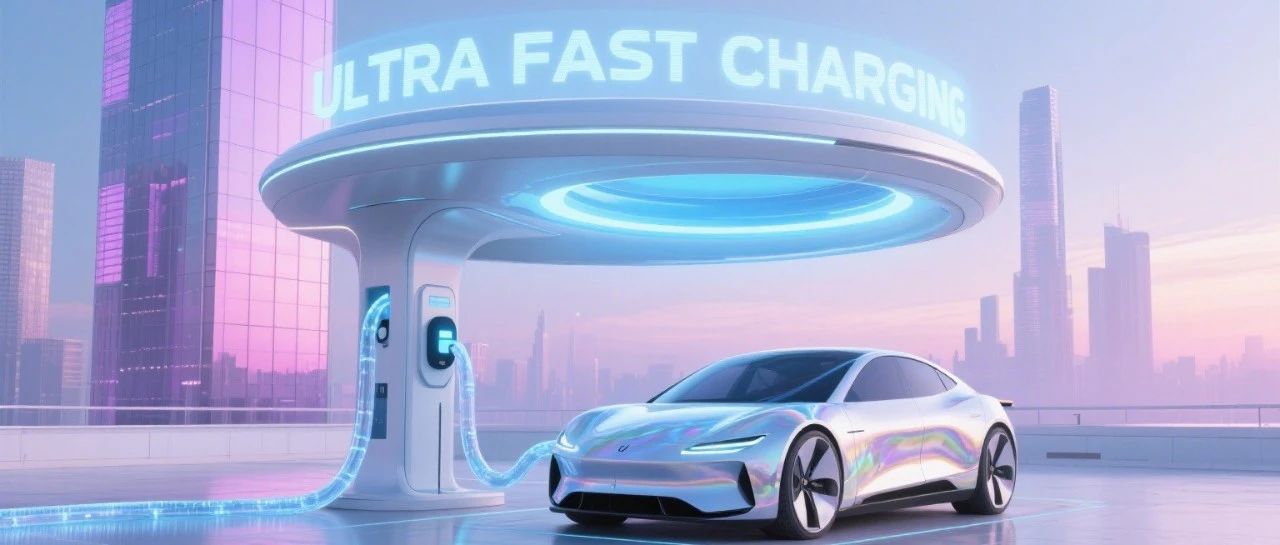
Core Viewpoint - The construction of ultra-fast charging stations is accelerating in major cities across China, with a significant increase in the number of charging piles, but there remains a supply-demand gap for 800V high-voltage platform vehicles [2][3]. Group 1: Current Construction Status - In the first half of the year, the construction progress of ultra-fast charging stations in key cities like Beijing, Shenzhen, and Chongqing has surpassed 50%, with a national increase in charging piles exceeding 25% [2]. - As of June, Shenzhen has built 1,057 ultra-fast charging stations, Chongqing has connected 1,468 ultra-fast charging stations and 2,270 charging piles, and Beijing has completed 517 ultra-fast charging stations [5]. Group 2: Market Dynamics - There is a supply-demand gap between the rapidly growing number of ultra-fast charging stations and the limited availability of 800V high-voltage platform vehicles, which are primarily targeted at mid-to-high-end models priced above 200,000 yuan [3]. - The penetration rate of vehicles supporting 800V high-voltage fast charging is approximately 16%, indicating a low adoption rate [2]. Group 3: Cost and Investment Challenges - The high construction costs of ultra-fast charging stations, ranging from 1.5 million to 5 million yuan per station, and a payback period of 6-8 years, limit their promotion [5]. - Local governments are encouraging the construction of ultra-fast charging stations through policy guidance, subsidies, and long-term land leasing [5]. Group 4: Industry Collaboration - Automakers are collaborating to build ultra-fast charging stations, which alleviates financial pressure and technical adaptation challenges for individual entities [9]. - Companies like BYD, Geely, and Changan are pushing for 800V models to penetrate the 150,000 to 200,000 yuan price range [8]. Group 5: Battery Technology Advancements - Battery companies are crucial in promoting ultra-fast charging technology, with major players like CATL and others developing customized ultra-fast charging battery packs [3][12]. - The core goal of ultra-fast charging technology is to achieve a refueling experience comparable to gasoline vehicles, with a target of charging for 10 minutes to gain a range of 400 kilometers [10][11]. Group 6: Future Outlook - In the long term, the speed of ultra-fast charging battery deployment is expected to catch up with the construction speed of charging stations, reducing the technological gap between vehicles and charging infrastructure [4]. - The combination of mature technology, decreasing costs, and automakers' commitment to scale will drive further growth in ultra-fast charging battery adoption [13].
央企背景动力电池企业被收购!
起点锂电· 2025-08-24 04:53
Core Viewpoint - The article discusses the recent changes in the ownership and operational status of Huai'an Junsheng New Energy Technology Co., Ltd., highlighting the shift from a state-owned enterprise to a private entity and the implications for the lithium battery industry [4][5][6]. Group 1: Company Overview - Huai'an Junsheng New Energy was established on June 13, 2017, as a developer of power batteries, initially funded by Baogun Automotive [4]. - The company was fully acquired by Sinochem International in November 2018, which aimed to develop high-performance ternary lithium battery products [4][5]. - As of August 2025, Baogun Automotive has ceased operations, with its subsidiaries undergoing liquidation, indicating a significant decline in its business activities [4][5]. Group 2: Industry Context - The lithium battery industry has become increasingly competitive, with many small to medium-sized enterprises exiting the market due to the cancellation of subsidies and the rise of lithium iron phosphate batteries [5]. - The recent court ruling for Junsheng New Energy's bankruptcy and the transfer of its 100% equity to Xindong Lithium Battery reflects a trend of deep consolidation within the lithium battery sector [5][6]. Group 3: Xindong Lithium Battery - Xindong Lithium Battery, based in Xingtai, Hebei, specializes in the research, production, and sales of lithium iron phosphate and energy storage batteries [7]. - The company possesses advanced technology platforms and manufacturing processes, enabling it to cater to diverse market needs, particularly in low-temperature applications [7]. - Xindong Lithium Battery plans to achieve a production capacity of 5 GWh by the end of 2025 and 10 GWh by the end of 2026 through a combination of self-built and outsourced production strategies [8].


亿纬锂能:动力电池板块盈利能力预计在下半年会呈现稳定向上趋势
Zheng Quan Shi Bao Wang· 2025-08-23 11:18
人民财讯8月23日电,亿纬锂能(300014)在电话会议上表示,公司动力电池产品在今年二季度对国际 车企的交付逐渐起量,毛利率有了明显提升,上半年动力电池板块毛利率做到了17.60%,同比上年的 11.45%有了明显的改善。预计三季度依然是稳定交付的状态。公司过去对部分产线进行改造,改造完 成的产线在今年7月开始陆续投产交付。动力电池板块盈利能力预计在下半年会呈现稳定向上的趋势。 ...
万亿宁王、千亿陕煤,院士候选人中的”企业家们“
Sou Hu Cai Jing· 2025-08-23 04:22
Group 1 - The list of candidates for the 2025 academician election reflects the landscape of industrial innovation in China, attracting attention from the capital market due to the inclusion of executives from leading listed companies [1] - Wu Kai, chief scientist of CATL, and Lian Yubo, chief scientist of BYD, are notable candidates representing the electric vehicle sector [1] - In the aerospace field, Chen Yong, chief designer of COMAC's C909, and Deng Jinghui, chief designer at the Aviation Industry Helicopter Institute, are also included [1] Group 2 - In the digital technology sector, Wu Qingbo, chief scientist of Kirin Software under China Electronics, represents the software industry [1] - Li Zhenguo, founder of LONGi Green Energy, is nominated for the engineering academy's chemical, metallurgy, and materials engineering division [1] - In the coal industry, candidates include Shang Jian, chief engineer of Shaanxi Coal and Chemical Group, and Zhang Jianguo, executive deputy general manager of China Pingmei Shenma Group [1]

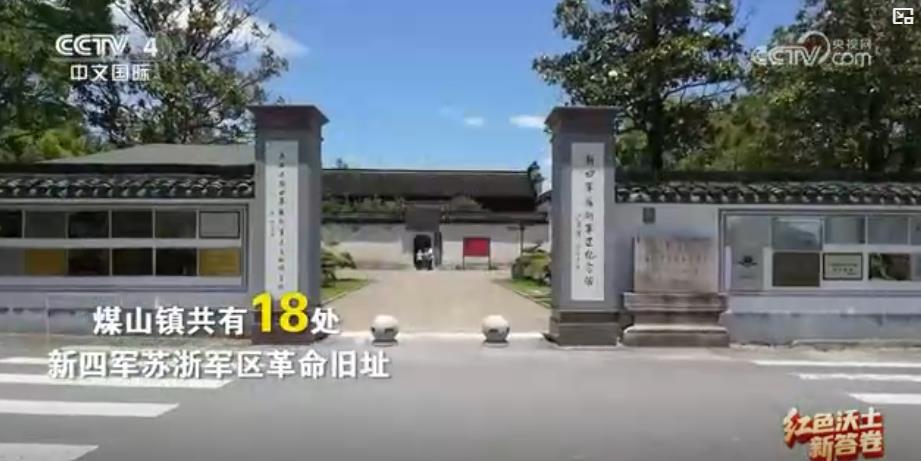
从革命旧址到绿色智造 “红绿交融”谱写县域经济新篇章
Yang Shi Wang· 2025-08-23 03:48
Core Insights - Zhejiang Changxing County is leveraging its "red resources" and high-quality "green ecology" to actively develop the new energy industry, aiming for an upgraded county economy that integrates both aspects [1][2][4] Group 1: Historical Context - Coal Mountain Town served as an important command center for the New Fourth Army during the anti-Japanese war from 1943 to 1945, with significant historical sites now attracting tourism [1] - The area has 18 revolutionary historical sites, and in the past year, it received approximately 800,000 visitors, contributing to local economic growth through tourism-related businesses [1] Group 2: Ecological Restoration - The region has achieved a forest coverage rate of over 98% through ecological restoration efforts, transforming previously damaged landscapes into thriving ecosystems [2] - The integration of "green ecology" and "red resources" provides a stable foundation for local residents' livelihoods [2] Group 3: Industrial Development - Changxing County is focusing on green and low-carbon development, establishing a modern industrial system centered around smart vehicles, new energy, intelligent equipment, digital industries, and biomedicine [2] - In the new energy sector, the county has developed a closed-loop industrial chain centered on power batteries, expanding into electric vehicles and energy storage equipment [4] - As of the end of 2024, Changxing County has 49 regulated new energy enterprises, achieving an output value of 21 billion yuan, with significant effects from the energy storage industry [4] Group 4: Technological Advancements - An automated production facility is actively producing graphite bipolar plates, which are essential components for hydrogen fuel cells, widely used in hydrogen-powered vehicles and long-endurance drones [5]