自动驾驶

Search documents
中国民营经济2025:顶压前行 破局突围
Zhong Guo Xin Wen Wang· 2025-12-29 03:22
Core Viewpoint - The Chinese private economy is facing challenges but is expected to break through and thrive by 2025, supported by government policies and legal frameworks aimed at fostering growth and innovation [1][2][5]. Group 1: Government Support and Legal Framework - A high-level meeting in February emphasized the central government's commitment to supporting the development of private enterprises, addressing challenges and uncertainties in the economy [2]. - The implementation of the Private Economy Promotion Law on May 20 aims to protect the rights of private enterprises and ensure fair competition, marking a shift from policy support to legal protection [4][5]. - The law reinforces the legal status of the private economy and aims to clarify doubts surrounding it, showcasing the government's determination to promote private sector growth [4][5]. Group 2: Economic Performance and Innovation - In the first three quarters, the import and export volume of private enterprises increased by 7.8% year-on-year, indicating resilience in the sector [1]. - The top 500 private enterprises reported a total R&D expenditure of 1.13 trillion yuan, with an average R&D intensity of 2.77%, highlighting a strong focus on innovation [7]. - Companies are increasingly investing in strategic emerging industries such as new information technology, high-end equipment, and new energy, while also pursuing digital and green transformations [7]. Group 3: Challenges and Future Outlook - The private economy is navigating internal challenges such as high operational costs and the need for transformation, alongside external uncertainties [2]. - Experts suggest that companies should enhance technological investments and innovation to seize opportunities in digitalization, green development, and international market expansion [6][7]. - By 2026, the private economy is expected to enter a new phase, leveraging ongoing support to explore new opportunities [8].
研二上就要结束,快的人已经在准备实习了~
自动驾驶之心· 2025-12-29 03:19
Core Viewpoint - The article emphasizes the importance of having comprehensive research capabilities for students pursuing internships in the autonomous driving sector, highlighting the need for problem identification, definition, and solution formulation skills [2][3]. Group 1: Research Capabilities - The article discusses the necessity for students to possess complete research abilities, which include discovering problems, defining them, and proposing solutions, rather than merely reading papers [2]. - It suggests that the fastest way to enhance research skills is to work alongside experienced researchers, indicating a mentorship approach [3]. Group 2: Guidance Services - The article outlines various research areas for guidance, including end-to-end systems, reinforcement learning, 3D object detection, and more, indicating a broad spectrum of topics available for mentorship [4]. - It mentions the high acceptance rate of papers in top conferences and journals, showcasing the effectiveness of the guidance services offered [8]. Group 3: Support for Publication - The article provides details on the types of support available for paper publication, including topic selection, full process guidance, experimental design, and doctoral application support [9]. - It lists various prestigious conferences and journals where papers have been accepted, indicating the quality of the guidance provided [10].

曹操出行(02643)今日解禁 Robotaxi全要素生态成长期价值压舱石
智通财经网· 2025-12-29 03:01
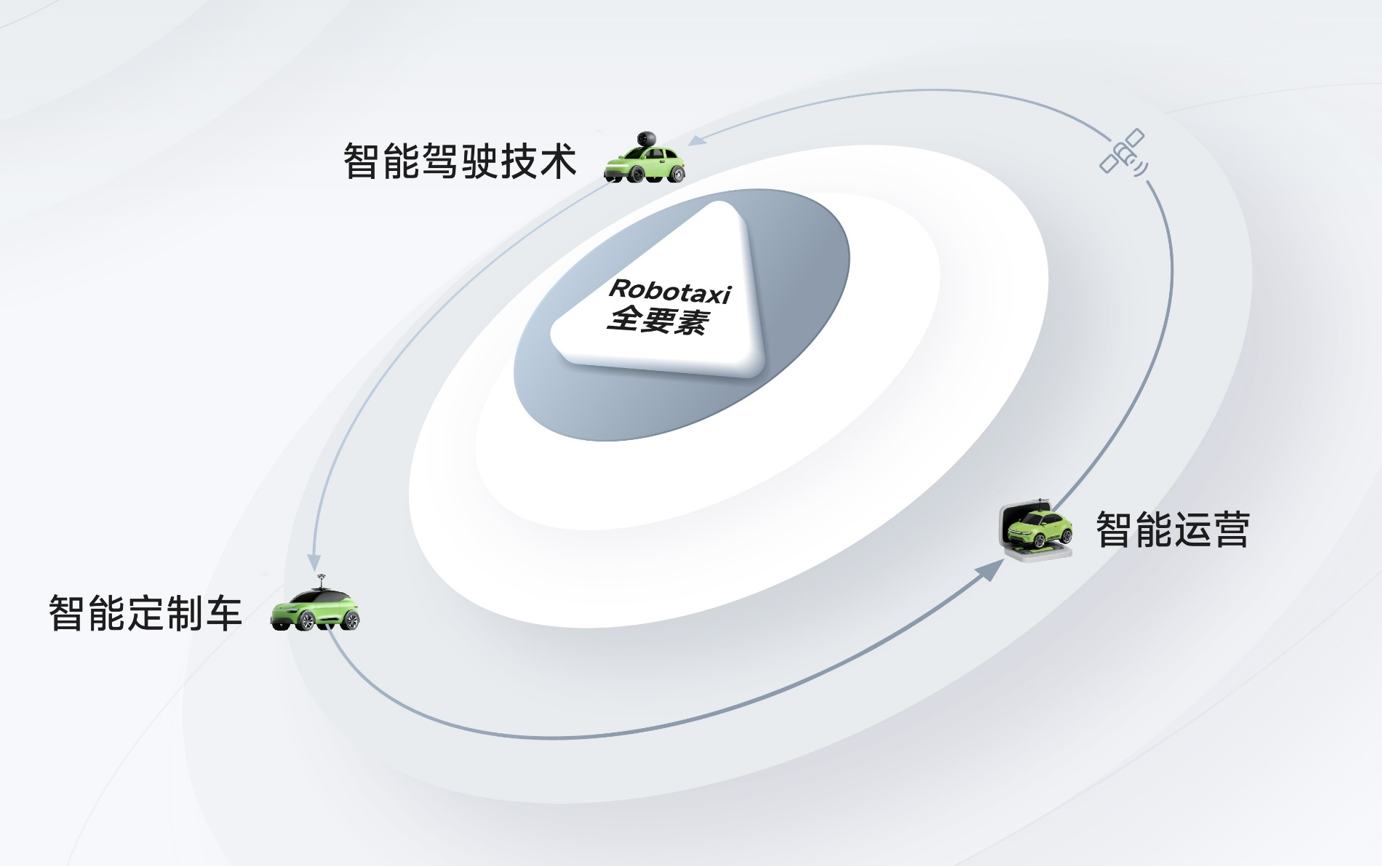
Core Viewpoint - The unlocking of shares for Cao Cao Mobility marks a significant moment, creating short-term pressure on stock prices but also providing an entry point for new investors who believe in the company's long-term ecological value and the Robotaxi sector [1] Group 1: Industry Trends - The Robotaxi industry is at a critical juncture for commercialization, with breakthroughs in autonomous driving technology and supportive policies driving growth [2] - Advances in algorithms, computing power, and hardware are leading to a cumulative effect that reduces the cost of autonomous driving systems by 10%-15% annually, with predictions that by 2027, Robotaxi costs per kilometer may match traditional ride-hailing services [2] - In the first quarter of this year, total financing in China's autonomous driving sector reached 36.24 billion yuan, reflecting a 38.5% year-on-year increase, indicating renewed investor interest in the sector [3] Group 2: Competitive Landscape - The Robotaxi industry features a diverse competitive ecosystem with various players, including ride-hailing platforms and technology firms collaborating to drive commercialization [4] - Cao Cao Mobility focuses on building a comprehensive operational system, leveraging its unique combination of smart custom vehicles, intelligent driving technology, and smart operations to create a closed-loop service model [4][6] Group 3: Cao Cao Mobility's Strategy - Cao Cao Mobility's Robotaxi strategy is supported by two core elements: Geely's technological ecosystem and a decade of operational experience [7] - Geely's ecosystem provides advantages in vehicle development, smart driving technology, and infrastructure, including 448 battery swap stations, which enhance operational efficiency [8] - The company has established a systematic operational capability that includes user service standards, efficient demand forecasting, and lifecycle management of vehicles, which supports cost control and commercial validation [10][11] Group 4: Industry Outlook - The Chinese Robotaxi market is projected to reach 1.2 trillion yuan by 2030, accounting for over 30% of the shared mobility market, with significant societal benefits anticipated [12] - Cao Cao Mobility's ambitious goal of "ten years, a hundred cities, and a hundred billion" aligns with industry growth expectations, and the company is preparing for rapid expansion [12] - As autonomous driving technology matures, Robotaxi services could reduce ride-hailing operational costs by over 50%, positioning players with comprehensive ecosystems for competitive advantage in a potentially trillion-dollar market [12]
港股异动 | 佑驾创新(02431)解禁后涨超16% 公司入选恒生港股通电子主题指数 无人物流车行业将迎爆发期
智通财经网· 2025-12-29 02:37
Core Viewpoint - Youjia Innovation (02431) has seen a significant stock price increase, attributed to its inclusion in the newly launched Hang Seng Hong Kong Stock Connect Electronic Theme Index, which focuses on quality electronic industry companies within the Hong Kong Stock Connect framework [1] Group 1: Company Performance - Youjia Innovation's stock rose nearly 16% in early trading, currently up 14.49% at HKD 14.3, with a trading volume of HKD 134 million [1] - The company has been recognized for its strong business capabilities and forward-looking strategic layout, leading to its selection as a constituent stock of the new index [1] Group 2: Shareholder Information - The lock-up period for Youjia Innovation's shareholders officially expired on December 27, allowing for the release of 220 million shares, which represents 51% of the company's total share capital, excluding shares held by concert parties and employee share plans [1] Group 3: Industry Outlook - The demand and recognition for unmanned logistics vehicles are continuously increasing, with the market expected to enter a period of explosive growth [1] - Youjia Innovation's chairman, Liu Guoqing, expressed optimism about the development prospects of unmanned logistics vehicles and indicated that the company will continue to iterate technology and expand application boundaries in collaboration with more ecosystem partners to promote the deep implementation of autonomous driving technology [1]
佑驾创新解禁后涨超16% 公司入选恒生港股通电子主题指数 无人物流车行业将迎爆发期
Zhi Tong Cai Jing· 2025-12-29 02:33
Core Viewpoint - Youjia Innovation (02431) has seen a significant stock price increase, attributed to its inclusion in the newly launched Hang Seng Hong Kong Stock Connect Electronic Theme Index, which focuses on quality electronic industry companies listed in Hong Kong [1] Group 1: Stock Performance - The stock price of Youjia Innovation rose nearly 16% in early trading, with a current increase of 14.49%, reaching HKD 14.3, and a trading volume of HKD 134 million [1] Group 2: Index Inclusion - Youjia Innovation has been successfully included in the Hang Seng Hong Kong Stock Connect Electronic Theme Index, which was officially launched on December 18 [1] Group 3: Shareholder Lock-up Period - The lock-up period for shareholders of Youjia Innovation expired on December 27, allowing for the release of 220 million shares, which represents 51% of the company's total share capital, excluding shares held by concert parties and employee share plans [1] Group 4: Industry Outlook - The demand and recognition for unmanned logistics vehicles are on the rise, with the company optimistic about the development prospects of unmanned logistics vehicles, anticipating an industry explosion [1] - Youjia Innovation plans to continue iterating technology and expanding application boundaries, collaborating with more ecosystem partners to promote the deep implementation of autonomous driving technology [1]
市场正在惩罚只懂理论的端到端算法工程师......
自动驾驶之心· 2025-12-29 01:07
Core Insights - The article discusses the current challenges in the automotive industry regarding the recruitment of algorithm talent for end-to-end production roles, highlighting a gap between the skills of candidates and the high salary expectations for these positions [1] - A new course titled "End-to-End Practical Class for Mass Production" has been designed to address this gap, focusing on essential algorithms and practical applications in autonomous driving [1] Course Overview - The course is structured into eight chapters, covering various aspects of end-to-end algorithms, including the integration of perception tasks and learning-based control algorithms [6] - It emphasizes the importance of understanding both one-stage and two-stage end-to-end frameworks, with practical examples and real-world applications [7][8] - Key algorithms discussed include reinforcement learning, trajectory optimization, and spatial-temporal planning, which are crucial for the mass production of autonomous driving systems [10][12] Target Audience - The course is aimed at advanced learners with a foundational understanding of autonomous driving technologies, including familiarity with algorithms such as reinforcement learning and diffusion models [14][16] - It is designed to be accessible even to those with weaker foundations, as the instructor will provide guidance to help participants quickly get up to speed [14] Course Logistics - The course will commence on November 30 and is expected to last for three months, featuring offline video lectures and online Q&A sessions [14][17] - Participants are required to have a GPU with a recommended capability of 4090 or higher, along with a basic understanding of Python and PyTorch [16]
AI Day直播 | 如何解决特斯拉提出的端到端三大挑战?
自动驾驶之心· 2025-12-29 01:07
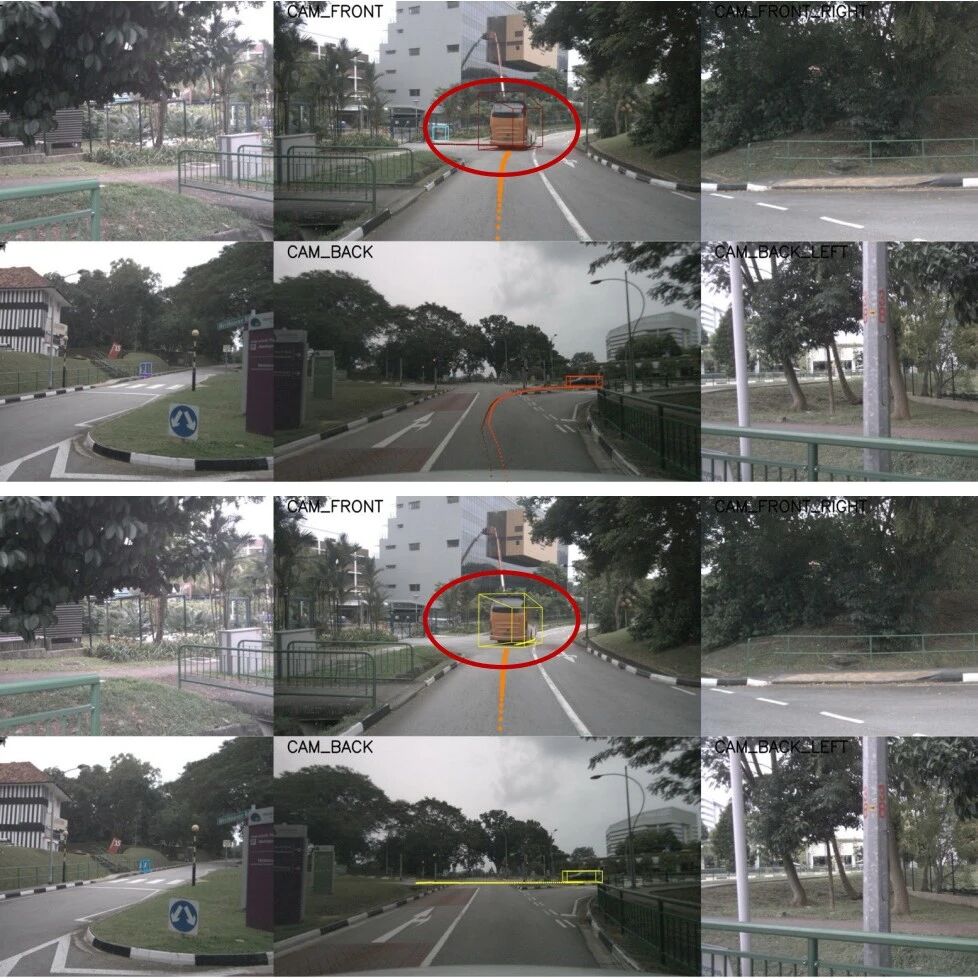
Core Insights - Tesla has identified three core challenges in autonomous driving during its presentation at ICCV2025, which have been widely discussed in both academia and industry [3][6][7] - The event features discussions on solutions to these challenges, including insights from researchers at the University of Hong Kong [3][11] Group 1: Core Challenges - The three main challenges in Tesla's end-to-end architecture for autonomous driving are dimensionality disaster, interpretability and safety guarantees, and closed-loop evaluation [6][7] - Solutions proposed include UniLION, DrivePI, and GenieDrive, which aim to address these challenges [6][13] Group 2: Technical Insights - The presentation includes a detailed explanation of Tesla's end-to-end technology evolution and FSD v14 [6][13] - The discussion will also explore the concept of a general artificial intelligence that can understand and interact with the physical world [6][13] Group 3: Additional Content - The event will provide deeper insights into the technical details, Q&A, and previously unpublished content related to autonomous driving [14] - There will be discussions on the divergence between academic research and mass production, as well as ongoing technical debates in the industry [14]


国际舆论看好中国经济发展前景:为全球发展注入稀缺的确定性
Ren Min Ri Bao· 2025-12-29 00:14
欧洲《现代外交》网站刊文说,随着中国促进形成更多由内需主导、消费拉动、内生增长的经济发展模 式,预计2026年中国经济将在高科技、智能制造、绿色能源和服务消费等领域实现显著增长。 意大利克拉斯CNBC电视频道推出特别节目,聚焦中国"十五五"规划建议。意大利国际事务研究所副主 任格雷科在节目中表示,中国以系统化的顶层设计推动科技创新,提升关键领域的技术水平,体现了中 国在新一轮全球产业变革中的主动作为。中国产业政策与科技发展规划不仅有助于维护自身产业链的安 全与韧性,也为全球产业链供应链稳定注入新动力。 2025年,中国经济顶压前行、向新向优发展,新质生产力稳步发展,改革开放扎实推进,高质量发展取 得新成效。多家外媒刊发报道认为,在全球经济复苏曲折乏力的背景下,中国经济将以稳健的基本面、 强劲的创新驱动力、坚定的开放姿态,携手各国共同发展繁荣,为全球发展注入稀缺的确定性。 保持稳定增长态势,为全球产供链稳定发挥关键作用 近期,世界银行、国际货币基金组织、亚洲开发银行等国际组织,高盛、德银等国际投资机构分别上调 2025年中国经济增速预期。国际社会普遍认为中国经济稳中向好、长期向好,认为中国经济基础稳、优 势多、 ...
一个月三家赴港 一家上市 智驾企业的增长与困局
Bei Jing Shang Bao· 2025-12-28 14:26
Core Insights - The recent surge of autonomous driving companies filing for IPOs in Hong Kong reflects a growing confidence in the sector, driven by significant revenue growth despite ongoing losses [1][2][6] Revenue Growth - Four autonomous driving companies, including Xunshi Technology, Yushi Technology, and Furuitai, have shown substantial revenue growth from 2022 to 2024, with Xidi Zhijia leading with a revenue increase from 31.06 million to 410 million yuan [1][3] - Furuitai, the largest in revenue among the recent filers, saw its revenue rise from 328 million to 1.283 billion yuan, with a 197.5% year-on-year growth in the first half of 2025 [2][3] Profitability Challenges - Despite high revenue growth, the four companies collectively reported an adjusted net loss exceeding 800 million yuan in 2024, with Xidi Zhijia experiencing the highest loss increase relative to its revenue [1][4][5] - In the first half of 2025, Xidi Zhijia's adjusted net loss reached 110 million yuan, marking an 86.7% increase compared to the same period in 2024 [4][5] R&D Expenditure Trends - R&D spending as a percentage of revenue has decreased significantly, with all companies reducing their R&D expenditure to below 100% by the first half of 2025, indicating improved cost control [7][8] - Xidi Zhijia's R&D expenditure was 37.1% of revenue in the first half of 2025, down from a peak of 355.8% in 2022 [7][8] Market Dynamics - The autonomous driving sector is characterized by a split between toC (consumer) and toB (business) models, with toB models expected to achieve profitability more quickly due to clearer demand and lower operational costs [9] - The success of companies like Xidi Zhijia in niche markets such as mining and logistics highlights the potential for stable revenue streams in controlled environments [8][9]
一个月三家赴港,一家上市,智驾企业的增长与困局
Bei Jing Shang Bao· 2025-12-28 12:48
Core Viewpoint - The recent surge of autonomous driving companies filing for IPOs in Hong Kong reflects a growing confidence in the sector, driven by significant revenue growth despite ongoing losses [1][3][8]. Revenue Growth - Four autonomous driving companies, including Hidi Intelligent Driving, Mainline Technology, and Yushi Technology, have shown substantial revenue growth from 2022 to 2024, with Hidi's revenue increasing from 31.06 million to 410 million yuan [1][4]. - Mainline Technology and Yushi Technology, while smaller, also reported revenue increases, reaching 254 million and 265 million yuan respectively in 2024 [1][5]. - The overall trend indicates that companies in the autonomous driving sector are experiencing high revenue growth across various business models, including Robotaxi and OEM suppliers [3]. Profitability Challenges - Despite the revenue growth, the four companies collectively reported an adjusted net loss exceeding 800 million yuan in 2024, with Hidi Intelligent Driving experiencing the highest loss increase relative to its revenue [1][6]. - In the first half of 2025, Hidi's adjusted net loss reached 110 million yuan, marking an 86.7% increase compared to the same period in 2024 [6][7]. - The profitability landscape is mixed, with some companies like Yushi Technology and Furuitek reducing their losses, while others like Hidi and Mainline Technology saw their losses expand [6][7]. R&D Expenditure Trends - R&D expenditures, previously a significant burden, have become more manageable, with all companies reducing their R&D spending as a percentage of revenue to below 100% by the first half of 2025 [9][10]. - Hidi Intelligent Driving's R&D expenditure as a percentage of revenue decreased to 37.1%, down from a peak of 355.8% in 2022 [9][10]. Market Position and Business Models - Furuitek, as an OEM supplier, has established a strong market position with its solutions adopted by 51 OEMs, contributing to a significant portion of its revenue [10]. - The business models of these companies vary, with toB (business-to-business) models, particularly in controlled environments, showing quicker paths to profitability compared to toC (consumer) models like Robotaxi [11][12].