
高端制造

Search documents
“富”可敌市,中国第一个万亿GDP地市辖区,诞生
虎嗅APP· 2026-01-28 00:23
Core Viewpoint - Shenzhen's Nanshan District is set to become China's first district with a GDP exceeding 1 trillion yuan by 2025, marking a significant milestone in the economic landscape of non-direct-controlled cities [5][8]. Group 1: Economic Milestone - Nanshan's GDP surpassing 1 trillion yuan signifies a breakthrough for non-direct-controlled urban areas, positioning it alongside major economic districts like Shanghai's Pudong and Beijing's Haidian [6][12]. - The district's rapid economic growth is highlighted by its average annual compound growth rate of nearly 15% over the past 35 years, transitioning from a marginal area to a leading economic zone [17][15]. Group 2: Economic Density and Competitiveness - Nanshan boasts the highest economic density in the country, with a per capita GDP exceeding 540,000 yuan and a land GDP of over 5.4 billion yuan per square kilometer [19]. - The district is recognized for its innovation capabilities, with a significant number of patents and R&D investment intensity nearly three times the national average [21][23]. Group 3: Industrial Structure and Growth Drivers - Nanshan's economy is characterized by a balanced integration of high-end manufacturing and modern service industries, with nearly 80% of its GDP coming from the tertiary sector [30][31]. - The district is home to numerous leading enterprises, including Tencent and DJI, and has a high concentration of high-tech companies, with over 6,000 high-tech firms and 218 listed companies [34][35]. Group 4: Future Development and Strategic Initiatives - Nanshan aims to enhance its global competitiveness through a strategic framework focusing on domestic and international circulation, as well as marine economy development [44]. - The district is positioned to lead in emerging industries such as artificial intelligence and low-altitude economy, with significant investments and initiatives planned for the next decade [36][39].



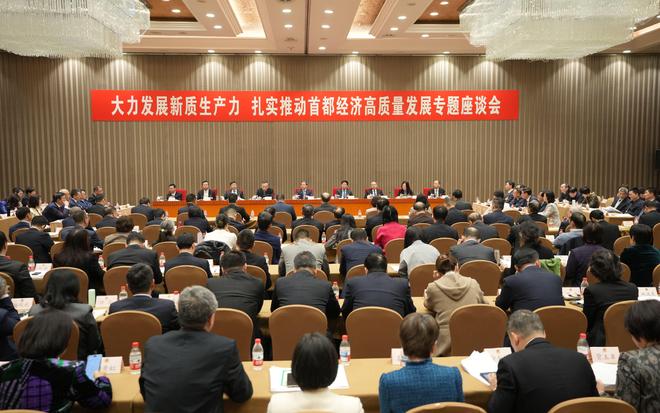
如何扎实推动首都经济高质量发展?“融合”成为委员应答关键词
Xin Jing Bao· 2026-01-27 01:01
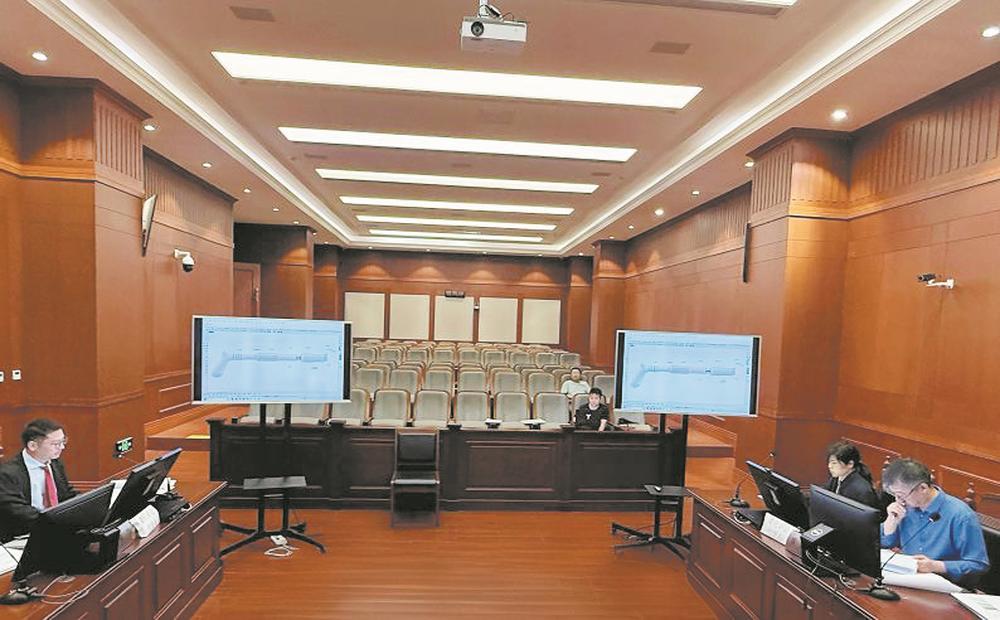
Core Viewpoint - The Beijing Municipal Political Consultative Conference emphasizes the importance of "integration" in driving high-quality economic development and the advancement of new productive forces in the capital, with a focus on artificial intelligence and high-end manufacturing as key areas for growth [1][3]. Group 1: Integration of Talent, Industry, and Innovation - The integration of talent, industry, innovation, and other elements is crucial for the development of new productive forces, with artificial intelligence being a key driver [3]. - A proposal was made to establish a city-level "Industry Innovation Digital Platform" to achieve the integration of the "talent chain, enterprise chain, industry chain, innovation chain, and capital chain" [3]. - The establishment of a "Science-Education-Industry Integration Platform" is suggested to enhance collaboration between universities, enterprises, and research institutions [4]. Group 2: 6G and AI Technology Integration - Beijing is positioned as a leader in both 6G and AI innovation, but faces challenges in top-level planning and cross-domain collaboration [5]. - A proposal was made to develop a "6G+AI" integration strategy, focusing on coordinated planning, resources, and talent [6]. - The establishment of a national-level pilot platform for "6G+AI" integration is recommended to support technology validation and application [6]. Group 3: AI and High-End Manufacturing Integration - High-end manufacturing is identified as a strategic sector for Beijing's high-quality development, necessitating the integration of AI into manufacturing processes [7]. - A tiered support plan for "AI+Manufacturing" is proposed to lower barriers for companies transitioning to smart manufacturing [7]. - The creation of a benchmark project case library for "AI+Manufacturing" is suggested to accelerate the large-scale application of successful integration products [8].
成都中院 以知识产权司法保护护航成都“十五五”创新蓝图
Xin Lang Cai Jing· 2026-01-25 18:15
Core Viewpoint - Innovation is the core driving force for urban development, and intellectual property (IP) serves as the legal safeguard for innovation. Chengdu is accelerating high-quality development through emerging industries such as digital culture and creativity, artificial intelligence, and high-end manufacturing, supported by a robust IP protection system integrated into the city's innovation strategy [4]. Mechanism Innovation - Chengdu Intermediate People's Court has established a "1+8+10" multi-dimensional IP protection system, creating a service network that integrates courts, legal aid, and industry-specific support [5]. - The court has implemented a model that addresses the challenges of long litigation periods and difficult compensation, exemplified by the successful mediation in the copyright infringement case of the film "Nezha" [6]. Technological Empowerment - The court has adopted 3D modeling technology for evidence presentation, significantly enhancing the clarity and efficiency of IP trials. This technology allows for interactive and detailed visualizations of evidence, improving the trial process [7]. - Digital evidence management has been improved through cloud storage solutions, ensuring the preservation and accessibility of evidence for future legal proceedings [9]. Collaborative Governance - Chengdu Intermediate People's Court has established a collaborative protection network that integrates judicial, administrative, and industry efforts, enhancing the strength and coverage of IP protection [10]. - The court has initiated regular cooperation with local business associations and government agencies to address IP-related concerns directly with enterprises [10]. Case Guidance - The court has clarified the boundaries of innovation and infringement through landmark cases, providing clear guidelines for market participants. This includes defining copyright protections for digital collectibles and addressing unfair competition practices [11][12]. - Recent rulings have emphasized the importance of integrity in innovation, with strict penalties for unfair competition, thereby fostering a fair environment for digital economy growth [12].
外资公募坚定看多A股 布局科技赛道
Zheng Quan Ri Bao· 2026-01-25 17:16
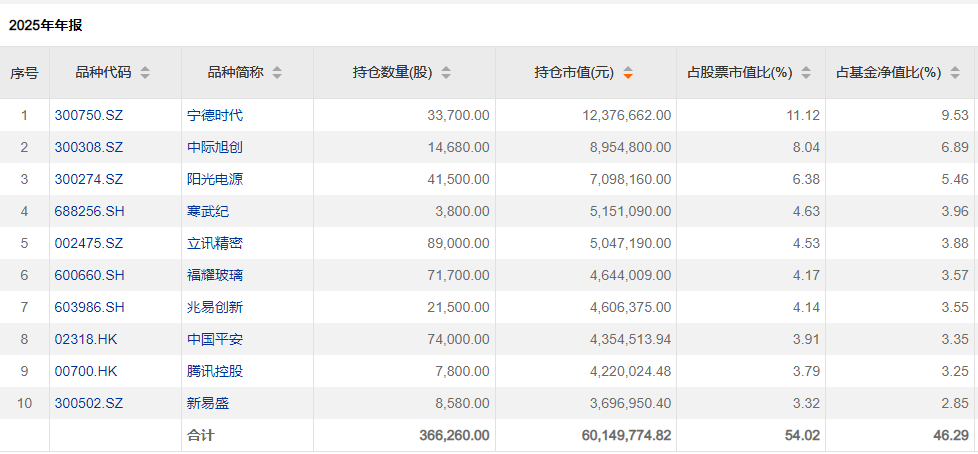
Group 1 - The core viewpoint is that foreign public funds have significantly increased their investments in China's technology sector, with many products achieving over 50% net value growth in 2025, driven by a focus on leading tech companies like Zhongji Xuchuang, Hanwha, and Xinyisheng [1][2] - In 2025, several foreign public fund products, such as BlackRock Advanced Manufacturing One-Year Holding Mixed A and Allianz China Select Mixed A, reported net value growth rates exceeding 50%, despite a fourth-quarter pullback in A-share tech growth stocks [2][3] - Foreign public funds maintained a "neutral to high" position in the fourth quarter of 2025, focusing on technology sectors including AI, high-end manufacturing, and low-carbon growth [3] Group 2 - Foreign public funds are optimistic about the A-share market for 2026, believing that high-quality tech assets will continue to lead, with a preference for "overweight equities" in their portfolio strategies [4] - Fund managers from Allianz and BlackRock expressed that A-shares are more attractive compared to RMB bonds, indicating a sustained focus on equities while dynamically adjusting their overweight positions based on market conditions [4] - The emphasis on technology assets as a core investment theme is expected to yield significant excess returns in 2026, as foreign public funds increase their allocation to Chinese tech assets [4]



北交所定期报告:新股审核及上市提速,关注专精特新小巨人及业绩超预期企业
Guotou Securities· 2026-01-25 11:20
2026 年 01 月 25 日 北交所定期报告 新股审核及上市提速,关注专精特新 小巨人及业绩超预期企业 本周市场回顾: 本周上证指数上涨 0.52%,北证 A 股指数上涨 2.33%,跑赢上证综指 1.81pct,北证 50 指数上涨 2.4%,跑赢上证综指 1.89pct,创业板指 数上涨 1.23%,科创板指数上涨 1.5%; 流动性方面,本周北证 A 股总成交额为 1320.1 亿元,北证 50 总成交 额 427.7 亿元,占北证 A 股总成交额的 32.4%,环比-0.62pct。北证 A 股日均成交额 264.02 亿元,环比-34.3%,区间日均换手率为 4.27%, 较上一区间下降 2.11pct; 估值方面,截至 2026 年 1 月 23 日,北证 A 股市盈率中位数为 45.61X; 同期科创板、创业板 PE 中位数分别为 36.5 倍、37.2 倍。 个股表现&新股上市情况: 截至 2026 年 1 月 23 日,北交所上市公司总数为 290 家,较上周增加 2 家,涨幅靠前的分别为:华维设计、连城数控、亿能电力、欧普泰、 美邦科技、流金科技、特瑞斯、天力复合、能之光、民士达;跌幅 ...
外资巨头,深挖中国科技股
Shang Hai Zheng Quan Bao· 2026-01-25 05:34
Group 1 - The core viewpoint of the articles indicates that foreign public funds are optimistic about the Chinese stock market, particularly in the technology sector, which is expected to undergo a historical value reassessment by 2026, potentially generating excess returns [1][7][10] - Since 2025, the A-share market has shown resilience, with the Shanghai Composite Index stabilizing around 4100 points, and several foreign public fund products have reported significant performance, with net value increases exceeding 50% for multiple funds [3][8] - Foreign public funds have focused their investments on high-quality technology assets, with notable holdings in leading Chinese tech companies such as Tencent, Zhongji Xuchuang, and Han's Laser [3][4][5] Group 2 - Fund managers from various foreign public funds have expressed a commitment to maintaining a high equity position, focusing on growth-oriented investment opportunities in sectors like high-end manufacturing, electric vehicles, and AI technology [5][6] - The outlook for the A-share market in 2026 is positive, with fund managers highlighting the significant allocation value of Chinese stocks compared to RMB bonds, suggesting a continued overweight in equities [8][10] - There is a consensus among fund managers that high-quality technology assets are likely to continue yielding excess returns, with a focus on sectors benefiting from innovation and structural changes in the economy [9][10]




中国拯救世界!美媒感慨:要不是中国反抗特朗普,全球已经大萧条
Sou Hu Cai Jing· 2026-01-23 09:00
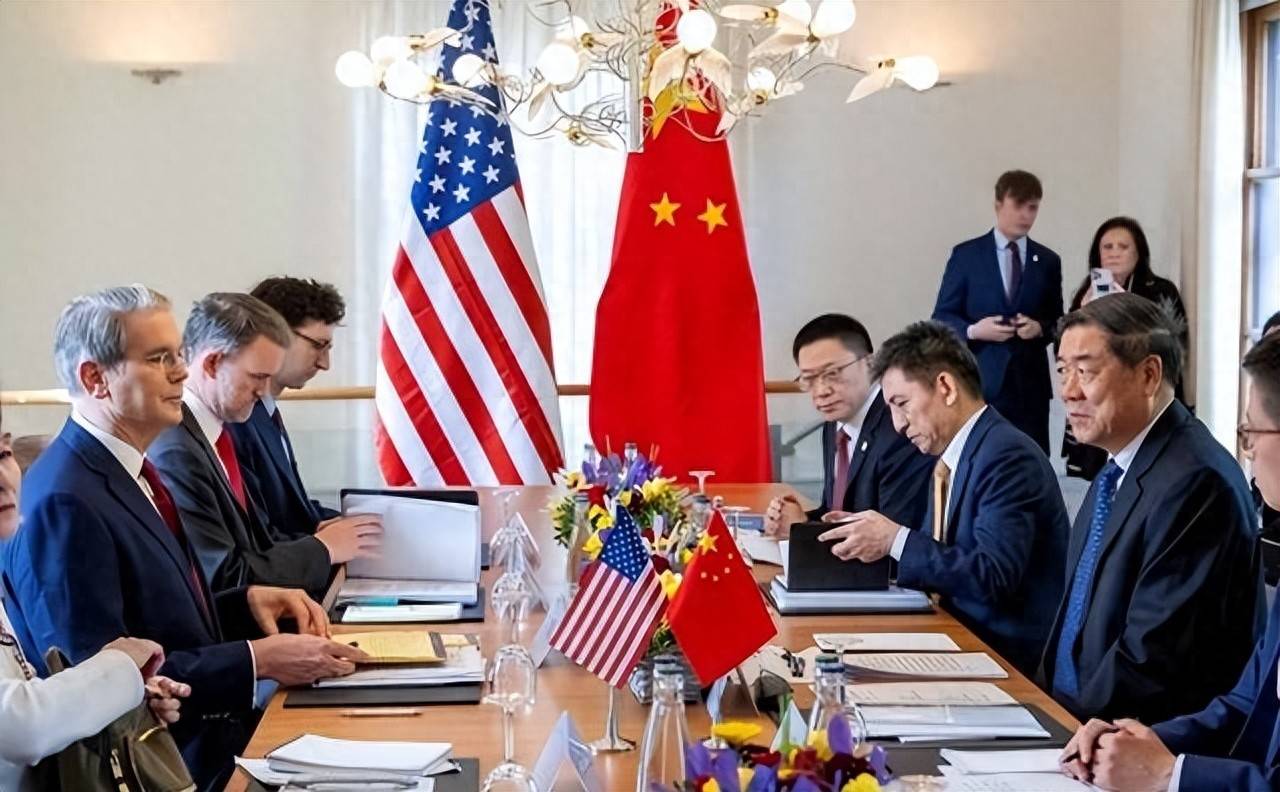
美国媒体看在眼里。纽约时报评论,世界经济波动大,特朗普关税加剧民族主义,但中国政策协调好,财政货币同步,银行监管、外汇管控防资本外逃,避 免进一步下滑。欧亚评论指出,对抗中国风险引发全球萧条,中国作为增长引擎,拉动中小经济体前进。 2025年1月20日特朗普就职后,很快就重启贸易保护主义老路。4月2日,他签署行政令,宣布对全球贸易伙伴征收对等关税,基准税率10%,对中国商品额 外加34%,总税率达54%。这不是简单经济调节,而是把关税当成外交工具,针对贸易逆差大的国家下手。 加拿大、墨西哥、欧盟、日本、韩国、越南等都没逃掉,越南税率高达46%,泰国37%,印尼32%,马来西亚24%。美国这么做,说是为了保护本土制造业 和就业,但实际让全球供应链乱套。 中国没坐以待毙,4月4日宣布对美国进口商品加征34%关税,还把16家美国企业列入出口管制名单,对稀土等关键物资加强出口控制。这反制力度大,直接 戳到美国痛处,因为稀土是高科技和国防必需品,中国占全球供应大头。 特朗普原想用关税逼中国让步,结果中国不退反进,转而开拓东盟、欧洲、非洲市场,对美出口占比降到较低水平。数据显示,2025年中国贸易顺差达1.19 万亿美元 ...
官宣!山东GDP突破10万亿元
Ren Min Ri Bao· 2026-01-23 08:50
Group 1 - Shandong Province's GDP reached 10.3197 trillion yuan in 2025, marking a 5.5% increase from the previous year, making it the first northern province to surpass the 10 trillion yuan mark [1][4] - The GDP growth was driven by various sectors: primary industry added 677.5 billion yuan (4.0% growth), secondary industry added 4,054.1 billion yuan (5.0% growth), and tertiary industry added 5,588.1 billion yuan (6.1% growth) [1][4] Group 2 - The achievement of 10 trillion yuan in GDP reflects a significant transition from traditional industries to high-tech sectors, with high-tech industries accounting for over 55% of the industrial output [5] - Regional collaboration has strengthened, with multiple economic zones contributing to the overall growth, and 13 cities in Shandong entering the national top 100 cities by economic strength [5] - The economic development logic in China is shifting from focusing on scale and speed to emphasizing quality and efficiency, indicating a deeper transformation in the economic landscape [5][6]

2025年我国数字经济占GDP比重约35%
Xin Lang Cai Jing· 2026-01-21 10:25
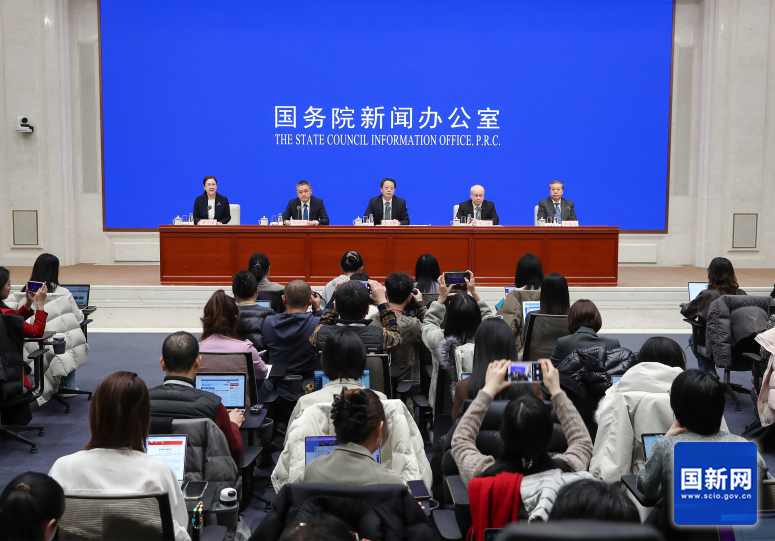
1月20日,国新办举行新闻发布会,介绍落实中央经济工作会议精神,推动"十五五"实现良好开局有关情况。 国家发展改革委国民经济综合司司长周陈在会上表示,2025年我国数字经济增加值有望达到49万亿元,占 GDP的比重达到约35%。 周陈介绍,展望2026年,我国经济结构将持续向"优"、发展动能持续向"新"、整体发展态势持续向"好",新质 生产力稳步发展,消费与投资、科技与产业、城乡与区域都将释放出巨大的发展潜能。 一是从点上看,新技术新产品新场景蔚然成势。新能源、新材料、航空航天、量子科技、生物制造、具身智 能等新的经济增长点正在蓄势待发,新型储能装机规模已经突破了1亿千瓦,占全球比重超过40%。去年实施 的"人工智能+"行动,正在为我国海量的场景优势赋能增效,人工智能加速从数字世界走向物理世界,从说话 变成做事,将带动高端制造、新兴消费、新业态新模式爆发式增长;从2025年的数据看,高技术制造业增加 值占规模以上工业的比重已经超过17%,目前,国家发展改革委正在谋划推进一批"十五五"时期的高技术产业 标志性引领性重大工程。 二是从线上看,创新链产业链人才链加速融合。我国有完整的产业体系,有14亿多人口的超大规 ...
多措并举推动经济高质量发展再上新台阶
Jin Rong Shi Bao· 2026-01-21 02:09
谋划推进一批"十五五"时期高技术产业标志性引领性重大工程;研究制定出台2026年至2030年扩大内需 战略实施方案;研究设立国家级并购基金;研究制定稳岗扩容提质行动和城乡居民增收计划;继续实施 消费品以旧换新政策……1月20日,国家发展改革委有关负责人在国新办新闻发布会上介绍了一揽子新 政。 国家统计局近日发布的2025年经济社会发展统计数据,充分彰显了我国经济基础稳、优势多、韧性强、 潜能大的主要特征。 国家发展改革委国民经济综合司司长周陈表示,展望2026年,我国经济结构将持续向"优"、发展动能持 续向"新"、整体发展态势持续向"好",新质生产力稳步发展,消费与投资、科技与产业、城乡与区域都 将释放出巨大的发展潜能。 从点上看,新技术新产品新场景蔚然成势。周陈表示,去年实施的"人工智能+"行动,正在为我国海量 的场景优势赋能增效,人工智能加速从数字世界走向物理世界,从说话变成做事,将带动高端制造、新 兴消费、新业态新模式爆发式增长。从2025年的数据看,高技术制造业增加值占规模以上工业的比重已 经超过17%,目前国家发展改革委正在谋划推进一批"十五五"时期高技术产业标志性引领性重大工程。 2025年中央经 ...