
低空经济

Search documents
知识产权向“新”行 首场活动走进北航杭研院 聚焦低空经济知识产权保护
Mei Ri Shang Bao· 2025-11-11 22:19
商报讯(通讯员卢辉珈记者汪晓筠实习生王华姣)11月6日,杭州市知识产权保护中心(以下简称"杭州保护 中心")"知识产权向'新'行"系列活动首站走进北京航空航天大学杭州创新研究院。活动中,知识产权专 家与低空经济领域企业代表围绕知识产权如何助力高质量发展展开深入交流。现场,杭州保护中心发布 了《杭州市低空经济产业专利导航》成果,并邀请专家就《低空经济技术领域的专利挖掘与布局》进行 专题授课。北航杭研院两位技术专家分别带来《低空安全多传感器协同感知项目》和《空天地安全保密 通信项目》的前沿研究路演。活动还特别设置了"红色领航助企有为"杭州市知识产权保护中心党员专场 服务环节。 活动现场,"红色领航助企有为"党员专场服务受到企业代表欢迎。杭州保护中心党员先锋队的专家们提 供专利申请、维权援助等"一对一、面对面"咨询服务,累计解答企业疑问30余条,精准对接服务需求12 项。 据了解,"知识产权向'新'行"系列活动将持续深入杭州各产业园区、重点企业、特色街区和科创平台, 将优质高效的知识产权服务送达创新一线。为凝聚知识产权"协同护航"合力,杭州保护中心还启动 了"知愿者"公益讲师团公开招募,面向企业、高校、科研院所及知 ...
供给不足 场景短板如何补
Jing Ji Ri Bao· 2025-11-11 22:11
Core Viewpoint - The State Council has issued an implementation opinion to accelerate the cultivation and large-scale application of new scenarios, which has become a significant topic in the technology, industry, and capital sectors [2][3]. Group 1: Definition and Importance of Scenarios - The term "scenario" is defined as a specific context for systematically verifying the industrial application of new technologies, products, and business models, serving as a bridge between technology and industry [3][4]. - Scenarios are crucial for enabling the development of new productive forces, as they transition innovation from traditional laboratory settings to real market environments, acting as a "touchstone" for technological feasibility [4]. Group 2: Challenges in Scenario Supply - There is a notable lack of effective scenario supply, which hinders the transformation of new industries and models [2][5]. - Three main reasons for the insufficient supply of scenarios include unclear revenue distribution mechanisms, local protectionism, and the need for policy coordination among departments [6][7]. Group 3: Strategies for Scenario Development - The implementation opinion emphasizes expanding the supply of production, work, and life scenarios, promoting the open allocation of scenario resources, and ensuring fair and efficient resource distribution [8]. - The opinion outlines three strategic directions for scenario cultivation and opening, focusing on new fields, high-value niche scenarios, and cross-regional integrated scenarios [8][9]. Group 4: Future Directions - The National Development and Reform Commission plans to explore a market-oriented mechanism for scenario resource allocation and establish standards and rules for the application of new technologies and products [9]. - The emphasis is on creating a platform for both state-owned and private enterprises to participate equally in scenario innovation and development [9].
鼓励民企进入附加值更高科技服务业
Sou Hu Cai Jing· 2025-11-11 21:18
Core Viewpoint - The National Development and Reform Commission (NDRC) has introduced measures to promote private investment, particularly in key sectors such as low-altitude economy and commercial aerospace, while addressing market access challenges for private capital [1][2][3]. Group 1: Private Investment Trends - Private investment has slowed down this year due to changes in the international environment and adjustments in the real estate market, but private project investment excluding real estate has seen a year-on-year growth of 2.1% in the first three quarters [2]. - Infrastructure private investment has increased by 7% year-on-year, while manufacturing private investment has grown by 3.2%, indicating a stable growth trend [2]. Group 2: Policy Measures - The new measures include 13 policy initiatives aimed at encouraging private capital participation in urban infrastructure projects with profit potential, particularly in smaller cities [2]. - The measures emphasize the need for feasibility studies for projects requiring national approval, such as railways and nuclear power, to assess the viability of private capital involvement [2][3]. Group 3: Support for Productive Services - The measures encourage private capital to invest more in productive service industries, which are seen as crucial for industrial development, focusing on areas like industrial design and quality certification [4]. - The NDRC plans to enhance support for private enterprises in high-value-added technology services and ensure the protection of their rights in infrastructure operations [4]. Group 4: Government Procurement and Financial Support - The NDRC will utilize central budget investments to support eligible private investment projects, effectively guiding social investments [5]. - Government procurement policies will reserve over 40% of the budget for engineering projects suitable for small and medium-sized enterprises (SMEs), encouraging local governments to increase this share [6]. - Financial services for SMEs will be improved through streamlined bank approval processes and direct funding channels [6].
从这场活动,看四川“十四五”工业成就
Si Chuan Ri Bao· 2025-11-11 20:31
Core Insights - Sichuan's industrial sector has shown significant growth during the "14th Five-Year Plan" period, with an average annual increase of 6.6% in industrial added value, rising from 1.34 trillion yuan to 1.79 trillion yuan [9] - The province's industrial enterprises have increased R&D investment and intensity by 50% and 41% respectively, indicating a solid path of simultaneous quantity and quality improvement [9] Group 1: Industrial Transformation - Sichuan is transitioning from traditional manufacturing to intelligent manufacturing, exemplified by the automation in the production processes of companies like Wuliangye and Dongfang Turbine [9][10] - Wuliangye has established technology innovation platforms with six academicians, leading to the creation of 13 national high-tech enterprises [9] - Dongfang Turbine has reduced assembly cycles by 40% through digital empowerment, showcasing significant efficiency improvements in heavy-duty gas turbine production [9] Group 2: New Energy and Automotive Industry - The automotive sector in Sichuan, particularly in new energy vehicles, is rapidly expanding, with a reported 170% increase in production of electric vehicles and a 55% increase in lithium-ion batteries from January to September [10] - Sichuan Lingke Automobile has achieved a stable production of over 1,100 vehicles daily, with a significant portion being new energy models [10] - The province is positioning itself as a leader in the power battery industry, with plans to reach a production capacity of 400 GWh and an industry output value exceeding 500 billion yuan by 2025 [10] Group 3: Emerging Technologies - The Chengdu Humanoid Robot Innovation Center is developing advanced humanoid robots, marking significant progress in AI and robotics [10] - Sichuan is also focusing on hydrogen energy, with companies like Dongfang Electric mastering the entire hydrogen energy supply chain [10] - The launch of the first large passenger electric vertical takeoff and landing aircraft in Sichuan represents a breakthrough in the low-altitude economy [10] Group 4: Supportive Ecosystem - The "Enterprise Home" initiative in Sichuan provides essential policy support and services to local businesses, facilitating over 2700 activities to support more than 110,000 enterprises [10] - The establishment of the 20 GW high-efficiency crystalline silicon battery project by Yingfa Ruili in Yibin highlights the province's attractive business environment, leading to rapid project execution and significant market presence [10] - The solar industry in Yibin is projected to achieve a production value exceeding 30 billion yuan by 2024, reflecting the region's rapid growth in renewable energy [10]

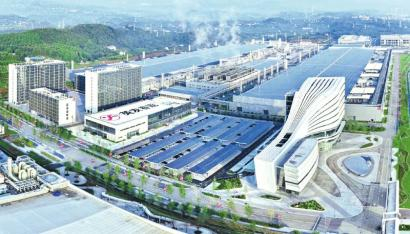
13项举措力促民间投资发展(锐财经)
Ren Min Ri Bao· 2025-11-11 20:27
Core Viewpoint - The National Development and Reform Commission (NDRC) has introduced 13 targeted policy measures to stimulate private investment and enhance overall investment efficiency [2][3]. Group 1: Expanding Access - The measures aim to address market access challenges for private investment by encouraging participation in key sectors such as railways and nuclear power, with specified shareholding ratios [3][5]. - Local governments are encouraged to involve private capital in new urban infrastructure projects that have profit potential [3]. - Private capital is guided to participate in emerging sectors like low-altitude economy and commercial aerospace, with a dynamic update of the list of major scientific research infrastructures open to private enterprises [3]. Group 2: Removing Barriers - The measures focus on safeguarding the rights of private enterprises and enhancing innovation support by improving regulatory oversight of network infrastructure [3]. - There is encouragement for private enterprises to establish significant pilot platforms and for state-owned enterprises and research institutions to provide market-oriented pilot services [3]. Group 3: Strengthening Support - The NDRC plans to increase central budget investments for qualifying private investment projects and utilize new policy financial tools to support key sectors [4][7]. - The measures emphasize the need for coordinated investment, fiscal, and financial policies to enhance the effectiveness of private investment initiatives [7]. Group 4: Encouraging Participation in Key Projects - Private capital is allowed to hold more than 10% in key projects, with a focus on those requiring state approval and having potential returns [5][6]. - The policy encourages thorough feasibility studies for private capital involvement in these projects, ensuring that the specific shareholding ratios are determined based on project characteristics and private enterprise capabilities [5][6]. Group 5: Financing Policies - The NDRC is enhancing financing support for private investment through various channels, including government procurement policies that reserve a significant portion for small and medium enterprises [7][8]. - Financial institutions are encouraged to streamline processes for small and micro enterprises, ensuring better access to credit and promoting innovative financing solutions [8].
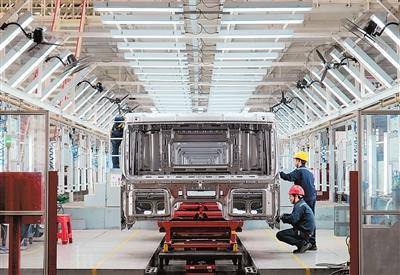
人工智能是低空物流实时决策的核心
Zhong Guo Jing Ying Bao· 2025-11-11 15:38
Core Insights - The low-altitude economy is emerging as a key area for the development of new productive forces, significantly supporting regional coordinated development and industrial upgrading [1] - The "Blue Book" on low-altitude economy development highlights the role of artificial intelligence in enhancing low-altitude logistics through dynamic path planning, real-time obstacle avoidance, and cluster scheduling [1] - The report emphasizes that technological innovation is the core variable determining the quality and speed of low-altitude economy development, addressing issues like technology maturity lagging behind scene demands and insufficient industrial chain collaboration [1] Technological Advancements - AI can construct multi-level intelligent decision-making systems, transitioning low-altitude logistics from pilot stages reliant on human intervention to intelligent operations with environmental adaptability [1] - Machine learning algorithms can integrate various data, such as meteorological data, airspace restrictions, and ground traffic flow, to generate optimal flight routes, moving away from inefficient fixed-route logistics [1] Industry Recommendations - The "Blue Book" suggests focusing on scene-based approaches to promote deep integration of technological innovation and industrial ecology to overcome existing challenges in the low-altitude economy [1]
多措并举激发民间投资活力
Zhong Yang Ji Wei Guo Jia Jian Wei Wang Zhan· 2025-11-11 14:43
Core Viewpoint - The article emphasizes the importance of private investment as a key indicator of economic activity and its significant role in stabilizing growth, employment, and expectations. The National Development and Reform Commission (NDRC) has introduced measures to enhance private investment vitality through 13 policy initiatives categorized into three main areas: expanding access, removing obstacles, and strengthening guarantees [2][3]. Group 1: Expanding Access - The measures encourage private capital participation in key sectors such as railways and nuclear power, which require national approval, by clarifying shareholding ratios [3][4]. - Local governments are encouraged to involve private capital in new urban infrastructure projects that are smaller in scale but have profit potential [3]. - The initiative aims to guide private capital into emerging sectors like low-altitude economy and commercial aerospace, while supporting capable private enterprises in undertaking major national technological challenges [3]. Group 2: Removing Obstacles - The measures address the challenges faced by private enterprises regarding rights protection and innovation support by enhancing regulatory oversight of network infrastructure operations [3]. - It promotes the establishment of significant pilot platforms that can drive industry development and encourages state-owned enterprises and research institutions to provide market-oriented pilot services to private companies [3]. Group 3: Strengthening Guarantees - The NDRC plans to increase central budget investments in qualifying private investment projects and utilize new policy financial tools to support key industries and sectors [3]. - Measures include meeting the reasonable credit needs of private enterprises and implementing policies to facilitate the financing of technology-driven companies through public listings and mergers [3]. Group 4: Communication and Support - The NDRC has established a multi-level communication mechanism with private enterprises to address their challenges and promote investment [5]. - A comprehensive service platform for private economic development was launched, which has seen significant engagement, indicating a proactive approach to resolving issues faced by private investors [5]. Group 5: Digital Transformation - The National Data Bureau is set to implement measures to promote digital transformation in key sectors, leveraging data to empower investment [6]. - The initiative aims to support leading companies in building digital platforms that facilitate collaboration and drive smaller enterprises into the digital ecosystem, enhancing their operational capabilities [6].
北京:低空经济解锁城市新视角
Zhong Guo Jing Ying Bao· 2025-11-11 12:28
Core Insights - Beijing is leveraging its urban advantages to rapidly stimulate opportunities in the low-altitude economy, as highlighted in the "Low Altitude Economy Blue Book: Development Report (2025)" [1] Group 1: National Strategy and Local Support - The low-altitude economy has been elevated to a national strategy, with the 2023 Central Economic Work Conference including it in "strategic emerging industries" [1] - Over 20 provinces have incorporated the low-altitude economy into their government work reports, with provinces like Guangdong and Anhui implementing special policies to support infrastructure development and scenario expansion [1] Group 2: Advantages of Beijing in Low-Altitude Economy - Beijing hosts numerous top universities and research institutions focused on cutting-edge research and applications in drone and aerospace technology, providing technical reserves and talent support for the low-altitude industry [1] - As a megacity, Beijing faces challenges such as population density, traffic congestion, and complex environments, where low-altitude vehicles can significantly enhance efficiency in urban patrol, emergency rescue, and environmental monitoring [2] - The low-altitude economy is creating new growth points for leisure, entertainment, and cultural tourism, leveraging Beijing's rich historical and cultural heritage along with diverse natural landscapes for activities like aerial sightseeing and air sports [2]
“十五五”新起点上,小鹏以“物理AI”构建新质生产力
Bei Jing Ri Bao Ke Hu Duan· 2025-11-11 11:02
Core Viewpoint - The article highlights the emergence of a new industrial wave in China's manufacturing sector characterized by intelligence and embodiment, with artificial intelligence (AI) transitioning from virtual algorithms to real-world applications, exemplified by XPeng Motors' focus on "physical AI" [1][3]. Group 1: Industry Trends - The "14th Five-Year Plan" is nearing completion, while the "15th Five-Year Plan" emphasizes the acceleration of innovation in strategic emerging industries such as new energy, new materials, aerospace, and low-altitude economy, particularly focusing on embodied intelligence [3]. - The embodied intelligence industry in China is projected to reach a scale of 400 billion yuan by 2030 and exceed 1 trillion yuan by 2035, fostering industrial clusters in transportation, logistics, industrial manufacturing, and commercial services [4]. Group 2: Company Developments - XPeng Motors showcased its advancements in embodied intelligence at the "2025 XPeng Technology Day," presenting the second-generation VLA model, Robotaxi, the new generation humanoid robot IRON, and the flying car system, aligning with national strategic directions [3][4]. - The new generation IRON humanoid robot features 82 degrees of freedom and is designed for commercial applications such as guiding and touring, with plans for mass production by the end of 2026 [6]. - XPeng's flying car, the A868, is entering critical flight verification stages, with a range of 500 kilometers, as part of its low-altitude economy initiatives [8][9]. Group 3: Technological Innovations - The second-generation VLA model serves as the intelligent core of XPeng's physical AI system, enabling autonomous understanding of environments and decision-making without high-precision maps [10][12]. - XPeng has invested over 50 billion yuan in research and development over the past decade, with a focus on self-developed technologies, including the Turing chip, which provides approximately 2250 TOPS of effective computing power for advanced autonomous driving and robotic perception [13][15].

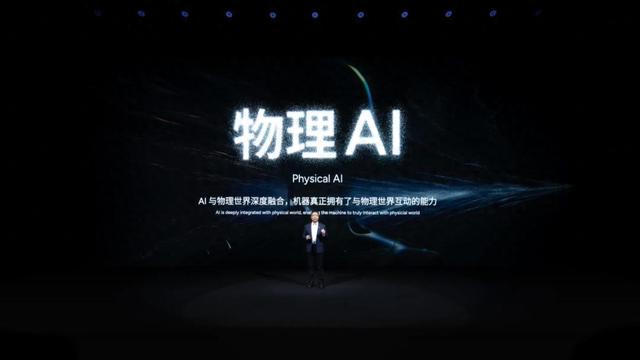
第八届进博会 汽车展区尽显科技味儿与未来范儿
Zhong Guo Qi Che Bao Wang· 2025-11-11 09:36
Group 1: Automotive Industry Trends - The auto industry is transitioning towards low-carbon and zero-carbon solutions, showcasing electric, hydrogen, and solar energy vehicles at the expo [3][4] - Major brands like Volkswagen, Toyota, and Tesla presented new electric and hydrogen fuel cell vehicles, emphasizing innovation in sustainable transportation [3][4] - Michelin aims to achieve 100% sustainable materials in tire production by 2050, with 71% of showcased tires already using sustainable materials [4] Group 2: Technological Advancements - Artificial intelligence is rapidly integrating into various industries, with companies like Toyota and Volkswagen showcasing advanced autonomous driving technologies [5][6] - Nissan introduced AI-enhanced seating and smart cabin features in its new models, highlighting the trend towards intelligent vehicle interiors [6] - Companies are presenting cutting-edge technologies such as immersive interaction experiences and advanced driving assistance systems [5][6] Group 3: Emerging Markets - The low-altitude economy is gaining traction, with multiple companies unveiling electric vertical takeoff and landing (eVTOL) aircraft, indicating a competitive market [7][8] - Notable models include Shanghai's E20 and Volant's VE25-100, showcasing advancements in urban air mobility [7][8] Group 4: Robotics and Automation - Humanoid robots are becoming increasingly sophisticated, with demonstrations of their capabilities in various tasks, reflecting advancements in robotics technology [9] - Companies like Nachi and Wolong Electric are expanding into the robotics sector, offering comprehensive solutions that integrate AI and automation [9] Group 5: Classic and Custom Vehicles - The expo featured classic cars, including iconic models like Ferrari F40 and Rolls-Royce Phantom, highlighting the blend of history and automotive culture [10][11] - The presence of unique custom vehicles emphasizes the artistic aspect of automotive design and manufacturing [10][11]
