
医美

Search documents
华熙生物:已向公安机关报案!
Zhong Guo Ji Jin Bao· 2025-07-26 08:50
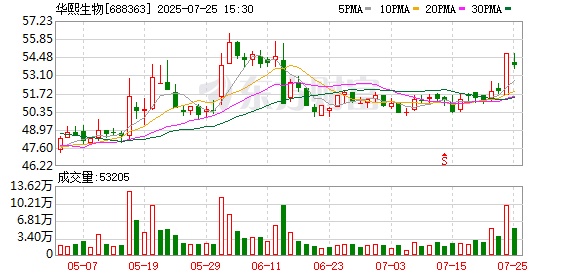
Core Viewpoint - Huaxi Bio has officially responded to false information circulating on social media, claiming it is fabricated and maliciously distorts facts, and has reported the matter to law enforcement [2][3]. Group 1: Company Response - The company stated that the false information was posted by users on foreign websites and severely damages its reputation, with some content involving political rumors [3]. - Huaxi Bio has filed a police report and is pursuing legal action against the individuals responsible for spreading the false information [2][4]. Group 2: Background Information - The individual responsible for the false information, identified as Li, previously served as the marketing director at Huaxi Xinyu Investment Co., Ltd. for 18 months [4]. - Li was involved in a case of embezzlement, having fraudulently obtained 9 million yuan that was supposed to be paid to a brokerage, which was discovered during an annual report review [4]. - Following the incident, Huaxi Xinyu reported the case to law enforcement, leading to Li being prosecuted for embezzlement under Chinese law [4]. Group 3: Financial Impact - On July 25, Huaxi Bio's stock closed at 53.83 yuan per share, with a market capitalization of 25.9 billion yuan [4].


争夺艾塑菲中国代理权,谁更需要“童颜针”
经济观察报· 2025-07-26 07:33
Core Viewpoint - The article discusses the ongoing dispute over the exclusive distribution rights of AestheFill, a popular facial filler product, between ST Suwu and REGEN, which has implications for both companies' financial performance and market positioning [2][3][6]. Summary by Sections Company Background - ST Suwu's medical beauty segment, which began generating revenue in 2022, is expected to be a significant contributor in 2024, with AestheFill projected to generate sales of 3.26 billion yuan [4][22]. - AestheFill has been approved for sale in 34 countries and regions, giving it a competitive edge in the global market [21]. Dispute Overview - The dispute arose when REGEN terminated its exclusive distribution agreement with ST Suwu's subsidiary, Datuo Medical, citing serious breaches of contract [2][6]. - ST Suwu denies any wrongdoing and claims that there was no transfer of distribution rights [7][8]. Financial Implications - The sales discrepancy of 2.3 billion yuan between Datuo Medical's reported revenue and ST Suwu's AestheFill sales figures raises questions about revenue attribution [9]. - ST Suwu's overall revenue for 2024 is projected to decline by 28.6%, with the medical beauty segment's contribution becoming critical [22][23]. Market Reactions - Medical beauty practitioners express concern over potential supply disruptions and the need for clear communication from suppliers regarding the distribution changes [14][16]. - Despite the ongoing dispute, REGEN assures that the supply chain for AestheFill remains intact and operational [15]. Future Outlook - The outcome of the dispute may affect AestheFill's brand positioning and market share, with potential implications for consumer trust and sales [17][20]. - Love Beauty, the parent company of REGEN, aims to leverage AestheFill to enhance its product portfolio and address declining growth rates in its core business segments [20][22].



美股最新评级 | 中信证券维持德州仪器增持评级,目标价217美元
Xin Lang Cai Jing· 2025-07-25 08:30
Group 1: Company Ratings and Performance - Citic Securities maintains a buy rating for Airbnb (ABNB.O), highlighting its leading position in the global short-term rental market with nearly half market share, benefiting from inflation easing and rising travel demand [1] - CMB Securities maintains a buy rating for Alphabet (GOOG.O) with a target price of $221.0, reporting Q2 2025 revenue of $9.64 billion (+14% YoY) and net income of $2.82 billion (+19% YoY), driven by strong performance in Google Search and Google Cloud [2] - Haitong International maintains a buy rating for Bronco Billy o Ltd (BRBYF.F), noting a narrowing decline in same-store sales and a three-year high sell-through rate for the Autumn 25 series [3] - Haitong International maintains a neutral rating for Enphase Energy Inc (ENPH.O), reporting Q2 revenue of $363 million, but Q3 guidance is below market consensus [4] - Huachuang Securities gives a buy rating to NXP Semiconductors (NXPI.O), reporting Q2 revenue and profit exceeding expectations, with a stable automotive business and inventory levels normalizing [5] - Haitong International gives a buy rating to Baker Hughes (BKR.A), reporting Q2 EBITDA of $1.212 billion, exceeding expectations, with strong performance in both business segments [6] - Huatai Securities maintains a buy rating for Bilibili (BILI.O) with a target price of $37.1, reporting Q2 revenue and adjusted net profit exceeding expectations [7] - Citic Securities maintains an overweight rating for Texas Instruments (TXN.O) with a target price of $217, reporting Q2 performance exceeding expectations driven by industrial market demand [8][9] - CMB Securities maintains a buy rating for Coca-Cola (KO.N) with a target price of $75, reporting Q2 revenue of $12.62 billion, exceeding market expectations [15] Group 2: Strategic Developments and Future Outlook - CMB Securities raises the target price for Sands China (LVS.N) to $61.20, citing a 24% YoY increase in EBITDA driven by improved gaming win rates in Singapore [14] - CMB Securities maintains a buy rating for General Motors (GM.N) with a target price of $60, indicating a low current valuation and strong long-term fundamentals despite short-term pressures [17] - Haitong International gives a buy rating to New Oxygen (SY.O) with a target price of $10.1, highlighting the high growth potential in the light medical beauty chain industry [18] - CMB Securities maintains a buy rating for Freeport-McMoRan (FCX.N) with a target price of $51.60, reporting Q2 performance exceeding expectations due to cost optimization and copper price premiums [19]

玻尿酸医美,获客困难下的隐秘乱象
Hu Xiu· 2025-07-25 08:25
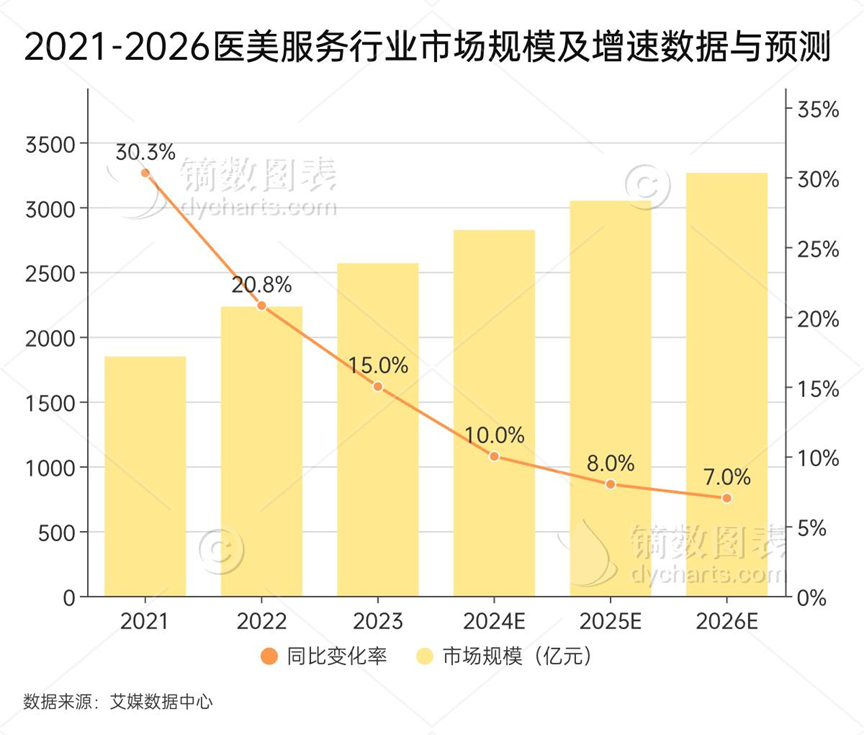
Core Insights - The medical beauty industry in China is experiencing a significant increase in male consumers, with a 27% rise in spending in 2023 compared to the previous year, indicating a growing acceptance of aesthetic procedures among the general public [3] - However, this surge in demand is accompanied by a rise in marketing pitfalls, as many consumers fall into traps set by aggressive sales tactics and misleading information [3][12] Industry Challenges - The medical beauty sector is facing severe challenges, with market growth rates declining from 30% in 2021 to just 15% in 2023 due to increased regulation and scrutiny following past market excesses [4] - The total financing in the medical beauty industry dropped to 10.3 billion yuan in 2023, a 64% decrease from the peak of 28.6 billion yuan in 2021, with the number of financing events falling by 76% [5] - The average price of hyaluronic acid raw materials has decreased by 40.95% from 210 yuan per gram in 2017 to 124 yuan in 2021, while the price of end products has dropped by 28.64% from 1557 yuan per bottle to 1111 yuan during the same period [5] Marketing Trends - The industry is increasingly relying on various marketing strategies, including commission-driven models that incentivize referrals from social influencers and high-pressure sales tactics [13][14] - A notable trend is the emergence of strategic alliances between medical beauty institutions and high-end brands, which allows for resource sharing and targeted marketing to affluent consumers [15] - Online marketing has become a crucial battleground, with 84% of light medical beauty orders being placed online by 2022, up from 62% in 2017 [8][11] Product Shifts - There is a growing preference for composite products containing collagen or regenerative materials over pure hyaluronic acid, as these alternatives are perceived to be more stable and have fewer long-term side effects [6] - The market for regenerative medical beauty injectables is projected to reach 11.52 billion yuan by 2027, with a compound annual growth rate of 54.73% [6] Consumer Concerns - Consumers are increasingly facing privacy risks and lack of transparency regarding the sourcing and quality of self-branded hyaluronic acid products offered by medical beauty institutions [19] - The reliance on aggressive marketing tactics and the potential for misleading information raises concerns about the sustainability of the industry's growth and consumer trust [19][20]
又一10亿级功效品牌杀入“械字号”
3 6 Ke· 2025-07-25 03:58
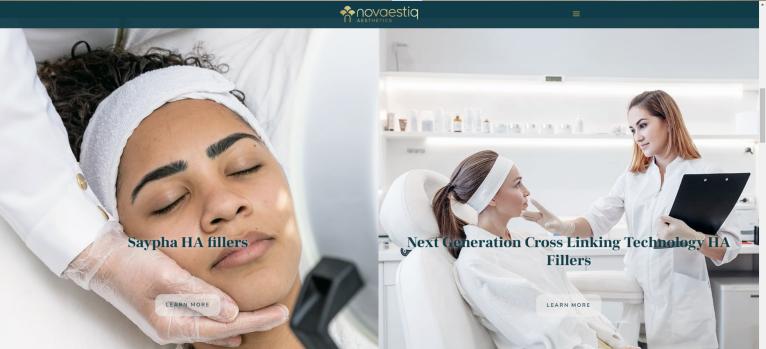
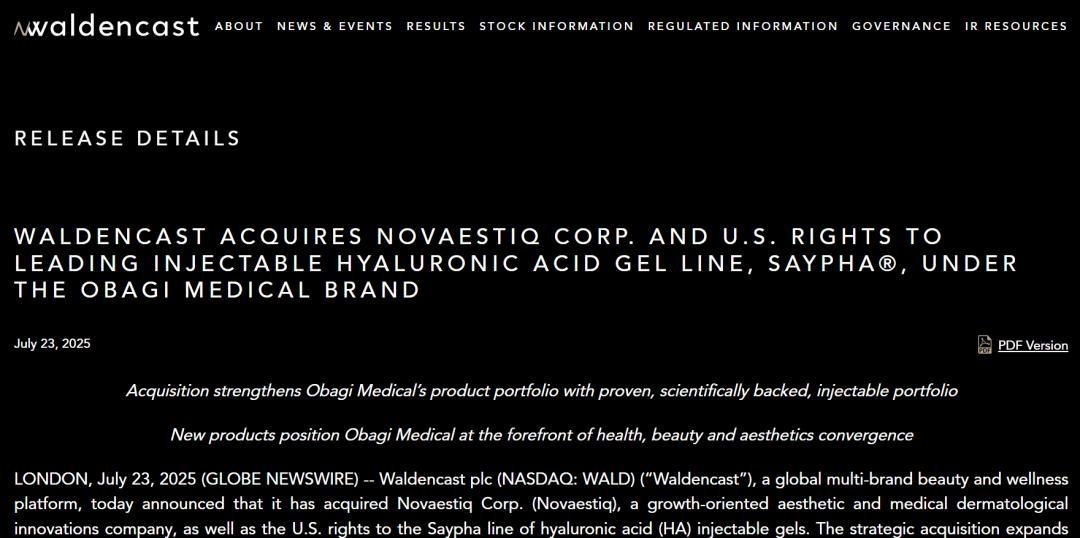
Core Insights - Waldencast, the parent company of Obagi Medical, has announced the acquisition of Novaestiq, a company specializing in beauty and medical skin innovations, which includes exclusive rights to sell Saypha® hyaluronic acid injection gel products in the U.S. market [1][2] - This acquisition marks Obagi's entry into the "medical device" sector, which is gaining traction as over 22 beauty brands have launched more than 40 "medical device" products [1][13] Company Overview - Waldencast was founded by former L'Oréal executives and aims to build a leading global beauty and health platform through the development and acquisition of high-growth brands, including Obagi and Milk Makeup [2] - The acquisition of Novaestiq is a strategic move to expand Obagi's product line in the U.S. dermal filler market [2] Market Potential - The U.S. dermal filler market is projected to reach $2.2 billion by 2029, indicating significant growth potential for Waldencast's investment [3] - Saypha® has sold over 110 million units in more than 80 countries but is still awaiting FDA approval for the U.S. market [3] Financial Performance - Waldencast reported a net revenue of $274 million for 2024, a 25.5% year-over-year increase, with Obagi contributing $149 million, reflecting a 26.9% growth [7] - In Q1 2025, Waldencast's net revenue was $65.4 million, a 4.1% decline, while Obagi's revenue grew by 7.1% to $36.2 million [8] Competitive Landscape - The U.S. is the largest market for injectable medical aesthetics, accounting for approximately 20.8% of global treatment procedures [9] - The market for hyaluronic acid injectables is growing steadily, making it a competitive space with established brands like Restylane already present [9] Strategic Direction - Waldencast aims to leverage Obagi's existing market influence to capture new growth opportunities in the medical aesthetics sector [3][7] - The company is focusing on scientific innovation and clinical data-backed products to enhance its market position [7] Industry Trends - The global medical aesthetics market is expected to reach $35.3 billion by 2030, with a compound annual growth rate of 12.8% from 2024 to 2030 [13] - The trend of "cosmetic-medical integration" is becoming more prevalent, with beauty brands increasingly developing and marketing medical device products [13]
涨12.2%,皮肤科巨头今年有望冲击十强?
3 6 Ke· 2025-07-25 02:26
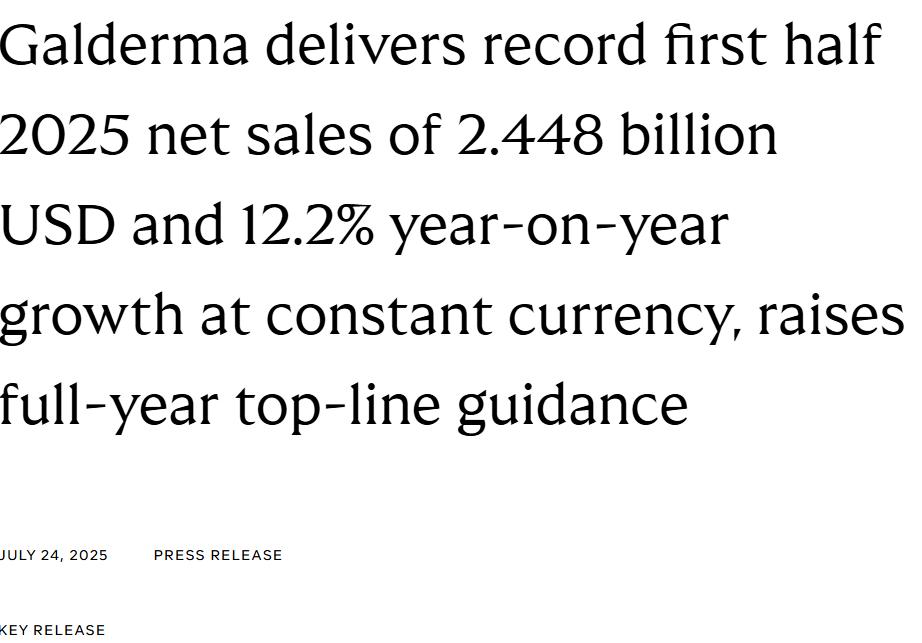
Core Insights - In 2024, Gaudermed narrowly missed entering the global beauty top ten, ranking 11th, with a net sales figure of $2.448 billion for the first half of 2025, marking a historical high and a 12.2% year-over-year growth at constant exchange rates [1][16]. Financial Performance - Gaudermed's net sales reached $2.448 billion (approximately ¥175.16 billion), with a core EBITDA of $555 million (approximately ¥39.71 billion), reflecting a 9.5% increase year-over-year at constant exchange rates [1][3]. - The company raised its full-year net sales guidance for 2025 to a growth forecast of 12-14% at constant exchange rates, up from the previous estimate of 10-12% [3][16]. - The second quarter saw a net sales increase of 15.8% year-over-year, driven by strong sales volume and favorable product mix [1][3]. Product Performance - The aesthetics injection segment generated $1.24 billion (approximately ¥88.73 billion) in net sales, a 9.8% increase year-over-year [8][9]. - The skincare brand Cetaphil performed exceptionally well in Asia, contributing to the overall growth [3][13]. - The therapeutic dermatology segment achieved the highest growth rate at 26.9%, with net sales of $489 million (approximately ¥34.99 billion) [8][9]. Market Dynamics - Seven out of Gaudermed's top ten markets experienced double-digit growth, with the U.S. market alone generating $1.039 billion (approximately ¥74.34 billion), a 12.3% increase year-over-year [11][12]. - The company is investing in its U.S. operations, establishing a new headquarters in Miami and appointing Heather Wallace as the U.S. president to enhance its dermatology and consumer health initiatives [11][12]. Competitive Landscape - Despite Gaudermed's strong performance, it fell short of Puig's revenue, with a difference of approximately ¥18 billion, as Puig reported a net income of €2.299 billion (approximately ¥193.34 billion) for the same period [16].
如何看新氧模式对于医美产业链的影响及美护公司月度更新
2025-07-25 00:52
Summary of Key Points from Conference Call Records Industry Overview - The conference call primarily discusses the medical aesthetics (医美) industry and related companies, including New Oxygen (新氧), Love Beauty (爱美客), and others in the beauty and healthcare sectors. Core Insights and Arguments 1. **New Oxygen's Business Model**: New Oxygen is leveraging standardized projects and private traffic to reduce costs and attract price-sensitive consumers. However, the increasing demand for high-end projects may raise costs for doctors, posing a challenge for the company's long-term strategy [8][9][11]. 2. **Impact of Market Sentiment**: Runben's stock price rebounded nearly 30% due to market sentiment influenced by the outbreak of diseases in Foshan, despite limited actual sales impact [1][3]. 3. **Acquisition Benefits for Love Beauty**: Love Beauty's acquisition of Region and obtaining the agency rights for Isophane in China has significantly boosted its stock price, with expected profit contributions of over 450 million yuan in the coming year [1][20]. 4. **Challenges for Juzi Biotechnology**: Juzi's sales have declined due to public sentiment issues, leading to a drop in valuation. The recovery of sales through influencer marketing will be crucial for its stock price rebound [1][4][31]. 5. **LePu Medical's Performance**: LePu's main business is affected by centralized procurement, but its medical aesthetics segment is progressing well, with expected revenue contributions from new products [1][13]. 6. **Market Dynamics**: The medical aesthetics industry is experiencing increased competition and price wars, driven by the entry of new products and the need for traditional institutions to adapt to New Oxygen's model [10][12]. Additional Important Insights 1. **Digital Transformation in Beauty Sector**: Companies like Beautiful Farm are enhancing business uniformity and customer acquisition costs through digital systems and training, positioning themselves for growth [2][17]. 2. **Emerging Trends in Marketing**: The rise of short videos and live-streaming as marketing channels is reshaping how brands engage with younger consumers, necessitating innovative strategies [6][8]. 3. **Regulatory Changes**: New regulations on advertising may impact smaller brands more significantly than larger listed companies, potentially improving the competitive landscape for established players [23]. 4. **Future Outlook for Companies**: Companies like Beautiful Farm and Love Beauty are expected to see significant growth due to strategic acquisitions and market positioning, while others like Juzi may need to recover from recent setbacks [17][20][31]. This summary encapsulates the key points discussed in the conference call, highlighting the dynamics within the medical aesthetics industry and the performance outlook for various companies involved.

暑期消费,这些细节请注意!
Zheng Zhou Ri Bao· 2025-07-25 00:32
Group 1 - The article highlights the rising consumer interest in "light medical beauty" projects, such as injection and laser treatments, during the summer vacation period, particularly among students [1] - The provincial consumer association advises consumers to verify the qualifications of medical institutions and practitioners before undergoing beauty treatments, emphasizing the importance of checking licenses and registration [1] - There is a warning against the prevalence of "medical beauty loans" and "campus loans," urging consumers to assess their financial capabilities to avoid debt traps [1] Group 2 - In the context of study tours, the provincial consumer association recommends choosing reputable study tour institutions and carefully reviewing contracts in accordance with the newly implemented "Study Tour Service Requirements" [2] - Consumers are encouraged to compare prices of similar study tour products to avoid overpaying and to scrutinize vague promotional claims from institutions [2] - The article stresses the importance of thorough research on training institutions, including evaluating faculty qualifications and course materials, while being cautious of misleading advertising [2]
知名功效护肤品牌入局注射医美
3 6 Ke· 2025-07-25 00:16
Core Viewpoint - The entry of Waldencast Acquisition Corp. into the injectable aesthetic market through the acquisition of Novaestiq Corp. signifies a strategic expansion for the company, particularly for its brand Obagi Medical, into a rapidly growing segment of the beauty industry [1][3][4]. Group 1: Acquisition Details - Waldencast has acquired Novaestiq, gaining exclusive rights to sell the Saypha® series of hyaluronic acid injection gels in the U.S. [1][7]. - The transaction allows Obagi Medical to extend its product offerings from professional skincare to dermal filler treatments, with the U.S. dermal filler market projected to reach $2 billion by 2029 [3][4]. - The specific terms of the acquisition were not disclosed, but it marks Waldencast's first foray into the injectable aesthetic sector [3][4]. Group 2: Market Context - The U.S. is the largest market for injectable aesthetics, accounting for approximately 20.8% of global treatment procedures, with a significant increase in hyaluronic acid treatments [18][19]. - The competition in the injectable aesthetic market is intensifying, with major beauty brands like L'Oréal and Shiseido also entering the space [22][24]. - The global injectable market is primarily dominated by hyaluronic acid and botulinum toxin, with hyaluronic acid showing a 5.2% year-on-year growth [18][19]. Group 3: Brand Performance - Obagi Medical has experienced rapid growth since its entry into the Chinese market in 2018, with annual revenue growth rates exceeding 400% from 2019 [15]. - However, due to the separation of its Chinese operations during the 2022 merger, Obagi's performance in China has declined significantly [15]. - In the latest quarter, Obagi Medical reported a 7.1% year-on-year revenue increase, contrasting with a decline in its sister brand Milk Makeup, which saw a 15.1% drop [17]. Group 4: Future Outlook - The potential for Saypha® in the injectable market is promising, but it will face substantial competition as more players enter the field [19][26]. - The emergence of new materials for injectable aesthetics, such as agarose and hydroxyapatite, indicates a diversification in product offerings, which could intensify competition [26][27]. - Success in the injectable aesthetic market will depend on Obagi's ability to establish unique technological advantages and maintain a strong brand presence [27].

华福消费观察:文旅与潮玩受暑期受旺季催化,关注AI教育进展及精细医美格局改善
Huafu Securities· 2025-07-24 13:18
Investment Rating - The report maintains an "Outperform" rating for the industry [7] Core Insights - The report highlights the potential growth in the AI education sector, with companies like DouShen Education and ShengTong launching new AI products that are expected to see significant revenue growth [2][21] - The tourism sector is anticipated to benefit from the summer peak season, with a focus on IP integration in tourism experiences, particularly in regions like Changbai Mountain and Emei Mountain [3][47] - The collectible toy market is projected to see revenue increases due to summer exhibitions and favorable consumer policies, with companies like Pop Mart expected to benefit from new product launches [4] - The medical beauty industry is experiencing optimization through refined operations, with new product launches expected to enhance market share for leading institutions [5] - The beauty and personal care sector is witnessing significant growth, with companies like Ruyuchen and Plant Doctor expected to report strong mid-year results [5] Summary by Sections Education - DouShen Education's new AI product "Super Training Ground" aims to address common writing challenges faced by students, utilizing AI to enhance personalized learning [16] - ShengTong Education has launched a new AI education platform that integrates advanced technologies to improve students' tech literacy [17][23] - The report suggests monitoring the revenue growth potential of AI education products from key players like DouShen Education and ShengTong [21] Tourism - The report notes a slight increase in travel despite adverse weather conditions in Q2, with a focus on summer tourism in regions like Western China and Changbai Mountain [3][47] - The integration of IP with scenic spots is highlighted as a new consumer trend, with recommendations to focus on companies like Emei Mountain A and HaiChang Ocean Park [3][47] Collectible Toys - The report emphasizes the rapid revenue growth of LeZiTianCheng, a leading IP toy company, with a significant increase in overseas market revenue [48] - The company is noted for its diverse product offerings and strong IP strategy, which is expected to drive future growth [49] Medical Beauty - The report indicates that leading medical beauty institutions are likely to capture more market share due to refined operational strategies and new product launches [5] - Companies like Jinbo Bio and SiHuan Pharma are recommended for monitoring in the upcoming quarters [5] Beauty and Personal Care - Ruyuchen is projected to report a significant increase in net profit for the first half of 2025, with growth rates between 61.81% and 100.33% [5] - The Plant Doctor is noted for its unique product offerings and potential to become a leading single-brand beauty stock in the A-share market [5]