
金融

Search documents
联合国贸发会议报告称——全球经济可能面临长期低增长风险
Jing Ji Ri Bao· 2026-01-13 22:07
Global Economic Outlook - The UNCTAD report predicts a global economic growth of 2.7% in 2026, slightly lower than the 2.8% forecast for 2025, despite the significant tariff increases in the US in 2025 [1] - Global inflation is expected to decrease to 3.1% in 2026 from 3.4% in 2025, but the cost of living remains high, particularly affecting low-income groups [1] Global Trade Dynamics - Global trade growth is projected to slow down to 2.2% in 2026 from 3.8% in 2025, influenced by the diminishing "front-loading" effect of tariffs [2] - Despite the overall slowdown, sectors like tourism and digital services are experiencing strong growth [2] Investment and Financial Environment - Global investment activity remains low due to geopolitical and policy uncertainties, with AI-related investments being a notable exception [2] - Financial markets are active, but there are concerns about asset bubbles, particularly in tech stocks [2] Labor Market Trends - The global unemployment rate is stable at around 5% in 2025, but youth and female employment issues are significant, with 257 million youth being "neither in employment, education, nor training" [2] - Women's labor participation rates are still significantly lower than men's, and barriers to employment for disabled individuals persist [2] Artificial Intelligence and Economic Impact - AI is expected to enhance productivity in the long term, but disparities in technological capabilities and investment will lead to uneven benefits across countries [3] - The potential for AI to disrupt job structures, particularly for mid- to high-skill positions, is a concern [3] Sustainable Development Goals - Progress towards the UN Sustainable Development Goals is severely lagging, with extreme poverty only slightly decreasing and primarily concentrated in sub-Saharan Africa [3] - Climate disasters are exacerbating food prices and increasing fiscal burdens, with weak income growth in developing countries [3] Regional Economic Disparities - Economic growth disparities are expected to widen, with developed economies maintaining moderate growth while emerging economies face increasing fragmentation [4] - The GDP growth forecast for the US is about 2.0% in 2026, while the least developed countries are projected to grow at approximately 4.6%, below the 7% target for sustainable development [4] Fiscal and Monetary Policy Constraints - Global monetary policy is anticipated to shift towards easing in 2026, but the scope for such policies is limited, especially in developing countries facing greater fiscal pressures [4] - Development aid is expected to decline, potentially reverting to 2020 levels, further constraining social spending and infrastructure investment [4] Importance of Multilateral Cooperation - The report emphasizes the necessity of multilateral cooperation to address global challenges in a fragmented world, focusing on inclusive and sustainable development [5] - Key multilateral initiatives highlighted include the Sevilla Commitment for global development financing, the Doha Political Declaration focusing on human development, and the Belen Plan for climate change [5]
【干字当头开好局·访谈】多点发力,让“民生愿景”变为“幸福实景”
Xin Lang Cai Jing· 2026-01-13 20:54
Employment Stability Initiatives - The provincial government emphasizes the importance of stabilizing employment as a key economic indicator and plans to implement a series of actions to support job creation and retention [1][2] - Four main actions include: 1) Implementing measures to stabilize and expand job positions, particularly for small and medium enterprises through tax reductions and social security subsidies [1] 2) Promoting entrepreneurship through the "Entrepreneurship Anhui" initiative, aimed at enhancing job creation [1] 3) Providing targeted training for key groups such as college graduates and migrant workers in high-demand sectors [1] 4) Improving employment service capabilities through public service systems and recruitment activities [1] Focus on Key Demographics - The government prioritizes employment for youth, particularly college graduates, by organizing recruitment events and encouraging participation in key industries and local enterprises [2] - Support for industries with strong employment potential, such as elder care and domestic services, is highlighted to enhance job opportunities for migrant workers [2] - Special employment assistance programs will be implemented for vulnerable groups, including the elderly, disabled, and long-term unemployed, to ensure zero-employment households are addressed [2] Social Security Enhancements - The social security system will be improved to better support and enhance the welfare of residents, with specific measures planned for 2026 [3][4] - Initiatives include expanding insurance coverage for flexible and new employment forms, implementing gradual retirement age reforms, and ensuring timely payment of social security benefits [3] - The government aims to provide more convenient services for social security processes, including online access and improved policy communication [3] Income Growth Strategies - The government plans to implement a detailed scheme to increase urban residents' income by breaking down income targets by region, industry, and demographic [4] - Collaboration with industry leaders to enhance wages in sectors with high employment potential, such as manufacturing, is a key strategy [4] - Continued support for entrepreneurship and financial assistance for aspiring entrepreneurs will be provided to stimulate economic growth and increase net income [4]
促进服务业提质、消费扩容 上海发布28条举措
Xin Lang Cai Jing· 2026-01-13 19:50
Core Insights - Shanghai has released a set of 28 specific measures aimed at enhancing service quality and boosting consumption, focusing on the dual approach of optimizing supply and expanding demand [1][4] - The measures target six key sectors: finance, information services, transportation, cultural and entertainment services, life services, and inspection and certification, which together account for approximately 60% of the city's service industry value added [1][3] Group 1: Financial Services - The measures propose four initiatives to innovate financial products and services, including enhancing personal consumer finance services and supporting insurance product innovation [1] - The Shanghai government emphasizes that financial services play a crucial role in stimulating industry and activating consumption, with growing demand for diverse financial services in areas like wealth management and commercial insurance [1] Group 2: Platform Economy - The measures support the innovation and development of comprehensive platform enterprises, such as e-commerce and life service platforms, while promoting healthy competition and regulating pricing practices [2] - Encouragement is given to platform enterprises to enhance quality consumption through brand promotion activities and support for quality merchants, aiming to shift focus from price competition to quality competition [2] Group 3: Cultural and Entertainment Sectors - The measures aim to enhance the supply of cultural and entertainment offerings, promote the spillover effects of sports events, and support the development of the gaming and esports industries [3] - The focus is on creating a synergistic effect between cultural tourism and commercial exhibitions, thereby expanding consumption and improving service quality [3] Group 4: Economic Development Implications - The policy is seen as significant for exploring high-quality economic development paths, aiming to create a virtuous cycle of supply upgrading, consumption boosting, and industry income growth [4] - It seeks to cultivate new growth drivers, stimulate digital consumption, and enhance the internal dynamics of the economy through events and exhibitions [4]
港股次新股开年整体走强
Zheng Quan Ri Bao· 2026-01-13 17:08
本报记者 田鹏 2026年开年以来,港股次新股迎来良好开局。Wind资讯数据显示,今年以来,截至1月13日收盘,121只次新股算术平均涨 幅达5.94%,其中有19只个股自上市以来股价涨幅超过100%。 接受《证券日报》记者采访的专家表示,这一轮港股次新股的良好表现并非短期市场情绪反弹,而是多重核心因素共振的 结果。从标的结构来看,硬科技成为核心主线,人工智能、半导体GPU、生物医药等赛道的优质企业集中上市,这些企业凭借 技术稀缺性与成长确定性,成为资金追捧的核心标的。 首先,标的结构持续优化,硬科技成为上市主力。近年来,赴港上市公司精准覆盖人工智能、半导体、生物医药等前沿领 域,普遍具备技术稀缺性与成长确定性。 其次,全球资本加速回流中国资产,为港股次新股股价走强提供了资金支撑。瑞银数据显示,2025年全球前四十大国际投 资人对中国资产配置较2024年显著回升,但与2017年至2021年的均值相比,仍有较大提升空间。 具体来看,材料行业11只个股中,8只股价年内上涨,其中南山铝业国际控股有限公司和容大合众(厦门)科技集团股份 公司涨幅超过20%。 5只金融类次新股股价年内全部实现上涨,轻松健康集团和南华期货 ...
服务业开放提速!宁波、合肥、苏州纳入试点
Guo Ji Jin Rong Bao· 2026-01-13 16:34
Core Viewpoint - The Chinese service industry is accelerating its opening up, with a broader range of benefits, as the Ministry of Commerce has issued a comprehensive pilot task for nine cities, including three in the Yangtze River Delta region, enhancing regional integration and development [1][2]. Group 1: Expansion of Pilot Cities - The number of pilot cities in the Yangtze River Delta has reached six, with the inclusion of Ningbo, Hefei, and Suzhou, which fills key gaps in the regional open layout and forms a comprehensive open network [2][3]. - By the end of 2024, the actual foreign investment in the service sector is projected to reach 8,262.5 billion yuan, with the service industry accounting for 7,845.6 billion yuan, representing over 70% of total foreign investment [2]. Group 2: Regional Economic Development - The expansion of service industry pilot programs is seen as a crucial engine for high-quality regional economic development, particularly in the Yangtze River Delta, which is one of the most active and open regions in China [3][4]. - The pilot program encourages cities to develop unique tasks based on their strengths, fostering a complementary open structure among the cities [4]. Group 3: City-Specific Strategies - Ningbo, leveraging its world-class port resources, focuses on technology services, digital trade, and international shipping, aiming to attract high-end manufacturing enterprises and enhance its cross-border trade environment [4][5][6]. - Hefei is positioned as a regional technology innovation hub, concentrating on reforms in the technology service sector to support high-tech achievements and deepen integration with advanced manufacturing [6][7]. - Suzhou aims to integrate modern services with advanced manufacturing, particularly in the biopharmaceutical sector, and explore mechanisms for efficient and secure cross-border data flow [7][8]. Group 4: Collaborative Development - The inclusion of these three cities in the pilot program is a significant milestone for collaborative opening in the Yangtze River Delta, promoting a multi-layered, differentiated, and high-level open structure [9][10]. - The cities are expected to complement each other, with Hefei focusing on high-tech services, Ningbo on manufacturing and export trade, and Suzhou on service outsourcing, enhancing the overall competitiveness of the region [9][10]. Group 5: National Economic Implications - The pilot exploration in these three cities will support the construction of a higher-level open economy in China, improving international competitiveness and attracting quality foreign investment and talent [11].
通胀降温!美国12月核心CPI同比涨2.6%低于预期
Sou Hu Cai Jing· 2026-01-13 16:15
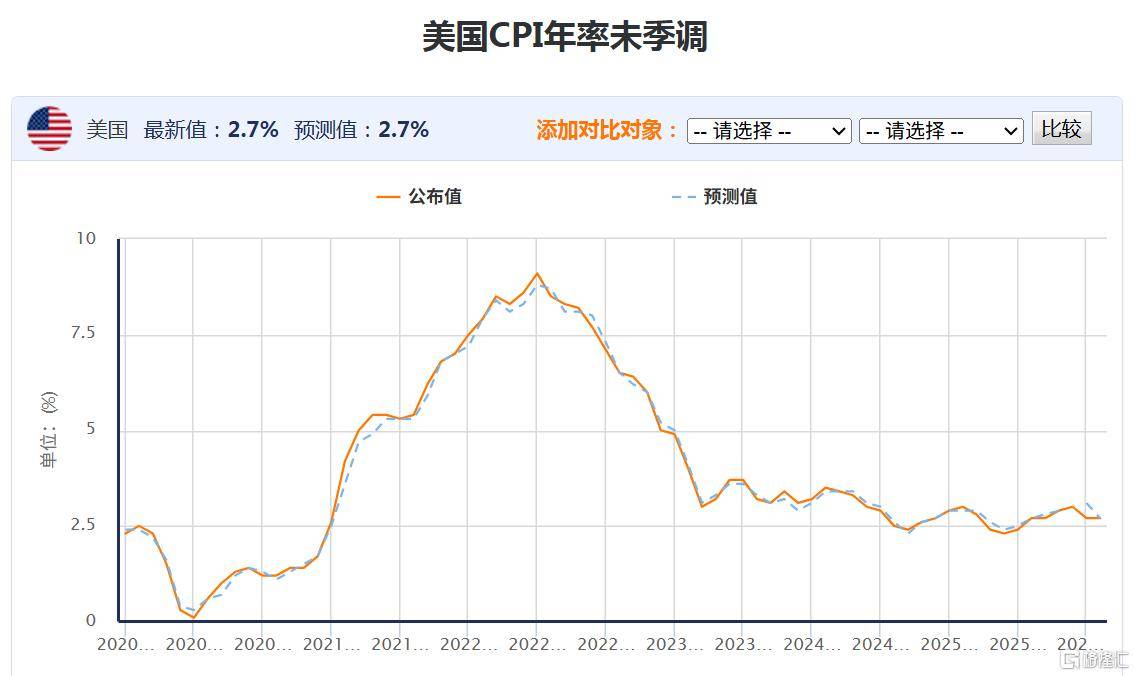
Core Insights - The core consumer price index (CPI) for December in the U.S. showed a year-on-year increase of 2.7%, matching November's figure and aligning with market expectations [1] - The core CPI, excluding food and energy, rose by 2.6% year-on-year, which was below the anticipated 2.7%, and increased by 0.2% month-on-month, also lower than the expected 0.3% [4] - The Federal Reserve's inflation target is set at 2%, and the report indicates that inflation is trending downwards but remains at a relatively high level [7] Market Reactions - Following the CPI data release, U.S. stock futures turned positive, and Treasury yields decreased. Spot gold rose by 0.77% to $4632.5 per ounce, while silver increased by 4.53% to $88.958 per ounce [8] Key Contributors to Inflation - Housing costs were the largest single contributor to inflation, rising by 0.4% in December and accounting for over one-third of the CPI weight, with a year-on-year increase of 3.2% [10] - Other areas of price increases included food prices, which rose by 0.7%, and entertainment, airfare, and healthcare costs. However, egg prices fell by 8.2%, down nearly 21% year-on-year [11] Market Expectations for Interest Rates - Traders increased bets that the Federal Reserve might lower interest rates as early as April, with a probability of 42% for a rate cut, up from 38% prior to the data release. June remains the most likely timeframe for a rate cut [11] - The Chief Investment Officer of Reagan Capital noted that while inflation is still relatively high, it is on a downward trend, suggesting that the Federal Reserve will maintain a cautious stance at least until spring [11]

已超160家!西北地区唯一双项试点城市
Sou Hu Cai Jing· 2026-01-13 14:36
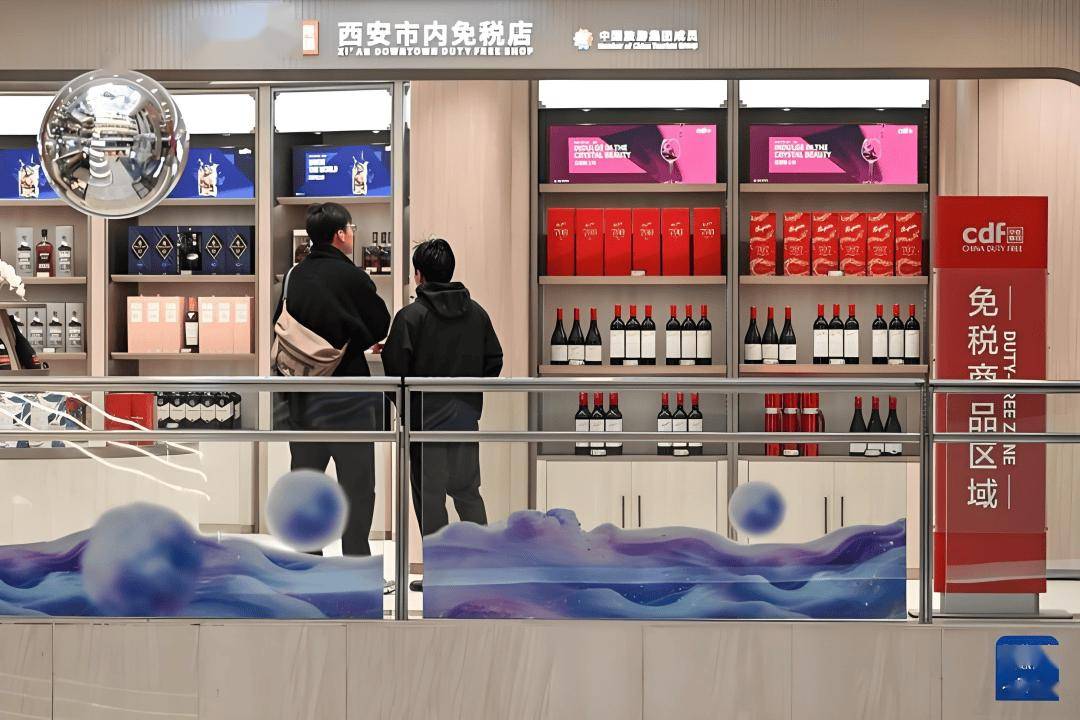
Group 1: Core Insights - Xi'an has been selected as a pilot city for "new consumption formats, new models, and new scenarios" and "international consumption environment construction," making it the only city in Northwest China to receive both designations [1] - The city has also been recognized as one of the first "national retail innovation and enhancement pilot cities" in 2025, further solidifying its status in the consumption sector [1] Group 2: Tax Refund and Duty-Free Shopping - The first city duty-free shop in Northwest China opened in Xi'an, allowing travelers to enjoy "in-city shopping and port pickup" services [3] - Since the introduction of the "immediate refund" policy in 2025, Xi'an's tax refund sales have reached 800,000 yuan, with tax refunds exceeding 70,000 yuan [3] - By the end of last year, there were over 160 tax refund stores in Xi'an, marking a 331% year-on-year increase [3] Group 3: Service Industry Pilot Tasks - The Ministry of Commerce has issued a comprehensive pilot task document for nine cities, including Xi'an, to accelerate the opening of the service industry [4][6] - The pilot tasks focus on three main areas: effective promotion of pilot work, encouraging differentiated exploration based on local advantages, and strengthening organizational implementation [6] Group 4: Specific Areas of Focus - In telecommunications, tasks include removing foreign investment restrictions in app stores and internet access services, and promoting new business models in data processing [7] - In healthcare, support for foreign doctors to open clinics and the establishment of foreign-funded nursing schools is encouraged [7] - In finance, the development of international factoring and green bond rating services is promoted [7] Group 5: Transportation and Talent Mobility - Support for cross-border transportation initiatives and the establishment of a "green channel" for cross-border bus services is included [8] - Measures to facilitate the entry and stay of foreign talent, including visa conveniences for foreign management and technical personnel, are outlined [9] Group 6: Future Development and Innovation - Xi'an is encouraged to conduct pilot reforms in railway consignment rights and to strengthen its role as a national technology innovation center [12] - The city aims to enhance domestic and international innovation cooperation and attract various innovation resources [12]
香港金管局,重要招聘
中国基金报· 2026-01-13 14:36
Core Viewpoint - The Hong Kong Monetary Authority (HKMA) is recruiting for seven key positions, including a Chief Investment Officer (External Managers), to enhance its investment management capabilities and attract market talent [2][3]. Group 1: Recruitment Details - The application deadline for the Chief Investment Officer (External Managers) position is January 24, 2026, while other positions have deadlines ranging from January 24 to January 31, 2026 [3]. - The positions being recruited include Director (Asset Allocation), Senior Associate roles in various areas, and a Systems Analyst [3]. Group 2: Responsibilities of the Chief Investment Officer - The Chief Investment Officer (External Managers) will oversee fixed income, equities, commodities, quantitative investments, total return, and strategic portfolios managed by external managers [5]. - Responsibilities also include collaborating with other Chief Investment Officers to develop investment strategies, maintaining a robust monitoring environment, and proposing new investment tools to achieve investment goals [5]. Group 3: Qualifications for the Chief Investment Officer - Candidates must hold a bachelor's degree in finance, economics, business, or a related field, with advanced degrees or professional qualifications preferred [5]. - A minimum of 10 years of experience in investment and finance is required, with a preference for those with asset management or allocation experience [5]. Group 4: Background of Previous Chief Investment Officer - The previous Chief Investment Officer, Albert Goh, was promoted to Deputy Chief Executive of the Exchange Fund Investment Office in November 2025, after joining HKMA in 2017 [7]. - Goh has a background in investment management, having previously worked at Goldman Sachs and JPMorgan [7]. Group 5: HKMA's Talent Acquisition Strategy - HKMA's practice of recruiting from market-oriented financial institutions aims to attract experienced professionals with relevant expertise [7]. - Recent appointments include Zhu Haibin as Assistant Chief Executive (Economic Research), who previously served as Chief Economist for JPMorgan China [7].

上海新政激活六大行业吸金潜力 金融创新将成促消费重要手段
Di Yi Cai Jing· 2026-01-13 13:44
Core Viewpoint - The article discusses Shanghai's new measures to enhance the quality and efficiency of the service industry while boosting consumption, emphasizing a systematic approach to link supply and demand across various sectors [1][2]. Group 1: Policy Measures - The "Several Measures" document outlines 28 policy initiatives targeting six key sectors: finance, information services, transportation, cultural and entertainment, life services, and inspection and certification [1][6]. - The new policies aim to shift the focus from short-term stimulus to a long-term strategic layout that promotes service quality and consumption expansion [2][3]. - The measures highlight the importance of integrating financial services directly into consumption promotion, focusing on personal consumption finance, insurance product innovation, and financial support for service industry operators [1][9]. Group 2: Economic Context - The service industry and consumption in Shanghai have shown positive growth trends, with a 5.9% increase in service value added and a 5% rise in retail sales of consumer goods in the first eleven months of 2025, both exceeding national averages [2][6]. - The article emphasizes the need for a virtuous cycle of "supply upgrade - consumption boost - industry income - reinvestment," particularly through integrated sectors like cultural tourism and sports [2][3]. Group 3: Industry Focus - The six targeted sectors account for approximately 60% of Shanghai's service industry value added and about 70% of service consumption, making them critical for the linked development strategy [6]. - The measures encourage e-commerce platforms to transition from "price competition" to "quality competition," enhancing the connection between online and offline consumption [6][10]. - Specific initiatives include enhancing the quality of cultural and entertainment offerings, supporting high-level exhibitions, and promoting the gaming and esports industries [6][7]. Group 4: Financial Innovation - The measures stress the integration of "consumption scenarios + consumer finance," supporting the development of tailored financial products for various needs, including retirement and wealth management [9][10]. - Financial support is positioned as a key tool for stimulating consumption, with a focus on providing payment convenience through consumer credit products and easing financial pressures for service industry operators [10][11]. - The policy aims to create a dual support system, reducing consumer financial costs while simultaneously providing financing support to service industry businesses [10].
上海新政激活六大行业吸金潜力,金融创新将成促消费重要手段
Di Yi Cai Jing· 2026-01-13 13:31
Core Viewpoint - The new policy emphasizes systematic linkage and quality competition on the supply side, aiming to enhance service quality and stimulate consumption in Shanghai's service industry [1][2][3]. Group 1: Policy Measures - The "Several Measures" document outlines 28 policy initiatives targeting six key sectors: finance, information services, transportation, cultural and entertainment services, life services, and inspection and certification [1][6]. - The focus is on optimizing supply and expanding consumption to create new growth points in the service sector [1][2]. - The policy integrates finance directly into consumption promotion, addressing personal consumer finance, insurance product innovation, and financial support for service industry operators [1][9]. Group 2: Economic Strategy - The strategic shift in Shanghai's consumption promotion focuses on long-term structural changes rather than short-term stimulus, aligning with national directives to expand domestic demand [2][3]. - The service sector and consumption have shown positive growth trends, with service value added increasing by 5.9% and retail sales of consumer goods growing by 5% in the first eleven months of 2025, both surpassing national averages [2][6]. Group 3: Industry Focus - The six targeted industries account for approximately 60% of Shanghai's service sector value added and about 70% of service consumption [6]. - The policy aims to break down industry barriers and promote deep integration across various fields, creating a "service + consumption" ecosystem [3][4]. Group 4: Quality and Innovation - The measures highlight the importance of high-quality service supply to drive consumption demand, with a focus on digitalization and cross-industry integration [4][5]. - Specific initiatives include enhancing the quality of cultural and entertainment offerings, supporting high-level exhibitions, and promoting the gaming and esports industries [6][7]. Group 5: Financial Support - The policy emphasizes the integration of consumption scenarios with financial services, encouraging the development of tailored financial products for sectors like elderly care and wealth management [9][10]. - Financial support is aimed at easing payment pressures for consumers and providing funding assistance to service industry operators [10][11].