潮玩

Search documents
从“情绪消费”到“实在惠民”,岁末上海消费市场活力迸发
Sou Hu Cai Jing· 2025-12-25 14:20
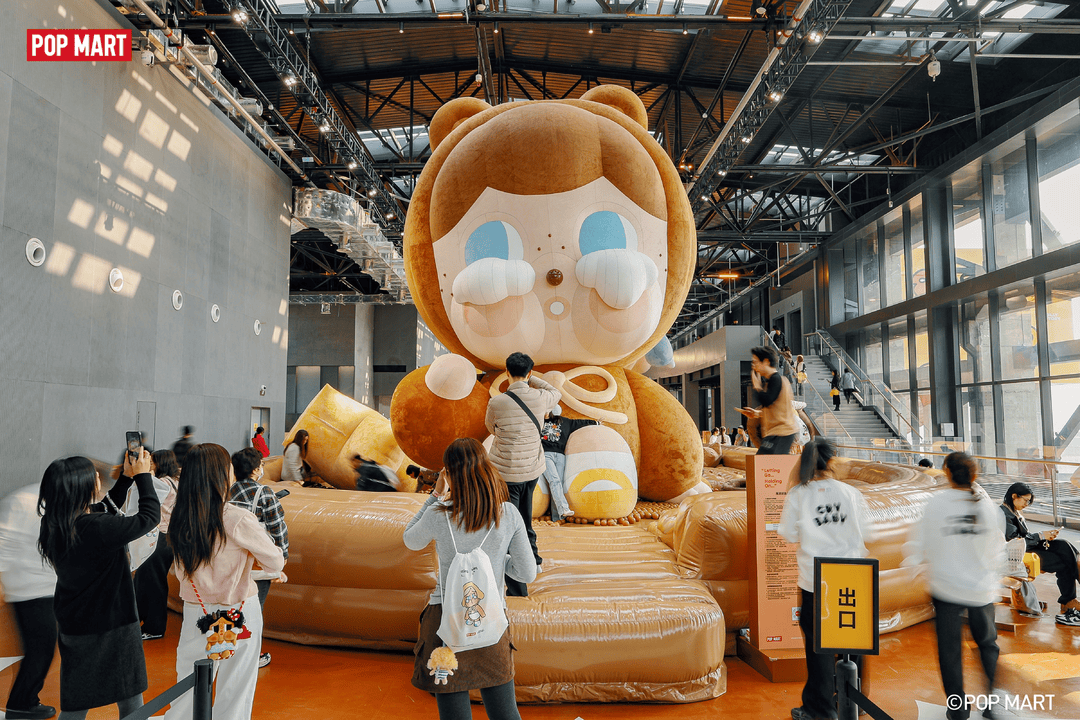
Group 1: Consumer Market Trends in Shanghai - Shanghai's consumer market is vibrant and diverse as it approaches the end of 2025, featuring emotional and practical values that cater to both spiritual and daily needs [1] - The "Crybaby" exhibition, a collaboration between Pop Mart and artist Molly, is the largest of its kind globally, showcasing a unique emotional experience [2][3] - The exhibition includes an immersive "tear ball pool" and interactive experiences, emphasizing the importance of emotional expression in contemporary society [5] Group 2: Local E-commerce Initiatives - The local e-commerce platform i百联 is launching a "Year-End Gratitude Season" with significant discounts and promotions aimed at providing tangible benefits to consumers [6] - The platform features a selection of popular products based on real transaction data, including electronics and traditional brands, enhancing consumer satisfaction [8] - The initiative also highlights local "old brand" products, allowing consumers to reconnect with familiar tastes in a fast-paced environment [8] Group 3: Health Initiatives for the Elderly - The aging population in China is prompting initiatives to address health challenges, particularly neurodegenerative diseases like Alzheimer's [9] - Danone Nutricia is launching a "Memory Guardian" project to train nutritionists in brain health assessment and intervention strategies [9] - The "智敏捷" product, designed for individuals with cognitive decline, has received recognition for its scientific formulation and clinical research backing [11]

2026年商贸零售行业投资策略报告:扩内需背景下,关注情绪消费相关机会-20251225
Wanlian Securities· 2025-12-25 13:48
Group 1 - The report highlights the transition from "consumption upgrade" to "consumption stratification" in China, where consumers are increasingly seeking cost-effectiveness in traditional products while being willing to pay a premium for innovative and emotionally valuable goods [2][15][30] - The emotional consumption trend is driven by fast-paced lifestyles and mental health concerns, leading to increased demand for products that provide emotional comfort, such as trendy toys, skincare, and gourmet snacks [2][30][32] Group 2 - The Chinese trendy toy market is rapidly expanding, projected to grow from 22.9 billion yuan in 2020 to 76.3 billion yuan by 2024, with a CAGR of 35.11%, driven by rising disposable income and the popularity of emotional consumption [3][37] - The market is characterized by a fragmented structure, with the top five companies holding only 20.8% market share, indicating potential for consolidation and growth among companies with strong IP resources and extensive distribution channels [3][46][47] Group 3 - The gold and jewelry sector is shifting from channel-driven to product-driven dynamics, with high dividend yields providing defensive attributes amid rising gold prices, which have reached historical highs [4][51] - Despite a temporary decline in gold jewelry consumption due to high prices, companies with strong design and marketing capabilities are still achieving rapid growth [4][51] Group 4 - The cosmetics industry is witnessing a resurgence, particularly for domestic brands, which are gaining market share due to improved product quality and marketing strategies, especially during promotional events like "Double 11" [4][28] - Young consumers are increasingly accepting domestic beauty brands, leading to a potential rise in market share against foreign competitors [4][28]
最新“全球品牌中国线上500强”季度榜单出炉 大疆首次进入前10、泡泡玛特上升显著
Zheng Quan Ri Bao Wang· 2025-12-25 11:44
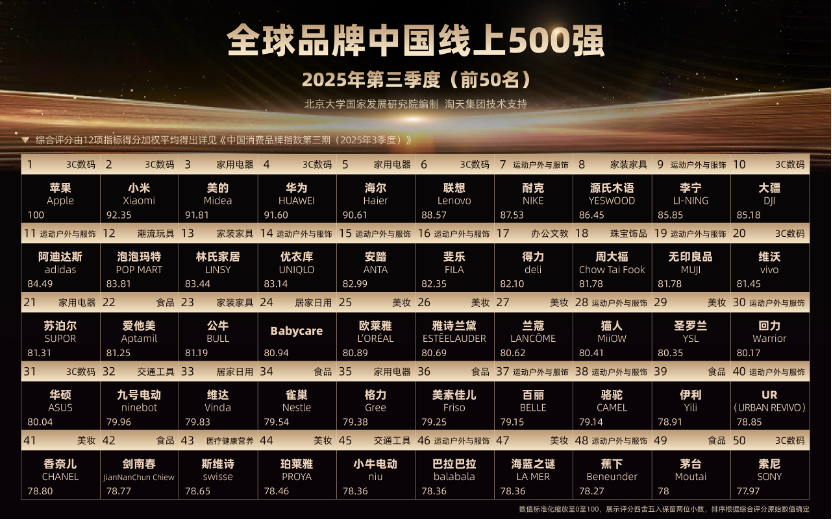
Core Insights - The latest quarterly "China Online Consumption Brand Index" (CBI) and the "Global Brand China Online Top 500" (CBI500) were released, indicating a continued rise in online consumer brand purchasing power [1][3] - The CBI for the third quarter of 2025 is reported at 62.65, reflecting a year-on-year increase of 0.92%, suggesting a growing preference for branded products among online consumers [3] Industry Performance - The CBI series indicates that industries such as women's clothing, 3C smart products, daily beauty, outdoor sports, pet supplies, men's clothing, and home furnishings have shown year-on-year growth in consumption quality [4] - The increase in consumption quality is attributed to Taobao's operational strategies, which have focused on supporting original clothing brands and improving the business environment for merchants [4] Brand Rankings - DJI entered the top ten for the first time, driven by strong performance in new product sales and brand search volume, particularly in the action camera and drone sectors [4] - Pop Mart ranked twelfth, marking a significant rise in brand influence due to its series of original IPs, despite fluctuations in the trendy toy industry [4] Consumer Trends - The CBI series aims to promote high-quality online consumption by encouraging competition based on quality and innovation rather than cost [5] - The shift towards quality competition is seen as essential for creating a positive market cycle that ultimately enhances the quality of life for consumers [5]



年轻人如何从为“情感叙事”买单中找到投资机会 | 年度财经思想者
Sou Hu Cai Jing· 2025-12-25 09:12
Group 1 - The core phenomenon of investment this year is the rise of emotional value in consumer products, exemplified by the popularity of Labubu dolls, which contributed to Pop Mart's revenue of 13.88 billion yuan in the first half of the year, surpassing the total revenue of the previous year [1] - The concept of emotional value reflects a narrative economy where consumers are willing to pay for experiences and connections rather than just products, indicating a shift in consumer behavior towards seeking meaning in their purchases [2][3] - The rise of emotional storytelling in consumption highlights a generational shift where young consumers are looking for deeper connections and narratives in their purchases, leading to a new market dynamic where brands must engage with consumers on an emotional level [3] Group 2 - The investment landscape is evolving towards opportunities that resonate with the emotional needs of the new generation, such as virtual idols and immersive experiences, indicating a trend towards experience-based consumption [2] - The traditional value of assets like real estate is changing, with a focus shifting from financial appreciation to the intrinsic value of living experiences, emphasizing quality over quantity in property investments [6] - The importance of long-term investment strategies is underscored, with a recommendation to focus on assets that provide emotional satisfaction and meet diverse human needs, moving away from short-term speculation [4][8] Group 3 - Gold is highlighted as a stable investment asset, with its price nearing 1,000 yuan per gram, serving as a hedge against economic instability rather than a source of excessive returns, emphasizing its role as a trust anchor in uncertain markets [5] - The recommendation for gold allocation varies based on investor profiles, suggesting a range of 5%-10% for conservative investors and up to 15% for aggressive investors, depending on individual risk tolerance [6] - The future investment strategies should focus on three key areas: investing in personal development, addressing sustainable human challenges, and leveraging the power of compound interest through long-term investments [7][8]
钛媒体「年度全球化公司」榜单重磅发布 | 2025 EDGE AWARDS
Tai Mei Ti A P P· 2025-12-25 02:06
Group 1 - In 2025, Chinese companies are shifting from cross-border operations to deeper localization and accelerating globalization in response to changing overseas policies [2] - The U.S. government has implemented policies such as the cancellation of tax exemptions for cross-border packages under $800 and reciprocal tariffs, while the EU has introduced the New Battery Law [2] - Chinese enterprises are transitioning from "single product exports" to "full-chain system output," with market strategies evolving from a focus on Europe and the U.S. to a dual-driven approach involving emerging and traditional markets [2] Group 2 - The EDGE AWARDS recognizes companies that have achieved significant breakthroughs in overseas markets despite fluctuating international conditions, highlighting their contributions to globalization [3] - ECARX has achieved large-scale production and delivery in global markets, securing over $1 billion in overseas orders and achieving profitability in Q3 [3] - Alibaba Cloud is enhancing its global infrastructure to support Chinese enterprises' overseas development, focusing on AI product internationalization and building a global cloud computing network [4] Group 3 - HLA has expanded its global strategy, opening new stores in Southeast Asia, Central Asia, and the Middle East, with overseas revenue increasing by 27.42% [4] - Kudi Coffee has expanded its international presence to 33 countries, with over 18,000 stores globally, ranking third worldwide in the coffee and tea sector [4] - United Imaging Healthcare has seen overseas revenue grow from $40 million to over $2 billion in seven years, with a compound annual growth rate of 93% [5] Group 4 - Pop Mart has experienced explosive growth in overseas revenue, which increased by 437.5% in the first half of 2025, accounting for 40.3% of total revenue [6] - Century Huatong, a leading gaming company, has achieved over $3.8 billion in global revenue from its game "Whiteout Survival" and is actively exploring AI gaming applications [7] - Tongwei Group has a global market share of approximately 30% in polysilicon, with significant growth in component sales across various regions [8] Group 5 - Yanghe Distillery has established a comprehensive international communication system focusing on high-end, platform-based, and localized strategies, covering 86 countries and regions [9] - Yiling Pharmaceutical has successfully registered 17 innovative traditional Chinese medicines in over 50 countries, promoting a multi-faceted approach to global healthcare [10] - The trend of collaborative globalization is emphasized, with companies providing reliable service networks to support Chinese enterprises in overseas markets [11] Group 6 - Amazon Global Selling has facilitated the entry of numerous Chinese sellers into international markets, signing cooperation agreements with various provincial commerce departments [12] - XTransfer offers cross-border financial and risk control services to over 800,000 enterprises, enhancing global competitiveness for small and medium-sized businesses [13] - Huawei Cloud has expanded its global presence with 34 geographic regions and 101 available zones, supporting local industry upgrades in various countries [14] Group 7 - Stripe provides programmable financial services to millions of businesses, enabling Chinese brands to establish payment channels and innovative revenue models as they expand globally [15]

不用替泡泡玛特操心
虎嗅APP· 2025-12-24 23:54
Core Viewpoint - The article discusses the significant fluctuations in Pop Mart's market value and the underlying issues related to its IP strategy, particularly focusing on the Labubu character and its impact on sales and market perception [5][6][9]. Group 1: Financial Performance and Market Reaction - In August, Pop Mart reported that it earned as much in the first half of the year as it did in the entire previous year, with expectations of reaching 30 billion yuan in revenue [5]. - Following the report, Pop Mart's market value peaked at 450 billion yuan but subsequently fell by 44% over four months, resulting in a loss of 200 billion yuan in market capitalization [6]. - The company's aggressive expansion aimed at resolving supply shortages led to a loss of perceived scarcity, which became a key argument for bearish analysts [8]. Group 2: IP Dependency and Market Sentiment - Bernstein's report categorized Pop Mart as a "speculative IP" and highlighted that its success heavily relies on social media trends, suggesting that once the hype fades, sales will decline [9][10]. - Despite concerns about dependency on Labubu, Pop Mart has multiple IPs, with Labubu accounting for only 34.7% of revenue, indicating that other IPs are also performing well [10][14]. - The sales of other IPs like Molly have shown consistent growth, suggesting that the notion of IPs becoming "outdated" may not be accurate [15][22]. Group 3: Market Dynamics and Valuation Issues - The article notes that Pop Mart's stock price volatility is not new, having experienced similar patterns since its IPO, where it reached a market cap of 130 billion yuan shortly after listing [25]. - The decline in market value is attributed to a lack of consensus on the potential market size for collectibles and issues such as an over-reliance on the Molly IP and imbalanced channel structures [26][32]. - The drop in prices for Labubu collectibles in the secondary market, along with increased production, has led to concerns about the diminishing scarcity and value of the IP [39][40]. Group 4: Strategic Positioning and Future Outlook - Pop Mart is positioned as an "IP operation company," differentiating itself from traditional retail models by focusing on proprietary and exclusive IPs to attract consumers [41]. - The ongoing debate centers around the longevity of Pop Mart's IPs, with some analysts comparing it to past fads like Beanie Babies, which eventually lost value [42][46]. - The company's strategy involves continuously discovering and nurturing new IPs with the potential for significant sales, aiming to create a sustainable business model [50][51].

情绪消费撑起万亿蓝海
Zhong Guo Xin Wen Wang· 2025-12-24 15:39
Core Insights - The "Love Yourself" trend reflects a growing attitude among young people towards self-pleasure and emotional spending, which is becoming a significant driver of market growth in 2025 [2] Group 1: Emotional Consumption Trends - A report indicates that 56.3% of young consumers are willing to spend for emotional value and interests, marking a 16.2 percentage point increase from 2024 [2] - Young consumers are actively participating in emotional consumption, as evidenced by long queues for popular products and sold-out concert tickets [4] - The emotional consumption trend is closely tied to cultural confidence, with young people favoring domestic products and traditional experiences to express their cultural identity [7] Group 2: Market Potential and Economic Impact - The emotional economy market in China is projected to reach 2.3 trillion yuan in 2024, with expectations to exceed 4.5 trillion yuan by 2029 [8] - The rise of emotional consumption is expected to create new job opportunities and boost creative industries, enhancing product value [9] - This trend fosters a sustainable consumption model, where frequent, smaller purchases contribute significantly to overall market vitality [10]
买爆潮玩的年轻人,唤醒中国制造扫地僧
远川研究所· 2025-12-24 11:03
Core Insights - The toy industry in China is experiencing a significant transformation, with companies like Pop Mart leading the charge and achieving substantial profits in a short time frame [3][4] - The shift in consumer behavior towards interest-based and emotional value consumption is reshaping market dynamics, moving away from traditional demographic segmentation [3][4] - The rise of content-driven e-commerce is bridging the gap between manufacturers and consumers, allowing niche products to thrive [7][10] Group 1: Industry Trends - The toy market has seen a 92% increase in non-parental toy sales on platforms like Douyin, indicating a growing acceptance of adult consumers in the toy space [3] - Interest-based consumption is becoming a new norm, with even basic consumer goods adapting to personalized demands, as seen with innovative laundry products [3][4] - The concept of "interest industry belts" is emerging, where consumer interests drive the entire supply chain, leading to a new economic landscape [3][10] Group 2: Case Studies - Qingdao Pingdu produces 70% of the world's false eyelashes, yet many local manufacturers have relied on traditional offline sales channels until recently [4][6] - Taohua Youpin, a local eyelash brand, transitioned from offline to online sales, achieving significant growth through short video marketing on Douyin [6][7] - Cocoyo, a pet product brand, has successfully tailored its offerings to meet specific consumer needs, leading to its dominance in the pet supply market [8][10] Group 3: Economic Impact - The interest industry belts have contributed to a 219% year-on-year sales growth for non-heritage businesses, showcasing the economic potential of niche markets [13][20] - The rise of live-streaming e-commerce has revitalized traditional industries, with significant job creation linked to each billion yuan in sales [20] - Local economies are benefiting from the shift to interest-based consumption, with traditional manufacturing regions adapting to new market demands [19][20]

研报掘金丨信达证券:源飞宠物与潮玩品牌黑玩达成战略合作,主业表现良好
Ge Long Hui A P P· 2025-12-24 07:45
Core Viewpoint - The strategic partnership between Yuanfei Pet and the trendy toy brand Heyone is expected to leverage Yuanfei's supply chain advantages, enhancing production capacity and exploring new markets [1] Group 1: Strategic Partnership - Yuanfei Pet has formed a strategic cooperation with Heyone, primarily focusing on OEM production [1] - Yuanfei Pet has a well-established manufacturing and supply chain management system in the pet food and supplies sector, which is adaptable to high-quality and safety-demanding trendy toy products [1] Group 2: Brand Development - Heyone is an original IP-centric trendy toy brand that has developed recognizable IPs such as "Oh Zai," "MIMI," and "R3NA," gaining traction among young consumers [1] - The collaboration is expected to facilitate the full release of future production capacity and exploration of new fields [1] Group 3: Global Expansion and Production Capacity - Yuanfei Pet is advancing its global production layout, having established a mature management team in Cambodia, where existing production bases are operating at full capacity [1] - New production capacity is expected to be released in 2026, while the construction of a production base in Bangladesh is progressing steadily, which will enhance global supply chain resilience [1] - The trend of overseas business development is positive, and the impact of tariff adjustments on product profits is expected to be limited [1]

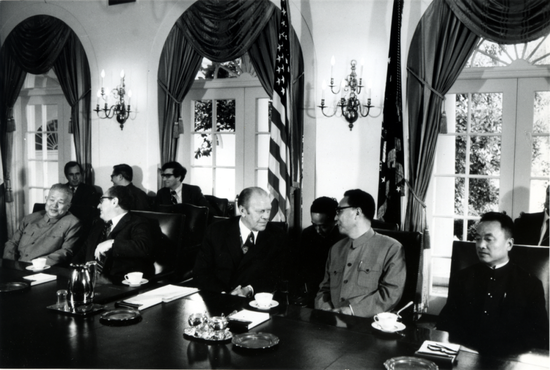
从破冰到融冰——跨越50年的两次访美之行
Xin Lang Cai Jing· 2025-12-24 03:46
Group 1 - The core message emphasizes the historical significance of the China-US trade relationship, highlighting the evolution from the initial trade discussions in 1975 to the current state in 2025, showcasing the resilience and growth of bilateral trade despite challenges [6][29][46] - The trade volume between China and the US has dramatically increased from less than $2.5 billion in 1979 to nearly $688.3 billion in 2024, with over 70,000 American companies operating in China [6][29] - The establishment of 286 pairs of friendly provinces and cities between the two countries, along with significant travel and trade exchanges, illustrates the deepening economic ties [6][29] Group 2 - The visit of the China Council for the Promotion of International Trade (CCPIT) delegation to the US in December 2025 marks a significant moment, being the first high-level business delegation following the summit between the Chinese and US presidents [30][46] - The delegation included representatives from 25 Chinese companies across various sectors, such as agriculture, machinery, finance, and logistics, indicating a broad interest in enhancing trade relations [40][45] - The participation of over 170 American companies and institutions in the delegation's activities underscores the mutual interest in fostering economic cooperation [40][45] Group 3 - Coca-Cola's historical engagement with China, dating back to its initial entry in 1927, reflects the long-standing interest of American companies in the Chinese market, which has evolved significantly over the decades [34][37] - In 2025, Coca-Cola's operations in China generated impressive revenue, with the company adapting its strategies to align with the changing market dynamics [40] - The success of Chinese brands like Pop Mart, which saw a revenue increase of 204.4% in the first half of 2025, highlights the growing influence of Chinese companies in the global market [40][39] Group 4 - The Fourth China International Supply Chain Promotion Expo, held in the US, attracted significant participation from American companies, including major multinational corporations, indicating a strong interest in supply chain collaboration [41][45] - The ongoing collaboration between Chinese and American businesses is seen as essential, with statements from industry leaders emphasizing the importance of maintaining and expanding trade ties [45][46] - The historical context of trade relations, marked by significant events and agreements, continues to shape the current economic landscape between China and the US [6][29][46]