石油

Search documents
未知机构:伊朗局势一页速览本周末时间20263738核心结-20260309
未知机构· 2026-03-09 02:45
Summary of Key Points from the Conference Call Industry Overview - The document discusses the escalating conflict in the Middle East, particularly focusing on Iran's military actions and their implications for regional stability and global oil markets [1][2]. Core Insights and Arguments - **Escalation of Conflict**: A comprehensive regional war has erupted, with Iran launching over 100 missiles and 200 drones in response to attacks from the US and Israel, resulting in civilian casualties in Tel Aviv [1]. - **Military Actions**: The US and Israel conducted extensive airstrikes on Iranian military sites, with over 7,500 bombs dropped in a single day, indicating a significant escalation in military engagement [1]. - **Impact on Oil Prices**: Brent crude oil prices have surged above $112 per barrel, with warnings that they could rise to $150, driven by the conflict's impact on oil transportation through the Strait of Hormuz, which is critical for global oil supply [1]. - **Iran's Military Capability**: Reports indicate that Iran's missile inventory has been significantly depleted, with estimates suggesting that approximately 90% of its missile stock has been consumed in the conflict [1]. - **Shift in Warfare Dynamics**: The introduction of hypersonic missiles by Iran has reportedly breached existing missile defense systems, altering the battlefield dynamics and raising concerns about the safety of US naval assets in the Gulf [1]. Additional Important Content - **Casualties and Damage**: The conflict has resulted in casualties among US forces (6 dead, 18 injured) and Israeli civilians (2 dead, 19 injured), highlighting the human cost of the ongoing military actions [1]. - **International Reactions**: Experts from various institutions, including the Institute for the Study of War (ISW), have noted a significant weakening of Iran's missile capabilities and the emergence of internal divisions within the Iranian government [1]. - **Global Economic Implications**: The rising oil prices are expected to contribute to global inflation, posing risks to economic stability worldwide [1]. - **Future Observations**: Key points to monitor include Iran's remaining missile capabilities, potential strikes on nuclear facilities, shifts in Saudi and UAE positions, and the stability of Iran's internal power dynamics [2].
攻击伊朗一周:乱世买美元
日经中文网· 2026-03-09 02:43
Group 1 - The most significant asset increase from March 2 to 6 was in crude oil, with WTI prices reaching over $110 per barrel, marking a 36% increase, the highest on record [4][5] - Asian stock markets experienced severe declines, particularly in South Korea and Japan, with the KOSPI dropping 11% and the Nikkei 5%, the largest declines since March 2020 and April 2025 respectively [7] - The geopolitical risks from the conflict in Iran are expected to lead to economic slowdowns and deteriorating corporate performance, prompting investors to sell stocks [5][7] Group 2 - The reliance on Middle Eastern oil is high for both Japan and South Korea, with over 90% of Japan's and 70% of South Korea's oil imports coming from the region, leading to concerns about economic impacts from rising oil prices [7] - The AI sector had previously driven significant stock price increases, with the KOSPI rising 48% and the Nikkei 17% since the beginning of the year, but this has now reversed due to the geopolitical situation [7][8] - The dollar index rose 1.4% during the week, reaching a three-month high, as the U.S. dollar is seen as a safe haven amid rising geopolitical tensions [9] Group 3 - Gold prices fell by 2%, indicating a divergence between gold and the dollar, as gold is typically viewed as a safe asset during crises [9] - Bitcoin, referred to as "digital gold," saw a rebound after earlier declines, reflecting a shift in investor sentiment towards cryptocurrencies during times of uncertainty [9]

赋诗一首:《春望》
猛兽派选股· 2026-03-09 02:35
Core Viewpoint - The article reflects on the impact of war and conflict on nations and economies, emphasizing the high value of resources like oil during such times [1] Group 1 - The phrase "国破山河在" suggests that despite the destruction of a nation, its landscape remains, indicating resilience [1] - The mention of "石油抵万金" highlights the significant economic value of oil, especially in wartime, where it can be equated to immense wealth [1] - The line "科技搔更短" implies that technological advancements are rapidly evolving, potentially affecting various industries and their operations [1]

未知机构:国联民生策略周思考冲突持续升级市场需要等待原油见顶美以联-20260309
未知机构· 2026-03-09 02:15
Summary of Conference Call Notes Industry Overview - The notes discuss the impact of escalating conflicts in the Middle East, particularly the joint airstrikes by the US and Israel on Iran, which have led to significant disruptions in the Strait of Hormuz, affecting global oil and LNG transportation [1][2]. Key Points and Arguments 1. **Market Dynamics**: The market has shifted to an "event-driven" mode, where oil price movements are expected to directly influence market direction. A sustained increase in oil prices could lead to a rapid "Risk Off" scenario due to potential supply chain disruptions [1]. 2. **Conflict Escalation**: The expectation has shifted from a "lightning war" to a "protracted war," with military actions anticipated to continue for approximately four weeks, and Iran claiming it has over six months of high-intensity warfare capability [1][2]. 3. **Energy Sector Impact**: The shipping in the Strait of Hormuz has seen substantial stagnation, with insurers withdrawing coverage for the area, affecting about 20-25% of global oil transport and 20% of LNG transport [2]. 4. **Asset Price Outlook**: Three scenarios for asset price movements are outlined: - **Scenario One**: Quick resolution of the conflict leading to a peak and subsequent decline in oil prices, which would stabilize market liquidity and risk appetite [4][5]. - **Scenario Two**: Prolonged conflict with manageable intensity, resulting in fluctuating oil prices and a gradual increase in precious metals while risk assets remain volatile [5]. - **Scenario Three**: Long-term escalation of the conflict, leading to persistent high oil prices and a stagflation environment, with a risk of rapid declines in equity assets [6]. Additional Important Content - **Market Volatility**: The current market is experiencing tightening liquidity alongside constrained oil supply, leading to various asset classes, including equities and precious metals, facing downward pressure [3]. - **Equity Market Strategy**: The A-share market is in a medium volatility state, with expectations for a return to lower volatility levels before significant upward movement can occur. The correlation between A-shares and US stocks suggests that monitoring US market conditions could be beneficial for A-share strategies [7]. - **Investment Opportunities**: Short-term cyclical industries, particularly energy, are expected to enter a price increase cycle due to supply chain constraints. Conversely, sectors like aviation and social services may face pressure from rising costs and increased travel risks [9]. Conclusion - The ongoing geopolitical tensions and their implications for oil prices and market dynamics are critical for investors. The outlined scenarios provide a framework for understanding potential market movements and investment strategies in the current environment.
未知机构:华泰晨报0309总量中东堪比俄乌冲突以伊至少是俄乌冲突当量影响被低-20260309
未知机构· 2026-03-09 02:15
Summary of Key Points from Conference Call Records Industry Overview - The geopolitical situation in the Middle East is compared to the Russia-Ukraine conflict, with significant implications for energy, transportation, basic chemicals, and food supply chains. The long-term effects are expected to persist even if the situation resolves in the short term, leading to stockpiling behaviors [1][2] Core Insights and Arguments - **Oil Price Dynamics**: Current oil prices are at $107, which may not be sustainable, but the central price level is expected to rise due to safety premiums. This situation is likely to trigger a multi-year bull market for gold, similar to previous cycles [1][2] - **Industrial Impact**: The industrial system is becoming a target, with a shift towards long-term, low-consumption warfare strategies. Investment is recommended in energy, chemicals, tungsten, and sectors less correlated with AI and innovative pharmaceuticals [1][2] - **Market Sentiment**: The current market sentiment is cautious, with technical rebounds rather than trend reversals. Valuations are deemed cheap but are not driving index performance. The focus is on traditional economic sectors such as power generation, oil, coal, and insurance [6][4] Sector-Specific Insights - **Chemicals and Energy**: The chemical sector is expected to benefit from rising oil prices, with a sustained upward trend anticipated for the next 1-2 years. Companies like China Petroleum, CNOOC, and major chemical firms are positioned to gain from overseas supply chain disruptions [9][8] - **Agriculture**: There is a projected 30% increase in corn prices due to tight supply conditions. The rising costs of feed, particularly corn and soybean meal, are accelerating capacity reductions in the livestock sector [17][18] - **Metals and Commodities**: Concerns about inflation and economic downturns are leading to a cautious outlook on metals like copper and lithium. However, there is optimism for mid-term recovery in copper prices, with a support level identified at 100,000 [24] Additional Important Insights - **Investment Recommendations**: Companies with overseas assets in coal and chemical sectors, such as Yanzhou Coal and Yancoal Australia, are highlighted as potential beneficiaries of the current market dynamics. The focus is also on lithium battery manufacturers like CATL [12][16] - **Technological Developments**: The semiconductor sector is experiencing significant price increases, with NAND prices reportedly doubling. This is attributed to supply chain vulnerabilities exacerbated by geopolitical tensions [25] - **Financial Sector Outlook**: The banking sector is expected to benefit from a moderately loose monetary policy, with potential for interest rate cuts and increased credit expansion. High-dividend banks are recommended for investment [27] This summary encapsulates the critical insights and recommendations from the conference call, providing a comprehensive overview of the current market landscape and future expectations across various sectors.
未知机构:华泰策略A股周观点20260309上周全球市场在交易伊朗战争和由此引-20260309
未知机构· 2026-03-09 02:15
Summary of Key Points from the Conference Call Industry or Company Involved - The report focuses on the A-share market and its response to global events, particularly the implications of the Iran war on inflation expectations and market dynamics. Core Insights and Arguments - Global markets experienced declines due to the Iran war and the resulting inflation expectations, with stocks, bonds, and gold all falling [1] - The market's pricing of risk is deemed insufficient, leading to a recommendation for caution in the short term [2][4] - A-share market saw a significant drop on Tuesday, followed by a rebound on Wednesday afternoon, indicating volatility and a potential mispricing of the war's impact as a temporary event [5] - The implied volatility of ETF options peaked on Wednesday before declining, suggesting a reduction in panic among investors [5] - In the commodity market, oil prices surged past $100, reaching $107, with significant increases in the implied volatility of oil ETFs [6] - The futures market indicates a steep contango, suggesting that the market does not expect a significant long-term shift in inflation due to the war [6][7] - The primary market concern is the war's impact on risk appetite and fundamentals, overshadowing other factors like the Two Sessions and AI developments [8] - There is a recognition that the war is escalating, with the market pricing in an overly optimistic outlook, leading to asymmetric risks where downside risks are greater than upside [10][11] - A recommendation for investors to be cautious in the short term is based on considerations of tail risks [12] Additional Important Content - Industry configuration recommendations include focusing on the oil price's impact on various sectors: - **Affected Industries**: Logistics, chemicals, leasing, mining [13] - **Benefiting Industries**: - Direct beneficiaries: Oil and natural gas [13] - Substitution effects: Coal and renewable energy [13] - Strong downstream transmission capabilities: Oilfield services, cement, chemical raw materials, personal care [13] - Defensive sectors: Aquaculture and retail [14] - The report emphasizes energy and electricity as priority sectors, aligning with government work reports on future energy and green transitions [14] - Attention is drawn to energy metals, grid equipment, and power operators, with a shift towards fundamental pricing expected from mid-March to April [15] - Opportunities may arise from rapid adjustments in high-growth industries, including small metals, chemicals, components, storage, military industry, engineering machinery, and agriculture [15]
Grace period for markets has ended as hopes of Middle East war staying controlled fade: Expert
Youtube· 2026-03-09 02:01
Core Message - The market's perception of the oil supply situation has shifted dramatically, indicating a longer crisis period due to significant disruptions in oil supply, particularly from Iran, which could lead to sustained high oil prices above $100 per barrel [1][2]. Oil Supply and Demand - A disruption of 20 million barrels per day in global oil supply is unprecedented and will take a long time to normalize, affecting the overall market balance [2]. - The market's initial optimism has waned as the situation escalates, with more assets and infrastructure coming under threat [2]. Key Infrastructure - Har Island is crucial for Iran's oil exports, accounting for approximately 1.5 million barrels per day, primarily to China [5]. - The potential for military action to seize control of Har Island exists, which could lead to significant geopolitical tensions [4][6]. Regional Implications - Saudi Arabia's ability to redirect oil exports to the Red Sea is limited, with only about 6 million barrels per day available for such a shift [12]. - The ongoing attacks by the Houthis on shipping in the Red Sea highlight the vulnerabilities in global oil transport routes [10][11]. Repair and Recovery Challenges - Offshore facilities like Har Island are difficult to repair quickly, which could prolong the disruption of Iranian oil exports [15]. - The duration of the impact on Iranian oil exports will depend on the extent of damage to infrastructure [14]. Geopolitical Tensions - The situation is exacerbated by the potential for Iran to retaliate against attacks on its desalination facilities, indicating a shift in focus from oil to critical water infrastructure [25]. - The strategic decisions of Gulf countries may be influenced by the perceived effectiveness of U.S. defense commitments in the region [26].

突发!特朗普:将在“适当时机”作出结束军事行动决定
证券时报· 2026-03-09 01:48
Core Viewpoint - The article discusses the recent geopolitical tensions involving Iran and the impact on global oil prices, highlighting the potential for increased inflation and economic instability due to rising oil prices and military actions in the region [2][3]. Oil Market Impact - International oil prices surged significantly, with WTI crude oil futures rising over 22% and Brent crude oil increasing nearly 20%, both surpassing $110 per barrel [2]. - The rise in oil prices is attributed to disruptions in shipping through the Strait of Hormuz and production cuts from major oil-producing countries such as Iraq, Qatar, Kuwait, and the UAE [2]. Geopolitical Tensions - Iranian parliamentary speaker, Mohammad Bagher Ghalibaf, stated that the U.S. and Israel are primary contributors to regional inflation and insecurity, warning of retaliatory actions against infrastructure if attacks continue [3]. - Ghalibaf emphasized that Iran does not seek a ceasefire with aggressors but aims for decisive punishment against them [3]. Market Reactions - Asian stock markets experienced significant declines, with the Nikkei 225 index dropping over 6% and the KOSPI index falling more than 7%, triggering a trading halt in South Korea [3][4]. - Other indices, including the Australian S&P 200 and New Zealand 50, also reported declines of nearly 4% and 3%, respectively [5]. U.S. Market Outlook - U.S. stock futures indicated a downward trend, with the Dow Jones, S&P 500, and Nasdaq futures all dropping over 1.8% [10][11]. - The geopolitical situation is expected to have broader implications for global economic stability and inflation rates [2][3]. Iranian Leadership Changes - Iran's recent military actions were part of a broader strategy following the election of a new Supreme Leader, Mojtaba Khamenei, who is expected to influence the country's military and political direction [12].

恐慌性出逃,全球股债双杀,日韩又崩了
凤凰网财经· 2026-03-09 01:24
Core Viewpoint - The ongoing geopolitical tensions in the Middle East have led to significant volatility in global financial markets, with oil prices surging past $110 per barrel, raising concerns about global economic "stagflation" [1]. Group 1: Oil Price Surge - WTI crude oil futures rose by 22%, surpassing $110 per barrel, marking the highest level since 2022; Brent crude oil futures also increased by over 20%, reaching $111.04 per barrel [2]. - The spread between Brent crude spot prices exceeded $8.50 per barrel, the highest since 2013, indicating strong spot premiums [3]. Group 2: Stock Market Reaction - The sharp rise in energy prices severely impacted market risk appetite, leading to significant declines in the Asia-Pacific markets, with the Nikkei 225 index dropping over 5% and the KOSPI index falling by 7% [4]. - U.S. stock futures also faced declines, with the Dow Jones Industrial Average futures dropping over 1,000 points, a decline of more than 2% [4]. Group 3: Commodity and Bond Market Impact - Despite the oil price surge, traditional safe-haven assets like gold and silver experienced significant sell-offs, with gold dropping over 2% to below $1,050 per ounce and silver falling by 4% to below $81 per ounce [5]. - The bond market faced pressure as rising oil prices increased inflation expectations, leading to a significant drop in U.S. Treasury futures and a rise in Australian three-year government bond yields to the highest level since 2011 [5]. Group 4: Market Analysis - Analysts noted that the oil price exceeding $100 per barrel represents not just a rebound in commodities but also acts as a tax on the global economy, raising concerns among central bank officials about "stagflation" risks [6]. - While the Middle East conflict is seen as a short-term volatility factor for U.S. markets, there are warnings that market risks are accumulating, necessitating a de-escalation of regional tensions for stability [6]. Group 5: Government Response - In response to the energy shock, South Korea is considering reinstating price caps on crude oil for the first time in nearly three decades to address the latest round of energy price increases [7].

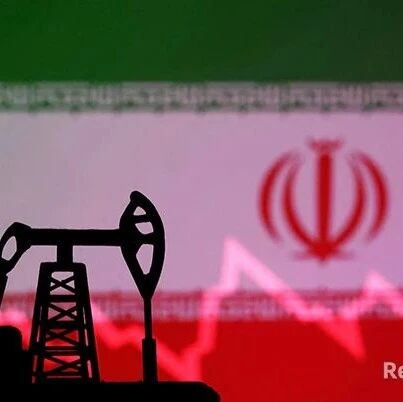
国际油价暴涨!
中国能源报· 2026-03-09 01:18
Core Viewpoint - International oil prices have surged, surpassing $100 per barrel for the first time since 2022, indicating significant market volatility and potential implications for the energy sector [1][3]. Group 1: Oil Price Surge - International oil prices have recently experienced a dramatic increase, with both New York and London crude oil futures exceeding $100 per barrel for the first time in over three years [1]. - As of March 8, 2023, U.S. crude futures rose by 14.7%, while global benchmark Brent crude futures increased by 12.63%, reaching $104 per barrel [3]. Group 2: Impact on Financial Markets - Following the rise in oil prices, U.S. stock indices reacted negatively, with Dow Jones futures dropping approximately 851 points, a decline of about 2% [3]. - The S&P 500 and Nasdaq futures also saw declines of 1.73% and 1.65%, respectively, reflecting broader market concerns related to rising energy costs [3]. Group 3: Gasoline Prices in the U.S. - The increase in oil prices has led to a noticeable rise in gasoline prices in the U.S., with the average price for regular gasoline reaching $3.45 per gallon, a 16% increase compared to the previous week following the outbreak of the Iran conflict [3].