银行业

Search documents
M2余额增速达9%创近两年新高
Shang Hai Zheng Quan Bao· 2026-02-13 17:04
Core Viewpoint - The article highlights the significant recovery in credit demand and the positive impact of monetary policy on credit supply, indicating a favorable environment for investment and economic growth. Group 1: Credit Supply and Demand - Credit supply has shown stable growth, driven by a notable recovery in demand, with major projects being launched early in the year, leading to increased project loans [2] - In January, corporate loans increased by 4.45 trillion yuan, with medium to long-term loans rising by 3.18 trillion yuan, providing strong financial support for key sectors like manufacturing and emerging industries [2] - The release of consumer demand before the Spring Festival has also supported steady growth in personal loans, with various consumption needs driving this increase [2] Group 2: Financing Costs and Loan Structure - The average interest rate for newly issued corporate loans was approximately 3.2% in January, down about 20 basis points from the previous year, while personal housing loans remained stable at 3.1% [3] - The sustained low financing costs reflect the effectiveness of the moderately loose monetary policy, helping to reduce the financial burden on enterprises and stimulate their operational vitality [3] - The structure of credit is continuously optimizing, with financial resources increasingly directed towards high-quality development areas, as evidenced by the growth rates of inclusive small and micro loans and medium to long-term loans in the service sector [3][4] Group 3: Financial Support for Economic Transition - The shift in credit resources from traditional sectors to emerging fields is a natural result of economic structural transformation and an essential reflection of improved financial support for the real economy [4] - Financial institutions are increasingly motivated to optimize the structure of capital supply through market-driven incentives, enhancing their service capabilities [4]
交易商协会多措并举强化存续期管理 银行间债券市场运行展现韧性与活力
Xin Hua Cai Jing· 2026-02-13 16:56
Core Insights - The interbank market in China has implemented a series of measures in 2025 for bond maturity management, risk prevention, and market services, resulting in positive outcomes [1][2] - There were no unexpected defaults in debt financing tools throughout the year, with the scale of defaults decreasing by 55% year-on-year, indicating a more transparent and orderly market environment [1][2] Group 1: Market Management and Performance - By the end of 2025, the stock of debt financing tools managed by the association exceeded 18 trillion yuan, covering over 3,000 issuers [1] - The association guided market members to disclose periodic reports over 12,000 times throughout the year, achieving a disclosure rate of 99.8% for debt financing tools and 99.4% for asset-backed notes (ABN) [1] - The association conducted special inspections on all 3,115 existing issuers and 1,427 debt items, focusing on technology innovation bonds, green debt financing tools, and platform enterprises [1] Group 2: Risk Monitoring and Prevention - The risk prevention mechanism has become more precise, with monthly inspections, weekly monitoring, and daily supervision implemented to ensure repayment fund verification [2] - The association has opened system accounts for 299 local branches of the People's Bank of China to facilitate information exchange [2] - A notification regarding debt restructuring through replacement business was issued to provide efficient debt disposal pathways for market participants [2] Group 3: Market Services and Support - The association acted as a "lubricant" for dispute resolution, handling 159 disputes and serving over 200 members, with the number of formal mediations reaching a new high [2] - The association supported 176 issuers in completing resale transactions, with the actual resale amount exceeding 52 billion yuan [2] - The association published practical guidance documents, including a compilation of default and disposal cases and rules for issuer management during the maturity period [2]
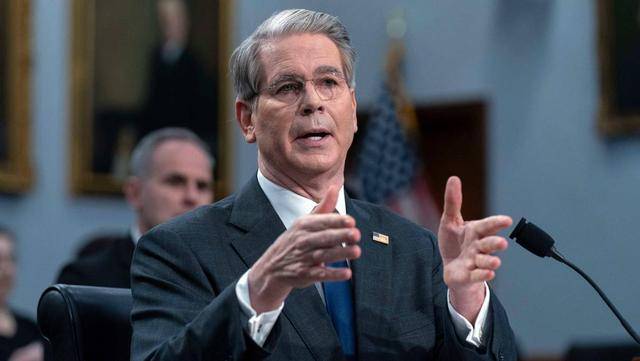
中国再抛美债,不再救美元,美财长:中美绝不能脱钩断链
Sou Hu Cai Jing· 2026-02-13 16:12
Core Viewpoint - China's foreign exchange management authority has issued guidelines for banks to adjust asset allocations based on market fluctuations, gradually reducing the proportion of U.S. Treasury holdings, which have decreased from a peak of $1.3 trillion in 2013 to $682.6 billion, the lowest since September 2008 [2][4] Group 1: U.S. Treasury Holdings and China's Strategy - The reduction in U.S. Treasury holdings is part of a long-term strategy, with funds being redirected towards gold reserves and essential material procurement to diversify risks [2][4] - As of January 2026, China's gold reserves have increased to 74.19 million ounces, marking 15 consecutive months of growth, with over 1,200 tons imported [4][6] - The share of U.S. Treasuries in China's reserves has fallen below 15%, reflecting a significant shift in asset allocation [4][12] Group 2: Global Market Reactions - The U.S. debt has surpassed $38 trillion, with annual interest payments of $1.2 trillion, leading to credit rating downgrades by Moody's and Fitch [4][6] - Major global holders of U.S. debt, including India and Saudi Arabia, have also reduced their holdings, indicating a broader trend of divestment from U.S. Treasuries [4][12] - The reduction in U.S. Treasury holdings has led to a slight decline in prices and an increase in yields, putting short-term pressure on the dollar index [2][4] Group 3: U.S.-China Economic Relations - U.S. Treasury Secretary Scott Bessenet emphasized the importance of stable U.S.-China relations, acknowledging the deep economic interdependence and the need for a balanced approach to competition [6][10] - Bessenet's statements reflect a shift in U.S. strategy from confrontation to a more pragmatic engagement with China, aiming to mitigate risks while maintaining economic ties [10][12] - The U.S. is also focusing on rebuilding domestic production capabilities, particularly in critical sectors like semiconductors and pharmaceuticals, to reduce reliance on foreign supply chains [10][12] Group 4: Global Financial Landscape - The global landscape for U.S. Treasuries is changing, with central banks increasingly turning to gold, which now constitutes over 30% of their reserves, surpassing U.S. Treasuries [12][14] - The dollar's share of global foreign exchange reserves has fallen to 40%, the lowest in 20 years, indicating a decline in its dominance as a primary reserve currency [12][14] - The ongoing divestment from U.S. Treasuries and the shift towards alternative currencies like the yuan and euro suggest a gradual end to the era of dollar hegemony [14]


车贷“长跑”开启 汽车金融驶入共赢新赛道
Zheng Quan Ri Bao· 2026-02-13 15:43
Core Viewpoint - The automotive market is experiencing a shift in competitive dynamics as long-term financing options like "0 down payment" and "7-year ultra-low interest" loans become more prevalent, moving away from cash discounts [1][4]. Group 1: Long-term Financing Options - Companies such as Tesla, Xiaomi, and Li Auto have introduced 7-year low-interest car loan products to attract new customers with lower entry barriers [2][4]. - The extended repayment periods allow first-time buyers, particularly young families, to experience electric vehicles sooner, effectively lowering the cost of ownership [1][4]. - The introduction of these financing options is seen as a strategy to stimulate demand and alleviate financial pressure on consumers [4][5]. Group 2: Market Dynamics and Competition - The competition in the automotive market is intensifying, particularly in the electric vehicle sector, with projections indicating that by 2025, new energy vehicles will account for 47.9% of total new car sales in China [4]. - The long-term loan offerings serve as a differentiation strategy for automakers, enabling them to secure long-term customer relationships and create opportunities for additional services [4][5]. Group 3: Banking Sector Involvement - Banks are increasingly viewing high-quality auto loans as a key growth area, responding to government policies aimed at boosting consumer spending [5][6]. - Collaborations between banks and automakers on long-term low-interest products allow banks to access quality customer resources while mitigating risks through interest subsidies from car manufacturers [5][6]. - Financial institutions are encouraged to enhance their risk management capabilities and customer credit assessment systems to adapt to the long-term nature of these loans [5][6]. Group 4: Future Ecosystem Development - There is a potential shift from traditional lending to a comprehensive service model that encompasses the entire lifecycle of vehicle ownership, including financing, insurance, and maintenance [6][7]. - Banks are advised to establish data-sharing mechanisms with automakers to create integrated financial products that cater to various customer needs throughout the vehicle ownership experience [7]. - The goal is to transition from one-time transactions to long-term customer engagement, fostering a win-win ecosystem for banks, automakers, and consumers [7].
中国接着抛美债,不再救美元,美财长喊话:中美绝对不能脱钩断链
Sou Hu Cai Jing· 2026-02-13 15:35
Core Viewpoint - The U.S. Treasury Secretary's urgent remarks about U.S.-China relations reflect concerns over China's significant reduction in U.S. Treasury holdings, which have dropped to their lowest level since 2008, while simultaneously increasing gold reserves for 15 consecutive months [1][3][9]. Group 1: U.S.-China Relations and Debt Holdings - The U.S. Treasury Secretary emphasized the importance of not decoupling from China, indicating a sense of urgency regarding China's selling of U.S. debt [3][7]. - China's U.S. Treasury holdings have decreased to $682.6 billion, a significant drop from a peak of $1.32 trillion in 2013, marking a strategic shift in asset management [5][20]. - The reduction in U.S. debt holdings has led to China losing its status as the largest foreign holder of U.S. debt, a position now held by Japan [5][7]. Group 2: U.S. Debt Crisis - The total U.S. national debt has reached $38 trillion, with interest payments projected to exceed $1.4 trillion in 2025, highlighting a growing fiscal challenge for the U.S. government [7][24]. - The U.S. government's reliance on issuing more debt to cover expenses has raised concerns about the sustainability of its fiscal policies [20][24]. Group 3: Investment Strategy Shift - China has strategically shifted from holding U.S. debt to increasing gold reserves, which now total approximately 2,308 tons, as a safer asset [11][18]. - The strategy includes lending U.S. dollars to developing countries, allowing them to repay U.S. debts while facilitating trade in local currencies, thereby reducing reliance on the dollar [13][14][28]. - This approach not only mitigates risk but also promotes the international use of the Chinese yuan, enhancing its global standing [14][28]. Group 4: Global Currency Dynamics - A broader trend is emerging where multiple countries are reducing their U.S. debt holdings, with nations like India and Saudi Arabia also selling off U.S. Treasuries [26][28]. - The global shift away from the dollar is evident, as countries seek alternative currencies and assets, such as gold and local currencies, for trade [24][28]. - The U.S. may face challenges in maintaining its dominance in global finance as countries increasingly look for alternatives to the dollar [28][29].
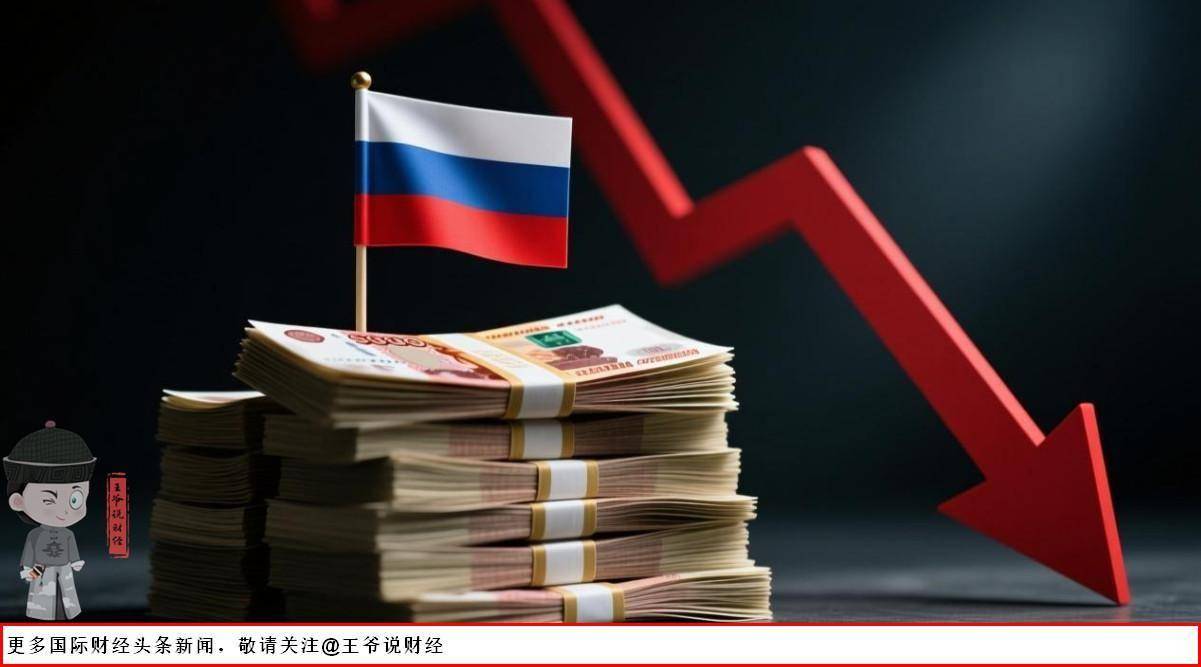
利率降到15.5%!6连降:俄罗斯央行又降息50个基点!背后藏着三个现实压力?
Sou Hu Cai Jing· 2026-02-13 15:35
Group 1 - The core point of the article is that the Russian Central Bank has lowered interest rates for the sixth consecutive time, bringing the benchmark rate down to 15.5%, reflecting the difficult economic situation in Russia [1][3][14] - The continuous rate cuts are a response to the economic slowdown, high inflation, and fiscal pressures faced by Russia, indicating a struggle to stimulate growth [3][14] - The Russian economy has been underperforming, with a projected growth rate of only 1.3% for 2026, highlighting the need for monetary easing to encourage investment and consumption [6][12] Group 2 - The first pressure leading to the rate cuts is the weak economic growth, which necessitates stimulus measures to avoid stagnation [6][8] - The second pressure is the burden of high interest rates on businesses and consumers, which has led to reduced investment and spending [7][8] - The third pressure is that inflation is currently manageable, allowing for the possibility of rate cuts without immediately triggering further inflation [9][12] Group 3 - The impact of the rate cuts on the economy is mixed; while lower financing costs may alleviate debt pressures and stimulate investment, there are risks of currency depreciation and rising living costs [12][14] - The global context is important, as many economies are also entering a rate-cutting phase in response to slowing growth, indicating a broader trend [12][14] - Future expectations suggest that the Russian Central Bank may continue to lower rates, but the room for further cuts is limited due to ongoing inflation and currency risks [13][14]
首月金融数据“开门红”!信贷、社融、M2平稳增长
Sou Hu Cai Jing· 2026-02-13 14:57
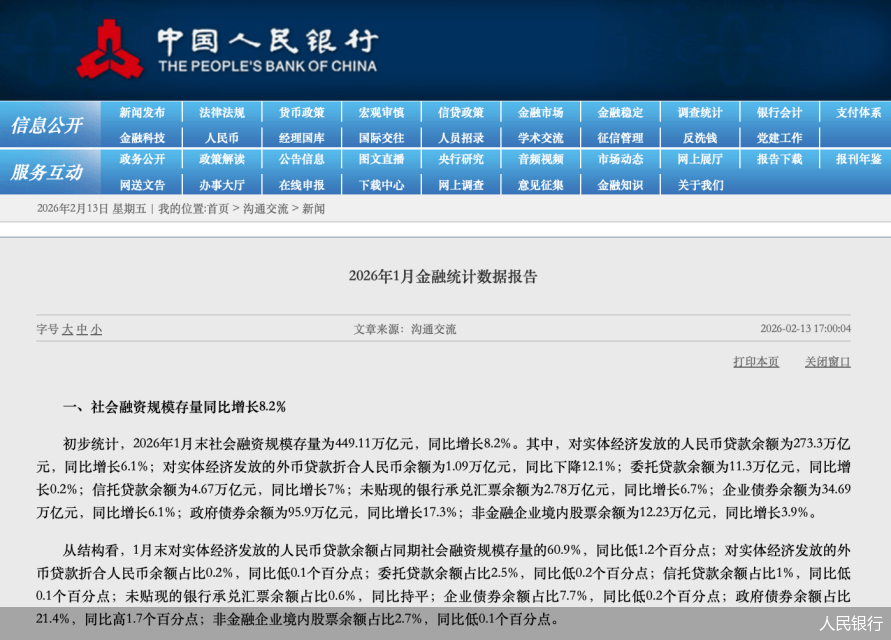
Core Viewpoint - The People's Bank of China (PBOC) reported stable growth in new credit and social financing in January 2026, indicating a continued supportive monetary policy stance. The central bank's structural interest rate cuts and proactive fiscal policies are expected to maintain a moderate level of new loans and significant year-on-year growth in social financing throughout the year [1][11]. Group 1: Credit Growth - As of the end of January, the balance of RMB loans reached 276.62 trillion yuan, with a year-on-year growth of 6.1%. In January, RMB loans increased by 4.71 trillion yuan, reflecting stable growth and a recovery in demand [6][11]. - The January loan increment of 4.71 trillion yuan was 420 billion yuan lower than the same period last year, attributed to weak investment and consumption, as well as limited effects from recent growth stabilization policies [6][7]. - The PBOC has shifted its focus from total credit volume to optimizing credit structure, supporting key areas such as domestic demand, technological innovation, and small and medium enterprises [7]. Group 2: Social Financing - The social financing scale increased by 7.22 trillion yuan in January, 1.662 trillion yuan more than the same month last year, with a total social financing stock of 449.11 trillion yuan, reflecting a year-on-year growth rate of 8.2% [8][11]. - Government bonds, corporate bonds, and bank acceptance bills were the main contributors to the year-on-year increase in social financing, with net financing from government bonds reaching 9.764 trillion yuan, marking a significant rise [8][9]. - The issuance of local government bonds in January amounted to 863.3 billion yuan, a year-on-year increase of 54.84%, providing strong fiscal support for the economy [9]. Group 3: Monetary Supply - As of the end of January, the broad money supply (M2) reached 347.19 trillion yuan, growing by 9% year-on-year, while the narrow money supply (M1) increased by 4.9% [10]. - The M2 growth rate exceeded expectations, driven by factors such as concentrated loan disbursements and seasonal increases in deposits due to year-end financial activities [10][11]. - The PBOC aims to maintain a suitable monetary environment to support economic stability and reasonable price recovery, with expectations of potential interest rate cuts in the second quarter of 2026 [11].
美联储拟任命华尔街银行律师奎恩为监管事务主任
Sou Hu Cai Jing· 2026-02-13 14:50
Core Viewpoint - The Federal Reserve is expected to appoint Randall Guynn as the new Director of Regulatory Affairs, marking a significant shift in personnel management within the Fed, as this position has been held by long-serving internal staff since at least 1977 [1] Group 1 - Randall Guynn has strong ties to the banking industry and has previously served as a partner at Davis Polk & Wardwell, representing several major U.S. banks [1] - Guynn will succeed Michael Gibson, who retired in July after over thirty years at the Federal Reserve [1] - Guynn has been serving as an advisor to Federal Reserve Governor and Vice Chair for Supervision, Michelle Bowman, since May 2025 [1] Group 2 - Guynn's appointment is pending a vote by the Federal Reserve's seven-member board, with the specific timing of the closed-door vote yet to be determined [1] - After his appointment, Guynn will continue to report to Bowman [1]
俄央行下调基准利率至15.5%
Xin Hua She· 2026-02-13 14:43
Core Viewpoint - The Central Bank of Russia has lowered the benchmark interest rate by 50 basis points to 15.5%, indicating a continued balanced growth in the Russian economy and a forecasted decline in inflation rates [1] Group 1: Interest Rate Changes - The Central Bank of Russia announced a reduction in the benchmark interest rate from 16% to 15.5% [1] - This marks a continuation of the rate cuts that began in June 2025, when the rate was first lowered from a historical high of 21% [1] Group 2: Economic Indicators - The Central Bank noted that the fundamental indicators of price growth have not changed significantly, and inflation is expected to resume a downward trend after the impact of one-time factors dissipates [1] - The bank forecasts an annual inflation rate of 4.5% to 5.5% for Russia by 2026 [1] Group 3: Future Rate Decisions - Future decisions regarding the benchmark interest rate will depend on the sustainability of domestic inflation slowdown and the dynamics of inflation expectations [1] - Current inflation risks are primarily associated with geopolitical uncertainties, deteriorating external trade conditions, and fluctuations in international oil prices affecting the local currency exchange rate [1]
首月金融数据“开门红”,有力支持年初经济平稳开局
Sou Hu Cai Jing· 2026-02-13 14:39
Core Viewpoint - The People's Bank of China released January financial statistics, indicating a stable growth in credit and social financing, reflecting a supportive monetary policy environment for the beginning of the year [1][2]. Group 1: Financial Data Overview - In January 2026, new RMB loans amounted to 4.71 trillion, a year-on-year decrease of 420 billion [1]. - The new social financing scale reached 7.22 trillion, an increase of 1,662 billion compared to the same period last year [1]. - The broad money supply (M2) grew by 9.0% year-on-year, accelerating by 0.5 percentage points from the previous month [1]. - The narrow money supply (M1) increased by 4.9% year-on-year, with a growth rate acceleration of 1.1 percentage points from the previous month [1]. Group 2: Economic Insights - Despite a year-on-year decrease in new RMB loans, the demand side shows signs of recovery, with a credit growth rate of 6.1%, surpassing nominal economic growth [1]. - The increase in social financing reflects a high level of support from the monetary policy, contributing to a stable economic start for the year [1][2]. - The chief economist of China Minsheng Bank noted that January is a traditional peak month for credit, with early project releases and significant infrastructure loan approvals contributing to the high loan volume [1][2]. Group 3: Consumer and Business Loan Trends - Household loans increased by 456.5 billion, with a year-on-year increase of 127 billion, supported by pre-holiday consumption [4]. - Short-term loans for residents rose by 109.7 billion, with a year-on-year increase of 1,594 billion, while medium to long-term loans increased by 346.9 billion, showing a year-on-year decrease of 1,466 billion [4]. - The demand for personal loans was boosted by seasonal consumption trends and marketing efforts, with policies optimizing personal consumption and business loans [5]. Group 4: Future Outlook - The overall data for new credit and social financing in January appears stable, with expectations for a potential opening of a window for interest rate cuts in the second quarter [5]. - Factors such as increased bond financing, local government debt replacement, and weak credit demand from businesses and households may keep new loan levels moderate in 2026 [5]. - Social financing is expected to maintain a significant year-on-year increase, serving as a key indicator of financial support for the real economy [5].