外卖

Search documents
市场监管总局发布两项新规 外卖商户须有实体经营门店
Xin Lang Cai Jing· 2026-02-26 17:41
Core Viewpoint - The new regulations from the State Administration for Market Regulation aim to eliminate "ghost kitchens" and "shadow merchants" in the food delivery industry by mandating that all delivery merchants must have a physical storefront and that their business operations must align with their qualifications [1][2]. Group 1: Regulatory Changes - The new regulations require that delivery merchants possess a real physical store, and their business activities and addresses must match their qualification certificates [3][9]. - The regulations enhance the responsibilities of food delivery platforms, mandating them to conduct thorough checks on merchant qualifications and to ensure compliance with food safety standards [2][5]. - Penalties for non-compliance have been significantly increased, with fines for platforms and merchants reaching up to 200,000 yuan, and additional penalties for serious violations based on the previous year's revenue [3][6]. Group 2: Food Safety Management - Platforms are now required to establish dedicated food safety management teams, including a food safety director and staff, to oversee compliance and risk management [5][6]. - Merchants must implement internal risk control mechanisms, transitioning from reactive to proactive food safety management [6][10]. - The regulations emphasize the importance of real-time verification of merchant qualifications, requiring platforms to conduct checks at least every six months to ensure ongoing compliance [10][12]. Group 3: Cross-Regional Supervision - The new regulations introduce a collaborative enforcement mechanism to address the challenges of cross-regional supervision, allowing market regulation departments to coordinate across regions for better enforcement [7][11]. - Platforms are required to report their merchant information to local market regulation departments biannually, enhancing transparency and oversight [11][12]. - The regulations aim to streamline the process of evidence collection and case investigation across regions, improving the efficiency of enforcement actions [12].
市场监管总局:整治“幽灵外卖” 外卖平台需对商家经营地址核验
Xin Lang Cai Jing· 2026-02-26 17:40
Core Viewpoint - The State Administration for Market Regulation announced that the "Regulations on the Supervision and Management of Food Safety Responsibilities of Online Catering Service Operators" will be officially implemented on June 1, aiming to enhance food safety in online catering services [1] Group 1: Regulations Overview - Merchants must have a genuine physical store, and the business items, address, and qualifications must be consistent [1] - Merchants are required to strictly implement raw material control, facility maintenance, and operational standards, prohibiting food processing outside designated areas or outsourcing [1] - Takeaway businesses that do not provide dine-in services must prominently display a "No Dine-in" sign on their main page, with delivery platforms required to synchronize this sign on merchant listing pages [1] Group 2: Addressing "Ghost Takeaway" Issues - The regulations target the issue of "ghost takeaways," which have been a significant concern for food safety in online catering services [1] - Delivery platforms must conduct real-name registration of takeaway merchants and perform substantive reviews of their food business licenses and qualifications through on-site inspections [1] - The regulations mandate that delivery platforms verify and update the actual operating addresses and qualifications of takeaway merchants at least every six months to ensure consistency with actual conditions [1]
整治“幽灵外卖”新规:商户须有实体门店 违规最高罚20万
Nan Fang Du Shi Bao· 2026-02-26 17:34
Core Viewpoint - The rapid growth of the online food delivery industry in China has prompted regulatory measures to ensure food safety and compliance among merchants, with a focus on accountability for both platforms and merchants [2][3]. Group 1: Market Overview - The online food delivery market in China is expected to exceed 1.4 trillion yuan, with a year-on-year growth rate of over 10%, accounting for approximately 24% of the total revenue in the restaurant industry [2]. - The regulations emphasize the importance of food safety as a critical responsibility for merchants, particularly those operating without physical storefronts [2]. Group 2: Regulatory Framework - The new regulations detail the responsibilities of food delivery platforms, mandating them to conduct thorough checks on merchant qualifications and ensure compliance throughout the operational process [2][3]. - Platforms are required to take on the role of "gatekeepers" for food safety, ensuring that they do not solely focus on revenue generation without addressing quality and safety concerns [2]. Group 3: Merchant Compliance - Merchants must possess genuine physical storefronts, and their operational details must align with their qualifications [2]. - Strict guidelines are set for food preparation and handling, prohibiting off-site food processing or outsourcing [2]. Group 4: Penalties and Enforcement - The regulations introduce significant penalties for non-compliance, with fines reaching up to 200,000 yuan for serious violations, including the use of false qualifications [4][5]. - Platforms are required to verify merchant qualifications against data held by provincial market supervision departments, ensuring that only compliant merchants are allowed to operate [6]. Group 5: Ongoing Monitoring - Platforms must conduct biannual verifications of merchants' operational addresses and qualifications, transitioning from static checks to continuous lifecycle management [6]. - This approach aims to prevent the entry of merchants with invalid or fraudulent qualifications into the market [6].

28年有金融危机?我倒觉得你躺平拿钱的年代要来了。
Sou Hu Cai Jing· 2026-02-26 16:58
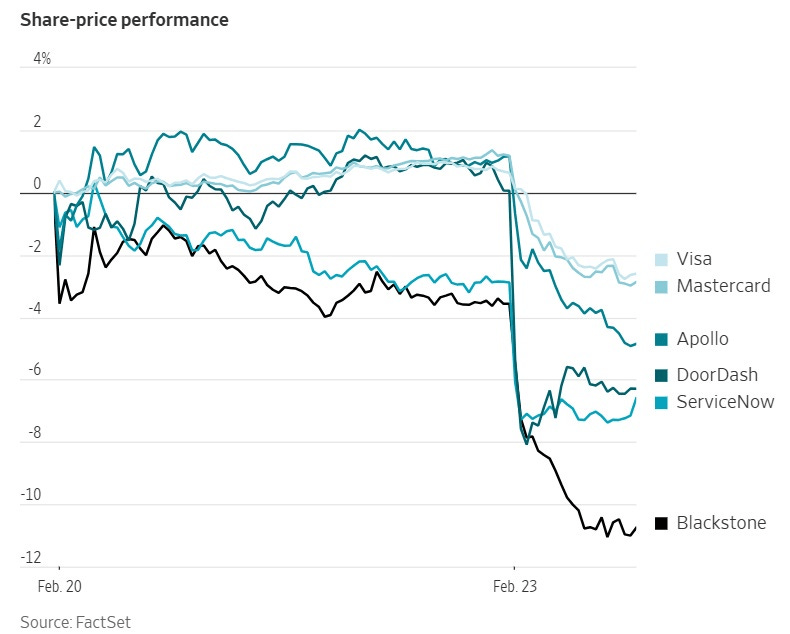
Core Viewpoint - The report titled "2028 Global Intelligence Crisis" suggests that if AI continues to advance, it could lead to an economic crisis where human labor becomes obsolete, resulting in reduced consumer spending and a downward economic spiral [2][10]. Group 1: Impact on Companies - Companies like Visa, DoorDash, and ServiceNow experienced significant stock price drops following the report's release, indicating the immediate market reaction to the potential implications of AI on their business models [2]. - The report highlights a scenario where companies initially benefiting from AI may face declining revenues as consumer spending contracts due to job losses and reduced disposable income [8][10]. - A case study in the report illustrates how a Fortune 500 company's negotiation for a contract renewal resulted in a price reduction due to competition from AI solutions, showcasing the disruptive potential of AI on traditional business practices [10][12]. Group 2: Economic Implications - The report describes a phenomenon termed "ghost GDP," where corporate revenues may appear healthy while actual economic activity declines, leading to a vicious cycle of layoffs and reduced consumer spending [8][10]. - Financial institutions could face significant risks as rising defaults on loans and mortgages lead to asset devaluation, creating a broader financial crisis [10][12]. - The report suggests that the concentration of wealth among those controlling AI technology could exacerbate economic inequality, potentially leading to a stagnant economy where consumer spending halts [12][15]. Group 3: Future Considerations - The report raises questions about how society can adapt to an AI-driven economy, emphasizing the need for new distribution rules to ensure that wealth generated by AI benefits the broader population [15][25]. - Historical perspectives, such as Jevons Paradox, suggest that increased efficiency from AI could lead to greater consumption rather than a decrease, challenging the report's more pessimistic predictions [17][19]. - The potential for AI to create new job opportunities and the importance of human oversight in critical sectors like healthcare, finance, and law are highlighted as factors that could mitigate the negative impacts of AI [23][24].
外卖和网售食品新规来了
Xin Lang Cai Jing· 2026-02-26 16:37
"我们要告诫外卖平台,不能只收佣金、不担责任;不能只管流量、不顾品质,外卖平台必须实实在在 担起外卖食品安全'守门员'的主体责任。"2月26日下午,市场监管总局食品安全总监孙会川在新闻发布 会上说。 当天,市场监管总局对近期制定的《网络餐饮服务经营者落实食品安全主体责任监督管理规定》和《网 络食品销售经营者落实食品安全主体责任监督管理规定》进行解读。为杜绝"幽灵外卖",新规要求外卖 平台应通过实地核查等方式,对外卖商家的食品经营许可证等经营资质证书进行实质性审查,至少每六 个月对外卖商家登记的实际经营地址等信息进行一次核验更新。据北京日报微信公众号 店铺信息全透明,无堂食需亮"标" 据中国餐饮业年度报告数据显示,我国外卖市场规模预计突破1.4万亿元,同比增速超10%,占餐饮行 业总收入24%左右,成为行业重要的增长极。 为了让"无堂食"不再遮遮掩掩,新规明确,专门从事外卖服务、不提供堂食的外卖商家必须在其主页面 显著位置设置"无堂食"标识,且外卖平台需将该标识同步展示在商家列表页面。 为了让"加工过程"不再雾里看花,新规构建了"互联网+明厨亮灶"的公示体系,倡导外卖商家通过"互联 网+明厨亮灶"等方式,向社会 ...
“无堂食”需亮标 外卖新规6月实施
Bei Jing Shang Bao· 2026-02-26 16:33
Core Viewpoint - The new regulations aim to enhance food safety in the online food delivery sector by holding platforms accountable for the quality and safety of the food they deliver, particularly targeting the issue of "ghost kitchens" that operate without proper licenses and oversight [1][5]. Group 1: Regulatory Framework - The newly established regulations, titled "Regulations on the Supervision and Management of Food Safety Responsibilities of Online Food Service Operators," will take effect on June 1 [1]. - The regulations require food delivery platforms to conduct substantial reviews of merchants' food business licenses and operating qualifications, including real-world inspections [5][6]. - Platforms must verify merchants' actual operating addresses and other information at least every six months to ensure compliance with the regulations [6][7]. Group 2: Merchant Responsibilities - Merchants are required to have a legitimate physical storefront, and their business operations must align with their qualifications [3][5]. - Merchants must adhere to strict standards regarding raw material control, facility maintenance, and operational protocols, prohibiting food preparation outside designated areas [3][7]. - Non-dine-in merchants must display specific signage to inform consumers of their service model [3]. Group 3: Enforcement and Penalties - The regulations enhance penalties for violations, with fines reaching up to 200,000 yuan, and potentially higher penalties for platform leaders in cases of severe misconduct [4]. - The regulations integrate with the Electronic Commerce Law, reinforcing platforms' responsibilities in data sharing and consumer protection [4]. Group 4: Consumer Protection - The regulations mandate that platforms prominently display merchants' operating qualifications on their main pages to ensure consumer awareness and choice [7]. - Platforms are required to implement intelligent monitoring and rapid response mechanisms to manage food safety risks effectively [7]. - A complaint and reporting system must be established, allowing consumers and delivery personnel to report violations, fostering a collaborative approach to food safety [7].

新规来了:外卖商户必须有实体门店,无堂食商户必须设专门标识
Nan Fang Du Shi Bao· 2026-02-26 15:31
Core Viewpoint - The new regulations issued by the State Administration for Market Regulation aim to enhance food safety in the online food delivery sector by imposing stricter responsibilities on platforms and merchants, with penalties for violations reaching up to 200,000 yuan [1][3]. Group 1: Regulatory Framework - The new regulations, titled "Regulations on the Supervision and Management of Food Safety Responsibilities of Online Catering Service Operators," will take effect on June 1, 2026 [1]. - The regulations clarify the responsibilities of online food delivery platforms, requiring them to conduct thorough checks on merchant qualifications and ensure compliance with food safety standards [3][5]. Group 2: Merchant Compliance - Merchants are required to operate real physical stores, and their business activities must align with their qualifications and licenses [4]. - The regulations mandate that merchants adhere to strict controls over ingredients, maintenance of facilities, and operational standards, prohibiting food preparation outside designated areas [4]. Group 3: Penalties and Enforcement - The maximum fine for violations is set at 200,000 yuan, particularly for using false or others' business qualifications to provide food services [6]. - The regulations establish a unified regulatory framework for online food delivery platforms, linking them to the Electronic Commerce Law, thereby enhancing their legal responsibilities in areas such as data sharing and consumer protection [5][6]. Group 4: Platform Responsibilities - Platforms must verify the authenticity of merchants' food business licenses against data held by provincial market supervision departments, breaking down information barriers and ensuring real-time feedback on qualifications [7]. - Platforms are required to conduct biannual checks on the actual operating addresses and qualifications of registered merchants, transitioning from static entry checks to ongoing lifecycle management [7].

特朗普政府拟废除拜登时代独立承包商劳工规则
Xin Lang Cai Jing· 2026-02-26 15:27
Core Points - The Trump administration is taking action to repeal a labor rule that has faced opposition from the business community, which made it more difficult for companies to classify workers as independent contractors rather than formal employees [1][4] - The Department of Labor has proposed to withdraw the rule established in 2024, citing legal flaws and the deprivation of flexibility for many workers as independent contractors [1][4] - The proposed new standard will focus on the actual level of control that companies have over workers, replacing the previous rule that required companies to classify workers as employees if they economically depended on them [4][6] Industry Impact - The repeal of the rule will benefit various industries, including freight, healthcare, retail, and gig economy platforms like Uber and Instacart, which rely heavily on independent contractors [2][5] - Surveys indicate that the cost of employing formal employees is approximately 30% higher than that of independent contractors due to benefits such as minimum wage, overtime pay, unemployment insurance, and expense reimbursements that contractors do not receive [6] - The classification of worker identity has been a contentious employment issue for the past decade, with industry associations lobbying for the repeal of the 2024 rule after previous attempts by congressional Republicans to block it were unsuccessful [6] Legal Context - The proposal will enter a 60-day public comment period following its formal release [3][6] - There have been at least five lawsuits filed by freelancers, employers, and business groups against the rule, with cases either dismissed or paused pending further action from the Department of Labor [3][7] - A New Mexico judge appointed by Trump previously ruled the rule legal, dismissing a freight company's claims of overreach by the Department of Labor, and the company's appeal is currently on hold [7]
重拳整治“幽灵外卖”乱象,安全管理新规6月落地
Di Yi Cai Jing· 2026-02-26 14:14
陈礼腾认为,与此前相比,《规定》要求平台与监管数据库实时核验证照,强化实地与视频核查,建立商家动态复核机制,要求纯外卖店标注"无堂食",并 压实平台食安责任,填补了以往的监管空白。 据中国餐饮业年度报告数据显示,我国外卖市场规模预计突破1.4万亿元,同比增速超10%,占餐饮行业总收入24%左右。外卖业快速发展之际,"幽灵外 卖"商家的伪装也在升级。过去,"幽灵外卖"指没有相关营业执照也没有门店照片的商家。但现在,不少商家通过租借执照、用假地址、伪造门店照片等方 法继续营业。 陈礼腾认为,幽灵外卖屡禁不止,源于平台重规模轻审核、黑作坊低成本高流动性,加之违规收益高于成本,形成劣币驱逐良币的行业困境。 对于幽灵外卖,骑手建议建议用户在下单时选择有堂食的实体店,最好是曾经去过的餐厅,防止部分商家上传假的图片。 "幽灵外卖"问题将得到进一步治理。2月26日,国家市场监管总局公布《网络餐饮服务经营者落实食品安全主体责任监督管理规定》(下称"《规定》")将 于6月1日正式实施。 《规定》细化了平台在商家资质管理、信息公示、食品安全抽查监测、保存订单信息等方面的管理责任,并且提出无堂食商家应在其主页显示"无堂食"标识 等要 ...

整治“幽灵外卖” 网络餐饮新规发布
Bei Jing Shang Bao· 2026-02-26 14:04
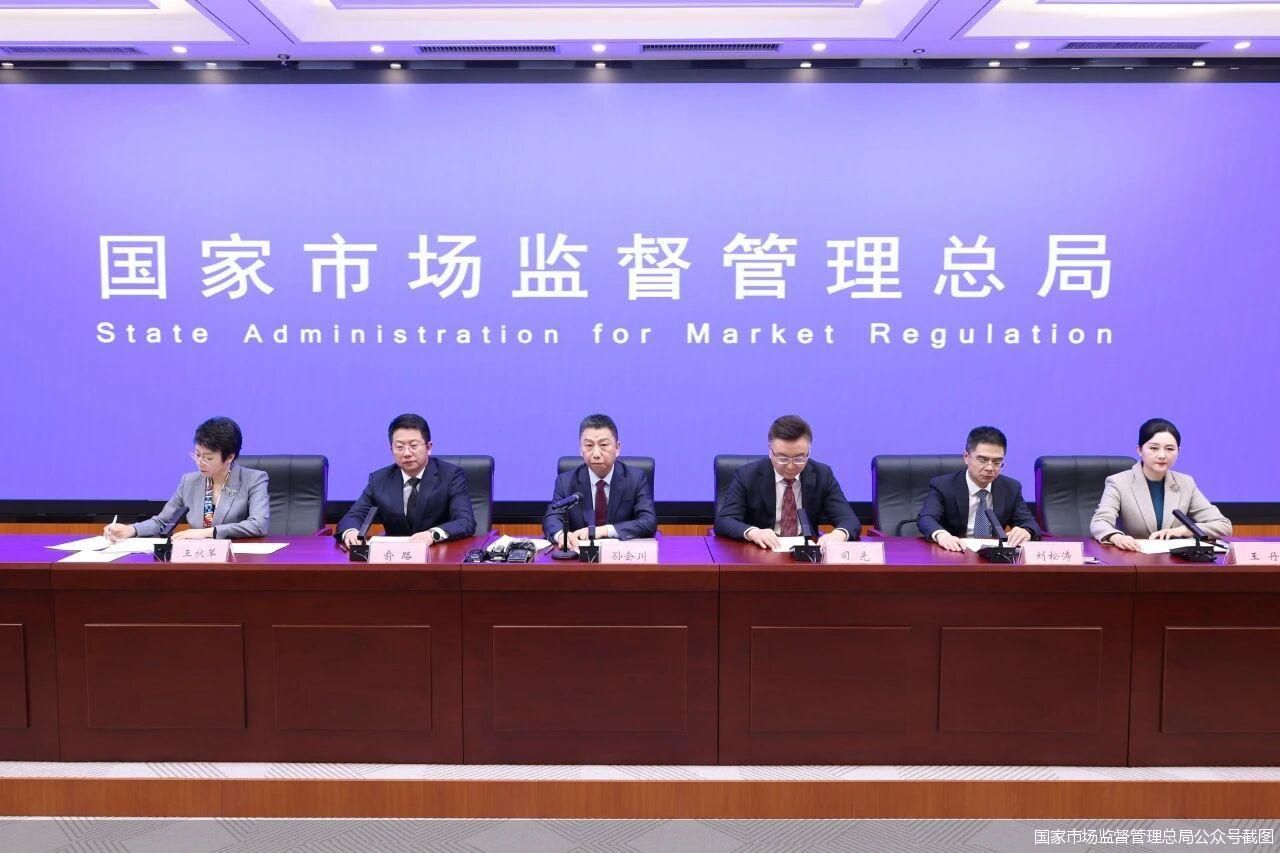
2月26日,市场监管总局召开食品安全专题新闻发布会。会上分别介绍了《网络餐饮服务经营者落实食品安全主体责任监督管理规定》(以下简称《规 定》)和《网络食品销售经营者落实食品安全主体责任监督管理规定》的内容。其中,《规定》对外卖平台责任和商户经营行为进行了详细的规定。 同时,《规定》有望解决网络餐饮服务食品安全的痛点——幽灵外卖。"幽灵外卖"是网络热词,其本质是无资质、无固定场所的不法经营者通过资质造假、 套用许可、地址虚构等手段,在外卖平台伪装成正规商家营业。 市场监管总局餐饮食品司司长俞路介绍,要整治"幽灵外卖",就必须溯本清源,构建系统性治理体系。《规定》将通过"正源、清流、固本"三策并举,构建 起一套全方位、多层次的治理体系,有效铲除"幽灵外卖"的滋生土壤,让外卖商家从"纸面的合规"变为"可见的真实"。 中国餐饮业年度报告数据显示,我国外卖市场规模预计突破1.4万亿元,同比增速超10%,占餐饮行业总收入的24%左右,成为行业重要的增长极。市场监管 总局食品安全总监孙会川介绍,通过日常监管发现,有的外卖商户提供的地址是假的,有的上传的照片是假的,还有的甚至连资质都是假的,这样的外卖何 谈放心?!与此同时, ...