
奶茶

Search documents
香飘飘紧急公告“暂停绕地球”,网友懵了:啥情况?真相来了
Mei Ri Jing Ji Xin Wen· 2025-09-14 08:05
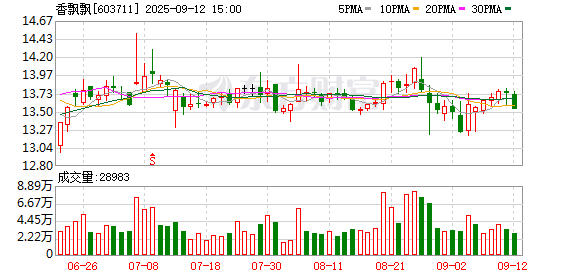
Core Viewpoint - The company Xiangpiaopiao is facing significant challenges in the competitive beverage market, leading to declining revenues and profits, and has recently made a public announcement regarding a new partnership that aims to revitalize its brand image [2][3][5]. Group 1: Company Performance - Xiangpiaopiao's latest semi-annual report indicates that in the first half of 2025, the company achieved revenue of 1.035 billion yuan, a year-on-year decline of 12.21%, and a net loss attributable to shareholders of 97.39 million yuan, a staggering drop of 230% [6]. - The company has reported a loss in the first half of the year for six consecutive years, with the current loss being the highest in the past three years [6]. - Since reaching a historical high of 35.09 yuan per share in August 2019, Xiangpiaopiao's stock price has been on a downward trend, closing at 13.53 yuan on September 12, 2025, representing a cumulative decline of over 60% [6]. Group 2: Market Context - The beverage market has seen a shift towards fresh ingredients and innovative brands, with competitors like Heytea and Nayuki Tea gaining popularity among younger consumers, which has pressured traditional brands like Xiangpiaopiao [5]. - New tea brands have proliferated, such as Mixue Ice City, further squeezing the market share of traditional instant tea products [5]. - Analysts suggest that Xiangpiaopiao's attempts at transformation and innovation have not yielded significant results, and the company's marketing strategies may not effectively resonate with modern consumers [6].


香飘飘紧急公告“暂停绕地球 ”,网友懵了:啥情况?真相来了
Mei Ri Jing Ji Xin Wen· 2025-09-14 07:47
Core Viewpoint - The company Xiangpiaopiao has announced a temporary halt to its promotional campaign, which has sparked confusion among consumers, but later clarified that it is related to a partnership with a character named "Nailoong" [4][5]. Company Overview - Xiangpiaopiao, established in 2005, became known as "China's first milk tea stock" after its IPO in 2017. The brand was once a nostalgic favorite for many consumers [5]. - The company has struggled to maintain its market position as new tea brands like Heytea and Nayuki have emerged, focusing on fresh ingredients and innovative branding, leading to a shift in consumer preferences [5]. Financial Performance - The latest semi-annual report indicates that for the first half of 2025, Xiangpiaopiao achieved revenue of 1.035 billion yuan, a year-on-year decline of 12.21%. The net profit attributable to shareholders was a loss of 97.39 million yuan, marking a staggering year-on-year drop of 230% [6]. - This marks the sixth consecutive year of losses for the company in the first half of the year, with the loss amount being the highest in the past three years [6]. Market Confidence - Continuous decline in performance and revenue growth has led to diminishing market confidence in Xiangpiaopiao. Since reaching a historical high of 35.09 yuan in August 2019, the stock price has fallen to 13.53 yuan as of September 12, 2025, representing a cumulative decline of over 60% [7]. - Industry analyst Zhu Danpeng noted that despite efforts in transformation and innovation, the results have not been significant, and the company's marketing expenses remain high. The key challenge is to attract the new generation of consumers to the Xiangpiaopiao brand [7].

霸王茶姬掉队了吗
Hu Xiu· 2025-09-07 13:13
Core Viewpoint - The article discusses the competitive landscape of the milk tea industry, highlighting the significant growth of certain brands while pointing out the struggles of BaWang Tea Ji amidst a fierce price war in the delivery market [1][2]. Group 1: Industry Overview - The milk tea industry has seen a surge in sales due to the ongoing delivery wars, benefiting brands that operate on a franchise model [2][5]. - Major players like Mixue Ice City and Gu Ming have reported impressive financial results, with Mixue's revenue growing by 39% and profit by 44% year-on-year [3][4]. - The delivery war has led to increased consumer spending on milk tea, with franchise stores experiencing a significant rise in order volumes [8]. Group 2: BaWang Tea Ji's Performance - BaWang Tea Ji, once a leading brand, has faced challenges despite opening over a thousand new stores, with revenue growth of only 10% and nearly stagnant profit [11][12][13]. - The brand's same-store sales have declined by 23% over three consecutive quarters, indicating significant operational pressure [15][16]. - BaWang Tea Ji's refusal to participate in the price war has resulted in a drop in active consumer membership from 44.1 million to 38.6 million year-on-year [20]. Group 3: Pricing Strategy and Brand Positioning - BaWang Tea Ji maintains a high-end pricing strategy, with its signature drink priced at 16 yuan, and has resisted deep discounts, which has alienated some consumers [17][18]. - The brand's decision to avoid participating in the delivery price war is a strategic choice to protect its premium image, but it risks losing customers who are price-sensitive [22][25]. - The article draws parallels between BaWang Tea Ji's current situation and that of Heytea, which had to lower prices to adapt to market conditions [43][46]. Group 4: Global Expansion Opportunities - Despite domestic challenges, BaWang Tea Ji has seen a 70% year-on-year increase in overseas GMV, reaching 230 million yuan, indicating potential for international growth [49]. - The brand is expanding into Southeast Asia and the U.S., positioning itself as a premium tea brand with higher pricing than local competitors [51][53]. - The competitive landscape in overseas markets is less intense, allowing BaWang Tea Ji to maintain higher price points compared to the domestic market [55].
美银解读消费 H1 财报:36% 企业超预期,核心标的一文看
Zhi Tong Cai Jing· 2025-09-05 11:06
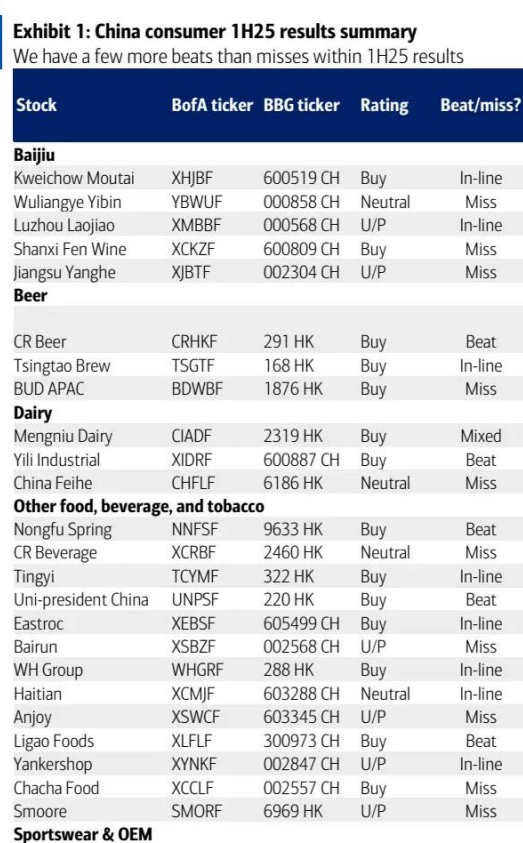
Core Insights - The overall performance of China's consumer market in the first half of 2025 was subdued, while new consumption trends showed strong growth, a pattern observed over the past 18 months [1] - Among the companies covered by Bank of America, 36% exceeded earnings expectations, 31% fell short, and the remainder met or showed mixed results [1] Domestic Consumption Trends - Restaurant businesses primarily relying on takeout benefited from subsidy policies, with companies like Mixue Group reporting a 13% year-on-year increase in sales per store, largely driven by these subsidies [2] - The average selling price (ASP) in the restaurant and beverage sectors, particularly bottled water, has shown a downward trend, with CR Beverage experiencing an 18.5% decline in sales, nearly half attributed to falling prices [3] Channel Transformation - Companies are reporting strong sales for products customized for emerging channels like Sam's Club and discount snack stores, with some leading firms even providing OEM services for these channels [4] - The trend towards private labels is becoming more pronounced due to channel fragmentation and diminishing brand prestige [4] Consumption Highlights - Areas such as ready-to-drink beverages (sugar-free tea, energy drinks), freshly brewed tea and coffee, snacks (konjac products), outdoor activities, emotional consumption, and discount channels are performing well [5] - This aligns with Bank of America's recent report on new consumption, which emphasizes five core consumer areas: emotional value, health and wellness, diverse experiences, convenient services, and emerging channels [5] New Consumption Differentiation - Despite strong performance from some new consumption companies, market sentiment appears cautious, with Bubble Mart seen as a consensus buy, while the milk tea sector faces negative sentiment [6] Overseas Business and Shareholder Returns - The anticipated rush in orders for the second half of 2025 may lead to sequential growth slowdowns due to high base effects, with tariff-sharing mechanisms potentially limiting OEM profit margins in the short term [7] - A stable shareholder return is noted, with 4%-5% dividend yields common among covered consumer stocks, and several companies increasing dividend frequencies [8] Future Cyclical Trends - The white liquor and dairy sectors are highlighted for potential upward cycles in 2026, with investors showing interest in companies that have faced significant sales declines but are expected to clean up their profit and loss statements [9] - Conversely, the white goods and milk tea sectors are anticipated to face downward cycles, with concerns over high base effects and uncertain performance in 2026 [10]


古茗:不争北上广,自有万店王
Hu Xiu· 2025-09-02 11:05
Group 1 - The article highlights a humorous internet trend regarding the consumption of a popular beverage brand, Mixue Ice City, in Shanghai, suggesting that it could lead to a fictional scenario where the Oriental Pearl Tower becomes a defensive structure [1] - Shanghai is noted as one of the cities with the highest number of Mixue Ice City outlets, exceeding 600 stores, indicating the brand's strong market presence [1] - In contrast, the article points out that a leading milk tea brand, Gu Ming, has yet to enter the Shanghai market, despite its significant status in the industry [1]
香飘飘上半年亏损扩大,即饮业务占比首次超过冲泡业务
Di Yi Cai Jing Zi Xun· 2025-08-26 12:17
Core Viewpoint - The company reported a significant decline in revenue and net profit for the first half of 2025, indicating challenges in its traditional brewing business while showing growth in its ready-to-drink segment [1][2] Financial Performance - The company achieved revenue of 1.035 billion yuan in the first half of 2025, a year-on-year decrease of 12.21% [1] - The net profit was a loss of 97 million yuan, representing a year-on-year decline of 230.13% [1] - The brewing business generated revenue of 423 million yuan, down 31.04% year-on-year [1] - The ready-to-drink business reported revenue of 591 million yuan, an increase of 8.03% year-on-year, accounting for 58.27% of total revenue [1] Market Trends - Consumer preferences are shifting towards ready-to-drink and freshly made beverages, which is impacting the market space for brewing products [1] - The competitive landscape for brewed tea has stabilized, with ready-to-drink and freshly made tea becoming mainstream [2] Strategic Response - The company has been launching new products in the brewing segment, but these have not yet significantly impacted overall performance [2] - The company is adopting a dual approach to business, focusing on both brewing and ready-to-drink segments, which is seen as a more stable strategy [2] - Future efforts will focus on reducing costs and improving efficiency in the ready-to-drink segment, which is viewed as the only viable path forward [2]
被质疑产品含反式脂肪酸 多家奶茶品牌回应
Zhong Guo Xin Wen Wang· 2025-08-25 14:30
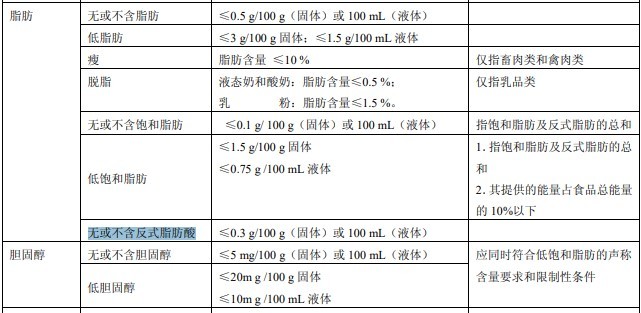
Core Insights - The media reported that five tea brands, including Heytea and Naixue, contain trans fatty acids in their products, with Heytea's product showing a trans fat content of 0.113g/100g, which is below the national safety standard of 0.3g/100g [1] - Heytea and Bawang Chaji stated that their products meet the national food safety standards regarding trans fatty acids, while Naixue and Grandpa's Tea have not yet responded [1] Group 1: Trans Fatty Acids in Tea Products - The presence of trans fatty acids in tea products is attributed to the use of real milk, which naturally contains some trans fats [1] - According to food industry analysts, many foods inherently contain trans fatty acids, and the focus should be on the source and content relative to national standards [1] - The use of real milk or light cream may lead to detectable levels of trans fatty acids, while products using plant-based substitutes are less likely to show such results [1] Group 2: Regulatory Standards and Recommendations - The national food safety standard (GB28050-2011) defines the criteria for labeling products as "trans fat-free," which is set at ≤0.3g/100g for solid foods and 100mL for liquids [1] - The average trans fatty acid content in dairy products is reported to be 0.83g/100g, with higher levels found in less commonly consumed products like butter [2] - The World Health Organization recommends that adults limit trans fat intake to less than 1% of total energy intake, equating to no more than 2.2g per day in a 2000-calorie diet [3]
竞争残酷,价格战惨烈,咋办?让任正非告诉你:如何驾驭价格竞争
Sou Hu Cai Jing· 2025-08-24 02:15
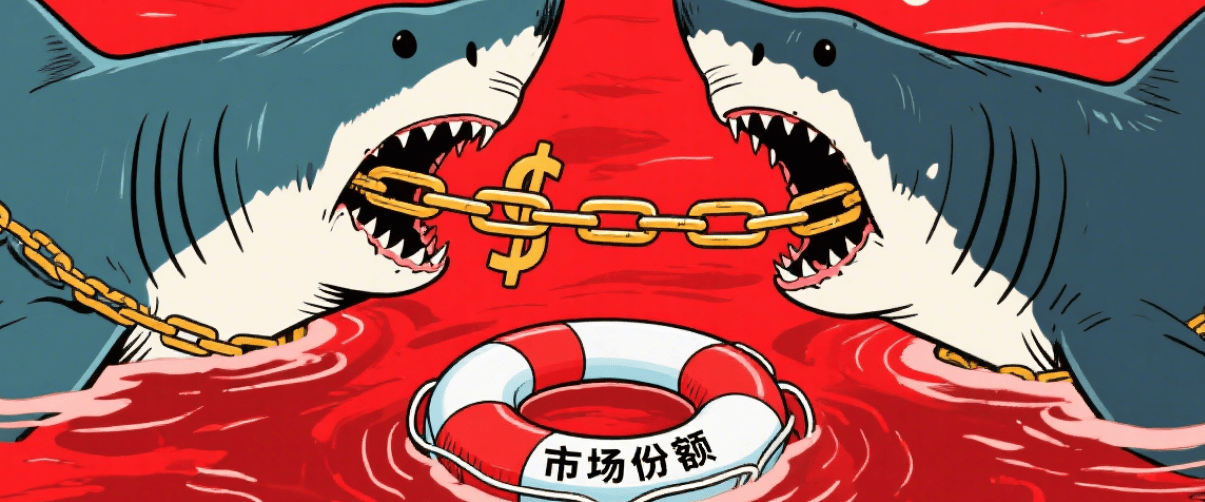
Core Viewpoint - The current market is experiencing intense price wars across various industries, leading to unsustainable pricing that raises concerns about quality and profitability [1] Group 1: Price Wars and Industry Impact - Many industries, including food delivery and electric vehicles, are engaged in fierce price competition, resulting in prices that are often unreasonably low [1] - The example of a dish priced at 50-60 yuan, when it should reasonably be 100-200 yuan, illustrates the irrationality of current pricing strategies [1] - In the electric vehicle sector, some brands are reportedly selling cars at a loss, with costs exceeding 200,000 yuan but prices dropping to around 100,000 yuan [1] Group 2: Strategies for Coping with Price Competition - Companies must adopt effective business models and strategies to navigate the competitive landscape, as highlighted by Huawei's approach [4] - Huawei emphasizes the importance of product, technology, and performance leadership, alongside robust marketing and optimization of mature products to maintain market dominance [4] - The focus should be on building competitive advantages in technology, quality, cost, and service to foster a positive cycle of growth [4] Group 3: The Dangers of Zero-Sum Thinking - Viewing competitors as enemies leads to a zero-sum mentality, which is detrimental to long-term success and industry health [9] - The belief that one company's gain is another's loss can trap businesses in a narrow mindset, hindering overall industry growth [9][10] - A collaborative approach, where companies recognize mutual benefits, is essential for sustainable industry development [10] Group 4: The Importance of Cooperation - Cooperation and win-win strategies are vital for maintaining industry health and avoiding destructive price wars [12] - Companies should focus on enhancing quality, reducing costs, and improving services rather than engaging in price-cutting tactics that harm the entire industry [12][13] - Maintaining reasonable profit margins and avoiding market disruption is crucial for long-term survival and success [12]
除了卖演唱会门票,时代少年团还从这些上市公司赚了大钱
第一财经· 2025-08-20 12:42
Core Viewpoint - The article highlights the rising commercial value and popularity of the youth idol group, Times Youth League, as they prepare for their concert series in Shanghai, showcasing their influence in the market through various brand endorsements [6][7]. Group 1: Concert and Popularity - Times Youth League will hold four concerts titled "Crowning Ceremony" in Shanghai from August 20 to 24, attracting significant interest with over 1.85 million people wanting to attend the August 21 show, surpassing 99% of similar events [6]. - The group's popularity has been consistently increasing since their formation in 2019, indicating a strong fanbase and market presence [6]. Group 2: Brand Endorsements - Times Youth League has secured multiple brand endorsements, including partnerships with several A-share listed companies such as Laiyifen (603777.SH), Xiangpiaopiao (603711.SH), and Luluguyuan, as well as Hong Kong-listed Li Ning (02331.HK) and dual-listed Miniso (NYSE:MNSO, 09896.HK) [6][7]. - In April 2023, they became the brand ambassadors for Luluguyuan, followed by becoming the spokesperson for Meco fruit tea in May, and previously for Laiyifen [6][7]. Group 3: Market Movements - Luluguyuan is currently preparing for a listing in Hong Kong, having submitted its application in April 2023, after a previous attempt to list on the A-share market in 2019 [7]. - Li Ning, which has been a market player since its Hong Kong listing in 2004, continues to leverage the group's popularity by appointing them as global ambassadors for its youth sports products [7].



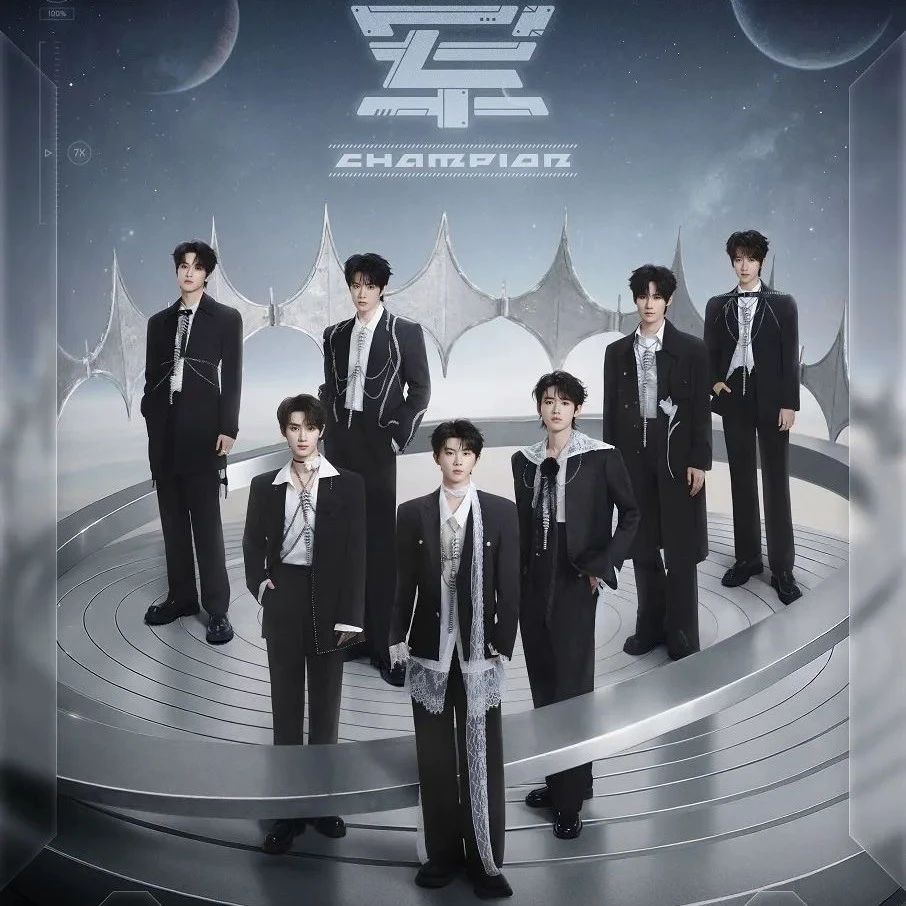
除了卖演唱会门票,时代少年团还从这些上市公司赚了大钱
Di Yi Cai Jing· 2025-08-20 12:21
Group 1 - The Times Youth Team, a popular idol group, is set to hold four concerts in Shanghai from August 20 to 24, attracting significant attention with over 1.85 million people interested in attending the concert on August 21, surpassing 99% of similar events [1] - The commercial value of the Times Youth Team has been increasing since its formation in 2019, with several brand endorsements in various sectors, including multiple A-share listed companies such as Laiyifen (603777.SH), Xiangpiaopiao (603711.SH), and Liuliumy Garden, as well as Hong Kong-listed companies like Li Ning (02331.HK) and dual-listed Miniso (NYSE:MNSO, 09896.HK) [1][2] - The Times Youth Team has recently become the brand ambassador for Li Ning's youth sports products and has also been announced as the global brand ambassador for Miniso, with a promotional theme that has gained significant traction on social media [2] Group 2 - Xiangpiaopiao became the first listed company in China's milk tea industry in November 2017, while Laiyifen was recognized as the "first stock of snacks on the main board" after its listing in October 2016 [2] - Liuliumy Garden is currently in the process of going public in Hong Kong, having submitted its listing application in April this year, after a previous attempt to list on the A-share market in June 2019 ended in withdrawal [2] - Miniso was first listed on NASDAQ in October 2020 and achieved a secondary listing in Hong Kong in July 2022, establishing a dual primary listing [2]