美妆

Search documents
中国年轻人转向平替消费,奢侈品巨头在华押注失策
Xin Lang Cai Jing· 2026-02-16 08:57
Core Insights - European luxury goods groups and American beauty giants have seen their market value evaporate by hundreds of billions due to a significant shift in consumer behavior in China, particularly among Gen Z consumers who prioritize smart purchasing over brand prestige [3][11] - The Chinese luxury goods market, which previously accounted for about one-third of global sales, is projected to shrink by 18% to 20% in 2024, leading to severe financial impacts on companies heavily invested in this market [3][11] Group 1: Market Trends - The search volume for "alternative products" on social media has doubled from 2022 to 2025, indicating a cultural shift among Chinese consumers who now celebrate finding high-quality substitutes for Western luxury brands [3][11] - LVMH's stock has dropped approximately 30% from its 2023 peak, while Kering has seen a 60% decline since 2021, and Estée Lauder's stock has plummeted 70% due to the luxury market's downturn [4][12] Group 2: Consumer Behavior - Chinese Gen Z consumers are becoming more discerning, researching supply chains and opting for products made in the same factories as luxury brands but at a fraction of the price [4][12] - The concept of "alternative products" is not merely a response to economic downturn but reflects a deeper cultural shift towards value and performance over brand prestige [6][14] Group 3: Local Brand Success - Local brands are capitalizing on this trend by adopting a "technology democratization" strategy, offering high-performance products at lower prices, which has led to significant revenue growth for companies like Laifen and Lao Pu Gold [6][15] - Lao Pu Gold reported a 251% revenue increase in the first half of 2025, reaching $1.72 billion, while beauty brand Huaxizi became the first Chinese cosmetics company to surpass $1 billion in revenue [7][15] Group 4: Future Outlook - Analysts believe the trend towards alternative products will persist beyond economic recovery, as consumers have learned that lower prices do not necessarily equate to lower quality, potentially reshaping consumption patterns for decades [8][16] - Western brands that based their strategies on the assumption of continuous luxury market expansion in China are facing a reckoning, as consumers have evolved to prioritize value and authenticity over brand names [8][16]

2026春节营销趋势洞察报告-慧科讯业Wisers
Sou Hu Cai Jing· 2026-02-15 16:51
Group 1: Core Insights - The report emphasizes that the 2026 Spring Festival marketing will revolve around "emotional value," with successful marketing needing to resonate emotionally with consumers [1][3] - Young consumers are identified as the core group driving Spring Festival consumption and the construction of "new year flavor," with "surprise" becoming a central emotion during the festival [1][11] - The integration of technology, termed "cyber new year," is emerging as a new custom, with AI greetings and virtual celebrations gaining popularity among younger audiences [1][13] Group 2: Consumption Trends - The first trend highlights that young people are shifting traditional new year experiences towards emotional value, with "surprise" being a key element that brands should focus on [1][11] - The second trend indicates that technology-enhanced "cyber new year" practices, such as AI greetings and virtual events, are becoming mainstream, with significant engagement on social media platforms [1][13] - The third trend showcases the combination of intangible cultural heritage and local customs, with traditional cultural elements becoming a vital tool for brands to attract young consumers [1][16] Group 3: Marketing Case Studies - The report reviews classic marketing cases across nine industries, showcasing how brands leverage trends to create diverse marketing strategies [2] - For instance, Mixue Ice City collaborated with a cultural heritage inheritor to bring traditional craftsmanship closer to the public, while PepsiCo's partnership with an animated IP resonated emotionally with consumers [2][20][24] - Other brands, such as Tencent and Baidu, engaged in a "red envelope war," integrating AI technology with traditional customs to meet the demand for "cyber new year" experiences [2][20] Group 4: Conclusion - The core of 2026 Spring Festival marketing lies in creating a sense of "human touch," aligning with the trends led by young consumers and utilizing cultural heritage, emotional IP connections, and technological empowerment [3][1]

2025年韩自华直购激增
Shang Wu Bu Wang Zhan· 2026-02-15 15:45
Core Insights - In 2025, South Korea's overseas online direct purchase amount is expected to exceed 85 trillion KRW for the first time, marking a historical high [1] - While direct purchases from the US are slowing down, those from China are rapidly expanding, reaching 55.7 trillion KRW and accounting for 65.5% of the total, an increase of 5.5 percentage points from 2024 [1] E-commerce Trends - The total online shopping transaction amount in South Korea for 2025 is projected to be 272.04 trillion KRW, reflecting a year-on-year growth of 4.9% [1] - Mobile transactions are expected to reach 211.14 trillion KRW, with a growth rate of 6.5%, surpassing the overall growth rate [1] Category Performance - Significant growth is observed in the food service (12.2%) and food and beverage (9.5%) categories [1] - Conversely, categories such as electronic vouchers (-27.5%), bags (-11.1%), and footwear (-4.5%) are experiencing notable declines due to decreased consumer confidence and previous e-commerce platform settlement issues [1] Overseas Direct Sales - South Korea's overseas direct sales are projected to reach 30.2 trillion KRW in 2025, marking a year-on-year increase of 16.4% [1] - Growth is seen across major markets including the US, EU, Japan, and China, with cosmetics, food and beverages, and audiovisual products performing particularly well [1] - However, sales in categories such as communication devices, agricultural products, and clothing remain relatively sluggish [1]
欧莱雅、雅诗兰黛中国销量复苏,高端消费者又回来了?
2 1 Shi Ji Jing Ji Bao Dao· 2026-02-15 10:56
Core Insights - L'Oréal reported a sales revenue of €44.05 billion (approximately ¥360 billion) for 2025, marking a 4% year-on-year growth, with the North Asia region, including China, showing signs of recovery after two years of decline [1] - Estee Lauder also demonstrated strong performance, with a 6% increase in sales to $4.229 billion for the second fiscal quarter of 2026, and a significant turnaround in net profit from a loss of $590 million to a profit of $162 million [1][2] - The recovery in the beauty industry reflects not only a cyclical rebound but also the resilience and potential of the Chinese consumer market [1] Company Performance - L'Oréal's professional hair products segment led with a comparable growth of 7.5%, surpassing €5 billion, while the skincare segment grew by 5.5% to €7.2 billion [2] - Estee Lauder's net sales for the first half of the 2026 fiscal year reached $7.71 billion, a 5% increase, with a net profit turnaround from a loss of $746 million to a profit of $209 million [2] - Both companies attribute their recovery to improved consumer confidence and proactive adjustments in product structure and channel efficiency [1][2] Market Trends - The high-end beauty segment is showing signs of recovery, with L'Oréal's sales in China increasing from 1% growth in the first half to 5% in the second half of 2025 [3] - The overall Chinese cosmetics market reached a total transaction value of ¥1.104245 trillion in 2025, growing by 2.83%, solidifying its position as the largest cosmetics market globally [7] - Domestic brands have increased their market share to 57.37%, indicating a shift in consumer preferences towards local products [7] Strategic Adjustments - Estee Lauder has restructured its organization to treat the Chinese market as a strategic core, reporting a full-year sales figure of $2.741 billion (approximately ¥19.6 billion) for mainland China [6][7] - L'Oréal is focusing on enhancing its digital and direct-to-consumer (D2C) strategies, with e-commerce sales surpassing 30% of total revenue for the first time in 2025 [7] - The competitive landscape is shifting, with international brands needing to solidify their high-end offerings while adapting to local consumer demands [8]


欧莱雅、雅诗兰黛中国销量复苏,高端消费者又回来了?丨美妆变局
2 1 Shi Ji Jing Ji Bao Dao· 2026-02-15 10:38
Core Insights - The high-end beauty market is showing signs of recovery, with L'Oréal and Estée Lauder reporting positive sales growth and improved profitability in their recent financial results [1][2][4] Group 1: Financial Performance - L'Oréal achieved sales of €44.05 billion (approximately ¥360 billion) in 2025, marking a 4% year-on-year increase, with the North Asia region, including China, showing a 0.5% growth after two years of decline [1] - Estée Lauder reported a 6% increase in sales to $4.229 billion for the second fiscal quarter of 2026, significantly improving its net profit to $162 million from a loss of $590 million in the previous year [1][3] - L'Oréal's professional hair products segment led the growth with a 7.5% comparable increase, surpassing €5 billion, while the skincare segment grew by 5.5% to €7.2 billion [3] Group 2: Market Dynamics - The recovery in the beauty sector is attributed to restored consumer confidence and proactive adjustments in product structure and channel efficiency by major brands [2][4] - Both L'Oréal and Estée Lauder's recovery signals a cyclical turnaround in the beauty industry and reflect the resilience and potential of the Chinese consumer market [2][4] Group 3: Strategic Adjustments - Estée Lauder has restructured its organization to treat the Chinese market as a strategic core, reporting a full-year sales figure of $2.741 billion (approximately ¥19.6 billion) for the mainland China market, which accounts for nearly 20% of the company's overall sales [6][7] - L'Oréal emphasized its leading position in the Chinese market, with e-commerce sales surpassing 30% of total sales for the first time in 2025, highlighting the importance of digital channels [7] Group 4: Consumer Trends - The demand for high-end and ultra-high-end skincare products is stabilizing, driven by higher frequency of use and emotional value associated with these products [4][6] - The overall cosmetics market in China reached a transaction value of ¥1.104245 trillion in 2025, with a year-on-year growth of 2.83%, solidifying its position as the largest cosmetics market globally [7]
马年赛马,美妆CNY迎来“史上最强之年”
FBeauty未来迹· 2026-02-15 09:14
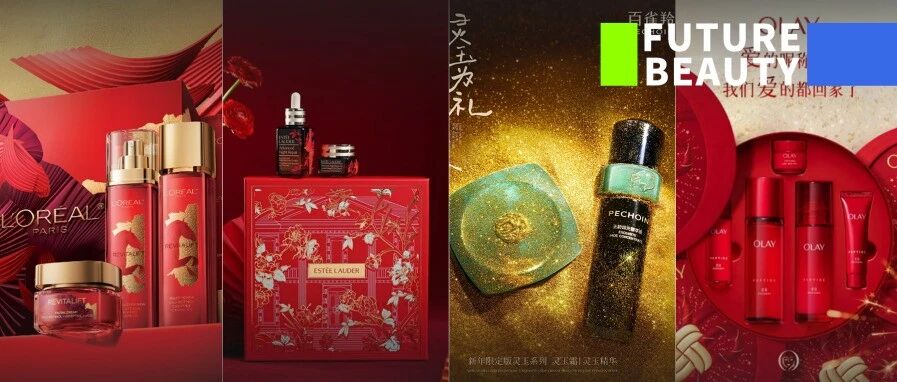
Core Viewpoint - The article discusses the evolving landscape of beauty brand marketing during the Chinese New Year (CNY), particularly focusing on the significance of the Year of the Horse and how brands are creatively engaging with cultural symbols to resonate with consumers [4][49][62]. Group 1: Cultural Significance of the Horse - The horse symbolizes a rich cultural narrative in Chinese history, representing success, progress, and vitality, deeply embedded in the collective consciousness [5][8][51]. - The horse's imagery is not only a cultural symbol but also a medium for brands to connect emotionally with consumers, reflecting a shift from mere symbolic representation to deeper narrative engagement [4][16][48]. Group 2: Marketing Strategies and Trends - Over 30 beauty brands have launched CNY limited editions, emphasizing creativity and narrative depth rather than just symbolic representation [16][49]. - The marketing strategies can be categorized into four main paths: direct imagery, integration of traditional crafts, emotional storytelling, and innovative forms [16][48]. Group 3: Direct Imagery - Brands like Hermès and HOURGLASS have incorporated horse imagery directly into product designs, creating strong visual associations with the Year of the Horse [18][21][22]. Group 4: Integration of Traditional Crafts - Brands such as 韩束 and 百雀羚 are merging horse imagery with intangible cultural heritage, enhancing the aesthetic and cultural value of their products [24][26][28]. Group 5: Emotional Storytelling - Brands like L'Oréal and OLAY focus on emotional resonance and collective memory, using themes of family and nostalgia to connect with consumers [30][31][34]. Group 6: Innovative Forms - Some brands are exploring new forms and functionalities, such as Valentino's use of color and Kiehl's incorporation of artistic elements, to provide fresh experiences [42][44][46]. Group 7: Consumer Engagement and Expectations - There is a growing consumer demand for personalized and meaningful interactions with brands, with younger generations seeking unique expressions of identity and cultural relevance [60][61]. - Brands are increasingly focusing on creating products that serve as cultural companions rather than mere consumables, aiming to establish lasting emotional connections with consumers [52][62].
高端美妆又行了,上海柜姐:每天“一车车”发货|新春走基层
Xin Lang Cai Jing· 2026-02-15 02:08
Core Viewpoint - The financial reports from major beauty groups indicate a recovery trend in China's high-end beauty market in the second half of 2025 [1] Group 1: Financial Performance and Market Trends - L'Oréal's sales growth in mainland China is projected to be 1% in the first half and 5% in the second half of 2025, contributing to growth in the North Asia region [2] - Estée Lauder and Shiseido have adjusted their financial reporting, with Estée Lauder separating mainland China from the Asia-Pacific market starting in Q2 2025, and Shiseido merging its China and travel retail businesses [2] - Estée Lauder's revenue growth in mainland China for Q2 to Q4 of 2025 is expected to be -2%, 9%, and 13% respectively, while Shiseido's comparable sales growth is projected at -14%, -7%, 8%, and 2% for the same quarters [2] - Bain & Company's report indicates that the beauty and personal care category will be the first to recover positive growth in 2025, while other luxury categories are still in a phase of decline [2] Group 2: Consumer Behavior and Market Dynamics - Increased consumer traffic in beauty sections of malls, particularly during the pre-Spring Festival period, indicates a rise in purchasing activity [3][4] - The beauty market is expected to rebound in 2025 after a slight decline in 2024, with a projected growth rate of 5.1% [7] - High-end brands are adjusting prices and inventory to facilitate recovery, with a notable shift of consumers from high-end to mass brands due to improved offerings and competitive pricing [11][17] Group 3: Product Innovation and Market Strategy - Major beauty brands are focusing on localized research and innovation in China, with L'Oréal, Estée Lauder, and Shiseido establishing R&D centers in Shanghai [19] - New product launches and collaborations, such as L'Oréal's partnership with Huashan Hospital and Shiseido's introduction of a new medical beauty brand, reflect a trend towards localized product development [20] - The market is shifting towards more specialized segments, such as scalp care and lip care, indicating a move from basic skincare to more refined personal care [12][13] Group 4: Long-term Market Outlook - The sustainability of current growth drivers, such as price reductions and niche market expansions, remains uncertain [14] - The beauty market is entering a phase of stock competition, with brands needing to enhance core competitiveness and adapt to changing consumer preferences [18] - The demand for high-end beauty products persists, but consumers are increasingly discerning, leading to a need for brands to align pricing with product value [17]
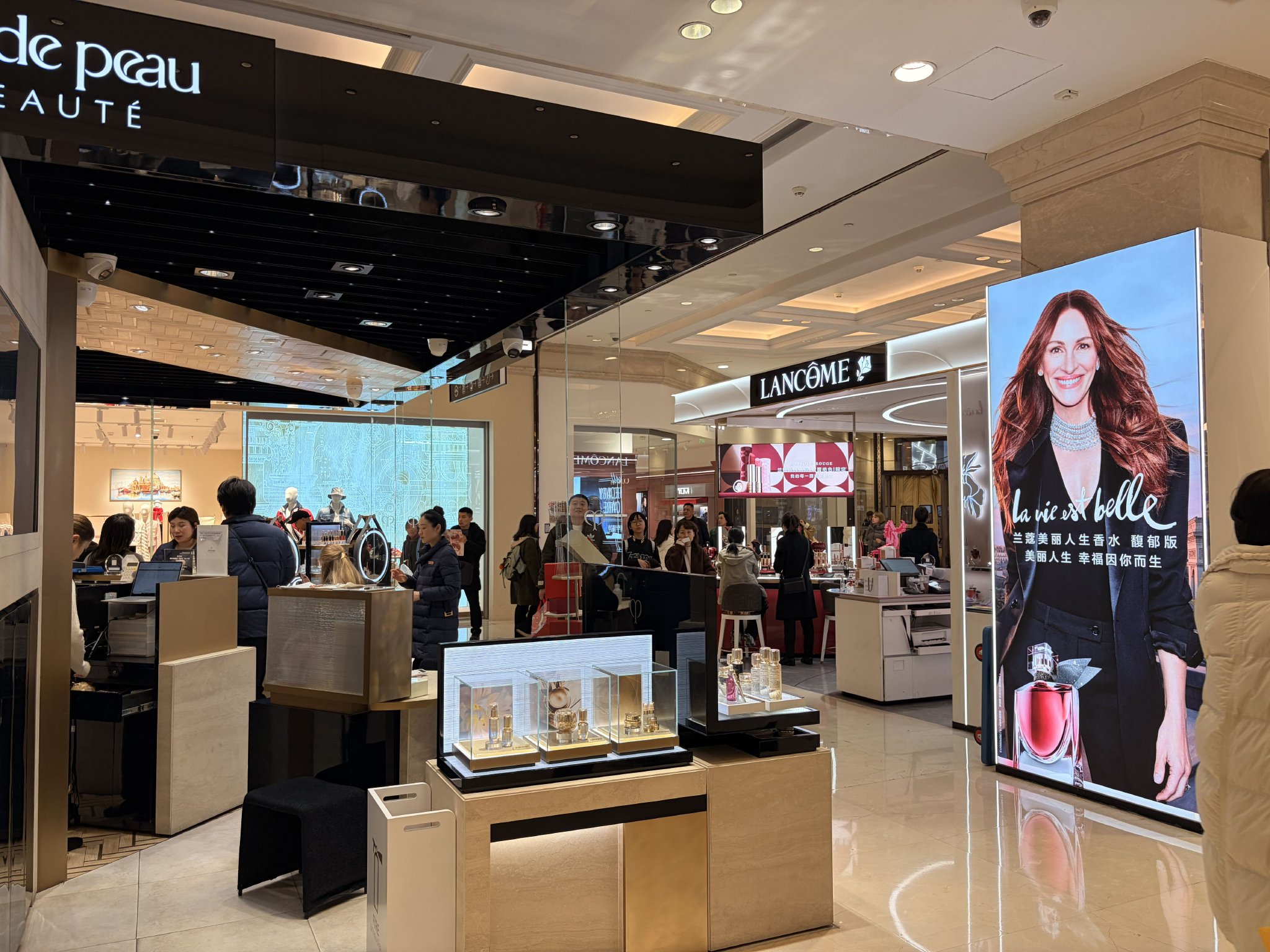
多家国际知名企业宣布参加第六届消博会
Xin Lang Cai Jing· 2026-02-14 10:21
Group 1 - The sixth China International Consumer Products Expo (CICPE) will be held from April 13 to 18, 2024, at the Hainan International Convention and Exhibition Center, with several international companies confirming their participation [1] - Volkswagen Group will showcase multiple brands including Volkswagen, Bentley, Lamborghini, and Audi, aiming to deepen connections with Chinese consumers and expand its market presence [1] - L'Oréal Group, a leading global beauty company, has confirmed its participation, focusing on enhancing interactions with the Chinese market and exploring innovative retail models [3] Group 2 - OSIM, a high-end health lifestyle brand from Singapore, will participate for the sixth consecutive year, highlighting its deep connection with Chinese consumers and the importance of the Chinese market for its global development [3] - SK-II, a premium skincare brand under Procter & Gamble, will debut as an independent exhibitor at the expo, emphasizing its commitment to the Chinese market and the demand for high-end skincare solutions [4] - The CICPE is recognized as the largest consumer goods exhibition in the Asia-Pacific region, providing a significant platform for brands to showcase their strengths and enhance market communication [4]


2026年货节:从情绪到生意,谁在重新定义“新年味”?
Sou Hu Wang· 2026-02-14 09:18
Core Insights - The article highlights a shift in consumer behavior during the Chinese New Year, emphasizing a cautious yet evolving consumption pattern that integrates social sharing and personal expression into traditional practices [1][2][36] - Douyin (TikTok) has become a significant platform for driving consumer trends and sales during the New Year, with substantial increases in sales across various categories [2][36] Group 1: Consumer Trends - Food and essential goods saw a year-on-year consumption increase of 11.5% during the Spring Festival, with cosmetics and jewelry categories showing notable recovery [1] - Douyin's 过年 (New Year) topic reached 192.08 billion views, indicating a strong engagement with New Year-related content [1] - Sales of New Year-related products surged, with year-on-year growth of 92% for New Year’s Eve dinner products and 66% for new Chinese-style clothing [2] Group 2: Marketing Strategies - Businesses are leveraging specific life scenarios such as family gatherings and personal rewards to enhance their marketing strategies, moving away from traditional shelf logic [5][8] - The use of diverse content formats, including celebrity endorsements and short dramas, has been effective in transforming New Year products into social topics [6][8] - Companies are focusing on creating emotional connections with consumers, using themes of self-renewal and cultural resonance to drive sales [9][12] Group 3: Industry-Specific Insights - In the beauty sector, brands are capitalizing on the emotional significance of the New Year, with strategies that emphasize personal renewal and self-expression [9][10] - The household cleaning industry is redefining its role by promoting products as essential for creating a festive and clean home environment, thus enhancing the consumer experience [17][18] - The digital and tech sectors are integrating their products into social gifting and aesthetic experiences, appealing to high-value consumer segments [25][26] Group 4: Performance Metrics - Brands like "花间颂" achieved over 1200% GMV growth on promotional days by effectively engaging with their audience through targeted marketing [10] - "法国科兰黎" saw a 190% increase in GMV during the New Year period, doubling its consumer base from 30 million to 60 million [12] - "立白" reported a GMV of over 36 million, outperforming the overall growth rate of the household cleaning category [18] Group 5: Future Outlook - The article suggests that understanding and leveraging the emotional and cultural significance of the New Year will be crucial for businesses aiming for sustainable growth [36][37] - Douyin is positioned as a key marketing platform for brands to explore long-term operational strategies and enhance their market presence [36][37]
Seedance刷屏背后,商业还有那个“不变”的基石吗?
混沌学园· 2026-02-14 06:26
Core Insights - The article emphasizes the importance of understanding what will remain unchanged in the next decade, alongside the rapid evolution of AI technologies [1][2]. Group 1: AI Evolution and Business Impact - The pace of AI development is described as surpassing human cognitive limits, with significant advancements observed throughout the year, including DeepSeek and OpenClaw [1]. - Entrepreneurs are advised to focus on securing their lower limits while betting on higher potential outcomes in the AI era [24]. Group 2: Key Discussions from the Podcast - The podcast "善友探索流" features deep conversations with various explorers, aiming to identify the unchanging foundations of business amidst rapid changes [3]. - A notable discussion highlights the distinction between being a "tool" versus delivering "results" in AI applications, stressing that clients prioritize outcomes over the technology used [11][24]. - The concept of products having "life" in the AI era is introduced, suggesting a shift from mechanical approaches to a more holistic view of creation [11][25]. Group 3: Future Business Perspectives - The article encourages a higher-level perspective on business, suggesting that true breakthroughs often come from elevating one's vision and finding a lifelong purpose [12]. - The notion of extreme idealism as a significant business barrier is presented, indicating that a strong vision can provide a competitive edge [15][25].