
运动服饰

Search documents
可选消费W24周度趋势解析:宠物和黄金珠宝板块表现最优,各板块表现分化加剧-20250615
Haitong Securities International· 2025-06-15 14:56
Investment Rating - The report assigns an "Outperform" rating to multiple companies including Nike, Midea Group, JD Group, Gree Electric, Anta Sports, and Haier Smart Home among others [1]. Core Insights - The pet and gold jewelry sectors have shown the best performance, with significant growth driven by online sales and geopolitical factors affecting gold prices [4][5]. - The report highlights a divergence in sector performance, with luxury goods and pet sectors outperforming MSCI China, while other sectors like cosmetics and sportswear are experiencing negative growth [4][10]. Sector Performance Summary - **Pet Sector**: Increased by 4.2% this week, benefiting from high online sales growth, with brands like MaiFuDi and FrieGat showing year-on-year growth of 26% and 147% respectively [5][14]. - **Luxury Goods**: Continued strong performance in gold jewelry due to rising gold prices influenced by geopolitical risks and expectations of interest rate cuts in the US [5][14]. - **Snacks**: Experienced a slight pullback after previous gains, but companies show resilience with increasing production capacity and new product placements [5][14]. - **Sportswear**: Mixed performance with local brands experiencing a downturn, while international brands like Lululemon face challenges after lowering earnings guidance [5][14]. - **Cosmetics**: Continued decline over four weeks, impacted by discussions around collagen restructuring and pressure on domestic brands [5][14]. - **US Hotels and Credit Cards**: Both sectors declined due to risk-averse market sentiment [5][14]. Valuation Analysis - Most sectors are valued below their historical averages, with expected PE ratios for 2025 indicating potential undervaluation: - Sportswear: 14.5x (72% of 5-year average) - Luxury Goods: 23.1x (65% of 5-year average) - Gambling: 14.6x (24% of 5-year average) - Cosmetics: 33.9x (84% of 5-year average) - Pet Sector: 52.6x (54% of 5-year average) - Snacks: 25.3x (39% of 5-year average) - US Hotels: 28.0x (17% of 5-year average) - Credit Cards: 31.2x (60% of 5-year average) [6][15].
泡泡玛特珠宝店首店开张;永辉“胖东来模式”调改完成100店;星巴克中国降价 | 品牌周报
3 6 Ke· 2025-06-15 09:14
Group 1: Pop Mart's Expansion - Pop Mart's independent jewelry brand popop opened its first global store in Shanghai, featuring popular IP jewelry priced between 319-2699 yuan [1] - The brand aims to capture a share of the global $50 billion fashion jewelry market, leveraging its existing 70-75% female user base and IP brand strength [1] - Pop Mart's market capitalization reached over 360 billion HKD as of June 13, with a target of achieving 20 billion yuan in total revenue by 2025, including 10 billion yuan from overseas markets [1] Group 2: Inditex's Underperformance - Inditex reported Q1 2025 revenue of 8.27 billion euros, below analyst expectations of 8.36 billion euros, with a net income increase of only 0.8% to 1.3 billion euros [2] - Summer sales growth has slowed, with a 6% increase from May 1 to June 9, compared to a 12% increase in the same period last year [2] - Inditex operates 5,562 stores globally and focuses on unique fashion propositions, customer experience, sustainability, and talent development [2] Group 3: H&M's Sales Decline - H&M experienced a sales increase of only 1% in March, down from 4% in the same month last year, with a 2% revenue growth from December 2024 to February 2025, below analyst expectations [3] Group 4: Yonghui Supermarket's Model Adjustment - Yonghui Supermarket completed the adjustment of the "Fat Donglai" model in 100 stores, focusing on upgrading "people, goods, and space" [4] - The company aims to enhance employee skills, transition from "cost performance" to "quality-price ratio," and upgrade retail spaces to quality life centers [4] Group 5: L'Oréal's Acquisition of Medik8 - L'Oréal announced the acquisition of a majority stake in UK skincare brand Medik8, pending regulatory approval, to strengthen its luxury product portfolio [5][6] - Medik8 is known for its effective skincare products and has established a strong brand image in clinical and scientific skincare [6] Group 6: Starbucks' Stake Sale Consideration - Starbucks is considering selling a portion of its Chinese business to attract external investors and restore growth in the region [7] - The CEO noted significant interest from potential investors, with plans to increase store numbers from 8,000 to 20,000 [7] Group 7: New Product Launches - "Let Tea" and JD.com launched a new product, "Orange C Oolong Tea," featuring a no-sugar formula with added vitamin C [8] - Lululemon introduced the second season of its SLNSH designer collaboration series, focusing on breathable and functional materials for summer [9] - Nongfu Spring launched a carbonated tea drink called "Ice Tea," emphasizing natural ingredients and health trends [10] Group 8: Dr. Martens' Revenue Decline - Dr. Martens reported a 10% decline in net revenue to 790 million pounds for FY2025, with net profit dropping significantly to 4.5 million pounds [14] - Direct sales revenue fell by 4.2%, while wholesale revenue decreased by 19.5%, with EMEA and Americas regions seeing declines of 11% and 11.4%, respectively [14] Group 9: Other Company Developments - Salia plans to establish its China headquarters in Guangdong to accelerate its business expansion [15] - Baifei Dairy's IPO application has been accepted, marking the first food consumption project in the Shanghai Stock Exchange for 2024 [16] - Fat Donglai estimates a net profit of 1.5 billion yuan for 2025, with an average monthly income of 9,000 yuan for employees [17] - Haidilao has introduced a self-service lunch priced at 22 yuan in some locations, reflecting a strategy to find new growth points [18] - Nissin Foods is shifting sales focus to inland markets in China, particularly in industrial towns [19] - General Mills is reportedly considering selling its Haagen-Dazs stores in China for several hundred million dollars [20] - Starbucks China announced a price reduction of 5 yuan on various iced and tea drinks to compete in the growing non-coffee market [21]






2300多亿没了,“瑜伽裤中的爱马仕”怎么了?
Hu Xiu· 2025-06-15 05:25
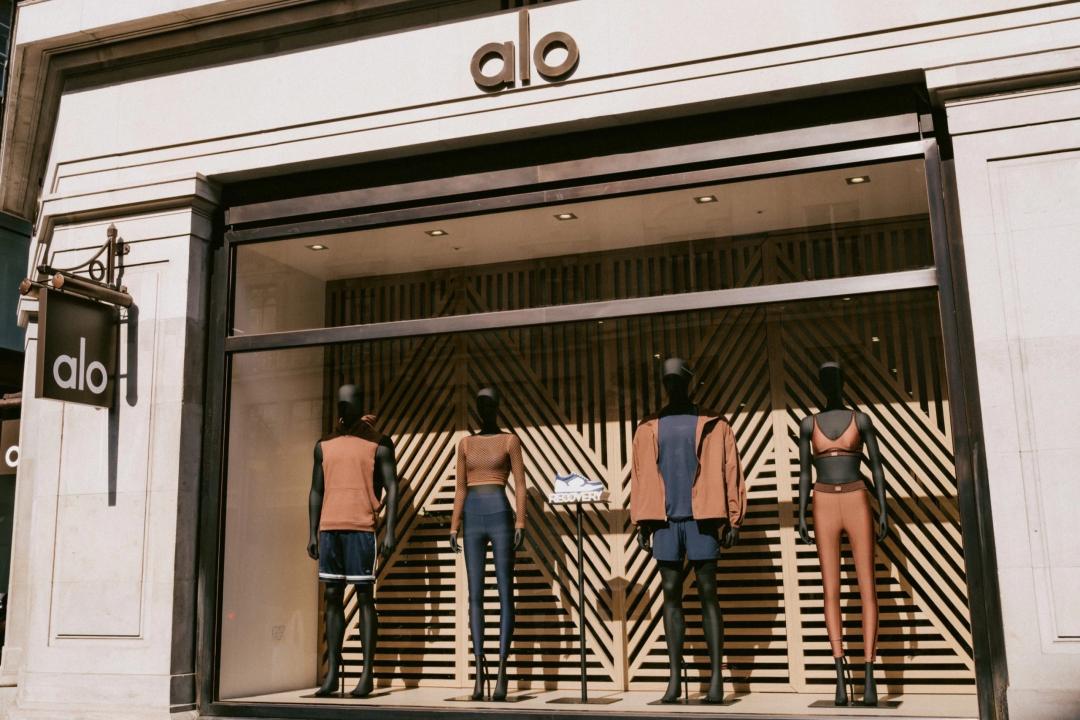
Core Viewpoint - Lululemon has achieved a significant milestone by reaching a global net revenue of $10.6 billion in FY2024, becoming the third sports brand to join the "billion-dollar club" after Nike and Adidas [1]. However, the company faces challenges with declining revenue growth rates and a significant drop in stock price [2][3]. Financial Performance - In Q1 FY2025, Lululemon reported a net revenue of $2.4 billion, a year-on-year increase of 7%, with a gross profit margin of 58.3% [5]. The company has lowered its revenue growth forecast for FY2025 to 5%-7% [5][6]. - The stock price plummeted by 20% following the release of disappointing earnings guidance, highlighting the disparity between Lululemon's revenue and that of competitors like Nike and Adidas [6][8]. Market Position and Strategy - Lululemon's brand strategy appears to be in conflict as it expands from a niche market of high-end yoga pants to a broader range of athletic apparel, which has diluted its premium image [3][4]. The company is now competing directly with established brands like Nike and Adidas [4]. - The company has faced challenges in appealing to male consumers, as its brand identity is deeply rooted in female-oriented products [4][24]. Regional Performance - China has emerged as a crucial market for Lululemon, with revenue reaching $1.361 billion in the previous year, a 41% increase, significantly outpacing growth in North America [9][11]. The company plans to continue expanding its presence in China, with expectations of 25%-30% revenue growth in the region [12][13]. Competitive Landscape - Alo Yoga, a competitor that focuses on high-end yoga apparel, has capitalized on Lululemon's shift away from its core market, experiencing rapid growth and planning to enter the Chinese market [16][18][19]. This competition poses a risk to Lululemon's market share among its original customer base [20]. Brand Identity and Consumer Perception - Lululemon's transition from a niche brand to a more mainstream one has led to concerns about brand dilution, particularly in China, where the company has faced backlash over its choice of brand ambassadors [14][25]. The brand's identity as a "small, fashionable, and sexy" athletic brand is at risk as it attempts to appeal to a broader audience [25].
运动内衣能成为lululemon的新“瑜伽裤”吗?| New Look专访
36氪未来消费· 2025-06-14 12:28
Core Viewpoint - Lululemon is seeking to innovate its product offerings, particularly in the sports bra segment, by focusing on comfort and performance through advanced biomechanics research and athlete collaboration [4][6][22]. Group 1: Product Innovation - Lululemon has invested over 20 years in the sports bra market, with a significant focus on breast biomechanics research in the last decade [4][22]. - The company launched the Go Further Bra, designed for high-intensity support while maintaining comfort, utilizing innovative materials like Ultralu and Nulux™ [5][11][12]. - The Go Further series was developed through collaboration with athletes, including a rigorous testing phase during the "FURTHER" ultra-marathon event [5][18][27]. Group 2: Market Position and Competition - Lululemon faces increasing competition in the activewear market and must continuously create new hit products to drive growth, especially as the penetration rate of yoga pants stabilizes [7][30]. - The company has introduced over 10 types of women's sports bras, including the Asia Fit line tailored for local market preferences [7][30]. Group 3: Consumer Insights and Feedback - The company emphasizes the importance of listening to athletes' feedback to identify unmet needs, which drives product innovation [13][14]. - Lululemon's approach includes a deep connection with elite athlete ambassadors, ensuring that their voices are integral to the product development process [14][31]. Group 4: Financial Performance - In Q1 2025, Lululemon reported revenue of $2.37 billion, a 7.3% year-over-year increase, with women's apparel contributing significantly to this growth [6].


Breaking4“破四计划”:菲斯·基普耶贡竞速装备设计揭秘
Xin Lang Zheng Quan· 2025-06-13 09:52
Core Viewpoint - Nike is customizing racing gear for athlete Faith Kipyegon to assist her in breaking the 4-minute mile barrier, a feat considered nearly impossible in women's middle-distance running [3][5]. Group 1: Customized Racing Gear - Nike has developed an integrated racing outfit specifically for Kipyegon, including a racing suit, revolutionary 3D-printed high-performance innerwear, and ultra-light racing spikes [5]. - The Nike Fly Suit is designed with aerodynamics in mind, utilizing computer simulations and wind tunnel tests to minimize air resistance and enhance speed [7]. - The Fly Suit features Aeronodes technology, which strategically creates turbulence zones around the athlete's body to optimize airflow [7]. Group 2: Racing Shoes - Nike has redesigned a racing shoe specifically for Kipyegon, moving away from her usual Victory 2 spikes based on her feedback [9]. - The new racing shoe includes a higher, tuned Air Zoom cushioning unit, a lighter carbon fiber outsole, and is equipped with six spikes [9]. - Each detail of the shoe reflects Kipyegon's story, with personalized engravings and designs symbolizing her achievements [9]. Group 3: Innovative Innerwear - The Nike FlyWeb innerwear utilizes revolutionary 3D-printed TPU material, redefining high-performance apparel with its lightweight, breathable, and moisture-managing properties [12]. - This innerwear integrates seamlessly with Kipyegon's racing gear, ensuring unrestricted movement and comfort during competition [12]. - The development of FlyWeb innerwear represents a significant innovation in sports technology, combining Nike's design capabilities with advanced 3D printing techniques [12].


不只有lululemon,要向中国运动市场求增长
3 6 Ke· 2025-06-12 00:31
Core Insights - The international sports brand "Lululemon" is facing challenges in global growth, particularly in the U.S. market, where it experienced a 2% decline despite a 7% increase in global net revenue for the first quarter [1] - In contrast, the Chinese market shows robust growth, with Lululemon reporting a 20% net revenue increase in mainland China, indicating that international sports brands continue to thrive in this region [2][3] Group 1: Brand Performance - Lululemon's growth in China is notable, with over 150 stores and annual revenue exceeding $10 billion, showcasing its strong market presence [3] - Amer Sports, the parent company of brands like Arc'teryx and Salomon, reported a 43% year-on-year growth in the Greater China region, highlighting the significant performance of international sports brands in China [2][3] - HOKA's flagship store in Shanghai and its overall growth trajectory reflect the increasing investment and interest in the Chinese market from international brands [4][5] Group 2: Market Trends - The trend of international sports brands opening flagship stores in China is becoming commonplace, with various brands like Soar and Norrøna entering the market [4] - High-end sports brands are increasingly replacing luxury goods among the middle class in China, as evidenced by the popularity of brands like Lululemon and Arc'teryx [13][15] - The shift in consumer behavior towards high-end sports apparel is evident in major urban centers, where these brands are becoming more prevalent than traditional luxury items [15][17] Group 3: Competitive Landscape - Established brands like Nike and Adidas are revitalizing their strategies in China, with Nike's return to sports and Adidas's successful product launches contributing to their recovery [8][9] - Under Armour is also reforming its approach to regain growth, with the Chinese market being a critical area for proving its brand value [12] - The competitive landscape remains intense, with both new entrants and established brands vying for market share in the growing Chinese sports apparel sector [8][9][22]
lululemon涨价,是中国给的底气?
3 6 Ke· 2025-06-11 23:27
Core Viewpoint - Lululemon is facing significant challenges in maintaining growth, particularly in its core North American market, leading to a substantial drop in stock price after disappointing earnings and lowered guidance [3][4][5]. Group 1: Financial Performance - Lululemon's first-quarter revenue in North America grew by only 3% year-over-year, with comparable sales down by 2%, indicating a decline in customer retention [5][6]. - The company's net profit for the quarter decreased by 2.13% to $315 million, marking the first decline since the pandemic's impact in 2020 [6]. - Analysts have expressed skepticism about Lululemon's ability to recover in North America, with Morgan Stanley cutting its price target from $389 to $303 per share [7]. Group 2: Market Dynamics - The brand is losing its core customers, particularly as U.S. middle-class consumers reduce spending on high-end athletic apparel [6][11]. - In China, while revenue grew by 21%, comparable sales only increased by 7%, suggesting a slowdown in growth despite the market's overall performance [9][12]. - Lululemon's expansion plans have fallen short, with only three new stores opened in China this year, compared to an initial target of 40-50 [9]. Group 3: Competitive Landscape - Lululemon faces increasing competition from brands like Alo Yoga, Vuori, and Gymshark, as well as established players like Nike and Adidas, which are capturing market share among younger consumers [11][12]. - The brand's recent shift towards a more fashion-oriented image has diluted its core identity, leading to concerns about product differentiation and market positioning [18]. Group 4: Strategic Responses - To mitigate financial impacts, Lululemon is optimizing procurement and negotiating with suppliers to reduce costs, while also planning to raise prices on some products [12][13]. - The company is attempting to diversify its product offerings, including men's apparel and footwear, but has struggled to achieve significant growth in these categories [14][16].
四年来首次一季度净利下滑,Lululemon也要涨价了?
Nan Fang Du Shi Bao· 2025-06-10 10:42
Core Viewpoint - Lululemon reported a 7% year-over-year increase in global net revenue for Q1 FY2025, reaching $2.4 billion, but lowered its full-year guidance due to new U.S. tariff policies and declining sales in the Americas, resulting in a nearly 20% drop in after-hours stock price following the earnings release [1][6][8]. Revenue Growth and Market Performance - The international market, particularly mainland China, emerged as a key growth driver, with international business revenue increasing by 19% year-over-year, and mainland China revenue growing by 21%, or 22% in constant dollars [4][6]. - Lululemon opened 27 new self-operated stores in mainland China since Q1 FY2024, contributing to a net income increase of $38.3 million [4]. - As of the end of the quarter, Lululemon had 154 self-operated stores in mainland China, accounting for 20% of its global self-operated store count [4][5]. Challenges in the Americas - The Americas, which contribute approximately 70% of Lululemon's revenue, saw only a 3% year-over-year revenue increase in Q1 FY2025, with comparable sales declining by 2% [5][6]. - The company attributed the decline in store traffic in the U.S. to economic uncertainties, including high inflation and decreased consumer confidence [6][8]. Profitability and Cost Pressures - Despite revenue growth, Lululemon's net profit fell by 2.13% year-over-year to $315 million, marking the first decline in Q1 net profit since 2021 [6][8]. - The company faces ongoing macroeconomic challenges, including weak consumer demand, trade policy changes, inflationary pressures, and foreign exchange fluctuations, which are expected to persist throughout FY2025 [8][9]. Tariff Impact and Pricing Strategy - U.S. tariff policies have increased costs, with Lululemon's CFO indicating that the current performance expectations account for a 30% additional tariff on goods from China and a 10% tariff on imports from other countries [9]. - The company plans to implement a "strategic price increase by product line" to mitigate tariff cost pressures, while also optimizing procurement and negotiating with suppliers [9][10]. Competitive Landscape and Consumer Behavior - Lululemon faces intensified competition from domestic brands and a shift in consumer spending patterns, with a notable decline in discretionary spending on non-essential goods [12][18]. - The company is adjusting its strategy by accelerating innovation in men's apparel and expanding into lower-tier markets to alleviate inventory pressures [18]. Conclusion - Lululemon's recent performance highlights the challenges of maintaining growth amid rising costs and competitive pressures, raising questions about its ability to balance pricing strategies without damaging brand loyalty [11][18].

中金公司维持霸王茶姬跑赢行业评级,目标价41美元
Xin Lang Cai Jing· 2025-06-09 07:56
Group 1 - CrowdStrike Holdings Inc-A (CRWD.O) maintains a hold rating with a target price of $414, driven by improved operational efficiency and the importance of identity security in the AI era, despite slightly lower revenue expectations for Q1 FY26 [1] - Lululemon Athletica Inc (LULU.O) also holds a neutral rating with a target price of $280, as same-store sales in the Americas weaken and competition in China increases, leading to a valuation downgrade [1] - Nvidia (NVDA.O) is rated outperform, with Q1 FY26 revenue exceeding expectations by 69%, driven by data center growth, and projected revenue of $45 billion for Q2 FY26 [1] Group 2 - Suzano SA ADR (SUZ.N) maintains a hold rating, with expectations of cost reduction and stable profits from a joint venture with Kimberly Clark, despite regulatory risks [2] - Zscaler (ZS.O) is rated buy with a target price of $317, as significant revenue and order growth is noted, alongside a strong position in the SASE market [3] - Bilibili (BILI.O) is rated buy, with Q1 revenue exceeding expectations and a significant improvement in adjusted net profit, driven by strong growth in advertising and gaming [6] Group 3 - Broadcom (AVGO.O) maintains an outperform rating with a target price of $275, as Q2 FY25 results meet expectations and AI revenue exceeds $4.4 billion, with a forecast of 60% growth in AI revenue for FY25 and FY26 [6][7] - Charters Industrial (GTLS.N) holds a rating of hold, with expectations of $300 million in annual synergies from a merger with FOSS, despite potential risks from cost inflation and demand downturns [8] - Hesai Technology (HSAI.O) shows strong Q1 performance with significant revenue and profit growth, and partnerships with top global OEMs [9] Group 4 - Palo Alto Networks (PANW.O) is rated buy with a target price of $203, as the company focuses on platform strategy and anticipates increased customer spending on platform products [10] - Pinduoduo (PDD.O) maintains a buy rating with a target price of $131, despite Q1 results falling short of expectations, as long-term growth strategies remain promising [11] - EHang Intelligent (EH.O) is rated outperform, with expectations of revenue growth despite a decline in Q1 due to reduced sales of EH216 series [12] Group 5 - MOMO Inc (MOMO.O) is rated outperform with a target price of $9, as Q1 results exceed expectations and overseas business shows rapid growth [13] - MOMO Inc also receives a buy rating with a target price of $8, with an increase in revenue and adjusted net profit expectations based on a 7x P/E ratio for 2025 [14]

美国失业率上行将至
citic securities· 2025-06-09 05:17
Economic Indicators - In May 2025, the U.S. added 139,000 non-farm jobs, exceeding the forecast of 126,000, while the unemployment rate remained stable at 4.2%[6] - The job vacancy rate has returned to pre-pandemic levels, indicating limited "buffer" for the labor market, which may lead to a faster increase in the unemployment rate[6] Market Reactions - U.S. stock markets surged, with the Dow Jones rising 443 points (1.05%) to close at 42,762 points, and the S&P 500 gaining 1.03% to 6,000 points, following positive employment data[10] - The European stock markets experienced slight gains, supported by the U.S. employment growth and an upward revision of the Eurozone's Q1 GDP to 0.6%[10] Currency and Commodity Trends - The U.S. dollar strengthened against major currencies, with the dollar index rising by 0.5%[28] - International oil prices increased, with NY crude oil up 1.9% to $64.58 per barrel, as concerns about demand suppression eased[28] Fixed Income Market - Following the employment data, U.S. Treasury yields rose by 9-13 basis points, indicating a sell-off in the bond market[5] - The 2-year Treasury yield increased to 4.03%, while the 10-year yield rose to 4.51%[31] Asian Market Performance - The A-share market showed mixed results, with the Shanghai Composite Index slightly up by 0.04% to 3,385 points, while the Shenzhen Component fell by 0.19%[17] - The Hong Kong market experienced declines, with the Hang Seng Index down 0.48% and the Hang Seng Tech Index dropping 0.63%[12] Sector Performance - In the U.S., all 11 sectors of the S&P 500 rose, with the energy sector leading gains, up nearly 2% due to improved oil demand outlook[10] - In Hong Kong, the materials sector gained 2.3%, while the information technology sector fell by 1.8%[13]
