
新能源车

Search documents
碳酸锂市场价格大涨 川能动力旗下锂矿项目有望获益
Quan Jing Wang· 2025-08-12 01:51
Group 1 - The core viewpoint of the articles highlights the impact of the expiration of mining licenses for the Yichun lithium mine project by CATL, leading to a tightening supply of lithium resources and a surge in lithium carbonate futures prices, reaching a new high of 80,000 yuan/ton [1] - The current average price of battery-grade lithium carbonate reported by Shanghai Steel Union is 78,000 yuan/ton, reflecting an increase of 8,000 yuan from the previous trading day [1] - The new energy vehicle industry is showing multiple positive signals, with lithium carbonate prices stabilizing and rebounding, alleviating cost pressures for midstream battery manufacturers [1] Group 2 - The policy direction is shifting towards "anti-involution," limiting the expansion of low-end capacity, which is expected to optimize the competitive landscape of the industry [1] - The valuation of the new energy vehicle sector has returned to historically low levels, indicating emerging long-term investment value [1] - Investors are encouraged to pay attention to lithium mining companies such as Chuaneng Power, which has proven lithium ore reserves of 38.81 million tons and an annual production capacity of 105,000 tons of raw ore [1] Group 3 - Chuaneng Power's lithium segment focuses on lithium mining and lithium salt processing, producing lithium concentrate, lithium carbonate, and lithium hydroxide [2] - The company has successfully debugged a 30,000-ton lithium salt project, achieving qualified battery-grade lithium salt products, and currently has a total lithium salt processing capacity of 45,000 tons [2] - The full-scale production of lithium mining and lithium salt projects will create an integrated business model, helping the company optimize operations and maximize profits in the lithium battery sector [2]

7天闪电战,理想用「听劝力」改写爆款逻辑
3 6 Ke· 2025-08-11 15:41
Core Insights - The core capability for automotive companies to survive and thrive is "rapid response" to market changes [3][4] - Li Auto has effectively transformed this survival principle into a practical strategy, exemplified by the swift adjustments made to the i8 model shortly after its launch [3][8] Market Dynamics - The Chinese automotive market is experiencing intense competition, with over 30 new electric vehicle models introduced in the first seven months of 2025, spanning a price range from 50,000 to 1,000,000 yuan [4] - The penetration rate of new energy vehicles has surpassed 50%, leading to a shift in consumer demographics towards more practical and rational buyers [6] Product Strategy - Li Auto's i8 model targets the 300,000 to 400,000 yuan segment, which currently lacks a dominant domestic player, despite Tesla's Model Y leading with 43,917 units sold in the first half of 2025 [10][15] - The i8's design focuses on six-seat configurations, addressing the needs of families and enhancing user experience with spaciousness and comfort [10][12] Competitive Advantage - Li Auto's rapid adjustments to the i8's configuration, such as making high-demand features standard and offering non-essential features as options, enhance its market competitiveness [8][15] - The VLA driver model integrated into the i8 represents a significant advancement in intelligent driving technology, providing superior handling of complex driving scenarios [12][15] Brand Positioning - Li Auto has established a strong market presence, surpassing traditional luxury brands in sales within the 300,000 to 400,000 yuan range, thanks to its successful hybrid models [15] - The i8 aims to redefine consumer expectations in the six-seat electric SUV market by offering a simplified product matrix that meets widespread demand efficiently [15]


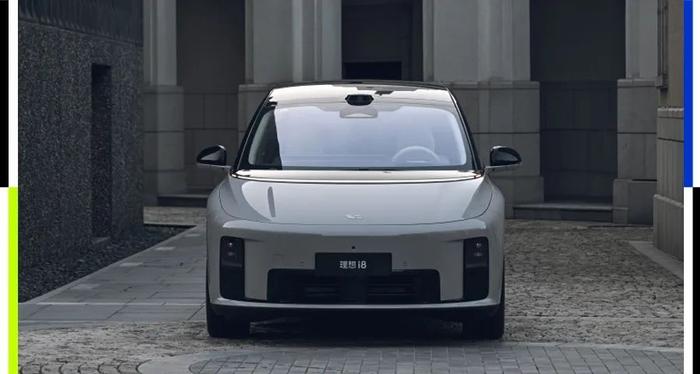
张益勤:五菱新能源车全球销量破300万辆 后续推更多车型
Xin Jing Bao· 2025-08-11 15:30
Group 1 - The core point of the article is that SAIC-GM-Wuling has sold over 3 million electric vehicles globally, with the 1.7 millionth Wuling Hongguang MINIEV rolling off the production line on the same day [2] - The Wuling Hongguang MINIEV was officially launched in 2020 and has since introduced several variants, including the four-door version, the third generation, GAMEBOY, and Macaron models [2] - In the field of electric mobility, Wuling has applied for a total of 1,986 patents, indicating a strong focus on innovation and development in the electric vehicle sector [2] Group 2 - The company plans to continue launching multiple new energy vehicles under the Wuling Silver brand in the future [2]
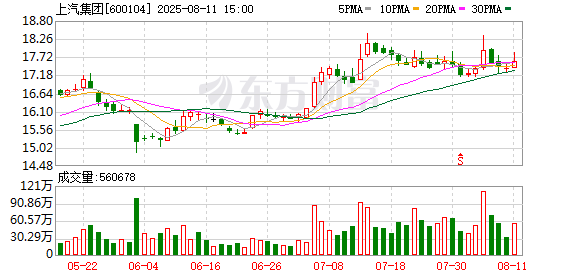
美股异动 | 新能源车股多数走高 小鹏汽车(XPEV.US)涨超5.4%
智通财经网· 2025-08-11 14:29
智通财经APP获悉,周一,新能源车股多数走高,截至发稿,小鹏汽车(XPEV.US)涨超5.4%,特斯拉 (TSLA.US)涨超3%,Rivian Automotive(RIVN.US)、蔚来(NIO.US)涨超2%;理想汽车(LI.US)跌超3%。 消息面上,乘联会秘书长崔东树发文称,2025年6月,中国全国二手车市场交易量165.75万台,环比增 3%,同比增长9%,交易金额为1068亿元,同比增9.2%。2025年1-6月,二手车累计交易量957万台,同 比增2%,交易额6232亿元,降0.3%。 ...


锂电产业链爆发!这类ETF大涨
Zhong Guo Zheng Quan Bao· 2025-08-11 12:25
Core Viewpoint - The lithium battery industry chain has experienced a significant surge, with various sectors such as PEEK materials and PCB remaining active, while gold, banking, and power sectors have seen declines [1] Group 1: Market Performance - On August 11, the Shanghai Composite Index achieved a "six consecutive days of gains" [1] - Lithium mining stocks collectively surged, driving related new energy vehicle ETFs to rise over 3% [2][3] - The New Energy Vehicle ETF (515030) led the market with a gain of 3.68%, marking the highest increase among all ETFs [3][4] Group 2: ETF Trading Activity - The total trading volume of ETFs on August 11 reached 3170.42 billion yuan, with the Short-term Bond ETF (511360) surpassing 200 billion yuan in trading volume [4] - The Hong Kong Securities ETF (513090) saw a trading volume of 157.78 billion yuan, indicating strong trading activity [5][6] Group 3: Sector Focus - The rare metals ETF (159608) also performed well, with a 3.61% increase, and has seen over 30% growth in the last three months [3][4] - The market is currently favoring technology and Hong Kong-related ETFs, with significant net inflows observed in several ETFs related to the Hong Kong innovation drug sector [8][9] Group 4: Future Market Outlook - The market is expected to maintain a strong trend, driven by a tight supply-demand balance in the lithium sector due to production halts exceeding market expectations [10] - The focus on rare metals is increasing globally, which may further enhance valuations in the long term [10]

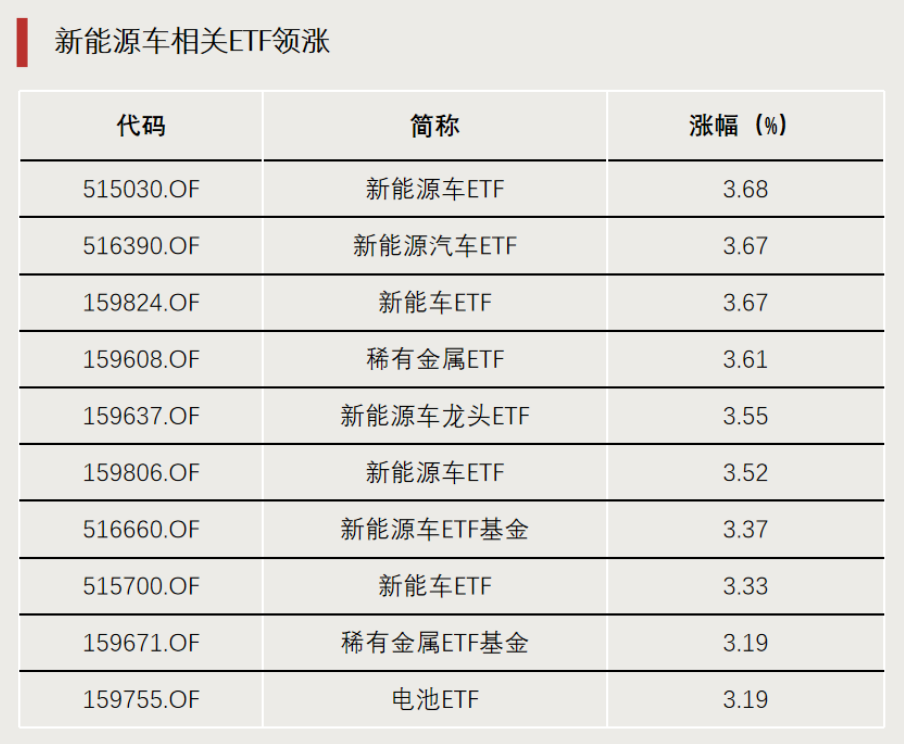
20cm速递|创业板50ETF国泰(159375)涨超1.3%,市场聚焦新兴产业盈利预期与资金动向
Mei Ri Jing Ji Xin Wen· 2025-08-11 12:10
Core Insights - The article highlights the positive market response to the Central Political Bureau's meeting, which emphasizes capacity governance in key industries rather than comprehensive control, benefiting emerging industries like photovoltaics and new energy vehicles [1] - The State Council's "Artificial Intelligence+" policy aims to promote the large-scale commercialization of AI applications, accelerating its integration across various sectors of the economy and society [1] - The AI industry is thriving due to domestic substitution policies, technological iterations, and diversified downstream demand, with a focus on advancements in domestic AI's computing power and energy efficiency [1] Company and Industry Summary - The ChiNext 50 ETF (159375) rose over 1.3% on August 11, reflecting investor confidence in the index that tracks 50 high-performing companies in the ChiNext market [1] - The ChiNext 50 Index (399673) selects companies based on liquidity, market capitalization, and market recognition, representing the most innovative and strategically significant enterprises in the ChiNext market [1] - The index covers high-growth sectors such as technology and pharmaceuticals, providing investors with a tool to track core quality assets in the ChiNext market [1] - Investors without stock accounts can consider the GT Fund ChiNext 50 ETF Link C (023372) and Link A (023371) for exposure to the index [1]

港股微升 恒指涨0.19% 科指跌0.01%
Xin Hua Cai Jing· 2025-08-11 11:17
个股方面,药明康德涨2.37%,美团跌1.32%,阿里巴巴涨1.89%,建设银行跌1.12%,山东黄金跌 7.99%,紫金矿业跌0.87%,小鹏汽车涨5.36%,蔚来涨2.62%,赣锋锂业涨20.91%,天齐锂业涨 18.19%,汇量科技涨7.55%,老铺黄金跌5.48%,国泰君安国际跌1.37%,工商银行跌1.30%。 成交额前三的个股中,腾讯控股收平,成交超65亿港元;小米集团跌0.88%,成交超64亿港元;中芯国 际涨0.08%,成交超52亿港元。 (文章来源:新华财经) 新华财经香港8月11日电(记者林迎楠)11日港股主要指数高开低走,截至收盘,恒生指数上涨0.19% 至24906.81点,恒生科技指数下跌0.01%至5460.02点,国企指数下跌0.08%至8888.08点。 当日恒指低开87.73点,早段曾转跌,其后再度回稳,恒生指数涨47.99点,主板成交超2009亿港元。截 至收盘,上涨股票1223只,下跌946只,收平990只。当日,港股通(南向)净流出超过3834万港元。 整体来看,多数板块上涨,生物科技、券商、创新药、锂电池等股多为上涨,科网、房地产、新能源车 企等股有涨有跌,黄金、芯片 ...
电车保值率逆袭?新能源车价值战再升级
Hu Xiu· 2025-08-11 08:35
Core Insights - The depreciation rate of new energy vehicles (NEVs) is expected to improve significantly, with the Xiaomi SU7 achieving a resale value comparable to that of the Porsche 718 during its peak three-year period [1] Group 1 - The five-year depreciation rate for NEVs has been less than 10%, indicating a challenging market for resale value [1] - The Xiaomi SU7, after one year on the market, has demonstrated a resale value that aligns closely with high-end vehicles, suggesting a shift in consumer perception and market dynamics for NEVs [1] - The article raises the question of whether the NEV market is entering a new phase of improved resale values, indicating potential positive trends for the industry [1]
全线上涨!A股“红周一”的规律 你发现了吗?
Mei Ri Jing Ji Xin Wen· 2025-08-11 07:50
Market Performance - On August 11, the market experienced an upward trend throughout the day, with the ChiNext Index leading the gains, while the Shanghai Composite and Shenzhen Composite also reached new highs for the year [2] - The Shanghai Composite Index rose by 0.34%, the Shenzhen Composite Index increased by 1.46%, and the ChiNext Index surged by 1.96% [2] - Over 4,100 stocks in the market rose, with more than 100 stocks gaining over 9%, and the total trading volume reached 1.83 trillion yuan, an increase of 116.7 billion yuan compared to the previous trading day [2] Sector Performance - The sectors that saw the most significant gains included PEEK materials, lithium mining, CPO, and PCB, while banking, gold, film, and engineering machinery sectors faced declines [2] - The lithium battery industry chain and technology sectors showed strong performance, aligning with the observed market trends [12] Market Trends and Patterns - A pattern identified in the market indicates that Mondays tend to see gains while Fridays often experience declines, with the highest probability of price increases occurring on Mondays [5][7] - Since April 7, there have been 87 trading days, with Mondays and Tuesdays showing the highest likelihood of price increases, while Fridays have the highest likelihood of declines [6][7] - The average stock price has not decreased on Mondays since May, suggesting that this day is optimal for bullish trading strategies [7] Lithium Industry Insights - The lithium industry is experiencing significant price movements, particularly due to the recent news regarding the suspension of mining operations by CATL, which is expected to impact supply [13] - The carbon lithium futures market saw a notable increase, with prices rising nearly 40% since the low in June, driven by supply concerns and increased demand from the electric vehicle sector [13][14] Technology Sector Developments - The technology sector, particularly in humanoid robotics and advanced materials like PEEK, is gaining attention due to ongoing events such as the World Robot Conference [15] - The demand for lightweight materials in robotics is expected to grow, with PEEK materials being highlighted for their superior properties and potential cost reductions [15] - The communication industry is also projected to maintain high growth, driven by advancements in AI, 5.5G, and satellite communications, with significant capital expenditures from major tech companies [16]
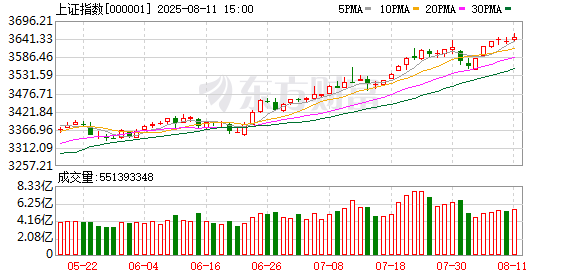
能源锂电集体走强,科创板新能源 ETF(588960)盘中涨幅达3.14%
Mei Ri Jing Ji Xin Wen· 2025-08-11 07:08
Core Viewpoint - The news highlights the significant activity and growth in the new energy vehicle (NEV) sector, particularly in the context of rising stock prices for related ETFs and companies, indicating a strong competitive landscape in China's NEV market [1] Group 1: Market Performance - The Sci-Tech Innovation Board New Energy ETF (588960) saw an intraday increase of 3.14%, while the Lithium Battery ETF (5561160) rose by 2.70% [1] - Key component stocks such as Electric Wind Power surged over 16%, and Wanrun New Energy increased by more than 9% [1] Group 2: Industry Data - According to the Passenger Car Association, the retail penetration rate of NEVs in China reached 54.0% in July, up by 2.7 percentage points year-on-year [1] - BYD led the market with a monthly sales figure of 344,000 units, while competitors like Leap Motor, Xpeng, and Hongmeng Zhixing reported record-breaking growth [1] Group 3: Future Outlook - Industry reports suggest an improvement in the passenger car market fundamentals, with expectations for a positive trend as new models are set to launch [1] - Upcoming key models include the all-new Wanjie M7, Geely Galaxy A7, M9, Leap B01, Xiangjie S9T, Tesla Model YL, and Wanjie M8 pure electric vehicles [1] Group 4: ETF Composition - The Sci-Tech Innovation Board New Energy ETF (588960) closely tracks the Shanghai Stock Exchange Sci-Tech Innovation Board New Energy Index (000692.SH), with a daily fluctuation limit of 20% [1] - The index comprises 50 large-cap stocks from the photovoltaic, wind power, and NEV sectors, reflecting the overall performance of representative companies in the new energy industry on the Sci-Tech Innovation Board [1]