外卖

Search documents
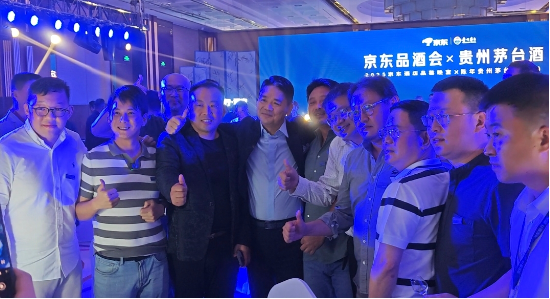
重启用户见面会 刘强东秀厨艺 京东加注线下战场
Bei Jing Shang Bao· 2025-09-16 15:27
Group 1 - Liu Qiangdong, the founder and chairman of JD.com, announced a new hotel development plan during the "JD Wine Tasting" event, indicating the company's commitment to the physical retail and local lifestyle market [1][4] - JD.com is expanding into various businesses including food delivery, discount stores, and community group buying, with Liu Qiangdong actively participating in these initiatives [1][4] - The company aims to address the high costs and disorganized supply chain in the hotel industry, which Liu believes affects food safety and quality [2][4] Group 2 - Liu Qiangdong emphasized the importance of healthy competition in the food delivery market, advocating for competition based on strategy and value creation rather than personal conflicts [2][4] - The "JD Wine Tasting" event is part of JD Travel's strategy to innovate and create differentiated experiences by linking hotels and wine brands, targeting high-net-worth users [4][5] - JD.com has a significant user base, including over 800 million high-spending users and more than 30,000 large enterprises, which supports its expansion into the hotel and travel sector [4][8] Group 3 - JD.com is leveraging its supply chain capabilities across various new businesses, including Seven Fresh, JD Discount Supermarket, and Seven Fresh Kitchen, to reduce costs and enhance service offerings [6][8] - The company is also focusing on offline market expansion with plans to open 10,000 Seven Fresh Kitchen locations nationwide within three years [8] - The local lifestyle service market is projected to grow significantly, with estimates suggesting a market size of 35.3 trillion yuan by 2025, highlighting the attractiveness of this sector for major e-commerce players [8]


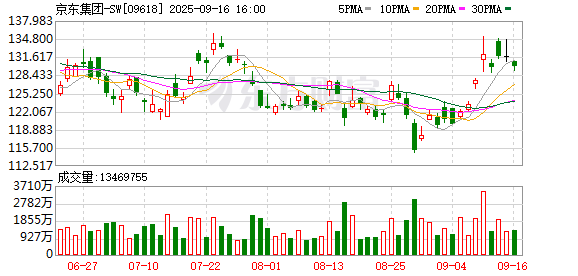
刘强东直播炒菜!提及马云、贾国龙、罗永浩等人
2 1 Shi Ji Jing Ji Bao Dao· 2025-09-16 15:02
Group 1 - Liu Qiangdong, founder and chairman of JD Group, emphasized the importance of maintaining a friendly competitive environment among private enterprises, advocating for competition based on business models, value creation, and reputation rather than personal grievances [2] - During a live cooking demonstration, Liu showcased a traditional dish from his hometown, "Huang Gou Zhutou Rou," which has a history of 278 years, highlighting its cultural significance [3] - Liu discussed the concept of "anti-involution," supporting government efforts to combat unhealthy competition that harms the industry, while encouraging upward competition focused on quality and fair pricing [3] Group 2 - Liu reflected on his entrepreneurial journey, noting that he started with 12,000 yuan in a computer market and identified the need for a transparent business model, which led to JD becoming the largest seller of computers and accessories in China [4] - He shared insights on the high commission rates of 25% charged by food delivery platforms, which can negatively impact restaurant profitability and food safety, and highlighted JD's innovative approach with its "Qixian Xiaochu" initiative, which has seen significant order growth [4] - The "Qixian Xiaochu" initiative has resulted in a 30% increase in order volume within a 5-kilometer radius, demonstrating JD's commitment to supporting local restaurants rather than undermining their business [4]
“外卖大战” 正酣,刘强东欲邀王兴面谈,期望企业竞争更开放
Sou Hu Cai Jing· 2025-09-16 14:57
Core Viewpoint - The competition between JD.com and Meituan in the food delivery market is intensifying, with JD.com’s founder Liu Qiangdong advocating for open communication and healthy competition rather than personal conflicts [1][3][4] Group 1: Competition Dynamics - Liu Qiangdong expressed regret over the inability to meet with Meituan's founder Wang Xing to discuss industry development, emphasizing the need for direct communication among private enterprises [1][3] - The competition between JD.com and Meituan has escalated across various dimensions, including rider recruitment, merchant acquisition, and user subsidies [3][4] - JD.com has implemented significant measures such as paying full-time delivery riders' social insurance and offering substantial subsidies to disrupt Meituan's market dominance [3][4] Group 2: Strategic Focus - Liu Qiangdong highlighted that competition should focus on strategic advantages, business models, value creation, and consumer trust, rather than personal grievances [3][4] - JD.com has set a profit margin cap of 5% for its food delivery service to prioritize service quality and user experience over profit maximization [4] - The call for open competition and potential dialogue between JD.com and Meituan may provide an opportunity to ease tensions and promote sustainable development in the food delivery industry [4]

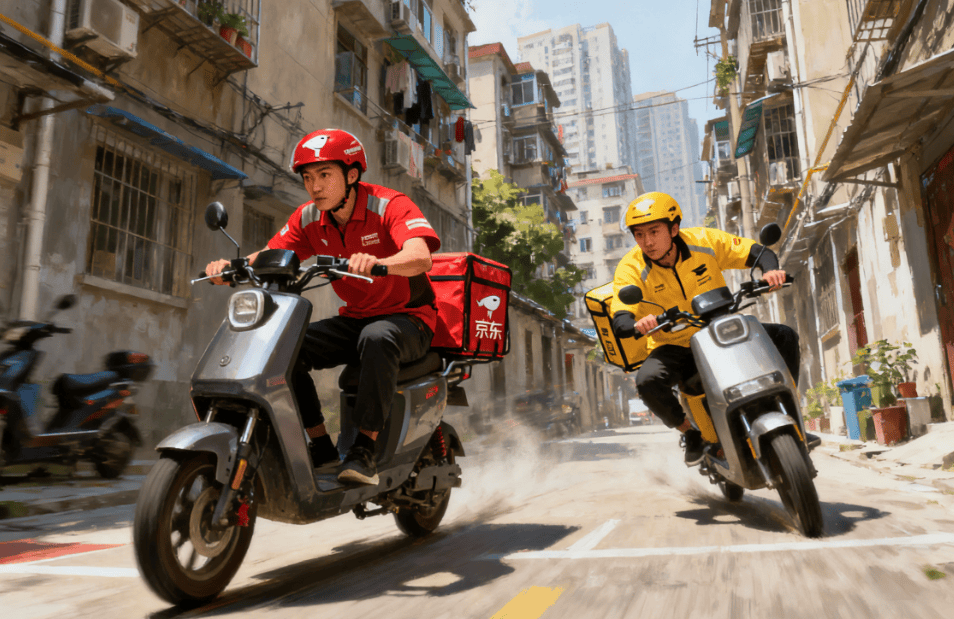
刚刚,刘强东敬了15桌酒:喊话王兴,透露酒旅新动向
新浪财经· 2025-09-16 14:55
Core Viewpoint - Liu Qiangdong, founder and chairman of JD Group, emphasizes the challenges faced by the restaurant industry due to high commission rates from delivery platforms, which can reach 25%, leading to food safety concerns and the emergence of "ghost kitchens" [5][6][11]. Group 1: Restaurant Industry Challenges - Liu Qiangdong highlights that the profit margins in the restaurant industry rarely reach 25%, yet delivery platforms demand this percentage, forcing operators to compromise on food quality [6][11]. - He mentions that many restaurant operators are small family businesses that struggle to survive under these conditions, leading to a decline in food safety [6][11]. - The high commission rates have resulted in a situation where restaurant operators are "forced" to lower the quality of their offerings to remain profitable [6][11]. Group 2: JD's New Business Initiatives - JD Group is set to launch a new hotel development plan and innovative business models for food delivery [4][12]. - The "Seven Fresh Kitchen" initiative has been operational for two months, achieving a daily capacity of at least 1,500 orders, and has reportedly increased sales for nearby restaurants by over 30% [7][12]. - Liu asserts that JD's new ventures do not encroach on the survival space of existing restaurants but rather enhance their visibility and customer flow [7][12]. Group 3: Competitive Landscape and Industry Ethics - Liu Qiangdong expresses respect for Wang Xing, founder of Meituan, and advocates for a more open and straightforward business relationship between companies [16]. - He critiques the "involution" in the industry, advocating for upward competition that focuses on fair pricing and product safety rather than driving down costs to unsustainable levels [16]. - Liu emphasizes the need for platforms to share profits more equitably with industry participants, stating that current practices are detrimental to all stakeholders involved [16][17]. Group 4: Vision for Chinese Cuisine - Liu Qiangdong aspires to promote Chinese cuisine globally, aiming for it to represent over 50% of the restaurant market within ten years [15]. - He stresses the importance of food safety and quality, asserting that the country is at a point where it can ensure safe and delicious food for all [15].
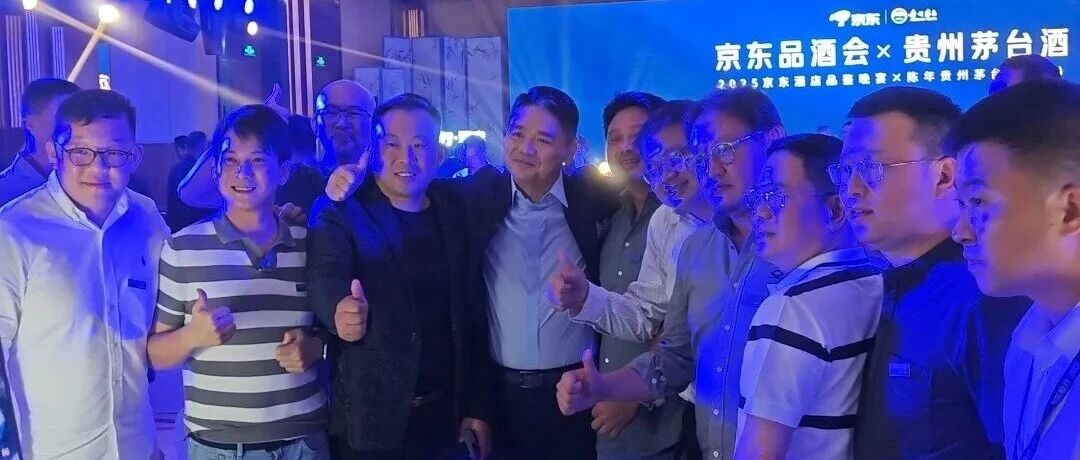
刘强东直播炒菜,并喊话:企业家不要变成仇人
2 1 Shi Ji Jing Ji Bao Dao· 2025-09-16 14:44
Group 1: Core Insights - Liu Qiangdong emphasized the importance of maintaining healthy competition among private enterprises, advocating for collaboration and mutual respect rather than personal animosities [1] - The launch of "Qixian Xiaochu" is expected to enhance consumer trust and increase order volumes in the local restaurant industry, with daily orders reaching at least 1,500 within a two-month period [3] - The company aims to address the high commission rates of 25% charged by existing delivery platforms, which can compromise food safety and profitability for restaurants [3] Group 2: Business Model and Strategy - Liu Qiangdong reflected on his early entrepreneurial experiences, highlighting the need for transparency in business practices, which led to the establishment of a new pricing model for products [2] - The company transitioned from being a major seller of computers and accessories to becoming the largest home appliance retailer in China by 2016, despite initial resistance from the board [2] - The focus on quality and fair pricing is seen as a way to uplift the industry, with a call for platforms to share profits more equitably with stakeholders [1]
刘强东直播炒菜,称“像贾国龙第一次炒菜一样紧张,像罗永浩第一次说脱口秀一样紧张”!他谈到“外卖大战”:想和王兴见面聊聊
Sou Hu Cai Jing· 2025-09-16 14:17
Group 1 - Liu Qiangdong, founder and chairman of JD Group, restarted the "User Meeting" after nearly 20 years, showcasing a live cooking session featuring a local dish, "Huang Gou Zhutou Rou" [1][11] - The dish "Huang Gou Zhutou Rou" has historical significance dating back to the Qianlong period of the Qing Dynasty (1747) and is named after its creator, Huang De, whose childhood nickname was "Dog" [2][3] - JD plans to launch "Huang Gou Zhutou Rou" in its JD Seven Fresh Kitchen by the end of September [3] Group 2 - Liu Qiangdong discussed competition with Meituan, emphasizing that competition should focus on strategy, business models, and value creation rather than personal conflicts [5] - He expressed support for the government's efforts to combat "involution" in the industry, advocating for quality and fair pricing rather than a race to the bottom [5] - JD aims to innovate in the hotel sector without pressuring profit margins for industry players, with a new hotel development plan to be announced in the coming weeks [6][7] Group 3 - JD has expanded into the travel and hospitality sector, with services including hotels, flights, and tickets already available on the JD app [6] - The company has successfully identified and addressed significant pain points in the appliance, supermarket, and fresh food sectors, which it aims to replicate in the hospitality industry [7]
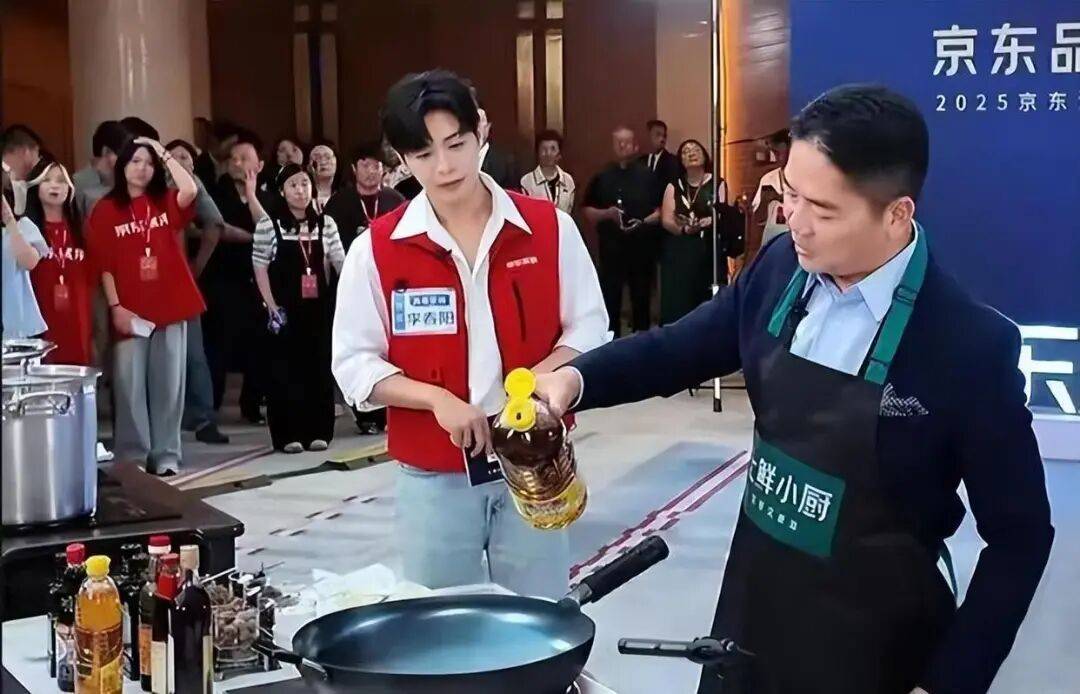
刚刚,刘强东敬了15桌酒:喊话王兴,透露酒旅新动向
Xin Lang Cai Jing· 2025-09-16 13:39
Core Viewpoint - Liu Qiangdong, founder and chairman of JD Group, emphasizes the need for fair competition in the restaurant and delivery industry, highlighting the challenges faced by restaurant operators due to high commission fees from delivery platforms [3][4][6]. Group 1: Restaurant Industry Insights - Liu Qiangdong criticizes the high commission rates of up to 25% charged by delivery platforms, which he claims compromise food safety and lead to the emergence of "ghost kitchens" [4][6]. - He mentions that the profit margins in the restaurant industry rarely reach 25%, making it difficult for operators to sustain quality while paying high commissions [4][5]. - Liu introduces JD's new business, "Qixian Xiaochu," which has reportedly increased sales for nearby restaurants by over 30% without squeezing their market space [5][6]. Group 2: Business Strategy and Competition - Liu advocates for competition based on strategy, business models, and value creation, rather than personal grievances, addressing Meituan's Wang Xing directly [3][8]. - He stresses that retailers should not earn more than brand manufacturers, as this imbalance can lead to industry issues [5][6]. - Liu expresses a commitment to not engage in price wars in the hotel industry, aiming to maintain service quality and profit margins for hotel operators [6][7]. Group 3: Future Plans and Innovations - JD Group plans to launch a new hotel development initiative and innovate its delivery business model [4][7]. - Liu emphasizes the importance of food safety and aims to promote Chinese cuisine globally, aspiring for Chinese food to dominate the international restaurant scene [7][10]. - He highlights JD's commitment to providing full social insurance for delivery workers, a first in the industry, to improve their working conditions [6][9].
刘强东:七鲜小厨东城首店上线两个月已爆单
Bei Ke Cai Jing· 2025-09-16 13:12
Core Insights - JD's Chairman Liu Qiangdong highlighted the success of JD's home appliances, supermarkets, and fresh food sectors due to significant industry pain points, leading to the company's entry into the food delivery market with innovative solutions [1] - The launch of the "Seven Fresh Kitchen" in Dongcheng has seen remarkable success, with the first store achieving over 1,500 orders per day within two months of opening [1] Company Performance - JD's expansion into the food delivery sector is a strategic response to identified market needs, showcasing the company's adaptability and innovation [1] - The "Seven Fresh Kitchen" initiative reflects JD's commitment to enhancing customer experience and addressing market demands effectively [1]
智通港股解盘 | TikTok达成框架协议仍有变数 特斯拉大涨带动产业链
Zhi Tong Cai Jing· 2025-09-16 12:55
Market Overview - The Hong Kong stock market showed cautious behavior, closing down 0.03% amid ongoing negotiations between the US and China regarding TikTok ownership [1] - The US Treasury Secretary indicated a potential 90-day extension for the TikTok deal, while both sides reached a basic framework consensus to reduce investment barriers and promote economic cooperation [1] Interest Rate Expectations - The market remains stable, anticipating a 25 basis point interest rate cut, supported by dovish comments [2] - CXO companies like Kanglong Chemical saw significant gains, with Kanglong's stock rising over 9% after passing FDA inspections [2] Stock Performance - Newly included stocks in the Hong Kong Stock Connect experienced volatility, with notable fluctuations in prices, such as a 63% rise followed by a 53% drop for YJ Health [2] - Other stocks like MIRXES-B and HuShang Aunt also showed significant price movements, indicating a potential end to the recent speculative trading frenzy [2] Tesla Developments - Elon Musk purchased 2.57 million shares of Tesla at prices between $371.9 and $396.359, reflecting a strong upward trend in Tesla's stock [3] - Tesla aims to deliver 1 million humanoid robots within ten years, with production expectations likely to exceed forecasts based on industry feedback [3] Robotics Supply Chain - Sanhua Intelligent Controls, a key supplier for Tesla's humanoid robots, saw its stock rise nearly 13% due to its strong ties with Tesla [4] - Other companies in the robotics sector, such as Dechang Electric and Yujian Technology, also reported significant stock increases following positive developments in their respective projects [4] Energy Storage Contracts - Jiangsu Longpan Technology signed a major contract with CATL to supply 157,500 tons of lithium iron phosphate materials, valued at approximately 6 billion [5] - The photovoltaic glass market showed positive trends, with leading companies like Fuyao Glass and Xinyi Glass experiencing stock increases of around 5% [5] Expansion of Delivery Services - Meituan's international delivery brand Keeta launched operations in Kuwait, marking its third entry into the Middle East, with stock rising over 3% [6] - Geely Auto announced plans to privatize Zeekr, with stock also increasing by over 3% [6] Aviation Industry Insights - The domestic airline ticket prices showed a year-on-year increase of 4%, indicating a recovery in business travel demand [7] - The low oil prices are beneficial for airlines, with potential cost reductions of 4-5 billion for every 1% drop in oil prices [7] Travel Industry Performance - Tongcheng Travel reported a revenue of 9.05 billion, a year-on-year increase of 11.5%, with adjusted EBITDA growing by 35.2% [8] - The company’s user base continues to expand, particularly in non-first-tier cities, indicating a strong market presence [8] Hotel Industry Outlook - The average room rates in the hotel industry are expected to improve in the third quarter, with growth anticipated in hotel business and accommodation nights [9]
氪星晚报|天翼云与中科曙光联合打造智算一体机,入选信通院十大典型案例;联想集团点亮中企在美洲首座“灯塔工厂”;商务部等9部门对外发布《关于扩大服务消费的...
3 6 Ke· 2025-09-16 12:46
Group 1 - Meituan collaborates with KFC to provide meal subsidies for delivery riders, launching a new "three-piece set" meal package, with a daily average of nearly 10 million meals offered across over 10,000 KFC stores nationwide [1] - SC Ventures, a subsidiary of Standard Chartered Bank, plans to establish a $250 million fund focused on investing in digital assets within the financial services sector, with support from investors in the Middle East, set to launch in 2026 [2] - Tianyi Cloud and Inspur have jointly developed a hybrid cloud intelligent computing integrated machine, which has been recognized as one of the top ten typical cases of high-quality digital transformation by the China Academy of Information and Communications Technology [3] Group 2 - Douyin reports a 67% decrease in the exposure of rumors on its platform over the past quarter, following the launch of the "AI Douyin Truth" feature aimed at providing users with fact-checking and clarification on misleading content [4] - New Stone Technology has received the first license for unmanned delivery vehicles in Abu Dhabi, marking a significant step towards commercializing unmanned delivery services in the Middle East [5] - Lenovo's Monterrey manufacturing base in Mexico has been recognized as the first "Lighthouse Factory" for Chinese enterprises in the Americas by the World Economic Forum and McKinsey [6] Group 3 - Hikvision has won the China Quality Award for its innovative "Smart Quality" management model, marking a breakthrough for Zhejiang manufacturing in national quality awards, with quality management maturity increasing from 82.66% in 2020 to 86.75% in 2024 [7] - Tianyong Intelligent has formed a strategic partnership with PaoNiKe Robotics to promote the large-scale application of humanoid robots in China, marking its entry into the humanoid robot sector [8][9] - Luxshare Technology's subsidiary plans to launch a home-based AI service robot, collaborating with Kepler Robotics and a leading domestic cross-border e-commerce company [10] Group 4 - Zhou Hongyi, founder of 360 Group, stated that the market potential for industrial professional intelligent agents is ten times greater than that of traditional software, emphasizing the efficiency and cost-reduction benefits of these agents [11] - The Ministry of Commerce and nine other departments have released measures to expand service consumption, including a series of promotional activities and support for high-quality consumption resources [11] - Guizhou Province will implement a tax refund policy for overseas travelers starting October 1, 2025, as part of its efforts to enhance the shopping experience for international visitors [11] Group 5 - Guangdong Province has issued an action plan to accelerate the integration of AI and robotics in the toy industry, promoting the development of new AI toy products and applications in various scenarios [12]