社区生鲜

Search documents
2026年中国社区生鲜行业报告——社区零售的效率革命与模式重构
Qin Ce Xiao Fei Yan Jiu· 2026-02-28 10:25
Investment Rating - The report indicates a positive investment outlook for the community fresh food industry, driven by efficiency improvements and the transformation of retail models [12][15]. Core Insights - The community fresh food market in China is experiencing rapid growth, with a projected market size increase from RMB 49,908 billion in 2019 to RMB 82,339 billion by 2029, reflecting a compound annual growth rate (CAGR) of 4.6% from 2024 to 2029 [15][19]. - The shift towards community-based retail is evident, with nearly 60% of fresh food retail expected to occur in community settings by 2024, highlighting the importance of convenience and proximity in consumer preferences [19][58]. - The industry is characterized by a fragmented competitive landscape, with the top five companies holding only 7.3% market share, indicating significant opportunities for growth and consolidation [71]. Summary by Sections Industry Overview - The fresh food retail market in China is primarily offline, with about 80% of sales occurring in physical stores, and a clear trend towards chain store development [39][53]. - The market is transitioning from traditional wet markets to community fresh food stores, driven by consumer demand for convenience and quality [16][19]. Competitive Landscape - The community fresh food sector is marked by a "big market, small leaders" dynamic, with a low concentration of market share among leading companies [71]. - Major players include Qian Dama, which has a strong presence in community retail, and other emerging brands in the online and offline segments [73][84]. Supply Chain Development - The evolution of the fresh food supply chain has progressed through several stages, from traditional distribution to the integration of cold chain logistics and digital supply chain management [10][20]. - Challenges remain in optimizing supply chain efficiency, reducing waste, and addressing regional disparities in supply and demand [20][30]. Consumer Trends - Consumer preferences are shifting towards healthier and more diverse diets, with an increasing focus on quality and convenience in fresh food purchases [36][58]. - The community fresh food model effectively addresses the pain points of traditional retail, offering standardized services and a wide range of products to meet consumer needs [58][64]. Future Outlook - The community fresh food market is expected to continue its growth trajectory, with market penetration projected to rise from 4.8% in 2019 to 15.4% by 2029 [58]. - Innovations in supply chain management and the integration of online and offline shopping experiences are anticipated to enhance consumer engagement and operational efficiency [63][64].
钱大妈正式开启上市之路,港股生鲜板块再添新军
Sou Hu Cai Jing· 2026-02-25 02:57
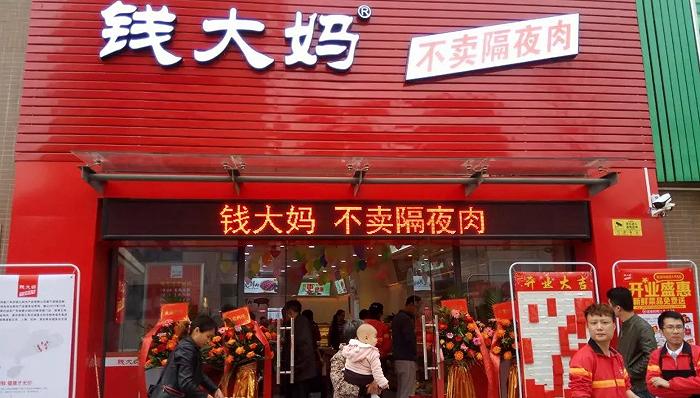
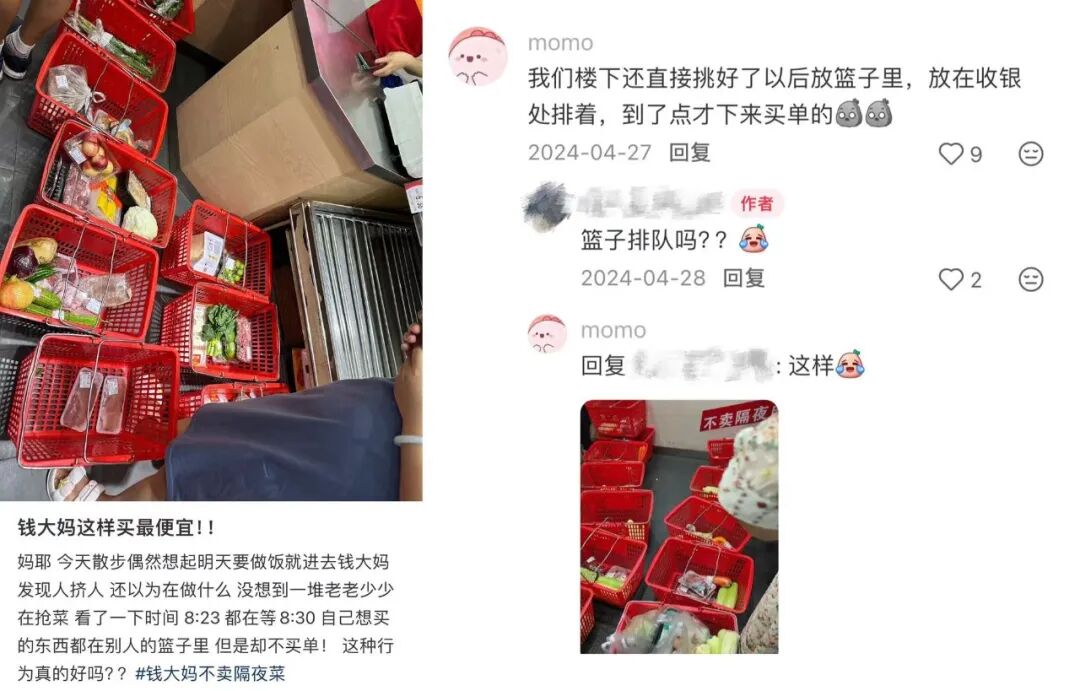
Core Viewpoint - Qian Dama has officially submitted its IPO application to the Hong Kong Stock Exchange, marking a significant step towards entering the capital market and contributing to the development of the community fresh food industry [1] Group 1: Company Overview - Qian Dama's product matrix covers key categories such as animal protein, fruits and vegetables, and refrigerated prepared foods, fully meeting residents' daily fresh food needs [1] - As of September 2025, Qian Dama plans to achieve a nationwide layout with stores leading in core regions such as South China, Central China, and Southwest China, maintaining a leading position in industry transaction scale [1] - The scale and industry position of Qian Dama reflect the results of its long-term efforts and validate the maturity and effectiveness of its business model [1] Group 2: Business Model and Operations - Qian Dama adheres to a "daily fresh" model, ensuring freshness through a principle of daily clearance and same-day sales, which has garnered consumer recognition [3] - The company implements a "timed discount" mechanism to achieve zero inventory, allowing consumers to enjoy savings while reinforcing the brand's commitment to not selling overnight meat [3] - Qian Dama has built a comprehensive supply chain system tailored to community fresh food needs, forming its core competitive advantage [5] Group 3: Market Potential - The community fresh food market in China is experiencing rapid growth, with the market size expected to exceed 1.7 trillion yuan in 2024 and maintain a compound annual growth rate of 15.5% over the next five years [8] - Qian Dama is positioned to leverage its long-established brand value, proven business path, and comprehensive supply chain system to enhance market competitiveness [8] - The company aims to continue playing a benchmark role in the industry, providing consumers with better experiences and making fresh living more accessible [8]

坐拥2900家门店,“猪肉女王”打响破局之战
Sou Hu Cai Jing· 2026-02-04 06:40
Core Viewpoint - Qian Dama International Holdings Limited is positioning itself as the leading player in the community fresh food market in China, officially filing for an IPO on the Hong Kong Stock Exchange to become the first community fresh food stock [3][38]. Group 1: Company Overview - Qian Dama operates 2,938 stores across 14 provinces, municipalities, and regions including Hong Kong and Macau, with a projected GMV of 14.8 billion yuan for 2024, maintaining its position as the industry leader for five consecutive years [3]. - The company was founded by siblings Feng Weihua and Feng Jisheng, who started with a unique "no overnight meat" model that has significantly influenced the fresh food industry [4][6]. Group 2: Business Model and Strategy - The "no overnight meat" model, which includes a daily discount strategy, has attracted customers but also poses challenges for scaling due to its impact on profitability [4][26]. - Qian Dama has established a robust supply chain, with 16 comprehensive warehouses covering over 220,000 square meters, enabling rapid product turnover and maintaining a low spoilage rate of under 5% [20][17]. Group 3: Financial Performance - The company reported revenues of 11.744 billion yuan in 2023, with a slight increase to 11.788 billion yuan in 2024, but a decline to 8.359 billion yuan in the first three quarters of 2025, indicating stagnation in growth [40]. - The overall gross margin for 2023, 2024, and the first three quarters of 2025 was reported at 9.8%, 10.2%, and 11.3% respectively, which remains below the supermarket industry average of 15%-25% [27]. Group 4: Market Challenges - Qian Dama faces intense competition from major players like Hema and Pupu, as well as challenges in expanding beyond its stronghold in Southern China, where 68.6% of its stores are located [5][31]. - The company's attempt to enter the Beijing market ended in failure, highlighting difficulties in replicating its successful model in different regions [32][33]. Group 5: Future Outlook - The IPO is seen as a critical step for Qian Dama to overcome its current challenges, with plans to use the raised funds for store expansion, product diversification, and supply chain enhancements [41][42]. - The company aims to open 1,300 franchise stores and 100 self-operated stores over the next five years, focusing on deepening market penetration in Southern China while cautiously expanding into lower-tier cities and regions [42].

钱大妈赴港IPO:不隔夜却“榨干”加盟商
3 6 Ke· 2026-02-03 01:44
Core Viewpoint - The fresh food sector in China is characterized as a challenging profitability battleground, with high wastage, low margins, and heavy operational demands leading to cautious capital investment from major players [1] Group 1: Company Overview - Qian Dama International Holdings Limited has officially submitted its IPO application to the Hong Kong Stock Exchange after nearly five years of anticipation since its initial listing plans in 2021 [2] - Qian Dama claims to be the largest community fresh food chain in China, with a market share of only 2.2%, despite leading the sector in gross merchandise volume (GMV) at 14.8 billion yuan in 2024 [3][6] - The company operates 2,938 community stores across 14 provinces and municipalities in China, expanding its product range from pork to a full array of fresh food categories [3] Group 2: Business Model and Efficiency - Qian Dama has introduced an innovative "daily clearance" model to combat high wastage in the fresh food industry, ensuring that all fresh products are sold on the same day, resulting in a stock turnover rate of 1-2 days and a wastage rate of around 5% [4] - The company's operational efficiency is reflected in its low inventory levels, with inventory constituting less than 3% of total assets [4] Group 3: Financial Performance and Challenges - Despite its operational efficiency, Qian Dama has faced stagnation in revenue, with figures remaining in the range of 11.7 billion yuan from 2023 to 2024, and a net profit margin of only 1.44% to 2.45% [5] - In the first three quarters of 2025, the company reported a 4.25% year-on-year decline in revenue to 8.36 billion yuan, with a net loss of 288 million yuan [5] Group 4: Market Dynamics and Competition - The Chinese fresh food retail market is valued at 6.57 trillion yuan, with the community fresh food segment accounting for approximately 616.2 billion yuan, indicating a highly fragmented market [6] - Qian Dama's market share is minimal compared to its competitors, with the top five players holding only 7.3% of the market [6] Group 5: Franchise Model and Issues - Qian Dama's revenue is heavily reliant on franchisees, with 95% of its income derived from supplying goods to franchise stores, which poses risks to franchisee profitability [11] - The franchise model has led to significant financial strain on franchisees, who face high operational costs and rigid fee structures, resulting in a situation where increased sales lead to greater losses [11][12] Group 6: Financial Pressures and Future Outlook - The company has not secured external financing for four years and is facing increasing financial pressure, with a significant portion of its liabilities tied to a "betting agreement" with early investors [14][15] - The impending IPO is seen as a critical move for the company, especially as key founding members have recently exited, raising concerns about the company's future direction [16][17]
广东姐弟在小区卖猪肉,年入百亿
盐财经· 2026-01-26 10:26
Core Viewpoint - Qian Dama has established itself as a leading player in the community fresh food market, with a unique pricing strategy and a significant market presence, but faces challenges from competition and operational inefficiencies as it prepares for its IPO [2][28]. Group 1: Company Overview - Qian Dama submitted its IPO application to the Hong Kong Stock Exchange on January 12, with a reported GMV of 14.8 billion yuan and over 2,900 stores nationwide [2][3]. - The founders, siblings Feng Jisheng and Feng Weihua, started from a small pork stall and have expanded into a substantial business, focusing on community-based fresh food retail [3][12]. - The company has a dual revenue model based on a supply chain and franchise system, with 97% of revenue coming from supplying ingredients to franchisees [15][16]. Group 2: Business Model and Strategy - Qian Dama employs a tiered discount strategy that starts at 7 PM, increasing discounts every half hour until items are given away for free, which attracts price-sensitive consumers [15][16]. - The company has rapidly expanded its store count, achieving an average of 143 new stores per month within seven months, leading to a peak valuation of 25 billion yuan [16][28]. - However, the reliance on a single region (South China) for nearly 70% of its stores and revenue poses a risk, as the company has faced challenges in expanding to other regions like Beijing [21][25]. Group 3: Market Challenges - Qian Dama is experiencing increased competition from major players like Meituan and Alibaba, who are enhancing their logistics and product offerings, thereby squeezing Qian Dama's market share [26][28]. - The company has seen a decline in revenue growth, with a reported 0.43% increase in 2023 and a 4.2% decrease in the first three quarters of 2025, indicating a potential growth bottleneck [21][28]. - Franchisees are struggling with profitability, with some reporting losses of up to 400,000 yuan annually due to the discount-driven shopping habits of consumers [19][21]. Group 4: Future Outlook - The upcoming IPO is seen as a critical move for Qian Dama to secure capital for expansion and to enhance its competitive position in a rapidly evolving market [28][30]. - The company is focusing on digital upgrades and operational efficiency improvements to address growth challenges and enhance its market adaptability [30].

东莞“猪肉荣”十年逆袭 IPO :靠“不卖隔夜肉”开出 3000 家钱大妈
3 6 Ke· 2026-01-19 11:42
Core Insights - The article discusses the challenges and business model of Qian Dama, a leading player in the fresh produce retail sector in China, highlighting its rapid expansion and the inherent difficulties of the low-margin business [3][39]. Business Model - Qian Dama operates primarily through a franchise model, with 98.6% of its 2,938 stores being franchisee-owned, allowing for rapid expansion without bearing heavy operational costs [5][6]. - The company generates over 95% of its revenue from selling products to franchisees, relying heavily on its supply chain efficiency [9][7]. - The "daily clearance" strategy, where products are discounted throughout the evening until they are given away for free, helps reduce waste and attract customers but places financial pressure on franchisees [18][19]. Financial Performance - Qian Dama's revenue for 2023 and 2024 is projected at approximately 117.44 billion and 117.88 billion RMB, respectively, with a slight decline of 4.2% in the first three quarters of 2025 [15][27]. - The gross profit margin for product sales is only 9%, significantly lower than the 15%-25% average for traditional supermarkets, indicating ongoing struggles with profitability [15][29]. - The company has seen a decline in the number of franchisees, with 1,159 franchisees leaving over three years, raising concerns about its business sustainability [26][30]. Market Challenges - Qian Dama's market presence is heavily concentrated in Southern China, contributing 65.9% of its revenue, with saturation in this region making further growth challenging [32]. - Attempts to expand into Northern markets have failed due to differing consumer behaviors and supply chain limitations [34][35]. - The company faces competition from other players like Dingdong Maicai and Hema, which have more advanced digital operations and supply chain responsiveness [38]. Future Considerations - Qian Dama must address the crisis of franchisee exits and restructure its profit-sharing model to ensure sustainability [40]. - The company needs to diversify its product offerings to improve profit margins and reduce reliance on low-margin fresh produce [36][39].

开源证券晨会纪要-20260118
KAIYUAN SECURITIES· 2026-01-18 14:44
Macro Economic Insights - The government is intensifying efforts to clear overdue corporate payments and wages, focusing on key regions and implementing special bonds to support this initiative [6][7] - The central bank has introduced a series of monetary policies, including a 0.25 percentage point reduction in relending and rediscount rates, and plans to maintain a loose monetary stance throughout 2026 [7][17] - The real estate policy includes extending tax incentives for residential property transactions and lowering the minimum down payment for commercial property loans to 30% [7] Industry Insights Computer Industry - Alibaba is fully integrating its Qianwen App into its ecosystem, enhancing its capabilities as an AI shopping assistant and potentially becoming a major entry point for AI services [50] - The launch of "Ant Health Assistant" and "Lingguang," a multimodal AI assistant, indicates Alibaba's strong positioning in the AI sector, with significant user engagement [51][52] - Investment opportunities in AI applications are highlighted, with recommendations for companies benefiting from this trend [53] Machinery Industry - The use of polyurethane TPU materials in humanoid robots is emphasized, showcasing their advantages in safety and shock absorption, which are critical for the mass production of robots [55][56] - The TPU market is expected to grow significantly due to its application in humanoid robots, with a projected market space exceeding 3 billion yuan as production scales up [58] Non-Banking Financial Sector - The regulatory environment for derivatives is becoming more transparent, which may benefit leading brokerage firms as restrictions on scale are expected to ease [6] - The financial sector is experiencing a "slow bull" phase, with positive performance in brokerage and insurance businesses [6] Chemical Industry - The polyester filament industry is entering a new round of production cuts, while the supply-demand dynamics for glyphosate are improving, leading to price increases [6] Automotive Industry - China's heavy truck sales are projected to reach 1.145 million units by 2025, indicating a robust market outlook [6] Food and Beverage Industry - Moutai is deepening market reforms, and the value of Bai Run shares is becoming more apparent, suggesting potential investment opportunities [6] Pharmaceutical Industry - The focus remains on innovative drug sectors, with continued recommendations for investment in this area [6] Trade and Export - China's exports have shown unexpected growth, with a year-on-year increase of 6.6% in December, driven by high-tech products and diversified markets [41][42][45]
钱大妈上市大消息,解决了损耗,却困住了自己?
Zhong Guo Ji Jin Bao· 2026-01-17 07:19
Core Viewpoint - Qian Dama, a community fresh food chain, has submitted its application for an IPO on the Hong Kong Stock Exchange, indicating its ambition to overcome growth challenges and adapt to a competitive market landscape [1][4]. Company Overview - Qian Dama was founded in 2012 in Dongguan, China, introducing the "no overnight meat" concept and the "discount day clearance" model, which effectively addresses the high spoilage rates typical in the fresh food industry [6]. - The company has expanded rapidly, reaching over 3,700 stores at its peak, but has faced challenges in northern markets, leading to the closure of all stores in Beijing within a year [8]. Market Position - Despite being a leader in the community fresh food sector, Qian Dama operates in a highly fragmented market with low concentration, where the top five players hold only 7.3% of the market share [17]. - Qian Dama's market share is approximately 2.2%, with a GMV of 13.5 billion yuan in 2024, maintaining its position as the top community fresh food chain in China for five consecutive years [10][18]. Financial Performance - The company has faced declining revenue, with a 4.25% year-on-year decrease in revenue for the first three quarters of 2025, amounting to 8.359 billion yuan [15]. - Qian Dama's gross profit margins are significantly lower than competitors, with margins of 9.8% in 2023 and 10.2% in 2024, compared to around 30% for peers like Dingdong Maicai [12]. Strategic Challenges - The company is experiencing growth challenges due to increased competition from instant retail platforms and community discount supermarkets, which dilute its geographical advantages [19][21]. - The fixed discount mechanism of the "discount day clearance" model limits profitability, as it compresses the contribution of gross profit per item sold [15]. Future Strategies - Qian Dama aims to enhance its supply chain efficiency and product offerings through a multi-faceted strategy, including the "Product+" initiative to introduce higher-margin products and optimize its profit structure [24][26]. - The company plans to utilize funds from its IPO to improve store networks, diversify product offerings, upgrade supply chains, and enhance digital capabilities [26].
钱大妈,上市大消息!解决了损耗,却困住了自己?
Zhong Guo Ji Jin Bao· 2026-01-17 05:45
Core Viewpoint - Qian Dama, a leading community fresh food chain in China, is seeking to go public on the Hong Kong Stock Exchange, reflecting its challenges in growth and market competition [2][5]. Company Overview - Qian Dama International Holdings Limited submitted its listing application to the Hong Kong Stock Exchange on January 12, with CICC and Agricultural Bank of China International as joint sponsors [2]. - The company operates under the "no overnight meat" principle and has pioneered the "discount day clearance" model, which has helped it maintain a competitive edge in the market [6]. Market Challenges - Despite being a market leader, Qian Dama faces significant challenges, including sluggish growth, slowed store expansion, and regional development imbalances [4]. - The rise of instant retail and community discount supermarkets has posed substantial threats to the community fresh food chain model [4][18]. Financial Performance - Qian Dama's overall GMV (Gross Merchandise Volume) reached 14.8 billion yuan in 2024, maintaining its position as the top community fresh food chain in China for five consecutive years [10]. - The company's revenue has been under pressure, with a reported decline of 4.25% year-on-year for the first three quarters of 2025, amounting to 8.359 billion yuan [14]. Business Model and Strategy - Qian Dama's business model includes a focus on animal protein, fruits and vegetables, and refrigerated processed foods, with a total of 775 standardized product units offered as of September 30, 2025 [12]. - The company has implemented a "Product+" strategy to enhance its profit model and growth trajectory, focusing on high-margin categories and optimizing its product mix [20]. Supply Chain and Operational Efficiency - Qian Dama has established 16 temperature-controlled warehouses across the country, achieving 100% cold chain coverage from warehouse to store [19]. - The company aims to enhance operational efficiency and product freshness through direct sourcing and a streamlined supply chain [19]. Market Position and Competition - The community fresh food market is highly fragmented, with Qian Dama holding only a 2.2% market share among the top five players, which collectively account for 7.3% of the market [15][16]. - The competition from instant retail platforms and community discount supermarkets is intensifying, as these alternatives offer a broader product range and leverage fresh food as a traffic driver [18].

钱大妈要冲击港股IPO:高管有肯德基、沃尔玛、锅圈及京东等背景,启承、高榕等机构参投,2938家店干出148亿GMV
3 6 Ke· 2026-01-13 12:16
Core Viewpoint - Qian Dama International Holdings Limited is officially applying for a listing on the Hong Kong Stock Exchange, emphasizing its business model of "not selling overnight meat" and its extensive community fresh food store network developed over more than a decade [1][3]. Group 1: Business Model and Market Position - Qian Dama operates under the principle of "not selling overnight meat," implementing discounts starting at 7 PM and offering free delivery after 11:30 PM [3]. - The company has established a network of 2,938 community stores across 14 provinces, municipalities, and special administrative regions in China, with over 1,754 franchisees [3][5]. - According to data from Zhi Shi Consulting, Qian Dama ranked first in China's community fresh food chain stores by GMV from 2020 to 2024, achieving a GMV of 14.8 billion yuan in 2024 [5]. Group 2: Financial Performance - Qian Dama's revenue for 2023, 2024, and the first three quarters of 2025 was reported as 11.744 billion yuan, 11.787 billion yuan, and 8.359 billion yuan, respectively, with net profits of 168.6 million yuan, 288.4 million yuan, and a loss of 287.6 million yuan [5][22]. - The revenue from franchise sales accounted for approximately 94.4% to 95.2% of total revenue during the same periods [22]. Group 3: Shareholding and Management - The founder, Feng Weihua, holds a 50.65% stake in Qian Dama through various entities registered in the British Virgin Islands [6][8]. - Notable investors include Generation Alpha, which holds 13.41%, and Gaorong QDM Holding, which holds 4.21%, both of which are part of well-known investment firms [8][10]. - The management team has extensive experience in the fast-moving consumer goods sector, with backgrounds in companies like KFC, Walmart, and JD.com [1][12]. Group 4: Industry Outlook - The community fresh food retail market in China is projected to grow significantly, with nearly 60% of fresh food retail expected to occur in community settings by 2024 [19]. - The compound annual growth rate for community fresh food retail chain formats is anticipated to reach 15.5% over the next five years, indicating a robust growth trajectory for Qian Dama [20].