互换便利

Search documents
华泰期货:沪指七连阳,涨价逻辑和科技有望再度成为市场主线
Xin Lang Cai Jing· 2025-12-26 02:12
Core Viewpoint - The article emphasizes the importance of monitoring Sino-U.S. relations and highlights recent developments in China's economic policies and market performance, indicating a potential for continued market stability and growth in 2024 [2][8]. Group 1: Sino-U.S. Relations - The Ministry of Commerce of China firmly opposes the U.S. imposing 301 tariffs on Chinese semiconductor products and has raised serious concerns through the Sino-U.S. economic and trade consultation mechanism [2][8]. - China is actively promoting and facilitating compliant trade regarding export restrictions on rare earth magnets [2][8]. - The Chinese government aims for companies to reach solutions that align with Chinese laws and regulations concerning agreements signed by TikTok with investors [2][8]. Group 2: Capital Market Developments - The People's Bank of China proposed to utilize swap facilities and stock repurchase loans to maintain capital market stability, with plans to create two tools in October 2024, with initial quotas of 500 billion and 300 billion yuan respectively [2][8]. - As of December 25, the swap facility has been executed twice for a total of 105 billion yuan, while the upper limit for stock repurchase loans has reached 338.352 billion yuan [2][8]. Group 3: Market Performance - The A-share market indices showed a continued upward trend, with the Shanghai Composite Index rising 0.47% to close at 3959.62 points, marking seven consecutive days of gains [9]. - The trading volume in the Shanghai and Shenzhen markets increased to 1.92 trillion yuan, with various sectors experiencing mixed performance [9]. - In the futures market, the basis for stock index futures continued to recover, while the trading volume for stock index futures decreased, indicating an increase in IH positions [9][10]. Group 4: Future Strategies - The targeted tools introduced by the central bank are expected to provide significant support to the market, with continued policy strength anticipated in the coming year [10]. - The rapid expansion of the CSI A500 ETF is injecting incremental funds into the market, suggesting that price increase logic and technology may become the main themes in market trading [10].


支持资本市场的两项货币政策工具将持续发力显效
Zheng Quan Ri Bao· 2025-12-25 16:24
Core Viewpoint - The People's Bank of China (PBOC) emphasizes the importance of maintaining capital market stability through the use of swap facilities and stock repurchase loans, reflecting a consistent policy focus throughout 2023 [1][2]. Group 1: Policy Tools - The PBOC introduced two key tools in October 2024: swap facilities with an initial quota of 500 billion yuan and stock repurchase loans with a quota of 300 billion yuan to support the capital market [1]. - The swap facility operates on a "bond-for-bond" basis, allowing eligible securities, fund, and insurance companies to use high-quality assets as collateral to obtain government bonds and central bank bills, enhancing liquidity without directly increasing the monetary base [1][2]. Group 2: Market Impact - The implementation of these tools has led to sustained liquidity in the equity market, significantly boosting investor confidence and maintaining a high risk appetite among investors [1][2]. - As of December 25, the swap facility has conducted two operations totaling 105 billion yuan, while 708 listed companies have disclosed 784 stock repurchase loan plans, with a total loan cap of 158.35 billion yuan [2]. Group 3: Future Outlook - Experts anticipate that the institutionalization of these tools will further stabilize market expectations and enhance investor confidence, with potential future optimizations based on market needs [3]. - The PBOC is expected to continue focusing on liquidity in the equity market and may implement additional measures such as reserve requirement ratio cuts and interest rate reductions to maintain macro liquidity stability [2].
央行将于节后第一个交易日净投放3千亿元,节后A股表现可期|资本市场
清华金融评论· 2025-10-02 08:57
Core Viewpoint - The People's Bank of China (PBOC) is set to conduct a 1.1 trillion yuan buyout reverse repurchase operation on October 9, 2025, signaling continued liquidity support in the market, which is expected to positively impact the A-share market post-holiday [2][3]. Policy Operation Reasons - The operation aims to counteract liquidity gaps caused by the concentrated issuance of government bonds, with local bond issuance in October expected to reach approximately 1.2 trillion yuan, which will withdraw funds from the market [6]. - There is a demand for credit expansion, with 500 billion yuan in new policy financial instruments accelerating, thereby increasing loan disbursement [6]. - Seasonal factors, such as heightened cash demand during holidays and increased fiscal deposits, are also contributing to liquidity pressures [6]. - The advance announcement of the operation is intended to stabilize market expectations and prevent fluctuations in the funding environment [7]. Market Impact - In the stock market, the ample liquidity is favorable for A-shares, providing significant support for market funds, and potentially increasing the margin trading balance [9]. - In the bond market, the mid-term liquidity injection is expected to lower bond yields, with government bond rates likely to decline [9]. - In the money market, the cost of interbank funds is anticipated to decrease, alleviating the liability pressure on small and medium-sized banks [9]. - For the real economy, financing costs are expected to decline, leading to lower loan rates for enterprises and individuals, thus easing mortgage pressures [9]. - Enhanced credit support is anticipated for small and micro enterprises and green transformation sectors due to increased bank liquidity [9]. Policy Trend Outlook - The PBOC is likely to continue using a combination of buyout reverse repos and Medium-term Lending Facility (MLF) tools to maintain liquidity, with a potential rollover of 500 billion yuan in 6-month reverse repos in October [11]. - There may be a reserve for long-term tools, with a possibility of a reserve requirement ratio (RRR) cut in the fourth quarter, which would replace some mid-term liquidity injections [11]. - The current operations highlight a targeted approach in monetary policy, aiming to create space for fiscal efforts while laying a solid foundation for economic recovery [11].

田轩解读 "924 政策" 一周年:流动性托底见效 结构性改革塑造长期生态
Xin Lang Zheng Quan· 2025-09-23 06:43
Core Insights - The central viewpoint of the article emphasizes the effectiveness of the central bank's policy tools introduced on September 24, 2024, in stabilizing the market and guiding capital flow, while also highlighting existing structural challenges in the capital market [1][3][5]. Policy Implementation and Market Stability - The combination of monetary, fiscal, and industrial policies has played a crucial role in stabilizing market expectations, with the central bank's tools effectively alleviating liquidity pressure on non-bank institutions, particularly during quarter-end and holiday periods [3][5]. - Following the implementation of these policies, the volatility of the CSI 300 index significantly decreased, and risk premiums converged, indicating a positive impact on market stability [3][5][6]. Structural Challenges - Despite the positive effects, the policies primarily served as a "floor" rather than a "lift," with some tools showing insufficient transmission efficiency and a cautious approach from smaller financial institutions regarding the use of swap facilities [5][6]. - The slow pace of macroeconomic recovery and the lack of significant improvement in corporate profit expectations continue to pose structural challenges in the capital market [5][6]. Capital Flow Characteristics - The liquidity released by the policies has been directed towards key sectors such as small and medium-sized enterprises and manufacturing, with a notable increase in the proportion of medium to long-term loans [6][7]. - Market behavior has shown a trend towards long-term investment, with institutional investors focusing on financial, consumer, and growth sectors, while individual investors are shifting from short-term speculation to medium to long-term holding [6][7]. Beneficiaries of Policy Measures - The sectors and companies that have truly benefited from the policies are primarily stable cash flow blue-chip enterprises and those in technology innovation and advanced manufacturing, including finance, energy, and consumption [7][8]. - Stock buybacks and increased loans have been widely applied in high-end manufacturing, new energy, and biomedicine, effectively alleviating capital expenditure pressures and promoting technological upgrades [7][8]. Coordination of Macro Policies - The coordination between monetary, fiscal, and industrial policies has formed a comprehensive "macro policy combination," effectively addressing economic downward pressure and stabilizing growth [8][9]. - The combination of active fiscal policies and prudent monetary policies has successfully reduced production and financing costs for enterprises, enhancing market vitality and creativity [8][9]. Long-term Market Improvement Factors - Among various factors driving the market, capital market reforms and policies encouraging long-term capital inflow are deemed crucial for the long-term improvement of market fundamentals [9][10]. - Reforms aimed at optimizing listing systems, enhancing the quality of listed companies, and improving the mechanisms for mergers and acquisitions have strengthened market stability and investor confidence [9][10].

国联民生证券:维持证券行业“强于大市”评级 行业变革重塑龙头新优势
智通财经网· 2025-06-13 01:42
Group 1: Securities Industry Outlook - The securities industry is rated "outperform" by Guolian Minsheng Securities, with expectations of policy-driven recovery in investor confidence since September 2024 [1] - A significant increase in A-share trading activity has been observed since late September, indicating potential profitability for brokerages if market conditions improve [1] - The implementation of swap convenience details is expected to enhance market liquidity and trading activity [1] Group 2: Fund Management Changes - The new public fund regulations may impact the performance contributions of fund companies, with notable declines in net profit contributions from certain brokerages [2] - The top three brokerages experiencing the largest declines in contribution ratios are First Capital, Southwest Securities, and Great Wall Securities, with decreases of -43.5%, -11.4%, and -11.2% respectively [2] - The reforms are anticipated to shift the focus of fund companies from scale to returns, potentially optimizing the public fund industry landscape [2] Group 3: Financial Market Trends - There is a growing trend towards non-directional investments in brokerage proprietary trading, reducing reliance on market performance [3] - As of the end of 2024, 85% of CITIC Securities' equity financial assets are hedged through over-the-counter derivatives [3] - New tools like swap convenience are expected to provide innovative asset allocation strategies for brokerages [3] Group 4: Investment Banking and Private Equity - The current regulatory environment may continue to pressure IPO volumes in the short term for brokerages [4] - The contribution of private equity subsidiaries to brokerage profits is expected to increase, with average revenue and net profit contributions of 0.55% and 2.55% respectively for listed brokerages in 2024 [4] - The revised regulations for private equity fund subsidiaries are likely to promote more standardized development in this area [4]




政策强化股市震荡偏强的趋势
Huajin Securities· 2025-05-07 14:16
Group 1 - The core viewpoint of the report emphasizes that a series of financial policies are expected to support market stability and economic growth, with a focus on monetary easing and technological innovation [1][2] - The People's Bank of China has introduced 10 policy measures aimed at increasing long-term liquidity, lowering financing costs, and stabilizing the real estate market, including a 0.5% reduction in the reserve requirement ratio, which is expected to release approximately 1 trillion yuan [1] - The report highlights that the financial regulatory authority will implement 8 policies to stabilize the real estate and stock markets, including accelerating the introduction of financing systems compatible with new real estate development models [1][2] Group 2 - Short-term trends indicate that A-shares may experience a strong oscillation, supported by policies that could enhance economic growth and corporate profit expectations, such as lower interest rates and support for real estate financing [2][3] - The report suggests that the policies will lead to a significant short-term increase in liquidity, which may attract capital inflows into the stock market, thereby enhancing market risk appetite [2] - The mid-term outlook indicates a solidification of a slow bull market logic for A-shares, as the policies are expected to improve credit conditions and corporate profitability [2] Group 3 - The report identifies that the policy package may create short-term investment opportunities in technology, core assets, and large financial sectors, driven by a focus on technological innovation and liquidity support [3][5] - It notes that the policies aimed at boosting consumption and stabilizing the real estate market could also benefit core assets in finance, consumption, and healthcare sectors [5]
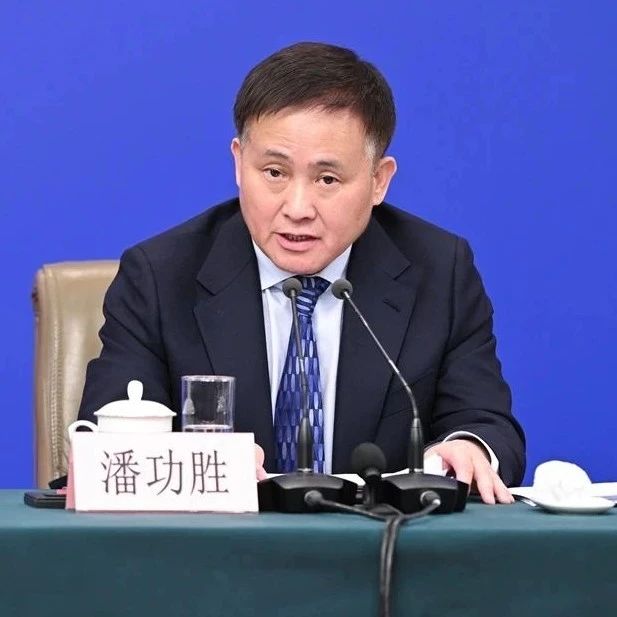
潘功胜详解:优化互换便利、股票回购增持再贷款
Sou Hu Cai Jing· 2025-05-07 03:50
Group 1 - The People's Bank of China (PBOC) introduced two capital market support tools: swap facilities and stock repurchase and increase loans, with initial quotas of 500 billion and 300 billion respectively, which have been well-received by the market [1] - These tools are designed based on market principles to support listed companies in managing their market value through stock repurchases and increases, enhancing the ability of participants to access funds [1] - The tools have a counter-cyclical adjustment property, providing a stabilizing effect during periods of market undervaluation, as evidenced by increased usage during market downturns [1] Group 2 - The PBOC, in collaboration with the CSRC and financial regulatory authorities, is optimizing the implementation of these tools by merging the total quota of 800 billion for more flexibility and accessibility [2] - The range of participating institutions for swap facilities has been expanded from 20 to 40, and the collateral scope now includes Hong Kong stocks and restricted shares [2] - The maximum loan term for stock repurchase and increase loans has been extended from 1 year to 3 years, and the self-funding requirement for companies has been reduced from 30% to 10% [2]
买入A股!多家券商已实际开展互换便利
证券时报· 2025-05-01 14:58
Core Viewpoint - The article discusses the implementation and impact of the "swap convenience" tool introduced by the central bank, highlighting how various securities firms have engaged with this tool to enhance liquidity and support the capital market [1][16]. Group 1: Participation and Utilization - Several securities firms have successfully obtained qualifications to participate in the swap convenience business, with some actively utilizing the funds for stock and stock ETF holdings [2][4][15]. - The annual reports indicate that some firms have engaged in swap convenience repurchase agreements, with amounts nearing 5 billion yuan [7][10]. Group 2: Strategic Responses - Firms like Shenwan Hongyuan and Caitong Securities have emphasized their roles in providing liquidity support to small and medium enterprises and have completed significant transactions using swap convenience funds [4][15]. - Dongwu Securities and other firms have actively participated in the second batch of swap convenience operations, focusing on A-share market investments [4][6]. Group 3: Financial Metrics and Changes - The annual reports reveal significant changes in financial metrics related to swap convenience, such as an increase in the fair value of bonds used for repurchase agreements, with Guosen Securities reporting a value of 2.944 billion yuan [10][11]. - The balance of other equity investment tools at Zhongtai Securities increased by 54.33%, attributed to new swap convenience investment activities [13]. Group 4: Future Outlook - Companies are committed to enhancing their investment strategies and risk management capabilities, with a focus on balancing the functionality and profitability of swap convenience funds [15][16]. - Firms are looking to expand their investment scope and maintain market stability through the effective use of swap convenience tools [15][16].
买入A股!多家券商已实际开展互换便利
券商中国· 2025-05-01 12:44
Core Viewpoint - The article discusses the implementation and impact of the "swap convenience tool" introduced by the central bank, highlighting how various securities firms have engaged with this tool to enhance liquidity and support the capital market [1][13]. Group 1: Participation and Impact of Swap Convenience Tool - Several securities firms have successfully obtained qualifications to participate in the swap convenience business, with some reporting significant engagement in their annual reports [1][2]. - Firms like Shenwan Hongyuan and Caitong Securities have actively utilized the swap convenience to acquire stocks and ETFs, indicating a proactive approach to capital market support [3][4]. - Dongwu Securities and other firms have reported successful participation in the second batch of swap convenience operations, contributing to the A-share market [4][5]. Group 2: Financial Metrics and Performance - Some firms disclosed that their swap convenience-related repurchase agreements approached 5 billion yuan, showcasing the scale of their operations [2][7]. - Citic Securities reported being the first to complete a swap convenience transaction on the Shanghai and Shenzhen exchanges, emphasizing their role in maintaining market stability [5]. - By the end of 2024, Guosen Securities noted that the fair value of bonds obtained through swap convenience for repurchase agreements was 2.944 billion yuan, reflecting the financial implications of these operations [9]. Group 3: Future Outlook and Strategic Plans - Firms like Caitong Securities and Dongwu Securities expressed intentions to continue leveraging the swap convenience tool to enhance their investment strategies and contribute to market stability [12][4]. - Guosen Securities plans to refine its asset allocation strategy while balancing non-directional and directional investment approaches, indicating a strategic focus on stability and flexibility [12]. - Zhongtai Securities aims to improve its research and investment capabilities, highlighting the importance of the swap convenience tool in enhancing asset allocation effectiveness and return stability [11][12].




央行行长潘功胜发声,事关货币政策、风险防控|两会时间
和讯· 2025-03-06 11:21
Core Viewpoint - The article discusses the monetary policy and financial support measures for technological innovation in China, as outlined by the Governor of the People's Bank of China, Pan Gongsheng, during a press conference at the National People's Congress. Group 1: Monetary Policy Adjustments - In 2024, the central bank implemented multiple monetary policy adjustments, including two reductions in the reserve requirement ratio and policy interest rates, leading to a significant decline in loan market quotation rates. By the end of 2024, the growth rates of social financing, broad money M2, and RMB loans were all between 7% and 8%, exceeding the nominal economic growth rate by approximately 3 percentage points, with financing costs at historical lows [2]. - For 2025, the central bank plans to maintain a relatively loose monetary stance and will consider further reductions in reserve requirements and interest rates based on domestic and international economic conditions. There is room for downward adjustments in the reserve requirement ratio and the rates of structural monetary policy tools [2]. Group 2: Financial Support for Technological Innovation - The central bank, in collaboration with the China Securities Regulatory Commission and the Ministry of Science and Technology, plans to introduce a "Technology Board" in the bond market to enhance financial support for technological innovation. This initiative aims to facilitate the issuance of technology innovation bonds by financial institutions and support the issuance of medium- to long-term bonds by growing and mature tech companies [4][5]. - The central bank will also expand the scale of re-loans for technological innovation and technological transformation from the current 500 billion yuan to between 800 billion and 1 trillion yuan to better meet the financing needs of enterprises [5]. Group 3: Risk Prevention and Financial Stability - The overall stability of China's financial system is emphasized, with local debt and real estate risks continuing to recede. By the end of 2024, commercial banks had a capital adequacy ratio of 16%, a non-performing loan ratio of 1.5%, and a provision coverage ratio of 211%, all significantly above regulatory standards [6]. - Approximately 40% of financing platforms have exited the market through various means, including market exit and transformation, indicating progress in mitigating local financing platform debt risks [6][7]. - The average interest rate for newly issued bonds by financing platforms was 2.67% in the fourth quarter of 2024, reflecting a significant decline in risk premium levels in the financial market [7].