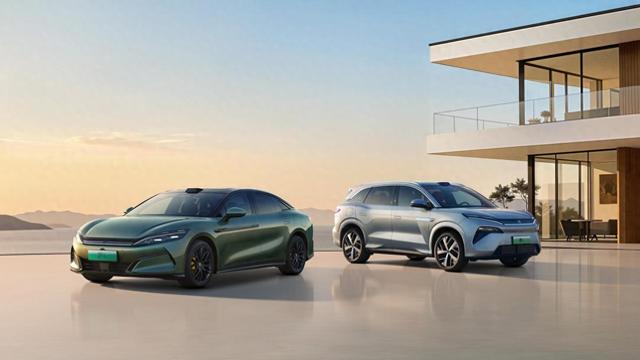
仰望U9 Xtreme

Search documents
10件大事,看懂2025全球汽车圈!
电动车公社· 2026-02-20 00:36
Core Viewpoint - The article discusses the significant events impacting the electric vehicle (EV) industry in 2025, highlighting the transition from low-quality competition to high-quality competition, the unique technological capabilities of China's EV sector, and the regulatory changes aimed at standardizing the industry [2]. Group 1: Policy and Subsidies - The "old-for-new" policy for vehicle replacement was confirmed to continue in 2025, with subsidies remaining the same as in 2024, providing 20,000 yuan for scrapping and 15,000 yuan for replacing electric vehicles [4][5]. - New conditions were added to the subsidy policy to prevent "car hoarding" practices, ensuring that funds are directed to consumers who genuinely need the subsidies [10]. Group 2: Market Dynamics - The automotive market has shifted from price competition to a focus on research, design, and service, with companies investing heavily in these areas rather than merely cutting costs [17]. - The price competition has led to significant price reductions across both domestic and foreign brands, indicating pressure on the entire automotive supply chain [12][13]. Group 3: Regulatory Changes - In 2025, multiple mandatory national standards were introduced, including stringent safety requirements for electric vehicle batteries and regulations against misleading advertising in autonomous driving [19][22]. - Safety has become a primary focus for the EV industry, with new standards addressing various aspects of vehicle safety and performance [23]. Group 4: Global Market Impact - The U.S. implemented significant tariff increases on Chinese goods, including automotive components, leading to a dramatic shift in the global automotive market and affecting the profitability of European and Japanese brands [24][27]. - The EU's regulations on carbon emissions have been adjusted, allowing for a continued presence of hybrid and range-extended vehicles beyond 2035, indicating a complex relationship between electric and fuel vehicles [30][35]. Group 5: Technological Advancements - Chinese automakers are increasingly focusing on technological upgrades, with advancements in battery technology, charging speeds, and vehicle performance becoming key competitive factors [38][40]. - The emergence of high-performance electric vehicles from Chinese brands has begun to challenge established luxury brands, showcasing the rapid evolution of the industry [49][55]. Group 6: Industry Growth and Export - In 2025, China's new energy vehicle production and sales exceeded 16 million units, with a retail penetration rate of 53.9%, and exports reached 2.615 million units, both setting historical records [68]. - The growth in the EV sector is attributed to improvements in quality and technology, with Chinese brands increasingly establishing sales channels and service centers overseas [71].

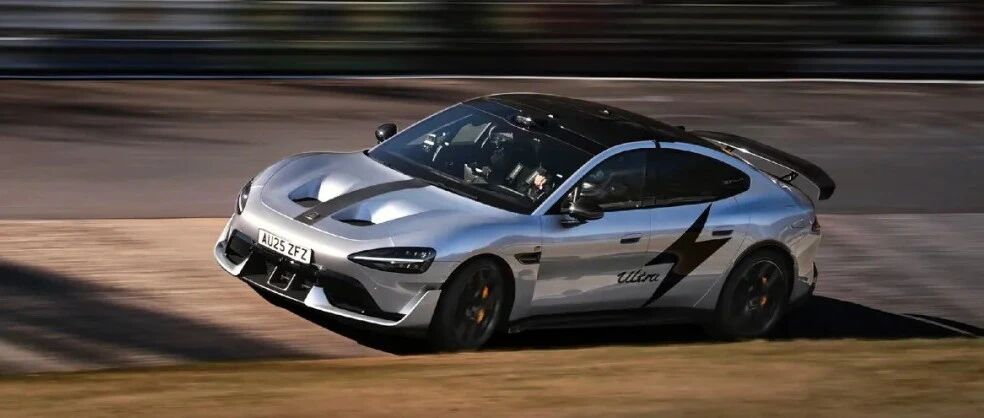
极速496km/h!销量吊打迈巴赫!刷新24小时耐力赛纪录!2025年重磅新车都有谁?
电动车公社· 2026-02-18 00:02
Group 1 - The article highlights the significant success of NIO's ES8 in 2025, achieving a record delivery of 48,134 units in December and marking a profitable quarter [5][6] - The ES8's success is attributed to three main factors: cost reduction leading to a competitive price of 406,800 RMB, the benefits of NIO's battery swapping technology, and the refined product quality of the ES8 [8][9][11] - The article anticipates the performance of NIO's upcoming flagship model, the ES9, with high expectations [12] Group 2 - Xiaomi's YU7 is described as a phenomenon in the automotive market, with 152,357 units registered in 2025 and a remarkable sales performance in January 2026 [15][16] - The success of YU7 is linked to Xiaomi's strong supply chain management, marketing prowess, and the efforts of its design and engineering teams [16][17] - YU7 is positioned as a major competitor to Tesla's Model Y, indicating its significant impact on the market [18] Group 3 - Leap Motor is recognized for its steady growth, aiming for a sales target of one million units in 2025, with models like the C10 and C11 driving its success [21][22][24] - The company has demonstrated resilience by enhancing existing products and optimizing design and configuration [23][25] Group 4 - Nissan's N7 is highlighted as a key example of a joint venture brand successfully developing a fully electric vehicle independently, achieving significant sales milestones [31][32] - The N7's development showcases the collaboration between Nissan and local partners, emphasizing the shift towards localized electric vehicle production [30][32] Group 5 - Geely's Star Wish has maintained strong sales, achieving over 40,000 units per month and becoming the best-selling model in its category [37][38] - The article attributes its success to effective marketing strategies and strong product features that appeal to a wide audience [38] Group 6 - The Lantu Dreamer has undergone significant upgrades, enhancing its electric range and luxury features, resulting in a notable increase in sales [42][45] - The model's versatility as both a family and business vehicle is emphasized, contributing to its market position [44] Group 7 - The BYD Yangwang U9 Xtreme has set records for speed, showcasing BYD's engineering capabilities and technological advancements in the electric vehicle sector [48][50] - The U9 Xtreme's performance highlights BYD's commitment to breaking foreign monopolies in the high-performance electric vehicle market [50] Group 8 - Volvo's XC70 is noted for its successful transition to hybrid technology, becoming the first luxury hybrid model to exceed 5,000 units in monthly sales [57][58] - The article suggests that this model could represent a new direction for luxury brands in their electric vehicle strategies [58] Group 9 - Tesla's Model Y remains a strong contender in the market despite a 20% decline in new registrations, ranking third in sales among electric vehicles [63][64] - The introduction of the extended Model Y L variant aims to enhance its appeal and maintain its competitive edge [66][68] Group 10 - The ZunJie S800 has achieved remarkable sales in the luxury segment, delivering over 4,000 units in December 2025, setting a record for Chinese brands in the million-level market [73] - The model's design and luxury features are highlighted as key factors in its success, challenging traditional luxury car perceptions [73]





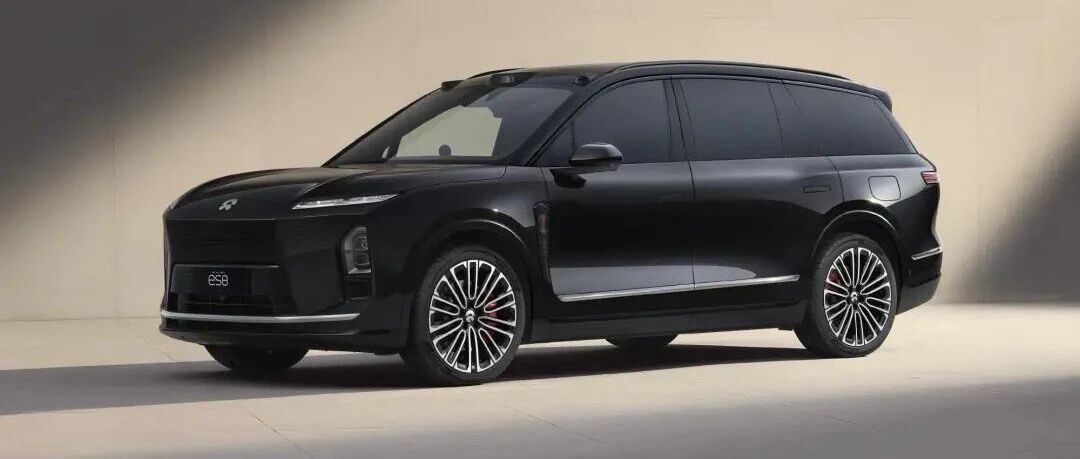
2025:中国高端汽车的“仰望”时刻
Zhong Guo Xin Wen Wang· 2026-01-04 10:27
Core Insights - In 2025, China's new energy vehicles (NEVs) achieved a historic market penetration rate of 51%, surpassing traditional fuel vehicles for the first time, marking a significant shift in the automotive industry [1] - The launch of the Yangwang U9 Xtreme, which reached a top speed of 496.22 km/h and a Nürburgring lap time of 6 minutes and 59.157 seconds, signifies a new era in automotive performance and innovation [1] Industry Transformation - The automotive industry has transitioned from "mechanical sovereignty" dominated by Western manufacturers to a "digital definition" led by innovative technologies [2] - Yangwang's approach has redefined vehicles from mechanical constructs to intelligent systems driven by algorithms and data, shifting the competitive focus from mechanical complexity to system intelligence [2] Product Innovations - The Yangwang U9 Xtreme is recognized as the world's fastest production car, featuring a 1200V ultra-high voltage platform and four high-performance motors, generating over 3000 horsepower [3] - The Yangwang U8L Ding Shi version redefines safety by integrating a full aluminum chassis and advanced active safety features, transforming safety from passive to proactive measures [4] - The Yangwang U7 introduces a chip-level revolution in comfort and handling, utilizing a cloud-based system that significantly enhances response times and driving precision [5] Ecosystem Development - Yangwang's emergence is supported by China's robust trillion-dollar industrial cluster in the NEV sector, showcasing the strength of "Chinese-style innovation" [6] - China has established six major automotive industry clusters, leading to significant advancements in hybrid engine efficiency, battery costs, and fast-charging technologies [7] Global Market Position - In the 2025 global automotive parts rankings, 15 Chinese companies made the list, reflecting the strong aggregation effect within China's automotive industry [7] - Yangwang's technological advancements are rooted in China's collective efforts in semiconductor, precision motor, and materials science sectors, enabling rapid product development [8] Brand Recognition - Yangwang has gained recognition in the high-end market, with endorsements from prominent Chinese entrepreneurs, indicating a shift in consumer perception towards domestic brands [9] - The brand has attracted customers from luxury brands like Mercedes-Benz and Porsche, with a high percentage of full-price purchases, demonstrating its acceptance in elite consumer circles [9] Cultural Impact - Yangwang is becoming a symbol of Eastern luxury, with its influence extending beyond products to cultural phenomena, as seen in its appeal to global figures and celebrities [10] - In November 2025, China's automotive exports reached 728,000 units, with NEV exports surging by 260.8%, highlighting the global integration of Chinese automotive brands [10] Future Outlook - Yangwang exemplifies a new industrial civilization that values technology while emphasizing humanistic concerns, showcasing a commitment to social responsibility through its vehicles [11] - The integration of AI and smart technologies in the automotive sector is expected to drive profound changes in product forms and manufacturing processes [11] Conclusion - Yangwang's journey from inception to a leading brand in the automotive industry illustrates a successful model of high-end manufacturing in China, emphasizing technological innovation and cultural resonance [12] - The brand signifies a pivotal moment for China's automotive industry, positioning it as a key player in defining the future of global automotive standards [12]
仰望U9X刷新纽北赛道纯电量产车圈速纪录
Feng Huang Wang· 2025-12-23 06:55
Core Viewpoint - BYD's high-end brand Yangwang has announced that its U9 Xtreme model has achieved a lap time of 6 minutes and 59.157 seconds at the Nürburgring North Loop, making it the fastest pure electric production car on that track [1] Group 1: Performance Achievements - The U9 Xtreme's lap time represents a significant milestone, breaking the 7-minute barrier by less than 1 second [1] - The testing process showed incremental improvements, with the vehicle coming within 0.1 seconds of breaking the record during earlier tests [1] - The company indicates that the first round of Nürburgring lap time testing is complete, but emphasizes that this achievement is "not the end" [1] Group 2: Industry Context - The continuous breakthroughs in electric vehicle technology highlight the importance of high-performance pure electric models in demonstrating technical capabilities on professional racetracks [1] - The record-setting lap time reflects advancements in both power performance and chassis tuning for domestic pure electric sports cars [1]
当传统巨头收缩战线:比亚迪的研发“豪赌”为何赢了?
经济观察报· 2025-12-03 14:22
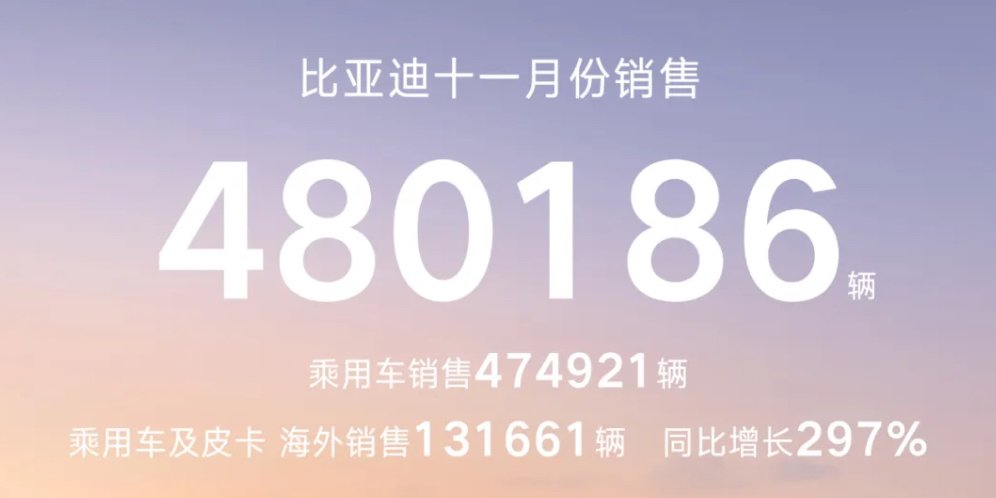
Core Viewpoint - BYD demonstrates a long-term commitment to R&D, with investments exceeding net profits for 13 out of the last 14 years, driving its sales to rank among the top five globally, showcasing a "technology is king" strategy [1][5]. Group 1: Sales Performance - In November, BYD achieved a record monthly sales of 480,000 new energy vehicles, marking a significant year-end sales push [2]. - Cumulatively, BYD's sales reached 4.182 million units in the first 11 months, reflecting an 11.3% year-on-year growth, maintaining its leading position in the industry [2][3]. Group 2: R&D Investment - BYD's R&D expenditure for the first three quarters of this year reached 43.7 billion yuan, a 31% increase year-on-year, positioning it as a leader in R&D investment among global automakers [3]. - Over the past decade, BYD has invested over 220 billion yuan in R&D, ranking it among the top in A-share listed companies [5]. - The company's R&D spending has consistently exceeded its net profits, emphasizing its focus on long-term technological advantages [5]. Group 3: Competitive Landscape - Chinese automakers, including BYD, are experiencing positive performance while traditional foreign automakers face challenges, indicating a shift in the industry dynamics [3][5]. - While Chinese companies are increasing R&D investments, traditional foreign automakers like Volkswagen and BMW are reducing their R&D budgets, potentially compromising their future competitiveness [5]. Group 4: Technological Advancements - BYD's innovations, such as the Tian Shen Eye driver assistance system and the Super e-platform, are enhancing its product competitiveness [8]. - In the battery sector, BYD ranked second globally in electric vehicle battery usage in Q3, with a 28.4% year-on-year growth [8]. Group 5: Global Expansion - BYD's overseas sales reached 700,000 units in the first three quarters, a 136% increase year-on-year, becoming a significant growth driver for the company [12]. - The company's global presence is expanding, with its products integrated into various international markets, showcasing its competitive edge in the global automotive landscape [12].
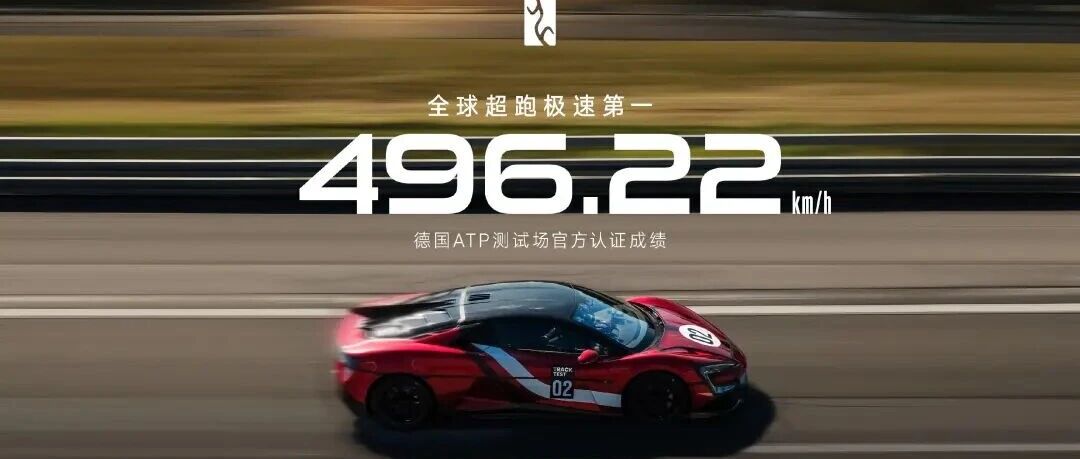
当传统巨头收缩战线:比亚迪的研发“豪赌”为何赢了?
Jing Ji Guan Cha Wang· 2025-12-03 09:37
Core Insights - The November sales data highlights the strong performance of China's electric vehicle (EV) industry, with BYD achieving a record monthly sales of 480,000 units, marking a year-high [1] - BYD's cumulative sales for the first eleven months reached 4.182 million units, reflecting a year-on-year growth of 11.3%, maintaining its leading position in the industry [1] - A divergence in performance is noted between Chinese automakers, led by BYD, and foreign giants, with the former showing robust growth while the latter struggles [1][4] Sales Performance - In November, BYD's sales reached 480,000 units, while other major players like SAIC and Geely also reported strong sales figures [1] - BYD's cumulative sales for the first eleven months of the year reached 4.182 million units, a year-on-year increase of 11.3% [1] R&D Investment - BYD's R&D expenditure for the first three quarters of the year was 43.7 billion yuan, a 31% increase year-on-year, positioning it as a leader in R&D investment among global automakers [1][4] - Over the past decade, BYD has invested over 220 billion yuan in R&D, consistently prioritizing technology as a core strategy [4] - In contrast, traditional foreign automakers like Volkswagen and BMW have reduced their R&D spending, indicating a more conservative approach to innovation [4] Technological Advancements - BYD has introduced innovative technologies such as the Tian Shen Eye driver assistance system and the Super e-platform, enhancing its product competitiveness [6] - The company ranks second globally in electric vehicle battery usage, with a total of 55.1 GWh in the third quarter, reflecting a year-on-year growth of 28.4% [6] Market Expansion - BYD's energy storage systems have positioned it among the top three globally, with significant projects like the largest energy storage project in Germany [7] - The company has seen a 136% year-on-year increase in overseas sales, reaching 700,000 units in the first three quarters, contributing significantly to its growth [11] Brand Development - BYD's high-end brand strategy has led to rapid increases in sales and market share, enhancing its global influence and technological authority [9] - The U9 Xtreme model has set a world record for electric vehicles, showcasing BYD's technological prowess and elevating the brand's status in the automotive industry [9]
比亚迪锚定高端化 包馆展示多项核心技术
2 1 Shi Ji Jing Ji Bao Dao· 2025-11-27 14:32
Group 1 - BYD showcased its main models priced at 200,000 yuan and above at the 2025 Guangzhou Auto Show, including the Han L and Tang L with new colors and OTA upgrades, as well as the U9 Xtreme supercar and U8L SUV from the Yangwang brand [2] - The Han L EV and Tang L EV feature the Super e-platform with a capability of charging 400 kilometers of range in just 5 minutes, while the Han L DM and Tang L DM have fuel consumption rates of 3.9L and 4.9L per 100 kilometers respectively [2] - The U9 Xtreme set a new record for production electric vehicles at the Nürburgring with a time of 6 minutes and 59 seconds, surpassing the previous record held by the Xiaomi SU7 Ultra [2] Group 2 - BYD's "Megawatt Flash Charge" high-voltage platform aims to achieve the same 5-minute charging capability for 400 kilometers of range, while the "Tian Shen Zhi Yan" intelligent driving system has been installed in over 2 million vehicles, generating over 130 million kilometers of driving data daily [3] - In October, BYD's monthly sales reached 441,700 units, with cumulative sales from January to October totaling 3.7019 million units, and total sales of new energy vehicles exceeding 14.2 million units [3] - The high-end brands Tengshi, Fangchengbao, and Yangwang are also performing well, with Fangchengbao delivering 31,000 new vehicles in October, Tengshi exceeding 10,000 units, and Yangwang delivering 654 new vehicles [4]
比亚迪锚定高端化,包馆展示多项核心技术
2 1 Shi Ji Jing Ji Bao Dao· 2025-11-27 14:32
Core Insights - BYD showcased its latest models at the 2025 Guangzhou Auto Show, focusing on vehicles priced at 200,000 yuan and above, including the Han L and Tang L with new colors and OTA upgrades [1] - The Han L EV and Tang L EV feature the Super e-platform with a capability of charging for 400 kilometers in just 5 minutes, while the Han L DM and Tang L DM have fuel consumption rates of 3.9L and 4.9L per 100 kilometers respectively [1] - The U9 Xtreme from the Yangwang brand set a new record for production electric vehicles at the Nürburgring with a time of 6 minutes and 59 seconds [1] Technology Highlights - BYD emphasized its "Megawatt Flash Charge" high-voltage platform, aiming for a charging time of 5 minutes for 400 kilometers of range [2] - The "Tian Shen Zhi Yan" intelligent driving system has been installed in over 2 million vehicles, generating an average of 130 million kilometers of driving data daily [2] Market Performance - In October, BYD achieved a monthly sales figure of 441,700 vehicles, bringing the total sales for the year to 3,701,900 units, with cumulative sales of over 14.2 million electric vehicles [2] - The high-end brands Tengshi, Fangchengbao, and Yangwang are also performing well, with Fangchengbao delivering 31,000 new vehicles in October, Tengshi exceeding 10,000 units, and Yangwang delivering 654 new vehicles [2]
聚焦2025广州车展 电动化与智能化双轮驱动 自主品牌改写豪华车生态
Ren Min Wang· 2025-11-27 11:54
Core Insights - The luxury car market in China is experiencing a shift, with luxury brands historically holding a significant market share now facing increased competition from domestic brands [1][2] - The sales of luxury passenger cars in China are projected to account for 12.9% of total new car sales by the third quarter of 2025, down from a previous higher percentage [1] - Domestic brands have seen a significant rise in sales, with 480,000 units sold in the 300,000 yuan and above segment from January to September this year, achieving a market share of 40.7% [1] Industry Trends - The definition of "luxury" in the Chinese automotive market is evolving, moving away from traditional luxury brand dominance to a more consumer-driven perspective that emphasizes product experience [2] - Consumers are increasingly prioritizing product features such as economic efficiency, environmental sustainability, diversity, and personalization over brand prestige [1][2] - The integration of electric vehicle technologies, including electric motors, control systems, and battery platforms, along with smart connectivity, is enhancing user experience in the automotive sector [1] Company Developments - Yangwang Auto showcased its global limited supercar U9 Xtreme, full-size luxury SUV U8L, and flagship electric sedan U7 at the 23rd Guangzhou International Auto Show [1][2] - Yangwang has established a comprehensive product lineup covering supercars, flagship SUVs, and luxury sedans, maintaining a leading position in the global new energy vehicle sector [2] - The company has introduced new color options for the U7 and launched the U8L, which has officially started deliveries [2]
“爆款”新车、硬核科技集结 比亚迪“专馆”成广州车展热门展馆
Bei Jing Ri Bao Ke Hu Duan· 2025-11-27 10:00
Group 1 - BYD showcased its brands at the Guangzhou Auto Show, including the Dynasty and Ocean series, along with its technology exhibits such as the "God Eye" and "Megawatt Flash Charge" [1][3] - The Han L and Tang L models feature the Super e-platform with "Megawatt Flash Charge" technology, addressing electric vehicle charging anxiety, and come with new driving assistance features and upgraded safety configurations [3] - The Han L EV and DM models are priced between 204,800 to 264,800 CNY and 194,800 to 244,800 CNY respectively, while the Tang L EV and DM models are priced between 224,800 to 274,800 CNY and 214,800 to 270,800 CNY respectively, with a maximum purchase incentive of 52,000 CNY [3] Group 2 - Yangwang showcased its limited edition supercar U9 Xtreme and the luxury SUV U8L, highlighting its achievements in speed and lap records [5] - The Yangwang U7 introduced a new color option and a brand philosophy of "Free Control," while the U8L has been well-received in the market [5] Group 3 - Tengshi presented its family of models, including the N8L, D9, N9, and Z9, emphasizing its advancements in safety, control, and smart technology [7][8] - The Tengshi D9 is approaching a milestone of 300,000 deliveries and has been the best-selling model in the Chinese new energy MPV market from January to October 2025 [7] - The N9 and N8L are positioned as flagship SUVs with advanced driving assistance features, while the Z9GT and Z9 are highlighted as luxury sports models [8] Group 4 - Equation Leopard introduced four models under the Leopard Titanium series, with the Titanium 7 becoming a popular model, achieving sales of 20,024 units in its first full month [10] - The Titanium 7's high-end Ultra version accounts for over 85% of its sales, and the company is working to increase production capacity for faster deliveries [10]