多式联运服务

Search documents
广西累计下达8100万元 赋能多式联运跑出加速度
Zhong Guo Xin Wen Wang· 2026-02-12 04:01
Core Viewpoint - Guangxi Zhuang Autonomous Region has allocated a total of 81 million yuan to support multiple multimodal transport projects, utilizing an innovative "reward instead of subsidy" approach to optimize transport structure and promote green and low-carbon transformation [1] Group 1: Financial Support and Projects - Guangxi has cumulatively supported 20 multimodal transport projects, with 81 million yuan in subsidies benefiting 14 projects, which include various modes such as rail-water transport and road-rail-water transport [1] - In 2025, Guangxi plans to allocate 30 million yuan in special funds to support six multimodal transport projects, focusing on hub enhancement, low-carbon transformation, and regional collaboration [1] - An additional 60 million yuan in subsidy funds will be provided based on project acceptance to further expand the coverage of multimodal transport [1] Group 2: Goals and Future Plans - The next steps involve promoting deep integration of various transport modes, facilitating the green transformation of the transport industry, and helping to establish important domestic and international dual circulation hub nodes [1]
机遇·香港国际机场|航空枢纽的腾飞秘诀
Xin Lang Cai Jing· 2026-02-07 15:37
Core Viewpoint - The Hong Kong International Airport is set to strengthen its position as a global aviation hub by 2026, with significant developments in connectivity and talent cultivation in the Guangdong-Hong Kong-Macao Greater Bay Area [1][2]. Group 1: Airport Operations and Growth - The passenger volume at Hong Kong International Airport is projected to exceed 61 million by 2025, marking a 15% year-on-year increase [1]. - The airport currently handles over 1,100 international flights daily, connecting to approximately 220 destinations worldwide [1]. - The expansion of the second terminal is being implemented in phases, with the departure hall expected to begin operations this year [1]. Group 2: Talent Development and Training - Since its establishment in 2016, the Hong Kong International Aviation Academy has trained over 230,000 aviation professionals [2]. - The Greater Bay Area Youth Aviation Internship Program, launched in 2023, has attracted over 800 participants [2]. - In 2025, 11 graduates from the "Trainee Pilot Program" will be employed as second officers by airlines [2]. Group 3: Connectivity and Integration - The three-runway system at Hong Kong International Airport supports enhanced intermodal transport efficiency, including policies like "Cross-border travel by ferry" and "Fast train + ferry" [2]. - The Dongguan Airport Center is advancing the airport's cargo capabilities closer to manufacturing hubs [2].


涉及养老机构服务、儿童用品安全性等
Xin Lang Cai Jing· 2026-01-18 22:34
Emerging Fields - The release of 4 national standards for industrial internet platforms supports the scalable development and application of industrial internet platforms [1] - 4 national standards for digital supply chains are aimed at enhancing the resilience of industrial chains through digitalization [1] - 5 national standards for smart factory safety integration promote high-quality and sustainable development in manufacturing through data-driven management [1] - National standards for the classification and comprehensive utilization of recyclable rare earth secondary resources support the recycling of rare earth resources [1] Transportation and Green Low-Carbon - 23 national standards related to railway freight transport, intelligent transport, and aviation services facilitate efficient development in transportation [1] - 7 national standards for explosion-proof industrial vehicles and off-road forklifts promote the standardized development of the industrial vehicle sector [1] - 3 logistics national standards for multimodal transport service quality assessment and the integration of logistics and manufacturing industries guide the integration of transport modes [1] - 17 national standards for carbon capture, green factory evaluation, and greenhouse gas emission accounting assist in achieving carbon neutrality goals [1] Safety Production - 13 mandatory national standards for production safety accident investigation and economic loss statistics enhance safety emergency capabilities in hazardous chemical enterprises [2] - 4 mandatory national standards in the fire safety sector improve the fire performance and quality of building insulation materials and rescue equipment [2] - 28 national standards related to feed, pesticides, plant quarantine, and animal husbandry provide a technical foundation for agricultural production safety [2] Daily Life - 6 national standards for children's products, including portable baby sleep baskets and VOC emission measurement, aim to enhance product quality and safety [2] - 3 national standards for elderly care institutions standardize care practices and improve the quality of life services [2] - 5 national standards for traditional Chinese medicine better protect public health through classification and assessment [2] - 5 national standards for musical instruments, including pianos and electric instruments, cater to the cultural and spiritual needs of the public [2] - 2 mandatory national standards for sports venues, including climbing and fencing, ensure safety in fitness activities [2] Additional Standards - The market regulatory authority has also released national standards in areas such as government services, wind power generation systems, water conservation, and agricultural products [2]
三羊马发预亏,预计2025年度归母净亏损700万元至1000万元
Zhi Tong Cai Jing· 2026-01-16 14:28
Core Viewpoint - The company, San Yang Ma (001317.SZ), forecasts a net loss attributable to shareholders of 7 million to 10 million yuan for the fiscal year 2025, indicating financial challenges ahead [1]. Group 1: Reasons for Performance Change - The increase in depreciation expenses and operating costs is attributed to the completion of construction projects by the wholly-owned subsidiary, Chongqing Zhuyuan Multimodal Transport Co., Ltd [1]. - Domestic business has experienced a temporary decline in gross margin due to cost control requirements from some clients during the bidding process [1]. - International business is facing challenges as some newly expanded operations are still in the market cultivation phase, impacted by geopolitical factors, leading to short-term performance not meeting expectations [1].
事关稀土资源再利用、儿童用品安全性等 一批重要国家标准发布
Yang Shi Xin Wen· 2026-01-15 12:47
Emerging Fields - The release of 4 national standards for industrial internet platforms supports the large-scale development and application of industrial internet platforms [1] - 4 national standards for digital supply chains are aimed at enhancing the resilience of industrial chains through digitalization [1] - 5 national standards for smart factory safety integration promote high-quality and sustainable development in manufacturing through data-driven management [1] - National standards for the classification and comprehensive utilization of recyclable rare earth secondary resources support the recycling of rare earth resources [1] Transportation and Green Low-Carbon - 23 national standards related to railway freight transport, intelligent transport, and aviation services facilitate efficient development in transportation [1] - 7 national standards for explosion-proof industrial vehicles and off-road forklifts promote the standardized development of the industrial vehicle sector [1] - 3 logistics national standards for multimodal transport service quality assessment and the integration of logistics and manufacturing industries promote standard alignment across transport modes [1] - 17 national standards for carbon dioxide capture, green factory evaluation, and greenhouse gas emission accounting assist in achieving carbon neutrality goals [1] Safety Production - 13 mandatory national standards for production safety accident investigation and economic loss statistics enhance safety emergency capabilities in hazardous chemical enterprises [2] - 4 mandatory national standards in the fire safety sector improve the fire performance and quality of building insulation materials and rescue equipment [2] - 28 national standards related to feed, pesticides, plant quarantine, and animal husbandry provide a technical foundation for agricultural production safety [2] Daily Life - 6 national standards for children's products, including portable baby sleep baskets and VOC emission measurement, aim to improve product quality and safety [2] - 3 national standards for elderly care institutions standardize care practices and enhance the quality of life services [2] - 5 national standards for traditional Chinese medicine better protect public health [2] - 5 national standards for musical instruments, including pianos and electric instruments, cater to the cultural and spiritual needs of the public [2] - 2 mandatory national standards for sports venues ensure safety in fitness activities [2] Additional Standards - The market regulatory authority also released national standards related to government services, wind power generation systems, water conservation, and agricultural products [2]
江苏“十四五”交通建设交出亮眼答卷 总体发展水平全国前列
Jiang Nan Shi Bao· 2026-01-08 02:04
Core Insights - Jiangsu Province has significantly accelerated its transportation infrastructure development, completing an investment of 1 trillion yuan during the "14th Five-Year Plan," which is 1.6 times that of the "13th Five-Year Plan" [1] Infrastructure Development - The province's highway network has been notably upgraded, with the total highway mileage reaching 5,560 kilometers, an increase of 635 kilometers compared to the end of the "13th Five-Year Plan." Highways with six lanes or more account for 48.4%, ranking second nationally [2] - Over 420 kilometers of "broken road" have been connected, with the proportion of primary national and provincial roads at 79.1%, significantly higher than the national average of 18% [2] - The construction of river-crossing passages has accelerated, with 21 completed and 8 under construction, ensuring connectivity for counties and cities across rivers [2] - The province's high-speed rail mileage has reached 2,594 kilometers, an increase of 379 kilometers since the end of the "13th Five-Year Plan," leading in area density among provinces [2] Water Transport Development - The province has completed a secondary navigation channel along the Suzhou River, allowing 2,000-ton vessels to navigate the entire Jiangsu section of the Grand Canal [3] - Jiangsu has the longest mileage of secondary and above navigation channels in the country, approximately 1,100 kilometers [3] - The construction of nine dedicated waterways has addressed the "last mile" issue in waterway transport, with the core indicators of port capacity and cargo throughput maintaining a national leading position [3] Logistics System Enhancement - The province has established 42 multimodal transport hubs and 5 national multimodal transport demonstration projects, with 152 stable multimodal transport routes in operation [4] - The waterway freight volume accounts for approximately 38.9%, exceeding the national average by 21.4 percentage points [4] - Jiangsu has opened 93 international container shipping routes, including 24 ocean routes and 69 coastal routes, enhancing international logistics channels [4] Passenger Transport Services - The province has expanded its international and regional passenger flight routes to 37, with a total air passenger volume reaching 65 million [5] - Daily passenger train services have increased to over 750 pairs, marking a growth of over 50% since the end of 2022 [5] Urban Public Transport Improvements - Nine cities have opened 41 urban rail transit lines, totaling 1,279 kilometers, ranking second nationally in terms of newly opened mileage [6] - The average daily passenger volume has surpassed 6.4 million, placing Jiangsu fourth nationally [6] - The province has implemented a comprehensive public transport system, achieving full coverage of the "one card" system for transportation [6]
今年江苏交通建设计划投资2400亿元 继续保持高位推进 ——攻坚关键工程,打牢发展桩基
Xin Hua Ri Bao· 2026-01-08 00:24
Core Insights - The province plans to invest 1 trillion yuan in transportation infrastructure during the 14th Five-Year Plan, with a target of 240 billion yuan for this year, aiming for modernization by 2030 [1][3] - The focus is on building a comprehensive and efficient transportation network, enhancing logistics efficiency, and reducing costs [4][5] Investment and Infrastructure Development - A total of 240 billion yuan is allocated for transportation fixed asset investment in 2026, with significant projects including highway expansions and new rural roads [2][3] - Key projects include the construction of new highways, rural road upgrades, and the development of cross-river tunnels and railways to improve connectivity [2][3] Logistics and Cost Efficiency - Innovative logistics solutions, such as the "bonded + export" model, have reduced logistics costs by an average of 73% for businesses, significantly improving efficiency [4] - The province aims to enhance rural logistics through innovative models, achieving a high coverage rate of logistics service centers [4][5] Multi-Modal Transport and Growth Targets - The province plans to stabilize 60 multi-modal transport routes and achieve a container transport volume of 3 million TEUs [5][6] - By the end of the 15th Five-Year Plan, targets include 6,100 kilometers of highways and 5,700 kilometers of railways, with 28 cross-river tunnels [3][6] Digital Transformation and Smart Transportation - The integration of artificial intelligence in transportation is set to enhance monitoring, decision-making, and safety, with 50 application scenarios planned [7][8] - The province aims for comprehensive digital upgrades, including smart toll stations and monitoring systems for roads and waterways [7][8]
交通运输部答每经问:“十四五”时期长江干线主要港口铁路进港率超过九成
Mei Ri Jing Ji Xin Wen· 2026-01-05 13:55
Group 1 - The core viewpoint of the article emphasizes the significant progress and achievements in the development of the Yangtze River Economic Belt over the past decade, particularly in the area of multimodal transport [1] - The Ministry of Transport reported that during the 14th Five-Year Plan period, the railway access rate for major ports along the Yangtze River exceeded 90%, and the annual growth rate of container rail-water intermodal transport surpassed 30% [1][3] - The Ministry of Transport is set to implement a multimodal transport action plan during the 15th Five-Year Plan period, focusing on key nodes such as major ports and logistics parks to enhance the integration of container rail-water transport [2][3] Group 2 - The Ministry of Transport has introduced several policy documents to guide the development of multimodal transport, including the "One Port, One Policy" initiative to promote deep integration of container rail-water transport [2] - A comprehensive multimodal transport service system covering the Yangtze River Economic Belt has been established, with Shanghai and Wuhan serving as key hubs for enhancing international transport capabilities [2][3] - The Ministry of Transport aims to reduce logistics costs and improve efficiency by promoting the transfer of bulk goods from road to rail and water transport, thereby supporting the efficient operation of a unified national market [3]
经济大省挑大梁│江苏南京:从“十字路口”到“世界接口”
Xin Lang Cai Jing· 2025-12-21 14:32
Core Viewpoint - Nanjing is enhancing its status as an international transportation hub through the development of a multi-modal transport system that integrates air, rail, and maritime logistics, significantly improving its connectivity and operational capacity in the Yangtze River Delta and beyond [1][12]. Air Transport Hub - Nanjing Lukou International Airport has achieved "super-large airport" status, with a passenger throughput capacity of 50 million annually after the completion of Terminal 1 renovations and ongoing expansion projects [6][8]. - The airport is expected to handle 6.5 million passengers and 90,000 tons of cargo annually after the completion of its third-phase project, with a projected cargo throughput growth of 13.4% by 2025 [8][12]. - The introduction of new international routes, including direct flights to Paris, enhances the airport's competitive edge and connectivity [6][8]. Rail Transport Hub - The Nanjing North Station project, set to begin construction in September 2024, will feature a larger capacity than Nanjing South Station, with an expected annual passenger volume of 36.5 million [4][5]. - The high-speed rail network is evolving into a "grid" pattern, significantly reducing travel times between major cities, such as a 3.5-hour journey from Nanjing to Beijing [3][5]. - By the end of 2025, Nanjing's railway operational mileage is projected to reach 510 kilometers, connecting all prefecture-level cities in the province and 25 provincial capitals nationwide [5][12]. Maritime Transport Hub - The successful launch of the Arctic shipping route has reduced transportation time from 36 days to 26 days, enhancing the competitiveness of Jiangsu's manufacturing sector [9][11]. - Nanjing Port has established a comprehensive near and far sea shipping network, with 20 routes connecting to regions such as Japan, Southeast Asia, and the Middle East [10][12]. - Ongoing infrastructure improvements at Nanjing Port, including the expansion of rail connections, aim to increase cargo handling capacity and enhance the port's role as a key logistics hub [11][12]. Multi-Modal Transport System - Nanjing's "air-rail-water-road" multi-modal transport system is a unique feature that facilitates seamless logistics operations, with a projected rail-water transport volume of 142,000 TEUs by 2024 [13]. - The integration of various transport modes is expected to create synergistic effects, enhancing the overall efficiency and capacity of Nanjing's logistics network [13].
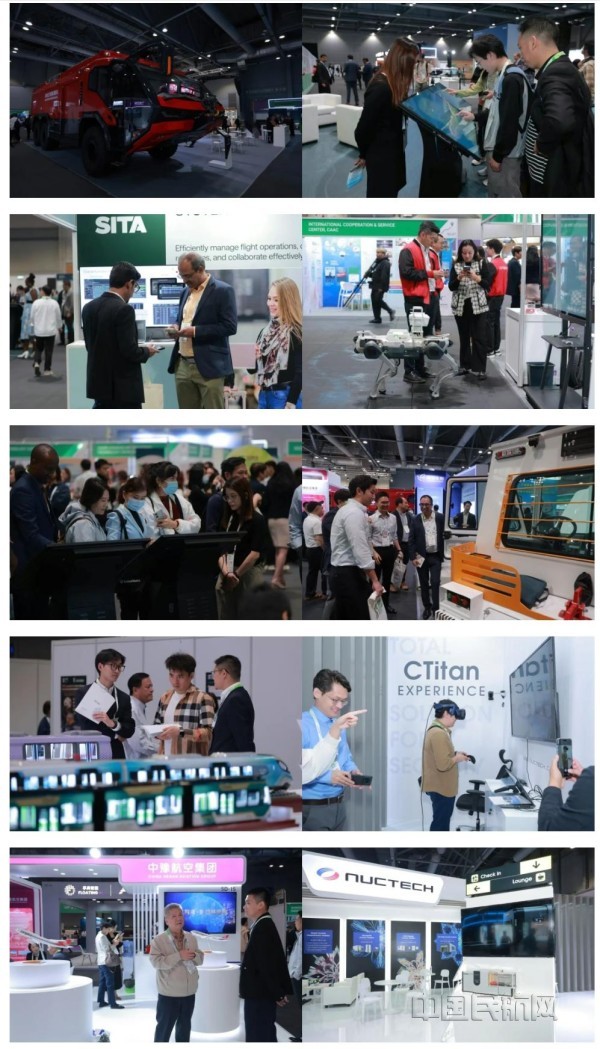
2025超级枢纽博览会在香港隆重举行 打造亚洲多式联运新里程
Zhong Guo Min Hang Wang· 2025-11-14 08:41
Core Insights - The 2025 Super Hub Expo in Hong Kong marks a significant step in consolidating the city's position as an Asian transportation hub, showcasing the latest technologies and innovations in the transport and logistics sector [1] - The event aims to promote multimodal transport development and deepen regional cooperation, creating a favorable environment for Hong Kong's future role in the transport sector [1] Group 1: Event Overview - The expo features a three-day program that includes professional exchanges, business matching, and award ceremonies, effectively promoting cross-sector collaboration and sustainable development in the transport ecosystem [1] - Key figures from the industry, including representatives from the Civil Aviation Administration of China and the Hong Kong government, participated in the event, emphasizing its importance [1] Group 2: Government Support - The Chairman of the Hong Kong Airport Authority highlighted the necessity of continuous infrastructure investment for the future of the aviation industry, mentioning the three-runway system as a major project [7] - The event received strong support from various government departments, showcasing its significance in the industry and making the "Air Silk Road Forum" a focal point of the expo [7] Group 3: Industry Participation - The expo expanded its coverage to include air cargo, rail transport, and the emerging low-altitude economy, attracting over 100 leading brands such as ARUP, AECOM, and NEC [8] - More than 200 major airports, ground service companies, airlines, and civil aviation authorities participated, marking the initiation of numerous professional exchanges and business opportunities [9] Group 4: Business Networking - The expo aims to create a vibrant business ecosystem in the Asian multimodal transport sector, featuring various activities and high-quality networking opportunities [10] - Specific initiatives include GAD Asia for practical financing and sustainable airport business growth, closed-door airport dialogues for senior executives, and structured one-on-one business matching sessions [10] Group 5: Thematic Discussions - The expo includes over 100 thematic seminars covering topics such as sustainable transport, digital transformation, and green aviation technology, providing valuable learning and networking opportunities [12][13] - The "Low Altitude Economy Forum" emerged as a key highlight, supported by the Hong Kong government's regulatory sandbox policy, showcasing innovations in urban air mobility [14]