宝马i7 M70L

Search documents
航司上调燃油附加费,OpenAI酝酿重大战略转向 | 财经日日评
吴晓波频道· 2026-03-19 00:30
Group 1: Housing Fund Policy in Shenzhen - Shenzhen has revised its housing fund management regulations, allowing employees to voluntarily increase their personal contribution rate to a maximum of 12% to access higher loan amounts [2] - As of December 2025, Shenzhen's housing fund has accumulated 10,329 billion yuan, with 6,941 billion yuan withdrawn by employees and 3,926 billion yuan in loans issued [2] - The new policy aims to enhance flexibility in the housing fund system, potentially increasing liquidity in the market while maintaining limits on withdrawals and loan amounts to prevent excessive outflow [2][3] Group 2: Airline Fuel Surcharge Increases - Multiple domestic airlines have raised international fuel surcharges by over 50%, with some routes seeing increases of up to 100% [4] - The rise in fuel costs is attributed to disruptions in the Strait of Hormuz, leading to increased operational costs for airlines, which were already facing low ticket prices [4][5] - The next adjustment for domestic routes is scheduled for April 5, with current surcharges set at 10 yuan for flights under 800 kilometers and 20 yuan for longer flights [4] Group 3: OpenAI's Strategic Shift - OpenAI is planning a significant strategic shift, focusing resources on programming tools and the enterprise market, moving away from its previous broad approach [6] - The urgency for this shift is heightened by the upcoming IPO, with OpenAI needing to establish a sustainable revenue model to enhance its valuation [7] - The company aims to regain its competitive edge in the enterprise AI service market, which has been successfully tapped by competitors like Anthropic [6][7] Group 4: Cloud Service Price Increases - Alibaba Cloud and Baidu Cloud have announced price increases for AI computing and storage products, with hikes ranging from 5% to 34% [8] - This trend follows similar price adjustments by major global cloud providers, indicating a shift in the supply-demand dynamics in the cloud computing market [8][9] - The rising demand for AI capabilities is driving up costs for cloud services, necessitating these price adjustments [8] Group 5: BMW Price Reductions - BMW has announced significant price reductions for 31 models, with some reductions exceeding 30,000 yuan, aiming to adjust to competitive pressures in the Chinese market [10] - In 2025, BMW's sales in China fell by 12.5% to 626,000 units, while sales in Europe and the U.S. saw growth [10] - The price adjustments are part of a strategy to clear inventory and prepare for new product launches in the competitive Chinese market [10][11] Group 6: Sunac China Financial Outlook - Sunac China has projected a loss of between 12 billion to 13 billion yuan for the fiscal year 2025, primarily due to reduced revenue and increased asset impairment provisions [14] - The company has completed a significant debt restructuring, converting approximately 9.6 billion USD of debt into convertible bonds, which will alleviate immediate cash flow pressures [14][15] - Sunac is focusing on revitalizing its projects in first- and second-tier cities and is actively seeking external funding to support its operations [15] Group 7: Stock Market Performance - The stock market saw a rebound with the Shanghai Composite Index rising by 0.32%, ending a four-day decline, driven by a recovery in the computing power industry [16] - Market sentiment improved with over 3,500 stocks gaining, while defensive sectors like oil and gas weakened [16][17] - Despite the recovery, overall market risk appetite remains limited, with trading volumes decreasing, indicating cautious investor sentiment [17]



宝马大降价30万,卖一辆车少赚5000元
21世纪经济报道· 2026-03-17 07:12
Core Viewpoint - BMW is facing a "mid-life crisis" as it struggles with declining sales and profitability, particularly in the Chinese market, despite maintaining overall global sales levels [4][11]. Pricing and Sales Performance - BMW has implemented significant price reductions across 31 models, with 24 models seeing price cuts exceeding 10% and 5 models over 20%, including a flagship electric model, the i7 M70L, which saw a reduction of 301,000 yuan [4]. - In 2025, BMW's EBIT margin dropped to 5.3% from 8.6% in 2022, indicating a decline in profitability [4][9]. - Total sales for BMW in 2025 were 2.464 million vehicles, with a 12.5% decline in the Chinese market, while sales in Europe and the Americas grew by 7.3% and 5.6%, respectively [4][12]. Financial Overview - BMW's total revenue for 2025 was 133.45 billion euros, down 6.3% year-on-year, with pre-tax profit at 10.236 billion euros, a decrease of 6.7% [4][7]. - The average pre-tax profit per vehicle sold in 2025 was approximately 2,540 euros, down from 3,222 euros the previous year, reflecting a loss of 680 euros per vehicle [9]. Cost Management and Future Projections - BMW is focusing on cost control, with reductions in R&D, capital expenditures, and sales and management expenses, which are uncommon among luxury car manufacturers [9][18]. - The company anticipates that tariffs will continue to impact profits in 2026, projecting an EBIT margin of 4% to 6% for the automotive business [9][18]. Market Dynamics and Competition - The European market is showing strong growth in electric vehicle sales, with a 28% increase in 2025, while BMW's electric vehicle sales in Europe are performing well, particularly with the new iX3 model [12][13]. - Despite the growth in Europe, BMW faces significant challenges in China, where competition from local brands is intensifying, and its electric models are not as competitive in terms of range and technology [14][15]. Strategic Initiatives - BMW plans to launch 40 new models with next-generation technology by 2027, aiming for electric vehicles to account for 50% of global sales by 2030 [9][10]. - The company is collaborating with local Chinese firms to enhance its technological capabilities and charging infrastructure, including a partnership with Momenta and Alibaba [17][18]. Sales Model Transformation - BMW is transitioning from traditional dealership models to direct sales, with plans to fully implement this by 2027, starting with the MINI brand [19].

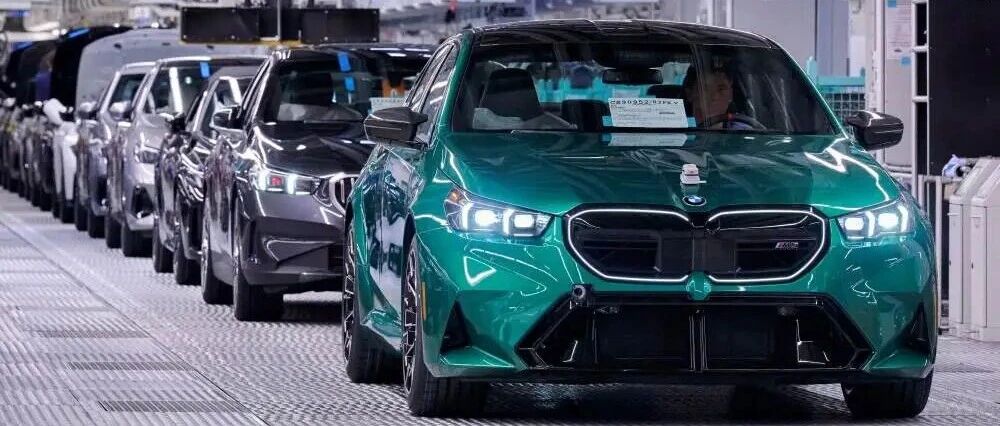
狂降27万!宝马神车伤透3亿中产
商业洞察· 2026-03-05 09:18
Core Viewpoint - The luxury car market, particularly for brands like BMW, is experiencing significant challenges, including price cuts and declining sales, indicating a shift in consumer preferences and market dynamics [5][9][21]. Group 1: BMW's Market Performance - BMW has adjusted the suggested retail prices for 31 models, with 24 models seeing price cuts exceeding 10% and some over 20%, including a maximum reduction of 301,000 yuan for the i7 M70L [7]. - In 2025, BMW's global deliveries reached 2,463,715 units, a slight increase of 0.5%, but in China, deliveries fell to 625,527 units, a decline of 12.5% [9]. - This marks the second consecutive year of declining sales in China, with a total drop of approximately 200,000 units compared to the peak of 825,000 units in 2023 [11]. Group 2: Competitive Landscape - The Chinese luxury car market is highly competitive, with brands like Audi and domestic manufacturers gaining ground, leading to BMW losing its market share in key segments [12][13]. - BMW's core models, such as the 5 Series and X5, have seen significant drops in sales, with the 5 Series selling fewer than 8,000 units and the X5 around 5,000 units [12]. - The decline in sales has resulted in over 50 BMW dealerships closing or losing authorization, indicating a severe impact on the dealership network [14]. Group 3: Price Wars and Brand Perception - The luxury car segment is facing a price war, with brands like Mercedes and Audi also slashing prices to maintain market share, which could harm their brand image [22][21]. - The drastic price reductions have led to concerns about the perception of luxury brands, as consumers may associate lower prices with diminished quality [22][19]. - The overall decline in the luxury car market is reflected in the sales figures for major brands, with Mercedes, BMW, and Audi experiencing significant year-over-year declines [19]. Group 4: Transition to Electric Vehicles - The luxury car manufacturers are under pressure to transition to electric vehicles, but many are struggling to adapt, with some brands retracting previous commitments to phase out internal combustion engines [30][31]. - BMW is attempting to accelerate its electric vehicle offerings, such as the iX3, and is engaging in partnerships to enhance its technological capabilities [34][32]. - The future success of these brands will depend on their ability to innovate and meet changing consumer expectations in a rapidly evolving market [35].

签约宁德时代、4月首发纯电平台iX3 宝马在华加码电动化
Bei Jing Shang Bao· 2026-02-26 14:36
Core Viewpoint - BMW is accelerating its electrification efforts in the Chinese market by collaborating with local companies and launching new electric models to regain its competitive edge in the luxury car segment amid declining sales and increased competition from domestic brands [2][3][6]. Group 1: Strategic Collaborations and Product Launches - BMW's chairman, Oliver Zipse, visited China with German Chancellor Olaf Scholz and signed a memorandum of understanding with CATL to enhance battery supply chain collaboration and reduce carbon footprints [2][3]. - The new generation BMW iX3 long-wheelbase version, designed on a dedicated electric platform, is set to make its global debut at the Beijing Auto Show in April [2][3][4]. - The first batch of new generation domestic test vehicles has already rolled off the production line in Shenyang [3]. Group 2: Market Performance and Sales Challenges - BMW and MINI brands experienced a 12.5% decline in sales in China, totaling 625,000 units in 2025, which is a drop of approximately 200,000 units from the peak in 2023 [6]. - The previous model of BMW iX3, based on an "oil-to-electric" platform, had poor market performance, leading to significant price reductions of nearly 40% from its original price [4][6]. - In early 2026, BMW initiated price cuts for luxury vehicles, including a reduction of 301,000 yuan for the i7 M70L model, with some fuel models seeing around a 12% decrease [6]. Group 3: Competitive Landscape and Industry Trends - The market share of German brands in China has declined to 12.1%, with domestic brands capturing over 40% of the luxury electric vehicle market [8]. - In 2025, the penetration rate of new energy passenger vehicles in China reached 53.9%, while BMW's electric vehicle sales accounted for only 11.8% of its total sales in the Chinese market [7][8]. - BMW's electric models primarily offer basic L2-level driver assistance, lacking advanced features like city NOA, which are increasingly available in domestic competitors' vehicles [7]. Group 4: Future Directions and Recommendations - Industry experts suggest that BMW should enhance its localization efforts and respond to market demands by developing products tailored to Chinese consumers [8][9]. - The collaboration with CATL aims to strengthen BMW's competitive position in the battery supply chain and align with global carbon neutrality trends [9]. - To avoid overlapping prices between old and new models, BMW is advised to clear inventory through price reductions before launching new products [8].

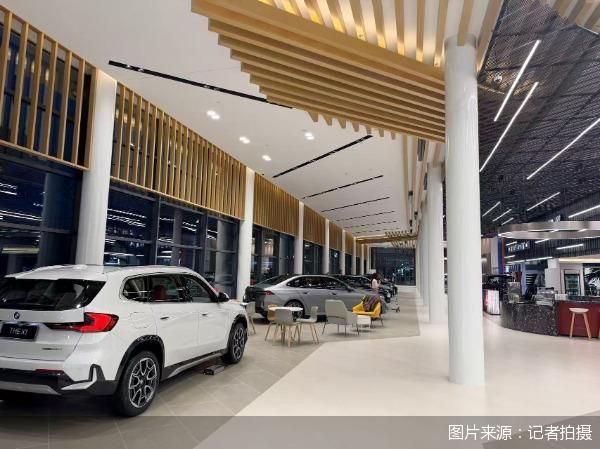
签约宁德时代、4月首发纯电平台iX3,宝马在华加码电动化
Bei Jing Shang Bao· 2026-02-26 14:31
Core Insights - BMW is accelerating its electrification efforts in the Chinese market, highlighted by the signing of a cooperation memorandum with CATL to enhance battery supply chain collaboration and reduce carbon footprints [3][9] - The new generation BMW iX3 long-wheelbase version, based on a dedicated electric platform, is set to debut at the Beijing Auto Show in April, aiming to improve BMW's competitive position in the electric vehicle market [2][4] - The German luxury car brands, including BMW, are facing declining market shares in China, with local brands gaining significant traction in the electric vehicle segment [8][9] Group 1: Market Performance - BMW and MINI brands sold 625,000 units in China in 2025, a 12.5% decline year-on-year, returning to levels seen seven years ago [6] - The new generation BMW iX3 aims to address previous performance issues, as the older model saw significant price reductions, with discounts reaching nearly 40% [4][6] - The official price of the new i7 M70L electric model was reduced by 301,000 yuan, while some fuel models saw price cuts of about 12% [6] Group 2: Competitive Landscape - The penetration rate of new energy passenger vehicles in China reached 53.9% in 2025, while BMW's electric vehicle market share was only 11.8%, primarily consisting of models based on older platforms [7] - Local brands are advancing rapidly in smart electric vehicle technology, with significant sales of vehicles equipped with advanced driver-assistance systems [7][8] - The market share of German brands in China has dropped to 12.1%, with local brands capturing over 40% of the luxury electric vehicle market [8] Group 3: Strategic Initiatives - BMW's collaboration with CATL is aimed at enhancing its competitive edge in the electric vehicle market and responding to the global trend of carbon neutrality [9] - The company is focusing on localizing its product offerings and improving its response to market demands, particularly in terms of smart features and battery technology [8][9] - Future strategies include accelerating local innovation and optimizing service efficiency through digital tools to stabilize market presence [8][9]
豪华市场变天,宝马换帅“救火”
Guo Ji Jin Rong Bao· 2026-02-03 15:51
Group 1 - BMW Group announced that Christian Ach will replace Sean Green as the President and CEO of BMW Group Greater China starting April 1, 2026, amid increasing competition in the luxury car market and challenges such as declining sales and slow electrification [3][4] - Ach is a long-time BMW veteran with extensive experience in various management roles within the company, including significant contributions to the sales of electric vehicles in Germany [4][3] - The leadership change comes as BMW faces continuous pressure in the Chinese market, which is crucial for its global strategy and performance [4][5] Group 2 - BMW's sales in China have seen a decline, with deliveries dropping from 792,000 units in 2022 to 625,500 units in 2025, marking a loss of approximately 200,000 units in market share over two years [5][9] - The company has implemented aggressive pricing strategies, including significant discounts on various models, which have led to a collapse of its pricing structure and a decrease in vehicle resale values [8][9] - BMW's brand value has been affected, with a three-year resale value of 52.68%, trailing behind competitors like Mercedes-Benz, which stands at 58.50% [9] Group 3 - BMW's slow transition to electrification is a core issue, with only 26% of global sales being electric or plug-in hybrid vehicles, and pure electric models making up just 18% [13][14] - The company has struggled to keep pace with the rapid development of electric vehicles in China, missing opportunities to innovate and adapt to consumer demands [13][14] - Many of BMW's electric models are based on platforms originally designed for gasoline vehicles, leading to performance issues and reliability concerns, particularly with the iX3 model [13][14]
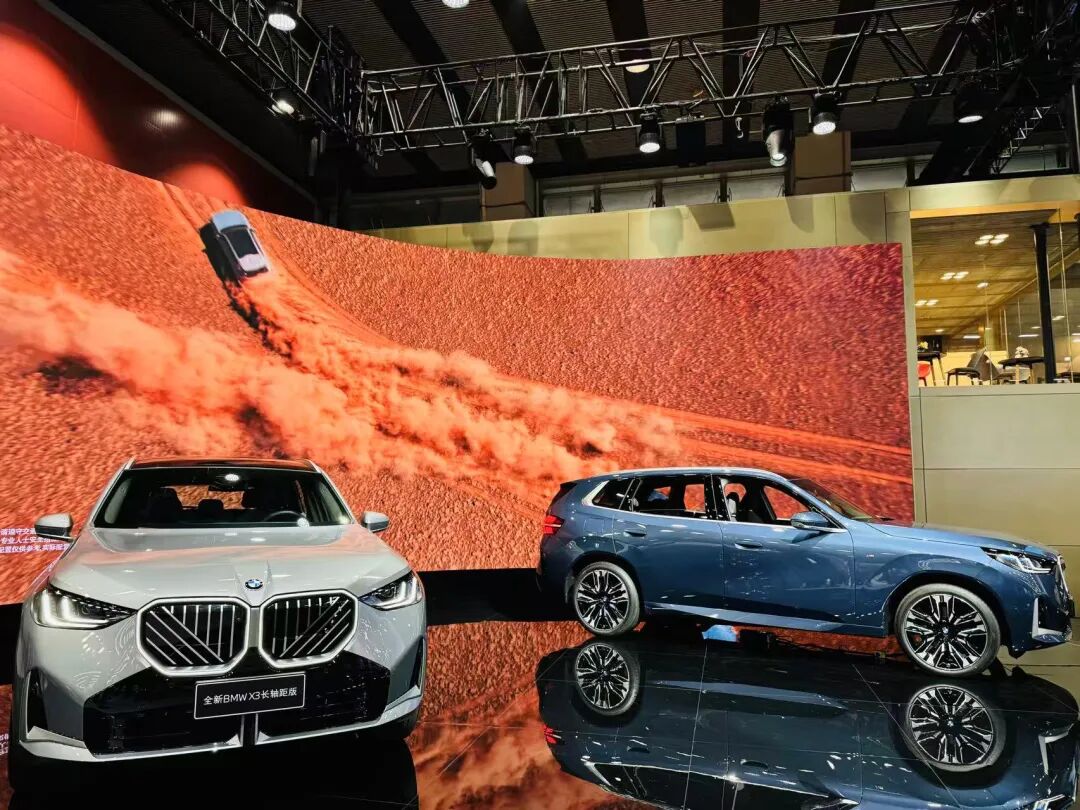
从“全球车”到“中国定制”,BBA在华转型路径渐明
2 1 Shi Ji Jing Ji Bao Dao· 2026-01-19 12:36
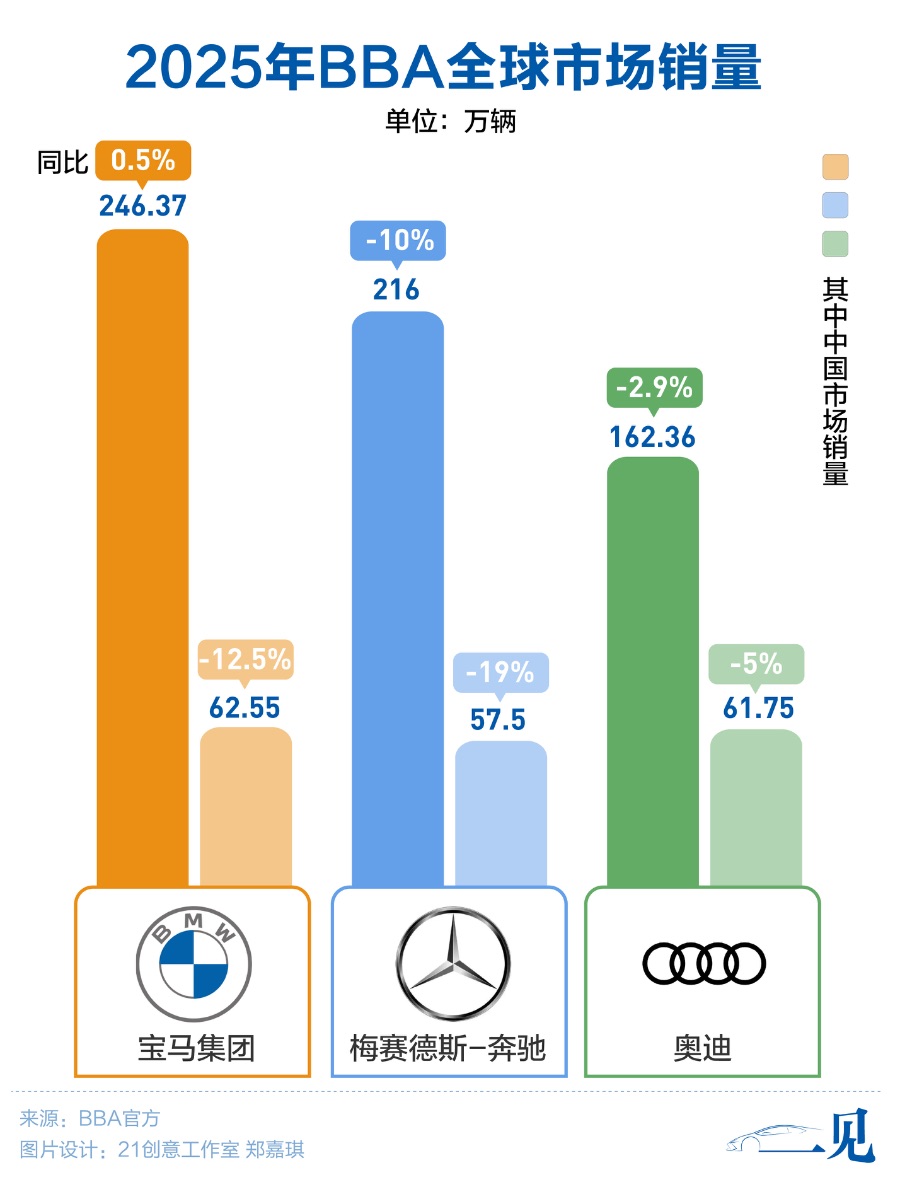
Core Insights - The traditional luxury car brands are losing their appeal in the face of the new energy wave, as evidenced by the sales data from BBA (Benz, BMW, Audi) [1] - BBA's global sales performance is closely tied to their weak performance in the Chinese market, which remains their largest single market but has seen a significant reduction in contribution [1][4] Group 1: Sales Performance - BMW leads with global sales of 2.4637 million units in 2025, a slight increase of 0.5% year-on-year; Mercedes-Benz sold 2.16 million units, down 10%; Audi sold 1.6236 million units, down 2.9% [1] - In China, BMW's sales fell to 625,500 units in 2025, a decrease of 12.5%; Mercedes-Benz's sales dropped to 575,000 units, down 19%; Audi's sales decreased to 617,500 units, down 5% [1] - BMW's sales in China have seen a continuous decline from 825,000 units in 2023 to 714,500 units in 2024, and further down to 625,500 units in 2025, losing approximately 200,000 units in two years [3] - Mercedes-Benz's sales have sharply declined from a peak of 774,000 units in 2020 to 575,000 units in 2025 [3] Group 2: Market Dynamics - The core models of BBA, such as BMW 3 Series, Mercedes-Benz C-Class, and Audi A4L, are facing significant threats as the market for fuel vehicles in the 300,000 to 400,000 yuan price range is declining [6] - In 2025, the market share of Chinese passenger cars reached 69.5%, while the share of German brands shrank to 12.1% [6] - BBA is caught in a dual dilemma of a shrinking fuel vehicle market and a lack of presence in the electric vehicle segment [7] Group 3: Strategic Responses - BMW plans to implement aggressive price cuts starting January 1, 2026, with reductions exceeding 10% for 24 models and over 20% for 5 models, including a significant drop of 301,000 yuan for the flagship electric model i7 M70L [10] - Mercedes-Benz is focusing on product upgrades and smart technology, planning to launch over 15 new and updated products in 2026, including a new generation of S-Class and GLC electric models [12] - Audi aims to continue its localization strategy in 2026, with new models like the Q5L and A6L, and plans to leverage local technology to enhance market competitiveness [12] Group 4: Future Outlook - The year 2026 is seen as a critical period for BBA to transform and recover in the Chinese market, with a focus on localizing product development and enhancing customer experience [13] - Positive changes are occurring, such as increased involvement of local teams in the development of new technologies tailored to Chinese consumer preferences [13]
三部门联合“定调”新能源车市:告别价格战,转向技术战
Hua Xia Shi Bao· 2026-01-16 12:14
Core Viewpoint - The recent meeting held by the Ministry of Industry and Information Technology, the National Development and Reform Commission, and the State Administration for Market Regulation emphasizes the need for the entire electric vehicle industry to resist chaotic price competition and to promote a market order that values quality and fair competition [2][4]. Industry Transition - The meeting marks a fundamental shift in China's electric vehicle policy from pursuing scale expansion to focusing on quality improvement and from encouraging market penetration to guiding industrial upgrades [2][4]. - The electric vehicle industry has achieved a global leading scale advantage, but excessive price cuts and bundling sales by some companies are eroding the foundation for sustainable development [4][5]. Focus on Innovation and Quality - The three departments stressed that innovation should be the primary driving force and quality the lifeline of enterprises, shifting the competition focus from price wars to technology and quality battles [3][4]. - The policy aims to encourage companies to invest in cutting-edge technologies such as solid-state batteries and silicon carbide electric drives rather than relying on simple price reductions to gain market share [5][6]. Consumer Expectations and Regulatory Measures - The emphasis on "quality first" reflects the increasing consumer demand for the quality, safety, and reliability of electric vehicles as the market expands [6]. - Regulatory bodies may enhance quality standards and evaluation systems for electric vehicles, which will positively impact reducing vehicle failures and improving user experience [6]. Market Dynamics and Future Outlook - The policy shift directly addresses the current market issues, where many companies have resorted to significant price cuts, with some models seeing reductions of over 20% [5][7]. - The automotive industry is predicted to enter a mature phase characterized by high sales but low growth, with a forecast of 19 million electric vehicles sold in 2026, representing a 15.2% year-on-year increase [7][8]. Competitive Landscape - The call for "quality over price" and the resistance to chaotic price wars is seen as a necessary choice to address multiple challenges, including rational consumer behavior and international competition pressures [8]. - The intervention by regulators is intended to define a healthy competitive landscape, steering the industry from price wars to value wars, with the year 2026 expected to be a critical turning point for the industry [8].
“新国补”落地 车市迎来开年第一考
Xin Hua Wang· 2026-01-13 23:33
Core Viewpoint - The implementation of the "New National Subsidy" has intensified promotional activities in the domestic automotive market, leading to significant price reductions among various car manufacturers, particularly BMW, which has initiated official price cuts across its model range [2][3]. Group 1: Price Reductions and Market Dynamics - BMW announced official price cuts for 31 models, with 24 models seeing reductions exceeding 10% and 5 models over 20%, including a notable drop of over 15% for the i7 M70L [2]. - The average price of discounted new energy vehicles in December 2025 was reported at 136,000 yuan, with an average reduction of 20,000 yuan, marking a 14.7% decrease [2]. - The average price of discounted new energy vehicles for the entire year of 2025 was 195,000 yuan, with an average reduction of 21,000 yuan, reflecting an 11% decrease, the highest in nearly three years [2]. Group 2: Competitive Landscape and Challenges - BMW's global vehicle deliveries in 2025 reached 2.465 million units, a slight increase of 0.5%, while deliveries in China fell by 12.5%, marking the second consecutive year of double-digit decline [3]. - The competitive landscape is shifting as new models from domestic brands like Hongmeng Zhixing, NIO, and Li Auto challenge traditional German luxury brands, making it difficult for them to maintain their pricing and market share [3]. - The price cuts by BMW are seen as a symbolic move, indicating that the price ceiling for high-end brands in China is evolving, with the threshold now between 200,000 and 250,000 yuan [3]. Group 3: Policy Changes and Consumer Incentives - The new vehicle scrappage subsidy policy has been adjusted to allow for a broader registration time frame and more precise subsidy calculations based on new vehicle prices, prompting rapid promotional responses from automakers [3][4]. - Deep Blue Automotive introduced a new purchasing policy that includes various subsidies and financial incentives, aiming to lower the purchase threshold and enhance consumer experience [4]. - In 2025, over 11.5 million vehicles were replaced through trade-in programs, with nearly 60% being new energy vehicles, contributing to a retail market share exceeding 50% for new energy passenger cars for nine consecutive months [4]. Group 4: Industry Profitability and Future Outlook - The automotive industry faced significant profitability challenges in 2025, with an average profit margin of approximately 4.4%, well below the 6% average for downstream industrial enterprises [6]. - The report from Roland Berger suggests that the industry may see a recovery in profit margins by the third quarter of 2026 as competition stabilizes and companies optimize cost control [6][7]. - The future competitive landscape is expected to shift towards capital strength and cash flow management, with a focus on regional competitiveness and partnerships with local suppliers [7][8].
当问界均价超过宝马,旧富难敌新贵?
和讯· 2026-01-13 09:13
Core Viewpoint - The luxury car market is experiencing significant challenges in 2026, with traditional luxury brands struggling to maintain their status as the definition of luxury evolves [4][5][6]. Group 1: Price Adjustments and Market Dynamics - BMW has implemented substantial price reductions across 31 models, with 24 models seeing price cuts exceeding 10% and 5 models over 20%, including the i7 M70L, which dropped by 301,000 yuan [7]. - Despite these reductions, core volume models like the 3 Series, X3, and X5 did not see similar price adjustments, indicating that the most popular models remain relatively stable in pricing [8]. - BMW's official stance is that these price changes are not a "price war" but rather a strategic response to market dynamics, aiming for long-term growth rather than short-term profits [9]. Group 2: Impact on Dealers and Sales - The price adjustments have provided tangible benefits to dealers by reducing the discrepancy between suggested retail prices and actual transaction prices, alleviating cash flow pressures [10]. - BMW's revenue for the first three quarters of 2025 fell by 5.6% to 99.999 billion euros, with a net profit decline of 6.9%, and new car deliveries in China dropped by 11.2% [11]. Group 3: Competitive Landscape and Market Share - The luxury car market is seeing a shift as new energy vehicle brands gain traction, with brands like AITO surpassing traditional luxury brands in sales, indicating a significant market share loss for established players [18]. - The market segment priced between 300,000 to 500,000 yuan has seen domestic brands increase their share from under 10% in 2020 to over 40% by 2025, signaling a breakdown of the traditional luxury pricing structure [18]. Group 4: Technological Advancements and Consumer Preferences - New energy brands are leveraging technological advantages, such as advanced driving assistance and smart cabin features, which are reshaping consumer expectations of luxury [19][20]. - Traditional luxury brands are responding by collaborating with tech companies to develop smart driving systems tailored to local needs, while also launching new electric models [20].