
滑雪用品

Search documents
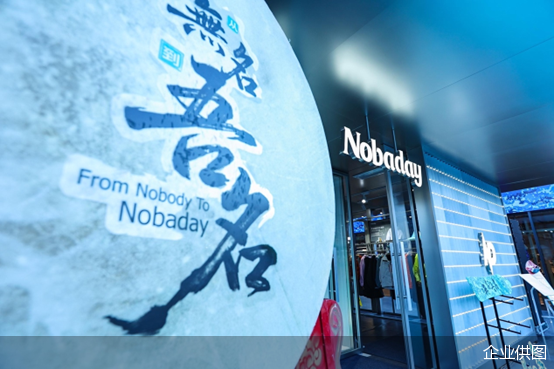
从雪场到商场 滑雪户外品牌Nobaday进驻大吉巷
Bei Jing Shang Bao· 2025-12-14 12:11
Group 1 - Nobaday officially opened its new store in Dajixiang shopping center on December 14, marking the brand's expansion from snowfields to urban retail [1] - The opening signifies Nobaday's transition from focusing solely on skiing products to a comprehensive range of outdoor apparel for all seasons [1] - The brand aims to break the physical boundaries between snowfields and cities, integrating its offerings into urban lifestyles by 2025 [3] Group 2 - Founded in 2014, Nobaday specializes in the outdoor sports sector, with core brands including Nobaday and Zero Summer, covering skiing, outdoor sports, and comprehensive training [3] - Nobaday collaborates with world-class athletes like Max Parrot and engages in cross-industry partnerships with art, automotive, and aerospace sectors to lead new trends in outdoor lifestyles [3]

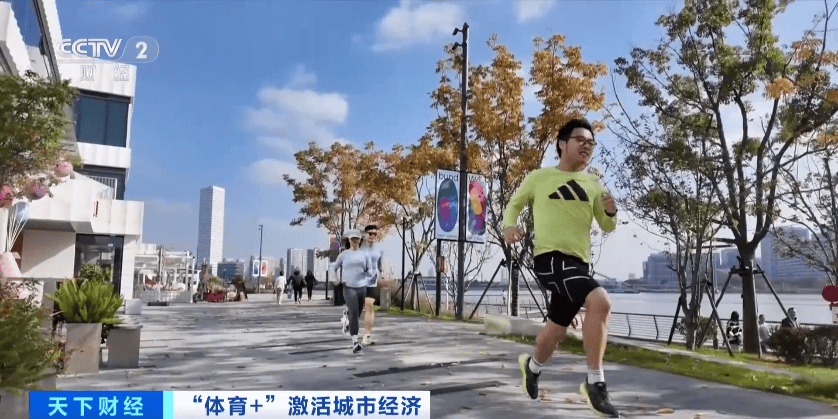
从“消费场”拓展为“社交场”,上海商圈打造“运动+”新场景
Sou Hu Cai Jing· 2025-11-17 13:36
Core Insights - The article highlights the transformation of Shanghai's commercial spaces, particularly along the Xuhui Riverside, into vibrant sports and social venues, enhancing urban consumption and foot traffic [1][9]. Group 1: Development of Sports Venues - Numerous commercial areas in Shanghai are utilizing idle spaces to create sports facilities, such as running tracks and skate parks, providing citizens and tourists with opportunities for exercise and social interaction [1]. - The West Bund Dream Center, previously a cement factory, has been redeveloped into a trendy landmark featuring a 10-kilometer riverside running track that attracts many running enthusiasts [3]. Group 2: Diverse Sports Offerings - The Xuhui Riverside area leverages its scenic views and space to attract flagship stores of outdoor brands, national first stores of skiing brands, and urban experience stores for sports watches, while also incorporating various sports activities like skateboarding, camping, rock climbing, and tennis [5]. - The combination of "sports brand matrix + scenario-based sports spaces" enhances consumer experience, with evening skateboarding club events drawing significant participation [7]. Group 3: Impact on Local Economy - The establishment of sports scenes in the West Bund Dream Center has led to a 30% increase in foot traffic for surrounding dining and coffee businesses, with weekend daily foot traffic exceeding 20,000 visitors [9].
中产“三宝”,集体退潮
首席商业评论· 2025-07-31 04:49
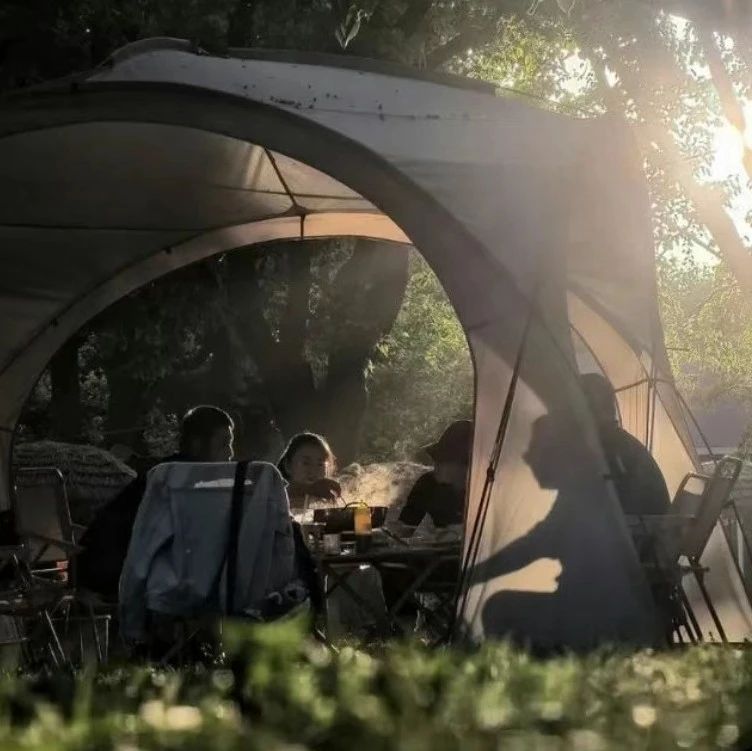
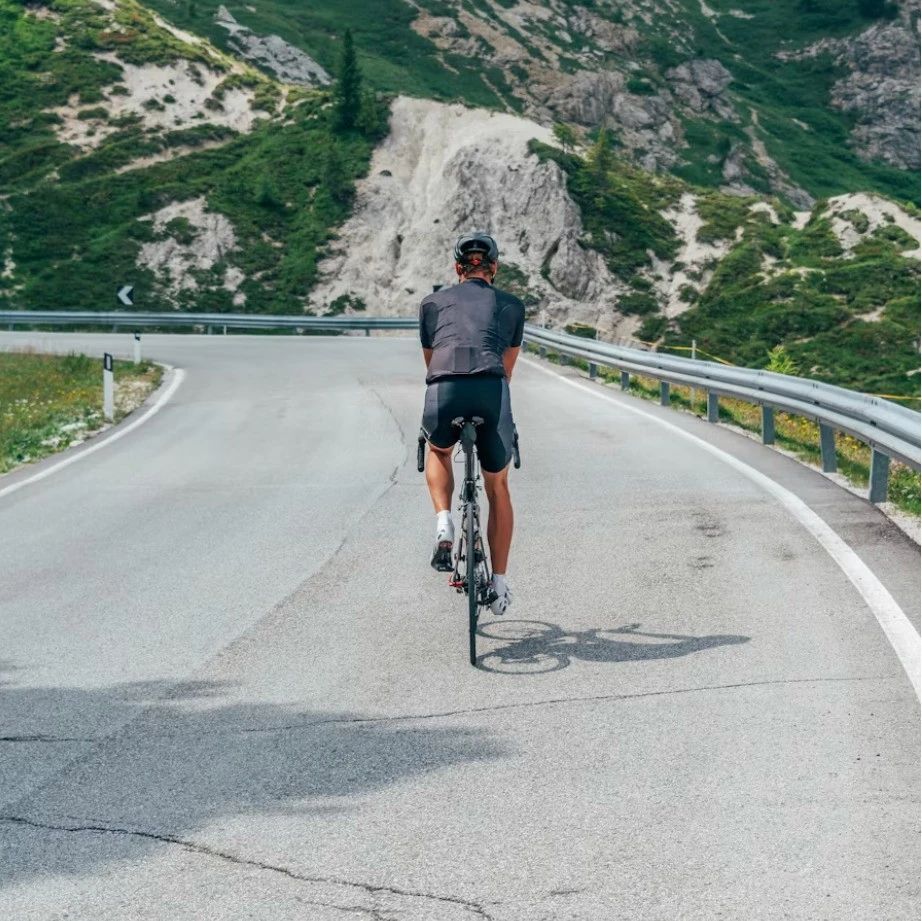
Core Viewpoint - The article discusses the rapid changes in consumer preferences among the middle class in China, particularly regarding outdoor activities such as camping, cycling, and skiing, highlighting a shift from enthusiasm to disillusionment and the impact on related industries [3][4][5]. Group 1: Changing Trends in Outdoor Activities - The once-popular outdoor activities, referred to as the "three treasures" of the middle class, have seen a decline in interest, with social media reflecting a shift from recommendations to people selling off their gear [4][5]. - The middle class's preferences are volatile, with activities like camping and cycling quickly falling out of favor, leading to significant inventory issues for businesses [4][5][12]. - Data from the China Bicycle Association indicates a 15.1% year-on-year increase in the production of mid-to-high-end bicycles priced over 1,000 yuan in 2023, suggesting a brief surge in interest before the decline [5]. Group 2: Impact of Events and Economic Factors - The 2023 ski season saw a 209% increase in ski ticket orders compared to 2019, indicating a temporary spike in popularity influenced by events like the Winter Olympics [6]. - However, the ski industry is experiencing a downturn, with many brands reporting sales declines of 30%-50% and some even halting operations due to excess inventory [15][19]. - The pandemic initially boosted outdoor activities, but the post-pandemic reality has led to a significant drop in consumer engagement and spending in these sectors [21][29]. Group 3: Consumer Behavior and Economic Shifts - The article notes a shift in consumer behavior, with middle-class individuals becoming more price-sensitive and prioritizing value over brand prestige, leading to a decline in sales for high-end brands like Lululemon [12][23]. - The narrative of middle-class consumers transitioning from spending freely to seeking discounts and deals reflects broader economic challenges and changing financial priorities [23][25]. - The outdoor industry is facing a reckoning, with many businesses struggling to adapt to the new consumer landscape, leading to closures and a reevaluation of business models [27][28]. Group 4: Future Outlook and Industry Challenges - The article suggests that while the outdoor and sports industries may face short-term pain, there is potential for long-term stability as the market adjusts to new consumer preferences [27][29]. - The need for continuous innovation and adaptation in the outdoor sector is emphasized, as businesses must find ways to differentiate themselves in a crowded market [28][29]. - The overall sentiment is that the middle class will continue to seek new, cost-effective experiences, but businesses must be cautious and strategic in their approach to avoid being swept away by rapid changes [29].
中产「三宝」,集体崩盘
创业邦· 2025-07-29 10:14
Core Viewpoint - The article discusses the rapid changes in consumer preferences among the middle class in China, particularly regarding outdoor activities such as camping, cycling, and skiing, highlighting a shift from enthusiasm to disillusionment and the impact on related industries [3][5][12]. Group 1: Changing Consumer Preferences - The once-popular outdoor activities, referred to as the "three treasures" of the middle class, have seen a decline in interest, with social media reflecting a shift from promotion to liquidation of related gear [5][6]. - The middle class's preferences are volatile, with trends rapidly changing from traditional sports to newer activities like camping and cycling, which were once seen as symbols of a refined lifestyle [7][12]. - Data from the China Bicycle Association indicates a 15.1% year-on-year increase in the production of mid-to-high-end bicycles priced over 1,000 yuan in 2023, reflecting a brief surge in interest before a downturn [9]. Group 2: Industry Impact - The skiing industry, influenced by the Winter Olympics, saw a significant increase in participation, with a 209% rise in ski ticket orders in early November 2023 compared to 2019 [9][11]. - However, the skiing market is experiencing a downturn, with many brands reporting sales declines of 30%-50% and some even halting operations due to excess inventory [17][19]. - The camping industry, which thrived during the pandemic, is now facing challenges as many businesses are unable to sustain operations, leading to closures and a significant drop in consumer interest [21][22]. Group 3: Economic Factors - The article notes a shift in consumer behavior towards cost-effectiveness, with middle-class individuals prioritizing budget-friendly options over luxury experiences, leading to a decline in spending on outdoor activities [24][26]. - The economic environment has changed, with individuals now more focused on finding discounts and deals, contrasting sharply with previous years of carefree spending [25][26]. - The article emphasizes that the outdoor industry is facing a "survival of the fittest" scenario, where only those with deep industry knowledge and experience will thrive amid the changing landscape [30][31].

户外「三宝」,被集体退坑
36氪· 2025-07-27 23:58
Core Viewpoint - The article discusses the rapidly changing preferences of the middle class in China regarding outdoor activities and related consumer products, highlighting a shift from once-popular activities like camping, cycling, and skiing to a more cost-conscious approach as economic conditions change [3][4][5]. Group 1: Changing Trends in Outdoor Activities - The middle class's interest in outdoor activities, once a symbol of a refined lifestyle, has shifted dramatically, with terms like "cycling withdrawal" and "camping gear clearance" becoming common [4][5]. - The popularity of outdoor activities such as camping, cycling, and skiing has seen a rapid rise and fall, indicating that middle-class preferences are fleeting and subject to quick changes [6][12]. - Data from the China Bicycle Association shows a 15.1% year-on-year increase in the production of mid-to-high-end bicycles priced over 1,000 yuan in 2023, reflecting a temporary surge in interest [7]. Group 2: Economic Impact on Consumer Behavior - The economic downturn has led to a significant change in consumer behavior, with individuals now prioritizing cost-effectiveness over luxury in their spending habits [25][29]. - The article notes that the once-thriving skiing industry has seen a decline, with some brands reporting sales drops of 30%-50% compared to previous years, indicating a shift in consumer spending [17][19]. - The camping industry, which experienced a boom during the pandemic, is now facing challenges as many campsites struggle to attract customers, leading to increased competition and lower prices [22][24]. Group 3: Industry Challenges and Adaptations - The influx of new businesses in the cycling and skiing sectors has led to oversaturation, with many companies now offering significant discounts to clear excess inventory, some discounts reaching up to 50% [15][18]. - The article highlights that many outdoor brands are now facing inventory issues, with some forced to pause operations due to high stock levels and low sales [17][19]. - The camping industry is described as having a fragile revenue model, heavily influenced by seasonal factors and consumer trends, making it difficult for businesses to sustain profitability [31][32].
中产“三宝”,集体崩盘
虎嗅APP· 2025-07-27 09:52
Core Viewpoint - The article discusses the rapid changes in consumer preferences among the middle class in China, particularly regarding outdoor activities and associated products, highlighting a shift from enthusiasm to disillusionment in the camping, cycling, and skiing markets [2][4][7]. Group 1: Changing Consumer Preferences - The once-popular outdoor activities like camping, cycling, and skiing have seen a significant decline in interest, with social media reflecting a shift from recommendations to liquidation of equipment [2][4]. - Middle-class consumers are known for their fickle preferences, quickly moving from one trend to another, leading to a cycle of abandonment for previously popular activities [2][3]. - The rise of new outdoor activities has been rapid, with significant participation in events like marathons and the popularity of cycling and skiing peaking during the pandemic [4][5]. Group 2: Market Dynamics and Economic Impact - The cycling industry has seen a surge in the number of related businesses, with approximately 348.2 million companies in China as of 2024, but many are now facing significant discounts and unsold inventory [10]. - Skiing, influenced by the Winter Olympics, initially gained popularity, but recent data shows a decline in sales and participation, with some brands experiencing a drop of 30%-50% in sales [11][12]. - The camping industry, which thrived during the pandemic, is now facing a downturn, with many businesses closing or struggling to attract customers due to increased competition and high customer acquisition costs [14][15]. Group 3: Consumer Behavior and Spending Trends - Middle-class consumers are increasingly price-sensitive, with a shift from luxury brands to more affordable options, reflecting a broader economic trend where spending priorities have changed [7][19]. - The article notes that consumers are now more likely to seek discounts and value for money, leading to a decline in the sales of high-end outdoor gear [7][19]. - The narrative of consumer spending has shifted from a focus on luxury and status to a more pragmatic approach, where cost and functionality take precedence [18][19]. Group 4: Industry Challenges and Future Outlook - The article highlights the challenges faced by businesses in the outdoor industry, including the need for continuous innovation and adaptation to changing consumer preferences [21][22]. - Many businesses that entered the market during its peak are now struggling to survive as the market cools, leading to a potential consolidation where only the most resilient companies will thrive [21][22]. - The future of the outdoor industry may require a reevaluation of business models, focusing on sustainable practices and genuine consumer engagement rather than chasing fleeting trends [22].
户外新消费机会挖掘
2025-07-16 15:25
Summary of Key Points from Conference Call Records Industry Overview - The outdoor apparel industry in China is currently a market worth over 100 billion, while the international market reaches a scale of 1 trillion. The annual growth rate of the industry is between 10% to 15%, with some optimistic forecasts reaching 20% [2][12]. Company Performance - Amazon's brands in China are performing strongly, with projected sales of over 5 billion USD for the year 2024. The Chinese market accounts for over 30% of global sales, and if overseas purchases by Chinese consumers are included, it represents 50% of the group's sales [1][4]. - Arc'teryx holds a market share of 60% to 70%, while Salomon and Wilson each account for around 40% [4]. Marketing Strategies and Channels - The outdoor apparel industry primarily utilizes three marketing channels: e-commerce, direct retail, and wholesale. Amazon relies heavily on retail and wholesale, but the DTC model is gaining importance [5]. - Brands are adopting a strategy of closing smaller stores while opening larger ones, aiming for luxury and high-end positioning [5]. Competitive Landscape - The competition in the domestic outdoor apparel market is intense, with brands needing to shift from pure outdoor categories to more fashionable offerings. Emerging brands like Boshihe are gaining traction in the mid-to-low-end market [2][12]. - Salomon is aggressively expanding its flagship stores in first- and second-tier cities, contrasting with Arc'teryx's focus on enhancing single-store efficiency and high-end positioning [6][11]. Supply Chain Advantages - Supply chain barriers are crucial for competitive advantage. Arc'teryx's long-term partnership with Gore-Tex provides it with priority access to the latest products, while Salomon reduces costs through outsourcing production [9][10]. - The integration of resources within Anta Group helps optimize operations for both Arc'teryx and Salomon [10]. Future Growth and Strategies - Arc'teryx aims for a doubling of growth by 2030, transitioning to a normal growth state post-2025. Salomon, while growing rapidly, faces higher risks [3][27]. - Wilson's rapid rise is attributed to the surge in tennis popularity, with plans to open over 10 stores by 2025 or 2026 [8][7]. Market Dynamics - The market is increasingly segmented, with the top 50% dominated by large brands and the remaining 20% to 30% occupied by numerous small emerging brands, which have the potential to be absorbed by faster-growing brands [20]. - The North American market shows a strong growth in DTC channels, although hotel channels remain the primary driver in absolute terms [30]. Conclusion - The outdoor apparel industry in China is poised for significant growth, driven by strong brand performances, strategic marketing shifts, and competitive supply chain advantages. Brands must adapt to changing consumer preferences and market dynamics to maintain and enhance their market positions [12][25].