
谷歌Gemini模型

Search documents
2026年人工智能+的共识与分歧
3 6 Ke· 2026-02-09 11:14
Core Insights - Generative AI is transitioning from "technically feasible" to "value feasible," entering a critical validation period for its practical application [1] Group 1: Consensus on AI Implementation - The bottleneck for AI deployment has shifted from the supply side to the demand side, with 88% of surveyed medium to large enterprises using AI in at least one business function, but only one-third achieving large-scale deployment [2] - The high customization requirement for AI solutions poses challenges, with about 70% needing customization and only 30% being standardizable, leading to difficulties in monetization and product capability accumulation [3] - The commercial model for AI applications remains unproven, with significant price competition pressures, particularly in the B2B sector, where API prices have dropped by 95%-99% since 2024 [4][5] Group 2: Divergences in AI Development - The extent to which intelligent agents can evolve by 2026 is uncertain, with significant advancements in task completion capabilities but still facing challenges in high-risk scenarios like finance and healthcare [6] - The competition for computing power is shifting from training to inference, with a focus on optimizing inference efficiency and cost, which will redefine market dynamics for chip manufacturers and cloud service providers [7][8] - The evolution of the AI ecosystem is complex, with debates on data flow rules and privacy concerns, indicating a need for a new regulatory framework to address these challenges [9][10] Group 3: Recommendations for Future Actions - Companies should prioritize application scenarios that demonstrate real value, focusing on areas with good data foundations and manageable risks [11] - Standardization efforts are needed to reduce customization costs and foster replicable product capabilities, particularly in key industries [12] - High-risk AI applications require robust quality supervision and safety audits to mitigate systemic uncertainties [13] - Encouraging diverse commercial models is essential to avoid detrimental price competition and foster long-term industry health [14]
2026年人工智能+的共识与分歧
腾讯研究院· 2026-02-09 08:03
Core Viewpoint - Generative AI is transitioning from "technically feasible" to "value feasible," entering a critical validation period for its practical application, with significant industry consensus on its implementation but deep divisions on key pathways that will determine its potential as a new productive force [2]. Three Consensus Points - The bottleneck for AI implementation has shifted from the supply side to the demand side, with 88% of surveyed medium to large enterprises using AI in at least one business function, but only one-third achieving large-scale deployment. Key obstacles include unclear goals and insufficient integration readiness [4]. - Approximately 70% of current AI solutions require customization, with only 30% being standardizable. High customization leads to challenges in monetization and the inability to create reusable product capabilities, resulting in a reliance on "API calls + customization services" for enterprise AI delivery [5]. - The commercial model for AI remains unproven, with significant price competition pressures. While C-end AI applications have high user engagement, revenue conversion rates are low. B-end AI faces even greater challenges, with API prices dropping by 95%-99% since 2024, leading to a highly competitive low-price environment [6][7]. Three Divergence Points - The capabilities of intelligent agents are evolving from "answering questions" to "completing tasks," with significant advancements in long-term task execution and tool utilization. However, accuracy in complex tasks remains inconsistent, particularly in high-risk sectors like finance and healthcare [9][10]. - The focus of computing power competition is shifting from training to inference, with demand for AI applications driving exponential growth in inference calls. Companies are optimizing algorithms to enhance inference efficiency, indicating a shift in market dynamics [11][12]. - The evolution of the AI ecosystem is complex, with debates on data flow rules and user privacy. The transition from mobile internet to AI necessitates new structural solutions to address data sharing and privacy concerns, with no clear answers yet established [13][14]. Next Steps - Companies should prioritize real value and carefully select application scenarios, focusing on areas with strong data foundations and manageable risks, such as quality inspection in manufacturing and AI-assisted diagnosis in healthcare [16]. - Standardization efforts should be promoted to reduce customization costs and foster reusable product capabilities, particularly in key industries like finance and manufacturing [17]. - Quality supervision and safety audits should be strengthened in high-risk AI applications, establishing a governance framework to mitigate systemic uncertainties [18]. - Diverse commercial models should be encouraged to avoid detrimental price competition, supporting differentiated pricing strategies based on technical capabilities and industry expertise [19].


分析师:苹果公司与Gemini的合作关系被认为尚未反映在股价中
Jin Rong Jie· 2026-01-30 14:53
Core Insights - The collaboration between Apple and Google's Gemini model has not yet reflected in Apple's stock price, with potential premium estimated at $75 to $100 per share [1] - The integration timeline of Gemini into Siri is longer than analysts had anticipated, but the partnership is deemed essential for Apple to enhance its hardware ecosystem and create new subscription revenue streams for its 2.5 billion global user base [1] Group 1 - Analysts led by Dan Ives at Wedbush highlight that the AI premium from the Apple-Gemini collaboration is significant and currently unaccounted for in the stock price [1] - The expected premium from the collaboration could range between $75 to $100 per share, indicating a substantial upside potential for investors [1] Group 2 - The integration of Gemini into Siri is taking longer than expected, which may affect short-term investor sentiment [1] - The partnership aims to strengthen Apple's position in the personal assistant market within its hardware ecosystem, potentially unlocking new revenue opportunities [1]

SK海力士将向员工发放创纪录巨额年终奖;台积电或在美国追加投资5家工厂;王腾新公司完成数千万种子轮融资
Sou Hu Cai Jing· 2026-01-20 05:35
Group 1 - SK Hynix will distribute a record annual bonus of over 136 million KRW (approximately 640,000 RMB) per employee, the highest in the company's history, due to a historic labor agreement that removed the previous cap on profit-sharing bonuses [4] - TSMC plans to invest a record high of up to $56 billion in equipment for 2026, focusing on expanding semiconductor production in Arizona and Taiwan, with a commitment to potentially add five more factories in the U.S. [5] - Elon Musk announced the design of Tesla's AI5 chip is nearing completion, with AI6 in early development, aiming for a nine-month design cycle for future AI chips [6] Group 2 - OpenAI plans to launch its first hardware device in the second half of 2026, in collaboration with former Apple designer Jony Ive [7] - OpenAI's annual revenue is projected to exceed $20 billion in 2025, a significant increase from $6 billion in 2024, driven by an expansion in computing power [8] - Google's Gemini AI model has seen explosive growth in licensing business, which is expected to boost revenue for Google's cloud services [9] Group 3 - Sequoia Capital is planning a significant investment in Anthropic, aiming to raise hundreds of billions, with the company seeking a total of $25 billion or more in funding [10] - Moonshot AI, backed by Alibaba, has reached a valuation of $4.8 billion in its latest funding round, up from $4.3 billion just weeks prior [11] - The new company "Today is a Good Day," founded by Wang Teng, has completed a seed funding round of several million, with plans to release a series of software and hardware products [12] Group 4 - Honor launched the Magic8 Pro Air smartphone, priced from 4,999 RMB, featuring a 6.31-inch display and a 5,500 mAh battery [13] - TCL Technology announced that Li Dongsheng will no longer serve as CEO, with Wang Cheng appointed as the new CEO [14] - Zhongwei Semiconductor is set to launch its first non-volatile memory chip, a low-power SPI NOR Flash with a capacity of 4M bits [15] Group 5 - The performance of major U.S. tech stocks has begun to diverge, with the previously popular "Magnificent Seven" now referred to as "Mag Five" or "Fab Four," indicating a shift in investor sentiment towards AI spending [17]



8点1氪:SK海力士向全体员工发放人均超64万元绩效奖金;深圳水贝市场推出投资铜条;茶颜悦色回应在北上深开店传闻
36氪· 2026-01-20 00:11
Group 1 - SK Hynix announced a record performance bonus of over 136 million KRW (approximately 640,000 RMB) per employee, the highest in the company's history [3][4] - The company offers an option for employees to receive up to 50% of their year-end bonus in company stock, which can yield an additional cash reward of 15% after holding the stock for one year [3][4] - SK Hynix's stock price surged by 275% in 2025, driven by the AI boom, and the company reported that its entire chip production capacity for 2026 is already sold out [4] Group 2 - The performance bonus distribution is part of SK Hynix's strategy to enhance employee engagement and align their interests with shareholders [3] - The stock option plan is designed to incentivize long-term commitment from employees, potentially increasing their investment in the company's future [3][4] - The strong demand for SK Hynix's products reflects the ongoing growth in the semiconductor industry, particularly in memory chips, fueled by advancements in AI technology [4]
新浪财经隔夜要闻大事汇总:2026年1月20日
Xin Lang Cai Jing· 2026-01-19 23:12
Market - US stock and bond markets were closed on January 19 for Martin Luther King Jr. Day, with trading resuming on January 20 [2] - Oil prices remained stable as concerns over Iranian supply eased, while attention shifted to the situation in Greenland [3] - Spot gold rose by 1.63% to $4,670.87 per ounce, marking a new closing high, while silver surged by 4.66% to $94.3270 per ounce [4] - Trump's tariff threats reignited trade tensions with Europe, impacting various sectors including automotive and luxury goods, with the Stoxx Europe 600 index closing down 1.2% [5] Macro - Trump is expected to meet global business leaders at Davos, with US policies becoming a focal point of discussion [8] - The proposed Peace Council by Trump requires a $10 billion contribution for permanent membership, which French President Macron is likely to reject [9] - The US Federal Reserve Chairman Powell plans to attend a Supreme Court hearing regarding the case involving Fed Governor Lisa Cook [11] Company - OpenAI announced plans to release its first hardware product in the second half of 2026, with a prototype already developed [25] - HSBC executives stated that the company's market value is approaching £300 billion, with a potential for over 50% stock price increase [26] - Google's Gemini model licensing business has seen explosive growth over the past year, significantly boosting company revenue [28] - Morgan Stanley downgraded emerging market currencies from "overweight" to "neutral," citing overbought short positions [29]

美国CPI爆冷,道指跌超300点,中概股普跌,白银创新高,美联储降息预期升温
2 1 Shi Ji Jing Ji Bao Dao· 2026-01-13 15:40
Group 1: Market Reactions - The latest US CPI data unexpectedly disappointed, leading to a decline in US stock markets, with the Dow Jones Industrial Average dropping over 340 points, nearly 0.7% [1] - Semiconductor stocks rebounded, with the Philadelphia Semiconductor Index rising approximately 1%, and notable gains in companies like AMD (up over 6%) and Intel (up nearly 5%) [3] - Chinese concept stocks experienced a broad decline, with the Nasdaq Golden Dragon China Index falling by 1.67% [4] Group 2: Commodity Prices - Gold and silver prices saw a short-term surge, with silver reaching a historical high of $89 per ounce, marking a rise of over 23% since the beginning of the year [6] - Gold prices increased by over 0.4%, with a year-to-date rise of nearly 7% [7] - International oil prices also rose sharply, with WTI and Brent crude oil both increasing by around 3% [8] Group 3: Economic Indicators - The US Consumer Price Index (CPI) for December 2025 showed a year-on-year increase of 2.7%, while the core CPI, excluding volatile food and energy prices, rose by 2.6% [10] - Following the CPI release, short-term interest rate futures surged, with traders increasing bets on a potential rate cut by the Federal Reserve, raising the probability of a rate cut in April to 42% from 38% [10]

消息称苹果明年3月推升级版Siri,或接入谷歌Gemini模型
Huan Qiu Wang Zi Xun· 2025-11-04 03:01
Core Insights - Apple plans to launch a significant upgrade to its voice assistant Siri in March 2026, incorporating external AI models, particularly Google's Gemini model, to enhance its capabilities [1][3] - The new version of Siri will feature AI-driven web search functionality, aiming to improve user experience by autonomously filtering and summarizing web content [1][3] Group 1 - Siri has been criticized for its limitations since its launch in 2011, and the upcoming upgrade aims to break the traditional closed system by allowing access to Google's computational power for better semantic understanding and multi-turn conversations [3] - The integration of AI web search is seen as a direct response to competitors like Google Assistant and Amazon Alexa, which have already adopted generative AI features [3] - Despite the technological advancements, there are concerns about Siri's future due to past performance issues, with only 32% of iPhone users setting Siri as their default voice assistant compared to 58% for Google Assistant and 41% for Alexa as of a 2025 survey [3] Group 2 - The reliance on Google's servers for data processing may raise questions about Apple's privacy commitments, potentially affecting user trust [3] - Siri's brand image has suffered due to years of stagnation, leaving uncertainty about whether users will give the assistant a second chance after the upgrade [3]
DeepSeek深耕非洲:中国AI版图加速扩张
阿尔法工场研究院· 2025-10-24 00:04
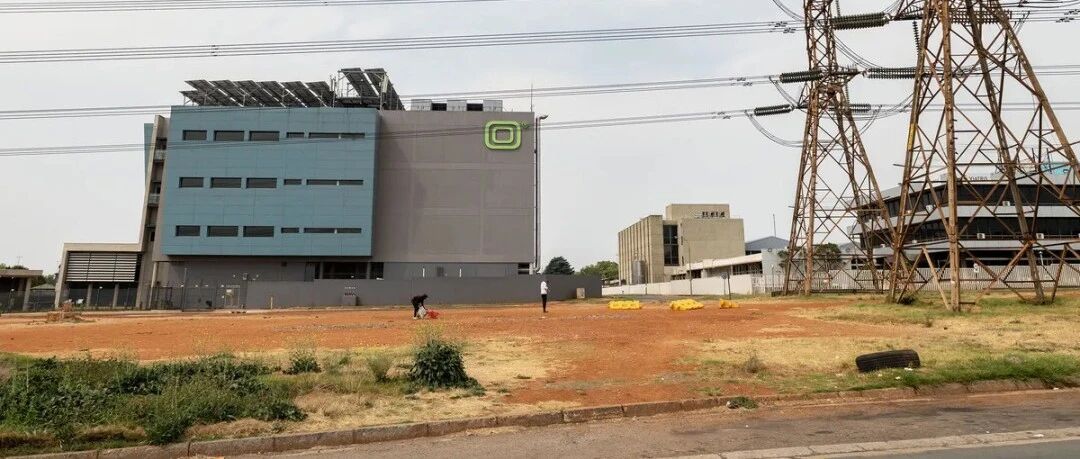
Core Viewpoint - DeepSeek is emerging as a competitive force in the AI landscape, particularly in Africa, by offering cost-effective and energy-efficient solutions that cater to local needs, contrasting with Western proprietary models [1][5][12]. Group 1: DeepSeek's Market Position - DeepSeek, developed by High-Flyer, is positioned as a viable alternative to Western AI models like OpenAI, with significantly lower operational costs and the ability to run on less expensive hardware [1][5]. - The pricing structure of DeepSeek is highly competitive, with costs for processing and generating tokens being substantially lower than those of OpenAI's GPT-4o model, making it accessible for African startups [13][12]. - The model's open-source nature allows African companies to modify and develop applications without incurring high licensing fees, which is a significant advantage over proprietary models [5][9]. Group 2: Adoption and Impact in Africa - African startups, such as Qhala and EqualyzAI, are increasingly adopting DeepSeek for their AI applications, citing its affordability and suitability for local contexts [2][11]. - The AI landscape in Africa is shifting towards models that are tailored to local languages and cultural nuances, with DeepSeek being favored for its flexibility and lower costs [11][19]. - The digital economy in Africa is valued at approximately $1.8 trillion, and the adoption of cost-effective AI solutions like DeepSeek is seen as a way to enhance local innovation and product development [5][8]. Group 3: Strategic Implications - Chinese companies, including Huawei, are leveraging their established infrastructure and open-source models to gain a foothold in the African market, contrasting with the focus of Western firms on proprietary solutions [5][8]. - The strategy of providing open-source AI models aligns with China's broader initiatives in Africa, such as the Belt and Road Initiative, aiming for long-term engagement rather than immediate profits [5][8]. - Concerns about data privacy and reliance on foreign technology are prevalent, with some African leaders advocating for a balanced approach that incorporates both Chinese and Western technologies [19][20].
Gemini使用率跃居市场第二 TD Cowen上调谷歌(GOOGL.US)目标价至270美元
智通财经网· 2025-09-17 06:34
Group 1 - TD Cowen raised Google's (GOOGL.US) target price from $240 to $270 while maintaining a "Buy" rating based on its annual survey results in the generative AI (GenAI) public cloud sector [1] - Google Cloud Platform (GCP) showed robust performance in the survey but still lags behind market leaders Amazon AWS (94% awareness) and Microsoft Azure (93% awareness), with GCP's overall awareness at 80%, ranking third [1] - Among enterprise customers, GCP's awareness is highest at 88%, while other business groups range from 70% to 80% [1] Group 2 - In terms of new cloud service provider adoption, GCP ranks second, with approximately 44% of respondents planning to adopt GCP in the future, following Azure [1] - 38% of respondents expect to replace their current service provider with GCP, an increase from 36% last year, but still lower than Azure (72%) and AWS (67%) [1] - In the generative AI space, Google's Gemini model is the second most commonly used large language model (LLM) provider, with 54% of respondents selecting it as their GenAI tool's underlying model, up from 50% in the 2024 survey [1] Group 3 - OpenAI remains the leading provider with a 73% share, although this is down from 82% last year, indicating a trend towards diversification in the market [1] - Anthropic, which was not included in last year's survey, ranks third with a 35% share, while Meta Platforms (META.US) follows with its Llama model at 24% [2]
