
龙珠

Search documents
一个被远远低估的产业:日本失落30年中的红利赛道
虎嗅APP· 2026-01-07 13:23
Core Viewpoint - The article discusses the underestimated potential of cultural export from China, using Japan's successful cultural export history as a reference point for future opportunities in the Chinese market [4][5]. Group 1: Cultural Export and Employment in Japan - Japan's cultural content industry achieved overseas sales exceeding 6 trillion yen in 2024, making it the second-largest export industry after automobiles [7]. - The cultural export sector has contributed over 15% to Japan's GDP, providing significant employment opportunities and alleviating job difficulties post-economic bubble [7][9]. - The rise of inbound tourism has seen a tenfold increase over 20 years, contributing over 4% to Japan's economy and creating nearly one million jobs [9][10]. Group 2: Stages of Japanese Cultural Export - Japan's cultural export success unfolded in three stages: the initial single product export phase, the cultural ecosystem export phase, and the global premium phase [10][18]. - The first stage involved single product exports, where anime and video games broke into global markets, exemplified by the success of "Dragon Ball" and Nintendo's gaming consoles [12][14]. - The second stage, initiated in 1996, focused on creating a cultural industry ecosystem, leading to the development of brands and sustainable IP strategies, as seen with the Pokémon franchise [19][21]. Group 3: Implications for China's Cultural Export - China is at a critical juncture for cultural export, with significant growth in single product exports but facing intense competition and market saturation [26][28]. - The article suggests that China can learn from Japan's experience, particularly in moving beyond single product exports to a more integrated cultural ecosystem that benefits a broader population [25][27]. - The potential for a long-term cultural export boom in China is emphasized, with expectations of a transformative impact on many lives over the next decade [28].


20个日本IP,半年吸金225亿
3 6 Ke· 2025-11-25 03:01
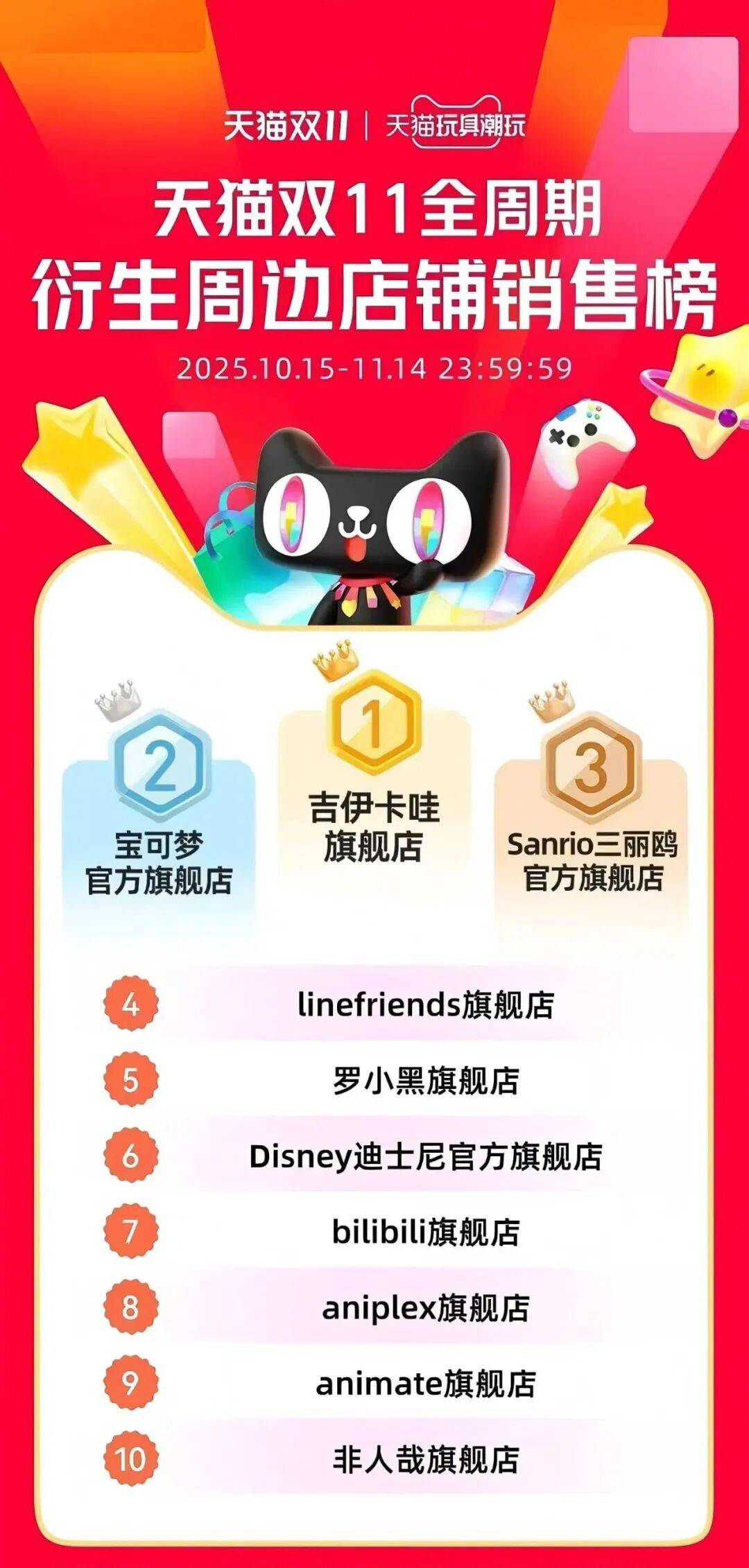
Core Insights - The article highlights the impressive performance of Japanese IPs in the Chinese market during the recent "Double 11" shopping festival, with significant sales figures indicating strong consumer demand and effective commercialization strategies [1][4]. Group 1: Sales Performance and Market Dynamics - Japanese IPs collectively generated approximately 5000 billion yen (about 225 billion RMB) in sales during the first half of the fiscal year 2025 (April to September) [5]. - The revenue structure resembles a pyramid, with Bandai Namco's "Mobile Suit Gundam" leading the top tier with 127.2 billion yen, marking a 66.3% increase [7][8]. - The "Sanrio family" achieved 87.6 billion yen in revenue, reflecting a 39.6% growth, while other major IPs like "Dragon Ball" and "One Piece" experienced declines of 14% and 5.1%, respectively [7][10]. Group 2: IP Growth and Challenges - The growth of "Gundam" and the Sanrio family contrasts sharply with the stagnation of older IPs, indicating varying operational strategies and content cycles [8][10]. - The decline in revenue for "Dragon Ball" and "One Piece" highlights the risks associated with over-reliance on a few top IPs, as they face challenges during content dry spells [10][20]. Group 3: Chinese Market Strategies - Sanrio's Chinese subsidiary reported a 96% increase in revenue, driven by a robust licensing ecosystem and local partnerships, with toys accounting for 31% of licensing income [21][30]. - Conversely, Tsuburaya's "Ultraman" IP saw a 44.2% drop in licensing revenue in China, attributed to inventory issues and changing consumer preferences [24][30]. - Kadokawa's strategy focuses on capital partnerships and a comprehensive industry chain approach, with significant investments aimed at enhancing IP circulation in the Chinese market [25][30]. Group 4: Future Directions - The article emphasizes the need for Japanese IP companies to deepen their integration into the Chinese cultural context and consumer ecosystem, moving beyond simple content output to collaborative value creation [30]. - Successful future strategies will involve understanding local consumer emotional needs and establishing deeper partnerships that go beyond basic licensing agreements [30].
2025年IP+商业专题研究:剖析乐高、三丽鸥及万代经营之道,解锁IP潮玩龙头常青路
Sou Hu Cai Jing· 2025-11-23 07:22
Group 1 - The core viewpoint of the report is that the IP toy industry in China is entering a multi-dimensional opportunity period, driven by emotional consumption upgrades, the maturity of domestic IP industries, AI technology empowerment, and global expansion opportunities [1][2]. - The overall scale of the Chinese toy market reached 104.9 billion yuan in 2023, with a year-on-year growth of over 9%, and IP toys accounted for over 60% of the market share [2][16]. - The report highlights that the main consumer groups, particularly those born in the 90s and 00s, are willing to spend on emotional recognition and cultural symbols, indicating a shift in consumption motives from basic needs to emotional experiences [2][31]. Group 2 - The report analyzes the successful strategies of international IP toy giants such as LEGO, Sanrio, and Bandai Namco, emphasizing innovation, diversification, and globalization as core driving forces [3][4]. - LEGO's success is attributed to continuous product innovation and a systematic approach, including collaborations with top global IPs, which has allowed it to expand into media, games, and education [3][5]. - Sanrio has successfully diversified its IP portfolio beyond Hello Kitty, creating new characters to reach a broader audience, resulting in a V-shaped recovery in performance and a market value exceeding 1 trillion yen [3][4]. - Bandai Namco's success is linked to its "IP axis" strategy, which facilitates cross-business collaboration across toys, games, and entertainment, maximizing IP value [4][5]. Group 3 - The report summarizes that successful IP development requires a keen understanding of social and cultural changes, unique cultural cores, and strong user engagement through co-creation [5]. - The commercial value of IP can be enhanced through cross-media storytelling, which helps to extend the IP lifecycle and mitigate risks associated with short-term trends [5]. - Global expansion must be accompanied by localized narratives and partnerships with local industry players to overcome cultural barriers and achieve effective market penetration [5][31]. Group 4 - The report indicates that the Chinese IP toy industry is at a pivotal moment, with significant growth potential as domestic companies enhance their IP operations and innovation capabilities [1][2][5]. - The competitive landscape remains fragmented, with local leaders like Pop Mart and Blokus emerging in specific segments, yet there is still considerable room for market share improvement compared to mature overseas markets [2][25][26]. - The report suggests that companies capable of accurately identifying consumer needs and possessing strong IP management and global perspectives are likely to thrive in the competitive market [5][31].


二次元经济遇到瓶颈?动漫星城收入降三成,角川利润降九成
3 6 Ke· 2025-09-12 02:51
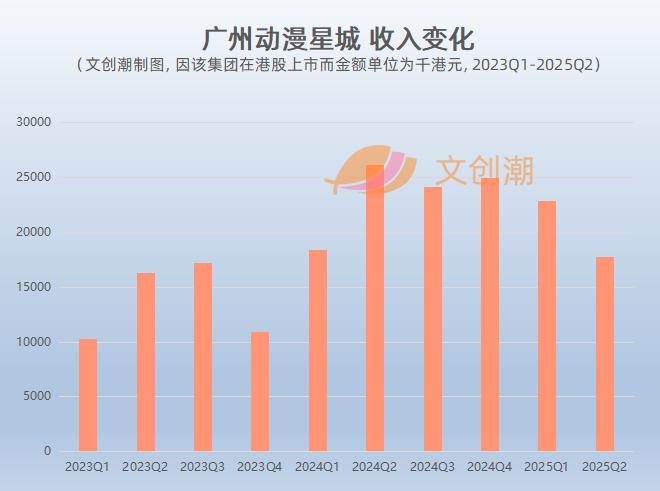
Core Insights - The overall sentiment in the anime and IP market is mixed, with some IPs like "Demon Slayer" driving significant revenue growth, while others like "Ultraman" and "Attack on Titan" are experiencing declines in income [1][25][36]. Group 1: Market Performance - The second quarter of 2025 saw a decline in revenue for several major IPs, with "Demon Slayer" contributing to a 50% increase in sales for Sony's animation and gaming sectors [1][36]. - Guangzhou's Anime Star City reported a 32% drop in revenue for Q2, despite maintaining a high occupancy rate of 99.8% [2]. - Wangfujing Joy Shopping Center, after strategic repositioning, saw a 48% increase in sales for the first half of 2025, although it still reported a loss of approximately 114 million yuan [4][6]. Group 2: IP-Specific Developments - Bandai's "Gundam" IP achieved a record sales figure of 103.2 billion yen in the first half of 2025, driven by the release of a new TV series and related merchandise [10][13]. - "Ultraman" faced a 1.47% decline in sales, with domestic sales plummeting by 66.96%, although overseas sales grew by 45.29% [25][27]. - Toho Animation reported a 6.79% increase in sales, primarily due to the strong performance of "One Piece" and "Dragon Ball" in overseas markets [36][42]. Group 3: Strategic Initiatives - Wangfujing Joy Shopping Center is transforming into a "New National Trend Shopping Center" to cater to the diverse needs of the Z generation [6]. - Sony is enhancing its IP development capabilities through strategic partnerships, including a significant investment in Kadokawa and collaboration with Bandai Namco [60][62]. - Sanrio's multi-character marketing strategy has proven successful, with a 47.4% increase in sales, particularly in the Chinese market, where sales surged by 91% [75][86].
走进“书式”圈 尽享文化盛宴
Mei Ri Shang Bao· 2025-07-22 03:00
Core Viewpoint - The article highlights the increasing popularity and engagement of the Gudang Street New Era Civilization Practice Center, showcasing its role as a community hub for cultural and educational activities, particularly during the summer months [1][4]. Group 1: Facility and Services - The Gudang Street New Era Civilization Practice Center integrates various resources including a library, training rooms, fitness spaces, and volunteer services within a space of less than 3,000 square meters, making it one of the first five-star cultural homes in Hangzhou [1]. - The West Lake Library has undergone upgrades, offering a wide range of books across different categories, with a focus on comfort and aesthetics through the use of wooden furniture [1][2]. Group 2: Community Engagement - The center has seen a significant increase in foot traffic, with regular attendance rising from around 300 to over 1,000 during the summer, indicating a high level of community interest and participation [1]. - A "mood book list" wall has been established to enhance the reading experience, allowing residents to select books that resonate with their emotions [3]. Group 3: Activities and Courses - The center offers a variety of popular activities and courses, with themes such as "Common Prosperity Gudang" and "Public Welfare Activities," which are highly sought after by residents [4][5]. - The quality of the courses is emphasized, with instructors being local experts who tailor their lessons to meet the needs of the community, ensuring that the content is relevant and valuable [5][6]. Group 4: Cultural Promotion - The center promotes local culture through creative products designed by integrating local elements, providing a platform for residents to purchase unique items [2]. - The center aims to continue enriching the spiritual and cultural lives of residents, enhancing their sense of happiness and fulfillment through ongoing community services and cultural transmission [6].

【e公司观察】全球IP运营商集体创新高 经典IP可“穿越周期”
Zheng Quan Shi Bao Wang· 2025-07-04 10:56
Core Viewpoint - The global IP economy is experiencing a significant surge, with major IP operators like Sanrio, Bandai Namco, and Nintendo seeing their stock prices reach historical highs, while Disney also achieved a near three-year high [1] Group 1: Performance of Major IP Operators - Sanrio's Hello Kitty, Bandai Namco's Dragon Ball, One Piece, and Gundam, along with Nintendo's Mario and Pokémon, are among the most recognized IPs in China [1] - The stock prices of these IP operators have shown a strong upward trend over a considerable period, with Sanrio's stock rising since June 2022 and Bandai Namco and Nintendo experiencing over a decade of growth [1] - Tsuburaya Productions, known for Ultraman, saw its stock price increase by over 1000% from January 2022 to August 2023, driven by the success of Ultraman card games in China [1][2] Group 2: Characteristics of Classic IPs - Classic IPs possess a "cross-cycle" capability, remaining relevant despite significant societal changes and evolving consumer habits [2] - The development of new products such as cards, building blocks, and other merchandise around these classic IPs has created new growth opportunities [2] - Disney exemplifies the importance of both sustaining classic IPs and developing new ones, with its iconic Mickey Mouse and the continuous introduction of new IPs through films and merchandise [2] Group 3: Development of IP Industry in China - China's IP industry has seen rapid growth in recent years, with original IPs like Nezha and Bubble Mart's LABUBU gaining market recognition [3] - However, transitioning from recognized IPs to "classics" remains a challenge for the industry [3] - A systematic and gradual IP operation strategy, as seen in many Japanese classic IPs, is crucial for endowing IPs with "cross-cycle" capabilities [3]

日本IP吸金术:11个IP一年收入429亿,中国成“谷子经济”主战场?
3 6 Ke· 2025-06-18 01:30
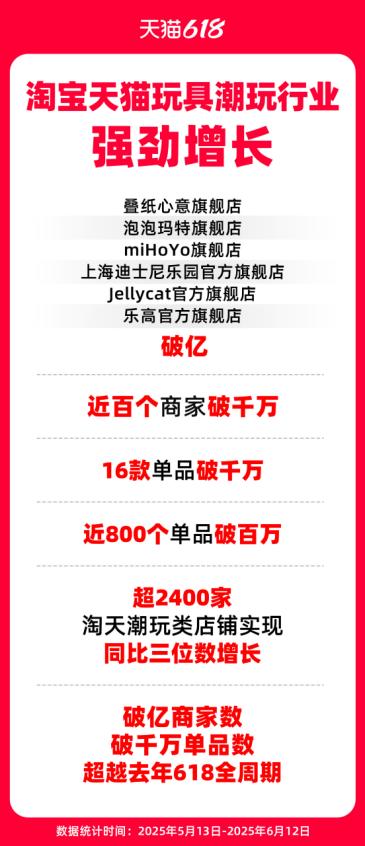
Group 1 - The toy and trendy play industry in China is experiencing explosive growth during the 618 shopping festival, with six merchants surpassing 100 million yuan in sales and nearly 100 merchants exceeding 10 million yuan [1][2] - The top IP products, including Sanrio and Ultraman cards, are performing exceptionally well, indicating a strong demand for Japanese IP in the Chinese market [2][3] - The overall market for trendy toys is expanding, with over 2,400 stores achieving triple-digit growth compared to the previous year [1][2] Group 2 - Major Japanese companies like Bandai, Sanrio, and Tsuburaya have reported significant revenue from their IPs, with Bandai's Dragon Ball generating approximately 9.44 billion yuan, a 35.6% increase year-on-year [4][5] - Sanrio's revenue in China has surged to 816 million yuan, with IP licensing contributing significantly to its growth [5][7] - Tsuburaya's Ultraman IP has generated 260 million yuan in licensing revenue in China, highlighting the strong performance of card sales [7][19] Group 3 - The competitive landscape of the trendy toy market is intensifying, with over 100 stores closing in the first half of 2025, indicating a significant shakeout in the industry [15][16] - The trend of localization is evident, as companies like Sanrio and Bandai are focusing on developing original IPs and collaborating with local partners to enhance their market presence [21][29] - The shift from content output to collaborative ecosystem building is becoming a key strategy for Japanese IP companies in China, aiming for sustainable growth in the competitive market [29][30]

混战谷子经济,谁能成为中国的「万代」
3 6 Ke· 2025-05-09 00:00
Core Insights - Bandai Namco is recognized as a leader in the Japanese entertainment industry, known for its strong IP management capabilities and innovative "IP Axis Strategy" that spans games, toys, anime, movies, and theme parks [1][3] - The company achieved total revenue of 1.05 trillion yen (approximately 54.5 billion RMB) in the fiscal year 2024, setting a benchmark in the global cultural industry [1] - The competition among Chinese companies like Yuewen, Aliyu, Pop Mart, and Bilibili to establish a similar IP empire is intensifying, with each company occupying different segments of the IP value chain [3][4] Company Summaries Yuewen Group - Yuewen's core advantage lies in its vast original content reservoir, with millions of signed authors and a large number of novels, positioning it as a potential IP goldmine [7] - The company faces challenges in efficiently converting text-based IP into visual IP, although successful adaptations like "Qing Yu Nian" and "Douluo Dalu" demonstrate its potential [9][10] - To become a Chinese equivalent of Bandai, Yuewen needs to enhance cross-media development and global market expansion [13] Aliyu - Aliyu operates as a platform that connects IP copyright holders with commercial channels, focusing on optimizing the IP commercialization chain [14][16] - Its "IP2B2C" model provides a one-stop service for IP from design to sales, but it lacks direct influence over IP creation [16][18] - Aliyu's role is crucial but insufficient for building a complete "Bandai-style" ecosystem [18] Pop Mart - Pop Mart has rapidly expanded in the past two years, becoming a leader in the Chinese trendy toy market with a significant international presence [19] - In 2024, overseas revenue accounted for 38.9% of total revenue, showcasing its success in global markets [19] - The company has established a complete closed loop from IP design to global DTC retail, achieving impressive profitability [21][22] Bilibili - Bilibili is distinguished by its highly active community and focus on ACG (Anime, Comic, and Game) content, with significant investments in domestic animation [25][27] - The company has diversified its revenue structure but still lacks scale in IP derivative commercialization compared to Bandai [28][30] - To evolve into a comprehensive IP group like Bandai, Bilibili must enhance its IP commercialization capabilities, particularly in self-developed games and derivative products [30] Comparative Analysis - All four Chinese companies exhibit gaps compared to Bandai, particularly in the breadth and depth of their business operations [31] - Bandai's IPs have a long lifecycle and sustained market presence, while most Chinese IPs are relatively young and unproven [33] - The global market penetration of Chinese IPs remains limited, especially in mainstream Western markets [34] - Bandai boasts a rich matrix of active IPs across various media, while Chinese platforms are still building their IP reserves [37] Future Outlook - Among the four companies, Pop Mart shows the most potential to emulate Bandai's model due to its strong IP creation capabilities and efficient commercialization system [39] - Pop Mart's global retail network and financial stability provide a solid foundation for future growth [39] - To truly become a Chinese Bandai, Pop Mart must enhance the narrative depth of its IPs, diversify its business, and balance short-term profits with long-term value cultivation [40][41][42] - The evolving landscape of the content industry suggests that the future of Chinese IP enterprises may not strictly follow Bandai's model but could develop into new business forms that adapt to local market characteristics [44][48]


商贸零售:IP+商业专题研究系列一-剖析乐高、三丽鸥及万代经营之道,解锁IP潮玩龙头常青路
Guoxin Securities· 2025-03-16 03:19
Investment Rating - The report maintains an "Outperform" rating for the IP toy industry, particularly highlighting companies like Pop Mart and Miniso [4]. Core Insights - The domestic IP toy industry is entering a multi-dimensional dividend period, with the Chinese toy market's GMV reaching 104.9 billion RMB in 2023, reflecting a year-on-year growth rate of 9.38%. IP toys account for over 60% of this market, indicating their significant role in driving industry growth [14][19]. - The report emphasizes the successful strategies of leading companies such as LEGO, Sanrio, and Bandai Namco, which have effectively diversified their IP portfolios and expanded their global presence [3][4]. Summary by Sections Industry Overview - The Chinese toy market is projected to continue its growth trajectory, with IP toys becoming a crucial component, representing 64.4% of the market in 2023 [14][19]. - Companies are increasingly leveraging IP to boost sales, with 29.2% of surveyed firms reporting a sales increase of 20%-49% due to IP licensing [14]. Competitive Landscape - The competitive landscape is fragmented, with over 288,400 toy-related enterprises in China. The top ten companies hold a market share of 27.2%, with LEGO leading at 9% and Pop Mart at 5.3% [19][21]. - Local leaders like Pop Mart and Blokus are gaining market share, particularly in niche segments such as collectible toys and building blocks [19][20]. Development Opportunities - The report identifies a favorable consumption environment and high-quality supply as key drivers for growth. The shift in consumer behavior towards emotional spending is highlighted, with younger demographics increasingly driving demand for IP toys [24][30]. - The rise of digital technology and AI is facilitating IP development and marketing, enhancing the industry's growth potential [34]. International Expansion - The global toy market presents significant opportunities, with Japan's market exceeding 1 trillion yen in 2023 and the U.S. market projected to reach 28.3 billion USD in 2024 [36][39]. - Policies promoting cultural IP exports are creating favorable conditions for Chinese companies to expand internationally, with Pop Mart reporting 29.7% of its revenue from overseas markets in the first half of 2024 [39][40]. Key Company Analysis - LEGO is noted for its strong market position, with a projected revenue of 78.6 billion RMB in 2024 and a compound annual growth rate of 12.63% from 2018 to 2024 [43][44]. - Sanrio, known for its iconic character Hello Kitty, has diversified its IP portfolio, reducing reliance on any single character, with non-Japanese markets contributing 33% to its revenue [2]. - Bandai Namco has seen significant growth, with a revenue of 47.2 billion RMB in the first three quarters of 2025, driven by its strategic focus on international expansion and IP revitalization [2].