Di Yi Cai Jing

Search documents
印尼股市创30年来最大两日跌幅
Di Yi Cai Jing· 2026-01-29 07:37
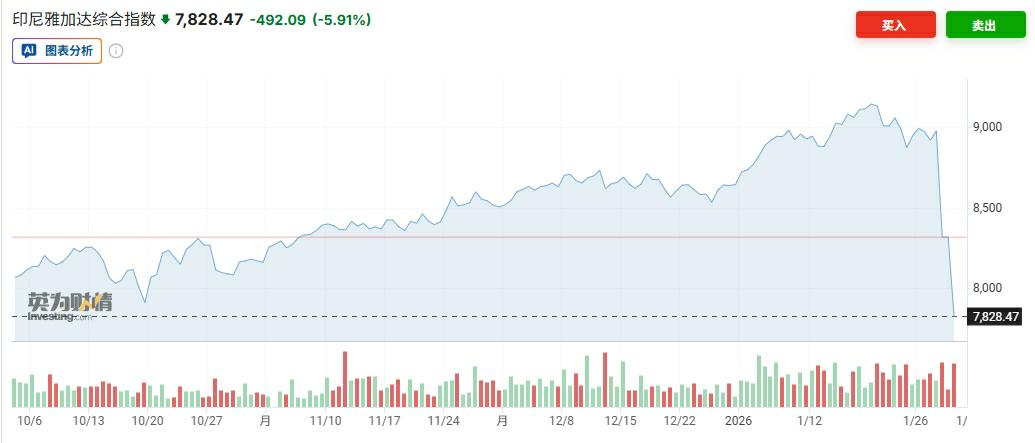
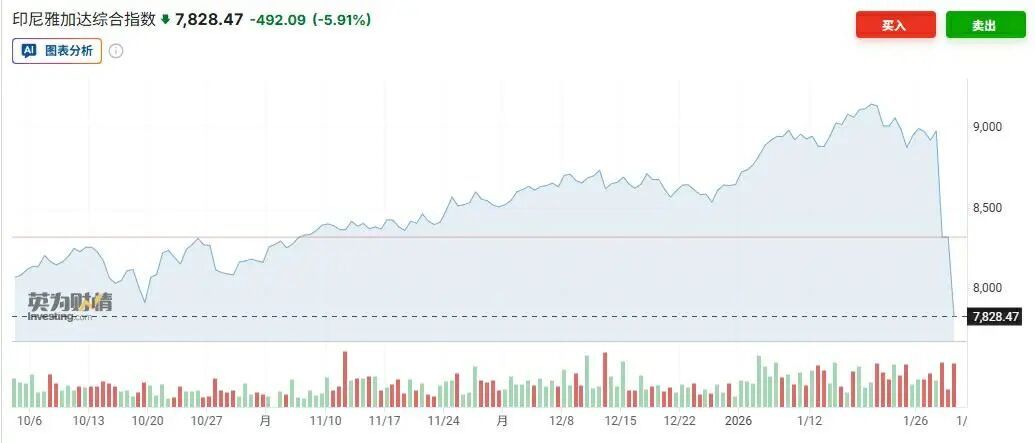
高盛和瑞银均已下调了对雅加达综合指数的评级。高盛还表示,在极端情况下,可能会引发超过130亿美元的资金流出印尼股市。瑞银分析师蒂鲁 马拉伊(Sunil Tirumalai)在报告中写道:"我们认为,在监管政策明朗化以及MSCI重新评估之前,印尼股市整体的不利局面可能会持续存在。" 在指数编制公司明晟(MSCI)发出警告后,印度尼西亚股市今日(29日)继续下跌,录得30年来最糟两日走势。印尼盾也录得去年10月来最大跌 幅。高盛和瑞银都调降了对印尼股市的评级,高盛预计在极端情况下,将有130亿美元流出印尼股市。 30年来最严重两日跌幅 1月29日,印尼股市进一步陷入动荡。MSCI对其市场投资可行性的警告引发了印度尼西亚股市近30年来最严重的两日暴跌。 印尼基准雅加达综合指数今日上午交易时段一度暴跌10%,触发30分钟停牌。根据交易所规则,下一次熔断机制将在跌幅达到15%时触发,届时交 易将再次暂停30分钟。周三,雅加达综合指数盘中也一度跌超8%,并触发熔断机制,市场交易暂停30分钟,最终收跌7.35%。印尼国有银行以及与 大型企业集团有关联公司的权重股都遭遇巨大的抛售压力。如果周四的跌势持续,印尼股指可能进入技术 ...

徐州国企与村委争讼,总投资规划超十亿的项目卷入土地“罗生门”
Di Yi Cai Jing· 2026-01-29 07:32
四方保供中心正建在争讼中的土地之上。而身在其中显得尴尬并提心吊胆的,则是四方保供中心的负责 人段绪强。 1月16日,段绪强在接受第一财经记者采访时说,自己在投建前从来不知道相关土地存在争议。 投资人说,自己在投建前从来不知道相关土地存在争议。 临近年关,位于徐州市西北郊的徐州四方农产品保供中心显得愈发热闹。从凌晨1点到中午12点,整个 市场都被此起彼伏的叫卖声、讨价还价声包裹,一片城市烟火的气息。 但市场红火的背后,一场围绕保供中心所在区域部分土地的争夺战,也变得愈发激烈。 一方是徐州市淮海国际港务区柳新镇唐沟村村委会(下称"唐沟村村委会")。其对外宣称,徐州四方农 产品保供中心(下称"四方保供中心")承租的,是村里的"村集体存量建设用地";另一方,则是徐州矿 务集团有限公司(下称"徐矿集团"),凭借手中持有的土地证,起诉要求唐沟村村委会返还相关土地。 段绪强说,目前已经开业的为保供中心一期,占地100余亩。而这100亩土地,是2025年3月,其从徐州 市柳新镇唐沟村租赁的,土地性质为"村集体存量建设用地"。根据租赁协议,租赁价格为6000元/亩, 每五年上涨1000元。 柳新镇副镇长李建秋则告诉记者,整个保 ...
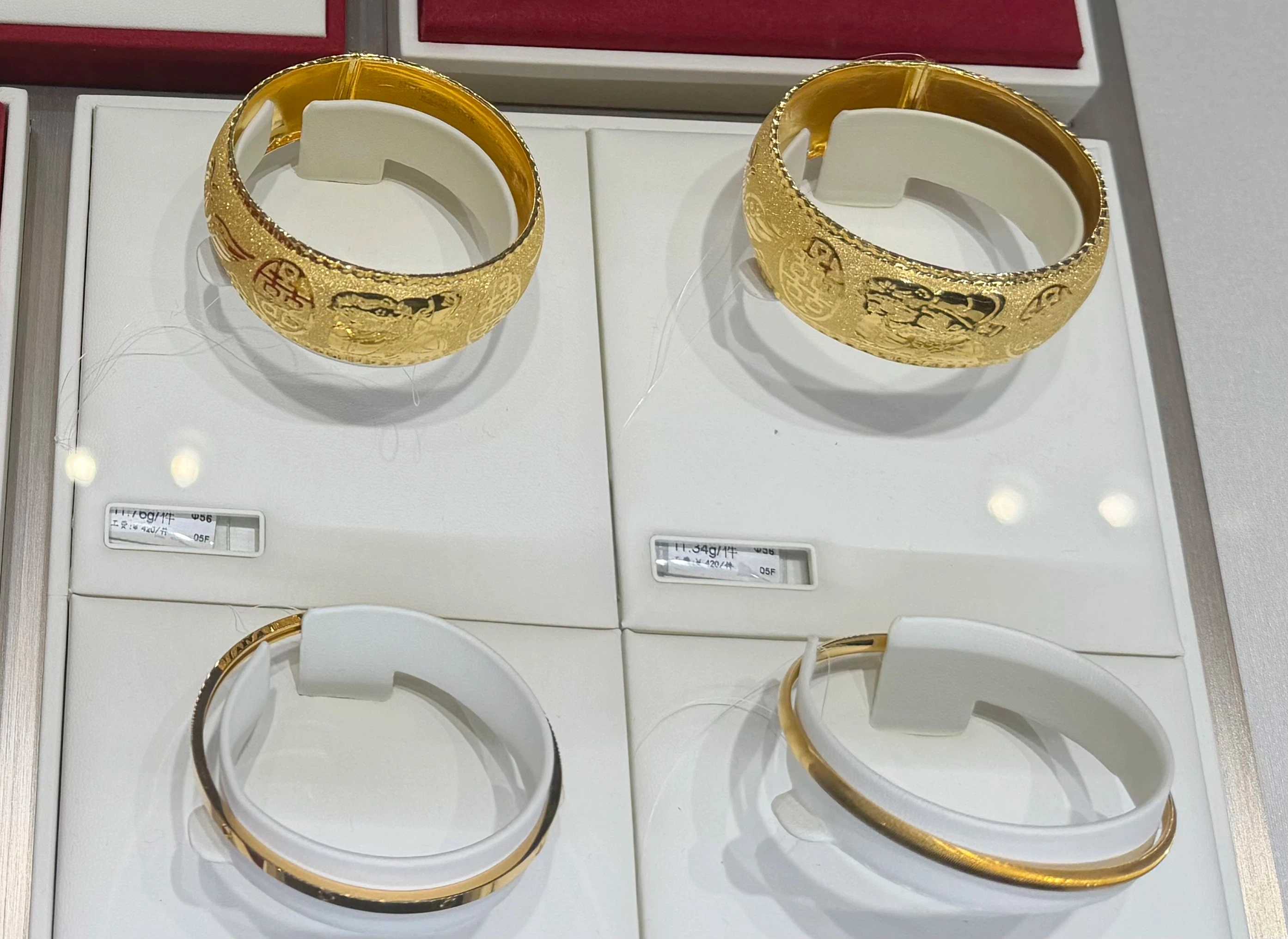
金饰克价两周暴涨近20%,一个金镯差价近万元
Di Yi Cai Jing· 2026-01-29 07:25
据消费者芳芳回忆,2025年第三季度的时候,她去水贝购买了一件重量为10克的金饰,在买完之后,金饰克价就开始疯狂飙涨。除了金价上涨外,受黄金税 收政策调整的影响,再难以在水贝购买到克价那么便宜的金饰。那一次是她印象中短期内最后一波买金的风口。 有消费者感慨这两年金价涨得已经超越认知。 克价从1400元左右涨到1700元以上,金饰在两周内"身价大增"。 1月29日,国际金价一度突破每盎司5500美元,国内头部黄金品牌的金饰克价也创下历史新高。大部分品牌金饰的足金克价突破1700元大关,其中周大福 1706元/克,周生生1708元/克,六福珠宝1704元/克,潮宏基1706元/克。据第一财经记者初步估算,约在两周时间里,以周大福为代表的头部黄金品牌的金 饰克价呈现出近20%的涨幅,这在过往金饰价格波动周期中属于较少见的情况。 两周前,在第一财经记者走访各大品牌金饰门店时,大部分品牌的金饰克价还在1400元出头。以周大福为例,按1月29日的金饰克价计算,一个35克的金镯 的现价与两周前的报价相比,在门店优惠与工费不变的情况下,仅克重价的差额就已经高达9800元。 有金店店员告诉记者,很难讲金价是否能回到以前的价格, ...
A股收盘|沪指涨0.16% 贵州茅台涨逾8%
Di Yi Cai Jing· 2026-01-29 07:25
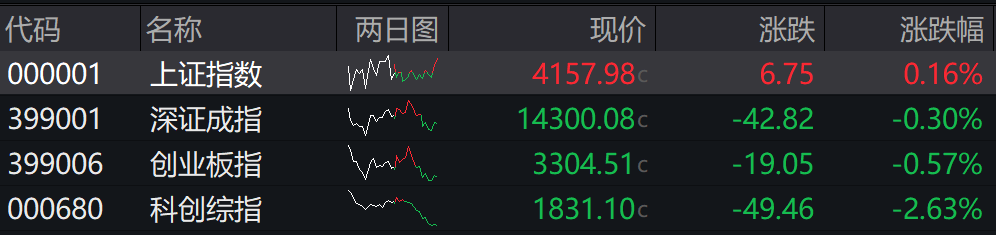
Core Viewpoint - The three major stock indices closed mixed, with the Shanghai Composite Index up by 0.16%, while the Shenzhen Component Index and the ChiNext Index fell by 0.3% and 0.57% respectively. The STAR Market Index dropped by 2.63% [1] Group 1: Stock Performance - The liquor sector experienced a surge, with Kweichow Moutai rising over 8% [1] - Gold stocks continued their strong performance, with multiple stocks reaching new highs [1] - AI application themes were active, particularly in the short drama and gaming sectors, leading the market [1] Group 2: Sector Movements - Real estate, insurance, and banking sectors showed notable gains [1] - Semiconductor, computing hardware, commercial aerospace, and humanoid robot concept stocks experienced significant pullbacks [1] Group 3: Market Activity - The total trading volume in the Shanghai, Shenzhen, and Beijing markets reached 32,594 billion yuan, an increase of 2,671 billion yuan compared to the previous day [1] - Over 3,500 stocks in the three markets closed in the red [1]

收盘丨沪指放量上涨0.16%,白酒、资源股全线爆发
Di Yi Cai Jing· 2026-01-29 07:19
Market Overview - The total trading volume in the Shanghai and Shenzhen markets reached 3.23 trillion yuan, an increase of 264.6 billion yuan compared to the previous trading day [1][6] - The A-share market experienced fluctuations, with the Shanghai Composite Index closing up by 0.16%, while the Shenzhen Component Index and the ChiNext Index fell by 0.3% and 0.57%, respectively [1][2] Sector Performance - The liquor sector saw a surge, with Kweichow Moutai rising over 8%, and nearly 20 stocks in the sector hitting the daily limit [2] - Oil and gas stocks continued to perform strongly, with Intercontinental Oil and Gas achieving five consecutive trading limits in seven days [4] - The semiconductor, computing hardware, commercial aerospace, and humanoid robot sectors experienced noticeable pullbacks [2] Individual Stock Highlights - Notable gainers in the liquor sector included: - Jinzhongzi Wine: +10.04% [3] - Liquor stocks such as Luzhou Laojiao and Wuliangye also saw increases of +10% [3] - In the oil and gas sector, Keli Co., Ltd. surged by 29.99%, while Tongyuan Petroleum and Qianeng Hengxin rose by 20.04% and 20.00%, respectively [5] Capital Flow - Main capital inflows were observed in the media, food and beverage, and real estate sectors, while outflows were noted in the semiconductor, non-ferrous metals, and home appliance sectors [9] - Specific stocks with significant net inflows included Kweichow Moutai (3.339 billion yuan), Bluefocus (2.898 billion yuan), and Wuliangye (1.703 billion yuan) [10] - Conversely, Industrial Fulian, Sungrow Power, and SMIC faced net outflows of 6.531 billion yuan, 1.787 billion yuan, and 1.427 billion yuan, respectively [10] Institutional Insights - Citic Securities noted that the index faces pressure above and support below, emphasizing the need to monitor changes in trading volume [11] - Dexun Securities suggested that the index is likely to maintain narrow fluctuations in the short term [11] - Dongwu Securities indicated that if trading volume effectively supports the market, there is potential for the market to reach new highs in the short term [11]





企业按吨租、银行是“金主”,金价猛涨需求大增,黄金租赁还可以这样玩!
Di Yi Cai Jing· 2026-01-29 07:04
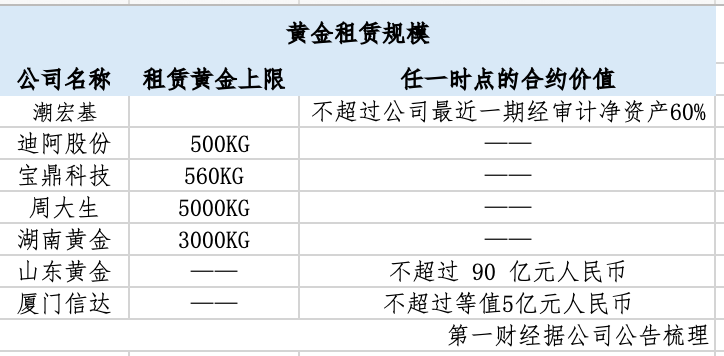
Core Viewpoint - The rising gold prices have significantly increased the demand for gold leasing among gold-using enterprises, leading to substantial growth in their leasing activities, which are now measured in tons [1][6]. Group 1: Gold Leasing Demand and Participants - The international gold price has recently surpassed $5,500 per ounce, with a year-to-date increase of nearly 30% [1]. - Gold leasing involves institutions and enterprises applying to banks or leasing companies to rent gold, which is a mature industry with participants including mining companies, banks, and gold-using enterprises [1][2]. - Companies like Xiamen Xinda and others have been involved in gold leasing since 2017, with financing amounts typically between 500 million to 1 billion yuan [2][12]. Group 2: Scale of Gold Leasing - The total gold leasing plans disclosed by several listed companies for 2025 amount to approximately 9,060 kilograms, close to 10 tons [6]. - Companies such as Zhou Dazheng and Hunan Gold have announced significant increases in their gold leasing limits, with Zhou Dazheng planning to lease up to 5,000 kilograms in 2025, up from 2,200 kilograms in 2021 [4][5]. Group 3: Role of Banks - Banks are the primary players in the gold leasing market, renting out gold to enterprises and earning stable leasing fees [6][8]. - The People's Bank of China regulates gold leasing, allowing only banks to lend gold to non-financial institutions, making banks the key players in this market [7]. Group 4: Cost Management and Financing - Gold leasing allows enterprises to avoid large upfront investments in gold, significantly alleviating cash flow pressures [9]. - Companies can use a combination of leasing and forward contracts to lock in gold costs and mitigate price volatility risks [9][10]. - Some companies, like Xiamen Xinda, utilize gold leasing as a financing method by selling the leased gold immediately and using the proceeds to meet liquidity needs [12][13]. Group 5: Risks and Challenges - The rapid increase in gold prices poses risks for companies engaged in gold leasing, as they may face high repayment costs and accounting discrepancies [15][16]. - Companies like China Gold have reported significant losses due to the mismatch between historical costs and market values during periods of rising gold prices [16]. - Regulatory scrutiny has increased, limiting the potential for arbitrage and exposing companies to compliance risks [17].
印度经济调查预计2027财年GDP增速将在6.8%-7.2%区间
Di Yi Cai Jing· 2026-01-29 06:59
据外媒报道,印度经济调查预计2027财年GDP增速将在6.8%-7.2%区间。 (文章来源:第一财经) ...
Meta盘后大涨近7%!业绩超预期,今年资本支出将翻番
Di Yi Cai Jing· 2026-01-29 06:53
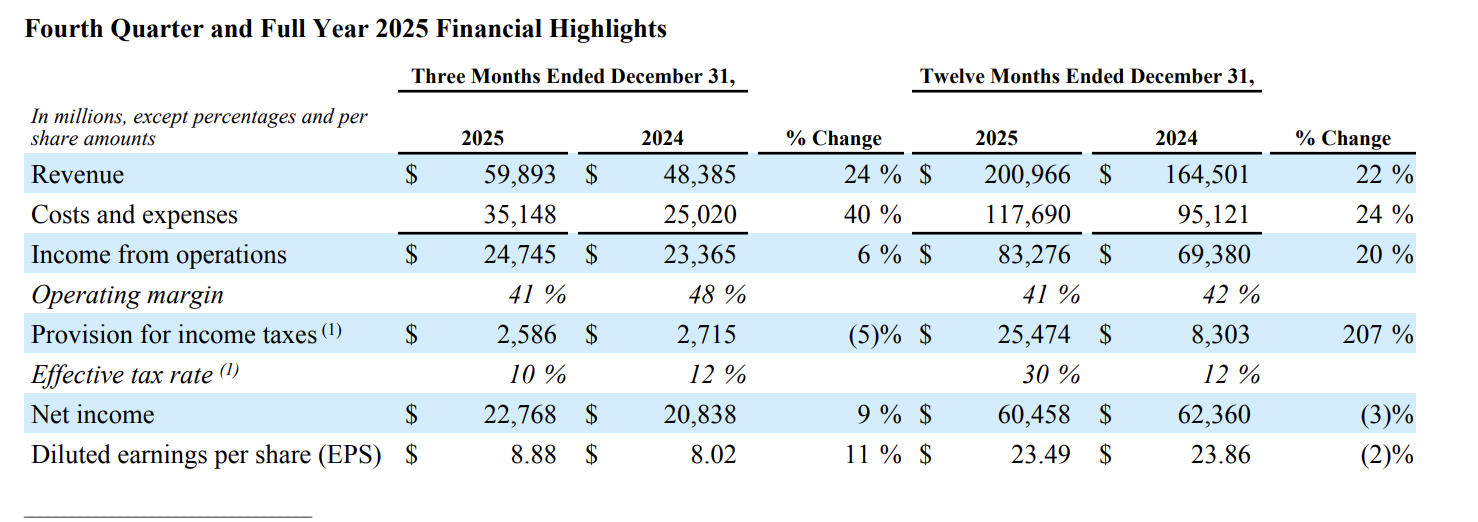
Core Viewpoint - Meta's Q4 2025 earnings report exceeded market expectations, driven by strong advertising performance, leading to a significant stock price increase post-announcement [1][4]. Financial Performance - Q4 2025 revenue reached $59.893 billion, a 24% increase from $48.385 billion in Q4 2024 [2][4]. - Q4 2025 net income was $22.768 billion, up 9% from $20.838 billion in Q4 2024 [2][4]. - For the full year 2025, revenue totaled $200.966 billion, a 22% increase year-over-year, while net income decreased by 3% to $60.458 billion [2][4]. Advertising Business - The strong performance in Q4 was primarily attributed to a 24% increase in advertising revenue, which reached $58.1 billion, accounting for 97% of total revenue [4]. Future Guidance - Management provided optimistic guidance for Q1 2026, expecting revenue growth of 26%-34%, translating to $53.5 billion to $56.5 billion, significantly above the market's 21% growth expectation [4]. - This guidance reflects positive expectations regarding the commercialization of Threads and the continued strength of Reels [4]. Capital Expenditure - Q4 2025 capital expenditures were $22.14 billion, with total expenditures for the year at $72.22 billion [5]. - For 2026, capital expenditures are projected to be between $115 billion and $135 billion, nearly double the previous year's spending, primarily to support the Meta Superintelligence Labs and core business investments [5]. - Despite increased infrastructure investments, management anticipates higher operating profits in 2026 compared to 2025 [5]. AI Developments - Meta is focusing on AI advancements, with plans to launch new models, including a large language model named Avocado and an image and video model named Mango in Q1 2026 [6]. - The newly established Meta Superintelligence Labs has delivered its first AI models, showing promising performance and potential [6]. - CEO Mark Zuckerberg emphasized the rebuilding of AI projects and the expected acceleration of AI applications across various fields in 2026 [6].

美团外卖上线“一镜到底”验真功能 新入驻商家须上传完整门店视频
Di Yi Cai Jing· 2026-01-29 06:42
Group 1 - Meituan Waimai has launched a "one-stop" store authenticity verification feature, requiring restaurant merchants to upload unedited videos showcasing their storefront, operating environment, kitchen conditions, and qualifications when joining the platform [1] - The feature is currently being piloted in eight cities, including Jinhua, Yinchuan, Qingdao, and Harbin, primarily targeting newly registered merchants and serving as a key measure for routine inspections [1] - The rollout of this feature is planned to expand nationwide within the year, with penalties for merchants who fail to upload the required videos or submit falsified content [1]

MSCI警告引发印尼股市30年来最大两日跌幅,印尼监管机构紧急应对
Di Yi Cai Jing· 2026-01-29 06:33
Core Viewpoint - The Indonesian stock market is experiencing its worst two-day performance in 30 years, driven by concerns raised by MSCI regarding the market's investability and potential outflows of up to $13 billion [1][3][5]. Market Performance - On January 29, the Jakarta Composite Index fell by as much as 10%, triggering a 30-minute trading halt, following a previous drop of over 8% on January 28, which also led to a trading suspension [3][4]. - The significant sell-off has primarily affected state-owned banks and companies linked to large corporate groups, raising the risk of a technical bear market if the downward trend continues [3][4]. MSCI Concerns - MSCI has expressed serious concerns about the low free float of stocks in the Indonesian market, with over 200 components having a free float ratio below 15%, which distorts the index and poses manipulation risks [4][5]. - MSCI has announced a suspension of certain index adjustments and will freeze the addition of new constituents until issues related to concentrated ownership are addressed by Indonesian regulators [3][4]. Currency Impact - The Indonesian rupiah has depreciated against the US dollar, recording its largest drop since October of the previous year, as investor confidence wanes [5][6]. Analyst Ratings - Both Goldman Sachs and UBS have downgraded their ratings for the Jakarta Composite Index, with Goldman Sachs warning of potential outflows exceeding $13 billion under extreme scenarios [5][6]. Regulatory Response - The Indonesian Stock Exchange has acknowledged MSCI's feedback and is committed to enhancing market data transparency, with plans to publicly disclose free float data starting January 2, 2026 [6][7]. - The exchange aims to raise the minimum free float requirement from the current 7.5% to between 10% and 15%, with a long-term goal of 25%, although no specific timeline has been set [6][7]. Future Considerations - The Indonesian financial regulatory authority is preparing stricter rules for small business listings, while the stock exchange emphasizes the need for increased liquidity to absorb new stock supply [7].