2 1 Shi Ji Jing Ji Bao Dao

Search documents
三年狂赚超300亿港元,国泰航空稳坐“中国最赚钱航司”
2 1 Shi Ji Jing Ji Bao Dao· 2026-03-12 01:29
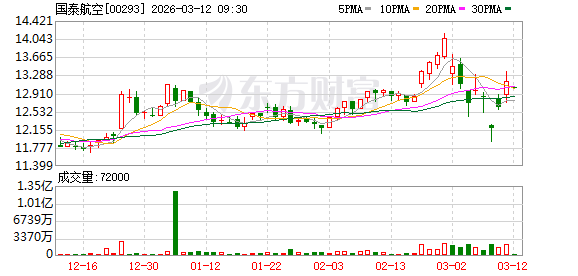
Core Viewpoint - Cathay Pacific reported a strong financial performance for the year 2025, with significant revenue and profit growth, driven by increased capacity, stable passenger volume, and strong cargo demand [2][4]. Financial Performance - The Cathay Group achieved a revenue of HKD 116.766 billion, representing a year-on-year increase of 11.9% [3]. - The net profit for the group was HKD 10.828 billion, up 9.5% from the previous year [3]. - Earnings per share increased to HKD 0.84, a rise of 21.7% compared to HKD 0.69 in 2024 [3]. Segment Performance - Cathay's passenger segment generated revenue of HKD 72.454 billion, a 15.8% increase, with passenger capacity up by 25.8% and total passengers transported reaching 28.9 million, a 26.5% increase [4]. - The cargo segment reported revenue of HKD 24.279 billion, a modest growth of 1.2%, with cargo volume increasing by 9.5% to 167.7 thousand tons [4]. Operational Highlights - Cathay's subsidiary, Hong Kong Express, achieved revenue of HKD 6.394 billion, a 6.7% increase, but reported a loss of HKD 0.996 billion due to various short-term factors [5]. - The highest passenger load factor was in the European market at 89.2%, followed by the Americas at 87.5% [5]. Strategic Initiatives - The company plans to invest over HKD 100 billion in fleet renewal, cabin upgrades, and digital innovation to enhance customer experience and solidify its position as a major international hub [6]. - Cathay is set to receive 8 new narrow-body aircraft this year and will introduce a new business class product on regional flights [7]. Market Response - Following the financial report, Cathay Pacific's stock price rose significantly, closing at HKD 13.17 per share, an increase of 4.36% [7].


A股三大指数收涨,港股蔚来大涨14%,美团、网易、京东健康跌超2%
2 1 Shi Ji Jing Ji Bao Dao· 2026-03-11 07:54
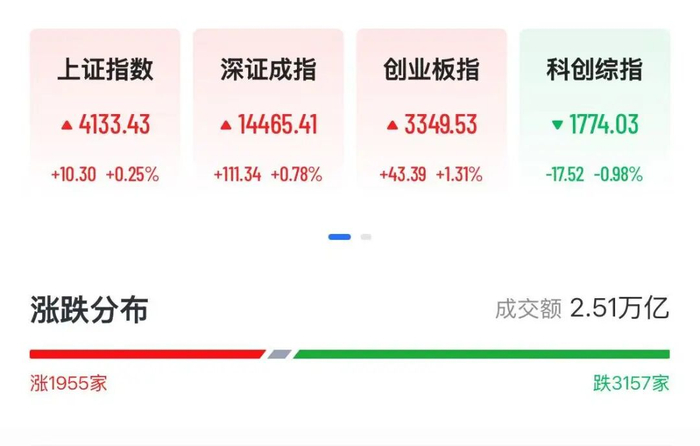
Market Overview - On March 11, the three major indices collectively rose, with the ChiNext Index initially increasing over 2% before retreating, while the Sci-Tech Innovation Index fell by 0.98%. Over 3,200 stocks in the market declined [1][2]. Index Performance - Shanghai Composite Index closed at 4,133.43, up by 10.30 points or 0.25% - Shenzhen Component Index closed at 14,465.41, up by 111.34 points or 0.78% - ChiNext Index closed at 3,349.53, up by 43.39 points or 1.31% - Sci-Tech Innovation Index closed at 1,774.03, down by 17.52 points or 0.98% - The total trading volume reached 2.51 trillion yuan, with 1,955 stocks rising and 3,157 stocks falling [2]. Sector Performance - The energy storage and lithium mining sectors were active throughout the day, with green energy concepts experiencing a surge. Green power stocks saw consecutive gains, and energy-saving wind power stocks hit the daily limit [2]. - The chemical sector saw a strong rally, particularly in coal and salt chemicals, with stocks like Jinniu Chemical and Zhongyan Chemical hitting the daily limit. The ongoing geopolitical conflict in the Middle East has pushed up international oil prices, supporting chemical product costs [2]. - The chemical fiber sector collectively rose, with companies like Zhongfu Shenying increasing over 14%. The price of spandex was raised, with increases of 2,000 yuan/ton for Taihe New Materials and 3,000 yuan/ton for Huahai Spandex reported [2]. Coal Sector - The coal sector experienced fluctuations, with Huadian Energy achieving consecutive gains. Other companies like China Coal Energy and Yanzhou Coal Mining also saw increases [3]. Downward Trends - The small metals sector declined, with companies like Xianglu Tungsten and Zhongtung High-tech dropping over 5%. The gas turbine sector also weakened, with stocks like Jereh and Tunan falling collectively [3]. - The "lobster" concept stocks saw a collective decline, with companies like Kunlun Wanwei and Qingyun Technology dropping over 4% [4]. Hong Kong Market - In the Hong Kong market, the Hang Seng Index fell by 0.21% and the Hang Seng Tech Index decreased by 0.14%. Most popular tech stocks declined, with Meituan, NetEase, and JD Health dropping over 2%. However, automotive stocks surged, with NIO rising over 14% and other companies like Li Auto and Xpeng increasing over 4%. NIO reported a quarterly operating profit of 1.25 billion yuan, marking the company's first quarterly profit [7].



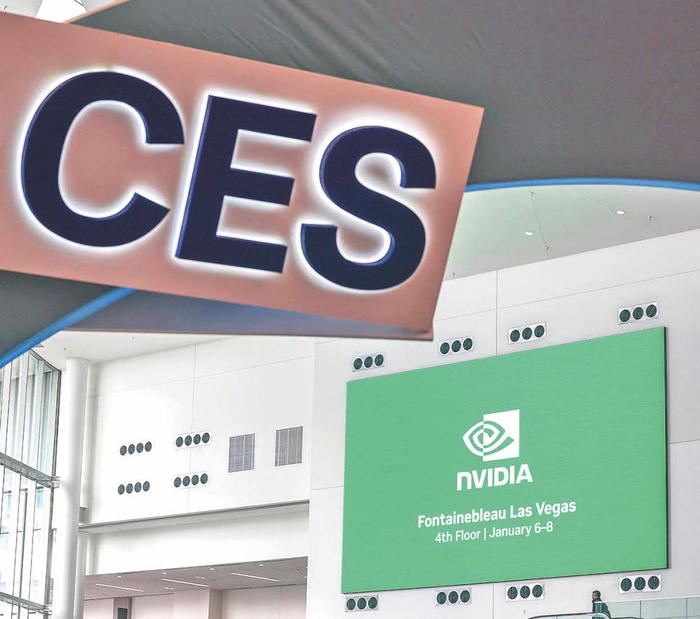
英伟达拟发布“神秘芯片” 或是专为推理设计的新架构
2 1 Shi Ji Jing Ji Bao Dao· 2026-03-11 05:47
Core Insights - NVIDIA is set to unveil a groundbreaking chip at the GTC conference in mid-March, which is expected to integrate Groq's LPU technology for a new inference product [1][4] - The shift in global computing demand is moving from training to inference, with predictions indicating that by 2026, inference will account for two-thirds of all AI computing power [3] - The new chip is anticipated to enhance decoding efficiency, addressing the limitations of current GPU architectures in handling large model parameters [5][6] Group 1: Chip Development and Technology - The upcoming chip is likely to be a new inference chip system that incorporates Groq's LPU technology, marking a significant integration of external architecture into NVIDIA's core AI computing product line [4] - The Groq LPU is designed specifically for inference acceleration, utilizing SRAM for model parameter storage, which offers significantly higher memory bandwidth compared to traditional GPU architectures [6] - NVIDIA may adopt a 3D stacking approach similar to AMD's V-Cache technology, integrating LPU units directly on top of GPU cores to enhance performance [7][8] Group 2: Market Trends and Predictions - The market is expected to see the emergence of specialized inference chips worth billions, which will be deployed in data centers and enterprise servers, with some chips potentially having power consumption comparable to general AI chips [3] - The industry is witnessing a trend where advanced manufacturing processes are becoming increasingly critical, with a focus on achieving high interconnect density and energy efficiency in chip designs [10] - There is a potential risk for domestic packaging and testing companies to be pushed out of the high-end market as the value of advanced chips concentrates on front-end manufacturing and advanced packaging [10]


专访全国人大代表葛海蛟:解码中国银行服务扩内需战略的四重角色
2 1 Shi Ji Jing Ji Bao Dao· 2026-03-10 13:05
Core Viewpoint - The Chinese government has emphasized the importance of strengthening domestic circulation as a key strategic task in the 14th Five-Year Plan, focusing on expanding domestic demand and enhancing consumer spending [1] Group 1: Strategic Focus - China Bank has positioned "boosting consumption and expanding domestic demand" as a primary task, aiming to enhance the quality and efficiency of consumer financial services through systematic layout [2] - The bank aims to support the national strategy of "domestic demand-led growth" as both a political mission and a pathway to high-quality development [4] Group 2: Financial Services and Consumer Support - China Bank plans to invest over 2 trillion yuan in key consumption areas by 2025, creating substantial financial benefits for consumers and enhancing their purchasing power [5] - The bank is committed to improving residents' consumption capacity and confidence through wealth management and diverse product offerings [7] Group 3: Cross-Border Financial Services - China Bank is enhancing services for inbound tourists, including cash and currency exchange, and has expanded its network to support international card transactions [10][11] - The bank has introduced a dedicated app for inbound visitors, providing comprehensive services to facilitate their spending in China [10] Group 4: Support for Various Consumption Sectors - The bank is focusing on three main areas: goods consumption, service consumption, and new consumption, to optimize consumption structure and promote upgrades [13] - By 2025, the bank's loans in key service consumption sectors are expected to exceed 200 billion yuan, with a growth rate of approximately 20% [14] Group 5: Future Outlook - China Bank plans to further invest in consumer finance and innovate service models, aiming to contribute significantly to the national goal of expanding domestic demand [19]

英伟达GTC大会将至 芯片股狂飙 算力供应链受益板块一览
2 1 Shi Ji Jing Ji Bao Dao· 2026-03-10 09:16
Group 1 - The core viewpoint of the article highlights a strong surge in chip-related stocks, with companies like Xin Jing Gang, Zhong Ying Ke Ji, Lian Rui Xin Cai, and Chang Guang Hua Xin hitting the daily limit of 20% increase [2] - The upcoming NVIDIA GTC conference, scheduled for March 16-19, 2026, is anticipated to be a significant event in the AI computing power sector, where new GPU core parameters will be unveiled, along with advancements in technology and commercialization in areas such as CPO switches, power architecture, and liquid cooling [2] - Guolian Minsheng suggests that the market trend will continue to focus on "speed + power," recommending attention to the PCB, CPO, storage, power supply, and cooling sectors within the related industry chain [2]
广汽集团成立蓝晶汽车公司
2 1 Shi Ji Jing Ji Bao Dao· 2026-03-10 06:55
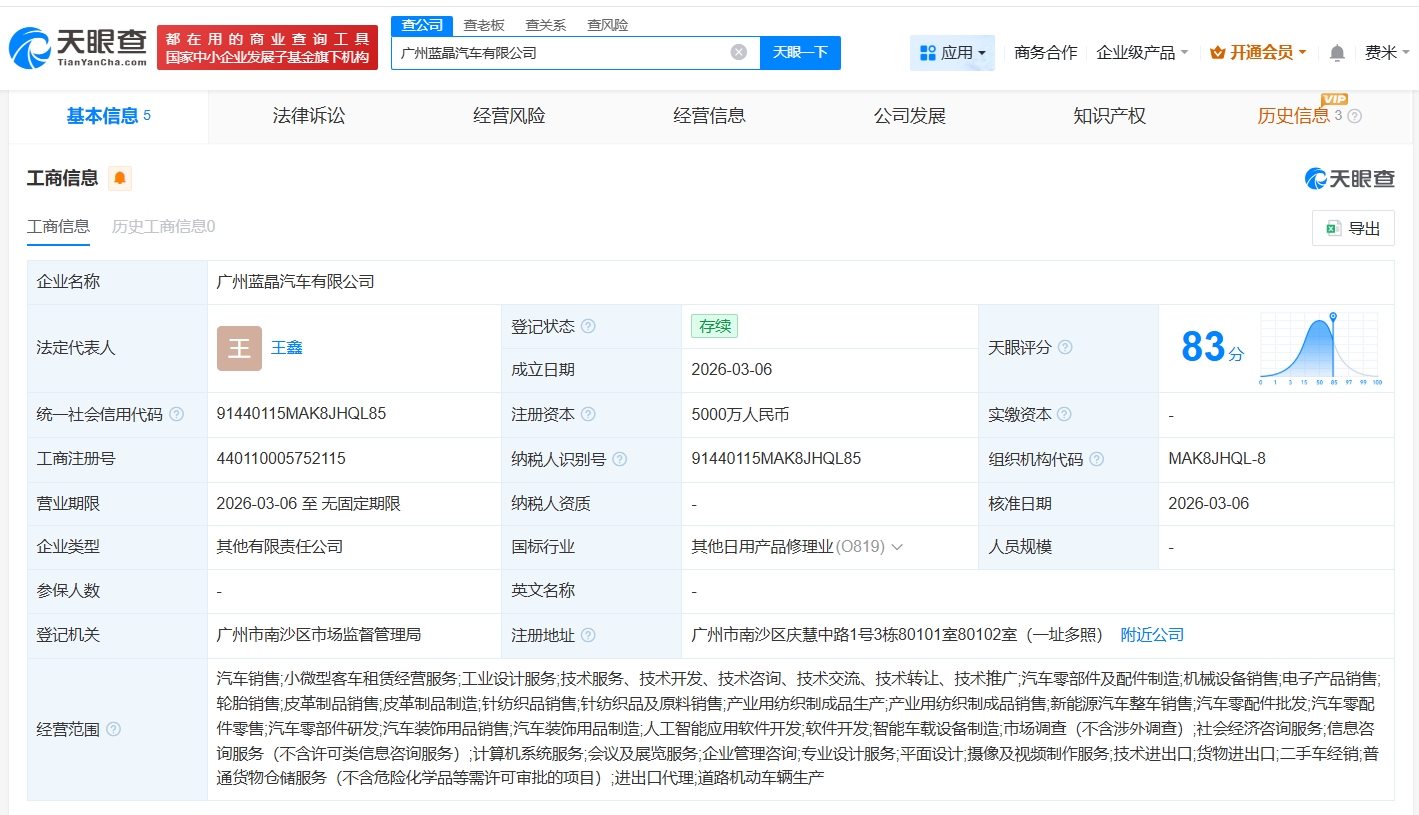
Group 1 - Guangzhou Blue Crystal Automobile Co., Ltd. was recently established with a registered capital of 50 million RMB, focusing on the sale of new energy vehicles, production of motor vehicles, and development of artificial intelligence application software [1] - The company is jointly owned by GAC Group's GAC Trading Co., Ltd. and Guangzhou Heijing Investment Partnership (Limited Partnership), with GAC Trading holding a 97% stake and Heijing holding 3% [2] Group 2 - The legal representative of Guangzhou Blue Crystal Automobile Co., Ltd. is Wang Xin, and the company is registered in Nansha District, Guangzhou [2] - The business scope includes various services such as automotive sales, vehicle rental services, industrial design, and software development, among others [2]

“刀片”再亮剑、闪充再升级:比亚迪能否再造增长神话?
2 1 Shi Ji Jing Ji Bao Dao· 2026-03-09 23:02
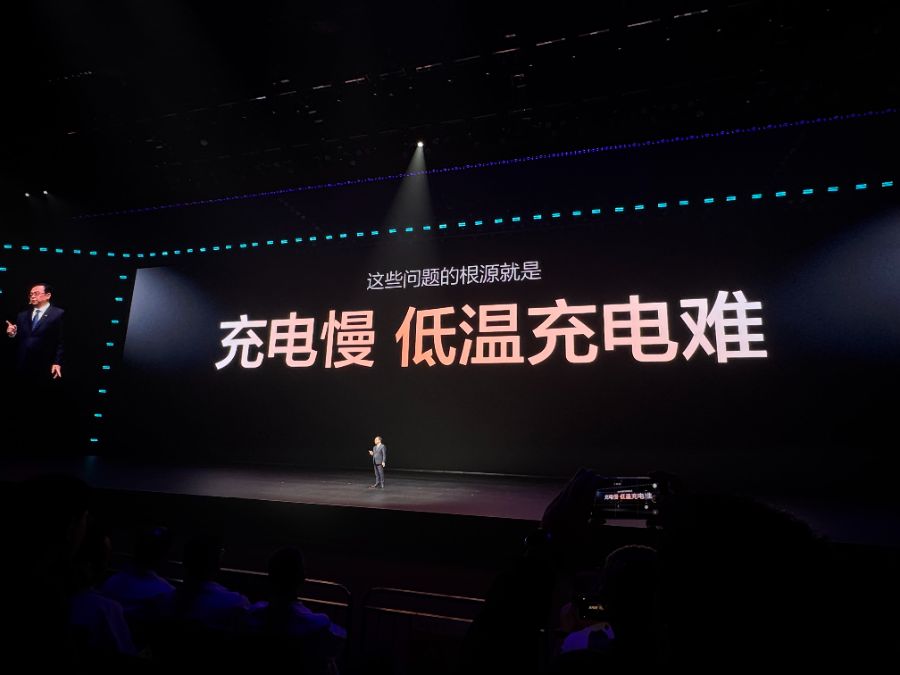
Core Insights - BYD has introduced its second-generation blade battery and fast-charging technology, launching 10 new fast-charging vehicles that can charge from 20% to 97% in just 9 minutes, comparable to refueling a traditional vehicle [1][2] - The company plans to build 20,000 fast-charging stations by the end of 2026, significantly outpacing competitors like Li Auto and NIO in terms of charging infrastructure [1][8] - The second-generation blade battery has improved energy density by over 5%, enhancing the range of vehicles, with some models achieving over 1,000 kilometers on a single charge [10][12] Charging Technology - The second-generation blade battery addresses charging speed issues in extreme cold and the last 20% of charging, with real-world tests showing impressive results in low temperatures [2][12] - NIO's battery swap technology remains competitive, with a swap time of 2 minutes and 24 seconds, but the debate continues on the necessity of battery swapping versus fast charging [3][4] - Concerns exist regarding the long-term effects of frequent fast charging on battery health, as highlighted by NIO's CEO [3][4] Infrastructure Development - BYD's fast-charging stations will be built in two categories: 18,000 "station-in-station" models in collaboration with charging network operators and 2,000 self-built stations along highways [8][9] - The integration of energy storage solutions with fast-charging stations addresses grid capacity issues, allowing for rapid deployment in areas with limited power supply [7][8] - BYD's vertical integration in manufacturing charging infrastructure components gives it a competitive edge, making it difficult for rivals to replicate its model [9][10] Market Position and Future Outlook - BYD aims to maintain its leadership in the electric vehicle market, having sold 460,240 units in 2025, surpassing Tesla [10] - The company is also focusing on the growing energy storage market, with significant installations of both power and storage batteries [12] - The competitive landscape is expected to evolve, with various charging solutions coexisting to meet diverse consumer needs [5][6]

21记者实测比亚迪低温充电,零下20度大唐10分26秒充饱
2 1 Shi Ji Jing Ji Bao Dao· 2026-03-08 15:29
Core Insights - BYD's second-generation blade battery addresses the critical issue of low-temperature charging, which has been a significant challenge in the electric vehicle (EV) sector, particularly in northern regions during winter [1][2] Group 1: Charging Performance - In a real-world test conducted in Harbin at -20°C, the BYD Tang charged from 20% to 97% in just 10 minutes and 26 seconds, while the Tengshi Z9GT achieved the same charge in 10 minutes and 23 seconds [2][3] - All ten vehicles tested in extreme cold conditions completed charging within 12 minutes [3] - In Beijing, at 4°C, the charging speed improved further, with the Tang charging from 20% to 97% in 10 minutes and 1 second, and the Tengshi Z9GT in 10 minutes and 19 seconds [3] Group 2: Charging Infrastructure - BYD's flash charging station features a unique sliding rail suspension T-type design, achieving a single-gun power output of 1.5 megawatts, which is three times the power of Tesla's current V4 supercharging stations [3] - The advancements in the second-generation blade battery and flash charging technology signify a breakthrough in the electrification field, potentially making charging as convenient as refueling in the near future [2][3]
21记者实测比亚迪低温充电 零下20度大唐10分26秒充饱
2 1 Shi Ji Jing Ji Bao Dao· 2026-03-08 15:23
Core Insights - BYD's second-generation blade battery addresses the critical issue of low-temperature charging, which has been a significant challenge in the electric vehicle (EV) sector, particularly in northern regions during winter [2] Group 1: Charging Performance - In a real-world test conducted in Harbin at -20°C, the BYD Tang charged from 20% to 97% in just 10 minutes and 26 seconds, while the Tengshi Z9GT achieved the same charge in 10 minutes and 23 seconds [4] - All ten vehicles tested in the extreme cold environment completed charging within 12 minutes [4] - In Beijing, at 4°C, the charging times improved further, with the Tang charging from 20% to 97% in 10 minutes and 1 second, and the Tengshi Z9GT in 10 minutes and 19 seconds [4] Group 2: Charging Infrastructure - BYD's flash charging station features a unique sliding rail suspension T-type design, achieving a single-gun power output of 1.5 megawatts, which is three times the power of Tesla's current V4 supercharging stations [4] - The advancements in the second-generation blade battery and flash charging technology signify a breakthrough in the electrification field, potentially making charging as convenient as refueling in the near future [4]
英伟达新动作?欲打造“AI原生6G”
2 1 Shi Ji Jing Ji Bao Dao· 2026-03-08 02:25
Core Insights - The 2026 Mobile World Congress (MWC) highlighted the significant role of AI in the telecommunications industry, with Nvidia positioning itself as a leader in AI-driven 6G technology [1][7] - Nvidia's CEO emphasized the need for AI-native networks that integrate AI from the ground up, transforming communication towers into AI supercomputers [1] - The establishment of the AI-RAN alliance by Nvidia aims to redefine 6G networks and enhance the integration of AI with radio access networks [2][5] Group 1: Nvidia's Strategy and Developments - Nvidia has been progressively entering the telecommunications sector since 2019, initially focusing on 5G software-defined RAN and evolving towards 6G solutions [4][5] - The company launched the AI-RAN alliance in February 2024, which includes major players like SoftBank, Ericsson, and Nokia, but notably excludes Huawei and ZTE [5][6] - Nvidia's AI-native 6G strategy includes the introduction of the Nemotron LTM model and the Aerial platform, which supports the development and deployment of AI-driven telecommunications solutions [7][8] Group 2: Industry Perspectives and Challenges - Analysts believe that while the integration of AI and 6G is a natural progression, Nvidia faces significant challenges in successfully implementing its vision, particularly in scaling its solutions [2][10] - The absence of Chinese telecom operators in the AI-RAN alliance is seen as a major hurdle for Nvidia, as successful communication standards require global collaboration [9][10] - The competitive landscape indicates that Nvidia must ensure its chips remain relevant and marketable, especially amid geopolitical tensions that could impact its position in the telecommunications sector [10]