
Guan Cha Zhe Wang

Search documents
平佳健:一场文物事件如何推动制度“打补丁”?
Guan Cha Zhe Wang· 2025-12-22 06:57
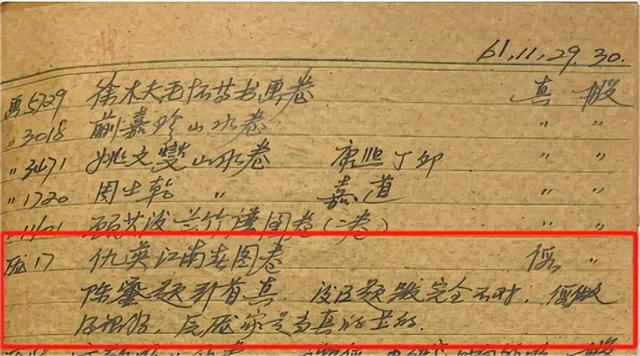
Core Viewpoint - The dispute over the authenticity and management of the Ming Dynasty painting "Jiangnan Spring" by Qiu Ying, donated to the Nanjing Museum, has led to legal action and public debate regarding the museum's handling of cultural artifacts and the standards of art authentication [1][2]. Group 1: Authenticity Issues - The authenticity of the painting "Jiangnan Spring" is the primary point of contention, with the Nanjing Museum claiming it was deemed a forgery by experts in 1961 and 1964, while the donor's family disputes this conclusion [2][4]. - The lack of a reliable scientific method for art authentication complicates the situation, as different experts may provide conflicting opinions based on their knowledge and experience [4][5]. - Historical precedents show that art authentication has been a complex issue, with various committees established to address these challenges, yet the current system faces criticism for its outdated practices [8][10]. Group 2: Legal and Procedural Concerns - The Nanjing Museum's decision to remove the painting from its collection and transfer it to another institution raises questions about the legality and appropriateness of such actions under existing regulations [7][8]. - The museum's procedures for handling artifacts deemed not suitable for collection may not have been adequately followed, leading to potential procedural flaws [5][7]. - The ambiguity in the regulations regarding the handling of donated artifacts has contributed to the current dispute, highlighting the need for clearer guidelines in the future [8][9]. Group 3: Broader Implications for Cultural Heritage Management - The incident has sparked broader discussions about the role of art authentication and the need for a more robust system that includes input from experienced practitioners outside of formal institutions [8][10]. - The high auction price of the painting, set at 88 million RMB, has drawn significant public interest and underscores the financial stakes involved in art authentication and provenance [8].


陈震部分账号已解封
Guan Cha Zhe Wang· 2025-12-22 06:56
Core Viewpoint - The social media accounts of the well-known automotive reviewer Chen Zhen have been restored on platforms like Xiaohongshu and Bilibili, but his Weibo and Douyin accounts remain banned due to previous violations [1][4]. Group 1: Account Status - On December 21, Chen Zhen's accounts on Xiaohongshu and Bilibili returned to normal, with no visible violations or bans, and features like following and commenting have been restored [1]. - However, his Weibo and Douyin accounts are still under a ban, indicating ongoing issues with compliance on those platforms [4]. Group 2: Background and Controversies - Chen Zhen, a prominent automotive reviewer and former host at Autohome, has extensive experience in automotive evaluation, covering numerous brands and models [12]. - Prior to the bans, Chen faced negative publicity after being involved in a car accident on October 4, where he was deemed fully responsible [14]. - He has also been involved in controversies related to his comments on electric vehicle brands, which drew criticism from the public [15]. - A recent report highlighted a tax evasion case against Chen, where he was found to have underpaid personal income tax by 1.1867 million yuan, leading to a total penalty of 2.4748 million yuan, which has since been settled [17].

一场文物事件如何推动制度“打补丁”?
Guan Cha Zhe Wang· 2025-12-22 04:52
Core Viewpoint - The dispute over the authenticity and management of the Ming Dynasty painting "Jiangnan Spring" by Qiu Ying, donated to the Nanjing Museum, has led to a lawsuit initiated by the descendants of the donor, highlighting issues in art authentication and museum management practices [1][5]. Group 1: Authenticity and Authentication Issues - The authenticity of the painting "Jiangnan Spring" is central to the dispute, with the Nanjing Museum claiming it was deemed a forgery by experts in 1961 and 1964, while the descendants contest this conclusion, citing evidence of its historical significance and previous ownership [1][2]. - The lack of a reliable scientific method for art authentication means that conclusions are often based on subjective assessments by experts, leading to varying opinions on the same artwork [2][3]. Group 2: Museum Management Practices - The Nanjing Museum's decision to remove the painting from its collection and transfer it to another institution raises questions about its authority to do so, especially without returning it to the original donor's family [5][6]. - The museum's actions appear to comply with the 1986 regulations regarding the management of museum collections, but the ambiguity in the term "proper handling" has led to operational flaws [6][7]. Group 3: Regulatory and Institutional Challenges - The existing regulations have created loopholes that have allowed for mismanagement of cultural assets, prompting the National Cultural Heritage Administration to address these issues in recent years [6][7]. - The National Cultural Heritage Administration has recognized the need for a more robust authentication system, as the current committee responsible for art authentication has not been active since 2014, leading to concerns about its effectiveness [8][9].
德国铁路公司订购中国电动公交车,德财长:让我十分恼火
Guan Cha Zhe Wang· 2025-12-22 04:43
Group 1 - The German railway company (DB) announced a procurement plan for 200 electric buses from China, which has sparked criticism from German Finance Minister Lars Klingbeil, who advocates for "rational domestic protectionism" [1][2] - Klingbeil expressed his frustration over DB's decision to purchase Chinese electric buses while also procuring buses from German manufacturer MAN, emphasizing the need for a domestic focus in such orders [1][2] - DB's procurement plan includes a total of 3,300 hybrid or fully electric buses, with a total order value exceeding €1 billion, and the Chinese buses will be produced at BYD's factory in Hungary [1] Group 2 - The German railway and transport union has also criticized DB's decision, with union chairman Martin Burkert stating that the government had previously called for more "domestic patriotism," making the procurement decision seem contradictory [2] - Klingbeil acknowledged the leading position of China in the electric vehicle transition, noting that the future of transportation is undoubtedly electric, and German automakers need to catch up [3] - Recent analysis from consulting firm EY revealed that the combined EBIT of major German automakers Volkswagen, BMW, and Mercedes-Benz fell to approximately €1.7 billion in Q3 2025, a 76% year-on-year decline, marking the lowest level since 2009 [8]


日本H3火箭二级发动机提前关机,卫星情况未知
Guan Cha Zhe Wang· 2025-12-22 03:33
Core Points - The Japan Aerospace Exploration Agency (JAXA) experienced an anomaly during the launch of the H3 rocket, with the second-stage engine stopping its burn prematurely, raising concerns about the satellite's ability to reach its intended orbit [1][3] - The mission was intended to deploy the Michibiki-5 satellite, which serves as Japan's version of GPS, but faced multiple delays due to previous technical issues [1][3] Group 1 - The H3 rocket is a two-stage, expendable liquid-fueled rocket, measuring approximately 57 meters in length and weighing around 422 tons, designed to be the backbone of Japan's space transportation for the next 20 years [3] - The initial launch attempt on March 7, 2023, also failed due to the second-stage engine not igniting, attributed to an anomaly in the power system [3] Group 2 - JAXA had previously identified the cause of the recent failure and implemented countermeasures, leading to the decision to attempt the launch again on December 22 [3] - The rocket was moved to the launch pad on the evening of December 21 and completed final preparations for the launch [3]

突破4383,现货黄金价格再创新高
Guan Cha Zhe Wang· 2025-12-22 02:47
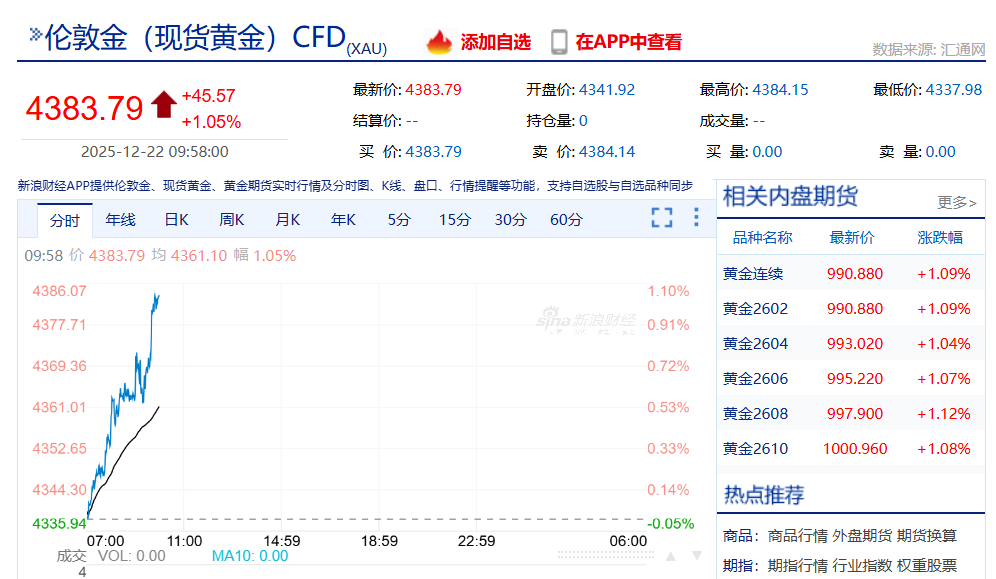
北京时间22日10时,现货黄金价格超过4383.79美元/盎司,日内涨1.05%,突破此前10月20日4381.4美元/盎司的高点,再创历史新高。 北京时间22日10时,现货黄金价格超过4383.79美元/盎司,日内涨1.05%,突破此前10月20日4381.4美元/盎司的高点,再创历史新高。 ...
链家《大店圆桌派》:探索大店模式的科学管理和AI提效
Guan Cha Zhe Wang· 2025-12-22 02:43
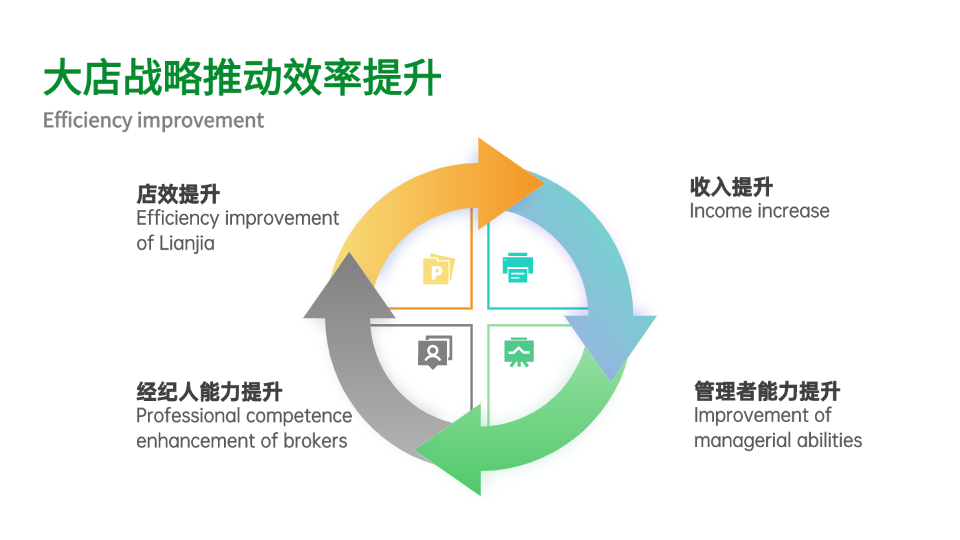
Group 1: Core Insights - The first session of Lianjia's "Big Store Roundtable" provides a comprehensive upgrade in big store strategy, store management efficiency, and talent development, offering a breakthrough model for the industry [1] - Lianjia's big store strategy is not merely about expanding store size or increasing personnel but represents an innovation in the business model [2] - The exploration of the big store model aims to enhance agent efficiency, improve the working ecosystem for agents, and promote the professional development of real estate agents [4][6] Group 2: Big Store Strategy - The big store strategy focuses on three key aspects: efficiency enhancement, community connection, and service innovation [4] - Efficiency enhancement involves improving the income competitiveness of managers and fostering a rich talent structure through specialized roles [4] - Community connection emphasizes the importance of integrating Lianjia stores with local communities to maintain healthy operations [4] - Service innovation will expand the range of services offered, including home decoration, asset management, and housekeeping services [4] Group 3: Store Management Efficiency - The dual approach of personnel and AI drives efficiency in store management [7] - The development of agents' capabilities focuses on three areas: professionalism, service quality, and proactivity [9] - Team capability building involves placing the right individuals in suitable roles and fostering internal collaboration to enhance operational efficiency [10] Group 4: Talent Development System - The real estate industry is perceived as low investment and high return, but newcomers face a long period without returns [13] - Learning ability is crucial for adapting to industry changes and enhancing professional skills [13] - Setting clear short-term, medium-term, and long-term goals is essential for personal growth and overcoming challenges [14] Group 5: New Media and Live Streaming - New media presents numerous opportunities for stores, and agents must adapt their skills and performance to leverage these channels [15] - The long service cycle in real estate necessitates persistence in utilizing new media for client engagement and transaction efficiency [15] - The big store strategy exemplifies that scale and warmth are not mutually exclusive but rather part of an ecological community [15]
从长城孵化到独立远航:紫荆半导体的RISC-V造芯之路
Guan Cha Zhe Wang· 2025-12-22 02:37
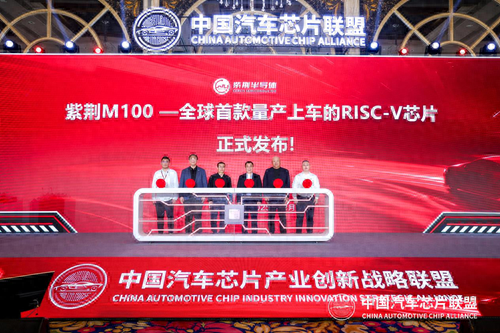
【文/观察者网 心智观察所】 2024年9月,一颗芯片的点亮,让中国汽车半导体产业迎来了一个历史性时刻。紫荆M100——国内首款 真正实现量产上车的RISC-V车规级MCU,从长城汽车的实验室走向了量产车型的控制器主板。这不仅 是一家初创企业的里程碑,更是中国汽车芯片国产化进程中一次意义深远的突破。 在全球芯片供应链波动加剧、汽车智能化加速演进的大背景下,紫荆半导体选择了一条与众不同的道 路:以RISC-V开源架构为技术底座,以整车厂深度绑定为商业模式,用两年时间走完了行业通常需要 四到五年才能完成的量产上车全流程。近日,在中国汽车芯片产业创新战略联盟2025全体成员大会上, 观察者网对紫荆半导体董事长曹常锋进行了深度对话,力图还原这家公司从长城内部孵化到独立运营的 创业历程,以及其背后的技术逻辑与商业思考。 从孵化到远航 紫荆半导体的故事,要从长城汽车的一次战略决策说起。 "我们是长城汽车孵化的,专注于RISC-V车规级芯片研发。"曹常锋开门见山地介绍道,"在长城内部孵 化了大约两年时间,2024年11月29日正式成立。"这家年轻的公司2025年获得了5亿元的战略投资,为后 续发展注入了充足的资金动力。 值 ...

吕礼诗×施佬:我们对解放军电子战能力一点都不了解,对万吨大驱也不了解
Guan Cha Zhe Wang· 2025-12-22 02:17
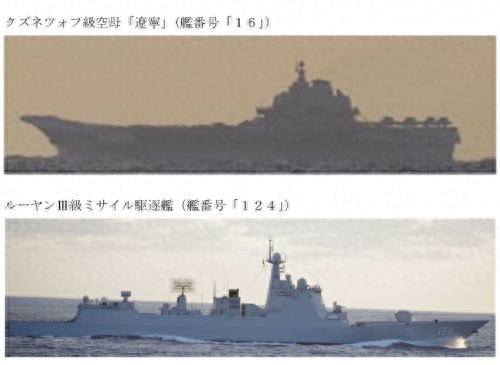
Group 1 - The discussion highlights the limited understanding of Japan and Taiwan regarding the military capabilities of mainland China, particularly in the context of recent naval activities by the Chinese aircraft carrier Liaoning [2][3][4] - The Chinese naval exercises are perceived as a strategic deterrent against Japan, with the presence of Russian military cooperation further complicating Japan's response [2][4][5] - Japan's military readiness has increased, as evidenced by the deployment of F-2 fighter jets and P-1 patrol aircraft in response to Chinese naval movements, indicating a serious acknowledgment of the threat posed by China [3][4][5] Group 2 - The U.S. national security strategy reflects a shift towards prioritizing domestic interests and a potential reduction in military engagement abroad, particularly in the Asia-Pacific region [8][9][12] - The economic constraints faced by the U.S. military are highlighted, suggesting that the ability to maintain a robust military presence is diminishing, which may impact its strategic posture in Asia [9][10][12] - The discussion raises concerns about the effectiveness of U.S. military support for Taiwan, particularly regarding arms sales and the industrial capacity to deliver on commitments [10][11][12] Group 3 - The conversation emphasizes the challenges faced by Taiwan in developing its indigenous military capabilities, particularly in submarine construction, which is seen as a costly and potentially ineffective endeavor [28][30][31] - The reliance on foreign technology and components in Taiwan's military projects raises questions about the viability and effectiveness of its defense strategy [30][32] - The overall sentiment suggests that Taiwan's military ambitions may be unrealistic given its current industrial capabilities and the geopolitical landscape [32][33]
链家《大店圆桌派》社区深耕的深圳方程式
Guan Cha Zhe Wang· 2025-12-22 02:08
Core Viewpoint - The successful conclusion of the third session of Lianjia's "Big Store Roundtable" has sparked extensive discussions on the practical path and underlying logic of the "Big Store Strategy," showcasing how this model reshapes the real estate service ecosystem [1] Group 1: Strategic Positioning - The core of the Big Store Strategy lies in building a dual moat of "efficiency and trust" through resource integration and brand empowerment, upgrading traditional stores to version 5.0, enhancing service efficiency with independent functional areas and technological tools, and establishing consumer trust through standardized service processes and brand endorsement, which lowers unit costs and creates differentiated competitive advantages [2] - The unique advantage of the direct sales model is embodied in the image of a "steady and professional steward," where Lianjia maximizes this reliability and professionalism to become a trusted benchmark in the community [3] Group 2: Community Engagement - Lianjia's core strategy is centered on "community friendliness," transforming goodwill into sustainable trust assets through systematic operations, making the transition to "community-friendly" stores a necessity for building long-term competitiveness, with the new generation of 5.0 store designs incorporating multifunctional community spaces and mechanisms for sharing benchmark experiences, alongside continuous optimization of community services through data analysis [4] Group 3: Rental Business - In high-mobility cities like Shenzhen, the rental business is strategically significant, viewed as the "lifeline and stabilizer of the Big Store model," providing continuous customer flow through high-frequency rental needs, which also serve as "seed customers" for future sales and home decoration businesses [5] - The rental business acts as a reputation carrier by effectively addressing the urgent housing needs of young people and maintaining long-term customer relationships, fostering deep emotional connections [6] - It serves as a training ground for new agents, enhancing their foundational business skills for more complex transactions in existing and new homes, with products like "Worry-Free Rental" lowering the barriers for newcomers in Shenzhen, allowing them to focus on work and life [7] Group 4: Resonance with Urban Spirit - The spirit of Shenzhen, characterized by "daring to explore and innovate without limits," aligns closely with the Big Store Strategy, as demonstrated by a team leader's journey from last place to the top three through 57 specialized training sessions and mindset shifts, achieving a "second entrepreneurship" success [8] - The Big Store model represents a comprehensive reconstruction of the three core elements of the real estate brokerage industry: people, stores, and services, marking a key transition for Lianjia from traditional brokerage to a one-stop quality service provider, enhancing environmental experience, deepening community connections, and supporting agent growth [8] Group 5: Service Standards and Community Impact - The Big Store model redefines real estate service standards, encompassing not just transaction facilitation but a full lifecycle of quality services including property purchase, rental, and renovation [10] - It creates a better working environment and development space for agents, elevating the profession's dignity and attracting more talent to stay and thrive in Shenzhen [11] - Each store acts as a community service station, providing convenience services and becoming a warm connection point in the city, emphasizing the importance of being good neighbors and partners [12]