
Bei Jing Qing Nian Bao

Search documents
奋力谱写中国式现代化的北京新篇章
Bei Jing Qing Nian Bao· 2025-11-17 19:19
Core Insights - The article emphasizes that Beijing's development during the "15th Five-Year Plan" period will focus on enhancing its role as a modern, innovative, and livable city, prioritizing the well-being and happiness of its citizens [1][4]. Summary by Sections Overview of the "14th Five-Year Plan" - The past five years have seen significant achievements in Beijing, including a GDP nearing 50 trillion yuan, advancements in technology and industry, and improved living standards [2]. - The city has experienced a deep integration of technological and industrial innovation, alongside a more equitable market environment [2]. Strategic Importance of the "15th Five-Year Plan" - The "15th Five-Year Plan" is positioned as a critical period for achieving socialist modernization, with a focus on aligning with national strategies and addressing historical responsibilities [3]. - The plan aims to ensure that Beijing plays a leading role in the national modernization process, leveraging its unique advantages and addressing challenges [3]. Development Goals and Directions - The planning suggests a systematic approach to enhancing the "four centers" and improving service levels, with a vision for a modern, resilient, and culturally rich city [1][4]. - Key objectives include improving urban governance, enhancing cultural influence, and ensuring environmental sustainability, all while increasing the quality of life for residents [4]. Future Outlook - The article outlines a vision for Beijing to achieve basic socialist modernization by 2035, positioning itself as a leading capital city in the context of national rejuvenation and global standards [4].
北京打造“竖店”带飞微短剧产业
Bei Jing Qing Nian Bao· 2025-11-17 19:19
Core Insights - The rise of micro-short dramas in Beijing showcases a unique content form that combines various formats and has significant growth potential, with an expected output value of 33.6 billion yuan in 2024, making Beijing the leading city in this industry [2][3] Industry Overview - Micro-short dramas have evolved from a niche market to a new pillar of the cultural industry, with Beijing positioning itself as a central hub for this growth [2] - The market for micro-short dramas is projected to exceed 50 billion yuan, surpassing traditional film box office revenues, indicating a shift in content consumption patterns [7] - The user base for micro-short dramas in China has reached 662 million, reflecting a growing demand for this format [7] Development Strategies - Beijing plans to enhance the micro-short drama sector through three main strategies: providing special funding and leveraging AIGC technology for creative empowerment, offering precise services under the "Beijing Service" brand, and exploring new business models that integrate micro-short dramas with tourism, e-commerce, and rural revitalization [2] - The establishment of the "Drunken Shadow Field Short Drama and Short Film Industry Base" in Chaoyang District represents a significant step in transforming old industrial sites into modern production hubs [3][4] Infrastructure and Facilities - The "Drunken Shadow Field" spans approximately 25,000 square meters and has been transformed from a logistics warehouse into a cultural industry park, attracting numerous artists and production companies [3][4] - The park has undergone renovations to meet the specific needs of short drama production, including structural reinforcements and the addition of professional filming facilities [4] Market Dynamics - The shift towards micro-short dramas is driven by changing viewer habits and the need for quick, engaging content that fits into modern lifestyles [7] - Industry professionals highlight the advantages of micro-short dramas, including faster production times and the ability to reach international markets, which enhances cultural confidence [6][7] Collaborative Ecosystem - The "Drunken Shadow Field" has formed a service alliance with over 30 local institutions, creating a "scene bank" that allows production teams to easily access diverse filming locations [9][11] - This collaborative approach aims to streamline the production process and reduce costs, addressing previous challenges faced by filmmakers in Beijing [12][13] Future Outlook - The micro-short drama industry is expected to continue evolving, with a focus on integrating digital technologies and enhancing the overall production ecosystem [15][16] - The successful transformation of cultural parks like "Drunken Shadow Field" serves as a model for other regions, emphasizing the importance of tailored services and long-term strategic planning [16]


情绪消费流行,要做好服务和引导
Bei Jing Qing Nian Bao· 2025-11-14 00:50
Group 1 - The core concept of "emotional consumption" is emerging as a new consumer behavior, particularly among the youth, with over 90% recognizing emotional value and nearly 60% willing to pay for it [1] - Traditional consumption focused on practical value, but as material needs are met, there is a growing desire for spiritual fulfillment, leading to a shift towards emotional consumption [1] - Emotional consumption allows young people to find moments of peace and satisfaction in their busy lives, reflecting their aspirations for a better life and injecting new vitality into the consumer market [1] Group 2 - The emotional consumption sector is still in its early stages, facing issues such as a lack of industry standards and the production of low-quality products by some businesses [2] - There is a risk of consumers making impulsive purchases driven by emotions, potentially leading to overconsumption and waste [2] - Companies are urged to innovate and develop creative emotional consumption products that resonate with the emotional needs and psychological characteristics of the youth [2] Group 3 - It is crucial to cultivate a rational consumption mindset and maintain market order, ensuring consumers understand that emotional consumption should not dominate their lives [3] - Strengthening market regulation and establishing mechanisms for market entry and exit are essential to combat false advertising and protect consumer rights [3] - The rise of emotional consumption is a product of societal development and market upgrades, presenting both new experiences and challenges that require long-term service and guidance for sustainable growth [3]
一杯咖啡里的中国大市场
Bei Jing Qing Nian Bao· 2025-11-14 00:50
Core Insights - The coffee market in China has shown significant growth potential, with consumption increasing at an annual rate of over 15% since 2010, far exceeding the global average of about 2% [2] - The number of coffee-related enterprises in China has surpassed 250,000, with over 100,000 new registrations in the first ten months of this year alone [2] - By 2024, the scale of China's coffee industry is expected to exceed 300 billion yuan, with per capita annual coffee consumption reaching 22.24 cups, indicating substantial room for growth compared to markets in Europe, the US, and Japan [2] Market Dynamics - The coffee industry in China is characterized by a diverse range of players, including international giants like Starbucks and emerging local brands such as Luckin, Kudi, and Manner, alongside a growing number of personalized coffee shops and specialty cafes [2] - Innovative flavor offerings and unique consumption experiences are emerging, catering to diverse consumer preferences and showcasing the vitality of supply-side innovation [2][3] Consumer Behavior - The shift in consumer preferences from material consumption to service-oriented and experiential consumption reflects a deeper transformation in China's consumption structure, driven by rising GDP and changing lifestyle aspirations [4] - Consumers are increasingly seeking not just coffee, but also cultural experiences and emotional connections, leading to the integration of coffee with music, tourism, and other lifestyle elements [4] Industry Evolution - The coffee industry is evolving towards a more mature and expansive ecosystem, with a complete supply chain from production to consumption being established, as seen in places like Shanghai's Hongqiao International Coffee Port [5] - The industry is transitioning from a "follower" to a "runner" position in various segments, indicating a significant leap in capabilities and market influence [5] Economic Impact - The coffee sector is a reflection of broader economic trends in China, where rising consumer expectations are driving the emergence of new business models and market opportunities across various industries [6] - The interaction between supply and demand is fostering a robust internal economic cycle, contributing to high-quality economic development in China [6]
商务部回应中美大豆贸易相关问题
Bei Jing Qing Nian Bao· 2025-11-14 00:09
Core Viewpoint - The Chinese Ministry of Commerce emphasizes its commitment to maintaining an open and cooperative approach in global agricultural trade, particularly in the context of recent U.S.-China soybean trade discussions [2]. Group 1: Trade Relations - The Ministry of Commerce has announced the outcomes of recent economic consultations between China and the U.S. in Kuala Lumpur, highlighting agreements reached in agricultural trade [2]. - China is recognized as a significant player in global agricultural trade and aims to deepen mutually beneficial cooperation with global trade partners [2]. Group 2: Global Trade System - The Ministry of Commerce advocates for the maintenance of an open, stable, and sustainable global trade system, reflecting China's ongoing commitment to international trade [2].

如何帮助孩子在分数之外找到人生的意义?
Bei Jing Qing Nian Bao· 2025-11-13 23:15
Core Viewpoint - The article emphasizes the importance of helping children move beyond a score-centric mindset to discover their true passions and meanings in life. Group 1: Breaking the Score Constraint - Parents should initiate discussions with children about the implications of grades, helping them understand that while scores reflect learning progress, they do not define their entire identity [2]. - Shifting the focus from results to the learning process can foster a growth mindset in children, encouraging them to engage in meaningful conversations about their experiences rather than just their scores [2]. Group 2: Creating a Diverse Environment - Providing children with opportunities to explore various activities is crucial for them to discover their interests, allowing them to make choices about their experiences [3]. - Parents should observe and document children's reactions to different activities, helping them identify signs of passion and interest [3]. - Allowing children time and space for exploration can lead to self-discovery and personal growth, nurturing their unique passions [3]. Group 3: Setting an Example - Parents serve as role models for their children, and showcasing their own passions and pursuits can inspire children to seek meaning beyond academic achievements [4]. - The process of growing alongside children is a mutual journey of nourishment and resonance, emphasizing the importance of finding and pursuing one's own passions [4].
“安世之乱”,尴尬了谁?
Bei Jing Qing Nian Bao· 2025-11-13 16:15
Core Viewpoint - The recent turmoil surrounding Nexperia, a semiconductor company, highlights the vulnerabilities of the global automotive industry amid geopolitical tensions, particularly between the U.S. and China [3][4]. Group 1: Company Overview - Nexperia, originally a Dutch chip company, was acquired by China's Wingtech Technology for 34 billion yuan in 2019 and has since become a key supplier of automotive chips globally [3]. - Approximately 80% of Nexperia's products require packaging and testing in China, making the company heavily reliant on Chinese operations [4]. Group 2: Geopolitical Context - In September, the U.S. government escalated sanctions against Wingtech Technology, applying the "50% penetration rule," which subjects subsidiaries of sanctioned companies to export controls, thereby including Nexperia [3]. - The Dutch government, citing concerns over European supply chain security, froze Nexperia's global operations and removed the Chinese CEO, reflecting a lack of strategic autonomy [4][5]. Group 3: Industry Implications - The automotive industry in Europe, facing a chip shortage, pressured the Dutch government to reconsider its stance, especially as China's export controls on rare earths threatened the supply of critical technologies [4]. - The U.S. later reached an agreement to suspend the "50% penetration rule" for one year, temporarily alleviating tensions but leaving the underlying issues unresolved [4][5]. Group 4: Strategic Lessons - The incident underscores the need for Europe to reassess its role in the U.S.-China rivalry and the importance of maintaining control over high-tech sectors to safeguard industrial security [5]. - The situation serves as a warning for European leaders about the risks of being used as a tool in U.S. geopolitical strategies, with potential long-term consequences for their own industries [5].


连接信息鸿沟中的孤岛,百度,一个都不能少 | 深度报道
Bei Jing Qing Nian Bao· 2025-11-13 12:04
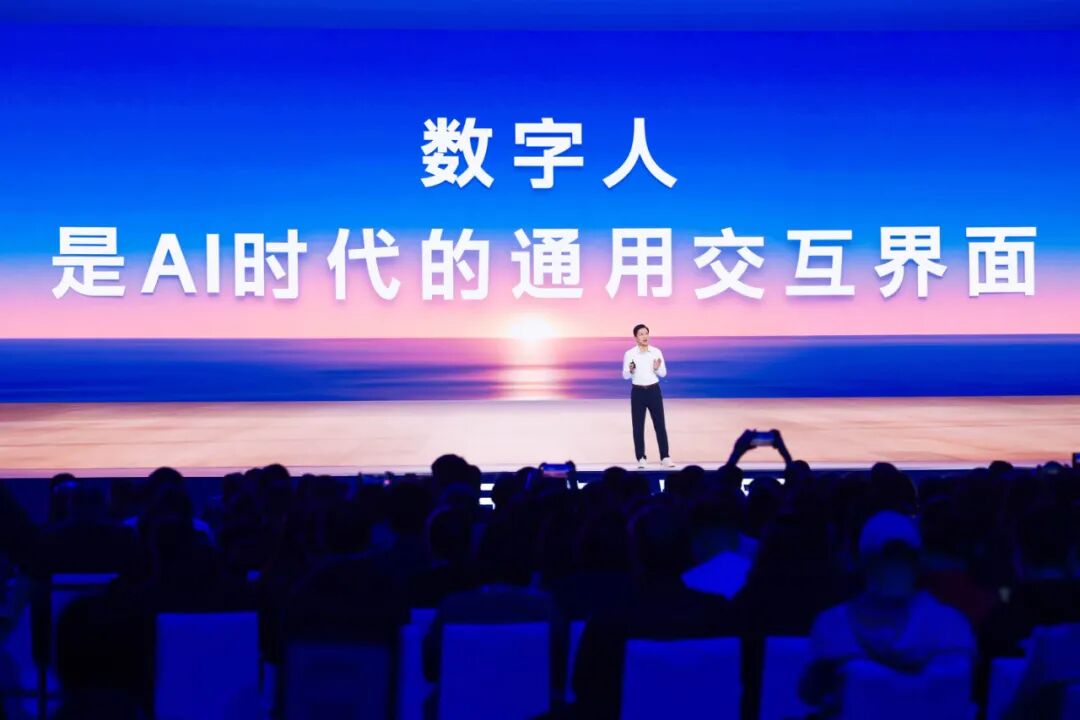
Core Insights - The article highlights Baidu's advancements in AI technology, particularly the launch of the Wenxin 5.0 model and various AI applications aimed at enhancing social equity and bridging the digital divide [2][3]. Group 1: AI Technology and Applications - Baidu introduced the Wenxin 5.0 model, which features real-time interactive digital humans capable of deep understanding of the real world [2]. - The AI search reconstruction can provide diverse search results in ambiguous scenarios through multi-modal understanding [2]. - GenFlow 2.0 and its upgraded version GenFlow 3.0 are showcased as tools that significantly enhance productivity for users, allowing them to generate complex tasks and documents quickly [5][6]. Group 2: Social Impact and Empowerment - Baidu's AI capabilities are being utilized to empower rural revitalization, educational equity, and social services, transforming "intelligent dividends" into "social dividends" [3]. - The article illustrates how AI tools are being used in rural areas to educate and protect vulnerable populations, such as the elderly from scams [5][6]. - AI is also being leveraged to create emotional connections between children and their working parents through animated representations of their wishes [12][13]. Group 3: User Experience and Accessibility - The article emphasizes the user-friendly nature of Baidu's AI tools, which allow non-experts to interact with AI using natural language, thus democratizing access to technology [15][16]. - The "秒哒" platform enables users to create applications without coding, further lowering barriers to technology adoption [16]. - Baidu's digital human technology is being applied across various sectors, enhancing service efficiency and user experience [16].

AI培训坑老乱象该休矣
Bei Jing Qing Nian Bao· 2025-11-13 02:36
Core Viewpoint - The rise of fraudulent AI training schemes targeting the elderly highlights the exploitation of technology for profit rather than empowerment [2][3][4] Group 1: Nature of the Fraud - Fraudulent AI training programs lure elderly individuals with promises of easy income and quick learning, often using tactics like "free trial classes" and "limited spots" to create urgency [2][3] - Many elderly participants are misled into believing they will receive personalized instruction, only to find themselves in large group sessions with minimal actual training [2][3] - The portrayal of AI as a means to achieve high income is misleading, as actual earnings from AI-generated content are significantly lower than advertised [3] Group 2: Psychological Manipulation - The schemes exploit the psychological vulnerabilities of the elderly, who desire to remain relevant and fear being left behind by technological advancements [3][4] - Language used in marketing, such as "second career" and "active thinking," exacerbates feelings of anxiety among older adults, making them more susceptible to scams [3] Group 3: Platform Responsibility - The lack of accountability from online platforms allows these fraudulent activities to flourish, as they often fail to enforce regulations regarding the verification of trainers and the content they promote [3][4] - Customer service responses to refund requests are often dismissive, citing "private transactions" as a reason to evade responsibility for the fraudulent claims made by training institutions [3] Group 4: Need for Protective Measures - A multi-faceted approach is necessary to combat these scams, including legal measures to classify fraudulent AI training as a crime and the establishment of a blacklist for offending institutions [4] - Platforms should implement specialized review mechanisms for courses targeting the elderly, particularly those promising high returns with little effort [4] - Community initiatives should focus on educating the elderly and their families about digital fraud, using real-life examples to dismantle deceptive marketing tactics [4]

单位食堂开放让公共资源活起来
Bei Jing Qing Nian Bao· 2025-11-13 02:36
"刚出锅的红烧肉还冒着热气,打菜阿姨手不抖,一勺土豆丝给得满满当当!"正午时分,国家卫健 委科研所餐饮中心里,刚打完饭的白领小李举着餐盘笑着说。如今,一批原本只服务机关、企事业单位 的食堂,正打破"围墙"向公众开放——从每日不重样的荤素搭配,到按克称重的AI智能餐台,再到飘着 锅气的时令菜品,这些食堂不仅成了周边居民、上班族的"干饭宝地","打卡单位食堂"更是在社交媒体 上悄然走红。(11月12日《北京青年报》) 当然,让公共资源"活起来"仍面临可持续性的挑战。菜品创新不足、客流时段不均、盈利模式模糊 等问题,考验着运营者的智慧。未来的发展方向或许在于,建立"基本保障+特色服务"的双层供给结 构,以平价基础餐食满足日常需求,以融合菜品吸引年轻群体。此外,开发"养老助餐""预订取餐""厨 艺培训"等增值服务,拓展食堂服务功能。同时,运用数字化手段优化资源配置,如通过AI预测客流、 调整备餐量。诚如一位食堂负责人所言:"打破'围墙'只是开始,如何持续提供有温度、有新意的服 务,才是长久之道。" 期待单位食堂开放举措行稳致远,让更多人品尝到机制改革的甜头,尝到共建共治共享的社会发展 新滋味。 【责任编辑:杨鑫宇】 ...