
Hu Xiu

Search documents
华为为何力推磁电存储?| 1117 张博划重点
Hu Xiu· 2025-11-17 14:20
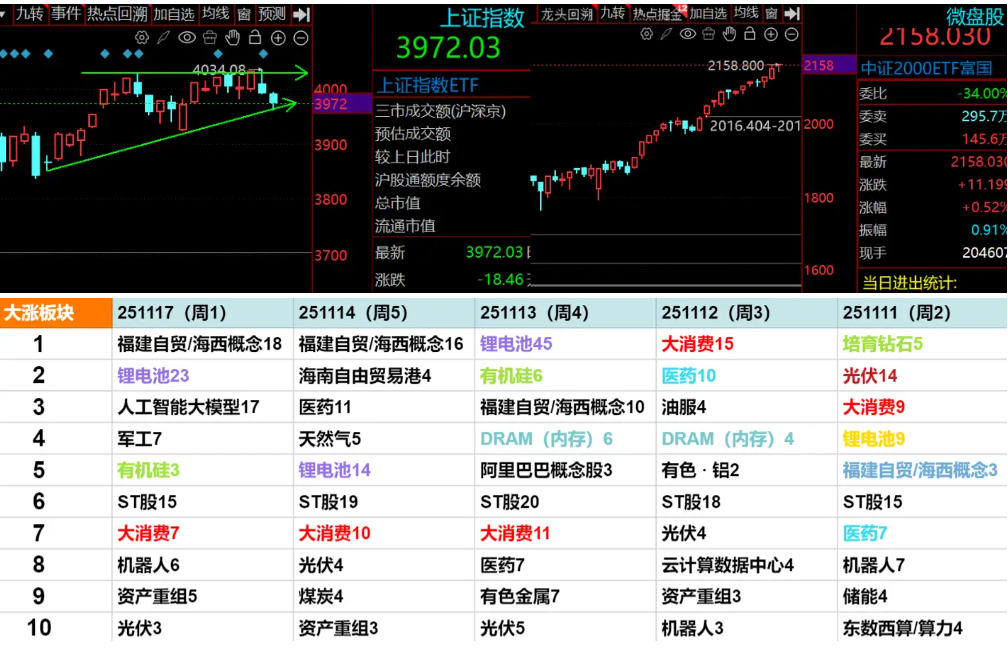
Market Performance - The three major indices experienced a decline, with the Shanghai Composite Index slightly falling below the 20-day moving average, while the Shenzhen Component and ChiNext continued their weak downward trend, although the decline narrowed towards the end of the trading session [1] - The total trading volume in the Shanghai and Shenzhen markets was 1.91 trillion, a decrease of 47.3 billion compared to the previous trading day [1] - At the close, the Shanghai Composite Index fell by 0.46%, the Shenzhen Component decreased by 0.11%, and the ChiNext Index dropped by 0.2% [1] Trading Data - The Shanghai Composite Index closed at 3972.03 [2] - The estimated trading volume was 3.9 trillion [2] - The balance of the Shanghai Stock Connect quota was 11.199 billion [2] Sector Performance - The top performing sectors included Free Trade Zones in Fujian and the West Coast concept, lithium batteries, and artificial intelligence models [2] - Other notable sectors were organic silicon, pharmaceuticals, and military industry [2] - The performance of ST stocks was also highlighted, indicating a significant presence in the market [2]

年尾行情需要注意什么时间节点?
Hu Xiu· 2025-11-17 10:49
Group 1 - The strategic resource sector is experiencing notable year-end market dynamics, with significant price increases in upstream energy metals and related chemical sectors, particularly driven by a surge in lithium carbonate futures, which rose over 9% in a single day [3] - The battery sector has seen an overall increase of over 1%, with fine chemicals linked to batteries also benefiting from this upward trend [3] - Investors are advised to be cautious about potential demand overextension as the market remains active, especially with the upcoming increase in vehicle purchase tax next year, which may lead to preemptive demand in energy products and core battery materials [3] Group 2 - The article indicates a mixed performance among the three major domestic indices, highlighting a clear division between rising and falling stocks [3] - The commentary suggests that while the current market is lively, there is a need for investors to set a "time red line" to gauge the sustainability of the ongoing trends leading into 2026 [3]
波动放大,“逼宫行情“持续压制科技赛道
Hu Xiu· 2025-11-16 12:17
Group 1 - The current market volatility is increasing, posing a threat to the sensitive technology sector, both domestically and internationally [4] - The U.S. stock market experienced significant fluctuations, with the technology sector facing a sharp decline, raising concerns about liquidity issues across various asset classes [4] - The market's reaction appears to be a "pressure tactic" ahead of the Federal Reserve's upcoming interest rate decision on December 10, indicating a potential for further adjustments if the Fed maintains its stance on interest rates [5] Group 2 - Despite the pressures on economic data, consumer spending remains resilient, suggesting underlying strength in the economy [4]
AL、R134a轮番涨价,A股谁受益?| 1113 张博划重点
Hu Xiu· 2025-11-13 14:39
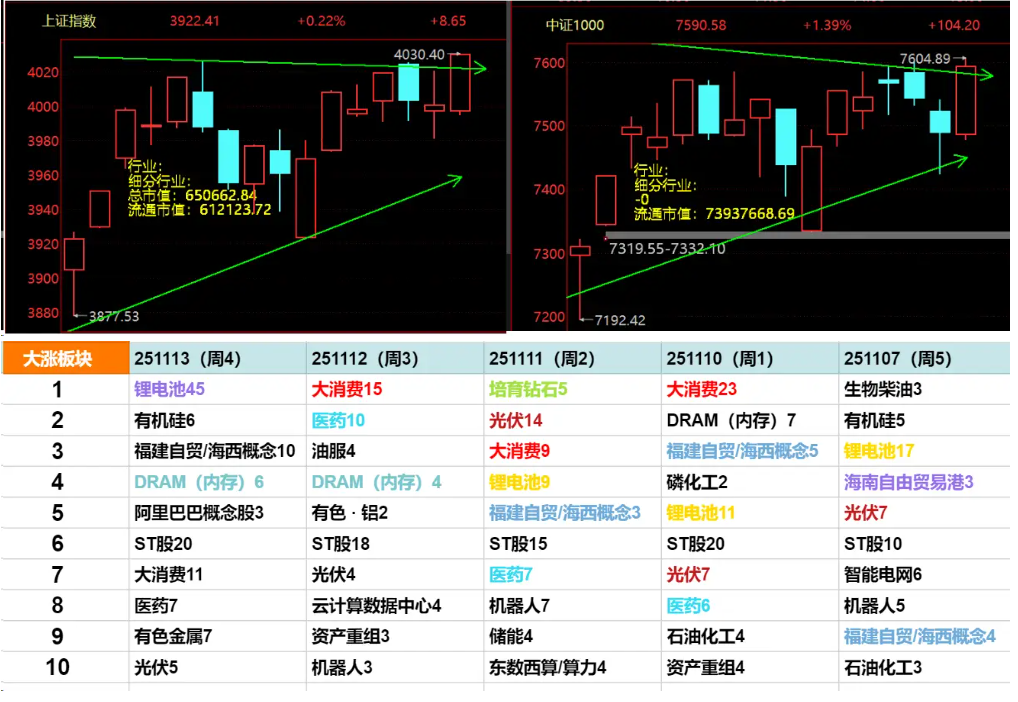
Market Overview - The market has rebounded from previous adjustments, with a significant increase in both price and volume, leading to a trading volume exceeding 2 trillion yuan. The Shanghai Composite Index reached a new 10-year high, while the ChiNext Index regained all short- and medium-term moving averages [1] - Nearly 4,000 stocks experienced gains, with around 120 stocks rising over 10%, marking a recent peak in performance. The micro-cap stock index also hit a historical high, indicating strong profitability in the small-cap sector [1] Index Performance - At market close, the Shanghai Composite Index rose by 0.73%, the Shenzhen Component Index increased by 1.78%, and the ChiNext Index surged by 2.55% [1] Sector Performance - The top-performing sectors included lithium batteries, organic silicon, and free trade zone concepts, with notable increases in their respective stock performances compared to previous weeks [3] - Lithium battery stocks led the gains with 45 stocks performing well, followed by consumer goods and diamond cultivation sectors [3]
全球最大镰刀也盯上能源了
Hu Xiu· 2025-11-13 14:39
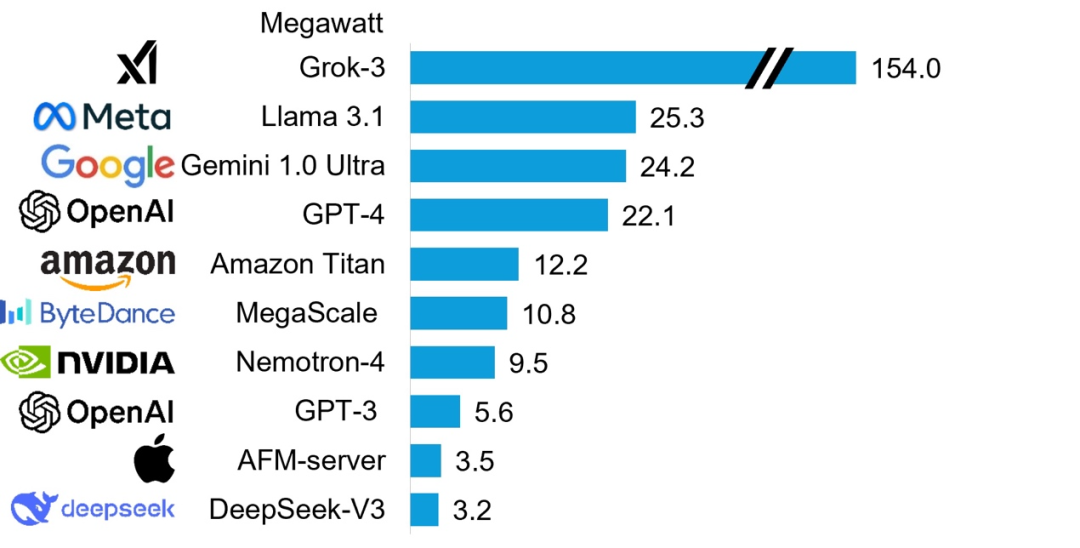
Core Insights - The increasing demand for AI computing power is leading to a significant electricity shortage, with major tech companies like Microsoft and OpenAI highlighting the risks to their operations due to insufficient power supply [2][3][8] - The investment landscape is shifting towards energy solutions, particularly in the context of AI's growing electricity needs, with companies exploring advanced nuclear technologies [4][40] Group 1: Electricity Demand and Supply Dynamics - AI server clusters are consuming electricity at a rate that outpaces the expansion of the power grid, potentially creating a bottleneck for the AI era [3] - The power consumption of AI training has escalated dramatically, with data centers projected to consume 945 TWh by 2030, which would account for approximately 63.42% of China's residential electricity consumption in 2024 [4][7] - The U.S. is currently the largest consumer of data center electricity, accounting for 45% of global consumption, with significant growth expected in both the U.S. and China by 2030 [7][8] Group 2: U.S. Electricity Challenges - The U.S. electricity system is unprepared for the surge in demand driven by AI, with a disconnect between economic growth and electricity demand [8][11] - The aging infrastructure and the retirement of coal-fired power plants have exacerbated the electricity supply issues, leading to a projected shortfall of approximately 100 GW over the next five years [12][14] - Major data centers in the U.S. are already facing delays in new projects due to transmission capacity limitations [14][15] Group 3: China's Energy Landscape - China has a robust energy supply, with total electricity generation exceeding consumption, and is expected to see significant growth in renewable energy sources [20][22] - The country is focusing on integrating computing power with renewable energy, with policies aimed at achieving a synergy between energy supply and demand [26][30] - By 2030, China's data center electricity demand is projected to reach between 3000-7000 billion kWh, while renewable energy generation is expected to exceed this demand [34][35] Group 4: Nuclear Energy as a Solution - Both the U.S. and China are increasingly looking towards nuclear energy, particularly small modular reactors (SMRs) and controlled nuclear fusion, to meet future energy demands [49][50] - The commercial viability of SMRs is still in its early stages, with significant investments being made but no substantial revenue expected until the late 2020s [51][52] - Controlled nuclear fusion is gaining traction as a long-term solution, with various countries setting ambitious timelines for its commercialization and significant funding being directed towards this technology [54][55]
巴菲特的时代结束了
Hu Xiu· 2025-11-13 14:19
Group 1 - Berkshire Hathaway's CEO Warren Buffett announced he will no longer write the annual report or give long speeches at the annual shareholder meeting, indicating a transition to a quieter role as he prepares to step down at the end of the year [1] - Buffett's leadership has resulted in an annualized return of 19.9% for Berkshire Hathaway from 1965 to 2024, significantly outperforming the S&P 500's 10.4% during the same period [1][10] - Buffett's investment philosophy has evolved from the "cigar butt" strategy, focusing on undervalued companies, to a "moat" strategy, emphasizing companies with sustainable competitive advantages [7][9] Group 2 - Buffett's notable investments include purchasing 2.34 billion shares of PetroChina at approximately HKD 1.6 per share during the SARS outbreak, which he later sold for about HKD 13.5 per share, yielding a return of approximately 7 times [2] - In 2008, Buffett invested in BYD, acquiring 9.9% of the company, which later became a significant player in the electric vehicle market, resulting in a return of over HKD 600 billion from an initial investment of HKD 1.8 billion [2] - Buffett's investment in See's Candies in 1972 marked a shift to acquiring high-quality companies, which has since contributed over $13 billion in profits to Berkshire Hathaway [8][10] Group 3 - Berkshire Hathaway's business structure is characterized by a foundation in insurance, which provides low-cost float for investments, complemented by stable cash flows from various subsidiaries [11][12] - The company has significant holdings in sectors such as railroads and energy, with BNSF Railway accounting for 25% of North America's freight volume and Berkshire Hathaway Energy supplying 6% of the nation's electricity [13][14] - The investment portfolio is managed by Buffett, focusing on capital appreciation and income generation through strategic equity investments [16] Group 4 - Buffett's investment success is attributed to the favorable economic conditions in the U.S., including post-war economic growth and a low-interest-rate environment, which facilitated capital accumulation and investment opportunities [19][20] - The evolution of the market has made it increasingly difficult to replicate Buffett's investment success, as the efficiency of market pricing has improved, reducing the availability of deeply undervalued stocks [21][22] - The changing landscape of investment opportunities, particularly the rise of technology companies, presents challenges for Buffett's traditional investment framework, which has historically focused on consumer and industrial sectors [21][22] Group 5 - The lack of a comparable investment figure in China is attributed to the relatively short history of the A-share market and the absence of long-term investment practices [31][32] - The Chinese market has seen a scarcity of high-quality, long-term investment opportunities, compounded by issues such as corporate governance and a focus on short-term gains [34][35] - Despite these challenges, there is optimism for the future as the Chinese market continues to evolve, with expectations for more quality investment opportunities in sectors like technology and high-end manufacturing [37][38]
电池相关化工赛道爆发式行情,可持续吗?
Hu Xiu· 2025-11-13 11:50
Group 1 - The battery-related chemical sector is experiencing a significant surge, raising questions about its sustainability [2] - The Shanghai Composite Index successfully challenged the 4000-point mark, indicating a recovery from previous passive fluctuations and declines [2] - Despite the overall market rebound, the enthusiasm has not significantly spread to technology sectors represented by artificial intelligence [2] Group 2 - Chemical industry stocks, particularly those linked to new energy and emerging industries, have been highlighted for potential year-end activity [2] - A major chemical company's unexpected maintenance on a key product, battery electrolyte raw materials, has led to a supply interruption, causing price surges and market excitement [2] - The market is reacting to short-term supply disruptions, which can trigger localized buying and price increases [2]
电解液添加剂,涨到头了么?| 1112 张博划重点
Hu Xiu· 2025-11-12 15:06
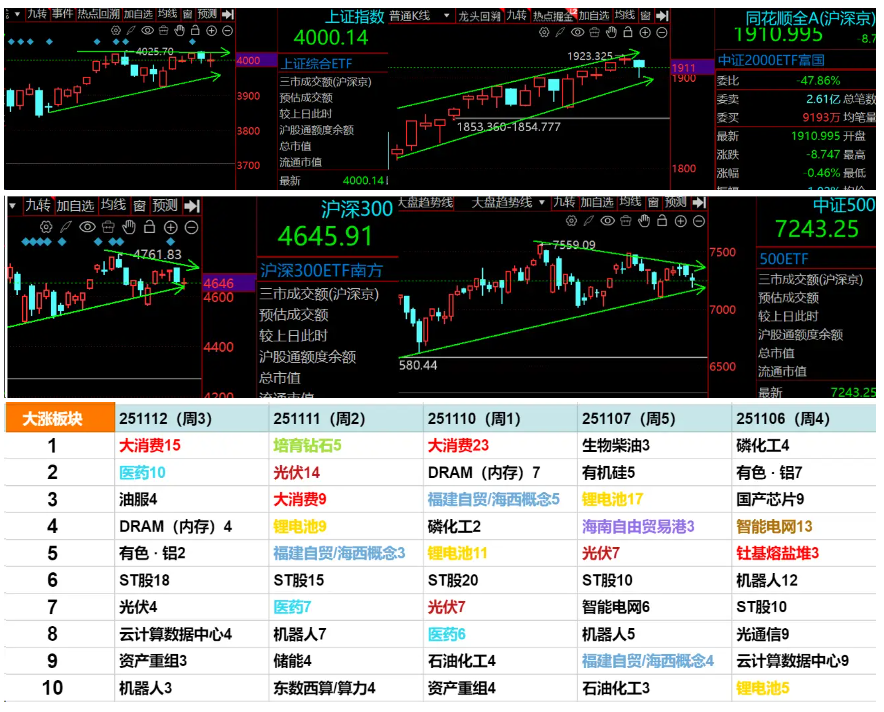
Core Viewpoint - The market experienced a volatile trading session today, with all three major indices closing in the green, supported by strong performance in the banking and oil sectors, marking the third consecutive trading day above the 4000-point level for the Shanghai Composite Index [1] Market Performance - The Shanghai Composite Index has been hovering around the 4000-point mark since its initial breakthrough on October 28, indicating a prolonged tug-of-war between bulls and bears for nearly half a month, specifically over 12 trading days [1] - Over 3500 stocks declined today, with more than 150 stocks dropping over 5%, suggesting a broadening of the market's losing effect from large-cap technology stocks to some high-position thematic stocks [1] Sector Analysis - The banking and oil sectors played a crucial role in supporting the market, demonstrating their importance in stabilizing the indices during periods of volatility [1] - The decline in micro-cap stock indices, which ended a seven-day winning streak, reflects a shift in market sentiment and potential risk aversion among investors [1]
光伏“反内卷”遇到了“鬼故事”
Hu Xiu· 2025-11-12 12:49
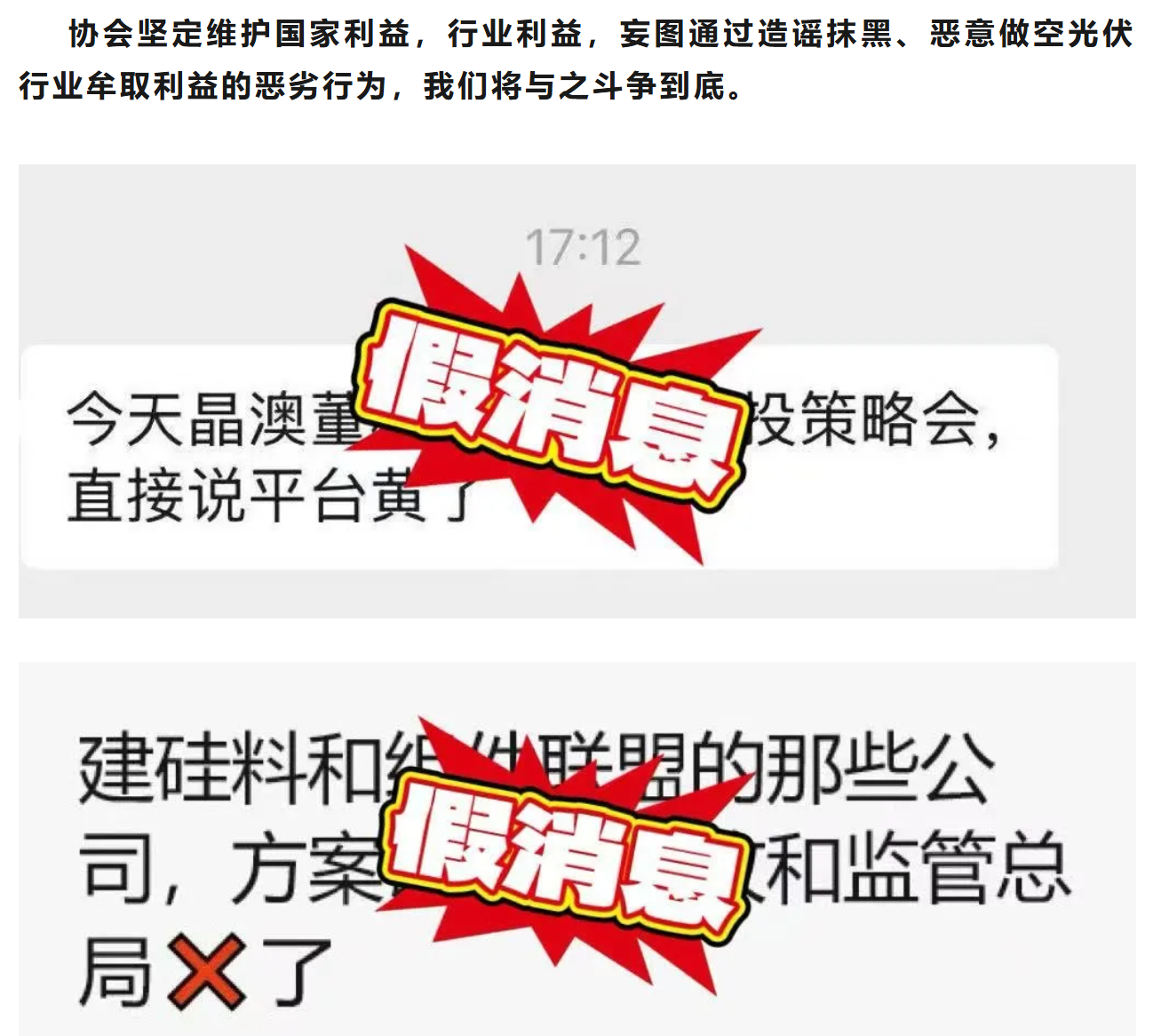
Core Viewpoint - The recent rumors regarding the failure of the "anti-involution" policy in the photovoltaic industry led to significant stock declines, but subsequent clarifications from industry associations helped stabilize the market, indicating a strong commitment to reversing negative competition in the sector [1][5][18]. Group 1: Market Reaction - Following the spread of rumors, the photovoltaic sector experienced a sharp decline, with companies like Jingao Technology and Tongwei Co. seeing drops of 6.84% and 6.06% respectively [5]. - The China Photovoltaic Industry Association issued a statement to refute the rumors, emphasizing the importance of maintaining industry integrity and combating malicious market manipulation [1][5]. Group 2: Anti-Involution Policy - The term "involution" has become synonymous with the photovoltaic industry since 2023, characterized by homogenized expansion and price wars amid slowing installation demand [7]. - The core of the current policy focuses on "price protection" and "volume control," aiming to eliminate below-cost sales and facilitate the exit of outdated production capacities to restore market balance [9][10]. Group 3: Price Recovery - Initial results from the price protection measures show positive trends, with significant price increases in key materials: silicon materials up 33.33%, silicon wafers up 17.39%, and battery cells up 8.92% [10]. - The recovery of prices is expected to improve profitability for companies, laying a solid foundation for valuation increases [20]. Group 4: Capacity Control - The silicon material segment is crucial for addressing overcapacity issues, as it has the least production flexibility and is capital-intensive [11][12]. - Companies are beginning to implement production and sales controls, with expectations to limit annual output to 1.4 million tons, aligning with earlier targets [14]. Group 5: Asset Revaluation - The anti-involution policies are transitioning from expectation to substantial implementation, driving the revaluation of assets in the photovoltaic sector [18][19]. - Companies like Tongwei Co., GCL-Poly Energy, and Daqo New Energy are expected to attract market attention as they benefit from reduced silicon material production and subsequent price increases [22]. Group 6: Technological Advancements - The Ministry of Industry and Information Technology has initiated efforts to accelerate the development of advanced photovoltaic technologies, such as perovskite solar cells, which have the potential for higher efficiency compared to traditional silicon cells [23]. - Recent announcements from companies like GCL-Poly regarding the commercialization of perovskite technology indicate a shift towards innovative production methods, which could lead to significant market opportunities [24].






急跌反转,震动来自哪里?
Hu Xiu· 2025-11-12 12:03
每天10分钟拆解新闻背后的逻辑。大家好,今天是2025年的11月12号星期三。我是董小姐。 1、单日急跌又反转,震动会终结行情吗? 今天市场来了一次"心惊式"向下试探:午后一点开盘深度跳水,创业板指一度跌近1.7%;近期炙手可热 的新赛道、甚至部分龙头股日内振幅高达10%——先巨幅下挫,再巨幅拉回,盘面十分诡异。更反常的 是,临近收盘,科技龙头竟逆势翻红,部分个股涨幅一度扩大至5%左右。三季度大火的科技板块,11 月"交接棒"后本已整体回调,今日却上演"鲤鱼打挺",究竟该如何看待这场大波动与反向拉升? 本篇评级为★★★,主要围绕以下内容展开: 1、单日急跌又反转,震动会终结行情吗? 2、光伏"负面消息"压垮行情,会传染到其他赛道吗? 如有疑问请以音频内容为准,添加妙投小虎哥微信miaotou515,入群有机会与董小姐进一步交流。 新闻解读评级说明:五星重磅,四星重要,三星级以下大家选择听。 (文稿为机器转录,如有出入,请以音频为准) 首先,近期波动确有"由头"——政策空窗期里,各种声音、误读、曲解集中出现,扰动心态: 本文为妙投付费内容,上述仅为摘要,购买本专栏即可解锁完整内容。新用户可免费领本专栏7天阅读 ...