Hu Xiu

Search documents
巨头们“合纵连横”,企图锁死我们科技发展?
Hu Xiu· 2025-10-12 01:05
Core Viewpoint - The collaboration between OpenAI and AMD signifies a strategic move in the tech industry, aiming to enhance AI capabilities and secure technological advancements against competitive pressures [1] Group 1: Partnership Details - OpenAI will acquire up to 10% of AMD's shares at a price of $0.01 per share, totaling a maximum of 160 million shares [1] - AMD will provide OpenAI with hundreds of thousands of AI chips over the next four years, deploying a total of 6 gigawatts of AMD GPU computing power [1]

灰犀牛来了
Hu Xiu· 2025-10-12 00:35
Group 1: Tariff Impact on Manufacturing - The announcement of a 100% tariff on Chinese goods will significantly increase the cost of "Made in China" products, potentially doubling the cost of items like smartphones entering the U.S. market [1][2] - U.S. manufacturers may seek tariff exemptions or alternative suppliers to mitigate the impact of the tariffs, leading to a loss of orders for Chinese manufacturers, particularly in the automotive parts sector [4][5] - The tariff's impact on the Tesla supply chain is expected to be more negative compared to that on Nvidia and Apple supply chains, due to the competitive dynamics and existing relationships [5][9] Group 2: Semiconductor and Software Industry - The U.S. plans to impose export controls on "all critical software," which could accelerate the development of domestic EDA (Electronic Design Automation) companies in China, as the EDA industry is currently dominated by a few global players [6][7] - The tariffs may create opportunities for domestic GPU chips and semiconductor materials to gain market share as China pursues self-sufficiency in high-end manufacturing [6][7] Group 3: Metal Markets - The imposition of tariffs is expected to suppress global manufacturing activity, leading to decreased demand for industrial metals like copper, while simultaneously creating supply concerns that could increase the prices of strategic metals [10][11] - The market is experiencing a split in metal performance, with gold being viewed as a safe haven, while silver faces pressure due to its dual role as both an industrial and precious metal [10][13] Group 4: Financial Sector - The banking sector has seen a decline in stock performance due to a shift in market sentiment from dividend-paying stocks to growth stocks, but may benefit from a flight to safety if trade tensions escalate [15][17] - The potential for state intervention to stabilize the market could lead to increased investment in major banks, making them a more attractive option for investors [17][19] Group 5: Consumer Sector - The consumer sector is expected to see short-term gains as it becomes a defensive play amid market volatility, but long-term performance will depend on macroeconomic conditions and policy support [22][27] - The current positioning of consumer stocks is favorable compared to technology stocks, which are at higher valuations, suggesting a potential shift in investor focus [26][29]
贸易摩擦升级,再看稀土产业逻辑
Hu Xiu· 2025-10-12 00:25
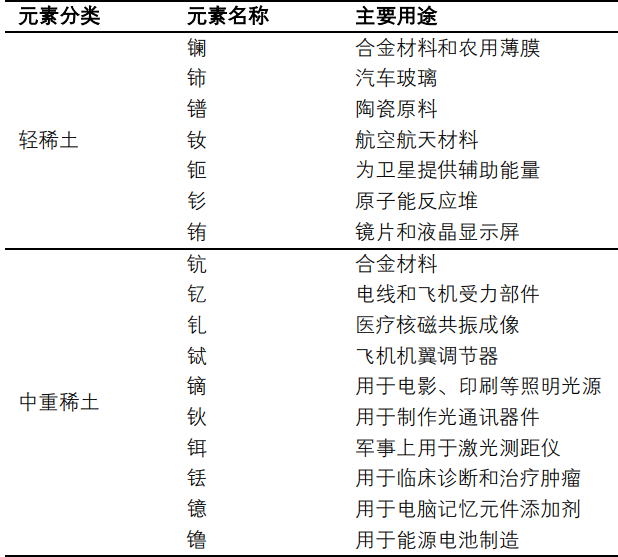
Core Insights - Rare earth elements are essential in high-end manufacturing and defense technology, often referred to as "industrial vitamins" [1][9] - The demand for rare earth permanent magnets is expected to surge, particularly due to applications in humanoid robots [2][25] - China holds a critical position in the global supply chain of rare earths, leveraging its vast reserves and production capabilities amid escalating US-China trade tensions [3][4] Supply and Demand Dynamics - The recent export control policy implemented on October 9, 2025, is a significant catalyst for the rare earth sector, reshaping the global supply order [5] - China's strategic reserve of rare earths is set to increase by 25%, enhancing supply rigidity and control [6] - The combination of strong supply contraction and expanding high-end demand is projected to drive industry prosperity and elevate price levels [7] Industry Structure - The rare earth industry is characterized by a "North-South duopoly" structure, with major production concentrated in Baotou for light rare earths and Ganzhou for heavy rare earths [32][45] - China has completed the integration of its rare earth industry, with two major groups controlling 98% of the mining quotas, enhancing policy transmission efficiency and market regulation [47][57] Global Resource Distribution - As of 2024, global rare earth reserves are estimated at 90.88 million tons, with China accounting for 44 million tons, or 48.4% of the total [29][39] - The concentration of rare earth resources is primarily in China, Southeast Asia, Australia, Southern Africa, and the Americas [27] Technological and Competitive Advantages - China possesses a complete rare earth industry chain, from mining to refining to application, giving it unparalleled control in the global market [36][42] - Advanced separation and purification technologies, such as the low-temperature concentrated sulfuric acid roasting process, provide significant competitive advantages [43][44] Policy and Regulatory Environment - The new export control policy expands the range of controlled items and introduces "long-arm jurisdiction" principles, affecting global supply chains [65][70] - The policy aims to reshape the global rare earth supply chain and reinforce China's strategic dominance and pricing power in the sector [73][74] Key Companies in the Rare Earth Industry - **China Rare Earth**: Leading in heavy rare earths, with strategic advantages in resource security and industry pricing [76] - **Northern Rare Earth**: The largest supplier of light rare earths globally, with a complete industry chain and significant cost advantages [76] - **MP Materials**: The core of the US rare earth industry, moving towards vertical integration in magnet manufacturing [78] - **Lynas Rare Earths**: The largest rare earth separation producer outside China, crucial for Western efforts to establish an independent supply chain [78]


约550亿元全球资产被清盘人接管,许家印还剩什么?
Hu Xiu· 2025-10-11 13:11
Core Points - The article discusses the significant asset seizure of Xu Jiayin, the founder of Evergrande Group, following a global injunction from the Hong Kong High Court, which prohibits him from disposing of assets valued at no more than $7.7 billion (approximately 55 billion RMB) [1][2] - The court has appointed a liquidator to take control of Xu's family-related assets, which include stakes in 33 overseas companies, funds in 7 bank accounts, and high-value personal items such as private jets and luxury cars [2][9] Asset Control and Liquidation - The assets under the liquidator's control include 33 overseas companies, 7 bank accounts, and various luxury items [2][9] - Among the 7 bank accounts, 3 are directly held by Xu Jiayin, while the others are indirectly held through companies controlled by him and his ex-wife, Ding Yumei [8][11] - The liquidator's control over these assets is a response to the creditors' focus on Xu's overseas assets following Evergrande's debt crisis [6][12] Financial Situation of Evergrande - Despite losing its founder, Evergrande Group still possesses substantial physical assets, including approximately 190 million square meters of land reserves as of mid-2023, which are crucial for debt restructuring and project completion [14] - Evergrande's two listed subsidiaries, Evergrande Property and Evergrande Auto, represent the remaining operational assets, with Evergrande Property managing 3,000 projects and generating revenue of 12.7 billion RMB in 2024 [15][16] - Evergrande Auto, however, is in severe financial distress, with total assets of 16.369 billion RMB and liabilities of 74.35 billion RMB, leading to a significant net loss [16] Trust Fund and Legal Proceedings - Xu Jiayin and Ding Yumei established a family trust fund in the U.S. worth $2.3 billion (approximately 1.638 billion RMB), which may be compromised as the court recognizes Xu's actual control over the assets [5][17] - The liquidator has filed a request in a Delaware court to revoke the family trust under the "fraudulent transfer" clause, and the case is currently in the evidence exchange phase [18] Implications for Ding Yumei - There are concerns regarding whether Ding Yumei will continue to receive her monthly allowance of £20,000 (approximately 190,000 RMB) following the asset seizure [19] - Legal experts indicate that this allowance is protected under the court's ruling, and any changes would require a formal application to the court [20]
比亚迪电池发家史:如何靠土办法打穿巨头封锁线?
Hu Xiu· 2025-10-11 13:05
比亚迪早已卷赢了全世界,它背后站着的是中国最擅长用土办法改命的男人,今天我们来聊聊比亚迪 的"电池帝国"。 ...

一半高才离开:为什么香港留不住内地精英?
Hu Xiu· 2025-10-11 13:05
Core Insights - The "High Talent Pass" policy in Hong Kong gained popularity with an approximately 80% approval rate, becoming a preferred pathway for many mainland individuals seeking to develop in Hong Kong [1] - However, only 54% of applicants chose to renew their passes after the initial two-year period, raising questions about the motivations behind their applications and the challenges faced in meeting renewal requirements [2][3] Group 1: Application and Renewal Insights - The low renewal rate is not due to high barriers; 94% of those who applied for renewal were successful, with most failures linked to issues like document falsification or incomplete submissions [2] - Many applicants initially sought the benefits associated with the pass, such as travel convenience and educational opportunities for their children, rather than genuine career development in Hong Kong [3] Group 2: Cost of Living and Employment Challenges - The high cost of living in Hong Kong presents a significant barrier, with many individuals struggling to adapt to the expensive housing market and long commutes [4][5] - The median monthly salary for high talent individuals is around 40,000 HKD, with 40% earning between 20,000 and 30,000 HKD, making it difficult to maintain a decent standard of living [5] Group 3: Structural Employment Issues - The mismatch between the skills of incoming talent and the job market in Hong Kong leads to many professionals being forced to change careers or accept lower-paying jobs [6][7][8] - Many high talent individuals come from emerging industries in mainland China, but the job opportunities in Hong Kong are primarily concentrated in traditional sectors like finance and commerce, limiting their career advancement [7][8] Group 4: Social and Cultural Integration - Social and cultural barriers also contribute to the hesitance of high talent individuals to fully integrate into Hong Kong life, with many feeling isolated and lacking a sense of belonging [9][10] - A significant portion of high talent individuals prefer to rent rather than buy property, indicating a lack of commitment to long-term residency in Hong Kong [10] Group 5: Future of the High Talent Pass - The "High Talent Pass" serves as a dual-choice policy aimed at attracting both capital and labor to Hong Kong, especially in light of the population decline since 2019 [13][14] - The sustainability of the program depends on whether it can provide real value to Hong Kong while meeting the expectations of incoming talent [15][16]
AI女演员勇闯好莱坞,为何遭全行业排斥?
Hu Xiu· 2025-10-11 12:20
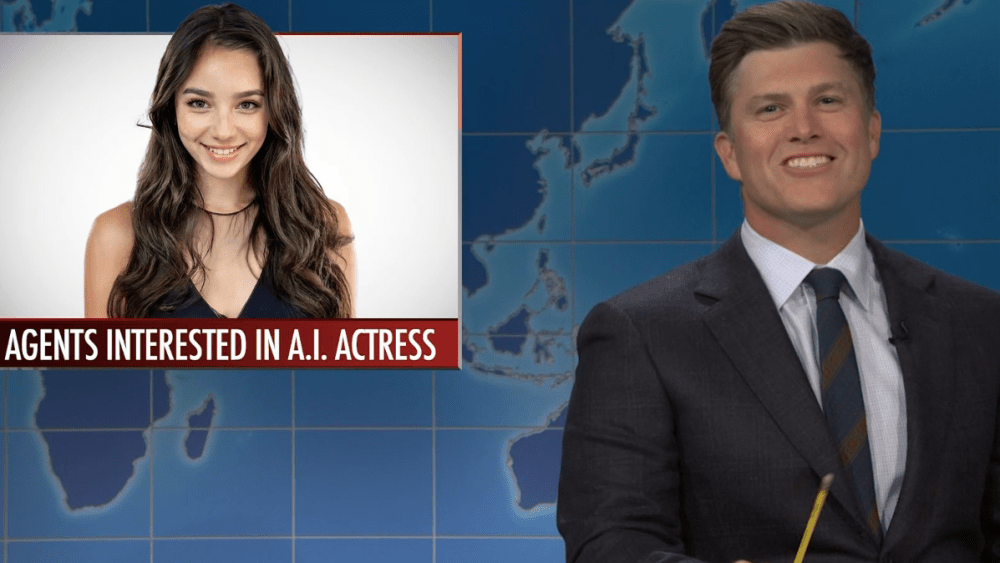
Core Viewpoint - The emergence of Tilly Norwood, an AI-generated actress, has sparked significant controversy and debate within Hollywood, highlighting the industry's divided stance on AI actors and their potential impact on traditional acting roles [2][7][12]. Group 1: Tilly Norwood's Introduction - Tilly Norwood is gaining attention from multiple Hollywood agencies and is expected to sign contracts soon [6]. - The character is designed to resemble popular young actresses and is marketed as a relatable figure for Gen Z [9][15]. - Tilly's debut is set for July 2025 in a short film titled "AI Commissioner" [16]. Group 2: Industry Reactions - The announcement of Tilly Norwood has led to widespread criticism from Hollywood, with the American Actors' Union issuing a strong statement against her [8][36]. - Prominent actors, including Emily Blunt, have expressed fear regarding the implications of AI actors on human connection and the acting profession [46][47]. - Major talent agencies have publicly stated they will not sign Tilly Norwood, indicating a strong industry backlash [52]. Group 3: Technological and Business Aspects - Tilly Norwood is a product of Particle6, which utilizes various AI tools in its production processes, aiming to create a new type of digital star [19][21]. - The company has developed a studio named Xicoia, focused on creating and managing AI-generated talents like Tilly [22][27]. - The business model includes various revenue streams such as film appearances, brand endorsements, and social media engagement [27][28]. Group 4: Ethical and Legal Concerns - Critics argue that Tilly Norwood's creation infringes on the rights of real actors, as her development relies on unauthorized data from numerous performers [34][36]. - The American Actors' Union has highlighted the lack of emotional depth and life experience in AI-generated characters, questioning their ability to connect with audiences [44][45]. - The ongoing debate reflects broader concerns about the implications of AI in creative industries, particularly regarding the potential devaluation of human artistry [83][85]. Group 5: Future Implications - The controversy surrounding Tilly Norwood may represent a pivotal moment in the acceptance of AI actors, with potential long-term effects on the industry [84][87]. - While Hollywood currently resists AI actors, the economic pressures and efficiency demands may lead to a shift in attitudes towards AI-generated content in other markets [86].
看展女孩,消失在朋友圈?
Hu Xiu· 2025-10-11 12:01
而网红晚晚,似乎也与艺术展的命运走向莫名契合。 但这两年,看展的"社交红利"消失了。00后的女孩仿佛一夜之间变得成熟而务实,她们更热衷谈独立、 谈财富,20岁出头就开始谋划攒够40岁退休的资金。出没五星级大酒店喝下午茶,或者在国际顶级艺术 展上与名画合影,都很容易被认为悬浮。 看展意味着高雅的品位和超出世俗的精神追求。消费得起艺术,某种程度上和消费得起名牌包一样,都 象征着人生被一定程度上"富养"着。它背后隐含的信息量很多:至少代表着你身处北上广这样的超一线 城市,有钱有闲精神脱俗,能获得周遭的青睐。 ...
中国的AI人才,要从16岁中学生里挖了
Hu Xiu· 2025-10-11 12:01
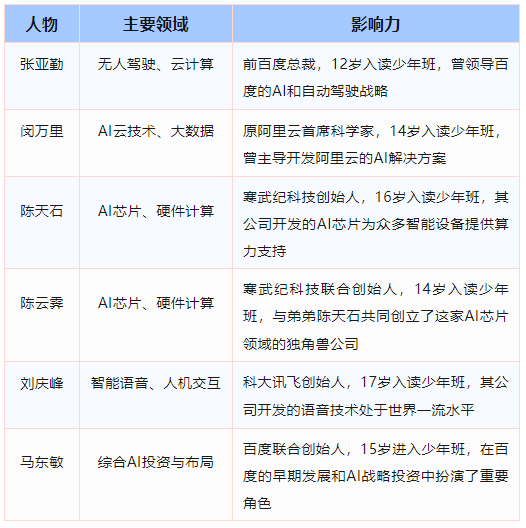
Core Insights - Zhang Yiming, founder of ByteDance, made a rare public appearance in Shanghai, drawing significant attention from the industry [1][2] - His focus during this event was on talent cultivation rather than business expansion, highlighting the importance of nurturing AI talent in China [2][5] Group 1: Establishment of the Knowledge Spring Innovation Center - The Knowledge Spring Innovation Center, launched in April 2023, aims to cultivate top-tier innovative talent in computer science and AI, targeting young individuals aged 16-18 with a passion for mathematics, physics, and computer science [7][4] - The center adopts a "small but elite" approach, admitting only 30 students annually and emphasizing practical application skills [7][5] - This initiative is reminiscent of the "Youth Class" at the University of Science and Technology of China, which has historically produced leading AI talents [8][9] Group 2: Talent Shortage in AI - There is a significant talent gap in China's AI sector, with a growing demand for skilled professionals as companies rush to recruit talent [5][22] - The cost of training cutting-edge AI models can reach tens of millions of dollars, with top researchers' salaries being comparable to hardware costs [26][28] - The competition for AI talent is fierce, with companies like Alibaba also investing in educational initiatives to cultivate the next generation of AI pioneers [29][30] Group 3: Educational Philosophy and Approach - The Knowledge Spring Innovation Center aims to break away from traditional education models that often prioritize standardized testing and skills proficiency, focusing instead on fostering creativity, independent thinking, and resilience among students [36][33] - The center's educational philosophy aligns with the founder's observations of the limitations of conventional training, emphasizing the need for students to adapt to new challenges and innovate [34][36] - The center will implement project-based learning and industry collaboration, providing students with real-world research opportunities and internships [44][42] Group 4: Historical Context and Future Implications - Zhang Yiming's interest in targeted talent cultivation was sparked by observing the success of graduates from the Shanghai Jiao Tong University ACM class, which has produced many capable engineers for ByteDance [46][48] - The establishment of the Knowledge Spring Innovation Center is seen as a long-term strategy to secure a pipeline of AI talent for ByteDance, potentially benefiting the company in the competitive AI landscape [53][52]
30分钟赚2亿美金,“特朗普交易”的新纪录
Hu Xiu· 2025-10-11 11:21
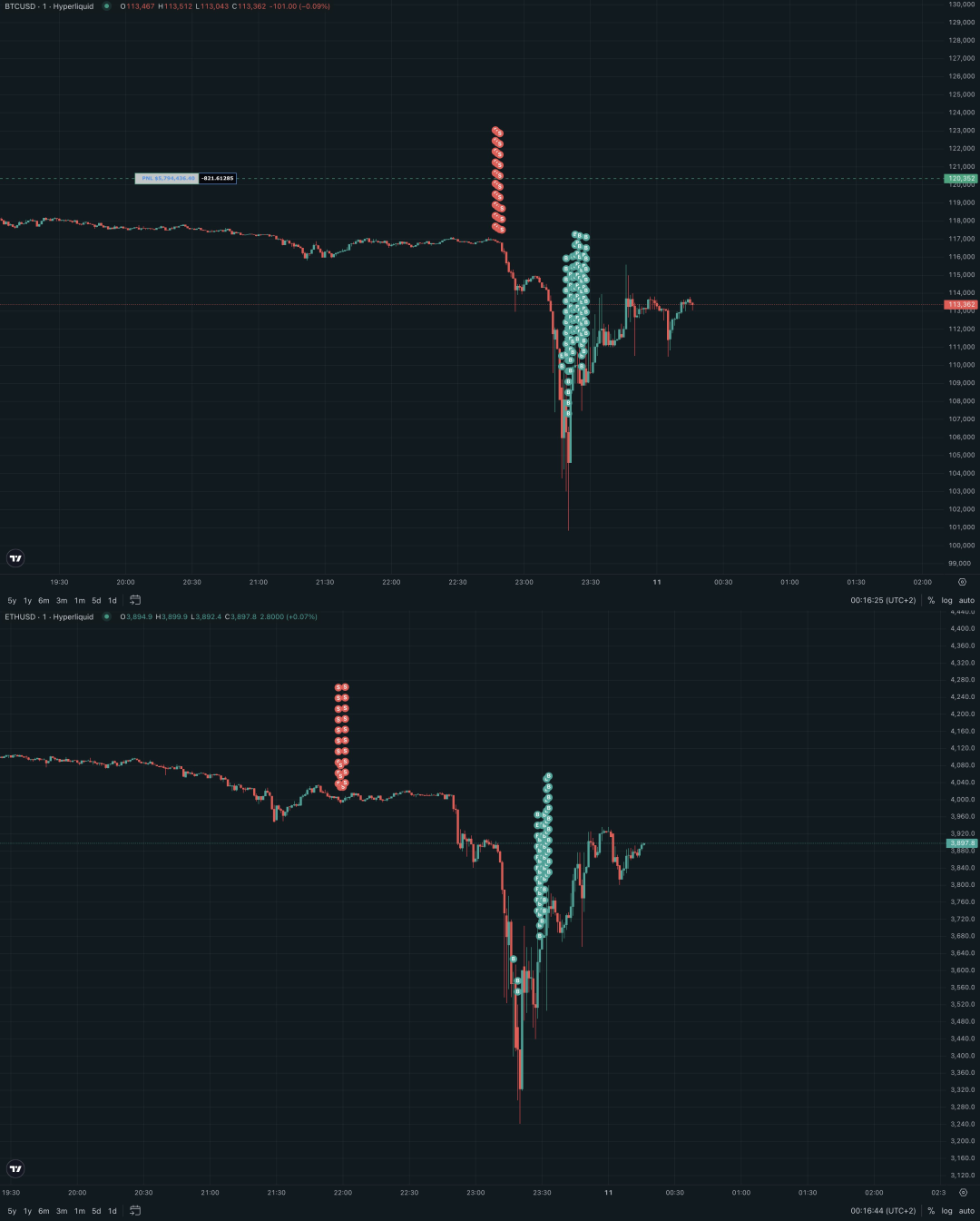
2025 年 10 月 11 日凌晨,加密货币交易平台 Hyperliquid 上的一个账户引起了交易者们的关注。 那天,这个账户只做了一件事。它在特朗普宣布对中国征收 100% 关税的三十分钟前,在 Hyperliquid 上建立了大规模的空头头寸。 它做空比特币,也做空以太坊。 三十分钟后,特朗普的消息发布,加密货币市场崩盘。比特币从 12.25 万美元跌至 10.5 万美元,跌幅近十五个百分点。账户主人平仓离场,获利 1.92 亿 美元。 那一天,全网有数百亿美元的杠杆头寸被清算,无数散户眼睁睁看着账户归零。 当这些事实并列在一起,"巧合"一词显得如此无力。 但这只是冰山一角。 有人比市场更早知道 五个月前,非营利调查机构 ProPublica 发布了一份长达数万字的调查报告。标题直接而锋利:《超过十几名美国官员在特朗普关税导致市场暴跌前抛售股 票》。 报告的内容比标题更具冲击力。自 2025 年 1 月特朗普重返白宫以来,至少十几名行政部门高官与国会助手进行了时机异常精准的股票交易。他们在市场 因关税政策暴跌之前,提前完成了抛售。 Tobias Dorsey,白宫行政办公室的代理总法律顾问,负责为白宫 ...