Tai Mei Ti A P P

Search documents
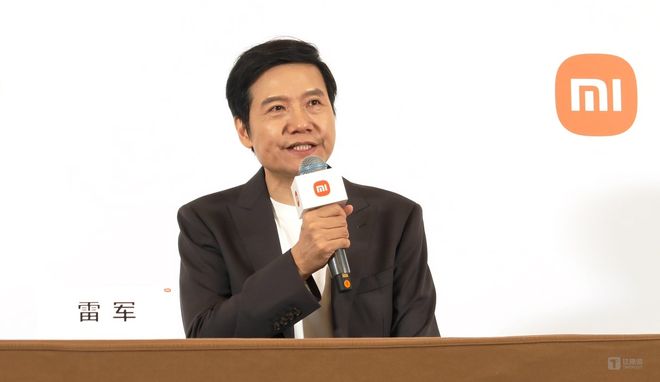
雷军:跟苹果竞争是漫长且痛苦的过程,时间越长小米越强大
Tai Mei Ti A P P· 2025-09-25 18:31
Core Viewpoint - Xiaomi has transformed from an "internet company" to a "hardcore technology company," focusing on technological strength and high-end market positioning, driven by a significant investment in research and development over the past five years [2][5][10]. Group 1: Company Transformation - Xiaomi's revenue surpassed 200 billion yuan for the first time in 2020, marking the beginning of its high-end exploration, with a planned investment of 100 billion yuan in core technology research over five years [5]. - The company has invested approximately 102 to 105 billion yuan in R&D during the past five years, with a new five-year plan increasing R&D investment to 200 billion yuan [5]. - Xiaomi's self-developed 3nm flagship SoC chip, "Xuanjie O1," was launched this year, making it the first company in mainland China and the fourth globally to achieve advanced 3nm process design capabilities [5]. Group 2: Product Development and Market Position - The Xiaomi 17 series was launched with improvements in imaging, battery life, and gaming performance, starting at a price of 4,499 yuan, and is positioned to challenge Apple's iPhone 17 series [7][13]. - Xiaomi's smartphone shipments rank among the top three globally, with a strong presence in the high-end market, particularly in the 4,000 to 5,000 yuan price range in China [5][10]. - The average price of Xiaomi's cars is 289,000 yuan, comparable to luxury brands like BMW, Mercedes-Benz, and Audi, indicating a successful entry into the high-end automotive market [10]. Group 3: Competitive Strategy - Xiaomi aims to fully benchmark against Apple, emphasizing the need for continuous learning and improvement in all aspects of product development and user experience [14][15]. - The company acknowledges the challenges of competing with Apple, recognizing that the competition will be a long and arduous process, requiring meticulous attention to detail [14][15]. - Xiaomi's strategy includes a focus on three dimensions for high-end development: technology leadership, cognitive leadership, and aesthetic leadership [11][12]. Group 4: Market Challenges and Future Outlook - The company faced significant pressure during 2022 due to global economic conditions, with a 15% decline in performance, followed by a 3% decline in 2023 [12]. - Xiaomi's long-term strategy is to gradually increase market share by 1% annually over the next five years, aiming for a total of 20% market share [15][16]. - The automotive sector has faced challenges, including negative online sentiment, which Xiaomi's CEO has called out as a need for a fair and positive environment for industry growth [18].


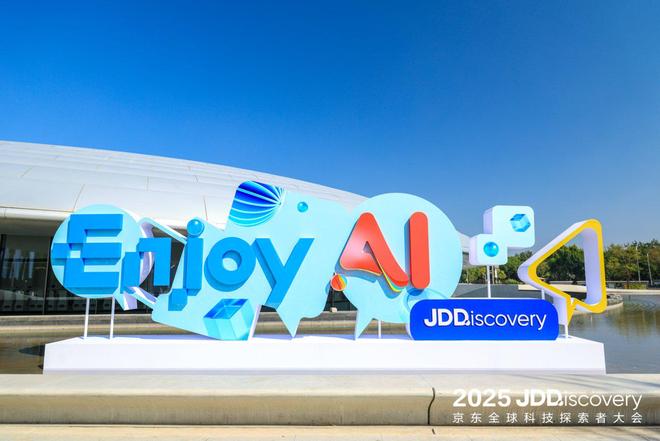
万亿规模生态!京东AI亮底牌
Tai Mei Ti A P P· 2025-09-25 10:42
Core Insights - JD Group's AI strategy emphasizes long-term sustainability and value creation for industries, moving from a technology-driven approach to a user-value-oriented one [2][4] - The company has upgraded its AI model brand from "Yansai" to "JoyAI," marking a shift from technical exploration to deep industry application [5][7] - JD aims to invest continuously over the next three years to create a trillion-scale AI ecosystem, enhancing its technological capabilities and organizational structure [5][9] AI Model Development - The newly launched JoyAI model family includes a spectrum of models from 3 billion to 750 billion parameters, catering to various application needs [7] - JoyAI achieved a score of 76.3 on the rbench0924 evaluation, ranking first in China and second globally for reasoning capabilities [7] - The introduction of JoyAI digital human models addresses industry challenges such as generating long videos and monitoring facial key points [7][11] Consumer Experience Transformation - JD's AI architecture, Oxygen, enhances consumer interaction through personalized recommendations and natural language processing, significantly improving the shopping experience [9][10] - The "Aigou" feature in the JD app exemplifies the shift from traditional search to decision support, allowing for more intuitive consumer engagement [10][11] Healthcare Innovations - JD's AI medical consultation system, Jingyi Qianxun 2.0, simulates clinical reasoning and integrates medical knowledge for improved diagnostic accuracy [11][12] - The launch of AI Hospital 1.0 represents a significant advancement in AI-driven healthcare services, offering various functionalities such as online consultations and AI pharmacy services [12] Industrial Applications - JD's industrial AI model, JoyIndustrial, enhances procurement and production processes by leveraging extensive data on industrial products [15][16] - The AI governance virtual team significantly improves efficiency in material standardization tasks, reducing the time required for complex tasks [16] Logistics and Supply Chain Efficiency - JD's logistics AI model enables autonomous decision-making and collaboration among robots, enhancing operational efficiency in warehouses [18] - The introduction of various self-developed logistics products supports comprehensive supply chain management, improving task execution and coordination [18] Open Source and Ecosystem Development - JD announced the open-sourcing of key AI technologies, promoting collaboration and accessibility for small and medium enterprises [19][20] - The integration of hardware and software solutions aims to create a comprehensive ecosystem that meets diverse consumer needs [22] Conclusion - JD's AI strategy integrates model capabilities, user experience, and industry depth, positioning the company as a leader in AI-driven supply chain transformation [23]

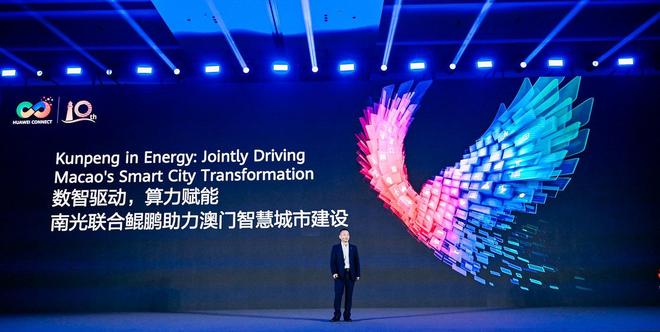
华为鲲鹏助力南光集团构建AI时代算力新底座
Tai Mei Ti A P P· 2025-09-25 10:29
Core Insights - Nanguang Group, established over 70 years ago in Macau, has expanded its business across various sectors including energy, trade, tourism, urban construction, logistics, cultural exhibitions, public transport, and modern finance, aligning with its strategy of "rooting in Macau, integrating into the mainland, and expanding overseas" [2][3] - The company aims to enhance its core competitiveness through digital and intelligent transformation, addressing the challenges posed by a rapidly changing market environment [3][4] Digital Transformation Journey - The first phase of digital transformation began in 2008 with the establishment of an information system to manage the rapid expansion of business and personnel, leading to the creation of a comprehensive management framework [4] - In 2015, the second phase focused on upgrading to a digital architecture to eliminate data silos, transitioning to a cloud-based system and implementing the "16335" digital transformation blueprint [5][6] - The rise of artificial intelligence has prompted Nanguang Group to prepare for a significant transformation, leveraging its previous digital advancements to enhance operational efficiency and resource utilization [6][7] Infrastructure and Technology Requirements - Nanguang Group requires a robust computing infrastructure to support its diverse business operations, emphasizing performance, reliability, and security in its technology partnerships [8][9] - The company seeks a comprehensive technology solution that includes a centralized cloud computing data center, ensuring high flexibility and resource reuse across various business systems [9][10] Collaboration with Huawei - Nanguang Group has partnered with Huawei to leverage its cloud computing capabilities, which have proven effective in enhancing system performance and user experience [13][14] - The collaboration has resulted in the successful migration of core systems to Huawei's cloud, achieving operational stability and improved performance metrics [14][15] - The partnership is seen as a significant step towards creating a "Digital Macau" and "AI Macau," showcasing the potential for AI applications in enhancing service delivery and operational efficiency [15]
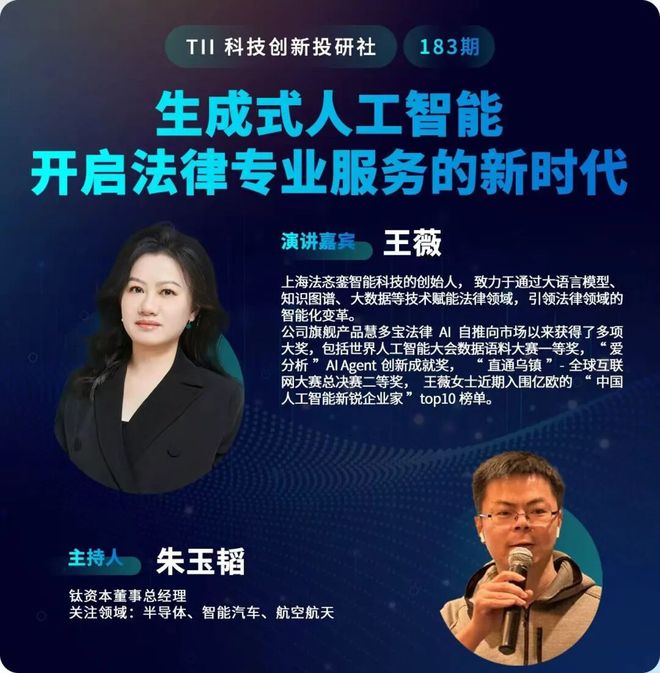
王薇:生成式人工智能,开启法律专业服务的新时代 | 钛资本人工智能组
Tai Mei Ti A P P· 2025-09-25 07:32
Core Insights - The rapid development of generative AI is transforming the legal industry, enabling automated document generation, intelligent contract review, and legal Q&A, thereby reshaping the legal service ecosystem [4][6] - AI is expected to promote equitable access to legal services, with tools like virtual legal assistants providing real-time answers and assisting lawyers in various tasks [4][6] - However, challenges such as data privacy, algorithmic bias, liability issues, and ethical concerns need to be addressed to ensure compliance and balance efficiency with fairness [4][6] Market Trends - The legal demand in China is experiencing significant growth, with the Supreme People's Court reporting that case filings double approximately every five to six years, and civil and commercial litigation cases expected to grow over 30% by 2025 [7] - The legal AI market is still in its early stages, with a lack of consensus on how lawyers should integrate AI into their practices, leading to considerable market noise [8] Company Developments - Shanghai Law Intelligence Technology, founded by Wang Wei, is leveraging large language models and big data to drive intelligent transformation in the legal sector, with its flagship product, HuidoBao Legal AI, winning multiple awards [5][9] - The company aims to differentiate itself from general models by focusing on industry-specific tasks and improving the accuracy of legal references [9][10] Investment Landscape - The "AI + Law" sector is a hot investment area in Silicon Valley, with significant backing from top venture capital firms and tech giants, indicating strong confidence in the potential of legal AI companies [6] - Companies like Harvey, backed by OpenAI and Sequoia, exemplify the lucrative opportunities in this space, with annual revenues of $50 million and a valuation of $5 billion [6] Future Outlook - The integration of AI in the legal field is expected to democratize access to legal services, providing low-cost, high-efficiency solutions for underserved populations [14] - The evolving landscape will require legal professionals to adapt their thinking and work habits, emphasizing the importance of human-AI collaboration [16] Competitive Landscape - The current market is characterized by a plethora of legal AI products, creating a competitive environment that fosters innovation and development [17] - Chinese legal tech companies have advantages such as cost efficiency, a large user base, and the potential for strong consumer-oriented business models, positioning them favorably against international competitors [17]
高通“转身”押注AI智能体,还把“王兴兴们”拉进自己的朋友圈
Tai Mei Ti A P P· 2025-09-25 07:17
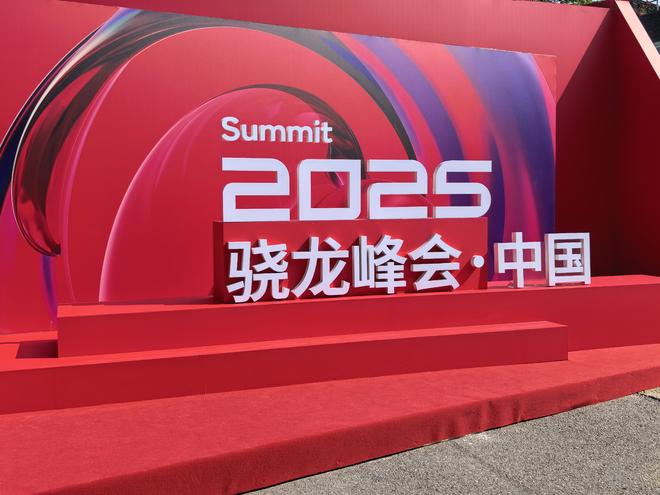
Core Insights - Qualcomm emphasizes the importance of edge AI and its future development during the 10th Snapdragon Summit, marking significant anniversaries for the company [2][6] - The company introduced the fifth-generation Snapdragon 8 processor, showcasing advancements in mobile processing power and energy efficiency [4][6] - Qualcomm's strategy focuses on collaboration with partners rather than competition, highlighting the significance of customer success for long-term growth [2][17][18] Group 1: Snapdragon Summit Highlights - Qualcomm's CEO adjusted the speech timing to cater to Chinese audiences, underscoring the importance of local partnerships [2] - The fifth-generation Snapdragon 8 processor features a 20% performance increase and a 35% improvement in energy efficiency compared to its predecessor [4] - The Snapdragon X2 Elite Extreme platform is introduced, claiming to have the fastest NPU for laptops with 80 TOPS AI processing capability [8] Group 2: AI and Future Trends - Qualcomm's Hexagon NPU performance has improved by 37%, enabling local processing of complex generative AI tasks [9] - The company envisions AI as the new user interface, transitioning from smartphone-centric to agent-centric models [11][13] - Future trends driving AI development include enhanced edge data relevance and a shift towards personalized user experiences [11][13] Group 3: Industry Collaboration and Competition - Qualcomm acknowledges the emergence of competitors like Apple and Xiaomi, but remains focused on collaboration within the Android ecosystem [17][18] - The company is diversifying its business beyond mobile, expanding into automotive, IoT, and XR sectors [17][18] - Qualcomm's long-term strategy emphasizes technology innovation and maintaining strong partnerships with clients [18]

AI不付费就是“废品”,海外卖爆的AI硬件Plaud带着新品杀回国内
Tai Mei Ti A P P· 2025-09-25 06:07
Core Insights - The article discusses the entry of Plaud, a Shenzhen-based company, into the Chinese market with its AI note-taking products, which have been recognized as successful in the global market [1][10] - Plaud's approach focuses on high-value user segments, emphasizing the importance of product quality and user experience over aggressive pricing strategies [2][8] Group 1: Product and Market Strategy - Plaud has launched three products in China: Plaud NotePin S, Plaud Note Pro, and Plaud Note, priced at 1249 yuan, 1299 yuan, and 1149 yuan respectively [1] - The company aims to serve a "three high" user group characterized by high dialogue dependence, high knowledge density, and high decision leverage, targeting professionals such as managers, doctors, and financial practitioners [5][6] - Plaud's products incorporate advanced features like multi-modal input and support for 112 languages, enhancing user interaction and information processing [3][6] Group 2: Competitive Landscape - The Chinese market has several competitors, including established players like DingTalk, which may offer similar products at lower prices [6] - Plaud differentiates itself by focusing on the quality of AI models and hardware, asserting that its offerings provide superior value compared to competitors [7][8] - The company has already achieved over 1 million global users since its product launch in 2023, indicating strong market acceptance [10] Group 3: Business Philosophy and User Engagement - Plaud emphasizes a balanced approach to commercialization, prioritizing user service and product experience over aggressive sales tactics [2][8] - The company believes that users must be willing to pay for quality AI services, positioning its products as premium offerings that require a subscription model [7] - Plaud's leadership stresses the importance of maintaining a strong internal team as a competitive advantage in a rapidly evolving market [10]

懂代码不懂金融,懂金融不会建模:应届生秋招如何破局?
Tai Mei Ti A P P· 2025-09-25 04:05
Group 1 - Financial technology positions are once again the focus of the job market for the 2025 autumn recruitment season, with banks, brokerages, insurance companies, and internet financial institutions actively hiring, but facing structural contradictions in supply and demand [1] - Major state-owned banks are prioritizing financial technology recruitment, with positions such as "Artificial Intelligence+" at Industrial and Commercial Bank of China and a plan to hire 491 for technology roles at Agricultural Bank of China, emphasizing a need for candidates with a dual background in finance and computer science [2][3] - Salaries in the banking sector show a "steady premium," with average annual salaries for technology positions in state-owned banks ranging from 250,000 to 350,000 yuan, while internet financial institutions offer higher compensation [2] Group 2 - Brokerages are intensifying their focus on quantitative and AI roles, with firms like GF Securities expanding recruitment by 30% for quantitative positions, but facing a shortage of qualified candidates [3] - The insurance industry is urgently seeking talent for its digital transformation, with China Life offering 127 financial technology positions, a 50% increase in demand for roles like intelligent underwriting and image recognition engineers [4] - Internet financial companies are emerging as winners in the talent competition, with positions at Ant Group and Tencent offering annual salaries between 500,000 and 800,000 yuan, but facing high competition and turnover rates [4][5] Group 3 - A significant mismatch exists in the job market, with 66.4% of financial institutions urgently needing AI talent, yet 84.2% cite a lack of relevant work experience as a major hiring challenge [6] - The recruitment landscape is polarized, with top firms offering salaries in the millions while smaller institutions struggle to attract suitable candidates, leading to a cycle of "unable to hire/unable to retain" [7] - The CGFT certification program launched in Shanghai aims to bridge the skills gap, with over 40,000 trained and 2,000 certified, but practical project experience remains crucial for hiring [8][9] Group 4 - The demand for compliance technology and cross-border financial roles is increasing, with positions for data compliance engineers at WeBank seeing an 80% year-on-year growth [5][9] - The financial technology talent standard is evolving from "programmers" to "financial algorithm engineers," with a growing need for professionals who can apply technical skills in real-world financial scenarios [9][12] - Companies are actively working to bridge the supply-demand gap by implementing joint training programs and adjusting educational curricula to better prepare graduates for the job market [11][12]
海南海药二股东1.24亿股流拍即现“股价倒挂”,国资接盘五年积弊难消
Tai Mei Ti A P P· 2025-09-25 01:41
Core Viewpoint - Hainan Haiyao's recent auction failure reflects market concerns over its fundamentals and governance issues inherited from former controlling shareholder Liu Xicheng [3][11]. Auction Details - Hainan Haiyao's second-largest shareholder, Nanfang Tongzheng, attempted to auction 124 million shares (9.54% of total shares) on September 22-23, but the auction failed due to no bids [2][4]. - The starting price was set at 5.682 CNY per share, which could have raised at least 700 million CNY if successful [5]. Shareholder Issues - Nanfang Tongzheng has been under high levels of share pledge and has faced multiple court-ordered freezes on its shares since 2021 due to contract disputes, leading to over 90% of its holdings being auctioned [6][7]. - As of now, all of Nanfang Tongzheng's 133 million shares (10.28% of total shares) are under pledge and freeze [7]. Financial Performance - Hainan Haiyao reported a revenue of 450 million CNY in the first half of the year, a decrease of 24.12% year-on-year, with a net loss of 158 million CNY, although this was an improvement from a 200 million CNY loss in the same period last year [15]. - The company's asset-liability ratio is high at 93.01%, indicating significant short-term repayment risks, and its net asset per share has dropped sharply from 1.44 CNY to 0.28 CNY [15]. Governance and Historical Issues - The company has faced governance issues stemming from Liu Xicheng's era, including non-operational fund occupation amounting to 748 million CNY, which has not been adequately disclosed in financial reports [11][12]. - Despite a change in control to the State-owned Assets Supervision and Administration Commission in 2020, the company has struggled to turn around its financial performance, with negative net profits for eight consecutive years [12][13]. Future Outlook - Hainan Haiyao is actively pursuing transformation and reform, focusing on new product development and improving its sales system to address ongoing financial challenges [16].


聊天机器人,是解药,也是毒药
Tai Mei Ti A P P· 2025-09-25 00:51
Group 1 - The rise of AI chatbots, particularly those with emotional companionship features, is driven by a significant emotional vacuum in modern society, with at least 1 billion people globally suffering from anxiety and depression [2][3] - AI chatbots are filling the gap in emotional support due to a shortage of mental health professionals, with a reported deficit of over 430,000 counselors in China alone [3] - The emotional value provided by AI chatbots has transformed them into a new category of "emotional consumer goods," appealing to a wide demographic [3] Group 2 - The commercial potential of AI chatbots is evident, with Character.ai achieving over 22 million monthly active users and significant investment from tech giants like Google, which invested $2.7 billion to acquire its core team [5][7] - The chatbot market is not only about emotional companionship but also about disrupting traditional industries, particularly in customer service, where AI can reduce interaction costs to less than one-tenth of human agents [7][8] - The shift towards AI chatbots is expected to challenge traditional search engines, with predictions that by 2026, the number of traditional search engines will decrease by 25% as AI chatbots take over market share [9][10] Group 3 - The current chatbot market faces challenges such as homogenization, where many products are merely variations of a few large models, leading to a lack of user loyalty [12] - There are concerns regarding the reliability of AI technology, with a significant percentage of AI tools spreading misinformation, which could have serious implications in professional fields [13] - The ethical and safety implications of AI chatbots are becoming increasingly critical, as evidenced by tragic cases where AI interactions have led to harmful outcomes for vulnerable users [14][15]


【钛晨报】事关数字消费,8部门最新发声;阿里吴泳铭:积极推进3800亿的AI基础设施建设,并计划追加更大的投入;规范平台收费、商户入驻等,外卖“新规”征求意见
Tai Mei Ti A P P· 2025-09-24 23:35
Group 1: Digital Consumption Development - The Ministry of Commerce and eight other departments issued guidelines to promote digital consumption, focusing on supply-demand collaboration with 14 specific tasks [2] - Key areas include enriching digital consumption supply, nurturing digital consumption enterprises, optimizing support systems, and creating a favorable environment for digital consumption [2] Group 2: AI Infrastructure and Demand - The demand for GPU computing cards is over 7 million to support generative AI and Agentic AI technologies, with a projected 100-fold increase in AI computing power demand over the next five years [2] - Alibaba's CEO announced a plan to invest 380 billion yuan in AI infrastructure, positioning large models as the next generation operating system [2][3] Group 3: Robotics and AI Collaboration - Yushutech's CEO predicts humanoid robots will understand human commands and perform actions by the end of next year [3] - Alibaba announced a collaboration with NVIDIA on Physical AI, covering various aspects including data synthesis and model training [3] Group 4: Financial Moves and Investments - Oracle plans to raise approximately $15 billion through bond issuance [4] - OpenAI and Oracle, along with SoftBank, announced the establishment of five new data centers in the U.S., with a total investment of over $40 billion [4] Group 5: Policy and Industry Growth - The Ministry of Commerce and other departments support the establishment of international data centers and cloud computing centers in free trade zones and pilot areas [5] - The construction of a modern industrial system in the building materials sector is emphasized, with a target of over 300 billion yuan in revenue from green building materials by 2026 [7] Group 6: Transportation and Logistics - A plan to promote the deep integration of container rail-water transport aims for an annual growth rate of about 15% by 2027 [8] Group 7: Market Trends and Fundraising - In September, 24 new funds were established with a total initial fundraising of 15.852 billion yuan, highlighting strong market interest in investment opportunities [14]