Tai Mei Ti A P P

Search documents
本田大撤退,日系的崩溃
Tai Mei Ti A P P· 2025-07-30 01:25
Core Viewpoint - Honda is undergoing a significant retreat from the Chinese market, marked by the closure of production facilities and a disappointing performance in the electric vehicle sector [1][2]. Group 1: Production Changes - Honda China announced the closure of the Dongfeng Honda second factory in Wuhan by November 2024, which was previously transformed into a new energy vehicle production base [1]. - GAC Honda will also close its factory in Guangzhou by October 2024, indicating a broader trend of production facility shutdowns [1]. - The Dongfeng Honda second factory is expected to be repurposed for commercial real estate development, following the precedent set by the first factory [1]. Group 2: Sales Performance - Honda's electric vehicle sales in China have been underwhelming, with cumulative sales from July 2024 to June 2025 totaling less than 24,000 units, averaging under 2,000 units per month [2]. - GAC Honda's e:NP1 and e:NP2 models sold 2,062 and 3,312 units respectively over the past year, while Dongfeng Honda's e:NS1 and e:NS2 models sold only 1,473 and 940 units [3]. - Overall, Honda's new car sales in June 2025 showed a significant decline, with Dongfeng Honda's sales down 23.62% year-on-year and GAC Honda's down 12.61% [7][8]. Group 3: Market Position and Challenges - Honda's decline in the Chinese market is attributed to a combination of factors, including a failure to adapt to the rapid growth of the electric vehicle market and competition from domestic brands like BYD and Geely [16][21]. - Despite having an early start in the electric vehicle segment, Honda's sales have plummeted since reaching a peak in 2020, with Dongfeng Honda's sales dropping by 49.64% and GAC Honda's by 41.60% by 2024 [9][13]. - The company's attempts to pivot towards electric vehicles have been criticized as insufficient, with new models failing to gain traction in a competitive market [17][20].


房地产“牛散”潜伏8年上位,江特电机新实控人面临两座大山
Tai Mei Ti A P P· 2025-07-29 14:31
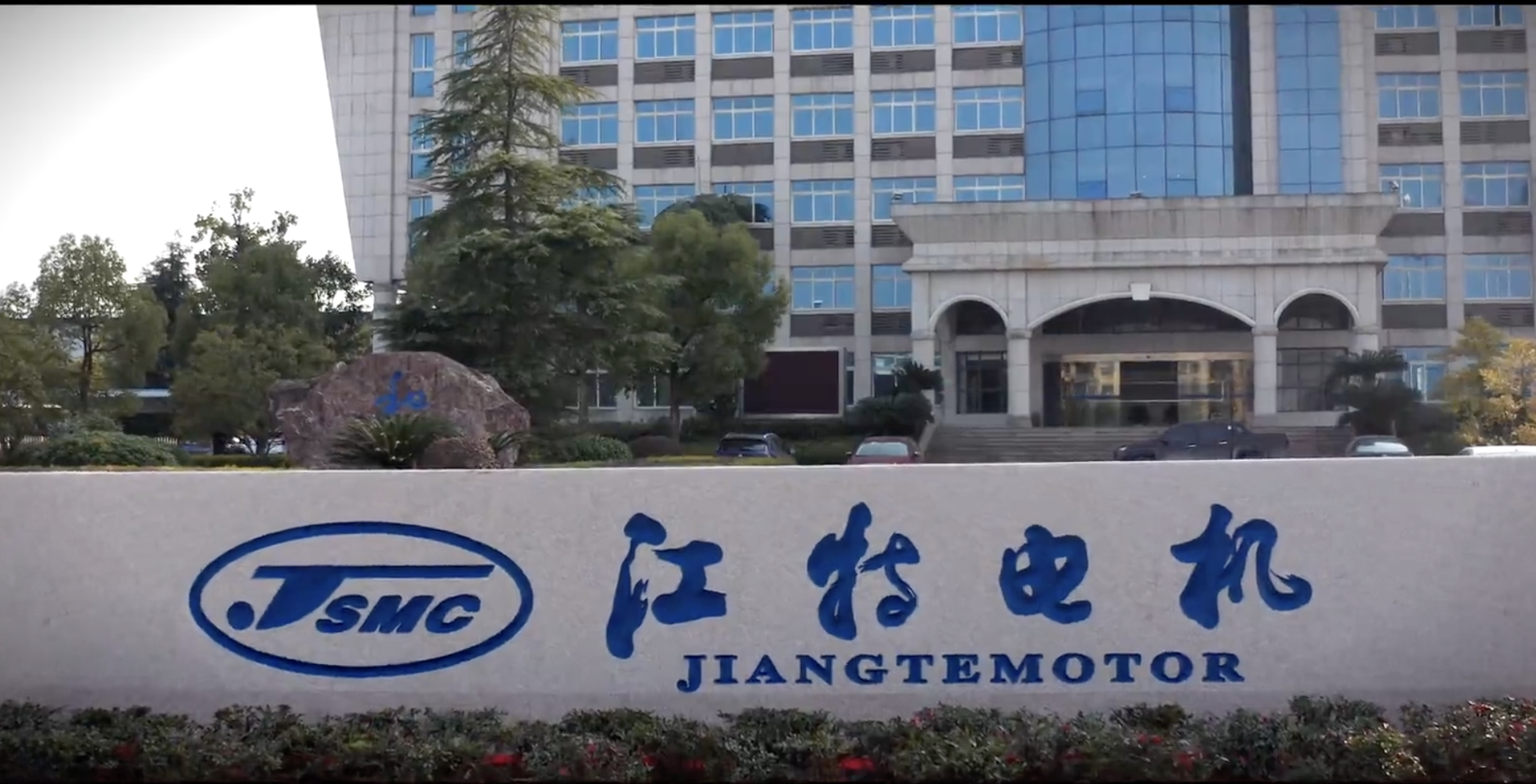
Core Viewpoint - Jiangte Electric (002176.SZ) has undergone a change in its actual controlling shareholder, with Wang Xin replacing Lu Shunmin, raising questions about the company's future direction and stability amid ongoing financial struggles in the lithium battery sector [2][3]. Shareholder Changes - The change in control was achieved through an adjustment in the equity structure of Jiangte Electric's indirect controlling shareholder, Jiangxi Jiangte Industrial Co., Ltd., with Wang Xin acquiring 50% of the equity for 315 million yuan [3]. - After the transaction, Wang Xin's direct shareholding is 2.94%, and his indirect holding through Jiangte Industrial is 4.08% [4]. Financial Performance - Jiangte Electric has faced significant financial challenges, reporting a gross margin of -21.92% in its lithium business for 2024, leading to two consecutive years of losses [2][9]. - The company's main revenue sources are intelligent motors and lithium battery segments, with the latter accounting for nearly 50% of total revenue [9]. Market Context - The lithium battery sector is currently at a cyclical low, impacting Jiangte Electric's performance, which mirrors past struggles when the company attempted to bring in Ganfeng Lithium (002460.SZ) as a potential buyer [9][10]. - As of June 19, 2025, Jiangte Electric's controlling shareholder has 46.41% of its shares pledged, which poses risks to the stability of control if financial difficulties arise [11]. Future Outlook - Wang Xin's background in real estate and his long-term investment in Jiangte Electric raise questions about his ability to navigate the company out of its current difficulties [6][9]. - The company has provided 160 million yuan in guarantees for its controlling shareholder, indicating a reliance on the stability of Jiangte Electric's financial situation to mitigate risks [12].

从麻将博弈到智能配送!灵初智能WAIC 2025展示具身智能长程、灵巧多场景应用
Tai Mei Ti A P P· 2025-07-29 14:03
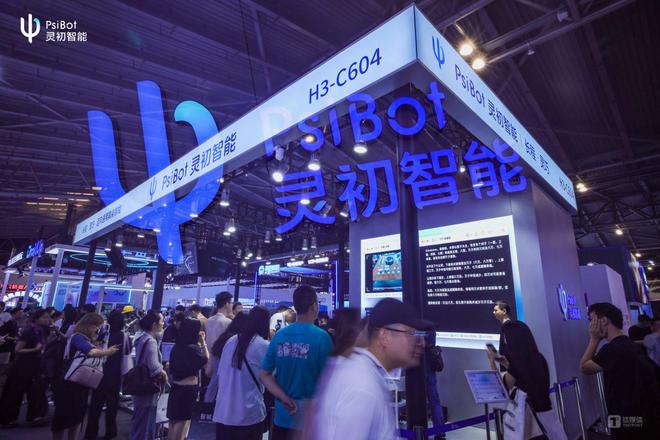
Core Insights - Lingchu Intelligent showcased its advancements in embodied intelligence at WAIC 2025, demonstrating breakthroughs in long-range and dexterous capabilities through its self-developed VLA model and reinforcement learning algorithms [2][18]. Group 1: Demonstrations of Embodied Intelligence - The Mahjong robot attracted significant attention by engaging in over 30 minutes of continuous gameplay with human participants, showcasing its ability to perform complex operations with millimeter-level precision and dynamic decision-making [4][6]. - In a retail packaging demonstration, the robot autonomously executed a task based on natural language instructions, analyzing item arrangement and completing actions like scanning and bagging without manual intervention [6][8]. - The delivery robot addressed the "last mile" challenge by accurately identifying and handling various flexible delivery items, autonomously navigating to target locations while avoiding obstacles, and managing loads of up to 3 kg [8][12]. Group 2: Technological Innovations - The 21-degree-of-freedom dexterous hand demonstrated exceptional operational dexterity and efficiency, supporting high-precision control and tactile feedback, thus meeting the dual demands of fine operations and dynamic adaptability in industrial applications [13][15]. - The introduction of an exoskeleton remote operation solution allowed users to control robotic joints with ease, creating a high-quality data collection loop to support reinforcement learning training [15][16]. Group 3: Industry Positioning - Lingchu Intelligent has established a leading position in the field of embodied intelligence, having surpassed the L2 dexterous operation stage and positioned itself at the forefront of L3 long-range dexterous operations [18]. - The company has developed a comprehensive technological ecosystem consisting of a data pyramid integrating simulation and real data, a VLA model based on the CoAT framework, and a robust hardware system, enabling scalable solutions for manufacturing, retail, and logistics sectors [18][19].
三态股份“半价激励”背后:1400万单季净利垫脚,110%增长目标虚胖
Tai Mei Ti A P P· 2025-07-29 13:40
Core Viewpoint - The stock incentive plan proposed by SanTai Co., Ltd. aims for high net profit growth targets from a low base in 2024, raising questions about the effectiveness of the incentive given the significant drop in net profit expected for that year [2][5][12]. Group 1: Stock Incentive Plan - SanTai plans to grant 8.4393 million shares at a price of 4.67 yuan per share, which is approximately half of the current market price of 9.30 yuan per share [3][4]. - The incentive plan includes a total of 843.93 million shares, representing 1.07% of the total share capital, with 99.4716 million shares reserved for future grants [3][4]. - The performance targets for the incentive plan are set at net profit growth rates of no less than 110%, 150%, and 200% for the years 2025, 2026, and 2027, respectively, based on the low net profit of 14.36 million yuan expected in 2024 [5][6]. Group 2: Financial Performance - SanTai's net profit is projected to decline by 88.38% to 14.36 million yuan in 2024, following net profits of 141 million yuan in 2022 and 124 million yuan in 2023 [12]. - The company achieved a net profit of 14.0044 million yuan in the first quarter of 2024, indicating that it only needs to generate an additional 15 million yuan in the remaining quarters to meet the annual target [6][12]. - Revenue for SanTai has remained relatively stable, with figures of 1.588 billion yuan, 1.701 billion yuan, and 1.751 billion yuan from 2022 to 2024, despite the drastic drop in net profit [12]. Group 3: Project Adjustments and Challenges - SanTai has faced challenges with its fundraising projects, including the termination and modification of certain projects, such as the "Intelligent Upgrade of Warehousing" project [8][9]. - The company cited reasons for project adjustments, including changes in market demand and operational strategies, which have led to slow progress in project implementation [10][12]. - The overall investment progress for key projects is lagging, with only 26.79% completion for the cross-border e-commerce system upgrade and 0.49% for the new compliance detection software project [10][11].

当 AI 与数学在上海相遇:2025 WAIC背后的智慧革命
Tai Mei Ti A P P· 2025-07-29 10:32
Group 1 - The forum on "Mathematical Boundaries and Fundamental Reconstruction of Artificial Intelligence" is a key event at the World Artificial Intelligence Conference (WAIC) 2025, focusing on the intersection of AI and mathematics [1] - The dual demand for AI and mathematics has become increasingly urgent, with AI models requiring mathematical support for optimization and safety, while AI is also enhancing mathematical research capabilities [3][5] - The participation of two Fields Medal winners, Charles Fefferman and Shing-Tung Yau, highlights the forum's significance, showcasing a collaborative model where human mathematicians pose problems and AI systems provide solutions [3][5] Group 2 - The forum featured a "man-machine confrontation" where AI models from various institutions solved mathematical problems, demonstrating their reasoning capabilities and efficiency [5][6] - A roundtable discussion showcased the collaboration between mathematicians and AI teams, revealing the strengths and weaknesses of AI in solving complex mathematical problems [6][8] - An international student pairing ceremony was held, symbolizing the collaboration between global institutions and local universities in exploring AI-assisted mathematical research [8][10] Group 3 - Keynote speeches from prominent scholars addressed the challenges and advancements in AI architecture and reasoning evolution, emphasizing the need for mathematical foundations in AI development [10][12] - The establishment of two international mathematics laboratories in Shanghai marks a significant step in integrating top-tier mathematical research with AI applications [10][12] - The forum concluded with a vision for Shanghai to become a global hub for mathematical intelligence, leveraging its unique advantages in AI and mathematics [13][26] Group 4 - The evolution of AI's role in mathematics has transitioned from a verification tool to a collaborative partner, significantly altering research paradigms [14][20] - Historical milestones in mathematical verification and formalization have paved the way for AI's current capabilities in logic reasoning and theorem proving [14][15] - Recent advancements in deep learning and large models have enabled AI to actively participate in discovering mathematical patterns and generating conjectures [20][22] Group 5 - Shanghai's unique position as a center for AI and mathematics provides a fertile ground for interdisciplinary research, supported by advanced computational infrastructure and academic excellence [26][28] - The city is focusing on three core areas of intersection between mathematics and AI, aiming to drive innovation and application in these fields [28][29] - Initiatives to build a comprehensive ecosystem for AI and mathematics integration include talent development, research support, and industry collaboration [29][30]
长安汽车挂上“国字号”,200亿闯关新赛局|钛度车库
Tai Mei Ti A P P· 2025-07-29 09:05
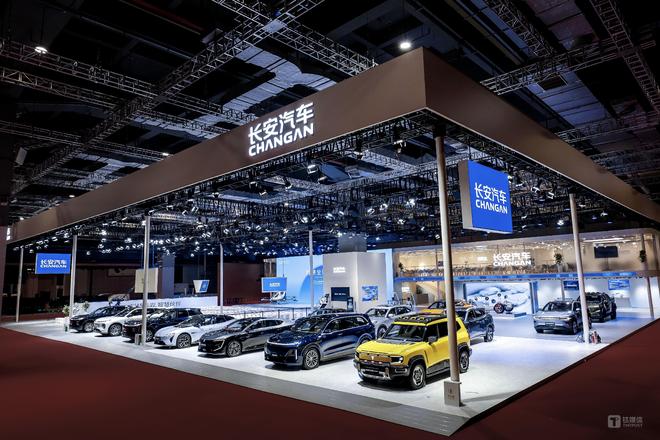
Core Viewpoint - China Changan Automobile Group has officially registered as a state-owned enterprise with a capital of 20 billion yuan, marking its entry into the "national team" of automotive state-owned enterprises alongside FAW and Dongfeng [2] Group 1: Strategic Direction and Transformation - The new Changan aims to develop "smart automotive robots, flying cars, and embodied intelligence" as part of its strategic direction, while also focusing on building a "three-dimensional transportation ecosystem" [2] - Changan's transformation into a "smart low-carbon travel technology company" began in 2017, with plans to invest over 100 billion yuan in its "Shangri-La" new energy strategy by 2025 [3] - The company has faced challenges in its transition, including unclear product positioning and insufficient core technology accumulation, but has increased R&D investment to over 5% of revenue by 2024 [3][4] Group 2: Market Performance and Competition - In the first half of 2025, Changan's sales of Chinese brand new energy vehicles exceeded 450,000 units, a year-on-year increase of over 49% [4] - The competitive landscape in the Chinese new energy vehicle market has intensified, with major players like BYD and NIO establishing strong market positions [5] - Changan's sales stability is attributed to successful models like the Deep Blue S7 and the Avita brand, which is gradually gaining market traction [5] Group 3: Global Expansion and Challenges - Changan is accelerating its global expansion in key regions such as Southeast Asia, the Middle East, and Europe, with a target of achieving 1 million overseas sales by 2025 [6] - The company faces challenges from increasing price competition and high R&D costs, which are squeezing profit margins [6] - The brand recognition of Avita in the high-end electric vehicle market still lags behind competitors like Tesla and NIO, indicating a need for more time and precise brand management [6] Group 4: Implications of State-Owned Status - The establishment of China Changan represents a strategic experiment in the "re-nationalization" of the automotive industry, exploring how state capital can thrive in competitive sectors [6] - The transition to a state-owned enterprise does not signify the end of competition but rather introduces a more complex and challenging competitive environment [6][7]

机器人行业的“Android时刻”?开源鸿蒙机器人操作系统来了
Tai Mei Ti A P P· 2025-07-29 06:27
Core Insights - The rise of AI large models is driving a second innovation in mature industries and elevating emerging industries, particularly the robotics sector, which has seen rapid development in recent years [2] - The CEO of Deep Open Hong, Dr. Wang Chenglu, predicts that the number of robots in the physical world will surpass the human population within a decade [2] - The development of a domestic operating system platform for robots is essential for the industry to ensure autonomy and control, as current systems like ROS have limitations [2][3] Industry Development - The robotics industry is evolving through three stages: single-device intelligence, group intelligence, and self-organizing intelligence, with the operating system's capabilities being crucial for future advancements [3] - The current challenges include the difficulty of achieving real-time performance and intelligence simultaneously, as traditional operating systems are often too heavy and unreliable [3][4] - The fragmentation of ecosystems and the tendency for manufacturers to create proprietary control systems hinder efficient collaboration and increase development costs [4] Open Source Initiative - The M-Robots OS, an open-source robot operating system based on HarmonyOS, aims to address the industry's challenges by promoting collaboration and reducing redundancy in development [6][8] - The initiative encourages developers to join and contribute to a unified ecosystem, which is seen as a critical step towards solving communication issues between different manufacturers and devices [8][9] - The project has already attracted 21 member units, including major companies and institutions, and plans to evolve with a rhythm of two major versions annually [8][9] Future Outlook - The open-source approach is likened to the "Android moment" for the robotics industry, which could lower development costs and enhance common capabilities [9] - The industry faces a significant challenge in improving collaboration among the nearly ten million developers in China, which is essential for creating impactful software technologies and products [9][10] - Achieving a critical mass of one million registered developers is seen as a pivotal point for the success of the M-Robots OS, with the potential to transform human production and lifestyle [10]


搭建AI通往真实世界交互的桥梁,商汤“绝影开悟”世界模型再升级
Tai Mei Ti A P P· 2025-07-29 06:02
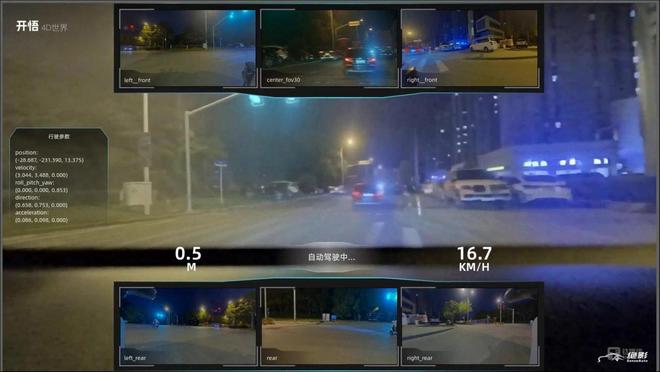
Core Insights - The value of the world model lies in expanding the physical boundaries of AI rather than replacing human cognition, as stated by the CTO of SenseTime, Wang Xiaogang [2] - SenseTime showcased its upgraded "Jueying Awakening" world model at the World Artificial Intelligence Conference (WAIC 2025), emphasizing its ambition to extend into embodied intelligence by constructing a 4D real-world model [2][3] Group 1: Product Development and Capabilities - The "Jueying Awakening" model is the first generative world model in the industry to achieve mass production, demonstrating its technical value in practical applications [3] - SenseTime has collaborated with SAIC's Zhiji Auto to generate critical driving scenarios like Cut-in and collisions, allowing for the batch generation of high-risk, low-probability driving scenarios without relying on real road tests [3] - The newly launched product platform for the generative world model is open for trial use by B-end enterprises and C-end developers [4] Group 2: Data Generation and Efficiency - The platform offers flexible scene customization, allowing adjustments for weather, lighting, and road types, and features convenient prompt word generation for scene video creation [5] - The "WorldSim-Drive" dataset, the largest generative driving dataset in the industry, contains over 1 million clips of production-level data, covering various weather and lighting conditions [5] - The model can generate data equivalent to the collection capacity of 10 real test vehicles or 100 road test vehicles daily, achieving efficiency comparable to 500 production vehicles [5] Group 3: 4D Interactive Training Environment - The 4D interactive training environment integrates 3DGS reconstruction technology with world model generation capabilities, enabling high-precision digital reconstruction of real spaces [6][8] - Users can trigger a closed-loop process to quickly generate complex scenarios through text descriptions or scene layouts [8] - The training environment has been implemented in collaboration with Zhiji Auto, covering typical scenarios and aiming to expand to millions of scenarios to encompass nearly all driving possibilities [8] Group 4: Extension to Embodied Intelligence - SenseTime aims to transfer the "virtual-real fusion" data from the autonomous driving sector to embodied intelligence, addressing the challenges of data dimensional explosion and the Sim2Real gap [10] - The model utilizes multi-modal spatiotemporal alignment capabilities and generates high-fidelity 4D environments to predict object movement trajectories in real-time [10] - The model can generate both first-person and third-person perspectives, enhancing the completeness of data views for robotic applications [11] Conclusion - The evolution of "Jueying Awakening" represents a shift of AI from the digital world to the physical world, with the core value being the transformation of AI creativity into productivity [11]
区域银行中期答卷:谁是增长“优等生”,谁在寻找新解法?|巴伦精选
Tai Mei Ti A P P· 2025-07-29 04:14
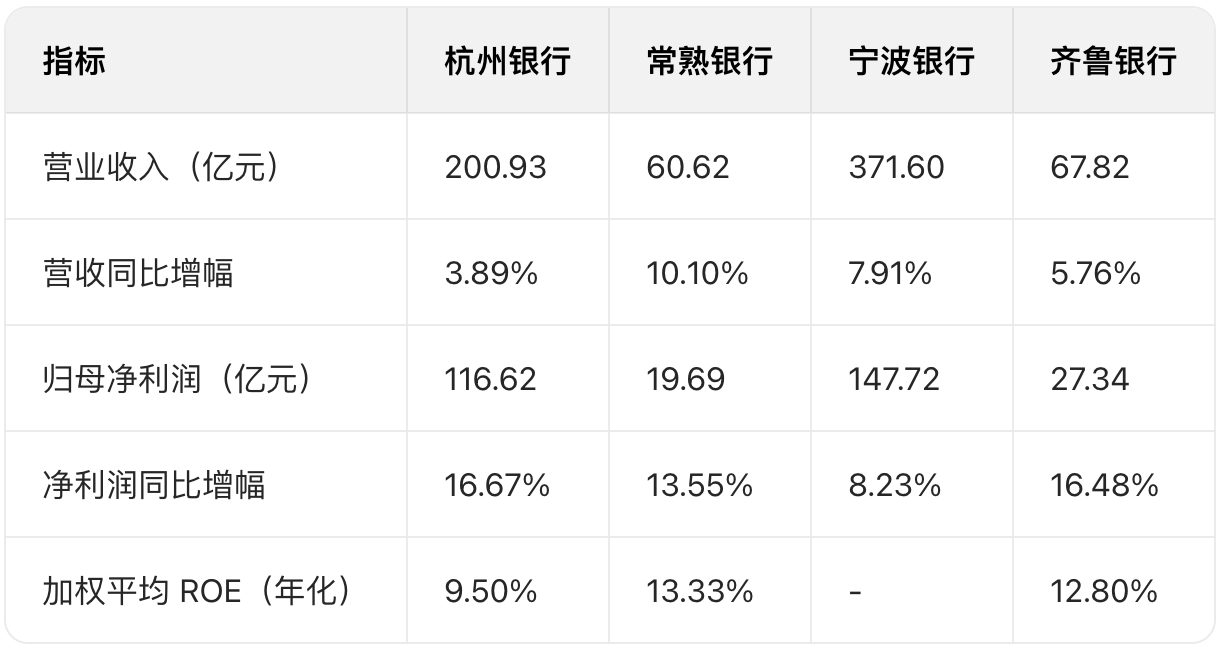
Core Insights - The article highlights the strong performance of four banks in the first half of 2025, showcasing their resilience despite differences in growth momentum, business structure, and risk control [1][10]. Financial Performance Overview - All four banks reported growth in both revenue and net profit, with notable differences in revenue and profit growth rates, asset scale expansion, and asset quality [1][2]. - Ningbo Bank led with a revenue of 371.60 billion and a net profit of 147.72 billion, while Hangzhou Bank followed closely [2]. - The net profit growth rate generally exceeded revenue growth, indicating significant contributions from cost control and provisioning adjustments [1][2]. Asset Scale and Structure - All banks experienced steady asset scale expansion, with Ningbo Bank's total assets surpassing 3.47 trillion, reflecting an 11.04% year-on-year growth [3]. - Hangzhou Bank's total assets reached approximately 2.24 trillion, while Changshu Bank and Qilu Bank surpassed 400 billion and 750 billion, respectively [3]. - Ningbo Bank led in both loan and deposit growth rates, indicating strong market positioning [3]. Asset Quality and Risk Management - The non-performing loan (NPL) ratios for Hangzhou, Changshu, and Ningbo Banks remained stable at 0.76%, while Qilu Bank's NPL ratio improved to 1.09% [4]. - All banks maintained a high provision coverage ratio, with Hangzhou Bank at 520.89%, providing ample room for profit release [4]. Strategic Differentiation - Hangzhou Bank's profit growth was driven by a dual strategy of scale and non-interest income, with a net profit growth of 16.67% supported by loan expansion and bond investment returns [5][9]. - Changshu Bank focused on a "deposit-first" strategy, achieving a revenue growth of 10.10% and a net profit growth of 13.55%, with a strong emphasis on rural finance [7]. - Ningbo Bank's strategy centered on rapid scale expansion, achieving a loan growth of 13.36% and deposit growth of 13.07%, although its net profit growth was relatively lower at 8.23% [8]. - Qilu Bank reported a net profit growth of 16.48%, benefiting from improved asset quality, but faced challenges with narrowing net interest margins [9]. Industry Trends and Future Outlook - The overall banking sector is witnessing stable revenue growth, rapid profit increases, and improving asset quality, indicating a positive trend in the industry [10][11]. - Future trends suggest a narrowing decline in net interest margins, continued asset quality improvement, and the importance of differentiated strategies for survival among small and medium-sized banks [11][12].




腾讯张正友回应具身智能三问:不造硬件、此时开放、人形非终极
Tai Mei Ti A P P· 2025-07-29 04:06
Group 1 - Tencent's strategic positioning in embodied intelligence is focused on being a platform provider rather than a hardware manufacturer, as indicated by the launch of the Tairos platform [3][6][7] - The Tairos platform aims to address the market's needs by providing modular solutions that allow companies to adapt and utilize Tencent's accumulated technology without requiring extensive data [7][8] - The company has a long-term vision of ten years for developing technology in complex scenarios such as elderly care, emphasizing the importance of safety and robustness in interactions [3][6] Group 2 - The current challenges in the embodied intelligence industry include core technology bottlenecks, such as dynamic 3D modeling and the standardization of tactile sensors, which hinder the development of effective models [6][7] - Tencent's approach to overcoming these challenges involves collaboration with seed enterprises to refine technology and establish standardized applications, marking a transition from initial development to broader deployment [8][9] - The industry is experiencing a phase of exploration, similar to the early days of mobile communication devices, where continuous investment is necessary for future advancements [9][10]