Tai Mei Ti A P P

Search documents
光伏行业请来“拆卷”专家宋志平,他给出了四招
Tai Mei Ti A P P· 2025-12-19 09:12
Core Insights - The photovoltaic industry is facing a severe crisis characterized by overcapacity and price wars, leading to a "prisoner's dilemma" situation where companies are reluctant to reduce production despite losses [2][10] - Song Zhiping, a notable figure in the industry, proposes a comprehensive strategy called "拆卷心法" (Disassembly Methodology) consisting of differentiation, segmentation, high-end positioning, and branding to navigate the current challenges [1][4][5] Industry Overview - The production capacity of photovoltaic components in China is expected to exceed 1000 GW by 2024, while global demand is projected to be around 500 GW, resulting in a utilization rate below 60% [1] - The industry is experiencing a significant decline in profitability, with over 30% of companies reportedly selling at a loss to maintain cash flow and market share [2][10] Key Strategies Proposed by Song Zhiping - **Differentiation**: Emphasizes the need for a fundamental shift in value creation rather than merely adding product variations. Companies should focus on customized solutions that can command a premium price [5][6] - **Segmentation**: Encourages companies to explore niche markets that have been overlooked, such as specialized components for extreme environments or integrated solutions for specific industries [6][7] - **High-end Positioning**: Advocates for a shift from cost advantages to technological innovations that define new standards and create new demands, highlighting the potential of emerging technologies like perovskite [7][8] - **Branding**: Stresses the importance of building brand recognition and trust, especially in a market where products are increasingly commoditized. Successful brands can survive price wars by offering superior value [8][9] Challenges to Implementation - The industry is currently plagued by a lack of trust among companies, making collaboration difficult in a highly competitive environment [10][11] - Companies face significant cash flow pressures, hindering their ability to invest in the long-term strategies proposed by Song Zhiping [11][12] - The regulatory environment remains uncertain, complicating strategic planning for companies in the photovoltaic sector [11][12] Conclusion - The future of the photovoltaic industry hinges on the willingness of companies to adopt the proposed strategies and move away from destructive competition towards value creation and collaboration [13][14]
企业货运提质增效背后:互联网货运平台的一场自我革新
Tai Mei Ti A P P· 2025-12-19 09:02
19 g a al 2 bill N G M 6 . 20.0 12 24 PM DNI 口的 面 n 233 以电商业务为依托的物流生态,在初始阶段被以通达系为代表的快递物流体系带动快速成长,C端服务愈发成熟,而平台背后B端企业的需求却往往被忽 略。 作为B2B批发采购平台,阿里巴巴旗下的1688早期与枫车遭遇了类似的用车难题。比如,批发商家往往需要自行找货车发货,货运服务质量无法保证,而且 由于没有可靠的轨迹和签收凭证,发货后往往无法及时回款。物流环节的部分缺位拉低了1688部分商家的运营效率。 在企业货运需求高歌猛进的时代,互联网货运平台或将成为新的答题者。 2024年中国网络货运市场规模已经达到930.15亿元,同比增长11.97%。2025年上半年行业市场规模约为505.79亿元。 不断扩张的市场规模背后是更多B端的企业货运需求猛增。 "作为一家汽配电商平台,找到一家可以承接当天1到2个小时内到货的物流服务商,对枫车来说至关重要。"广州枫车电子商务有限公司(以下简称"枫车") 表示。 枫车是一家汽车后市场全服务集成商,覆盖了3万家汽配线下门店,每天有大量汽车配件订单往来于广州、东莞、中山、湛江等地, ...

人形机器人企业集体扩产背后是机遇还是“不扩产就丢单”的焦虑?
Tai Mei Ti A P P· 2025-12-19 04:33
文 | GPLP看科技,作者 | 马赫环 2025年对于人形机器人行业来说,确实可以被称为"量产元年",其中的重要标志就是已经有企业初步构 建了一定的量产能力。如智元机器人已经于12月8日宣布,其通用具身机器人已经累计下线5000台,其 中远征系列(A1/A2)下线1742台,精灵系列(G1/G2)为1412台,灵犀系列(X1/X2)达到了1846 台。 在目前的政策态度、市场氛围以及技术发展方向来看,2026年的国内人形机器人企业将具备更大规模的 量产能力。然而,现在的问题是当前阶段的市场能承载下快速增长的产能吗? 海内外同频,人形机器人产能扩张势不可挡 日前,人形机器人赛道正上演着预期与现实的激烈碰撞,这种碰撞不止是源于核心零部件对现有产品的 制约,也有产能快速扩张与现有市场的不匹配。 11月就有报道称,高盛发布了《中国人形机器人供应链实地调研报告》,高盛调研9家中国机器人产业 链企业,认为这些机器人零部件公司正规划中国及海外产能,规划年产能10万台至100万台机器人。但9 家公司中,尚无任何一家获得确定性大额订单,也没有明确的量产计划。 这9家企业中包括了三花智控(002050.SZ/2050.HK)、 ...


中国AR专利战烧向海外,VITURE Pro在德国被禁售|独家
Tai Mei Ti A P P· 2025-12-19 02:16
Core Viewpoint - Chinese brands are leading in the AI+AR wave, holding four out of the top five positions in sales and continuously innovating in technology. However, the overseas market presents different challenges due to varying policies and patent requirements, necessitating a more cautious approach when expanding internationally [1]. Group 1: Legal Issues - The AR glasses brand VITURE's product, VITURE Pro, has been banned from sale in Germany due to infringement of a European patent held by another Chinese AR brand, XREAL. This marks the first substantial "ban" in the XR industry due to core technology patent infringement [3][5]. - The Munich District Court issued a temporary injunction against VITURE's Hong Kong distributor, Eden Future HK Limited, prohibiting the sale, marketing, or import of the infringing products in Germany [6]. Group 2: Market Impact - VITURE Pro has been removed from nine EU Amazon sites, including Germany, France, Italy, and Spain, following the court's ruling. Despite this, VITURE's other products, such as the Luma series, remain available on Amazon [3][5]. - VITURE, founded in 2021, has achieved significant market presence, ranking among the top five global brands in Q3, with notable sales in the US, Japan, and Germany. The company completed a total of $100 million in additional Series B financing in September [14]. - The ban on VITURE Pro is likely to impact the company's further expansion in the European market, which has seen a 106.5% growth rate in Q3, making it a key area for investment [14].
为什么苹果、华为,都干不过小天才?
Tai Mei Ti A P P· 2025-12-19 01:57
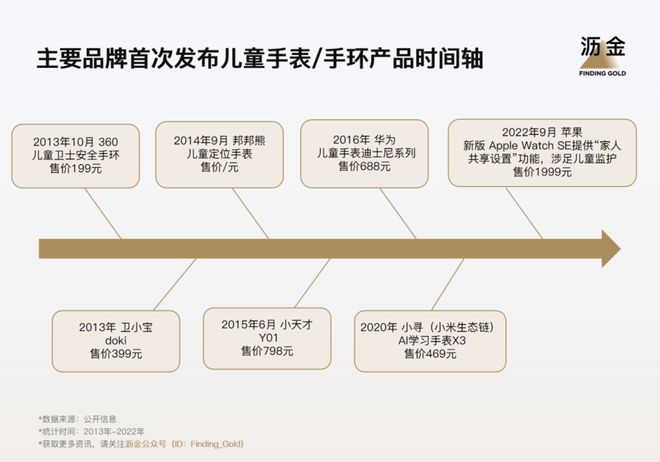
Core Insights - The article highlights the unexpected success of the children's smartwatch brand, Xiaotianzi, which has captured a significant market share despite competition from major tech giants [1][2][3] Market Position - Xiaotianzi sold over 8 million children's smartwatches in the first half of the year, holding a 35.3% market share, far ahead of Huawei's 12.2% [1] - The brand's flagship model, Z11, is priced at 2399 yuan, indicating a premium positioning in the market [15] Unique Selling Proposition - Xiaotianzi differentiated itself by focusing on communication rather than just safety features, addressing the needs of both parents and children [5][6] - The introduction of the "tap to add friends" feature created a social network among children, enhancing the product's appeal and driving demand [7][9] Business Model - Xiaotianzi's revenue model consists of three layers: direct sales of smartwatches, value-added services, and data monetization [12][13] - The entry-level model Q1R is priced affordably, while mid-range models like Z6P and Z8A cater to the core market, and the high-end Z11 targets affluent families [15] Growth Strategy - The brand has established a self-reinforcing growth cycle where increased user numbers enhance the social network's value, attracting more users [9][10] - Xiaotianzi's focus on social interaction has transformed the purchase motivation from parental necessity to children's desire [9] Competitive Landscape - Major competitors like Huawei and Xiaomi are shifting their strategies to focus on open ecosystems and educational tools, challenging Xiaotianzi's closed social network model [24][25][26] - These competitors aim to position their products as growth tools rather than social toys, appealing to parents concerned about education and health [26] Regulatory Environment - Increasing regulatory scrutiny regarding data privacy and child protection may impact Xiaotianzi's business model, particularly its social features [27] - The potential for stricter regulations poses a systemic risk to the brand's current operational strategies [27]
银行科创债破3000亿元,六大国有行占比超 38%,部分城农商行利率破2%
Tai Mei Ti A P P· 2025-12-19 01:13
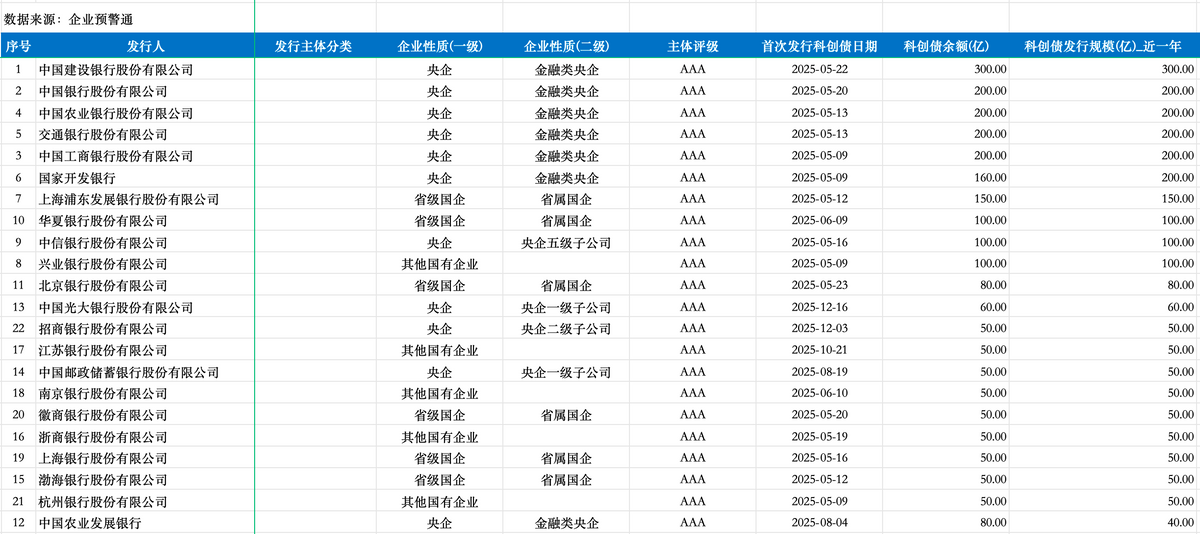
Core Viewpoint - The issuance of technology innovation bonds by banks has significantly increased since the announcement by the central bank and the China Securities Regulatory Commission on May 7, with a total issuance scale reaching 301.4 billion yuan by December 18, 2023 [1][2]. Issuance Scale - A total of 67 banks have issued 75 technology innovation bonds, with state-owned banks being the primary issuers, accounting for 38.16% of the total issuance [1][3]. - The six major state-owned banks have collectively issued bonds worth 115 billion yuan, while city commercial banks and rural commercial banks have issued 74.9 billion yuan and 15 billion yuan, respectively [1][5]. - The issuance period is mainly concentrated in 5-year bonds, followed by 3-year bonds, with a small number of 6-month and 7-year bonds [1][9]. Interest Rates - The interest rates for the issued bonds range from 1.67% to 2.07%, with state-owned banks having slightly lower rates between 1.65% and 1.81% [1][7]. - City commercial banks and rural commercial banks have higher rates, with many exceeding 1.8% [1][9]. - The policy banks have rates of 1.4% for the National Development Bank and 1.65% for the Agricultural Development Bank [1][7]. Fund Allocation - The funds raised from technology innovation bonds are directed towards technology innovation sectors, including issuing loans for technology and investing in technology innovation enterprises [6].



地平线生态野心可行否?
Tai Mei Ti A P P· 2025-12-19 01:05
Core Insights - Horizon Robotics aims to establish itself as a leader in the AI-driven physical world, focusing on both automotive and robotics sectors, and is transitioning from hardware sales to ecosystem solutions [1][4][12] - The company has set ambitious targets for its solution business, projecting a 250% year-on-year growth by mid-2025, with authorized services expected to reach 738 million [2][12] - Horizon's HSD Together model emphasizes a tiered open approach, allowing automotive companies to customize solutions while reducing costs, distinguishing it from competitors like Huawei [2][10] Company Strategy - Horizon Robotics has developed partnerships with major industry players, such as Continental and Volkswagen, to secure long-term orders and access global automotive markets, aiming to create a closed loop of "chips-algorithms-ecosystem" [3][12] - The company is focused on providing comprehensive solutions rather than just components, enabling smaller automotive firms to quickly adopt advanced driving capabilities without extensive R&D [2][5] Financial Performance - Horizon's revenue model currently relies heavily on chip sales, raising questions about the future proportion of ecosystem service fees in its overall revenue [1][12] - The company reported R&D expenditures of 2.3 billion yuan, a 62% increase from the previous year, indicating a significant investment in technology development [8][12] Market Positioning - Horizon Robotics positions itself as a key player in the AI ecosystem, aiming to make advanced technology accessible to a broader audience, as emphasized by its CEO [12][13] - The company faces challenges in balancing cost, safety, and competitive pressures while striving to maintain its leadership in both the automotive and robotics sectors [13] Challenges and Concerns - There are concerns regarding the safety of low-cost intelligent driving solutions, particularly in relation to sensor redundancy and computational power [7][10] - The open nature of the HSD Together model raises questions about the potential for technology replication and competition among automotive partners [7][10] - Horizon's dual focus on both intelligent driving and robotics may lead to resource dilution, impacting its ability to maintain leadership in both areas [8][12]
鹰和龙:iRobot,被惊醒的美国梦
Tai Mei Ti A P P· 2025-12-19 00:52
Core Insights - iRobot, founded in 1990 by Colin Angle, Helen Greiner, and Rodney Brooks, aimed to bring practical robots into everyday life, inspired by science fiction [1] - The company transitioned from military and industrial applications to consumer robotics, achieving significant market success with its Roomba vacuum cleaner [5][8] - iRobot's market dominance has been challenged by Chinese competitors, leading to a dramatic decline in market share and financial performance [10][11] Company History - iRobot was initially focused on military and space exploration robotics, relying on government contracts and specialized orders, with revenues peaking at $15 million before 2002 [4][5] - The launch of Roomba in 2002 marked a pivotal shift, with sales exceeding 1 million units within three years and revenues soaring to $140 million [6][8] - By 2021, iRobot had sold over 40 million Roombas, achieving a market share of nearly 90% in the robotic vacuum sector [8] Market Dynamics - The entry of Chinese brands like Ecovacs and Roborock into the U.S. market began in 2017, rapidly increasing their market share from less than 2% to over 70% by 2025 [10][11] - iRobot's market share declined from 85% in 2017 to an estimated 6% by 2025, with revenues projected to fall below $600 million and losses exceeding $200 million [11] Strategic Decisions - iRobot sold its military robotics division in 2016 to focus entirely on the consumer market, positioning itself as a leading consumer robotics company [8] - The failure of a proposed acquisition by Amazon, due to regulatory concerns, led to significant layoffs and a deterioration of iRobot's financial health [12][13] Technological Innovation - iRobot has been recognized for its innovations in mapping, navigation, and human-robot interaction, maintaining a reputation as an industry leader [8] - Despite efforts to expand its product line, including the introduction of mopping robots and air purifiers, iRobot struggled to keep pace with competitors [8] Leadership and Future Directions - Founders Colin Angle, Helen Greiner, and Rodney Brooks have pursued new ventures after leaving iRobot, focusing on various aspects of robotics and technology [14][15] - The company's decline raises questions about the role of government support in fostering competitive advantages for U.S. companies in the global market [12][13]
一品红股价累跌28.53%,靠转让股权新获现金,创新转型却失去了“信任票”?
Tai Mei Ti A P P· 2025-12-19 00:35
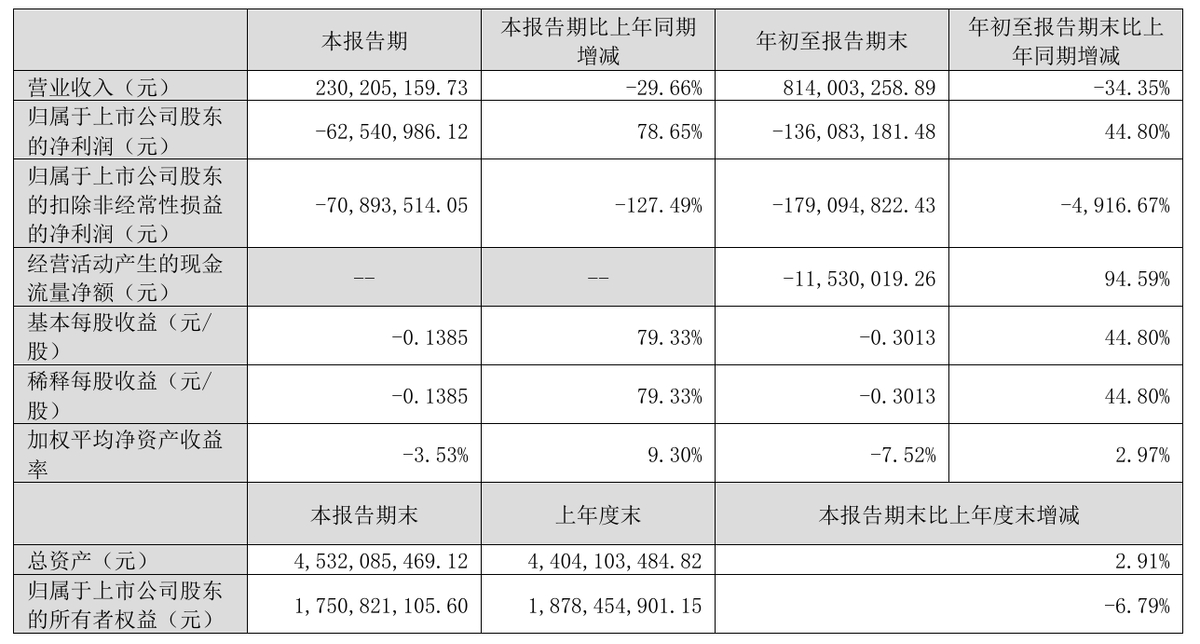
Core Viewpoint - The recent equity sale plan has placed the company Yipinhong in the spotlight, as it plans to sell its stake in Arthrosi Therapeutics to Sobi US Holding Corp for a total of up to $15 billion, which includes an upfront payment of $950 million and potential milestone payments of up to $550 million [1][2][4]. Group 1: Equity Sale and Its Implications - Yipinhong will no longer hold any equity in Arthrosi after the transaction, which is significant as AR882, a key drug for treating gout, is the main asset involved in this deal [2][3]. - Despite losing equity, Yipinhong retains the rights to AR882 in the Chinese market and will still participate in its development, maintaining a supply agreement for global production [4][3]. - The market reacted negatively to the announcement, with Yipinhong's stock price dropping by 28.53% from December 15 to 17, before recovering slightly on December 18 [4]. Group 2: AR882 Drug Potential - AR882 is a selective URAT1 inhibitor with potential applications in treating gout and chronic kidney disease, showing superior efficacy and safety compared to existing treatments [6][7]. - The drug has completed a global Phase II clinical trial, demonstrating significant results, and is currently in a critical Phase III trial, with expectations for completion and NDA submission by mid-2026 [7][8]. - The global market for gout treatments is substantial, with over 1.1 billion patients worldwide, and AR882 could capture significant market share if it proves to be a best-in-class product [7][6]. Group 3: Financial Performance and Challenges - Yipinhong reported a significant decline in revenue, with a 42.07% year-on-year drop to 1.45 billion yuan in 2024, marking its first loss since going public [9][10]. - The company's main business segments, including pediatric and chronic disease medications, are facing challenges, with revenues from these areas declining by 28.93% and 58.16% respectively [9][11]. - The competitive landscape for pediatric drugs is intensifying, necessitating Yipinhong to innovate and upgrade its product offerings to remain viable in the market [12][13].

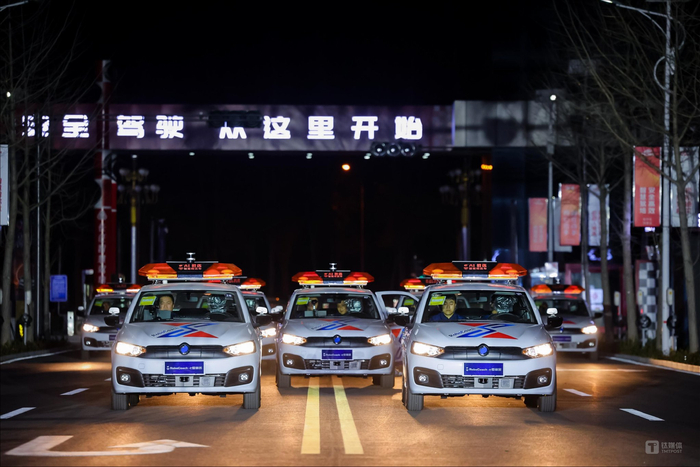
AI 上车,教练下车?驾校这门老生意变天了
Tai Mei Ti A P P· 2025-12-18 12:39
易显智能 ROBOCOACH X(AI机器人教练) 在中国汽车产业链条里,驾培行业长期处在一个尴尬的位置。 那么 AI 究竟带来了哪些改变?我们先把故事讲"俗"一点,看账本。 北京东方时尚驾校,从 2019 年开始上机器人教练车,到现在陆续投放了 800 多辆。结果是:传统教练 员从 870 人减到 30 多人、每年节省人工成本大约 1.2 亿元。 它规模不小,每年有超过 2000 万人学车;它足够刚需,几乎每一个开车的人都要从这里起步。但与此 同时,它又是一个技术密度极低、组织效率偏弱、长期被视为传统服务业的行业。 过去十多年,驾校的核心竞争力几乎没有变化:地块、牌照、教练数量,以及"谁更会压价"。传统驾校 的运营模式,本质上是一个高度依赖人力的线性系统:教练负责教学,场地靠人调度,安全靠经验兜 底,效率取决于个人能力。人一多,成本就线性上升;人一少,教学质量与安全就不可控。 这套模式在学车人口持续增长的年代还能维持,但是随着学车人口红利见顶、安全事故的社会容忍度持 续下降,以及价格战挤压掉了本就不高的利润空间,这个问题就被放大了。 所以,驾培行业被迫直面一个问题:如果不改变生产方式,这门生意几乎没有未来。 ...