商业洞察

Search documents
看懂周期赚大钱!巴菲特早年靠这波行情封神,普通人也能学
商业洞察· 2025-08-28 10:08
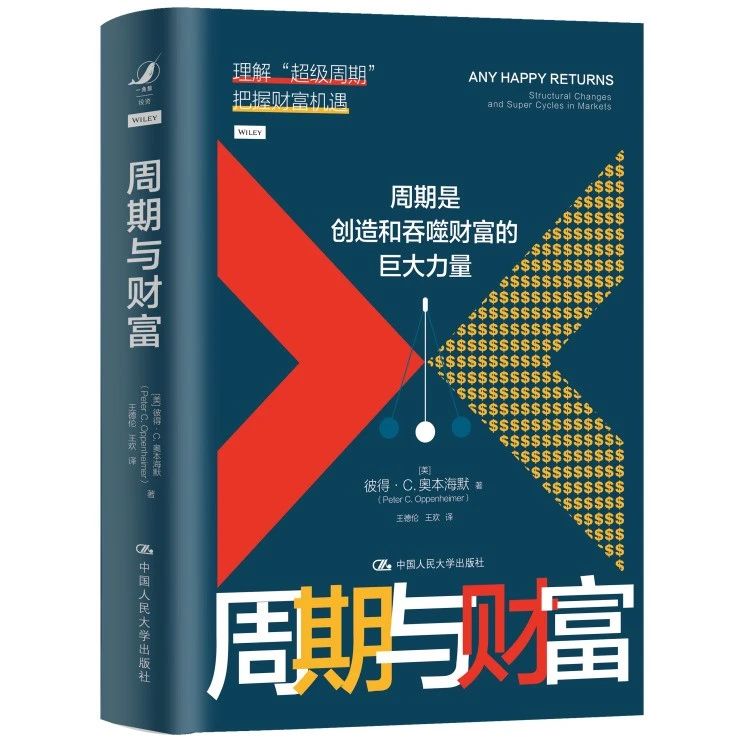
Core Viewpoint - The article discusses the concept of "super cycles" in the context of investment opportunities and historical performance, particularly highlighting Warren Buffett's early investment success and the broader economic cycles that have influenced market returns over time [1][6][9]. Summary by Sections Buffett's Early Investment Performance - Between 1957 and 1968, Buffett's partnership company significantly outperformed the Dow Jones index, with a notable 50-point lead in 1968 [1][2]. - Buffett ceased accepting new investors in 1966, expressing concerns about keeping up with market conditions [1]. Super Cycles - Super cycles are characterized by long-term upward trends that create and consume wealth, with the most significant returns occurring during these periods [2][9]. - The article identifies three major super cycles: 1. 1949-1968: Post-WWII explosive growth driven by the Marshall Plan and the baby boom [6]. 2. 1982-2000: A modern cycle marked by the resolution of inflation issues, leading to a strong economic recovery and significant stock market returns [7]. 3. 2009-2020: A post-financial crisis cycle characterized by quantitative easing and low interest rates, resulting in one of the longest bull markets in history [8]. Characteristics of Super Cycles - Common factors driving super cycles include initial low valuations, declining or low funding costs, and low initial yields [9]. - Economic growth and regulatory reforms have historically reduced market risk premiums, contributing to higher market returns [9]. "Fat and Flat" Periods - The article describes two significant "fat and flat" periods: 1. 1968-1982: High inflation and low returns, with the S&P 500 showing a nominal return of -5% [11]. 2. 2000-2009: A period marked by the bursting of the tech bubble and subsequent low returns, influenced by geopolitical events and economic uncertainty [13]. Current and Future Cycles - The article posits that the market is transitioning into a "post-modern cycle," influenced by macroeconomic and political changes, with new investment paradigms emerging [14][15]. - Factors driving the post-modern cycle include rising funding costs, slowing economic growth, a shift from globalization to regionalization, and increasing labor and commodity costs [17][18]. Investment Opportunities and Risks - The article suggests that the post-modern cycle may present new investment opportunities and challenges, particularly in sectors related to carbon reduction, regional development, and artificial intelligence [16][20].

破1.5万!这个超大城市,房价失守了
商业洞察· 2025-08-28 10:08
Core Viewpoint - The article discusses the significant decline in housing prices in Dongguan, a newly classified super city, highlighting the reasons behind this trend and its implications for the real estate market [2][4][10]. Group 1: Housing Price Trends - Dongguan's second-hand housing prices peaked at 24,334 yuan per square meter in April 2023 and have since dropped to 14,457 yuan, a decrease of 40.6% [5][6][7]. - The average price in various districts has also seen substantial declines, with some areas experiencing drops exceeding 50% [15][11]. - The highest price areas, such as Songshan Lake High-tech Zone, have seen prices fall from nearly 70,000 yuan to around 40,000 yuan [12][13][26]. Group 2: Economic and Industrial Context - Dongguan is recognized as one of the 27 cities in China with a GDP exceeding 1 trillion yuan, and it ranks among the top ten industrial cities in the country [16][17]. - The city has five industries with a revenue of over 100 billion yuan, including one industry exceeding 1 trillion yuan, making it a significant player in the manufacturing sector [20][21]. - Despite its strong economic and industrial foundation, the housing market is undergoing a correction due to previous speculative bubbles that inflated prices beyond sustainable levels [25][27]. Group 3: Market Pressures - The current housing market faces three main pressures: high inventory levels, a disconnect in purchasing power, and challenges in industrial transformation [46][47]. - The supply-demand ratio for new homes is approximately 0.83:1, indicating a balance, but the actual inventory of second-hand homes has increased, leading to a prolonged de-stocking period [46]. - A significant portion of the non-resident population in Dongguan earns below the median income, limiting their ability to afford homes priced above 10,000 yuan per square meter [46][47]. Group 4: Future Outlook - The adjustment in Dongguan's housing prices reflects a broader trend among industrial cities in China, where the conflict between manufacturing profitability and real estate speculation is becoming increasingly evident [47]. - The future stability of housing prices will depend on successful industrial upgrades, talent attraction, and consumption growth, breaking the cycle of reliance on manufacturing strength to stabilize property values [47].

倒闭6万家的“暴利”眼镜店,苦日子来了
商业洞察· 2025-08-28 10:08
Core Viewpoint - The eyewear retail industry is experiencing a significant downturn, with many stores closing due to changing consumer behavior and increased competition from online platforms and hospitals offering optical services [11][30][46]. Group 1: Industry Overview - Eyewear stores, once considered lucrative, are now facing a crisis, with over 60,000 stores reported to have operational issues from 2022 to 2025 [11]. - The traditional business model of eyewear retail, characterized by high markups and information asymmetry, is being challenged by more transparent pricing and online alternatives [13][30]. - The market for eyewear remains strong, with global myopia rates rising, particularly among youth, indicating ongoing demand for eyewear products [48]. Group 2: Business Model Challenges - Many eyewear retailers relied on a "high-margin" business model, with significant price markups on products, leading to consumer backlash as awareness of pricing discrepancies grew [23][25]. - The emergence of online platforms offering lower prices and convenient services has disrupted the traditional eyewear retail model, forcing many stores to adapt or close [38][41]. - Reports of unethical practices, such as falsifying prescriptions and selling substandard products, have further damaged consumer trust in physical eyewear stores [27][30]. Group 3: Future Directions - To survive, eyewear retailers must shift towards a more customer-centric approach, focusing on transparency and enhancing the shopping experience [50][59]. - Successful strategies may include offering unique products, personalized services, and creating engaging retail environments that attract younger consumers [55][59]. - The eyewear industry is likely to continue evolving, with a clear trend towards integrating online and offline experiences to meet changing consumer expectations [60].

炸了!三联的瓜突然爆了
商业洞察· 2025-08-27 09:31
Core Viewpoint - The article emphasizes the enduring value of print media, particularly the magazine "Sanlian Life Weekly," in an era dominated by fast-paced digital content, highlighting its role in fostering deep thinking and quality discussions among readers [25][38][121]. Group 1: The Decline of Print Media - The article notes the decline of print media in China, with many magazines ceasing publication and newsstands disappearing, leading to a sentiment that "print media is dead" [3][4]. - It discusses the impact of fast-paced digital content on readers' attention spans and the diminishing appreciation for the depth and significance of written words [3][4]. Group 2: Enduring Value of "Sanlian Life Weekly" - "Sanlian Life Weekly" is presented as a respected publication that has consistently provided insightful commentary on China's economic landscape, often predicting trends accurately [10][11][14]. - The magazine has a loyal readership across various demographics, including professionals, artists, and everyday citizens, who value its depth and quality [16][19][25]. - Readers express that the magazine enriches their understanding and encourages deeper thinking, with notable figures praising its content [17][19][121]. Group 3: Content and Themes - The magazine covers a wide range of topics, from social issues to personal growth, providing readers with diverse perspectives and insights [33][52][61]. - It aims to help readers navigate complex societal issues and personal dilemmas, such as education reform and housing market trends [52][54][62]. - The publication maintains a commitment to high-quality journalism, with a team dedicated to thorough research and fact-checking [90][104][119]. Group 4: Subscription Offer - The article promotes a subscription offer for "Sanlian Life Weekly," highlighting its value at a discounted price of 549 yuan for 52 issues, along with additional free publications [44][88][149]. - It emphasizes the magazine's ability to provide meaningful content that enhances family discussions and personal growth [41][125].

中国四大巨头,加起来比不过日本制铁,凭什么?
商业洞察· 2025-08-27 09:31
Core Viewpoint - China has maintained its position as the world's largest steel producer, with a crude steel output of 1.005 billion tons in 2024, accounting for 53.38% of global production, despite efforts to reduce excess capacity [3][20]. Group 1: China's Steel Industry - China's steel industry is characterized by high production but low profitability, with the net profits of its top four listed steel companies in 2024 not surpassing that of Japan's Nippon Steel [3][5]. - In 2024, China exported 11.07 million tons of steel, with an average price of $755.4 per ton, indicating a trend of increasing volume but decreasing total revenue [20][22]. - China's reliance on imported iron ore is significant, with imports reaching 1.237 billion tons in 2024 at an average price of $106.9 per ton, making the industry vulnerable to international price fluctuations [23][25]. Group 2: Japan's Steel Industry Recovery - Japan's Nippon Steel faced severe losses in 2019 but implemented a comprehensive reform strategy that included shutting down high-cost production facilities and focusing on high-value products, leading to a turnaround in profitability within a year [14][18]. - The company shifted its focus to producing high-margin products, such as special steel, which accounted for approximately 20.96% of its total crude steel output in 2020, compared to only 12.31% for China [17][20]. - Japan's steel industry has benefited from government policies aimed at eliminating outdated capacity and promoting industry upgrades, which could serve as a model for China's steel sector [12][26]. Group 3: Future Directions for China's Steel Companies - Chinese steel companies are encouraged to learn from Japan's past experiences and focus on producing high-value-added steel products to enhance profitability and competitiveness [26]. - The development of high-quality steel products, such as LNG ship steel and aircraft carrier deck steel, indicates progress in technology and product diversification within China's steel industry [26].

上海放大招,楼市春天又要来了?
商业洞察· 2025-08-27 09:31
Core Viewpoint - The article discusses Shanghai's recent measures to stimulate the real estate market, which are seen as a significant move to support not only Shanghai but also the broader Yangtze River Delta region. The timing of these measures is crucial, as many potential homebuyers have paused their purchasing plans due to the rising stock market, indicating a shift in investment preferences from real estate to equities [2][4][8][10]. Summary by Sections Historical Context - The article draws parallels between the current economic environment and historical periods, specifically 1998-2001, 2012-2014, and 2020-2021, highlighting a recurring pattern where the stock market is stimulated first to create liquidity before directing funds into the real estate market [18][19][23][27]. - In each historical instance, the government has strategically used the stock market to bolster liquidity, which eventually leads to a surge in the real estate market, particularly in major cities like Shanghai [20][22][26][30]. Current Economic Dynamics - The article emphasizes that the current economic strategy involves first boosting the stock market (referred to as "大A") to enhance social liquidity, which will then be funneled into the real estate sector. This approach is seen as a necessary step to address the pressures on total demand [32][35]. - It is noted that the recent measures in Shanghai are not merely a response to immediate market conditions but are part of a broader strategy to reshape the valuation of RMB assets and stimulate domestic demand [43][44]. Investment Implications - The article suggests that the current situation presents a unique opportunity for investors in the real estate market, as the economic fundamentals are still declining while the stock market is performing well. This creates a favorable entry point for potential buyers before the market dynamics shift [44]. - It concludes that all asset price movements are aligned with macroeconomic policy goals, indicating that the valuation logic for RMB assets differs significantly from that of Western economies [45][46].

71岁的王健林现身新疆,模样大变!
商业洞察· 2025-08-26 04:05
Core Viewpoint - The article discusses Wang Jianlin's ongoing investment in Xinjiang, highlighting the potential of the region for commercial development amidst challenges faced by Wanda Group, including wealth reduction and debt issues [10][15][22]. Group 1: Wang Jianlin's Presence in Xinjiang - Wang Jianlin, at 71 years old, was recently spotted in Xinjiang, raising questions about his intentions in the region [11]. - Xinjiang is viewed as a significant area for economic development, especially with its strategic location as a hub for domestic and international markets under the "Belt and Road" initiative [11]. - Wanda's history in Xinjiang dates back to 2015 with the opening of the Urumqi Dehui Wanda Plaza, marking the beginning of its commercial expansion in the area [11][12]. - The Kashgar Wanda Plaza project is substantial, covering approximately 415 acres with a total construction area of about 1 million square meters, integrating various commercial and residential facilities [13]. - The latest project in Hotan, with an investment of 500 million yuan, is set to begin construction in early 2025, further emphasizing Wanda's commitment to the region [14]. Group 2: Wealth Reduction and Debt Issues - Wang Jianlin's wealth has significantly decreased to 58.81 billion yuan, primarily due to the downturn in the real estate market and regulatory changes aimed at stabilizing housing prices [16][17]. - The strategic shift from real estate to commercial services has not yielded immediate profits, impacting overall performance and wealth valuation [17]. - Wanda has accumulated substantial debt over the years, although it has managed to repay over 600 billion yuan through asset sales, which has also led to a reduction in its commercial footprint [19]. Group 3: Future Directions for Wanda - To address its debt challenges, Wanda must find new revenue streams and adopt a light asset operation model, focusing on brand and management capabilities rather than heavy investments in property [22][26]. - This model allows Wanda to collaborate with local governments and financial institutions, reducing reliance on real estate market fluctuations while generating stable management fee income [26]. - Despite current difficulties, Wanda's debt is relatively manageable compared to competitors like Evergrande, and it retains valuable assets and brand recognition that can support future growth [27].

福建地产首富,栽了!
商业洞察· 2025-08-26 04:03
Core Viewpoint - The article discusses the dramatic decline of Taihe Group and its founder Huang Qiseng, highlighting the company's fall from a peak sales of over 100 billion yuan to a state of insolvency and legal troubles, reflecting the broader challenges faced by the Chinese real estate industry [3][16][25]. Group 1: Company Background - Taihe Group was once a leading player in the real estate market, achieving sales exceeding 100 billion yuan in 2017 and earning Huang Qiseng the title of Fujian's real estate tycoon, appearing on the Hurun Rich List nine times [8][4]. - Huang Qiseng founded Taihe Group in 1992 after leaving a stable job at a bank, and the company expanded rapidly, becoming notable for its luxury properties [7][8]. Group 2: Recent Developments - On August 22, 2023, Taihe Group announced that Huang Qiseng was under investigation for alleged legal violations, leading to his detention by the Liaoning Provincial Supervisory Committee [3][10]. - The company faced significant penalties from the Fujian Securities Regulatory Bureau, including a fine of 6 million yuan for failing to disclose major lawsuits and significant omissions in annual reports from 2020 to 2022 [13][15]. Group 3: Financial Troubles - Taihe Group has been in a state of insolvency, with debts exceeding 1.87 trillion yuan against total assets of approximately 1.65 trillion yuan, resulting in a negative net asset value of 238.14 billion yuan [23]. - The company has been under increasing legal pressure, with ongoing lawsuits amounting to over 10% of its net assets, and additional non-major lawsuits adding to its financial burdens [24][25]. Group 4: Market Impact - The company's stock was delisted from the A-share market in August 2023 after its share price fell below 1 yuan for 20 consecutive trading days, marking a significant downturn in its market presence [20][23]. - Despite receiving 9.47 billion yuan in government relief funds, Taihe Group continues to face risks of asset liquidation and further financial distress due to ongoing market challenges in the real estate sector [23][24].

叶国富和胖东来,都难救永辉超市?
商业洞察· 2025-08-26 04:03
Core Viewpoint - Yonghui Supermarket reported a significant decline in both revenue and net profit in its mid-year financial report, indicating challenges in its transformation efforts and operational strategy [3][5]. Group 1: Financial Performance - In the first half of the year, Yonghui Supermarket achieved revenue of 29.948 billion yuan, a year-on-year decrease of 20.73% from 37.779 billion yuan [8]. - The company recorded a net profit loss of 241 million yuan, compared to a profit of 275 million yuan in the same period last year, marking a 187.38% decline [5][8]. - Since 2021, Yonghui Supermarket has been in a continuous state of net profit loss, accumulating losses exceeding 9.5 billion yuan from 2021 to 2024 [8]. Group 2: Operational Challenges - The revenue decline is attributed to the closure of long-term loss-making stores and the ongoing transformation strategy initiated in the second half of 2024 [8][9]. - In the first half of the year, Yonghui Supermarket closed 227 loss-making stores, leaving a total of 552 operational stores across 26 provinces and municipalities [8][9]. - The company incurred additional costs related to lease and personnel compensation, product clearance, and asset write-offs during the store closures, further straining its financial position [5][9]. Group 3: Strategic Transformation - Yonghui Supermarket established a reform leadership team led by Ye Guofu, founder of Miniso, to guide its transformation efforts, which have yet to yield market-accepted results [5][14]. - The company is focusing on a supply chain reform, including the acceleration of direct sourcing contracts with suppliers, which has led to a reduction in the number of suppliers by approximately 50% [10][14]. - The overall gross profit margin for the first half of the year was 20.80%, a decrease of 0.78 percentage points compared to the same period last year [10]. Group 4: Debt and Financial Pressure - As of the end of the first half, Yonghui Supermarket's debt-to-asset ratio reached 88.21%, the highest since its listing in 2010 [17]. - The company reported short-term borrowings of 3.989 billion yuan and accounts payable of 6.092 billion yuan [17]. Group 5: Competitive Positioning - Yonghui Supermarket is attempting to emulate the successful operational model of "Pang Donglai," focusing on customer service and product quality, but faces challenges in execution and employee satisfaction [19][20]. - Analysts suggest that while many traditional supermarkets are mimicking Pang Donglai, Yonghui's brand strength and consumer trust still require significant improvement [20][21].


最后一家国有大车厂,被华为拿下!
商业洞察· 2025-08-25 09:24
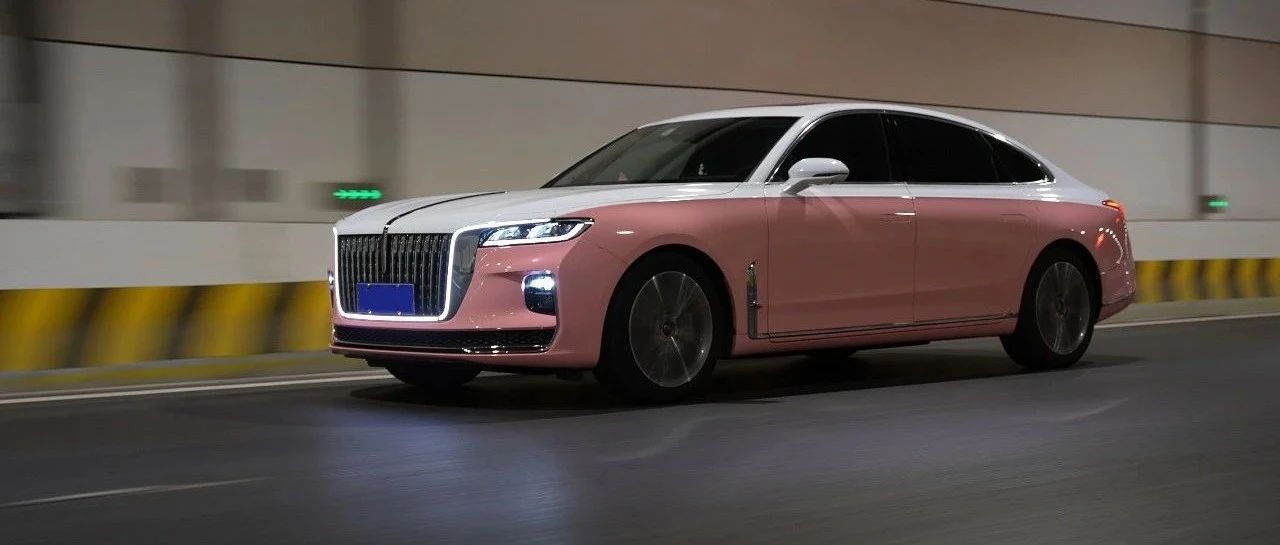
Core Viewpoint - The collaboration between FAW Hongqi and Huawei signifies a shift in the Chinese automotive industry towards a unified ecosystem, with Huawei becoming a dominant player in the market [2][9]. Group 1: Collaboration Details - FAW Hongqi will integrate Huawei's full-stack self-developed solutions, including laser radar, Harmony cockpit, QianKun intelligent driving, Tuling chassis, and Kirin chips into its vehicles [2][4]. - This partnership resembles an outsourcing model where core technologies, brand marketing, and sales channels are largely managed by Huawei, allowing car manufacturers to focus on production and after-sales service [4][5]. Group 2: Market Dynamics - FAW Hongqi's "Jin Kui Hua" series has struggled in sales, particularly the Guo Ya model, which is priced at 1.4 million and competes with luxury brands like Bentley and Maybach but lacks differentiation [5][7]. - In contrast, the Jianghuai's Zun Jie S800, supported by Huawei's technology, achieved over 10,000 pre-orders in just 67 days, surpassing the annual sales of luxury models like Maybach and Mercedes S-Class [7][9]. Group 3: Industry Implications - The partnership indicates that all major state-owned car manufacturers in China are now aligned with Huawei, suggesting a trend towards a "big unified" ecosystem in the automotive industry [9]. - The upcoming launch of the Shangjie H5, developed in collaboration with Huawei, has already generated positive market sentiment, reflected in stock price increases [9][10].