商业洞察

Search documents
流量大跌45%,董宇辉“触顶”了吗?
商业洞察· 2025-07-20 06:01
Core Viewpoint - The article discusses the challenges faced by Dong Yuhui, a prominent live-streaming host, as he transitions from a peak phase to a more stable stage in his career, highlighting the decline in his audience engagement and the need for strategic adjustments to regain momentum [2][7]. Group 1: Audience Engagement and Growth - Dong Yuhui's live-streaming account "Yuhui Tongxing" ranked fifth in Douyin's sales leaderboard in June, marking the first time it fell out of the top position this year [3]. - Daily average views for "Yuhui Tongxing" dropped by 45%, from 27.5 million in the first half of 2024 to 15.04 million in 2025 [4]. - Fan growth has also slowed significantly, with only 3.22 million new followers in the first half of 2025 compared to 12 million in the same period of 2024 [5]. Group 2: Personal Brand and Public Perception - Dong Yuhui's personal Douyin account has seen a loss of 600,000 followers over four months, indicating a decline in his personal brand [6]. - His public image has shifted from a sympathetic figure to a more polarizing one, especially after his departure from Dongfang Zhenxuan, leading to increased scrutiny and criticism [14][16]. - The controversies surrounding him, such as the "small essay incident," have highlighted the challenges of maintaining a positive public image and the impact on his fan base [12][15]. Group 3: Market Dynamics and Competition - The article notes that Dong Yuhui's growth trajectory is more pronounced compared to other top hosts, such as Crazy Little Yang, who saw consistent annual growth of around 20 million followers from 2018 to 2022 [9]. - The saturation of the middle-class audience on platforms like Douyin poses a challenge for growth, as the high-value user base is limited, with only 19.9% of Douyin users classified as high-value consumers [38]. - The article suggests that to overcome current growth bottlenecks, Dong Yuhui may need to explore broader audience segments and collaborate with influential figures like Yu Minhong [45][61]. Group 4: Strategic Adjustments - Dong Yuhui has initiated a new content account "Lanzhichunxu," focusing on film-related content, aiming to create a stable flow of traffic and engagement [47]. - Participation in entertainment programs, such as "Zhou You Ji," is part of his strategy to leverage cross-industry appeal and attract new followers [52]. - The article emphasizes that while these efforts are underway, the effectiveness of these strategies in significantly boosting follower numbers remains to be seen [55].


太子出局,后妈上位,浙商巨头走进传承悲剧
商业洞察· 2025-07-19 08:03
Core Viewpoint - The article discusses the intense family feud within the Shanshan Group following the sudden death of its founder, Zheng Yonggang, which has led to significant financial decline and potential bankruptcy for the company [2][3]. Group 1: Family Feud - Zheng Yonggang passed away unexpectedly in February 2023 without leaving a will, disrupting the existing power balance within the Shanshan Group and leading to chaos [5][8]. - Zheng Yonggang's son, Zheng Ju, was initially appointed as chairman but faced immediate challenges from his stepmother, Zhou Ting, who questioned the legitimacy of the board meeting and sought legal action to freeze key shares [13][14]. - The conflict escalated, with Zhou Ting pushing for a more defensive strategy while Zheng Ju aimed for aggressive growth, resulting in internal strife and decision-making paralysis [32][34]. Group 2: Company History and Growth - Founded in 1989, Shanshan Group transformed from a struggling garment factory into a leading clothing brand and later diversified into the lithium battery materials sector, becoming a significant player in the industry [17][19][25]. - By 2021, Shanshan's revenue soared to 20.7 billion, with a net profit of 3.34 billion, marking a significant turnaround for the company [27]. - However, the company faced challenges due to overexpansion and high debt levels, leading to financial strain as market conditions worsened [29][30]. Group 3: Financial Decline and Bankruptcy - Following Zheng Yonggang's death, Shanshan's financial situation deteriorated, with revenues dropping to 19 billion and net profits shrinking to 760 million in 2023 [35]. - By 2024, the company reported its first annual loss since going public, with a revenue decline of 2.05% and a net loss of 367 million, exacerbated by high debt levels [36][39]. - The company is now facing bankruptcy proceedings, with significant debts and ongoing power struggles within the family, leading to a loss of control over the company [38][39].

抖音带货新一哥,击败董宇辉和贾乃亮
商业洞察· 2025-07-19 08:03
Core Viewpoint - The article highlights the remarkable rise of a grassroots streamer, "Li Baobao," who achieved over 1.5 billion yuan in sales during a single day of live streaming, surpassing well-known hosts and capturing significant attention in the e-commerce industry [1][4][6]. Group 1: Li Baobao's Success Factors - Li Baobao's success is attributed to a combination of emotional storytelling and strategic marketing, particularly leveraging his wedding as a live streaming event to engage viewers [12][20]. - The content strategy focused on creating a strong emotional connection with the audience by transforming significant life events into shopping experiences, which resonated with his existing fan base [12][17]. - The team behind Li Baobao, particularly the support from established streamer Dong Yanying, provided essential resources, including planning, traffic generation, and supply chain management, which significantly contributed to the success of the live stream [20][22]. Group 2: Market Dynamics and Platform Influence - The article discusses how Douyin's (TikTok) algorithm favors the growth of mid-tier and grassroots streamers, allowing for a more diverse e-commerce ecosystem and reducing the dominance of top-tier hosts [25][26]. - Douyin's shift towards "de-headification" in its algorithm has created opportunities for unique content creators like Li Baobao, who can connect with niche audiences effectively [25][26]. - The rising cost of traffic on Douyin makes it challenging to cultivate super hosts across all categories, thus providing a pathway for specialized streamers to thrive in targeted markets [26][27]. Group 3: Challenges Ahead - Despite the initial success, the sustainability of Li Baobao's model is questioned due to the rapid turnover of internet celebrities and the challenges of maintaining audience engagement over time [29][30]. - The reliance on a specific event, such as a wedding, for success raises concerns about the ability to replicate such emotional narratives in the future [31][32]. - The article emphasizes the need for continuous content innovation and product quality to avoid audience fatigue and ensure long-term viability in the competitive live-streaming market [33][34].

宗庆后家族,海外资产大曝光
商业洞察· 2025-07-18 08:59
Core Viewpoint - The article discusses the significant real estate transaction involving a luxury mansion in Los Angeles, owned by the Hilton family, which sold for $25 million after being listed for $55 million two years prior, highlighting a price drop of over 50% and the potential implications of such transactions in the context of the Zong family and their offshore capital network [1][3][4]. Group 1: Offshore Capital Network - The Zong family's offshore capital network plays a crucial role in their financial strategy, with companies like Hongsheng Beverage Group Limited being linked to offshore entities registered in the British Virgin Islands [6][7]. - Zong Fuli, a key family member, has held significant positions in various offshore companies, indicating a complex web of financial interests that extend beyond domestic operations [8][9]. - The family has established multiple offshore companies, including BOUNTIFUL GOLD TRADING LIMITED and HONOUR BRIGHT INVESTMENTS LIMITED, which are primarily registered in tax-friendly jurisdictions, contributing to a vast and secretive capital network [9][10]. Group 2: Domestic Business Control - The Zong family controls a substantial domestic business matrix through offshore companies, with BOUNTIFUL GOLD TRADING LIMITED holding stakes in several food and beverage companies in China [12][14]. - Hongsheng Group, under Zong Fuli's leadership, has invested in numerous domestic enterprises, establishing a comprehensive supply chain that includes product development, manufacturing, and marketing [14][20]. - The family's strategic use of offshore entities has allowed them to maintain control over domestic operations, particularly in the face of potential risks from foreign partnerships [21][22]. Group 3: Real Estate Investments - The Zong family has a history of investing in overseas real estate, including properties in Los Angeles and Hong Kong, indicating a diversification strategy in asset allocation [23][24]. - A notable transaction involved Zong Fuli purchasing a property in Hong Kong for approximately 11.1 million yuan, which was later sold for 26 million yuan, showcasing the family's investment acumen [24][25]. - The family's real estate holdings are often structured through offshore companies, further complicating the ownership landscape and reflecting a sophisticated approach to asset management [27][28].
外卖大战2025:战报可能会骗人,但战线不会
商业洞察· 2025-07-18 08:59
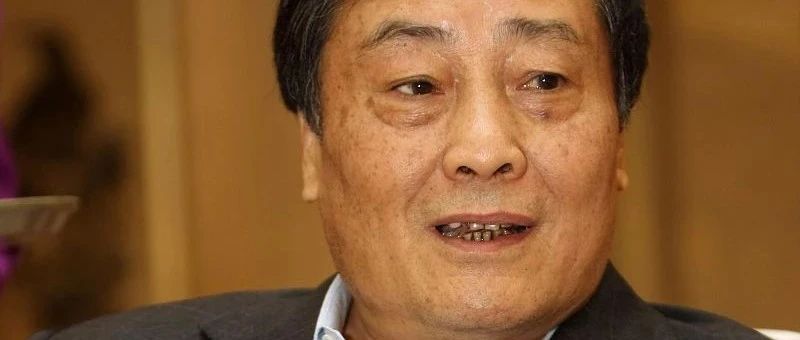
Core Viewpoint - The current battle in instant retail, particularly in food delivery, is characterized by a significant increase in subsidies and order volumes, but the real competition lies in the underlying infrastructure capabilities rather than just the scale of subsidies [2][4][24]. Group 1: Order Data and System Capabilities - Order data serves as a battle report, while system capabilities represent the true front line of competition [3]. - The latest order statistics show that JD's food delivery surpassed 25 million orders, while Taobao Flash Sale and Ele.me exceeded 80 million orders, and Meituan reached a peak of 150 million orders [7][8][12]. - Meituan's growth potential appears greater despite its larger base, as it has achieved significant order volume increases with lower subsidy levels compared to competitors [12][18]. Group 2: Key Differentiators - The primary differentiator among the three platforms is their fulfillment and supply capabilities, with Meituan leading in this area [11][12]. - JD's late entry has resulted in a longer construction period for its infrastructure, raising questions about its capital capacity [11]. - Taobao Flash Sale, while integrating resources from Ele.me, still faces limitations due to its smaller scale compared to Meituan [12]. Group 3: Misconceptions and Market Dynamics - The misconception that food delivery is a flow business is challenged by the reality that demand for food is constant and cannot be artificially created like retail products [17][24]. - The strategy of using subsidies to drive traffic and create social recognition is flawed in the context of food delivery, where supply and fulfillment must align with consumer demand [17][24]. - Historical patterns indicate that subsidy-driven customer acquisition often attracts price-sensitive users rather than genuine demand, leading to low conversion rates and customer lifetime value [23][24]. Group 4: Future Considerations - The ongoing subsidy wars are unsustainable and should not continue, as they distort market signals and can lead to supply imbalances and degraded user experiences [21][24]. - The focus should shift from mere order volume competition to enhancing the overall ecosystem of instant retail, emphasizing fulfillment capabilities and user experience [24][25].


4800亿奇瑞当家人,挥别价格战
商业洞察· 2025-07-17 09:32
Core Viewpoint - Chery Automobile is shifting its focus from pursuing sales volume to prioritizing quality and brand innovation, as emphasized by Chairman Yin Tongyue during the 2025 China Automotive Forum [3][4][52]. Group 1: Company Strategy - Chery is currently in a critical phase as it prepares for its IPO, with significant organizational restructuring underway to enhance brand management and operational efficiency [7][12][53]. - The company has established a "Domestic Business Group" to streamline its brand matrix and improve resource integration [11][13]. - Chery's revenue for the first nine months of 2024 is projected to exceed 250 billion, reflecting a 67.7% year-on-year growth, with a profit of 11.3 billion [25][26]. Group 2: Market Position and Performance - In the first half of 2024, Chery delivered 1.26 million vehicles, marking a 14.5% increase year-on-year, although export growth has slowed to 3.3% compared to 29.4% the previous year [44][45][46]. - The company's gross margin for passenger vehicles improved to 15.9%, up nearly 3 percentage points from the previous year, driven by increased export sales [47][48]. - As competition intensifies in both domestic and international markets, Chery aims to avoid price wars while maintaining cash flow and market share [50][52]. Group 3: Technological Integration - Chery is consolidating its smart driving initiatives by integrating subsidiaries into a newly formed "Intelligent Center," which focuses on smart cockpit and assisted driving technologies [28][29][40]. - The integration of various technological units is expected to enhance collaboration with suppliers and streamline R&D processes [39][40]. - Yin Tongyue has expressed a commitment to advancing smart driving capabilities, indicating a willingness to collaborate with external partners for technological development [41].

宗馥莉的妈妈,才是狠人
商业洞察· 2025-07-17 09:32
以下文章来源于闲时花开 ,作者刘娜 宗庆后"私生子事件"曝光后,他的结发妻子、宗馥莉的妈妈施幼珍古早的一段采访,在互联网上 广为流传。 这段采访,也是素来低调的施幼珍唯一露脸的公开视频。 采访中,眉眼含笑的施幼珍意味深长地说: ·"他(宗庆后)已经不是我们家的某个成员,而是属于娃哈哈。" ·"他是老大,父母也不把他当回事,他们家人也不太关注他,他得到的关爱很少,我总是觉得他 蛮可怜的,我应该照顾他,我要给他多一些关爱。" 闲时花开 . 情感作家娜姐和她的朋友们。 作者: 刘娜 来源: 闲时花开 ·"这十几二十几年来,我们也多有争执,但我只要一想到他这一点儿,就心软了。" ·"不管今后他变成什么样,我对他这一点不会变,我蛮可怜他的。" ---------------------------------- 这段采访视频,是当年电视台编导跑到施幼珍家里拍摄的。 随后采访宗庆后时,主持人拿出来给宗庆后看。 宗庆后看到后,双目含泪,不能自已,潸然泪下。 这个夏天,私生子事件曝光后,很多人用"贤妻扶我凌云志,我还贤妻私生子",来为施幼珍意难 平。 我和很多人的观点恰恰相反。 我从上述采访视频里,看出了宗庆后和施幼珍关系的 ...

势不可挡!比亚迪拿下销量双冠,领跑中国汽车市场
商业洞察· 2025-07-16 06:49
Group 1 - BYD achieved the highest sales in June and the first half of 2025, with total sales of 383,000 units in June and 2.146 million units in the first half, making it the only company to exceed 2 million units [1][3] - The Dynasty and Ocean series contributed significantly to BYD's success, selling 1.972 million units, securing the top brand sales position [3] - BYD's technological advancements include over 1 million vehicles equipped with the "Heavenly Eye" intelligent driving system, and the popularity of the Super e-platform, with models like Han L and Tang L consistently selling over 10,000 units per month [6] Group 2 - The high-end brands of BYD, including Fangchengbao, Tengshi, and Yangwang, sold a total of 142,000 units in the first half, marking a year-on-year growth of over 69% [6] - The overseas market showed remarkable growth, with sales reaching 472,000 units in the first half, a 132% increase compared to the previous year, surpassing total sales from the previous year [6] - BYD's commercial vehicle segment also performed well, exporting 2,082 new energy buses, a 45% increase year-on-year, capturing a market share of 27.29% [6]

一年卖了14.5亿,范冰冰创业翻身
商业洞察· 2025-07-16 06:49
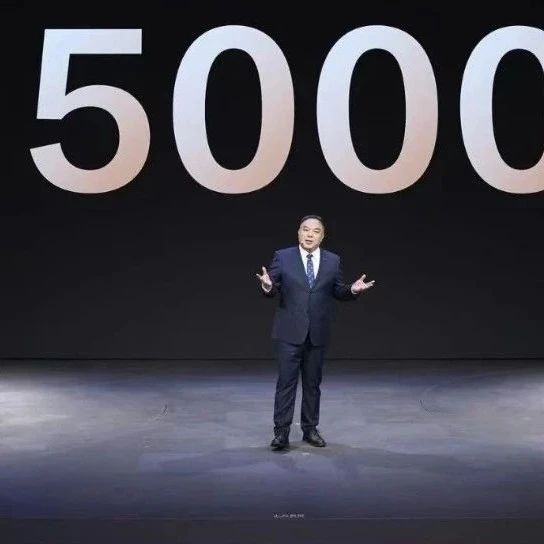
Core Viewpoint - Fan Beauty Diary (FBD), founded by actress Fan Bingbing, has emerged as a significant player in the beauty industry, achieving a revenue of 1.45 billion yuan in 2024, ranking 35th in the top 100 Chinese beauty brands despite being a relatively new entrant [2][9]. Group 1: Brand Development - FBD was established in 2018, initially targeting the high-end beauty device market with a radio frequency beauty device priced at 2399 yuan, which sold out quickly [4]. - The brand pivoted to the face mask segment after initial struggles, with the "Sea Grape Hydrating Mask" selling 1.2 million pieces in its first month [5][20]. - FBD has developed a product matrix covering nine categories, with a significant online following across platforms like Tmall, Xiaohongshu, and Douyin [8]. Group 2: Growth Drivers - The brand's growth is driven by three main factors: 1. Star IP leverage, with Fan Bingbing actively participating in brand operations and marketing, enhancing her influence as a beauty blogger [11][18]. 2. A focus on blockbuster products, with face masks accounting for 68% of total revenue, and the pricing strategy that exceeds mainstream brands [20][22]. 3. Channel advantages, particularly leveraging Douyin for sales, with Tmall contributing nearly 50% of revenue and Douyin expected to exceed 400 million yuan in sales in 2024 [23]. Group 3: Challenges and Risks - FBD faces significant challenges, including: 1. Over-reliance on a single product category (face masks), with other categories like beauty devices and cosmetics not achieving similar success [26]. 2. A lack of core technology patents, with the company primarily holding design patents, indicating a potential weakness in R&D capabilities [27]. 3. Dependency on Fan Bingbing's personal brand, which poses risks if her public image is compromised [28]. Group 4: Future Directions - FBD is expanding into Southeast Asia, entering platforms like Lazada and TikTok, with strategic moves to tap into markets where skincare awareness is high [31]. - However, initial overseas performance has been underwhelming, highlighting the challenges of adapting the domestic success model to international markets [33]. - The beauty industry is facing a slowdown, with growth rates declining, which could impact FBD's future strategies and necessitate a shift from relying on celebrity influence to building a sustainable brand [34].

宗馥莉的手段,不得了
商业洞察· 2025-07-16 06:49
Core Viewpoint - The article discusses the intense power struggle within the Wahaha Group following the death of its founder, Zong Qinghou, and the subsequent actions taken by his daughter, Zong Fuli, to assert control over the company and its assets amidst a family inheritance dispute [1][20]. Group 1: Leadership Transition - Zong Fuli faced significant challenges in her succession, including a public resignation letter questioning her legitimacy to manage the company shortly after her father's death [4]. - She successfully returned to power, becoming the legal representative, chairman, and general manager of Wahaha, inheriting 29.4% of her father's shares [4]. - A major board overhaul occurred, with the removal of four long-standing executives from Zong Qinghou's era, replaced by younger individuals, indicating a shift towards a new leadership style [5]. Group 2: Factory Closures - Zong Fuli initiated a significant restructuring by shutting down 18 production lines across various locations, officially citing the need to optimize production and sales structures [7]. - The closures were linked to the family dispute, as many of the affected factories were associated with her half-siblings, who were involved in the management of these facilities [7][8]. - Concurrently, Zong Fuli's new company, Hongsheng Beverage Group, expanded its operations, indicating a strategic shift away from the traditional Wahaha brand [8][9]. Group 3: Inheritance Dispute - A lawsuit was filed by three individuals claiming to be Zong Qinghou's illegitimate children, seeking to freeze $1.8 billion in trust assets and claiming $2.1 billion in promised inheritance [10][11]. - The total value at stake in this inheritance battle is estimated at 35 billion yuan, with potential implications for Zong Fuli's control over Wahaha [12]. - The legal proceedings are complicated by conflicting claims regarding Zong Qinghou's will and the legitimacy of the plaintiffs' claims [13][14]. Group 4: Brand and Asset Control - Zong Fuli has been transferring Wahaha trademarks to a company she controls, effectively consolidating brand ownership and reducing reliance on the traditional Wahaha structure [17]. - Employees have been pressured to transfer their contracts to her new company, with significant financial consequences for those who refuse [18][19]. - Despite internal turmoil, Wahaha's performance has reportedly rebounded, with projected revenues reaching 70 billion yuan, a 40% increase from the previous year [20]. Group 5: Strategic Vision - The conflict represents a clash of business philosophies between Zong Qinghou's traditional family-oriented management and Zong Fuli's modern corporate strategies [23]. - Zong Fuli's actions suggest a deliberate strategy to streamline operations, enhance control over key assets, and prepare for potential market challenges stemming from the ongoing legal disputes [24]. - The outcome of this family feud remains uncertain, with implications for Wahaha's future direction and market position [24][25].