36氪

Search documents
为什么越来越多的女生,恋爱前要交换体检报告?
36氪· 2025-09-14 02:08
Core Viewpoint - The article discusses the increasing trend of pre-relationship health check-ups among young people, highlighting the importance of health awareness and mutual responsibility in romantic relationships [11][12][15]. Group 1: Reasons for Pre-Relationship Health Check-ups - Social media has played a significant role in promoting the idea of pre-relationship health check-ups, with many users sharing their experiences and recommendations [12][18]. - Young individuals, particularly women, are becoming more proactive about their health and safety in relationships, often initiating discussions about health checks [17][21]. - The perception of health checks as a means of ensuring safety and trust in relationships is growing, with many seeing it as a necessary step before deepening their commitment [9][10][19]. Group 2: Gender Dynamics in Health Check Requests - The majority of requests for pre-relationship health checks are initiated by women, reflecting their heightened awareness of health risks in sexual relationships [16][17]. - Women face greater health risks in sexual relationships due to biological factors and societal norms, leading them to prioritize health checks [17][21]. - The article notes that men are less likely to propose health checks, which may indicate differing levels of awareness and concern regarding sexual health [17][21]. Group 3: Personal Experiences and Outcomes - Individuals like "Old Wang" and "Little M" share their experiences of undergoing health checks, emphasizing the emotional significance and trust-building aspects of the process [5][8][30]. - The health check experience often serves as a bonding moment for couples, reinforcing their commitment to each other and their mutual health [30]. - The results of these health checks can lead to increased confidence in the relationship, as seen in the positive outcomes for those who participated [30].


一所顶级高翻院校,被AI干倒闭了
36氪· 2025-09-13 13:39
Core Viewpoint - The closure of the Monterey Institute of International Studies (MIIS), a prestigious translation school, highlights the impact of AI on traditional education and the translation industry, raising questions about the future of language studies and the necessity of elite educational systems [4][31][51]. Group 1: Closure of MIIS - MIIS announced it would stop enrolling graduate students by June 2027 due to a significant decline in applications and severe financial losses [4][8]. - The total enrollment at MIIS was 503 students as of 2023, with only 391 full-time students, far below the target of 850 [18][19]. - The rigorous admission policies and high academic standards contributed to low enrollment numbers, which were exacerbated by the COVID-19 pandemic [23][17]. Group 2: Impact of AI on Translation - AI has drastically improved translation efficiency, with reports indicating a nearly 9-fold increase in efficiency and a cost reduction of over 90% [31]. - The demand for human translators is declining, with many professionals forced to transition to other careers due to the rise of AI translation tools [35][36]. - The traditional role of translators is changing, with 86.67% of respondents believing that the future will favor a model of machine translation followed by human editing, reducing the need for pure human translation jobs [38]. Group 3: Broader Trends in Language Education - The closure of MIIS is part of a larger trend, with several universities in the U.S. and abroad reducing or eliminating language programs due to declining interest and funding [44]. - In 2023, West Virginia University announced the cancellation of all foreign language and creative writing courses, and Arizona State University saw a significant drop in English majors [44]. - The shift in educational focus reflects a changing job market where traditional language skills are less valued compared to interdisciplinary and AI-related competencies [49][61].

专访西贝贾国龙:我现在陷入自证清白循环
36氪· 2025-09-13 13:39
Core Viewpoint - The article discusses the ongoing conflict between the company Xibei and influencer Luo Yonghao, highlighting the impact of social media on business reputation and revenue, as well as the company's commitment to transparency and quality in its operations [6][30][54]. Group 1: Company Background and Crisis - Xibei was founded in 1988 and currently operates over 370 stores with more than 18,000 employees, generating revenue of 6.2 billion yuan in 2023 [6]. - The company is facing its largest external crisis due to Luo Yonghao's accusations regarding the quality of its food, leading to a significant drop in customer traffic and daily revenue losses estimated at 1 million yuan on September 10 and 11, and projected losses of 2 to 3 million yuan on September 12 [11][30]. Group 2: Response to Accusations - The CEO of Xibei, Jia Guolong, expressed his determination to pursue legal action against Luo Yonghao, emphasizing the importance of clarifying the truth despite the potential short-term impact on business [17][18]. - Jia stated that the company has a commitment to customer satisfaction, offering refunds if customers are dissatisfied with their meals, and has historically handled customer complaints with apologies and compensation [23]. Group 3: Quality and Pre-prepared Food - Jia clarified that while Xibei employs pre-preparation techniques, it does not serve pre-prepared meals as defined by industry standards, distinguishing between pre-preparation and pre-prepared food [42][49]. - The company has faced misconceptions about pre-prepared food, with Jia advocating for quality standards rather than categorizing food simply as pre-prepared or freshly made [52][53]. Group 4: Future Outlook - Despite the current crisis, Jia believes that overcoming this challenge will enhance the company's organizational capabilities and improve its operations [36]. - The company aims to focus on customer experience and quality assurance moving forward, with a commitment to addressing any legitimate issues raised by customers [55].

超越义乌!河北为何能卷成新一代「低价真神」?
36氪· 2025-09-13 10:16
Core Viewpoint - The article highlights the emergence of Hebei, particularly Baoding's Baigou, as a new low-cost hub for e-commerce, especially in the bag industry, challenging the long-standing dominance of Yiwu in the low-price market [3][25]. Group 1: Market Dynamics - Baigou produces 1 billion bags annually, with 1 in every 4 bags sold in the market originating from this region [5][6]. - The local market has seen a decline in foot traffic and sales, with many businesses struggling to adapt to the rise of e-commerce [9][10]. - The rise of "net supply" has become a crucial intermediary in the supply chain, connecting small workshops with online retailers, allowing for smaller orders and more flexibility [21][23]. Group 2: Cost Structure and Competition - The cost of production in Hebei is significantly lower than in southern regions, with labor costs being a major factor [17][29]. - The profit margins for bag manufacturers have shrunk, with some products selling for as low as 19.9 yuan, down from previous prices of 69-79 yuan [17][24]. - The intense price competition has led to a cycle of low-quality products and increased customer complaints, as businesses are forced to lower prices to remain competitive [25][28]. Group 3: Industry Evolution - The article discusses the historical context of Baigou's growth, noting that many local entrepreneurs initially thrived during a period of rising demand without significant competition [14][15]. - As e-commerce platforms emphasize low prices, local manufacturers have been compelled to participate in price wars, leading to a decline in product quality [26][30]. - Some businesses are attempting to break free from this cycle by focusing on design and innovation, with some achieving significant success through patent development [29][30]. Group 4: Future Outlook - The article concludes that while low prices are a key strategy for Hebei manufacturers, there is a growing recognition of the need for differentiation and quality improvement to sustain long-term success [33].

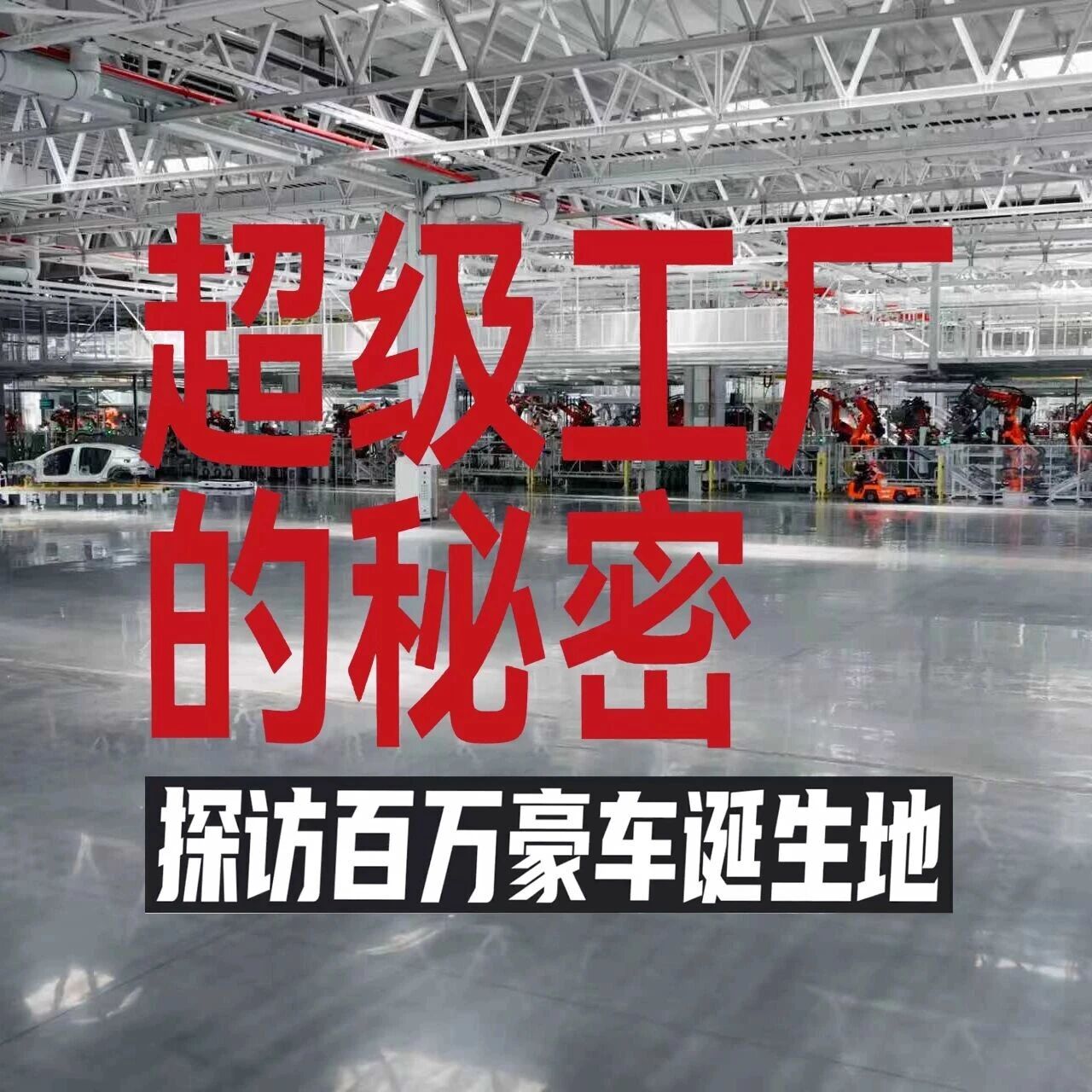
在尊界超级工厂,看见中国智造的「系统进化」
36氪· 2025-09-13 09:58
Core Viewpoint - The article emphasizes the innovative approach of the ZunJie S800 luxury vehicle, highlighting its unique manufacturing processes and the integration of advanced technologies to enhance user experience and personalization in the automotive industry [2][20]. Group 1: Luxury Experience and Manufacturing Innovation - The ZunJie S800 offers a luxurious experience characterized by personalized features and meticulous attention to detail, achieved through "atomic-level quality management" and "flexible intelligent manufacturing" [2][6]. - The collaboration between Jianghuai and Huawei has led to the creation of a smart factory that utilizes AI, 5G, and industrial IoT technologies to streamline processes across research, manufacturing, supply, and sales [2][20]. - The concept of "digital twin" allows for real-time tracking of each vehicle's assembly process, ensuring any deviations are immediately corrected, thus establishing a transparent manufacturing system [4][7]. Group 2: Quality Control and Data Management - A comprehensive quality traceability system records every aspect of the manufacturing process, from environmental conditions to tool parameters, ensuring that each component meets stringent quality standards [6][18]. - The integration of IT systems and operational technology (OT) within the factory has eliminated data silos, allowing for efficient data transmission and management, which is crucial for maintaining manufacturing precision [6][7]. - The use of AI in visual inspection has significantly improved the detection of potential issues in complex wiring harnesses, achieving a 99.9% accuracy rate in quality checks [14]. Group 3: Customization and Production Efficiency - The ZunJie S800 employs a C2M (Customer to Manufacturer) model, offering over ten thousand customizable combinations, allowing for unique configurations for each vehicle [9][11]. - An intelligent production scheduling system, supported by Huawei's industrial data platform, optimizes manufacturing processes by dynamically adjusting to order demands and inventory status [11][20]. - The factory's flexible production capabilities enable a tailored assembly line for each vehicle, merging efficiency, precision, and customization seamlessly [16][20].
泡泡玛特要与黄牛「决裂」
36氪· 2025-09-13 01:19
Core Viewpoint - The article discusses the significant price drop of LABUBU products in the secondary market, which has led to a decline in investor sentiment and a drop in the stock price of Pop Mart. The company is actively working to reduce speculation and regain control over product pricing while maintaining the value of its IPs [4][10][12]. Summary by Sections Price Trends and Market Reaction - LABUBU products, including the newly released mini LABUBU, have seen a substantial price decline in the secondary market, with the average transaction price for the third generation dropping by approximately 80% from its peak [5][7]. - The average transaction price for the mini LABUBU has decreased by around 30% [8]. - The stock price of Pop Mart has also been affected, falling over 19.5% from a peak of 339.8 HKD to 273.4 HKD [11][31]. Company Strategy and Market Position - Pop Mart aims to eliminate middlemen and reduce the speculative nature of its products, focusing on selling quality products rather than "investment products" [14][16]. - The company has significantly increased its plush toy production capacity, reaching approximately 30 million units in August, which has contributed to the availability of new products [17][19]. - The release strategy has shifted to allow for immediate availability of products, which has reduced the speculative bubble around LABUBU [20]. IP Performance and Revenue - LABUBU's revenue for the first half of 2025 reached 48.1 billion RMB, accounting for nearly one-third of Pop Mart's total revenue [27]. - Other IPs like MOLLY and SKULLPANDA have also shown significant revenue growth, with MOLLY achieving 13.6 billion RMB (up 73.5%) and SKULLPANDA reaching 12.2 billion RMB (up 112.4%) [27]. - The overall revenue from artist IPs has increased, but the dilution of IP scarcity due to increased supply may impact future pricing [29][30]. Long-term Outlook - The long-term success of LABUBU will depend on its ability to maintain consumer interest and storytelling capabilities, as well as the introduction of new hit IPs [32][33]. - The company is also exploring new avenues such as film and animation to expand its brand presence [32].

中国厂商自研高精度激光传感器,打破德、日垄断,进入比亚迪白名单|早起看早期
36氪· 2025-09-13 01:19
Core Viewpoint - The article highlights the significant market opportunity for domestic high-precision laser sensors in China, emphasizing the current low domestic market penetration and the potential for growth through innovation and local production [4][6][12]. Company Overview - Shaoxing Juqiang Intelligent Technology Co., Ltd. (Juqiang Intelligent) recently completed a multi-million yuan Pre-A round of financing, led by Shanghai Honghui, to expand its production capabilities and product lines [6]. - Founded in 2019, Juqiang Intelligent focuses on the research and manufacturing of long-range high-precision laser sensors, with products already applied in various sectors including elevators, logistics automation, and intelligent manufacturing [6][11]. Market Context - The high-precision laser sensor market in China is currently dominated by foreign brands, with domestic market penetration below 5%. This presents a significant opportunity for local manufacturers to capture market share [4][7]. - The global sensor market is experiencing rapid growth, and there is a strong demand for domestic alternatives in high-end applications [8]. Technology and Product Development - Juqiang Intelligent utilizes dToF (Direct Time-of-Flight) technology, which has traditionally faced challenges in precision. The company has developed automated calibration tools that enhance the precision of dToF sensors from centimeter-level to millimeter-level, achieving a measurement speed of 500 times per second [8]. - The company's laser sensors are designed to operate effectively in outdoor environments, overcoming limitations of existing iToF (Indirect Time-of-Flight) solutions, which are primarily suited for indoor use [8][11]. Applications and Market Penetration - Juqiang Intelligent's products are being adopted in critical industries such as elevators and logistics automation, with significant contracts from major clients like BYD and various elevator system providers [11][12]. - The company aims to expand its applications into aerospace, low-altitude economy, and embodied intelligence, having already established collaborations with organizations like China Aerospace [11]. Investment Perspective - Investors view Juqiang Intelligent as a leading player in the domestic high-precision laser sensor market, with a clear path for growth and scalability. The company is expected to leverage its experience in the elevator sector to penetrate broader industrial markets [12].

9点1氪:西贝门店厨师长称部分菜品是隔夜菜;海底捞小便事件涉案者父母判赔220万;iPhone Air在华发售延期
36氪· 2025-09-13 01:19
Group 1 - The ongoing controversy between Xibei and Luo Yonghao regarding "pre-made dishes" continues to escalate, with Xibei's founder announcing plans to sue Luo Yonghao for defamation [3] - Xibei has publicly shared the production process of 13 dishes to counter Luo's claims, stating that the accusations are unfounded [3] - A chef at Xibei admitted that some dishes may be made from overnight ingredients, but assured that this does not affect the quality of the meals served [3] Group 2 - The court ruled in favor of two restaurants in a defamation case against two minors who filmed inappropriate behavior in a hot pot restaurant, ordering them to apologize and pay damages totaling 2.2 million yuan [4] - A man was fined 250,000 yuan for illegally filming the interior of the unreleased Aito M9 vehicle, which was deemed a breach of commercial confidentiality [5][6] - The chairman of Cloud on Guizhou Data Group is under investigation for serious violations of discipline and law, which may impact the company's operations [6] Group 3 - Nezha Automobile reported a significant financial crisis, with only 15 million yuan left in cash against confirmed debts of approximately 5.1 billion yuan [7] - Ant Group announced a new "pay-per-performance" business model for its enterprise-level AI services, aimed at making AI more accessible to small and medium-sized enterprises [7] - China Resources Land denied rumors of an intention to acquire Evergrande Property, stating that such information is untrue [8] Group 4 - Shanghai Disneyland adjusted the price of sanitary napkins in response to public outcry, reducing the price from 15 yuan to 7 yuan per pack [8] - Wumart Supermarket announced the opening of 20 newly renovated stores by the end of September, as part of its strategy to enhance customer experience [8] - Tencent refuted claims regarding a former OpenAI researcher's salary exceeding 100 million yuan upon joining the company, labeling the rumors as false [9] Group 5 - Gold prices have surged, reaching a new historical high of $3,674.27 per ounce, marking a nearly 40% increase this year, driven by macroeconomic uncertainties [9] - Schwarzkopf issued an apology for the controversial translation of "Virgin Hair" on its product labels, which was criticized for being disrespectful to women [10] - The China Securities Regulatory Commission is taking strict action against Beijing Dongtong Technology for serious financial fraud, proposing fines totaling 229 million yuan [11]


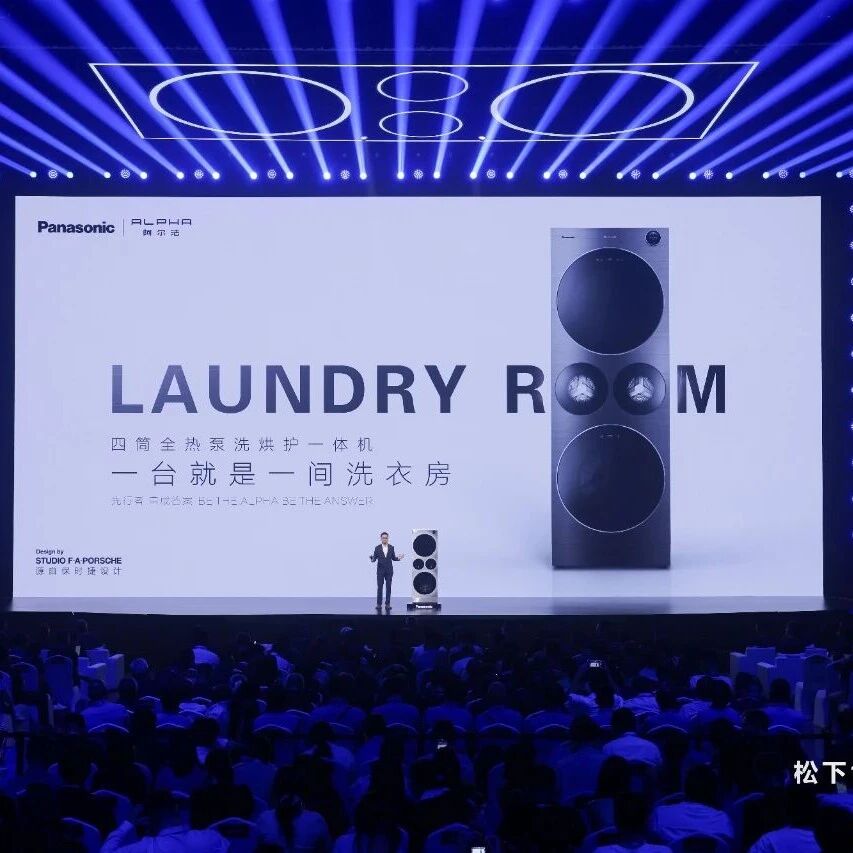
多筒混战,松下如何打出「大四洗」胡牌?
36氪· 2025-09-12 14:11
Core Viewpoint - The washing machine industry is shifting from a focus on basic cleaning functions to a more integrated approach that emphasizes intelligence, convenience, and efficiency, with a notable trend towards multi-tub products [3][25]. Group 1: Industry Trends - The demand for differentiated washing solutions is increasing, leading to a rise in multi-tub washing machines, with retail sales expected to reach 21.03 million units in the first half of 2025, a year-on-year growth of 10.1% [3]. - The online penetration rate of multi-tub products has surged from 3.2% in March to 9.5% in May of this year [3]. - Current industry solutions are primarily focused on adding more tubs, which complicates user experience and does not fundamentally address the need for efficiency and space-saving [3][25]. Group 2: Panasonic's Innovation - Panasonic has opted for a different approach by introducing the ALPHA G5, a four-tub integrated washing and drying machine that compresses the functionality of multiple devices into a single unit [5][21]. - The G5's height is controlled at 1738mm, allowing for easy access and operation without straining [8]. - The design incorporates a highly integrated system that uses a single water, electricity, and air route, enhancing safety and aesthetics compared to traditional multi-tub solutions [8][10]. Group 3: User-Centric Design - Panasonic's innovations are driven by a deep understanding of user needs, focusing on minimizing physical strain during operation [10][21]. - The G5 features an AI-driven control system that allows users to issue commands in natural language, enhancing user interaction [10][16]. - The design aims to transform the perception of home spaces, allowing areas like balconies to serve multiple functions beyond just laundry [21][27]. Group 4: Technical Challenges and Solutions - Integrating four independently functioning heat pump tubs into a compact design posed significant engineering challenges, which Panasonic addressed through innovative structural and thermal management solutions [12][14]. - The G5 employs a unique vibration damping system inspired by high-end automotive technology, ensuring stability and quiet operation [14]. - The intelligent detergent dispensing system is cleverly integrated into the machine's base, optimizing space and enhancing user convenience [16][17]. Group 5: Long-Term Vision - Panasonic's commitment to high R&D investment, exceeding 200 million yuan, reflects its dedication to pioneering industry solutions rather than merely following trends [19][21]. - The ALPHA series embodies a forward-thinking philosophy, aiming to redefine household laundry practices for the next decade [21][27]. - The company is leveraging AI in marketing efforts, showcasing a modern approach to product promotion and user engagement [21][23].
双11红利在哪里?阿里妈妈将增长锚定全场景经营
36氪· 2025-09-12 14:11
Core Insights - The article discusses Alibaba's new strategies for the Double 11 shopping festival, emphasizing the integration of instant retail and the restructuring of consumer demand [2][3][30] - It highlights the importance of AI in optimizing business operations and enhancing consumer engagement, ultimately aiming for sustainable growth [15][33] Group 1: New Market Dynamics - The rise of instant retail has opened new market opportunities, with Alibaba integrating Ele.me and Fliggy into its e-commerce ecosystem, covering various consumer needs [3][9] - The launch of Taobao Flash Sale has led to significant sales growth, with 66 brands achieving over 10 million in monthly sales and 395 brands exceeding 1 million [9][10] - Consumers are increasingly looking for a combination of low prices and fast delivery, prompting businesses to enhance their online and offline operations [10][12] Group 2: Business Opportunities and Challenges - Businesses are encouraged to adapt to new consumer behaviors, transforming impulsive purchases into long-term revenue streams [6][12] - The competition landscape has shifted from linear to a more complex, cross-category and cross-scenario competition, requiring businesses to understand and capture new consumer demands [12][13] - The integration of marketing channels, such as the "Red Cat Plan," allows for seamless consumer engagement from social media to e-commerce platforms [13][14] Group 3: AI Empowerment - AI is becoming essential for businesses to navigate the complexities of modern consumer behavior and optimize marketing strategies [15][17] - The introduction of the "Wang Xiang Tai AI" platform aims to address intricate operational challenges, enhancing targeting and conversion rates [17][18] - AI's role in understanding consumer language and preferences has led to significant improvements in conversion rates and return on investment for businesses [18][19] Group 4: Brand Building and Consumer Engagement - The article emphasizes the importance of brand presence in consumers' minds, suggesting that consistent exposure across various touchpoints can strengthen brand recognition [22][24] - Alibaba's Uni Desk platform facilitates comprehensive brand advertising, allowing businesses to manage their marketing efforts more effectively [24][25] - The concept of "brand mental construction" is highlighted, where businesses must focus on long-term brand value alongside immediate sales [25][26] Group 5: Future Outlook - The future of e-commerce competition will focus on deeper consumer engagement and operational efficiency, moving beyond mere traffic acquisition [32][33] - The integration of AI and new retail strategies is expected to reshape the industry, enabling businesses to capture growth more effectively [34][35] - The article concludes that success will belong to those who embrace new traffic, rhythms, and technologies in their business strategies [28][35]