36氪

Search documents
腾讯员工创业AI智能外贸获客平台,再获数千万元A轮融资|早起看早期
36氪· 2025-12-17 00:09
以下文章来源于硬氪 ,作者彭丽 硬氪 . 专注全球化、硬科技报道。36kr旗下官方账号。 获客成本降低70%, 客户转化率提升40%。 文 | 彭丽 编辑 | 袁斯来 来源| 硬氪(ID: south_36kr ) 封面来源 | 企业供图 硬氪获悉,AI Agent驱动的智能外贸获客平台"跨境魔方"近日宣布完成数千万元A轮融资。我们总结了本轮融资信息和该公司几大亮点: 融资金额及投资机构 融资轮次: A轮 融资规模: 两千万元人民币 投资方: 紫鸟浏览器领投、雨果跨境和厦门高质行跟投 资金用途: 主要用于AI Agent产品研发与商业化推进,将传统外贸获客流程AI化、自动化 公司基本信息 成立时间: 2021年8月 注册地址: 深圳市南山区 技术亮点: 在自建的全球商业数据库基础上,由AI承接前端全流程获客,包括"全球数据挖掘→智能筛选→多策略触达→询盘整理"。人只需下达指令 (比如"寻找100家规模10人左右、有LED海关采购记录的美国采购商,通过WhatsApp和邮件优先触达,结果同步至CRM"),AI会自主完成: ①从4亿+全球企业数据库中,筛选出符合"规模+采购记录+地区"的客户; ②验证决策人联系方 ...


贝壳想为地产行业做一个「大模型」
36氪· 2025-12-16 13:35
Core Viewpoint - Beike is restructuring real estate development through its new business model "Beihome," which focuses on data-driven and technology-enhanced approaches to transform traditional real estate practices [5][41]. Group 1: Introduction of Beihome - In July 2023, Beike launched "Beihome," which differs from its previous services by extending into land acquisition, design, and positioning, starting from vacant land to provide services to developers [5][6]. - The traditional development model has been in place for nearly 40 years, with the industry reaching a scale of nearly 20 trillion yuan, raising questions about Beihome's potential impact [5][6]. Group 2: Project Implementation - Beihome has launched over ten projects in key cities across China, collaborating with major developers like China Power Construction Real Estate and China Merchants Shekou [5][6]. - The first independent project, "Beichen S1," was acquired in Chengdu for 1.076 billion yuan, marking a significant step for Beihome to validate its C2M model [6][11]. Group 3: Innovative Development Approach - Beichen S1 is designed to be a benchmark project, focusing on innovation rather than immediate profitability, with construction costs exceeding 30,000 yuan per square meter [12][14]. - The project incorporates advanced technology, including over 310 smart system points and a diverse range of over 200 plant species, aiming for a unique living experience [15][17]. Group 4: Design and User-Centric Focus - Beihome emphasizes a user-centric design process, involving extensive testing and modeling to ensure optimal functionality and aesthetics [18][22]. - The development philosophy prioritizes "living well" over "selling well," aiming to create homes that meet user needs rather than just market trends [23][32]. Group 5: Data-Driven Model - Beike leverages extensive data on both property products and buyer behavior to connect people with homes, forming the basis of Beihome's C2M model [29][30]. - The C2M model is continuously iterated, combining data analysis with human insights to refine customer needs and preferences [30][31]. Group 6: Collaboration with Developers - Beihome does not aim to become a traditional developer but seeks to partner with existing developers to enhance customer understanding and market reach [37][38]. - By adopting a collaborative approach, Beihome can scale its impact significantly compared to operating solely as a developer [40][41].


「禁止亏本卖车」,价格猫腻要藏不住了
36氪· 2025-12-16 13:35
Core Viewpoint - The automotive industry is on the brink of a significant reshuffle due to the introduction of the "Automotive Industry Pricing Behavior Compliance Guidelines," which aims to end the ongoing price war and establish clearer pricing regulations [5][10]. Group 1: Compliance Guidelines - The guidelines prohibit car manufacturers from selling vehicles below production costs and require clear pricing and delivery terms [8][16]. - Multiple car manufacturers, including BYD, Xpeng, and Changan, have expressed support for the guidelines, emphasizing the need to eliminate price fraud and unfair competition [11][13]. - The guidelines detail nine prohibited behaviors, including disguised price reductions and excessive discounts, which could lead to legal risks [16][18]. Group 2: Market Impact - The price war has severely impacted the industry's profit margins, with the overall profit rate for the automotive industry dropping to a historical low of 4.4% in 2025 [26][28]. - The average gross profit per vehicle in the automotive supply chain is only 14,000 yuan, and over 52.6% of automotive dealers are experiencing losses [28][29]. - The ongoing price war has led to a decline in consumer confidence, with a significant increase in the number of potential buyers delaying their purchases due to price fluctuations [32][34]. Group 3: Consumer Behavior - Consumers are increasingly associating vehicle prices with quality and features, with the percentage of buyers believing "you get what you pay for" rising from 13% in 2023 to 34% in 2025 [34]. - The expectation of continuous price reductions has led consumers to postpone purchases, as they believe waiting will yield better deals [35][36]. - The end of the price war is expected to lead to more rational competition in the automotive market, improving product safety and quality [36].





四位院士领衔,2025长三角人工智能产业融合共生发展大会在杭举行
36氪· 2025-12-16 13:35
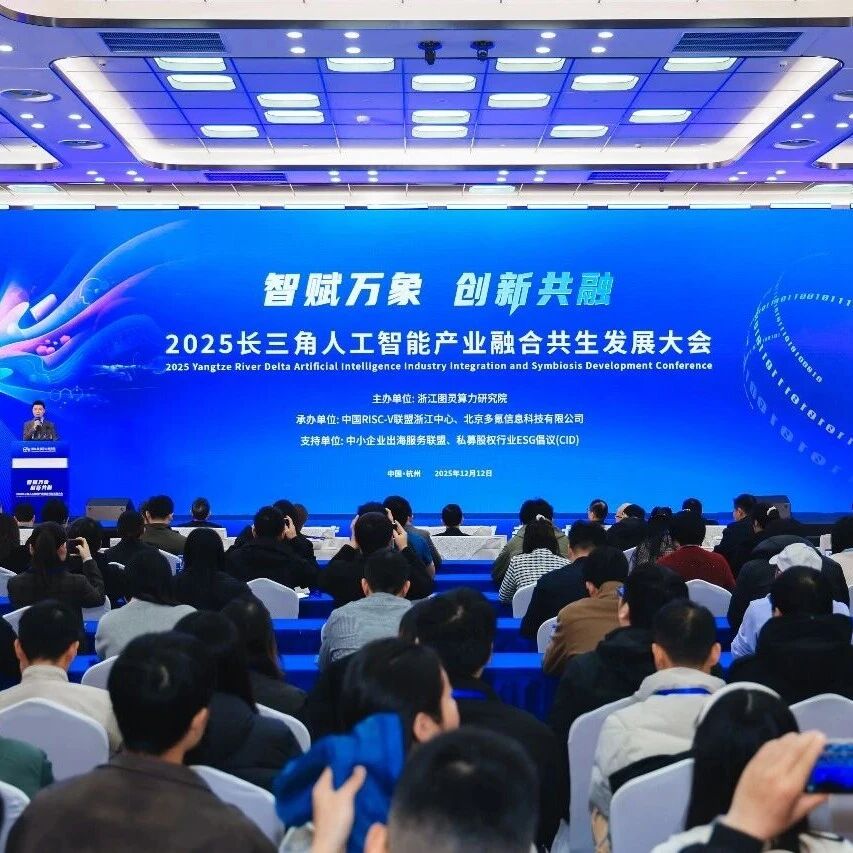
Core Insights - The article emphasizes the transition of China's AI industry from "large models" to "large applications," highlighting the need for practical commercial use of AI technology rather than just theoretical advancements [7][50] - The 2025 Yangtze River Delta AI Industry Integration and Coexistence Development Conference showcased the collaboration between academia, government, and industry to explore future opportunities and challenges in AI [4][50] Group 1: Conference Overview - The conference gathered over 300 participants, including top scholars, government officials, and industry representatives, to discuss the future of AI and collaboration opportunities [4][8] - The Zhejiang Turing Computing Research Institute, the conference's organizer, aims to address real challenges faced by AI companies in commercialization, such as finding application scenarios and reducing computing costs [8][48] Group 2: Keynote Speeches - Academicians presented critical insights on the future of AI, with a focus on practical challenges and the need for innovative algorithms in industrial applications [12][22] - Liu Daxiang discussed the importance of AI in developing a low-altitude economy and emergency rescue systems, emphasizing the need for a unified safety information network [14] - Chai Tianyou highlighted the necessity for new algorithms to address the dynamic nature of industrial systems, distinguishing industrial AI from general AI [16] - Dai Qionghai raised concerns about the lack of original contributions to AI research in China, stressing the importance of breakthroughs in sensors, computing power, and brain intelligence for future leadership in AI [20] Group 3: Industry Perspectives - The conference featured discussions on the practical challenges of AI commercialization, with a significant failure rate of AI solutions in enterprises due to organizational and technical gaps [26][27] - The shift from a "training cycle" to a "reasoning cycle" in AI is seen as a strategic opportunity for China to leverage its advantages in engineering and cost [29] - Real-world applications of AI in urban governance and other sectors were showcased, demonstrating the potential for AI to create significant efficiencies and innovations [30][37] Group 4: Strategic Collaborations - Six companies signed agreements to establish operations in the Computing Town, focusing on key areas of the AI industry, including chip design and smart hardware [45] - The collaborative nature of these agreements reflects the conference's theme of "integration and coexistence," emphasizing the need for a cohesive industry ecosystem to support AI deployment [45][50] Group 5: Future Directions - The Computing Town aims to serve as a model for AI industry development, with a focus on reducing computing costs and fostering innovation through a supportive ecosystem [48][50] - The conference acknowledged the ongoing challenges in transitioning AI from theoretical models to practical applications, emphasizing the need for continued dialogue and collaboration among stakeholders [50]
「开垦」鸿蒙生态的极客们,种出漫天星光
36氪· 2025-12-16 13:35
鸿蒙的故事, 终究是关于"人"的故事。 在技术的河流改道之初,最先感知到流向变化的,往往是那些身处源头、敢于在迷雾中先迈出一步的人。当一个新的操作系统开始从零生长,他们选择的不 是观望,而是躬身入局。这群推动智能终端史上发展最快操作系统 前进 的人 ——就是鸿蒙开发者。 而鸿蒙开发者中有一群引领技术创新、推动产品创新、传递鸿蒙知识的先锋,他们现在有了一个共同的名字 —— "鸿蒙极客" 。 今年 12月 ,首批 50位 " 鸿蒙极客 " 获得华为官方认证。 入选者既要有硬核项目经历、开源贡献、技术著作或比赛成绩,又要在鸿蒙相关社区、课程、应 用、组件里留下清晰的足迹,还要在一定范围内形成稳定的影响力。 " 鸿蒙极客 "背后所代表的,是一群热衷于技术、充满创新活力与探索精神,并积极参与鸿蒙技术社区的先锋群体。他们 之所以被视为 "先锋",是因为他们 亲手将未知变成了已知,把可能性 铺 成了道路。对后来者而言,他们 的存在 证明 了 在鸿蒙生态里,专业探索的路径、节奏和成果,都可以转化为清晰可 见的行业影响力与个人成长。 这一次, 36氪与3位不同职业、不同年龄、不同身份的"鸿蒙极客" 深度对话,探明在快速生长的鸿 ...

这届年轻人,买奢侈品的逻辑彻底变了
36氪· 2025-12-16 11:08
Core Viewpoint - The luxury goods consumption logic is undergoing a significant transformation, with younger consumers prioritizing value recognition over brand prestige and price, seeking high-quality products at lower prices [4][9][20]. Group 1: Changing Consumer Behavior - Young consumers are no longer attracted to luxury brands solely for their logos; instead, they value emotional connections and high cost-performance ratios [5][8]. - The trend of seeking discounts and third-party authentication for luxury goods is becoming prevalent, as evidenced by the growth of discount channels and the increasing importance of quality assurance [3][7][19]. - A Bain report indicates that while global luxury consumption is slowing, discount store sales are rising significantly, becoming the preferred channel for entry-level luxury purchases [3][6]. Group 2: Market Dynamics - Major luxury brands like LVMH and Kering are experiencing declines in profits, with LVMH's operating profit dropping by 15% and net profit by 22% in the first half of 2025 [6]. - Despite the downturn in traditional luxury sales, interest among younger consumers remains strong, with a significant portion of luxury goods users on platforms like Xiaohongshu being born after 1995 [6][14]. - The discount luxury market is projected to grow at five times the rate of the full-price market between 2025 and 2030, indicating a shift in consumer purchasing behavior [13]. Group 3: Trust and Quality Assurance - The need for independent, authoritative third-party institutions to provide quality assurance for discounted luxury goods is becoming critical, as consumers seek reliable authentication [17][19]. - The China Inspection and Quarantine (CIQ) has emerged as a key player in the luxury goods authentication industry, providing essential services to ensure product legitimacy [18][20]. - The collaboration between CIQ and e-commerce platforms to offer pre-sale inspections and certification reports is a significant step towards establishing a new quality standard in the discount luxury market [20].

羡慕段永平的王石,真的老了
36氪· 2025-12-16 11:08
Core Viewpoint - The article reflects on the journey of Vanke and its founder Wang Shi, highlighting the company's rise and subsequent challenges, emphasizing the impact of market dynamics and Wang's management style on Vanke's trajectory [5][25][27]. Group 1: Company History and Development - Wang Shi began his career in 1983 at Shenzhen Special Economic Zone Development Company, where he gained initial capital through feed trade, leading to the establishment of Vanke's predecessor in 1984 [9][11]. - Vanke underwent significant transformations, including a shareholding reform in 1986, which aimed to clarify ownership but faced challenges due to the political landscape of the time [13][14]. - By 1991, Vanke was listed on the Shenzhen Stock Exchange, with a diverse shareholding structure that included state-owned and foreign investments, setting the stage for its future growth in the real estate sector [16][17]. Group 2: Market Position and Strategy - Vanke quickly adapted to the real estate market, transitioning from a diversified business model to a focused real estate developer, becoming a leader in the industry by the late 1990s [19][20]. - The company emphasized product quality and customer service, distinguishing itself from competitors and establishing a strong brand reputation in the mid to late 2000s [21][22]. - Vanke's strategic decisions during the "Silver Age" of real estate focused on enhancing quality over mere expansion, which contributed to its strong financial health and market position [22]. Group 3: Challenges and Controversies - Vanke faced significant challenges during two major shareholder disputes, the "Junwan Battle" in 1994 and the "Baowan Battle" starting in 2015, which highlighted Wang Shi's confrontational approach and strong desire for control [25][26]. - The aftermath of the "Baowan Battle" led to substantial financial strain on Vanke, as aggressive tactics resulted in a depletion of resources and a shift away from its previously stable growth strategy [26][27]. - The article suggests that Wang Shi's reluctance to adapt to market dynamics and his intense control over the company contributed to Vanke's current difficulties, reflecting broader issues within the entrepreneurial landscape of China [27].


蚂蚁阿福爆火背后:大厂AI,正霸榜2025
36氪· 2025-12-16 11:08
Core Insights - The competitive landscape of AI in China is shifting, with traditional internet giants intensifying their efforts in the AI sector, overshadowing earlier startups known as the "AI Six Tigers" [3][6] - Major companies like Alibaba and ByteDance are making significant investments in AI infrastructure and applications, indicating a strategic pivot towards comprehensive AI capabilities [3][10] - The emergence of a "dual-hero" dynamic, particularly between Alibaba and ByteDance, is becoming evident as they dominate the AI application market [5][7] Investment and Resource Allocation - Major companies are committing substantial financial resources to AI, with ByteDance announcing an investment of 160 billion RMB for computing power and AI infrastructure, while Alibaba plans to invest 380 billion RMB over three years [10][10] - The competition for AI talent is intensifying, with companies like ByteDance and Tencent launching high-paying recruitment initiatives, and Alibaba focusing on AI-related positions for upcoming graduates [10][10] Application Development and Market Positioning - The AI competition has transitioned from model capabilities to application development and real-world implementation, where established companies have a competitive edge due to their existing resources and ecosystems [9][10] - The rise of vertical AI applications is driven by user demand and clearer monetization paths, with companies like Alibaba leveraging their existing ecosystems to create synergistic product offerings [15][16] User Demand and Product Evolution - Users are increasingly seeking AI applications that can perform practical tasks rather than just serve as conversational tools, pushing companies to enhance their AI capabilities [20][21] - The concept of "full-stack capability" is crucial for companies to integrate hardware, model capabilities, and application development, with Alibaba and ByteDance being recognized as leaders in this area [21][22] Market Trends and Future Outlook - The AI application market is still in its early stages, with general-purpose AI assistants becoming a battleground for major players, while specialized applications are emerging to meet specific user needs [14][15] - The ongoing evolution of AI technology suggests that the industry is still in its early phase, with significant competition and innovation expected in the coming years [23]


躺平后,老干妈赚了快54亿
36氪· 2025-12-16 11:08
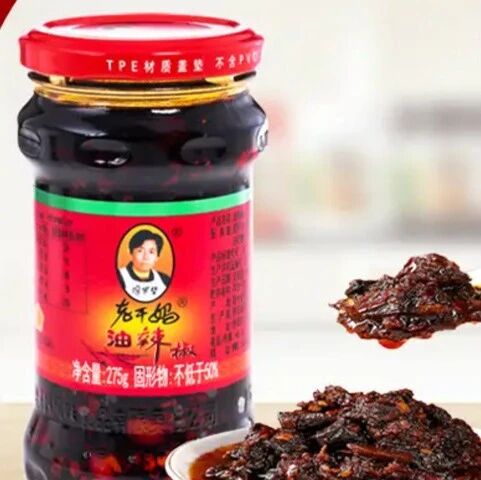
Core Viewpoint - Lao Gan Ma has achieved a remarkable recovery in revenue, reaching 5.391 billion yuan in 2024, nearly matching its historical peak in 2020, despite a general trend of declining consumption and minimal online marketing efforts [5][13]. Revenue Performance - In 2020, Lao Gan Ma's revenue peaked at 5.403 billion yuan, but fell by 20% to 4.201 billion yuan in 2021 due to the pandemic's impact on offline consumption [8][10]. - From 2022 to 2024, Lao Gan Ma's revenue steadily increased from 5.26 billion yuan to 5.391 billion yuan, alleviating market concerns about its performance [13][14]. Marketing Strategy - Lao Gan Ma has adopted a "lying flat" strategy, avoiding regular live streaming and social media engagement, relying instead on natural consumer repurchase to maintain online sales [5][16]. - The company has ceased updates on its social media accounts since early 2022, indicating a significant shift in its marketing approach [16]. Product Development and Innovation - Despite the lack of marketing, Lao Gan Ma continues to develop new products and expand into overseas markets, with a reported 30% growth in international sales in 2023 [18][19]. - The company has introduced over 20 new products since 2020, including various types of chili sauces, although it has not adapted to the growing demand for healthier options in the market [22][25]. Competitive Landscape - Other brands like Fuling Mustard and Zhongjing Foods have faced challenges in maintaining revenue growth post-pandemic, highlighting the competitive pressures in the condiment market [11][22]. - The pricing strategy for Lao Gan Ma's products remains competitive, with a focus on maintaining high sales volume despite lower profit margins for distributors [24]. International Expansion - Lao Gan Ma has significantly increased its presence in international markets, expanding from 90 countries in 2019 to 160 countries by 2024, driven by growing popularity on social media [18][19]. - The brand's appeal in overseas markets is bolstered by its affordability and versatility, attracting a diverse consumer base, including international celebrities [19].
AI4S理解疾病机制,「哲源科技」获亿元A1轮融资丨早起看早期
36氪· 2025-12-16 00:12
Core Viewpoint - The article emphasizes that the primary principle of drug development should be disease treatment, advocating for a systematic understanding of diseases to enhance drug research efficiency and success rates [4]. Group 1: Company Overview - ZheYuan Technology, an AI4S (AI For Science) company, recently completed a financing round of over 100 million yuan, led by Guoke Investment [2]. - Unlike many companies focusing solely on "AI + molecules," ZheYuan Technology positions itself as an "AI4S + disease" company, aiming to empower drug innovation through a "computational medicine" platform [4]. Group 2: Challenges in Drug Development - The drug development landscape is facing challenges, particularly in target discovery and clinical trials, despite advancements in AI tools like molecular virtual screening and free energy prediction [2]. - The industry is experiencing a saturation of mature targets and a depletion of new target discoveries, leading to high costs and significant failure risks in clinical trials [2]. Group 3: Innovative Approaches - ZheYuan Technology's platform includes a "virtual clinical trial" capability, which utilizes digital twins of patients to simulate drug responses, allowing for early evaluation of drug efficacy across numerous indications [5][6]. - The company has demonstrated the effectiveness of its AI-based predictions in a parallel trial project with Beijing Cancer Hospital, where AI predictions matched actual clinical trial results [6]. Group 4: Methodology and Validation - ZheYuan Technology's CEO outlines a five-level methodology for assessing innovative technology capabilities, ranging from identifying opportunities to producing verifiable results [9]. - The company has produced verifiable outcomes, including a class 1 innovative drug for pancreatic cancer that has entered clinical phase I and insights on over 200 potential targets, each with the potential to develop billion-dollar drug assets [9][10]. Group 5: Industry Impact - The goal of ZheYuan Technology is to transform drug development from an art into a predictable and replicable engineering process, addressing the industry's historical challenges of lengthy timelines and low success rates [10].