36氪

Search documents
大家排队买的面包店,一年倒了8万家
36氪· 2025-12-17 15:18
Core Insights - The article discusses the rapid growth and subsequent challenges faced by the fresh-baked goods industry in China, highlighting the shift from a booming market to one characterized by oversaturation and competition [5][6][9]. Group 1: Market Dynamics - The number of bakery stores in China reached approximately 298,000 as of November 13, 2023, down from 340,000 the previous year, indicating a net decrease of 77,000 stores despite the addition of 17,300 new bakeries in the past year [6][9]. - The year 2024 is anticipated to be a pivotal year for fresh-baked goods, with many emerging brands expanding rapidly, despite consumers expressing concerns about affordability [5][6]. - The fresh-baked goods market in China was valued at 249.6 billion yuan in 2019 and is projected to reach 521.4 billion yuan by 2028, with bread expected to account for over 45% of the market share by that time [13]. Group 2: Business Model and Costs - Fresh-baked goods stores require significant upfront investment, with initial costs for a single store estimated at around 3.5 million yuan, including equipment, rent, and staffing [20][22]. - The operational model relies heavily on in-store production, necessitating larger kitchen spaces and more staff, which increases operational complexity and costs [18][20]. - A fresh-baked goods store must achieve monthly sales of 600,000 to 800,000 yuan to break even, contributing to the perception of high product prices among consumers [20][22]. Group 3: Competitive Landscape - The industry is experiencing a phase of "involution," where increased competition leads to price wars and product homogenization, making it difficult for brands to differentiate themselves [24][27]. - New entrants are often engaging in aggressive promotional strategies, such as significant discounts, which can undermine profitability and create unsustainable business practices [28][30]. - Established brands with a longer history and experienced staff are better positioned to survive the competitive landscape, while newer brands may struggle to maintain quality and customer loyalty [23][31].


高端运动补位奢侈品,读懂中国高端消费的变迁
36氪· 2025-12-17 15:18
Core Viewpoint - The article discusses the shift in high-end consumer behavior in China, highlighting the decline of traditional luxury brands and the rise of professional sports brands as key players in the retail space [2][31]. Group 1: Traditional Luxury Brands' Retreat - Major luxury brands, except for Hermès, have been closing stores in China since the second half of 2024, indicating a shift in market dynamics [5]. - Brands like LV and DIOR have already closed stores in key locations, reflecting the pressure on the luxury goods sector [5]. - The actions of these brands often precede their financial reports, signaling a challenging environment for the luxury industry [5]. Group 2: Rise of Professional Sports Brands - In contrast to luxury brands, high-end sports brands are expanding their presence in core urban areas, opening flagship stores and enhancing store specifications [6]. - These brands exhibit resilience during a period of slowing growth in the luxury sector, driven by high repurchase rates and strong user engagement within professional communities [6]. - DESCENTE's flagship store in Beijing, located in a prime commercial area, signifies a shift in consumer preferences towards professional sports brands [7][24]. Group 3: DESCENTE's Strategic Positioning - DESCENTE's approach is characterized by a systematic strategy that combines professional sports engagement with urban retail narratives [9][30]. - The brand's flagship store, "Future City," serves as a medium for expressing its values and connecting with consumers, moving beyond mere retail to become a space for brand storytelling [13][15]. - DESCENTE's strategy includes deepening connections with professional sports communities and establishing a presence in urban centers, thereby appealing to elite consumers [16][17]. Group 4: Changing Consumer Values - The luxury market is experiencing a transition from ostentatious consumption to more rational spending, with consumers reassessing what expenditures are worthwhile [32][33]. - The sports industry is projected to grow significantly, with the Chinese sports market expected to reach 5 trillion yuan by 2025, indicating a shift towards high-end sports consumption [35]. - As professional sports become more integrated into everyday life, brands like DESCENTE must provide not just products but also a lifestyle and community that resonate with new middle-class consumers [36].

腾讯大模型团队架构调整,前OpenAI研究员姚顺雨出任要职|36氪独家
36氪· 2025-12-17 15:18
Core Insights - Tencent has established a consensus internally that it must possess self-developed model capabilities that cannot lag behind [4] - The company has recently undergone organizational adjustments, creating new departments focused on AI infrastructure, data, and model development [4][6] - Tencent is aggressively recruiting top AI talent, offering salaries up to double the market rate to attract professionals from competitors like ByteDance [8][9] Organizational Changes - Tencent has formed the AI Infra Department, AI Data Department, and Data Computing Platform Department to enhance its AI capabilities [4][6] - Vinces Yao has been appointed as the Chief AI Scientist and will oversee the AI Infra and large language model departments [4][6] - The restructuring aims to unify the model development efforts across various internal teams, enhancing collaboration and efficiency [5] Talent Acquisition - Tencent is actively targeting ByteDance's AI team, offering significantly higher salaries to attract top talent [8][9] - The company is not only focusing on fresh graduates but also on experienced professionals globally, indicating a strong urgency to build its AI capabilities [9] - The recruitment strategy has already yielded results, with new hires contributing to the development of Tencent's large model initiatives [9] Model Development and Performance - Tencent has released a new large model, HY 2.0, which shows significant improvements in pre-training data and reinforcement learning strategies [10] - The company plans to launch over 30 new models in 2025, with its 3D model already ranking among the global leaders [10] - The urgency to enhance model capabilities is driven by the competitive landscape, where model performance is critical for product success [19] Competitive Landscape - The AI application market in China is primarily focused on chatbot technologies, with model capabilities determining product potential [19] - Competitors like ByteDance and Alibaba are also making significant advancements, with ByteDance launching new products that enhance their market position [21][22] - Tencent faces unique challenges in integrating AI capabilities into its existing applications without compromising user experience or compliance [23] Future Directions - The next competitive focus is on developing AI agents, with Tencent planning to integrate such capabilities into WeChat [18][23] - Despite having a strong user base, Tencent must navigate the complexities of embedding AI into its established platforms while maintaining privacy and compliance [23] - The company acknowledges that the AI market is still in its early stages, indicating a cautious yet strategic approach to future developments [23]


估值7000万美元,真格、IDG押注AI陪伴的另一种可能
36氪· 2025-12-17 11:45
Core Insights - The article discusses the emergence of AI companionship applications, highlighting the significant investment and interest in this sector, particularly in the context of user engagement and emotional connection [4][6]. - The founder of "Infinite Valley," Cai Mao, aims to create a product that transcends traditional chatbot functionalities, focusing on enhancing users' lives through personalized AI companionship [7][9]. Company Overview - "Infinite Valley" was founded by Cai Mao after her departure from Bilibili, securing over $10 million in funding from investors like ZhenFund and IDG Capital, with a current valuation nearing $70 million [6]. - The team consists of over 50 members, primarily from the previous "Cat Ear FM" team, ensuring a strong foundation for product development [6][31]. Product Features - The product allows users to interact with a virtual male character named "Lu," focusing on building intimate relationships while also offering practical features like schedule management and habit formation [6][7]. - Cai Mao emphasizes that "Infinite Valley" is not a game but an app designed to integrate into users' lives, providing proactive services based on user data [7][15]. Market Positioning - Cai Mao differentiates "Infinite Valley" from existing AI companionship products by focusing on personalized, proactive interactions rather than passive chatbot responses [14][15]. - The product aims to occupy a unique market position by combining high-quality content with user-driven experiences, targeting a demographic of women aged 15 to 50 [35][36]. User Engagement - Initial testing data shows a retention rate of over 80%, with users averaging 160 chat interactions and over 60 minutes of usage on the first day [9]. - The design philosophy centers on creating a visual and emotional connection with users, which is particularly appealing to female audiences [17][18]. Business Model - The monetization strategy involves content-based payments and IP development, similar to models used in gaming and audio platforms, rather than relying on superficial paywalls [26][27]. - The goal is to create a platform that evolves with user preferences, allowing for a unique blend of public IP and personalized experiences [28][29]. Future Outlook - Cai Mao believes that the AI companionship sector represents a significant opportunity, with the potential for long-term user engagement and emotional support [33][34]. - The company aims to establish a strong brand presence and user loyalty by leveraging its unique approach to AI interactions and community building [21][22].

L3上路,妥了
36氪· 2025-12-17 11:45
Core Viewpoint - The approval of L3-level conditional autonomous driving vehicles marks a significant step towards the commercialization of autonomous driving in China, transitioning from testing to official road use under specific conditions [8][9][10]. Group 1: Approval Details - The Ministry of Industry and Information Technology (MIIT) has approved two L3-level autonomous vehicles: Changan SC7000AAARBEV and BAIC Alpha S6, allowing them to operate under specific conditions in designated areas of Chongqing and Beijing [5][6][16]. - The Changan vehicle can achieve autonomous driving at speeds up to 50 km/h in congested traffic and on specific roads in Chongqing, while the BAIC vehicle can operate at speeds up to 80 km/h on certain highways in Beijing [17][19]. Group 2: Significance of Approval - This approval signifies the transition of autonomous vehicles into a "certified era," indicating that L3-level vehicles are now recognized for their operational capabilities under real-world conditions [8][12]. - The distinction between "product approval" and "testing licenses" is crucial, as the former indicates a higher level of regulatory recognition and the ability to operate on public roads [10][11][12]. Group 3: Future Implications - The approval is part of a gradual process that began with policy discussions in 2022, leading to the current stage where L3 and L4 vehicles can be tested under specific conditions [26][28]. - The industry anticipates a rapid increase in L3 vehicle approvals, with many companies setting 2026 as a target for widespread deployment of L3 autonomous driving technology [30][31][32].



连锁餐饮的「中间地带危机」
36氪· 2025-12-17 11:45
Core Viewpoint - The article discusses the current challenges and dynamics within the Chinese restaurant industry, particularly focusing on the "middle ground" segment of chain restaurants that are facing criticism for their use of pre-prepared dishes while trying to maintain a balance between cost and quality [4][32]. Group 1: Industry Dynamics - The restaurant industry is experiencing a divide, with some brands like Lao Xiang Ji and Da Mi Xian benefiting from their low-cost offerings, while others, similar to Xi Bei, are facing backlash for perceived quality issues related to pre-prepared meals [4][5][6]. - The "middle ground" segment of restaurants typically has a customer price point around 100 yuan and operates approximately 500 locations, which has become a focal point for criticism [8][34]. - The operational model of these middle-ground restaurants often combines elements of both low-cost and high-end dining, attempting to leverage the benefits of both segments [16][17]. Group 2: Business Models - Low-cost restaurants like Lao Xiang Ji focus on standardization and rapid expansion through franchising, with low menu prices and high turnover rates, often exceeding 1,000 locations [9][10]. - High-end restaurants, represented by brands like Xin Rong Ji, maintain a small number of locations with high price points, emphasizing quality and direct control over food preparation [13][15]. - The middle-ground restaurants, such as Hai Di Lao, have successfully integrated supply chain management and standardized processes to achieve significant market valuations while maintaining a balance between quality and cost [16][17]. Group 3: Market Trends - The rapid growth of commercial real estate in 2014 provided a favorable environment for chain restaurants, with the average share of dining in shopping centers surpassing 25% for the first time [26][27]. - The period from 2016 to 2018 saw significant growth for brands like Tai Er, with a compound annual growth rate of 182.3%, highlighting the potential for expansion in the restaurant sector [30]. - However, the industry is now facing challenges, with many middle-ground restaurants experiencing stagnation in customer traffic and pricing power, leading to a decline in average spending per customer [32][44]. Group 4: Consumer Behavior - Consumer expectations for quality and freshness in dining experiences are high, particularly in the context of pre-prepared meals, which can lead to dissatisfaction when prices do not align with perceived value [50][51]. - The psychological price point for mid-range dining appears to be a barrier, as consumers react negatively to perceived overpricing, especially when pre-prepared dishes are involved [46][48].


豪华车「四分天下」格局初显,中国品牌凭何跻身核心阵营?
36氪· 2025-12-17 11:45
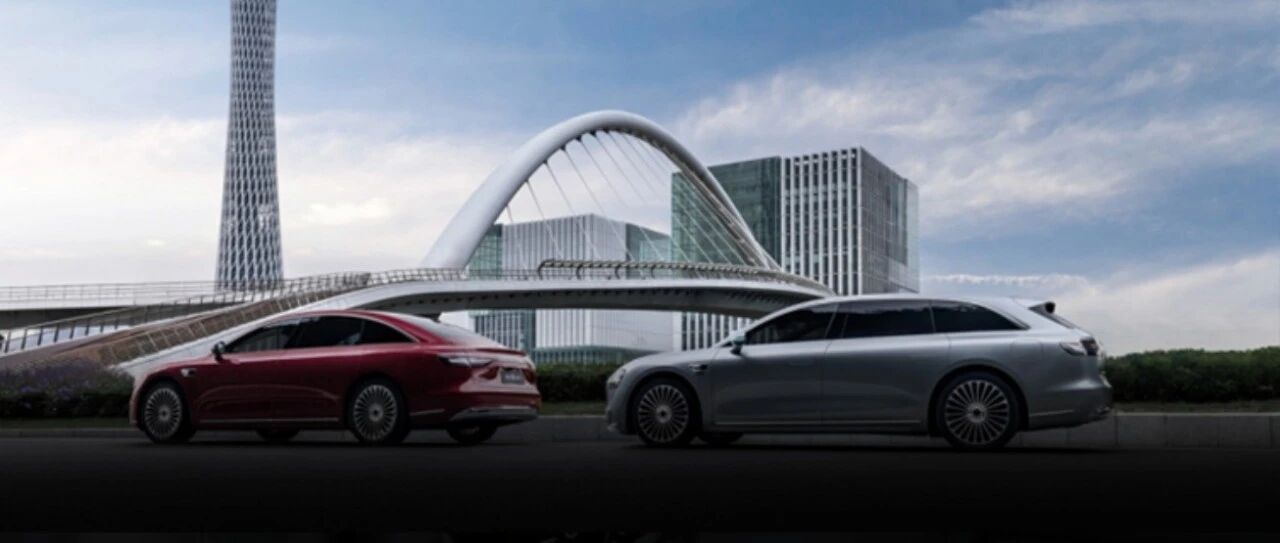
Core Viewpoint - The luxury car market in China is undergoing a transformation where traditional brand prestige is being replaced by a focus on intelligent experiences and user value, marking a shift from "symbolic consumption" to "meaningful consumption" [5][8][10]. Group 1: Market Dynamics - The luxury car market is now characterized by a competition driven by technological advancements, with traditional luxury brands struggling to keep up as consumers prioritize smart features over brand heritage [3][4][10]. - The sales performance of domestic brands, particularly the Xiangjie S9 and S9T, indicates a significant shift in consumer preferences, as these models topped the sales charts for mid-to-large electric vehicles priced above 300,000 yuan [4][15]. - The emergence of intelligent driving capabilities and advanced user experiences is redefining what constitutes "new luxury" in the automotive sector [18][20]. Group 2: Consumer Behavior - Consumers are increasingly unwilling to compromise on experience for brand prestige, leading to a reevaluation of luxury car value propositions [10][20]. - A significant portion of Xiangjie S9's user base consists of individuals transitioning from traditional luxury brands, highlighting a demand for enhanced experiences and emotional connections [20][33]. - The shift towards a lifestyle brand approach, where vehicles are seen as "life partners" rather than mere transportation, reflects changing consumer expectations [21][33]. Group 3: Competitive Strategy - Xiangjie has adopted a comprehensive strategy that emphasizes technological superiority, user experience, and emotional engagement, moving beyond mere product features [15][33]. - The establishment of a dedicated sales and service network, primarily composed of former dealers from traditional luxury brands, indicates a strategic shift in market positioning [25][26]. - The collaboration between Xiangjie and Huawei aims to leverage advanced technology and manufacturing expertise, enhancing the brand's competitive edge in the luxury segment [27][29][32]. Group 4: Future Outlook - The luxury car market is transitioning towards a model where competition is based on the entire ecosystem, including technology, user relationships, and service experiences [33][34]. - The successful market penetration of Xiangjie signifies a broader trend where Chinese brands are becoming key players in defining new luxury standards, moving from followers to leaders in the automotive industry [33].
遇见小面破发,中式面馆梦碎
36氪· 2025-12-17 00:09
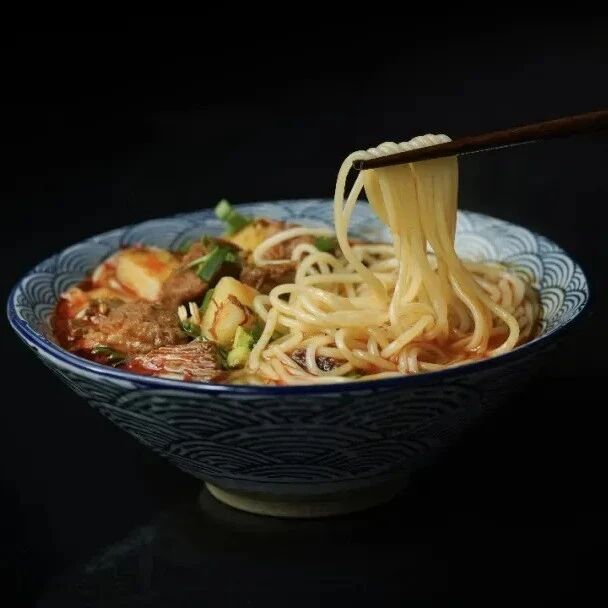
Core Viewpoint - The listing of "Yujian Xiaomian" on the Hong Kong Stock Exchange has reignited market interest in the chain noodle restaurant sector, but its high valuation and subsequent stock price drop raise questions about the industry's growth potential and capital market sentiment [5][6][17]. Industry Overview - The Chinese noodle restaurant market is projected to reach a total transaction value of 510 billion yuan by 2029, with a compound annual growth rate of 10.9% from 2025 to 2029 [5]. - The number of noodle restaurant outlets in China is expected to exceed 660,000 by May 2025, indicating significant market competition [5]. Capital Market Sentiment - The enthusiasm for noodle restaurants has waned significantly since 2021, when major brands experienced a surge in financing activity, with 24 financing events and over 4 billion yuan raised [8][12]. - The recent listing of "Yujian Xiaomian" saw its stock price drop nearly 29% on the first day, reflecting a broader skepticism in the capital market regarding high valuations in the noodle restaurant sector [5][17]. Competitive Landscape - The industry can be categorized into three tiers: - The first tier includes "Hefuliao" (577 stores), "Yujian Xiaomian" (465 stores), and "Wuye Banmian" (670 stores), each targeting different market segments [16]. - The second tier consists of brands like "Majiyong" and "Zhanglala," which are facing growth challenges due to market saturation [16]. - The third tier comprises regional brands and individual stores that lack national expansion capabilities [16]. Financial Performance - "Yujian Xiaomian" reported a loss of 35.97 million yuan in 2022, with projected profits of 45.91 million yuan and 60.70 million yuan for 2023 and 2024, respectively, indicating a struggle for profitability [20]. - "Hefuliao" has experienced revenue fluctuations, with figures dropping from 17.32 billion yuan in 2021 to 14.56 billion yuan in 2022, alongside increasing net losses [20]. Strategic Responses - Brands are attempting to counteract growth challenges through price reductions and franchise expansions. "Hefuliao" has successfully lowered prices by 20-30%, resulting in a return to profitability [29]. - The franchise model is being adopted by several brands, including "Yujian Xiaomian," which has seen a compound annual growth rate of 66.2% in franchise revenue from 2022 to 2024 [30]. Market Challenges - The high pricing strategy of many noodle restaurants is misaligned with consumer perceptions, leading to decreased demand. The average consumer spending is around 30 yuan, but many offerings are perceived as not providing value for money [24]. - The industry faces significant challenges from rising consumer price sensitivity, increased competition, and a shift in dining preferences towards more affordable options [24][35].
顶级富二代,被骗150亿
36氪· 2025-12-17 00:09
Core Viewpoint - The article discusses the downfall of Nicolas Puech, the heir of Hermès, who went from having a fortune of $15 billion to losing it all due to betrayal by a close friend and financial advisor, Eric Fremont [5][7][28]. Group 1: Background of Nicolas Puech - Nicolas Puech, the heir of Hermès, was known for living off the dividends of the company since the mid-1990s [16]. - He had no children and was unmarried, relying heavily on his friend and wealth advisor, Eric Fremont, for financial management [19][21]. - Puech developed a close relationship with a Moroccan gardener, considering adopting him and transferring his wealth to him [21][22]. Group 2: Financial Betrayal - In 2022, Puech instructed Fremont to transfer 1 million Swiss francs to the gardener, but the funds were never received, raising Puech's suspicions [22][25]. - An independent audit revealed that 90% of Puech's shares had been transferred as early as 2008, with his stock account completely emptied by 2021 [28][29]. - Fremont lived lavishly while Puech's assets were drained, leading to a lawsuit filed by Puech against Fremont for large-scale fraud in 2023 [31][56]. Group 3: The LVMH Incident - In 2010, LVMH began acquiring shares of Hermès, alarming the family as it approached a critical ownership threshold [35][38]. - The Hermès family united to lock their shares in a holding company, preventing LVMH from gaining control [38]. - Puech was implicated in selling shares to LVMH without his knowledge, claiming Fremont orchestrated the transactions behind his back [41][42]. Group 4: Legal Proceedings and Aftermath - Fremont claimed that all transactions were authorized by Puech, presenting signed documents as evidence [50]. - The court ruled that since Puech voluntarily transferred wealth management to Fremont, it could not be classified as fraud [53]. - Fremont's suicide in July 2023 left the fate of Puech's wealth unresolved, highlighting the dangers of trust in close relationships [55][56]. Group 5: Broader Implications - The article illustrates a harsh reality for the wealthy: their greatest financial vulnerabilities often lie within their closest relationships [57]. - It emphasizes that trust can create blind spots, making affluent individuals prime targets for exploitation [91][92]. - The narrative serves as a cautionary tale about the importance of due diligence and the risks associated with relying on personal relationships for financial management [99][100].


8点1氪:周鸿祎回应前高管称帮其做假账几十亿;俞敏洪做PPT回应南极游;全球五大PC厂商都将涨价
36氪· 2025-12-17 00:09
Group 1 - 360 Group founder Zhou Hongyi issued a statement responding to allegations of financial fraud, emphasizing that the claims are false and defamatory [3][4] - Zhou clarified that the accuser, Yu Hong, was never part of the core management team at 360 Group and had left the company for personal reasons [4] - 360 Group maintains a commitment to compliance and transparency in its financial practices, regularly undergoing audits by authoritative institutions [4] Group 2 - Yu Hong, a former senior vice president at 360, claimed in group chats that he assisted Zhou in falsifying accounts amounting to "at least tens of billions" [4] - The company plans to take legal action against Yu Hong for defamation to protect its reputation and legal rights [4] Group 3 - The article also mentions other unrelated news, such as the launch of the Hainan Free Trade Port and Elon Musk becoming the first billionaire to exceed $600 billion in wealth [6][7]