
半导体芯闻

Search documents
这颗不被看好的芯片,终于翻身?
半导体芯闻· 2025-12-01 10:29
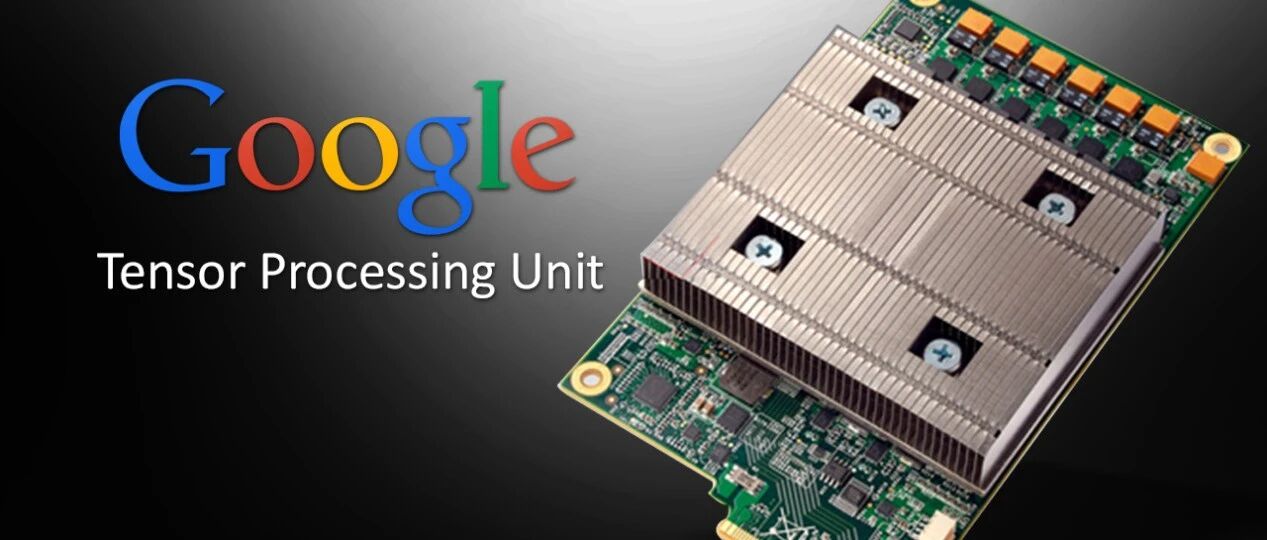
Core Insights - Google's TPU has gained significant attention recently, with Meta considering a multi-billion dollar contract to deploy TPUs in its data centers starting in 2027, leading to a surge in Google's stock price and a drop in NVIDIA's stock [1][20] - The TPU has evolved from a project initially deemed unpromising to a strategic asset that could challenge NVIDIA's dominance in the AI chip market [1][27] - The TPU's development has been marked by rapid iterations, with the latest version, TPU v7 Ironwood, achieving peak performance that surpasses NVIDIA's offerings [16][18] Development History - In 2013, Google faced a computational crisis, predicting that the demand for voice recognition would exceed its data center capacity, prompting the decision to develop its own ASIC chips instead of relying on NVIDIA GPUs [2][3] - The TPU project was initiated, and within 15 months, the first TPU was deployed, achieving significant performance and efficiency improvements over existing solutions [3][5] - The TPU's architecture, particularly the "Systolic Array" design, has been a key innovation, allowing for high data reuse and reduced energy consumption [5][6] Iterative Breakthroughs - TPU v2, released in 2017, marked a shift from inference to training capabilities, introducing the bfloat16 format and significantly enhancing performance for large models [9][10] - TPU v3, launched in 2018, adopted liquid cooling to manage increased power density, establishing a new standard for AI data centers [11][12] - TPU v4 introduced optical circuit switching technology, allowing for dynamic network configurations to optimize performance for varying tasks [13][14] - TPU v5p, released in 2023, aimed to balance training and inference capabilities, expanding its application scope [14] Market Position and Strategy - Google is now actively commercializing TPU, engaging with cloud service providers and large enterprises to deploy TPUs in their data centers, potentially generating billions in revenue [20][21] - The TPU's success has prompted a talent exodus from Google, with former TPU engineers founding new companies and developing competitive chips [25][26] - The competition between TPU and NVIDIA's GPUs is intensifying, with both technologies expected to coexist in a hybrid deployment model, leveraging their respective strengths [22][28] Future Outlook - The rise of TPU signifies a shift in the AI infrastructure landscape, moving towards a model that integrates cloud services with specialized chips, potentially disrupting NVIDIA's long-standing market dominance [27][28]



从EDA For AI,到EDA+AI,重构智能设计的未来
半导体芯闻· 2025-12-01 10:29
Core Insights - The article discusses the transformative impact of AI on the semiconductor and EDA (Electronic Design Automation) industries, highlighting a shift from chip-centric designs to system-level integration [1][2][3] Group 1: AI and EDA Evolution - The AI-driven era is characterized by a transition from perception AI to physical AI, necessitating a significant increase in computational power and innovative design paradigms [1] - The focus has shifted from individual chips to integrated systems, where multiple GPUs, CPUs, and memory units work together as a "super computing unit" [2] - The stagnation of Moore's Law and Dennard scaling has led to a need for collaborative innovation across various dimensions, including computation, interconnect, storage, and packaging [3] Group 2: EDA Industry Response - Major EDA companies are accelerating their transformation through acquisitions, such as Synopsys acquiring Ansys and Cadence acquiring BETA CAE Systems, to create a complete design chain from chip to system [4] - The domestic EDA company, Xpeedic, is positioning itself as a pioneer in the "chip-system" transformation, launching its "EDA For AI" strategy in 2025 [4][5] - Xpeedic has developed three core platforms aimed at supporting AI hardware design, addressing challenges in power, storage, and cooling [5] Group 3: AI Integration in EDA - AI is revolutionizing the EDA industry by optimizing design processes and enhancing productivity, allowing engineers to focus on innovation rather than repetitive tasks [7][8] - Xpeedic's "EDA+AI" initiative aims to leverage AI to improve design efficiency and accuracy, transitioning from rule-driven to data-driven design methodologies [7][9] - The integration of AI into EDA tools enables rapid exploration of design variables, facilitating the design of heterogeneous integrated systems [8] Group 4: Future of AI and EDA - The emergence of Physical AI presents new challenges for designers, requiring system-level collaboration and real-time decision-making [10] - Xpeedic anticipates that the market potential of Physical AI will provide a larger platform for its multi-physical simulation engine technology [10][11] - The article concludes that the future of AI in EDA will be shaped by a continuous feedback loop, where AI-driven technologies will further enhance AI capabilities [11]

又一个半导体大厂,开建
半导体芯闻· 2025-12-01 10:29
Core Viewpoint - Merck's new semiconductor materials plant in southern Taiwan, with an investment of €500 million ($579 million), has begun the qualification process before mass production of materials for AI chip manufacturing, expected to start in 2026 [1][2]. Group 1: Plant Details and Production Capacity - The new facility, located in Kaohsiung, Taiwan, spans approximately 150,000 square meters and will produce thin films, formulation materials, and specialty gases essential for advanced chip manufacturing [1]. - Once operational, the plant is projected to meet about 80% of the local demand for thin film materials and over 50% of the overall material needs [1]. - The production of advanced chips, such as 3nm and beyond, involves over 1,000 processing steps, increasing the demand for materials [2]. Group 2: Strategic Importance and Local Impact - Merck has adopted a localization strategy over the past six to seven years to better serve customers and enhance supply chain resilience [1]. - The new plant is expected to improve local self-sufficiency from over 50% and play a significant role in meeting demand in the Asia-Pacific region [2]. - The facility will create approximately 400 jobs as it scales up production [3]. Group 3: Collaboration and Quality Assurance - Collaboration with customers in their factories is crucial for chip material manufacturers due to the importance of material integration and customization in chip production [2]. - Strict validation processes are required before the chemicals and materials produced can be widely used in advanced semiconductor production lines [2].

三星电机MLCC扩产
半导体芯闻· 2025-12-01 10:29
Core Viewpoint - Samsung Electro-Mechanics plans to expand its production capacity for multi-layer ceramic capacitors (MLCC) used in artificial intelligence servers starting in early next year, indicating a strategic response to the rapid growth in AI infrastructure investment [1][2]. Group 1: Expansion Plans - Samsung Electro-Mechanics is preparing to expand its MLCC production line in the Philippines, with plans to begin in the first quarter of next year [1]. - The company has confirmed that it is in the process of establishing a facility investment partnership network, with actual investments expected to start as early as the first quarter of this year, potentially amounting to several hundred billion Korean won [1]. Group 2: Market Demand and Production Capacity - The demand for MLCCs is rapidly increasing due to significant investments in AI infrastructure by major global tech companies, with AI servers requiring approximately ten times the number of MLCCs compared to standard servers [2]. - The operational rate of Samsung Electro-Mechanics' component factories, including MLCCs, has risen from 81% last year to 99% in the third quarter of this year, indicating near full capacity utilization [2].
存储芯片涨价,太猛了
半导体芯闻· 2025-12-01 10:29
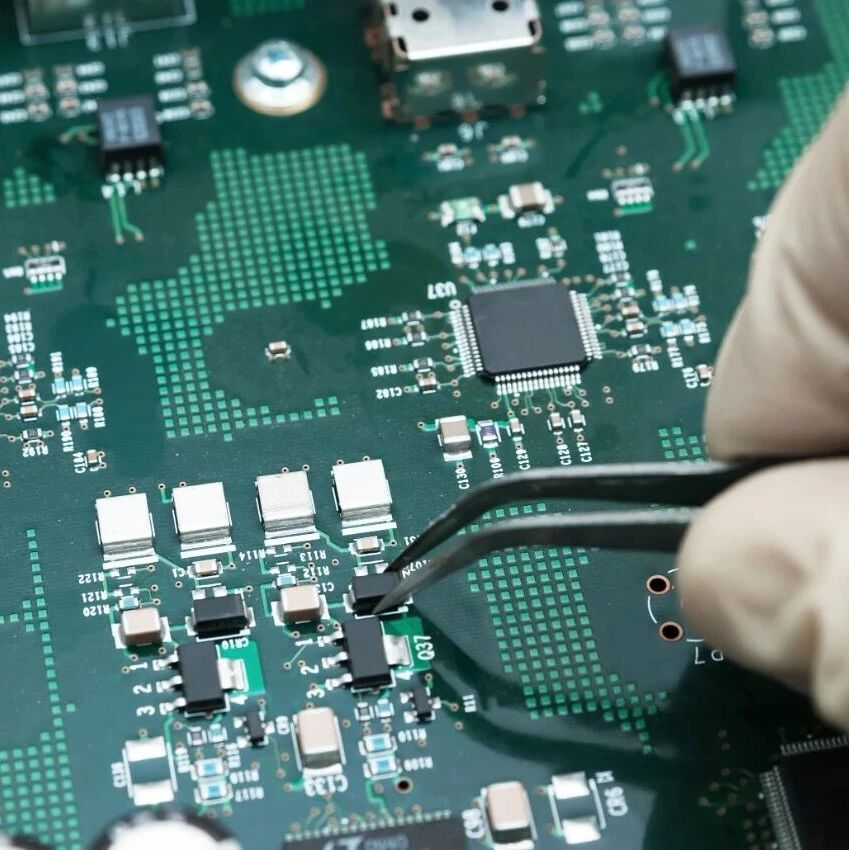
Group 1 - The price of DDR5 memory has surged significantly, leading to a reported sales decline of up to 50% for major Taiwanese motherboard manufacturers like ASUS, MSI, and Gigabyte, prompting them to revise their sales targets downward for November and December 2025 [1] - The increase in DDR5 memory prices is expected to negatively impact CPU sales, which are likely to fall below last year's levels [1] - Many manufacturers have started bundling DDR5 RAM kits with motherboards, although this strategy does not benefit existing motherboard users [1] Group 2 - NAND Flash prices have increased by 60% in November 2025, driven by strong demand from AI applications and enterprise SSD orders, with average monthly price increases ranging from 20% to over 60% across various products [2] - The price of 1Tb TLC NAND Flash has risen significantly due to a supply shortage, while 512Gb TLC prices have surged over 65% due to a reduction in old process production and steady market demand [2] - The QLC supply has tightened due to the explosive demand for enterprise-grade high-capacity products, leading to a substantial price increase for 1Tb QLC in November [3]
象帝先伏羲GPU,5纳米
半导体芯闻· 2025-12-01 10:29
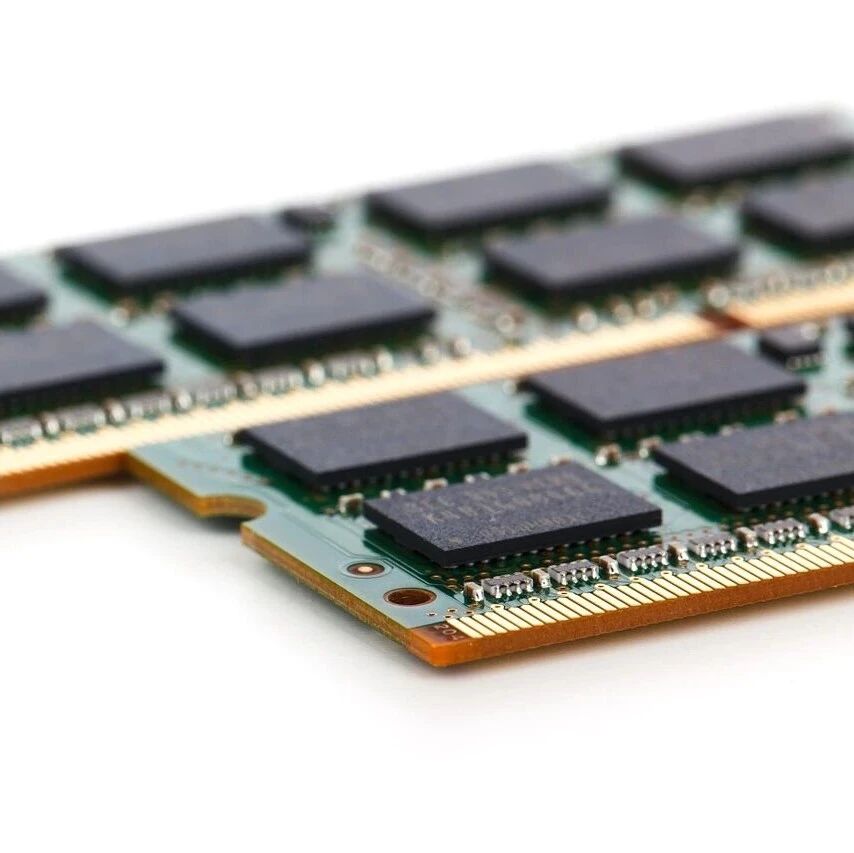
Core Viewpoint - The article discusses the launch of the new generation GPU, Vusi A0, by the Chinese manufacturer Xiangdi, highlighting its advanced specifications and capabilities in high-end rendering and AI applications [1][2]. Product Specifications - The Vusi A0 GPU is built on a 5nm process and features Imagination Technologies' DXD high-performance GPU IP, focusing on ray tracing, super-resolution, and large 3D scene rendering [1]. - It is reported that the Vusi A0 has an FP32 computing power of up to 160 TFLOPS and is equipped with 12GB of HBM2 memory, confirming earlier market speculations [1]. - The design includes a dual-slot, dual-fan configuration with four DRAM soldering positions, allowing for flexible capacity configurations in the future [2]. - During demonstrations, the Vusi A0 maintained an average of approximately 35 FPS while rendering complex 3D scenes and performing ray tracing in the game "Black Myth: Wukong" [2]. Product Development - The Vusi series chips have entered the tape-out stage, with plans for complete board testing and driver integration in the near future [2]. - The company plans to release two products under the new Vusi architecture: the A0 targeting high-end rendering and desktop-level visual computing, and the B0 integrating GPU and NPU for edge inference and AI PC markets [1].

芯片出口,大增38.6%
半导体芯闻· 2025-12-01 10:29
如果您希望可以时常见面,欢迎标星收藏哦~ 11月份进口额同比增长1.2%,达到513亿美元。其中,能源进口额下降18.4%,至87.2亿美元; 非能源进口额增长6.4%。因此,贸易顺差为97.3亿美元,较上年同期增加41.7亿美元。1月至11 月累计贸易顺差为660.7亿美元。 参参考考链链接接 h tt ps://www. b u si n e ss k o r e a . c o . k r/ news/ a rti c l eVi ew.html ? i dxno=257716 (来 源 : businesskorea ) 点这里加关注,锁定更多原创内容 *免责声明:文章内容系作者个人观点,半导体芯闻转载仅为了传达一种不同的观点,不代表半导体芯闻对该 观点赞同或支持,如果有任何异议,欢迎联系我们。 推荐阅读 10万亿,投向半导体 芯片巨头,市值大跌 黄仁勋:HBM是个技术奇迹 Jim Keller:RISC-V一定会胜出 全球市值最高的10家芯片公司 喜欢我们的内容就点 "在看 " 分享给小伙伴哦~ 今年11月出口额较去年同期增长8.4%,创下11月出口额新高。这主要归功于半导体产品出口的持 续强劲表现 ...

448Gbps,要来了?
半导体芯闻· 2025-12-01 10:29
如果您希望可以时常见面,欢迎标星收藏哦~ 近年来,随着AI大语言模型、云计算、自动驾驶等领域的爆发式增长,数据中心对高速数据传输 的需求呈指数级攀升,传统并行总线架构早已难以承载日益膨胀的带宽压力,数据中心的互联架 构也随之迎来了根本性的迭代。 图源:OIF 11Gbps , 到 2012 年 28Gbps 、 2017年56Gbps , 再 到 2024 年 112Gbps , 每 一 代 技 术 都 被 IEEE 、 InfiniBand、T11等主流行业组织采纳,成为全球互连领域的事实标准。 | Name | Rate per pair | Year | Activities that Adopted, Adapted or were influenced | | --- | --- | --- | --- | | | | | by the OIF CEI | | CEI-112G | 112Gbps | 2024 | IEEE, InfiniBand, T11 (Fibre Channel), Interlaken, ITU | | CEI-56G | 56Gbps | 2017 | IEEE, In ...
闻泰回击安世荷兰:缺乏诚意
半导体芯闻· 2025-11-29 03:09
Core Viewpoint - The dispute over control of Nexperia by Wingtech is a significant issue affecting the stability of the global semiconductor supply chain, with the unlawful deprivation of Wingtech's rights being the root cause of current disruptions [2][3][7]. Group 1: Control Rights and Supply Chain Stability - The unlawful deprivation of Wingtech's control and shareholder rights over Nexperia is identified as the root cause of chaos in the global semiconductor supply chain, as highlighted by China's Ministry of Commerce [2][3]. - Nexperia is a critical player in the global semiconductor supply chain, with its products integral to various sectors, including new-energy vehicles and industrial automation [7][8]. - If the control dispute remains unresolved, it could lead to significant supply chain disruptions for numerous customers, affecting production schedules and overall market competitiveness [9][10]. Group 2: Communication and Resolution Efforts - Wingtech has expressed a willingness to engage in constructive communication with Nexperia to restore its lawful control and resolve the dispute, contrary to claims made by Nexperia [4][5][6]. - The Chinese government has shown support for Wingtech, emphasizing that the ruling stripping Wingtech of its control is a key obstacle to resolving the issue [15][16]. Group 3: Urging Action from Nexperia - Wingtech urges Nexperia to cease distorting facts and to address the core issues directly, recognizing that the control dispute is the fundamental cause of supply chain instability [21][22]. - The company calls for immediate dialogue and constructive proposals from Nexperia regarding the restoration of Wingtech's control and shareholder rights [23][24].

半导体激光设备市场空间广阔
半导体芯闻· 2025-11-29 03:09
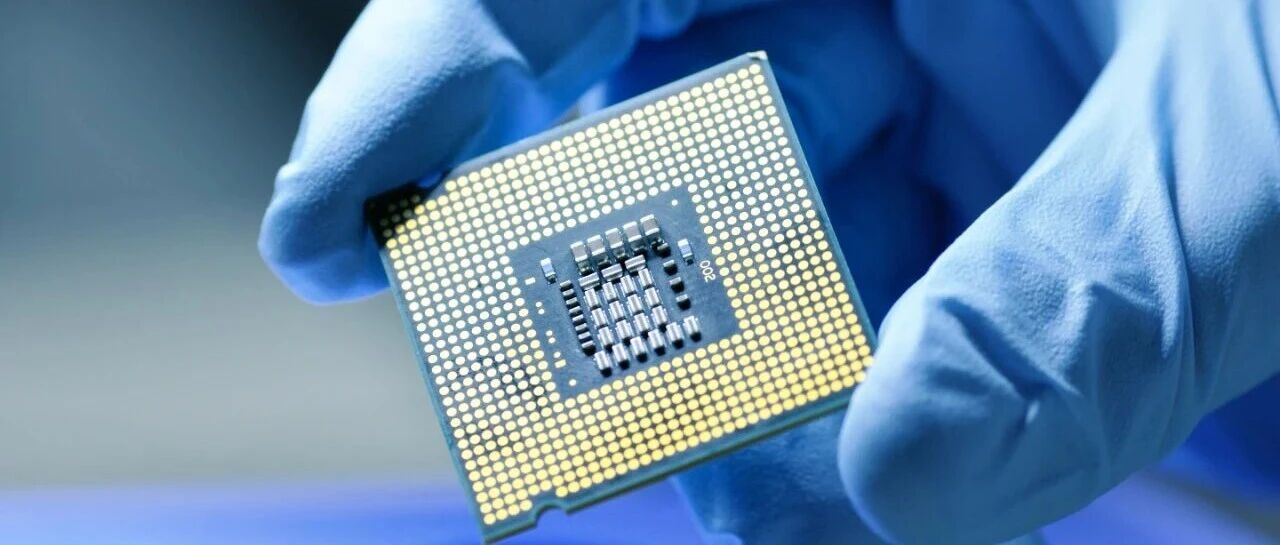
Core Viewpoint - The semiconductor laser equipment market is expected to grow significantly due to advancements in semiconductor manufacturing processes and increasing demand for precision and efficiency in various applications, including consumer electronics, automotive, and renewable energy sectors [2][13]. Group 1: Semiconductor Laser Equipment Overview - Laser technology is widely used in semiconductor manufacturing due to its high energy density and adaptability to various materials, leading to significant improvements in processing efficiency and precision [2]. - The market for semiconductor laser equipment is anticipated to expand as domestic manufacturers continue to close the technology gap with international leaders, driven by the demand for lightweight, precise, and intelligent manufacturing solutions [2]. Group 2: Types of Semiconductor Laser Equipment - **Laser Annealing Equipment**: This equipment is crucial for repairing lattice damage in semiconductor wafers and enhancing the electrical activity of dopants, thereby improving device performance [3]. - **Laser Material Modification Equipment**: Utilizes high-energy lasers to alter the surface structure and properties of materials, with applications in advanced memory chip manufacturing [4]. - **Laser Scribing Equipment**: Used for cutting semiconductor wafers into individual chips, directly impacting packaging quality and production costs [6]. - **Laser Debonding Equipment**: Operates at room temperature without chemicals to separate materials, crucial for advanced packaging processes [7]. - **Laser Marking Equipment**: Essential for marking identification codes and production dates on semiconductor products throughout the manufacturing process [8]. Group 3: Semiconductor Market Situation - The global semiconductor market is projected to reach $627.2 billion in 2024, driven by AI computing power demands and a recovery in memory chip prices, marking a 19.1% year-on-year growth [13][14]. - The semiconductor manufacturing equipment market is expected to grow to $1,255 billion by 2025, with a 7.4% increase, driven by advanced logic and memory applications [15][19]. Group 4: China's Semiconductor Market Analysis - China's semiconductor market is expected to reach $1,865 billion in 2024, accounting for 31.9% of the global market, with a projected growth of 11.4% to $2,078 billion by 2025 [20][23]. - The domestic semiconductor equipment market is anticipated to grow significantly, with a forecasted demand of approximately 31% of global needs by 2025, driven by local production and technology advancements [23][24]. Group 5: Domestic Equipment Manufacturers - **Lepu Technology**: Focuses on semiconductor laser equipment for both front-end and back-end processes, with a significant market share in NAND and DRAM laser equipment [54][55]. - **Huagong Laser**: Specializes in laser equipment for various industries, including semiconductors, and is expanding into laser annealing and scribing markets [56]. - **Shanghai Micro Electronics**: Emerging player in laser annealing equipment, particularly competitive in ultra-thin wafer applications [57]. - **Dazhong Laser**: Established player with a broad range of semiconductor laser products, covering various manufacturing and packaging processes [58]. - **Delong Laser**: Focuses on precision laser processing equipment, with significant sales in semiconductor-related applications [59]. - **Liandong Technology**: Specializes in laser marking equipment for the semiconductor packaging sector, maintaining a strong market presence [60].
