半导体行业观察

Search documents
英特尔悄然终止了一项芯片计划
半导体行业观察· 2026-02-10 01:14
Core Viewpoint - Intel has quietly abandoned its "Intel On Demand" software-defined chip initiative, which was originally aimed at allowing customers to activate specific workloads for a premium fee [2][4][5]. Group 1: Intel On Demand Initiative - The initiative was first introduced in 2021 as a software-based solution allowing customers to selectively enable or disable certain CPU features based on their budget [4]. - It was rebranded to "Intel On Demand" to provide users of the fourth-generation Xeon Scalable processors with options to "activate" chip accelerators and hardware enhancements [4]. - Users had the choice to either pay a one-time fee to permanently unlock all features or opt for a pay-per-use model based on actual usage [4][5]. Group 2: Features and Criticism - Intel positioned SDSi as a flexible benefit for Xeon Scalable users, claiming it would help customers control their budgets by only paying for CPU features when needed [4]. - The initiative supported various features such as dynamic load balancers, data stream accelerators, memory analysis accelerators, quick assist technology, and software protection extensions [4]. - Despite its technical flexibility, the initiative faced strong criticism in the industry, with concerns that users would effectively pay twice for certain features since the accelerator IP modules remained disabled unless activated through payment [5]. Group 3: Current Status - Recent reports indicate that Intel has ceased public discussions about the "Intel On Demand" initiative, and the lack of new patches suggests a slowdown in development activities [2]. - The GitHub repository containing the software components necessary for Intel On Demand was archived in November of the previous year, indicating the end of active development [2]. - Most documentation related to the initiative has been removed from Intel's website, with only outdated PDF documents remaining accessible [2].


苹果下一代芯片,最新展望
半导体行业观察· 2026-02-09 01:18
Core Viewpoint - The upcoming high-end M5 Pro and M5 Max processors are expected to adopt a different architecture from the M5, aimed at improving scalability and efficiency in performance, while potentially reducing heat generation and slightly extending battery life [2]. Group 1: Architectural Changes - The new architecture is anticipated to facilitate easier and more efficient speed enhancements, moving away from the SoC layout used in the M5 processor to a custom SoIC-MH layout by TSMC [2]. - The SoIC manufacturing process allows for separate chips to be connected through high-speed links, which may enable Apple to move the GPU to an independent chip group, enhancing performance scalability [4]. Group 2: Performance Implications - There is uncertainty regarding the performance impact of these architectural changes, as Apple could theoretically reduce the number of GPU cores instead of increasing them, although this is considered unlikely [6]. - The layout change may also influence the number of CPU cores, depending on how Apple utilizes the space freed up on the chip [6]. Group 3: Market Positioning - The current architecture strategy, which relies on integrated graphics, raises concerns about long-term performance scalability, especially as demand for AI and graphics processing capabilities grows [7]. - The potential new architecture could allow Apple to create a competitive 14-inch MacBook Pro capable of handling large machine learning workloads [7]. Group 4: Cost Management - Offering separate chip options for GPU and CPU performance could help manage costs, especially in light of memory shortages affecting laptop prices [8].

两大GPU买家,摆脱英伟达
半导体行业观察· 2026-02-09 01:18
Core Insights - The article discusses the competitive landscape in the AI chip market, highlighting the challenges faced by Nvidia from major tech companies like Amazon and Google, which are developing their own AI chips and reducing reliance on Nvidia [2][3]. Group 1: Market Dynamics - Nvidia currently holds a dominant market share of 92% in the AI chip sector, with projected revenues nearing $200 billion by 2025 [3]. - Amazon's AI chip, Trainium, is expected to generate "tens of billions" in revenue by 2025, while Google's Tensor Processing Units (TPUs) are projected to reach hundreds of billions in revenue [3]. - The competition from Amazon and Google represents a significant threat to Nvidia, as even small market shares can translate into billions of dollars [2]. Group 2: Strategic Partnerships - Anthropic, a key AI company, is working to reduce its dependence on Nvidia chips and has secured substantial chip orders from both Amazon and Google, amounting to $100 billion and $110 billion respectively [4][5]. - Google has begun allowing Anthropic to install its chips in data centers not owned by Google, marking a shift in its business model [4]. - Amazon's investment of $4 billion in Anthropic is aimed at fostering a competitive environment against Nvidia [5]. Group 3: Technological Developments - Amazon's chips, while not as powerful as those from Google or Nvidia, are being deployed in greater numbers, with a reported 150% quarterly revenue growth in its chip division [6]. - The collaboration between Anthropic and Amazon is seen as a potential game-changer, signaling to the market that Nvidia chips are not the only option available [6]. - Other chip manufacturers like AMD and Cerebras are also entering the market, providing alternatives to Nvidia [6][7].



从“更快”到“更省”:AI下半场,TPU重构算力版图
半导体行业观察· 2026-02-09 01:18
Core Insights - The article emphasizes the shift from "training is king" to "inference is king" in AI, highlighting the importance of specialized architectures like Google's TPU in reducing inference costs and reshaping the AI computing landscape [1][4][11]. Group 1: Evolution of AI Models - Large models undergo a growth process similar to human development, involving pre-training, fine-tuning, and reinforcement learning to align outputs with human preferences [3]. - The infrastructure for training large models requires high computing power, high memory bandwidth, and strong multi-GPU interconnects, with NVIDIA being the dominant player due to its high-performance GPUs and CUDA ecosystem [3]. Group 2: Cost Efficiency in Inference - After training, the commercial value of AI models lies in scalable inference services, where the cost of inference directly impacts profit margins [4]. - The focus has shifted to reducing inference costs while maintaining performance, with Google's TPU v7 reportedly lowering the cost per million tokens by approximately 70% compared to its predecessor [8][10]. Group 3: Competitive Landscape - The competition in AI computing is evolving, with specialized architectures like Google's TPU emerging as strong challengers to NVIDIA's dominance [10][11]. - A significant order from Anthropic for TPUs indicates a shift towards large-scale commercial deployment of ASIC chips, suggesting potential profit improvements of billions annually through reduced inference costs [10]. Group 4: Technological Innovations - Google's TPU architecture is designed for efficiency, focusing on matrix operations and minimizing unnecessary components, which enhances performance and reduces energy consumption [13]. - Innovations such as the unique pulsed array architecture and large on-chip SRAM caches contribute to TPU's advantages in inference scenarios [18]. Group 5: Software and Ecosystem Development - Google is addressing the software ecosystem by making its TPU compatible with popular frameworks like PyTorch, thereby reducing the cost of transitioning from NVIDIA's ecosystem [15][27]. - The collaboration with various tech giants to support open-source projects like OpenXLA aims to create a unified compilation path across different hardware [15][17]. Group 6: Domestic Chip Manufacturers - Domestic chip companies like Yixing Intelligent are developing architectures that align with the trends of specialized computing, focusing on efficiency and cost reduction [20][22]. - Yixing Intelligent's chips support advanced data formats and architectures that enhance performance while reducing storage costs, positioning them competitively in the market [26][27]. Group 7: Future Directions - The industry is transitioning from a focus on raw computing power to optimizing efficiency and cost-effectiveness, marking a significant shift in the competitive landscape [42]. - The emergence of technologies like ELink for high-speed interconnects indicates a broader trend towards integrated AI infrastructure that encompasses hardware, software, and system optimization [38][40].

HBM 4,三星率先量产
半导体行业观察· 2026-02-09 01:18
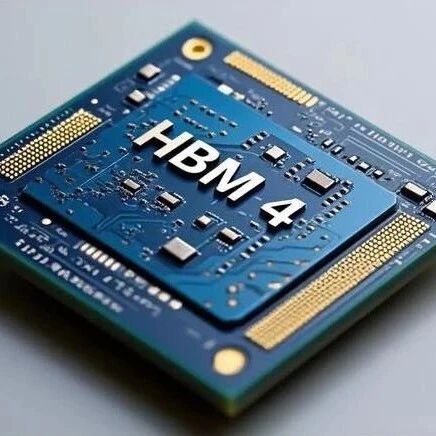
公众号记得加星标⭐️,第一时间看推送不会错过。 业内人士周日表示,三星电子将在农历新年假期后开始出货其下一代高带宽存储器 HBM4,成为首 家将这款被广泛认为是人工智能计算领域颠覆性芯片的存储器制造商。 三星计划最早于 2 月第三周开始向英伟达交付 HBM4,用于这家美国芯片巨头的下一代人工智能加 速器平台 Vera Rubin。 此举标志着三星的战略反弹。此前,三星在HBM系列产品中的竞争力曾受到质疑。凭借HBM4,三 星希望缩小与同城竞争对手SK海力士的差距,并有可能超越后者。SK海力士凭借人工智能数据中心 需求的激增,率先取得了领先优势。 一位业内人士表示:"三星率先量产了性能最高的HBM4芯片,证明了其在技术领域的领先地位已经 恢复。" "这使该公司在按照自己的方式塑造市场方面拥有明显的优势。" 预计英伟达将在下个月举行的年度开发者大会 GTC 2026 上发布搭载三星 HBM4 显存的 Vera Rubin 加速器。三星表示,出货时间是在与英伟达的产品路线图和下游系统级测试计划协调后确定的。 除了速度之外,三星在该产品背后的技术理念也值得关注。从一开始,该公司就致力于超越JEDEC制 定的标准,率先 ...
MEMS,开启新整合
半导体行业观察· 2026-02-09 01:18
Core Insights - The global MEMS industry is entering a new phase of consolidation driven by increased technological complexity, higher capital intensity, and the need for clearer strategic positioning [2] - Recent transactions involving STMicroelectronics/NXP, Infineon/ams OSRAM, SiTime/Renesas, and Qorvo's asset divestiture illustrate a trend where semiconductor companies are actively adjusting their business portfolios by divesting non-core assets and investing in segments with long-term differentiation and scale advantages [2] Group 1: STMicroelectronics and NXP - STMicroelectronics completed the acquisition of NXP's MEMS sensor business in early 2026, positioning it as a way to expand its global sensor capabilities, focusing on automotive safety and industrial applications [5] - This acquisition is expected to enhance STMicroelectronics' scale and service range in markets with long design cycles and high customer stickiness [5] - NXP's decision to sell aligns with its cautious portfolio management strategy, concentrating investments in areas where it can achieve system-level differentiation [5] Group 2: Infineon and ams OSRAM - Infineon announced plans to acquire ams OSRAM's non-optical analog/mixed-signal sensor product portfolio for €570 million in February 2026 [6] - The acquisition will include products, R&D capabilities, intellectual property, and testing/laboratory equipment, enhancing Infineon's sensor product line and system capabilities in automotive, industrial, and medical sectors [6] - Infineon's CEO indicated that the acquisition aims to create a product portfolio that aligns well with emerging humanoid robotics, positioning the company favorably in the market [6] Group 3: SiTime and Renesas - SiTime's acquisition of Renesas' timing business for $1.5 billion highlights the consolidation trend, as timing technology is closely related to MEMS technology [7] - SiTime anticipates that the acquired business will generate approximately $300 million in revenue within 12 months post-transaction [8] - Renesas is actively simplifying its product portfolio to focus resources on core platforms that maximize strategic impact [8] Group 4: Qorvo's Strategic Shift - Qorvo has signaled a strategic shift by divesting its MEMS-based sensor solutions business, generating $21.5 million in revenue from the sale [9] - The company recognizes that certain MEMS-based activities no longer align with its long-term strategic focus, indicating a trend of asset transfer to "natural owners" with stronger strategic fit and economies of scale [9] - The ongoing consolidation wave is expected to continue, particularly in automotive, industrial, and medical sensing sectors, where scale is becoming essential due to certification, reliability, and supply chain security [9][10]



三大设备巨头,同时预警
半导体行业观察· 2026-02-09 01:18
Core Viewpoint - The semiconductor equipment giants ASML, Lam Research, and KLA have identified that the primary challenge facing chip manufacturers is not a lack of orders, but rather a severe shortage of "wafer fab capacity" and "cleanroom space" [2] Group 1: Semiconductor Equipment Market - The construction of a new wafer fab typically takes over two years, leading to a near saturation of existing facilities, which limits short-term output increases for chip manufacturers [2] - Micron's recent acquisition of a wafer fab from Powerchip in Taiwan for $1.8 billion is a strategic move to bypass the lengthy construction timeline and quickly secure cleanroom space for HBM and DRAM production [2] Group 2: Financial Performance - Lam Research reported revenue of $5.345 billion for Q4 2025, a year-on-year increase of 22.14%, while KLA achieved $3.297 billion in the same period, marking a 7.15% year-on-year growth [3] - Global wafer fab equipment investment (WFE) is projected to reach a historical high of $135 billion in 2026, as cleanroom bottlenecks are expected to ease in the second half of the year [3] - The current "space shortage" is limiting the installation speed of new equipment but is simultaneously driving high-margin orders for existing equipment upgrade services [3] Group 3: Foundry Performance - Despite being a traditional off-peak season, foundries like TSMC are expected to perform well in Q1 due to strong AI demand and a recovery in panel driver IC demand, with TSMC's revenue projected to increase by 4% quarter-on-quarter [5] - TSMC's revenue for Q1 2026 is anticipated to reach between $34.6 billion and $35.8 billion, setting a new historical record [6] - UMC is expected to maintain steady operations with flat wafer shipments and stable average selling prices, outperforming the typical seasonal decline [6]
存储芯片,远未见顶
半导体行业观察· 2026-02-09 01:18
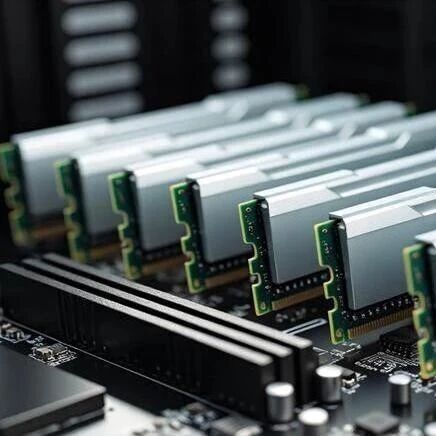
公众号记得加星标⭐️,第一时间看推送不会错过。 内存价格正在疯狂上涨。我们自 2024 年底以来就一直在发出警告,至今已超过一年。最可怕的是, 我们距离峰值还很远。 自 20 世纪 70 年代商业化以来,DRAM 一直受益于定义半导体行业的两大缩放定律:摩尔定律和丹 纳德缩放定律。1T1C DRAM 单元包含一个访问晶体管和一个存储电容,其尺寸在数十年间不断缩 小。晶体管尺寸的缩小降低了每比特成本,而巧妙的电容设计则保留了足够的电荷以维持信号完整 性。 在DRAM行业的大部分发展历程中,DRAM的密度增长速度远超逻辑芯片,大约每18个月就能翻一 番,而非24个月,这极大地降低了成本。作为一种商品化产品,制造商需要持续降低每比特成本才能 保持竞争力。无法在成本上与之竞争的供应商陷入了恶性循环:销量低迷导致资金短缺,无力开发下 一代工艺节点,进而进一步降低了每比特成本。许多DRAM生产商因此破产倒闭,最终导致如今只剩 下少数几家主要厂商。 然而,过去几十年里,DRAM 的微缩速度显著放缓,密度增长也随之缩小。过去十年,DRAM 密度 总共只增长了约 2 倍,而行业鼎盛时期,每十年大约增长 100 倍。如今的电容器 ...
韩国芯片,不可或缺
半导体行业观察· 2026-02-09 01:18
Core Viewpoint - Taiwan's dominance in the semiconductor manufacturing sector is being challenged by South Korea, which is rapidly advancing, particularly in high-performance memory chips [2] Group 1: Market Dynamics - South Korea is one of only three countries capable of producing advanced high-bandwidth memory chips, alongside Taiwan and the USA, giving it a strategic advantage [2] - Samsung Electronics and SK Hynix together hold over 50% of the global memory market share, making it difficult for other suppliers like Micron and Western Digital to match their scale and technology [2] - There is a significant shortage of memory chips, with prices for certain types increasing by over 300% in the past three months due to panic buying [2] Group 2: Investment and Production Capacity - Samsung plans to invest approximately $310 billion over the next five years in semiconductor manufacturing and related fields [3] - The construction of Samsung's Pyeongtaek plant will utilize over 50,000 NVIDIA GPUs for AI workloads, with production expected to start in 2028 [3] - The South Korean government is supporting a massive chip industry cluster with a commitment of around $456 billion in private investment [3] Group 3: Value Chain and Diversification - South Korea is shifting from a memory-centric focus to a diversified product portfolio that includes AI accelerators, automotive chips, and defense semiconductors [4] - Samsung is the second-largest foundry globally, following TSMC, and is advancing into the 3nm chip space [4] - A proposed public-private partnership for a 12-inch 40nm "national foundry" aims to provide local manufacturing opportunities for semiconductor startups [4] Group 4: Challenges and Government Actions - The semiconductor industry in South Korea faces challenges such as water and electricity shortages, with the planned Yongin chip cluster requiring approximately 13 to 15 gigawatts of power [4] - There is a projected shortage of about 56,000 semiconductor engineers in South Korea by 2031 [4] - The South Korean government is taking steps to address these issues through the Semiconductor Special Act, which will provide legal frameworks for direct subsidies and infrastructure spending [5]
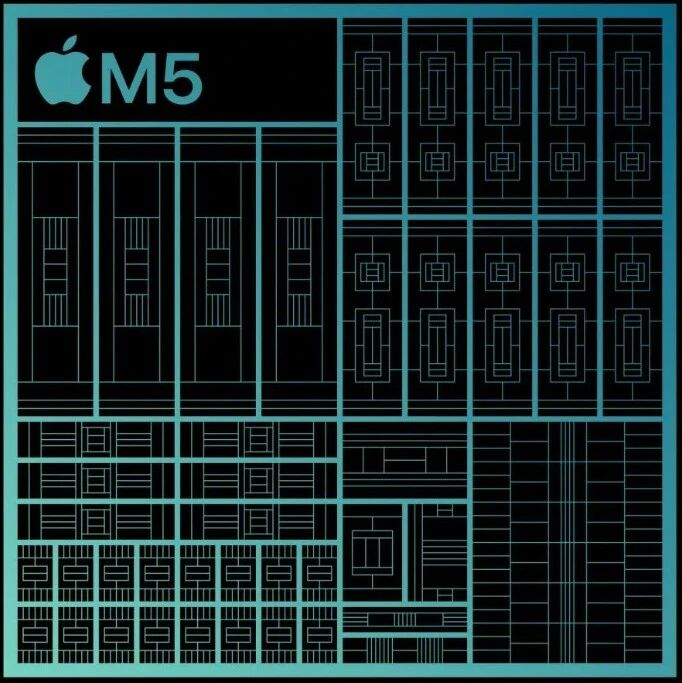
泄露:苹果处理器疑似采用2.5D芯片
半导体行业观察· 2026-02-08 03:29
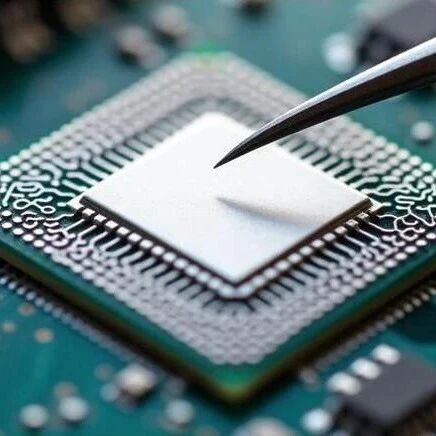
Core Viewpoint - Apple is set to release the M5 Pro and M5 Max chips, utilizing a new 2.5D chip technology that enhances scalability and manufacturing efficiency, potentially leading to significant cost savings for the company [4][5]. Group 1: Chip Design and Cost Efficiency - The M5 Pro and M5 Max chips will share a common design, allowing Apple to reduce the number of SKUs and design costs by reusing existing M5 chip designs [4][5]. - The M5 Max will feature a CPU chip, two GPU chips, and multiple RAM chips, while the M5 Pro will be a variant with two P-cores disabled and only one GPU chip [5]. - This chiplet-based design enables Apple to use the same logic board for all three M5 chips (M5, M5 Pro, and M5 Max) [5]. Group 2: Market Speculation and Reliability of Sources - There is currently no specific information on the release date for the new MacBook Pro models featuring the M5 Pro and M5 Max chips [5]. - Caution is advised regarding the information from the Max Tech YouTube channel, as it does not have the same reliability record as other industry insiders like Mark Gurman or Ming-Chi Kuo [6].