国家能源局

Search documents
国家能源局发布2025年10月全国电动汽车充电设施数据
国家能源局· 2025-11-19 02:06
Core Insights - The National Energy Administration released data on electric vehicle charging facilities in October, indicating significant growth in infrastructure [2] Summary by Categories Overall Growth - By the end of October 2025, the total number of electric vehicle charging infrastructure (units) in China is projected to reach 18.645 million, representing a year-on-year increase of 54.0% [2] Public Charging Facilities - The number of public charging facilities (units) is expected to reach 4.533 million, with a year-on-year growth of 39.5% [2] - The total rated power of public charging piles has reached 203 million kilowatts, with an average power of approximately 44.69 kilowatts [2] Private Charging Facilities - The number of private charging facilities (units) is anticipated to be 14.112 million, showing a year-on-year increase of 59.4% [2] - The installed power capacity for private charging facilities has reached 12.4 million kilovolt-amperes [2]

媒体报道丨到2027年底满足超8000万辆电动汽车充电需求 充电服务能力如何“倍增”
国家能源局· 2025-11-18 08:14
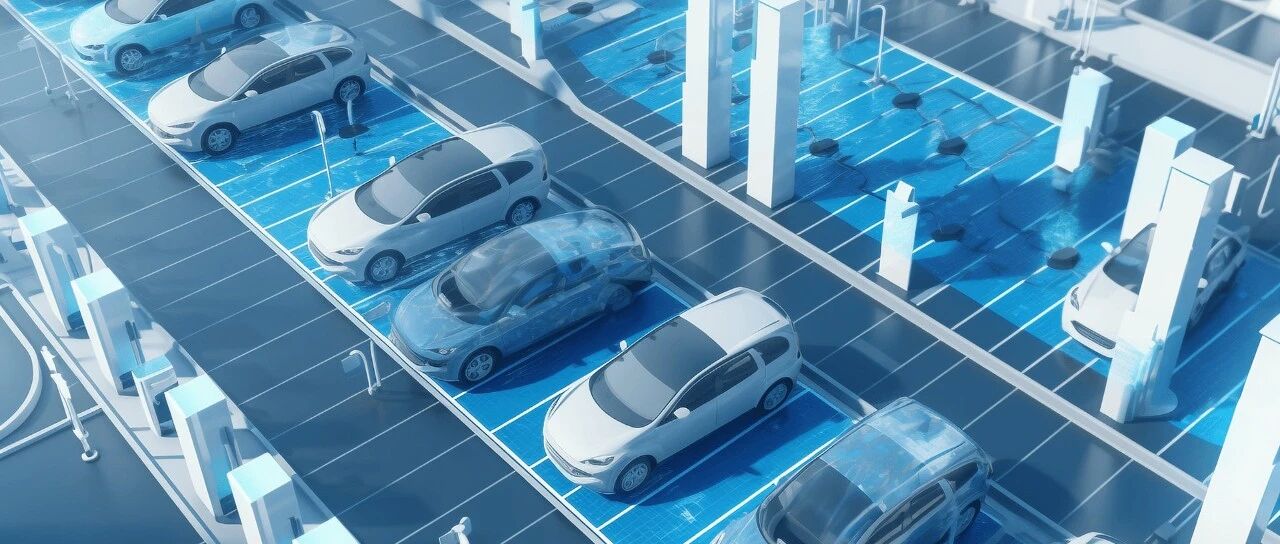
Core Viewpoint - The article discusses the "Three-Year Doubling Action Plan" for electric vehicle charging infrastructure in China, aiming to double the charging service capacity by the end of 2027 to meet the growing demand from over 80 million electric vehicles [4][5]. Group 1: Charging Infrastructure Goals - By the end of 2027, the plan aims to establish 28 million charging facilities, providing over 300 million kilowatts of public charging capacity [5]. - The initiative is expected to drive over 200 billion yuan in investments in charging facility equipment manufacturing and construction [5]. Group 2: Spatial Layout and Functionality - The plan emphasizes the need for balanced development of charging facilities, particularly in rural areas where infrastructure is currently lacking [6]. - It aims to add at least 14,000 direct current charging guns in townships without public charging stations by 2027 [6]. - The average power of public charging facilities is currently 45.5 kilowatts, which is insufficient for high-demand scenarios during holidays [7]. Group 3: Innovation and Interaction - The article highlights the importance of vehicle-grid interaction, where charging stations can facilitate two-way energy flow, allowing electric vehicles to discharge energy back to the grid [8][9]. - The plan proposes to expand vehicle-grid interaction pilot projects, focusing on innovative pricing policies and market mechanisms [9]. Group 4: Community Charging Solutions - The "Unified Construction and Service" model is being piloted in residential areas to simplify the installation and management of charging facilities [10][11]. - By 2027, the goal is to establish 1,000 pilot communities under this model, which is expected to generate over 1 billion yuan in investments [11].
《关于促进新能源集成融合发展的指导意见》专家解读之四︱多维融合 集成破局 新能源高质量发展新路径
国家能源局· 2025-11-18 06:51
Core Viewpoint - The article discusses the importance of promoting the integrated development of renewable energy in China, emphasizing the need for a shift from isolated operations to a more collaborative and efficient model to enhance the quality and effectiveness of renewable energy development [3][4]. Group 1: Importance and Necessity of Multi-Dimensional Integration - The integration of renewable energy is crucial for achieving carbon peak and carbon neutrality goals, with significant growth in installed capacity and contribution to electricity supply [4]. - As of September 2025, China's wind and solar power installations exceeded 1.7 billion kilowatts, with renewable energy accounting for over 22% of total electricity consumption [4]. - The challenges of energy consumption and land use necessitate a transformation in the development, construction, and operation of renewable energy [4]. Group 2: Implementation Pathways for Multi-Dimensional Integration - The article outlines the need for multi-dimensional integrated development as a fundamental approach to large-scale renewable energy deployment and high-level consumption [5]. - It emphasizes strengthening multi-energy complementary development to enhance the reliability and stability of renewable energy supply [6]. - The construction of large renewable energy bases and the integration of various energy sources are highlighted as key strategies for optimizing energy supply [6][7]. Group 3: Enhancing Space Utilization Efficiency - The article suggests various methods for composite development and efficient use of spatial resources, including co-locating wind and solar projects and utilizing existing energy facilities for renewable upgrades [7][8]. - It advocates for the use of idle land in mining areas for solar and wind energy projects to maximize land productivity [7]. Group 4: Promoting Integrated Operation - The article discusses the need for comprehensive collaboration in technology, regulation, and operations to improve the reliability and market competitiveness of renewable energy [9]. - It highlights the importance of digital upgrades and centralized monitoring to enhance operational efficiency [9]. Group 5: Strengthening Organizational Support - The article emphasizes the necessity of coordinated efforts among various levels of government and stakeholders to implement integrated renewable energy projects [10]. - It outlines specific measures for project organization, investment management, and market transaction mechanisms to support the development of integrated renewable energy projects [10]. Group 6: Future Outlook - The implementation of the guidelines is expected to accelerate the maturity of integrated renewable energy development in China during the 14th Five-Year Plan period, leading to larger-scale and higher-quality renewable energy growth [11].

媒体报道丨全球在运海拔最高,并网发电!
国家能源局· 2025-11-18 03:33
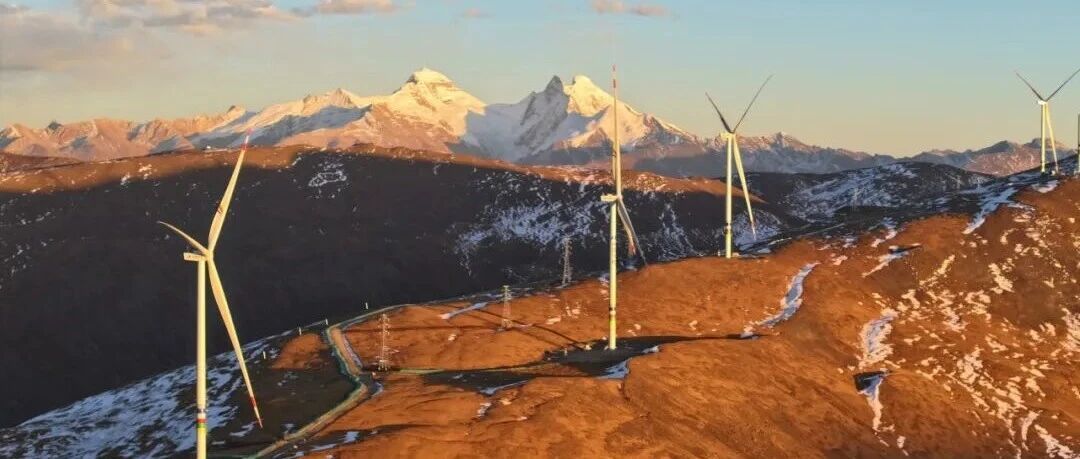
Core Viewpoint - The Huadian Qiongjie Wind Power Project, located at an altitude of 5,370 meters, is the highest operational wind power project globally and the largest single-unit capacity wind power project in Tibet, contributing to green and low-carbon development in the region [3][5]. Group 1: Project Overview - The project has a total installed capacity of 60 MW, consisting of 11 units of 5.0 MW and 1 unit of 6.25 MW wind turbines, along with a 12 MW/48 MWh grid-connected energy storage system [5]. - It is expected to provide clean energy sufficient for approximately 120,000 households annually, reducing carbon dioxide emissions by about 128,700 tons per year [5]. Group 2: Technical Innovations - The project team overcame significant technical challenges due to extreme environmental conditions, such as low oxygen levels and temperature fluctuations, by innovating construction techniques and optimizing logistics [5][6]. - A single-blade hoisting technique was applied for the first time at altitudes above 5,000 meters, saving approximately 66% of the operational space required compared to traditional methods and increasing the effective working wind speed limit to 10 m/s [6]. Group 3: Environmental and Community Impact - The project adheres to the principles of being system-friendly, eco-friendly, and community-friendly, implementing a technology system that includes equipment selection, energy storage, and intelligent control to stabilize wind power fluctuations [6]. - It has restored 360,000 square meters of vegetation and laid protective nets over 120,000 square meters, ensuring that ecological protection is integrated with project construction [6]. - The project has directly increased local income by over 3.6 million yuan and boosted local industry revenue by more than 11 million yuan through land leasing, participation in construction, and skills training [6].

《关于促进新能源集成融合发展的指导意见》专家解读之三︱融合聚变,绿动未来:以新能源集成融合发展书写高质量发展新篇章
国家能源局· 2025-11-17 03:14
Core Viewpoint - The article emphasizes the necessity of integrating and developing renewable energy with industries to achieve high-quality economic growth and address current challenges in energy consumption and system coordination [3][4]. Group 1: Necessity of Integration - The integration of renewable energy and industries is essential to overcome challenges such as consumption bottlenecks and insufficient system coordination [4]. - This integration aligns with the new development philosophy, promoting green development as a crucial aspect of high-quality growth [4]. - It serves as a key pathway to develop new quality productivity, characterized by innovation and high quality, through the deep integration of renewable energy technologies with advanced manufacturing and digitalization [4]. Group 2: Innovative Pathways - The guidance document proposes a "three-pronged" approach focusing on green, integrated, and intelligent development to enhance the service of renewable energy in economic transformation [5]. - Emphasizing "green" development, it aims to establish zero-carbon manufacturing benchmarks by transforming the entire industrial chain to be environmentally friendly [5]. - The "integrated" approach seeks to revitalize traditional industries by optimizing processes and enhancing load adjustment capabilities, facilitating local consumption of renewable energy [5]. - The "intelligent" aspect focuses on fostering new industrial clusters by integrating renewable energy with computing power, thus creating a new industrial ecosystem [6]. Group 3: Future Opportunities - The deep integration of renewable energy and industries is expected to unleash significant opportunities for high-quality development [8]. - It will accelerate the emergence of new quality productivity through infrastructure development, technological innovation, and product upgrades [8]. - This integration will promote regional coordinated development, enhancing connections across energy, industry, and value chains between different regions [8]. - The advancement of "intelligent, green, and integrated" approaches will strengthen the competitiveness of the manufacturing sector, enhancing China's position in the global market [8].

人民日报︱大范围寒潮来袭,供暖保障如何
国家能源局· 2025-11-16 01:52
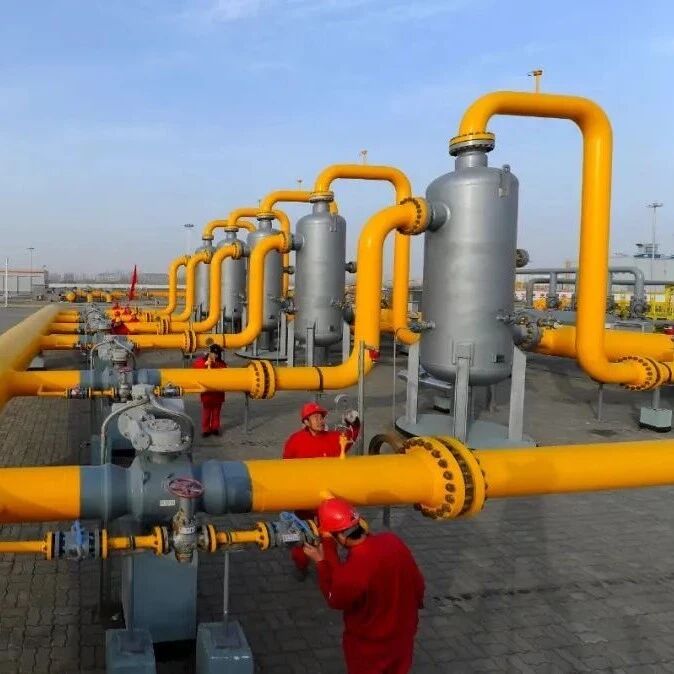
Group 1: Natural Gas Supply - The domestic natural gas production base, China National Petroleum Corporation's Changqing Oilfield, increased its natural gas output to 135 million cubic meters, an increase of over 3 million cubic meters since the beginning of the month [2] - The largest gas storage facility, Hutu Bih Oilfield in Xinjiang, released over 5 million cubic meters of natural gas into the pipeline network, ensuring supply to households [2] - The National Energy Administration stated that the overall supply of natural gas for the heating season is guaranteed, with domestic gas production expected to exceed 10 billion cubic meters for the ninth consecutive year [2] Group 2: Geothermal Heating - Sinopec has fully launched geothermal heating services for this winter, capable of providing clean heating for over 1.2 million households [2] - The geothermal heating capacity has reached a historical high of 12.6 million square meters, which can reduce carbon dioxide emissions by nearly 6.2 million tons annually [2] Group 3: Coal Supply and Electricity - Since October, the average daily coal dispatch production has remained above 12 million tons, with power plants having approximately 35 days of coal supply available [3] - The maximum load of the power grid during the heating season is expected to reach 29 million kilowatts, an increase of over 8% compared to the historical maximum load in winter [3] - The National Energy Administration will continue to monitor coal production, imports, and demand to ensure stable supply and quality of coal for electricity generation [3]
习近平:因地制宜发展新质生产力
国家能源局· 2025-11-15 12:31
因地制宜发展新质生产力 ※ 习近平 一 二 去年7月以来,我在四川、黑龙江、浙江、广西等地考察调研时,提出要整合科技创新资源,引领发展战略性新兴产业和未 来产业,加快形成新质生产力。12月中旬,在中央经济工作会议上,我又提出要以科技创新推动产业创新,特别是以颠覆 性技术和前沿技术催生新产业、新模式、新动能,发展新质生产力。我提出新质生产力这个概念和发展新质生产力这个重 大任务,主要考虑是:生产力是人类社会发展的根本动力,也是一切社会变迁和政治变革的终极原因。高质量发展需要新 的生产力理论来指导,而新质生产力已经在实践中形成并展示出对高质量发展的强劲推动力、支撑力,需要我们从理论上 进行总结、概括,用以指导新的发展实践。 (2024年1月31日在二十届中央政治局第十一次集体学习时的讲话) 2024年3月5日,中共中央总书记、国家主席、中央军委主席习近平参加他所在的十四届全国人大二次会议江苏代表团审议。新华社记者鞠 鹏/摄 三 什么是新质生产力、如何发展新质生产力?我一直在思考,也注意到学术界的一些研究成果。概括地说,新质生产力是创 新起主导作用,摆脱传统经济增长方式、生产力发展路径,具有高科技、高效能、高质量特 ...

国家能源局举办深入学习领会党的二十届四中全会精神专题培训班
国家能源局· 2025-11-15 02:30
Group 1 - The training program was organized by the National Energy Administration and Tsinghua University to deepen the understanding of the spirit of the 20th Central Committee's Fourth Plenary Session among party officials [2][3] - Experts from the Central Party School and Tsinghua University provided lectures focusing on the importance of implementing the spirit of the plenary session in all aspects of energy work [3] - The training emphasized the significance of the "Two Establishments" and aimed to enhance the "Four Consciousnesses," strengthen the "Four Self-confidences," and ensure the "Two Maintenances" among party members [3][4] Group 2 - Participants expressed that the training served as a profound spiritual cleansing and professional political training, reinforcing their commitment to the new energy system and energy power construction [4] - The training encouraged participants to integrate the party's innovative theories with their business work, promoting a deep fusion of party building and business operations [4] - There was a focus on high standards and service awareness, aiming to make officials more approachable and supportive to their colleagues [4]
李强主持召开国务院常务会议
国家能源局· 2025-11-14 13:28
Group 1 - The meeting emphasized the importance of implementing the "Two Heavy" construction within the context of the 14th Five-Year Plan, focusing on strategic, forward-looking, and holistic requirements, while enhancing departmental collaboration and promoting the integration of soft and hard elements [2] - It was highlighted that enhancing supply-demand adaptability is an effective measure to release consumption potential and facilitate economic circulation, with a focus on leading industrial upgrades through consumption upgrades and meeting diverse demands with high-quality supply [3] - The meeting discussed the need for accelerating the application of new technologies and models, particularly in key industries, to develop new products and value-added services, thereby expanding new consumption increments [3] Group 2 - The meeting reviewed and approved the draft amendment of the Trademark Law of the People's Republic of China, emphasizing the need for legal enhancement of trademark management and protection to promote economic and social development [4] - The meeting also approved the revised draft of the Funeral Management Regulations, indicating a regulatory update in this sector [5]

COP30中国角新能源日“中国能源转型与新能源发展”主题边会在巴西贝伦成功举办
国家能源局· 2025-11-14 13:06
巴西当地时间 11 月 13 日 , 《联合国气候变化框架公约》第三十次缔约方大会( C OP30 )中国角 新能源日 " 中国能源转型与新能源发展 " 主题边会在巴西贝伦成功举办 。会议由中国国家能源局新能源和可再生能源司、国务院参事室交流合作司指导,中国宏观经济研究院能源研究所、 国网能源研究院有限公 司联合主办 。 中国气候变化事务特使刘振民、国务院参事室副主任郑宏英、国家发展改革委环资司司长王善成、国家能源 局新能源和可再生能源司司长李创军、国家能源局国际司副司长熊敏峰 , 丹麦气候事务大使奥勒 · 通克、国际可再生能源署总干事弗朗西斯科 · 拉 · 卡梅拉、 巴西财政部生态转型副秘书长卡罗利娜 · 格罗特拉 出席会议并致辞。 国家能源局新能源和可再生能源司介绍中国新能源和可再生能源发展所做的工作、取得的成绩和积累的经验 , 发布《中国绿证发展报告》。国家 能源局国际司 介绍 中国能源转型为全球绿色低碳发展注入强大动力 的实践经验。 中国宏观经济研究院能源研究所发布《中国能源转型展望 2025 》 , 国网能源研究院有限公司能源战略与规划研究所发布《中国能源电力发展展望 2025 》 等 。 本次边会 ...