小熊跑的快

Search documents
嘻嘻
小熊跑的快· 2025-11-13 00:26
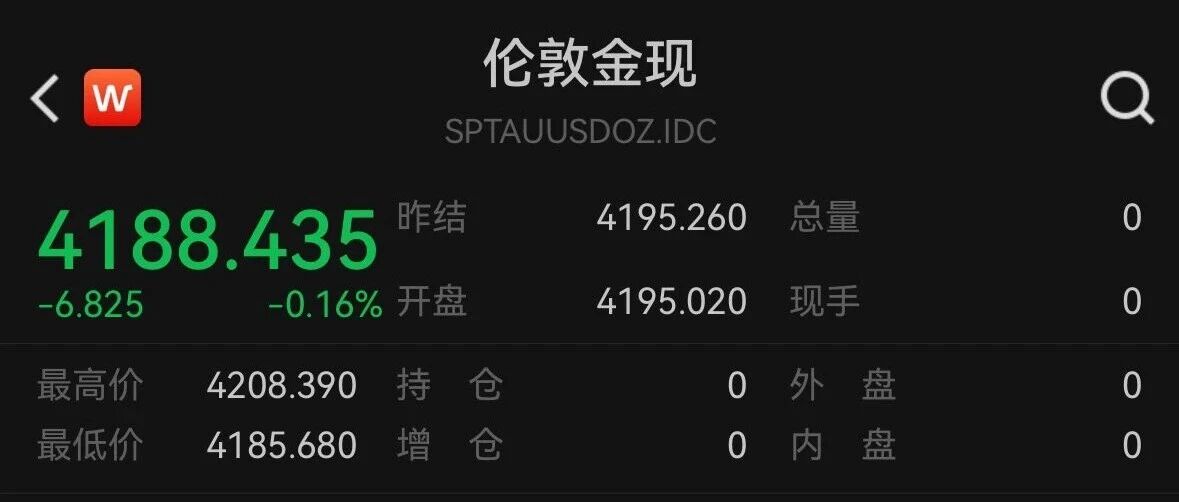
Core Viewpoint - The article discusses the recent performance of the MicroSectors 3x Long Gold ETF, highlighting its significant price drop and market activity, indicating potential investment opportunities or risks in the gold sector [2]. Group 1: Market Performance - The MicroSectors 3x Long Gold ETF has a net value of 161.0700, with a recent price drop of 19.2200, reflecting a decrease of 11.93% [2]. - The ETF's trading volume reached 2.37 billion, indicating active market participation despite the price decline [2]. - The pre-market price was noted at 126.9100, down by 14.9400 or 10.53% [2]. Group 2: Technical Indicators - The article mentions various moving averages, with MA5 at 158.9920, MA10 at 197.1030, and MA20 at 204.4775, suggesting a downward trend in the short term [5]. - Bollinger Bands are indicated with a mid-point of 4073.61, upper limit at 4303.54, and lower limit at 3843.69, which may provide insights into price volatility [5]. - The RSI (Relative Strength Index) values are reported at 74.10 and 63.66, indicating potential overbought conditions [5].

苏姿丰表达35%增速
小熊跑的快· 2025-11-12 00:25
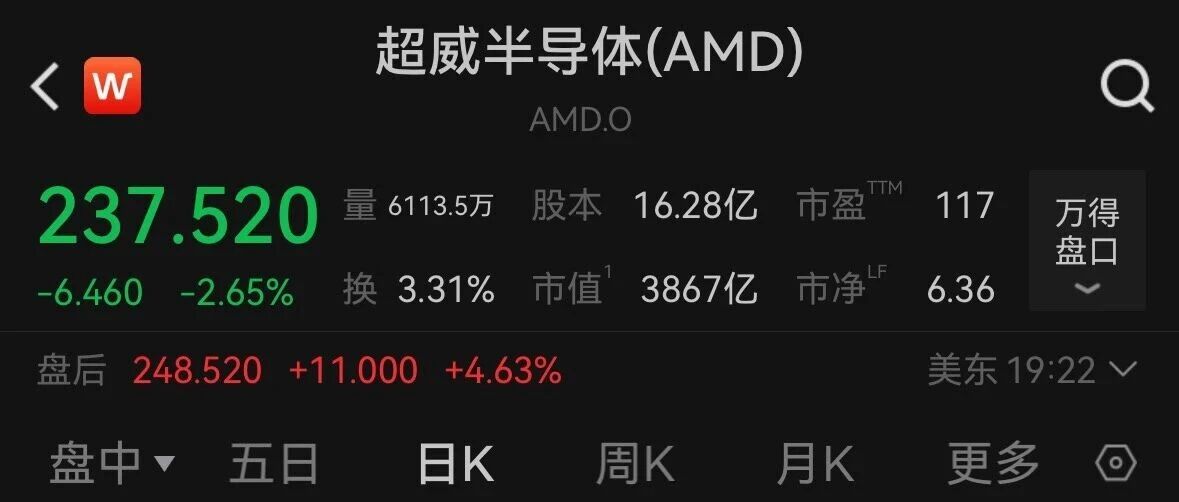
Core Viewpoint - AMD is expected to achieve a "double-digit" market share in the data center AI chip market within the next three to five years, driven by the insatiable demand for AI chips, leading to an overall revenue growth rate of approximately 35% annually [1] Group 1: Revenue Growth and Market Share - The data center AI business is projected to contribute to 80% of the growth, with sales expected to reach hundreds of billions of dollars by 2027 [1] - Currently, AMD's growth rate for the first three quarters is 34.4%, indicating that the projected 35% growth rate is higher than the current performance [1] - AMD's GPU market share is currently below 7%, but the company anticipates achieving a "double-digit" market share in the near future [1] Group 2: CPU Performance and Market Position - AMD's CPU segment is experiencing significant growth, with the Zen 6 expected to see large shipments in the second half of next year, utilizing TSMC's 2nm technology [1] - AMD is becoming the preferred CPU for major manufacturers adapting their own ASIC acceleration chips, indicating a potential for further market share expansion, particularly at the expense of Intel [1] - AMD holds an 80% dominant position in the desktop segment and is expected to reach a 40% market share in the server segment this year [1]

coreweave 财报
小熊跑的快· 2025-11-11 10:37
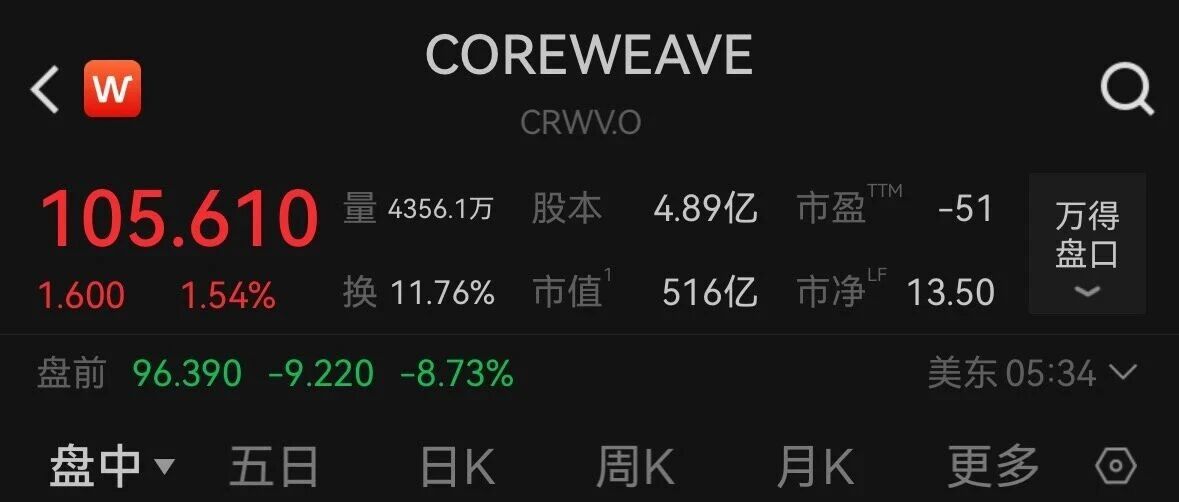
Core Insights - The company reported a slight revenue beat in Q3, achieving $1.365 billion, a year-over-year increase of 131.72%, surpassing the consensus estimate of $1.286 billion [3] - The company has a significant backlog of over $55 billion in orders, indicating strong demand [3] - Adjusted net loss for the quarter was $41 million, compared to breakeven in the same period last year [3] Financial Performance - Adjusted operating profit was $217 million, with an operating profit margin of 16%, showing a continuous decline [4][5] - Interest expenses increased to $311 million from $104 million year-over-year, primarily due to increased debt for infrastructure expansion [4] - The company currently holds $3 billion in cash and cash equivalents, having raised $14 billion through debt and equity transactions to support expansion [4] Capital Expenditure Guidance - Q3 capital expenditures totaled $1.9 billion, below expectations due to delays from third-party data center developers [6] - Full-year CapEx is projected to be between $12 billion and $14 billion, revised down from a previous estimate of $20 billion to $23 billion [6] - The company anticipates that capital expenditures in 2026 will exceed those in 2025 by more than double [6] Market Position and Outlook - The significant increase in unfulfilled orders suggests robust demand in the market [7] - The company's operating profit margin is being pressured by rising interest expenses and depreciation of older chips, indicating a weaker position in the AI supply chain [7] - Continuous financing is crucial for the company to sustain its operations and growth in the AI sector [8]
周末没人讨论 kimi k2?
小熊跑的快· 2025-11-09 23:23
Core Insights - Kimi K2 is gaining attention in the market, with major media coverage highlighting its features and potential [1] - The model is open-source and hosted on Hugging Face, allowing commercial use under specific conditions [2] - Kimi K2 has a training cost of $4.6 million, which is lower than its predecessor Deepseek at $5.5 million, indicating a trend of reduced computational costs [2] Features of Kimi K2 - Kimi K2 Thinking is built on a mixture of experts (MoE) model with 1 trillion parameters, activating 32 billion parameters during inference [2] - It can perform 200-300 consecutive tool calls without human intervention, combining long-term reasoning with structured tool usage [2] - The model is positioned as cost-effective, enhancing its appeal in the competitive AI landscape [2] Competitive Landscape - Kimi K2 has shown superior performance in multiple tests compared to GPT-5 and Claude 4.5 Grok4, establishing itself as a leading open-source model [5] - The model's development includes effective tools like MuonClip, which has achieved zero loss spike during pre-training on 15.5 trillion tokens [5] - The community's download volume for Kimi K2 is currently the highest, indicating strong interest and adoption [5] Market Implications - The advancements in AI models like Kimi K2 suggest that China is closing the gap in AI technology, with potential for future software and hardware exports [5]

惊魂周五
小熊跑的快· 2025-11-07 23:34
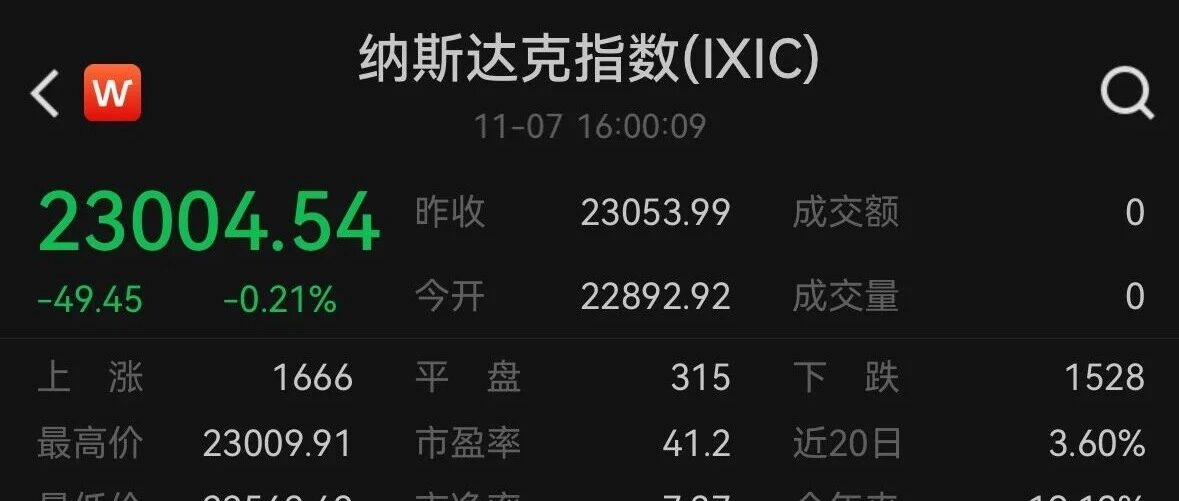
Group 1 - The article discusses the impact of weak consumer confidence data, which is at its lowest since 2022 at 50.3, and the uncertainty surrounding the potential returns from AI investments [1][3] - The stock market experienced a narrowing of losses after Democrats proposed conditions to end the government shutdown, but this proposal was subsequently rejected by Republicans [2] - There is a notable increase in layoffs, with October's figures indicating the highest number in over 20 years, suggesting that 2023 may become the worst year for layoffs since 2009 [3] Group 2 - The AI industry trend remains upward, with leading companies shifting from traditional GPU manufacturers to previously less mainstream firms like Micron, SanDisk, and First Solar [3] - There was significant buying activity from investors looking to capitalize on lower prices, with hopes for an end to the government shutdown [4]
美股跌的一些事
小熊跑的快· 2025-11-07 01:04
Group 1 - The core concern among major companies is the return on investment, particularly in relation to OpenAI's ambitious plans and financial stability [1] - OpenAI's five-year investment plan of 30GW and $1.4 trillion, with projected revenue of $12.9 billion, raises fears about its financial viability [1] - The sentiment in the market suggests that even if OpenAI fails, other AI players like Gemini and Claude will continue to thrive, indicating a broader resilience in the AI sector [2] Group 2 - As Thanksgiving approaches, there is a tendency for funds to be reallocated towards more stable assets, such as Google, TSMC, and Apple, which are perceived to have healthier margins and return on investment [4]
美软件 开始有资金流入了
小熊跑的快· 2025-11-06 14:44
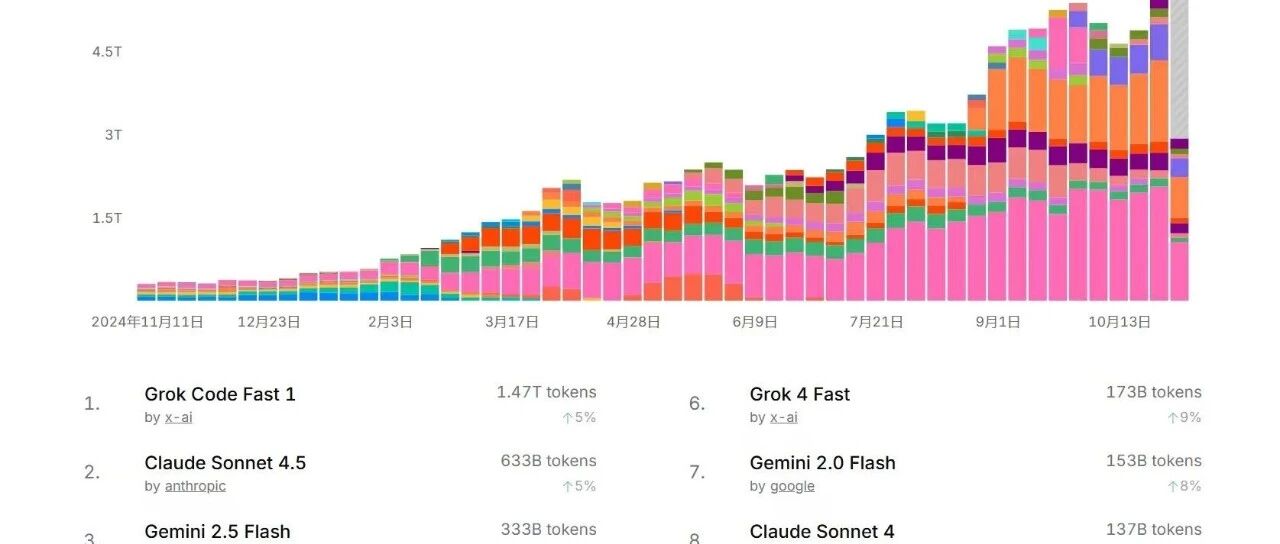
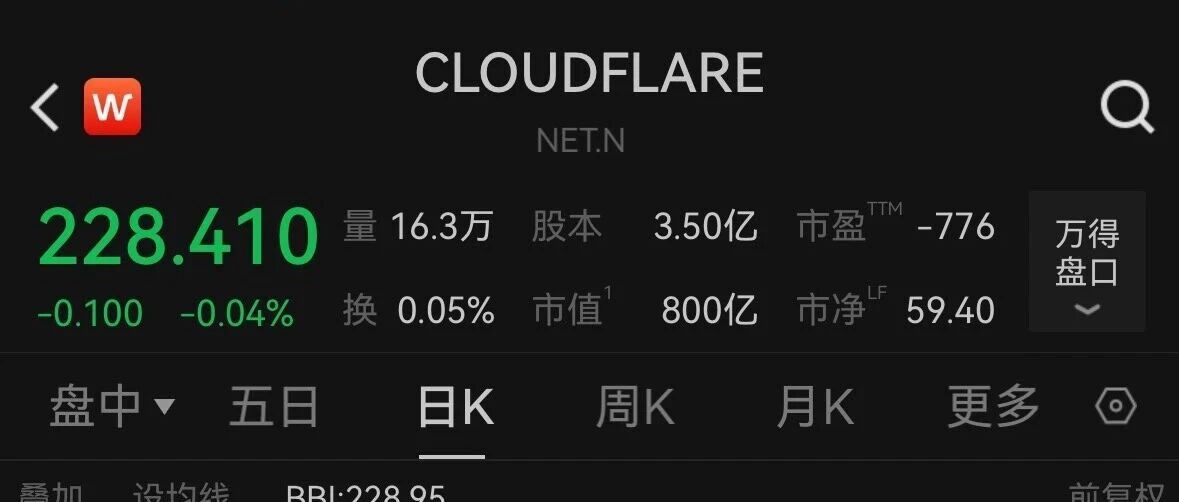
Group 1 - The article highlights a significant inflow of funds into the software sector, particularly in the U.S. market [1] - Datadog, an unexpected stock, surged by 20%, indicating strong market performance [1] - The performance of Datadog positively impacted its competitors, including MongoDB (MDB) and Snowflake [1] Group 2 - The article mentions Kafka as another notable player in the software industry experiencing growth [1] - Several AI-related tools are also seeing price increases, with Net achieving a new high [1]

AMD 数据不错
小熊跑的快· 2025-11-06 08:20
Core Viewpoint - AMD's performance in Q3 shows significant revenue growth, but the market remains focused on its gross margin, which has not exceeded expectations. Financial Performance - The company's revenue for Q3 reached $9.2 billion, marking a 36% year-over-year increase [2][3] - Net profit rose from $771 million (or $0.47 per share) in the same quarter last year to $1.24 billion (or $0.75 per share) [2] - Gross margin remained stable at 54%, unchanged from the previous year [3][5] - Net income for the quarter was $2 billion, reflecting a 31% increase [3] - Diluted earnings per share (EPS) increased by 30% to $1.20 [3] Future Guidance - The company has provided guidance for the next quarter, projecting a median revenue of $9.6 billion, which represents a 25% year-over-year growth [3] - The adjusted gross margin for the upcoming quarter is expected to be 54.5%, aligning with previous market expectations [5] Product Development and Partnerships - AMD is set to launch the next-generation 2nm Venice processors in 2026 [6] - Anticipated rapid customer momentum before the release of the next-generation MI400 series accelerators and Helios rack-level solutions [6] - Collaboration with OpenAI is expected to yield initial results in the second half of next year [6] - Plans to deploy thousands of MI450 GPUs in Oracle Cloud Infrastructure starting in 2026, with expansion into 2027 and beyond [6] - Strategic planning from a rack perspective is expected to drive gross margin increases starting in 2026 [6]
三季报 AI的水位
小熊跑的快· 2025-11-05 06:43
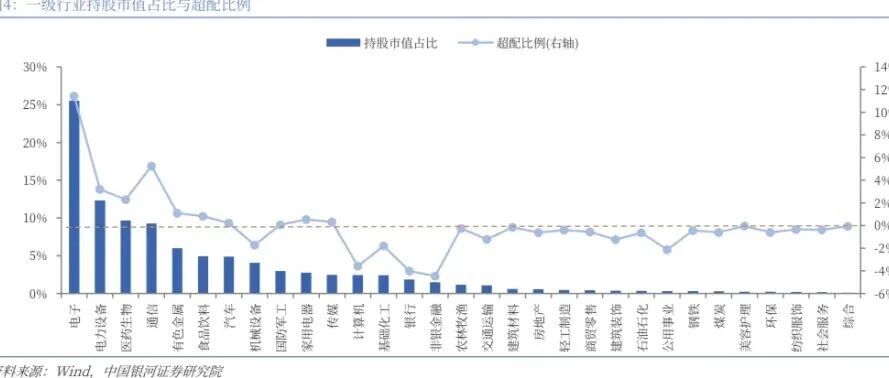
Core Insights - The article focuses on the performance of various sectors in the recent quarterly reports, particularly highlighting the significance of AI-related investments and the shifts in sector allocations [1]. Sector Performance - The electronic and communication sectors have the highest market capitalization shares, with electronics at 25.53%, electric equipment at 12.32%, pharmaceutical and biological at 9.66%, communication at 9.26%, and non-ferrous metals at 6% [2]. - In contrast, sectors such as comprehensive services (0.1%), social services (0.18%), textiles and apparel (0.21%), environmental protection (0.24%), and beauty care (0.24%) have relatively low market capitalization shares [2]. - The over-allocation ratios indicate significant overweights in electronics (11.43%), communication (5.26%), electric equipment (3.2%), pharmaceuticals (2.3%), and non-ferrous metals (1.1%), while non-bank financials (-4.47%), banks (-4.02%), computers (-3.59%), utilities (-2.13%), and basic chemicals (-1.8%) are underweight [2]. Quarterly Changes - Compared to the previous quarter, the electronic sector saw the largest increase in holdings at 6.86%, followed by communication at 3.93%, electric equipment at 2.43%, non-ferrous metals at 1.35%, and media at 0.55% [7]. - The proportion of holdings in the entrepreneurial board increased significantly from 18.93% to 23.62%, a rise of 4.70 percentage points, while the sci-tech board also saw an increase of 2.07 percentage points [8]. AI Investment Focus - The recent surge in AI investments is primarily concentrated in the entrepreneurial board's optical modules and the sci-tech board's chips, particularly in domestic GPU and FAB manufacturers such as Cambrian, Haiguang Information, SMIC, and Huahong Semiconductor [9]. - The AI-related ETF, particularly the sci-tech chip ETF, has shown remarkable performance with a quarterly increase of 68.32% [9]. Institutional Holdings - Institutional holdings reflect a clear trend towards indexation, with leading companies benefiting from scarcity premiums in competitive landscapes [10].
海外AI讨论
小熊跑的快· 2025-11-04 12:44
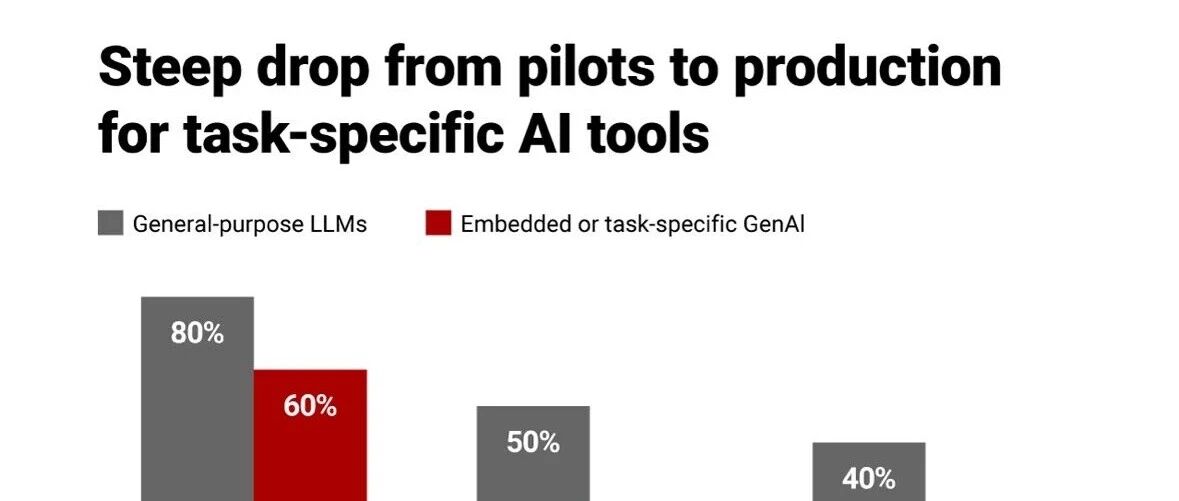
Group 1: Employment Issues - The rise of artificial intelligence is reducing job opportunities, particularly in entry-level positions, with job vacancies decreasing by approximately 30% since the launch of ChatGPT by OpenAI [2] - Amazon recently announced layoffs of 14,000 employees, primarily affecting middle management [2] Group 2: Profitability Concerns - The profitability issue surrounding AI was highlighted by Oracle's GPU cloud gross margin of 15%, which sparked discussions in overseas media [3] - Meta's significant stock drop has also reignited concerns regarding AI profitability [4] Group 3: AI Investment Returns - A recent survey by MIT revealed that despite companies investing between $30 billion to $40 billion in AI, a shocking 95% of them have not achieved any measurable returns [5] - Only 5% of AI systems successfully deployed in production environments, with the main barrier being the learning capability rather than infrastructure or talent [5] - Among companies that evaluated custom or vendor-sold AI systems, only 20% reached the pilot stage, and just 5% achieved production deployment that consistently creates business value [5] Group 4: Changing Perspectives on ROI - Technology leaders are beginning to shift their views on AI investment returns, suggesting that minor efficiency improvements are not a valid measure of ROI [6] - The emphasis is now on leveraging AI for significant innovation rather than merely enhancing productivity [6] Group 5: Depreciation and Profit Impact - A report calculated the return cycle for Microsoft's cloud H100, which has increased from 24 months to 36 months [11] - The impact of depreciation on profits is currently manageable, remaining below 30%, but is expected to exceed 40% starting in Q3 of next year [12] Group 6: Market Sentiment and Future Outlook - There is a growing awareness of potential leverage and early signs of a bubble, although risks have not yet materialized [14] - Profit margin pressures are anticipated to become more apparent by Q3 of next year, but the industry trend remains strong, particularly in AI [14]