是说芯语

Search documents
ARM服务器CPU初创公司降薪欠薪
是说芯语· 2025-08-09 08:47
Core Viewpoint - The article discusses the challenges and potential of ARM architecture server CPU startups, highlighting the competitive landscape and market dynamics in the server CPU industry [3][5][10]. Group 1: Current Landscape of ARM Server CPU Startups - Numerous ARM architecture server CPU startups have emerged recently, including companies like Qiling, Borui, Hongjun, Yuxian, Cixin, and Yizhi [4]. - Many of these startups are facing survival challenges, including salary arrears, significant layoffs, and even bankruptcy [5][6]. - The reliance on financing for survival and development is critical, as these companies typically invest heavily in R&D for several years before achieving product viability [8] [9]. Group 2: Competitive Environment and Market Dynamics - The primary competitors for ARM server CPUs are x86 server CPUs, which currently dominate the market share [10]. - Defining product specifications, performance, and target markets is a significant challenge for ARM server CPU companies [10]. - ARM server CPUs have made substantial progress in software ecosystem compatibility, outperforming RISC-V in this regard and offering a total cost of ownership (TCO) advantage over x86 [10]. Group 3: Market Potential and Future Outlook - The market for server CPUs is projected to grow significantly, with ARM server CPUs expected to account for 21.1% of global shipments by 2025, indicating a remarkable growth trajectory from near zero [11]. - The demand for ARM servers is being driven by large-scale system configurations, such as NVIDIA's DGX GB200 NVL72 designed for AI processing [11]. - Despite challenges, there is considerable potential for domestic ARM server CPU development, supported by technological advancements, market expansion, and policy backing [11].

突发反转!美国批准高端GPU对华出口!
是说芯语· 2025-08-09 01:16
Core Viewpoint - The U.S. Department of Commerce announced the restoration of exports of NVIDIA's H20 AI chips to China, reflecting a significant adjustment in U.S. technology control strategies amid the complex dynamics of U.S.-China competition and cooperation in the AI sector [1][3]. Group 1: Export License and Economic Impact - The U.S. Commerce Department issued an export license for the H20 chip in early July, allowing NVIDIA to resume supplies to China, which was a response to the economic pressure faced by NVIDIA due to previous export bans [3]. - Following the ban in April, NVIDIA had to account for a $4.5 billion inventory loss and faced an $8 billion revenue shortfall in a single quarter [3]. - NVIDIA's CEO emphasized that the Chinese market is a core growth driver for the company, and the approval for export licenses was a crucial step for their operations [3]. Group 2: Technical Specifications and Market Demand - The H20 chip, designed specifically for the Chinese market, features a Hopper architecture with 96GB HBM3 memory and 148 TFLOPS FP16 computing power, which is only 15% of the flagship H100 chip's performance [4]. - Despite its limited computing power, the H20 chip meets the needs for inference tasks and small to medium model training, particularly excelling in memory bandwidth and NVLink interconnect technology [4]. - Demand for the H20 chip remains strong in China, with companies like ByteDance and Tencent resuming large-scale purchases following the lifting of the ban, with server prices ranging from approximately 970,000 to 1,200,000 RMB [6]. Group 3: Policy Implications and Future Outlook - The design of the H20 chip complies with U.S. export control requirements, being limited to "non-military use" thresholds as per the 2023 AI diffusion export control framework [6]. - The U.S. policy adjustment reflects a balancing act between maintaining technological advantages and supporting corporate interests, with ongoing discussions about a "white list" system for specific Chinese companies [7]. - Analysts suggest that while the H20 supply can temporarily fill the computing power gap in China, long-term reliance on domestic alternatives is necessary, with predictions that China's chip self-sufficiency could rise from 34% in 2024 to 82% by 2027 [7]. Group 4: Security Concerns and Regulatory Actions - The National Internet Information Office of China raised concerns about potential security risks associated with the H20 chip, prompting NVIDIA to clarify that their chips do not contain backdoors or monitoring software [9][10]. - The U.S. is simultaneously tightening controls on Huawei's Ascend chips, indicating a dual strategy of loosening and tightening regulations [7]. - Observers note that as AI technology permeates critical sectors, competition over rules in areas like computing power and data governance will intensify, impacting the global tech supply chain [8].

马斯克——左右半导体制造格局的平衡稳定器
是说芯语· 2025-08-09 00:31
Core Viewpoint - The article discusses the competitive landscape of the semiconductor manufacturing industry, highlighting the significant contract between Tesla and Samsung, which could reshape the dynamics of the foundry market and impact major players like Intel and TSMC [2][5][14]. Group 1: Semiconductor Manufacturing Landscape - The U.S. is currently the leading country in semiconductor manufacturing, with three companies capable of mass-producing 3nm chips, all located in the U.S. [2] - TSMC is projected to have a market value approaching $3 trillion, while Intel has laid off over 30% of its workforce in the past 18 months, and Samsung's chip manufacturing profits have plummeted by 94% year-over-year due to high inventory costs [2][4]. Group 2: Tesla and Samsung Partnership - Tesla has signed a $16.5 billion contract with Samsung, which is expected to ensure the Taylor factory's operational viability and production capacity for the next several years [5][8]. - The contract is seen as a strategic move for Tesla, allowing it to secure a reliable supply chain for critical AI chips, distancing itself from reliance on competitors like Nvidia and TSMC [8][10]. Group 3: Implications for Competitors - The partnership between Tesla and Samsung may significantly impact Intel, which has been focusing on its foundry business. Intel could face potential losses of up to $2 billion in orders due to Samsung's resurgence [14][15]. - Samsung's ability to secure large orders from Tesla and potentially Qualcomm could stabilize its foundry business and support ongoing technological development, especially in high-bandwidth memory (HBM) production [9][10][15]. Group 4: Challenges and Future Outlook - Samsung's semiconductor division has faced challenges, with a recent operating profit of only 400 billion KRW ($288 million), significantly below analyst expectations [10]. - The company is working to improve its HBM production capabilities, but delays in the rollout of its new DRAM technology could hinder its competitive position against rivals like SK Hynix and Micron [12][13].


中国有了自己的“一位难求”国际化半导体展
是说芯语· 2025-08-09 00:03
Core Insights - The CSEAC 2025 is recognized as a significant event in the semiconductor industry, showcasing China's growing influence and capabilities in this sector [1][4] - The exhibition emphasizes three key aspects: specialization, industrialization, and internationalization, creating a platform for technology exchange and market expansion [3][5] - The event is expected to attract nearly 100,000 attendees, with over 1,000 exhibitors and an exhibition area exceeding 60,000 square meters, indicating a robust growth of over 40% compared to previous years [4][11] Group 1 - CSEAC 2025 will take place from September 4 to 6 at the Wuxi Taihu International Expo Center, highlighting China's self-controlled international semiconductor exhibition [1] - The event has gained recognition as an essential annual gathering for semiconductor professionals, with a significant increase in international participation, including nearly 200 international exhibitors [4][5] - The exhibition will feature over 20 specialized forums focusing on market trends and industry challenges, facilitating interaction among industry experts and stakeholders [3][6] Group 2 - The theme of this year's event is "Strengthening China's Chip, Embracing the Chip World," reflecting the strategic importance of the semiconductor industry to the nation [4] - The event aims to create a collaborative ecosystem for the semiconductor supply chain, enhancing information sharing and resource integration among participants [5][6] - A talent zone will be established to promote education-industry integration, featuring nearly 30 renowned universities and over 100 leading enterprises to foster practical semiconductor talent development [6]
特朗普听好了——关于我的信息有很多错误!!
是说芯语· 2025-08-08 11:00
Core Viewpoint - The political turmoil surrounding Intel's CEO Chen Lifeng has led to a significant market reaction, with Intel's stock price dropping nearly 5% in pre-market trading due to Trump's demand for his resignation, highlighting the company's ongoing struggles in the semiconductor industry [1]. Group 1: Company Response - Chen Lifeng issued a public letter emphasizing his commitment to the U.S. and Intel, stating that he has adhered to the highest legal and ethical standards throughout his 40-year career [3][4]. - The Intel board has expressed full support for the company's transformation efforts and innovation initiatives, indicating progress in their strategic goals [4]. - Intel is set to achieve mass production of the most advanced semiconductor process technology in the U.S. later this year, marking a significant milestone for the company [4]. Group 2: Market Impact - The demand for Chen Lifeng's resignation has added further uncertainty to Intel, which is already facing challenges such as lagging behind competitors like TSMC in process technology and having zero market share in AI chips [1]. - The company is undergoing a substantial workforce reduction, with 75,000 layoffs planned, compounding the difficulties posed by the current political climate [1].

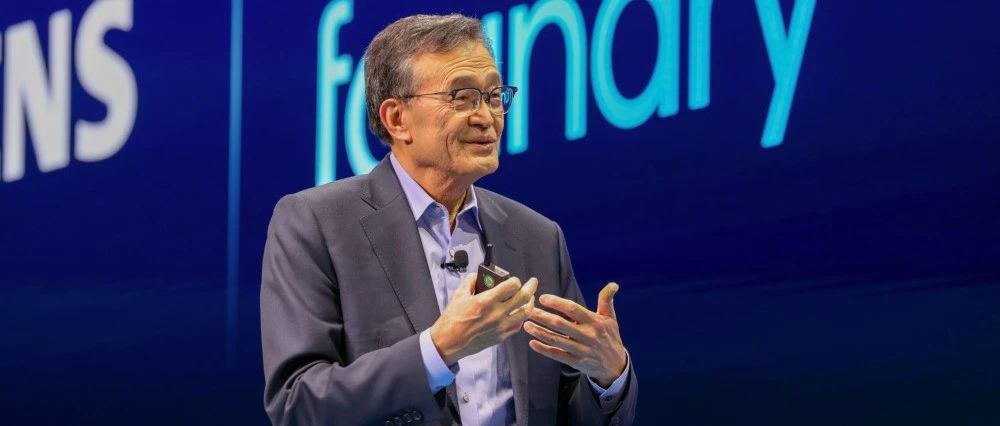
真相!特朗普为何向英特尔CEO陈立武开刀?
是说芯语· 2025-08-08 03:43
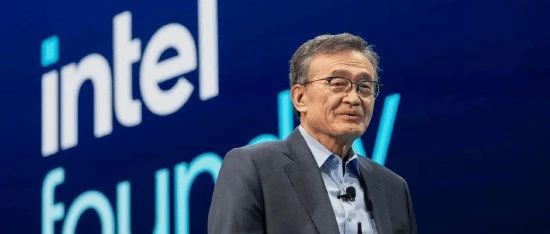
Core Viewpoint - The recent call by former President Donald Trump for Intel's CEO to resign due to alleged conflicts of interest has created additional turmoil for the company, which is already struggling to maintain its position in the AI era [1][2]. Group 1: CEO Controversy - Trump accused Intel's CEO, Lip-Bu Tan, of having serious conflicts of interest and demanded his immediate resignation without providing evidence [1]. - Senator Tom Cotton raised concerns about Tan's previous investments in China and his ties to Cadence, a company that admitted to violating U.S. export controls [2]. - Intel's board expressed support for Tan, emphasizing their commitment to U.S. national and economic security and ongoing significant investments aligned with the "America First" agenda [2]. Group 2: Market Reaction and Internal Disputes - Following Trump's comments, Intel's stock price fell by 3.1% to $19.77 [5]. - There are reported internal disagreements within Intel's board regarding Tan's strategies, particularly about whether to exit manufacturing and his attempts to raise funds for an AI acquisition [5]. - Tan, who took over as CEO in March, was expected to reverse Intel's recent decline but faces challenges due to the company's lagging position compared to competitors like Nvidia and TSMC [5]. Group 3: Industry Context and Political Implications - Intel is a significant beneficiary of the Chips and Science Act, having received nearly $8 billion in funding, but has delayed the opening of its Ohio chip manufacturing plant to at least the 2030s, which may contradict government goals [7]. - Trump's allies, including Senator Bernie Moreno, have also called for Tan's resignation, linking the situation to broader U.S. industrial policy [7]. - Analysts suggest that Tan's departure could create uncertainty regarding leadership succession, given his extensive industry knowledge and connections [6].
突发,特斯拉解散Dojo团队
是说芯语· 2025-08-08 00:02
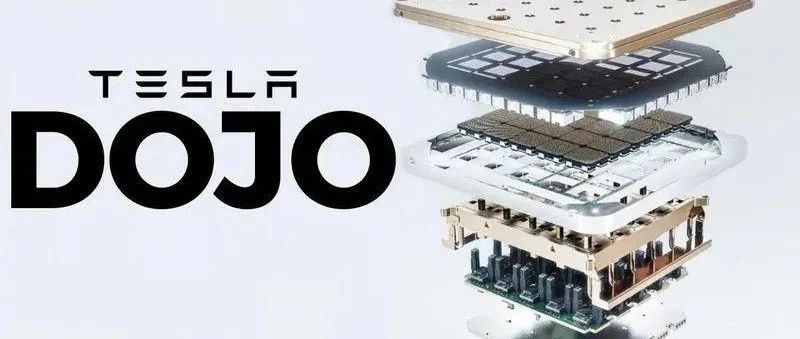
Core Viewpoint - Tesla is disbanding its Dojo supercomputer team, which will disrupt its internal efforts to develop autonomous driving technology chips [1][4][5] Group 1: Changes in Dojo Project - Peter Bannon, the head of the Dojo project, is leaving, and CEO Elon Musk has ordered the project to be halted [1] - Approximately 20 employees from the Dojo team have recently left for a new company called DensityAI, while remaining staff will be reassigned to other Tesla data centers and computing projects [1][2] Group 2: Shift to External Partnerships - Tesla plans to increase reliance on external technology partners, including Nvidia, AMD, and Samsung Electronics for chip manufacturing [2] - DensityAI, founded by former Dojo leaders, is developing chips and hardware for AI data centers applicable in various fields [2] Group 3: Impact on Tesla's Stock and Talent - Following the news, Tesla's stock price fell slightly in after-hours trading [3] - The company is experiencing a talent drain amid increasing competition, declining sales, and consumer dissatisfaction with Musk's political activities [3] Group 4: Strategic Shift in Technology Development - Tesla has signed a $16.5 billion agreement with Samsung to secure AI semiconductor supply until 2033, diversifying its procurement channels beyond TSMC [3] - Musk hinted at a strategic transformation, suggesting future internal technology iterations may integrate with partner technologies [3][4] Group 5: Historical Context of Dojo - Dojo was initially introduced in 2019 as a supercomputer designed to train Tesla's Full Self-Driving (FSD) neural networks [6][8] - The project has undergone various phases and discussions, with Musk previously acknowledging that Tesla might not always pursue Dojo and could rely more on external partners [4][5]
特朗普:英特尔陈立武必须立即辞职!
是说芯语· 2025-08-07 14:33
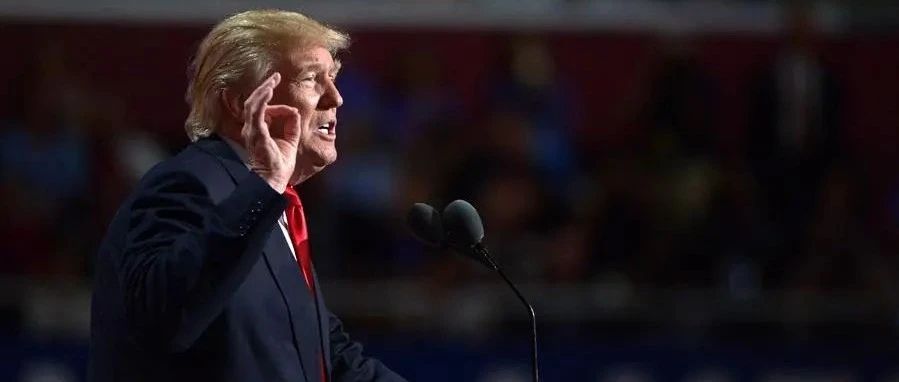
Core Viewpoint - The recent controversy surrounding Intel's CEO Lip-Bu Tan, prompted by concerns over his ties to Chinese companies and previous legal issues, has led to significant scrutiny and a drop in Intel's stock price, adding uncertainty to the company's ongoing strategic transformation [1][3]. Group 1: CEO Controversy - President Donald Trump publicly called for the resignation of Intel's CEO Lip-Bu Tan, citing significant conflicts of interest [1]. - Senator Tom Cotton raised concerns in a letter to Intel's board regarding Tan's financial connections with Chinese firms and his past involvement with Cadence, which faced export control violations [1][3]. - Tan has invested at least $200 million in hundreds of Chinese companies, some of which are linked to the Chinese military, raising national security concerns [3]. Group 2: Strategic Challenges - Since taking over in March, Tan has proposed significant reforms, including reducing Intel's workforce by approximately 22% to 75,000 employees by the end of the year [3]. - Intel has historically dominated the chip manufacturing sector but has fallen behind Taiwan's TSMC in manufacturing technology and lacks a presence in the AI chip market, which is currently led by Nvidia [3]. - The ongoing scrutiny and controversy may complicate Intel's strategic transition efforts [3].
突发!美国对TCL、联想、一加等中国企业启动337调查
是说芯语· 2025-08-07 08:44
Core Viewpoint - The article discusses the initiation of a Section 337 investigation by the U.S. International Trade Commission (ITC) against several companies, including Chinese firms like OnePlus, Lenovo, and TCL, over alleged patent infringements related to specific mobile cellular communication devices [1][3]. Group 1: Investigation Details - The investigation was prompted by a complaint from South Korea's Pantech Corporation, which claims that certain mobile devices exported to and sold in the U.S. infringe on four U.S. registered patents [3]. - The defendants include well-known companies and their subsidiaries, such as OnePlus, Lenovo, TCL, and HMD Global, among others [3][6]. - The ITC is expected to determine the investigation's conclusion deadline within 45 days of filing [7]. Group 2: Industry Implications - If the ITC finds infringement, the relief order will take effect immediately unless blocked by U.S. trade representatives, with finality after 60 days [7]. - The article highlights that many Chinese companies, including Lenovo and TCL, have faced similar Section 337 investigations in recent years, indicating a trend of U.S. companies using these investigations as a competitive tool against Chinese manufacturers [8]. - The phenomenon of "hollowing out" companies, which refers to firms shifting focus from physical operations to virtual economies, is noted as a significant characteristic of the industry, with former leaders like Nokia and Motorola now relying heavily on patent licensing [8][9]. Group 3: Legal and Strategic Considerations - The article suggests that responding to Section 337 investigations does not always result in losses for the defendants, and there may be a higher chance of winning than losing [9]. - It warns that while the abuse of intellectual property may yield short-term benefits, it poses substantial long-term legal risks that could outweigh the potential gains from such complaints [9].


余凯的狗屎运
是说芯语· 2025-08-07 00:49
Core Viewpoint - The article discusses the journey and achievements of Horizon Robotics, founded by Yu Kai, highlighting the importance of social intelligence and unique business strategies in the company's success [3][5][14]. Company Achievements - Horizon Robotics was established in 2015 after Yu Kai left Baidu, focusing on developing AI chips independently [5]. - The company launched its first domestic automotive-grade AI chip in 2019, marking a significant milestone for China [5]. - Over the past decade, Horizon has delivered more than 7.7 million intelligent driving solutions, with a market share exceeding 40% in China's OEM ADAS market [5]. Strategic Partnerships - Key partnerships with Changan Automobile starting in 2018 and with Li Xiang in 2019 were pivotal for Horizon's growth [5][11]. - These collaborations have significantly influenced the company's trajectory and market positioning [11]. Social Intelligence - Yu Kai emphasizes the importance of social intelligence, which involves understanding and navigating the implicit rules of various social fields [9][11]. - The article references Pierre Bourdieu's theory of social fields, suggesting that social intelligence is not merely innate but also shaped by one's environment [9][10]. Business Philosophy - Yu Kai advocates for a business strategy of differentiation, stating, "When others go right, I go left," which reflects a unique approach to competition [14]. - He also stresses the importance of understanding customer needs and pain points as a key to differentiation in business [15].