是说芯语

Search documents
硅基智能完成数亿元D轮融资,司马华鹏:要从“卖工具”到“卖结果”
是说芯语· 2025-08-12 02:08
Core Viewpoint - Nanjing Silicon Intelligence has completed a multi-billion RMB Series D financing round, which will be used for core technology research and development, promoting technology application across various industries, and accelerating marketization of products and services [1][2]. Financing and Investment - Silicon Intelligence has raised over 1 billion RMB since its establishment in 2017, with investments from notable institutions such as Tencent and Sequoia China [2]. - The recent financing round led by Jiaxing High-tech Zone Industrial Fund is seen as a strategic partnership, providing a favorable industrial environment for the company [1][7]. Business Model and Market Position - The company focuses on generative AI digital human technology, with annual revenue from digital human services reaching several hundred million RMB, serving over 5,000 brand enterprises and reducing operational costs by approximately 80% [2][4]. - The digital human market in China has surpassed 10 billion RMB in 2023 and is expected to reach 30 billion RMB by 2025, with a compound annual growth rate exceeding 50% [2]. Technological Advancements - Silicon Intelligence is investing heavily in core technology development, launching the DUIX ONE multimodal model, which enhances human-computer interaction realism [4]. - The DUIX ONE model integrates capabilities such as speech recognition, natural language processing, and computer vision, significantly improving the performance of digital humans [4]. Strategic Initiatives - The company has adopted a "DUIX Inside" strategy, positioning itself as a foundational technology provider for digital human applications across various industries [5]. - Silicon Intelligence is actively pursuing a dual strategy of "technology going global" and "industry rooting," with open-source projects attracting thousands of overseas developers [6]. Future Vision - The company aims to create 100 million silicon-based labor forces globally, establishing empowerment centers in 100 cities by 2025 [12]. - The vision includes enabling individuals to become "super individuals" empowered by AI, aligning with the trend of personal creators leveraging advanced technology [13]. Innovative Business Model - Silicon Intelligence is shifting from a traditional "selling tools" model to a "selling results" model, where AI's value is tied to actual business growth [8][11]. - The company has successfully implemented this model in various sectors, demonstrating that AI can act as a true "growth partner" [9][11].

特朗普:陈立武的成功令人惊叹!
是说芯语· 2025-08-12 01:52
| 陈立武靠什么逆转特朗普? 唐纳德·特朗普总统 周一表示,他和内阁成员会见了 英特尔 首席执行官陈立武(Lip-Bu Tan)。几天前,他曾 呼吁 这家芯片制造商的首席执行官辞职。 英特尔股价在盘后交易中上涨了2%。 特朗普在"真相社交 "(Truth Social)网站上发帖称:"我与英特尔公司的陈立武先生、商务部长霍华德·卢特尼克(Howard Lutnick)和财政部长斯科特 ·贝森特(Scott Bessent)会面 。这次会面非常有趣。他的成功和崛起是一个令人惊叹的故事。陈先生和我的内阁成员将在下周进行交流,并向我提出建 议。感谢你们对此事的关注!" 特朗普在华盛顿特区的新闻发布会上表示:"我说,'听着,如果我要为你、为国家批准这项法案,我需要 20% 的支持率。'" | 英特尔发言人证实了此次会面。 该发言人在一封电子邮件中写道:"今天早些时候,陈先生有幸与特朗普总统会面,就英特尔致力于加强美国技术和制造业领导地位进行了坦诚和建设性的 讨论。" 陈先生自2022年起担任英特尔董事,并于今年3月接替帕特·基辛格出任首席执行官。上周,阿肯色州共和党参议员汤姆·科顿(Tom Cotton)对陈先生与 ...


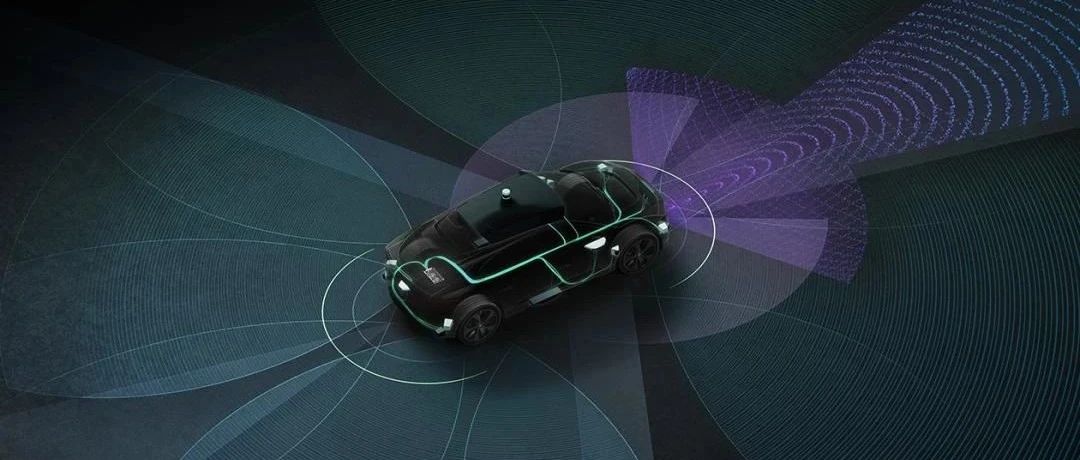
芯片有后门风险!中国车企集体加速替换英伟达芯片!
是说芯语· 2025-08-11 23:41
Core Viewpoint - The article discusses the increasing efforts of Chinese automotive manufacturers and chip companies to develop and adopt domestic products in response to the U.S. government's tightening export controls on high-tech products, particularly in the automotive chip sector [1][3]. Group 1: Impact of U.S. Export Controls - The U.S. government is intensifying scrutiny and restrictions on exports of high-tech products, including chips, to China, which is affecting the development of domestic autonomous driving and other technologies [1]. - Chinese automotive manufacturers, such as XPeng and NIO, are replacing foreign chips from companies like NVIDIA with self-developed chips in their latest models [1][3]. Group 2: Rise of Domestic Chip Companies - At least 10 Chinese chip companies are focusing on the automotive market as a core development area, including Horizon Robotics, Huawei HiSilicon, and others, which are rapidly expanding their client base among domestic car manufacturers [1]. - Major Chinese chip foundries like SMIC and Hua Hong Semiconductor are benefiting from this trend, with SMIC's automotive and industrial application chip manufacturing revenue increasing from less than 3% to 10% over three years [1]. Group 3: Market Share and Projections - According to estimates, the share of domestic brands in the total supply of automotive chips in China is expected to rise from approximately 9% in 2024 to 15-20% in 2025, with a potential increase to 50% within five years [3][4]. - Horizon Robotics is emerging as a significant competitor to NVIDIA in the smart driving market, currently holding a 33.97% market share in L0 to L2 level intelligent driving solutions in China [6]. Group 4: Technological Advancements and Challenges - Chinese companies are making strides in producing advanced automotive chips, with products like the "Starry Sky No. 1" high-level auxiliary driving chip achieving AI computing power of 512 TOPS, filling a gap in the domestic market [7]. - Despite initial integration challenges with domestic chips, the adoption rate is expected to increase as companies seek to reduce costs for lower-end models [4]. Group 5: Future Projections for Chip Self-Sufficiency - Projections indicate that China's self-sufficiency rate for microcontroller (MCU) chips will rise from 19% in 2024 to 67% by 2030, while the self-sufficiency rate for silicon carbide power switch chips is expected to grow from 5% to 74% in the same period [7][8]. - The rapid electrification and digitalization of Chinese automobiles are creating opportunities for new companies focused on designing logic chips for infotainment systems and autonomous driving features [8].


陈立武即将会见特朗普!
是说芯语· 2025-08-11 14:04
据知情人士表示,在美国总统唐纳德·特朗普上周要求其下台后,英特尔CEO陈立武将于本周一访问白宫。英 特尔和白宫尚未立即回应置评请求。 陈立武希望通过展示其对美国的承诺,并保证将英特尔的制造能力作为国家安全问题的重要性,来赢得特朗普 的认可。 陈立武是一位出生于马来西亚的华裔美国企业高管,他曾于2008年至2021年12月担任Cadence Design公司 CEO。 转自:天天IC 加入"中国IC独角兽联盟",请点击进入 报道称,预计陈立武将与特朗普进行深入交谈,同时解释其个人和职业背景,并可能提出英特尔与美国政府合 作的方式。 近期,特朗普要求陈立武立即辞职,称其与中国企业的关系使其"高度矛盾",并对扭转这家陷入困境的美国 芯片巨头的计划表示怀疑。 陈立武表示,他赞同美国总统致力于推进美国国家和经济安全的承诺。 特朗普的介入标志着美国总统公开呼吁罢免公司CEO的罕见案例,并引发了投资者的争论。 今年4月报道称,陈立武向数百家中国先进制造和芯片公司投资至少2亿美元,其中一些公司与中国军方有关 联。 是说芯语转载,欢迎关注分享 ...
万通发展转型入局芯片赛道,控股数渡科技!
是说芯语· 2025-08-11 07:23
8月10日晚,万通发展(600246)发布公告,拟通过增资及股权转让合计投资8.54亿元取得北京数渡信息科技有限公司62.98%股权, 本次投资完成后,标 的公司成为上市公司的控股子公司, 并纳入上市公司合并报表。 数渡科技作为国内高速互连芯片设计领域的新锐,其技术路径与市场定位在国产替代浪潮中备受关注。 | 从天使轮估值到亿元级战略投资 数渡科技成立于2021年,早期便获得产业资本青睐。2022年10月,公司完成天使轮融资,投资方包括鹰盟资本、龙鼎投资、航天科工资产等机构。这一轮 融资为数渡科技奠定了技术研发的基础,使其能够组建核心团队并启动PCIe5.0交换芯片的预研工作。2023年1月,数渡科技再获A轮融资,龙鼎投资、九 域投资、嘉兴南湖国有集团等机构注资,推动产品进入工程样片阶段。2024年6月,盈富泰克参与的A+轮融资进一步加速了产品的量产准备。 令人唏嘘 的是本次数渡科技被收购距离其最近一次融资刚刚过去不到3个月,公司5月份刚刚拿到北京经开区产业升级基金以及青岛琮碧胡杨创业投资基金的合计 7000万元投资。 | # | 交易轮次 | 交易时间 | 交易金額 | 投资方 | 来源 | | --- | ...

15%“买路钱”!英伟达 AMD 妥协背后,中美芯片暗战进入 “收费时代”
是说芯语· 2025-08-11 02:14
Core Viewpoint - The agreement between NVIDIA, AMD, and the Trump administration involves a 15% revenue payment from AI chip sales to China to secure export licenses, reflecting a "technology for resources" strategy in US-China trade negotiations [1][3]. Group 1: Agreement Details - NVIDIA's H20 chip and AMD's MI308 chip will each contribute 15% of their sales revenue to the US government as a condition for export licenses [3]. - NVIDIA's H20 chip sales in China are projected to reach $12 billion in 2024, contributing approximately $1.8 billion to the US government [5]. - If AMD's MI308 chip resumes sales, it could contribute over $900 million annually based on an estimated $6.2 billion in sales [5]. Group 2: Market Impact - The agreement may provoke China to implement reciprocal measures, such as imposing similar "technology access fees" on US companies or enhancing security reviews [5][7]. - Chinese domestic chip manufacturers are rapidly increasing their market share, with Huawei's Ascend 910C chip outperforming NVIDIA's H100, and local firms like Cambrian seeing a 4200% revenue increase [5][6]. - Morgan Stanley predicts that China's chip self-sufficiency could rise from 34% in 2024 to 82% by 2027 [5]. Group 3: Strategic Implications - The return of the H20 chip may provide short-term benefits for Chinese companies, but long-term risks remain due to the ongoing push for domestic alternatives [6]. - Analysts suggest that the US's "technology containment" strategy may inadvertently accelerate China's innovation efforts [6]. - The Chinese Ministry of Commerce has not officially responded to potential countermeasures, but industry insiders anticipate adjustments in tariffs and data security reviews [7].

“中国芯之父” 邓中翰引领中星微拟IPO!
是说芯语· 2025-08-11 00:49
Core Viewpoint - The article discusses the journey of Zhongxing Technology, a prominent Chinese chip company, as it prepares for an IPO on the Sci-Tech Innovation Board, highlighting its historical challenges and technological advancements [1][2]. Group 1: IPO Preparation - Zhongxing Technology has submitted an application for IPO guidance to the Guangdong Securities Regulatory Bureau, aiming for completion by November to December 2025 [1]. - The company plans to integrate its security video and AI chip businesses to re-enter the capital market [2]. Group 2: Historical Context - Zhongxing Technology, originally listed on NASDAQ in 2005, faced significant challenges leading to its privatization in 2015 due to prolonged low stock prices [2]. - The company attempted to return to the A-share market multiple times, including a failed backdoor listing in 2016 and a withdrawn IPO application in 2020 [2]. Group 3: Technological Advancements - As a national high-tech enterprise, Zhongxing Technology has developed significant expertise in digital multimedia chips and AI algorithms, stemming from the "Star China Chip Project" initiated in 1999 [3]. - The company has launched the "Star Intelligent No. 5" chip, capable of supporting a 671 billion parameter DeepSeek model for localized operations in smart city and intelligent manufacturing applications [3]. Group 4: Leadership and Vision - The founder, Deng Zhonghan, is a key figure in the company's development, holding multiple degrees and having a notable career in the semiconductor industry [5]. - Deng advocates for capital to act as a strategic partner in technological innovation, emphasizing the integration of financial tools into industrial upgrades [5]. Group 5: Strategic Collaborations - Zhongxing Technology has established strategic partnerships with companies like Mobile Cloud and Guoji Digital Science, focusing on solutions for smart communities and intelligent transportation [7]. - The company is involved in setting industry standards, such as the SVAC (Video Security National Standard), which could enhance its market position post-IPO [7].
美国如何给芯片安“后门”
是说芯语· 2025-08-10 07:00
Core Viewpoint - The article discusses the security risks associated with the H20 chip from Nvidia, particularly focusing on the potential for backdoors and the implications of U.S. government policies regarding chip exports to China [3][4][24]. Group 1: Security Risks and Backdoors - The National Internet Information Office of China recently addressed Nvidia regarding security risks related to the H20 chip, suggesting concerns over potential backdoors [3]. - Nvidia's response emphasized that the chip does not contain backdoors, referencing the historical "Clipper chip" incident as a cautionary tale [4][6]. - A recent U.S. legislative proposal led by Congressman Bill Foster aims to mandate U.S. chip companies to incorporate backdoors in export-controlled chips, indicating a shift in policy towards more overt government control [8][10]. Group 2: Technical Aspects of Backdoors - Backdoors can be categorized into hardware and software types, with hardware backdoors being physical circuits left during design or manufacturing, while software backdoors involve implanted instructions in software [11][12]. - The H20 chip's power management module could theoretically implement a remote shutdown feature by embedding a circuit that triggers under specific conditions, such as usage time or environmental factors [14][15]. - The potential for software-based backdoors exists through updates to the CUDA ecosystem, which could allow for tracking and data collection functionalities [16][17]. Group 3: U.S. Government Control Mechanisms - The U.S. government has proposed a "chip governance mechanism" to coordinate chip design and production, ensuring compliance with national security requirements [19][20]. - This mechanism includes features such as license locking, tracking, usage monitoring, and usage restrictions, which could effectively control the deployment of chips like the H20 [20][23]. - Reports indicate that Nvidia's AI chips already possess many of the functionalities required for this governance mechanism, raising concerns about their safety and reliability for foreign markets [21][23]. Group 4: Performance and Environmental Concerns - The H20 chip is deemed not only unsafe but also technologically inferior, with only about 20% of the performance of its standard counterpart, the H100, and a 41% reduction in GPU core count [27]. - Environmental efficiency is also a concern, as the H20's energy efficiency ratio is approximately 0.37 TFLOPS/W, failing to meet the required 0.5 TFLOPS/W for energy-efficient GPUs [28]. - Given its lack of safety, technological advancement, and environmental compliance, the H20 chip is not considered a viable option for consumers [29][30].
华为宣布 AI 推理技术重大突破 有望彻底摆脱 HBM 依赖
是说芯语· 2025-08-10 02:30
Core Viewpoint - Huawei is set to unveil a breakthrough technology in AI inference at the "2025 Financial AI Inference Application Landing and Development Forum" on August 12, which aims to significantly reduce China's reliance on HBM (High Bandwidth Memory) and enhance the performance of domestic AI large models, addressing a critical gap in China's AI inference ecosystem [1][3]. Group 1: Current Market Context - The global demand for AI inference is experiencing explosive growth, while the core supporting technology, HBM, is monopolized by foreign giants, with over 90% dependency in high-end AI servers [3]. - The domestic replacement rate for HBM is less than 5%, leading to increased costs for large model training and inference, hindering AI application deployment in key sectors like finance, healthcare, and industry [3]. Group 2: Technological Innovations - Huawei's new technology targets the pain points by optimizing advanced storage-computing architecture and integrating DRAM with new storage technologies, aiming to maintain high inference efficiency while significantly reducing HBM usage [3]. - The technology may involve deep collaboration between "hardware reconstruction + software intelligence," potentially creating "super AI servers" that optimize computing, transportation, and storage capabilities [4]. Group 3: Performance Metrics - Huawei's CloudMatrix384 Ascend AI cloud service has validated similar technological pathways, achieving a single card decode throughput of over 1920 Tokens/s and a 10-fold increase in KV Cache transmission bandwidth, with a 50ms latency for each token output [4]. - The EMS elastic memory storage service has enabled significant reductions in NPU deployment numbers and inference latency, showcasing a 50% reduction in deployment and an 80% decrease in the first token inference latency [4]. Group 4: Industry Applications - The financial sector will be the first to implement Huawei's technology, which has already established a mature AI framework, supporting over 75% of major banks in core transformations [5]. - The technology will enhance native AI applications in finance, enabling millisecond-level decision-making in high-frequency trading and supporting real-time interactions for millions of users in intelligent customer service [5]. Group 5: Future Implications - While the ultra-high bandwidth characteristics of HBM (current mainstream HBM3 bandwidth exceeds 819GB/s) are difficult to fully replace in the short term, Huawei's technological approach offers new options for the industry [5]. - Experts suggest that if the technology can balance performance and cost, it may disrupt the industry's reliance on HBM and shift global AI chip development from "hardware stacking" to "architectural innovation" [5].

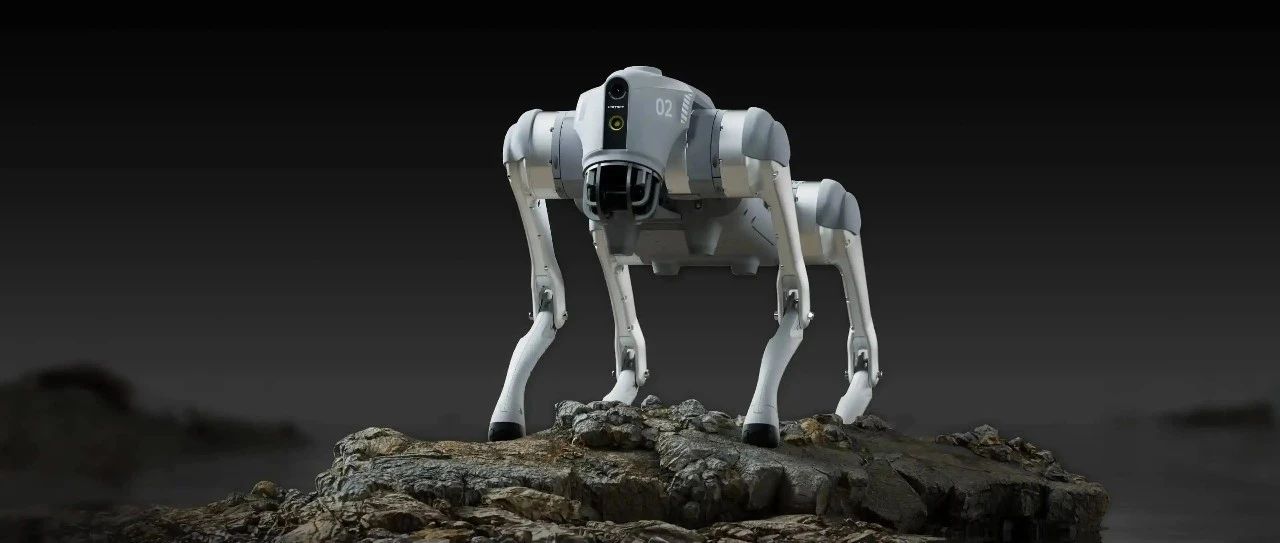
宇树科技王兴兴:指望机器人能够在干活场景产生较大的价值不太现实
是说芯语· 2025-08-09 23:56
Core Viewpoint - The humanoid robot market is experiencing significant growth driven by demand, with manufacturers seeing an average increase of 50% to 100% in sales [3][4]. Industry Development - The humanoid robot market is "very hot" this year, with expectations for annual shipment volumes to double in the coming years, potentially reaching hundreds of thousands or even millions in 2 to 3 years if technological breakthroughs occur [3][4]. - The global robotics industry has seen explosive growth in the first half of the year, with domestic manufacturers experiencing an average growth rate of 50% to 100% [3][4]. - Major companies like Tesla and Nvidia are heavily investing in humanoid robots, with Tesla planning to produce thousands of units this year [3][4]. Company Insights - The company has been focusing on international markets, with overseas business accounting for about 50% of its revenue since 2018 [3][4]. - The company aims to develop versatile humanoid robots that can operate in various scenarios, including factories, performances, and homes [4]. - Current hardware for intelligent robots is not perfect but is deemed sufficient, with future efforts focused on improving hardware details, reducing costs, and enhancing reliability [4][5]. Technological Challenges - The biggest challenge in the industry is the development of robust robot models, with current AI capabilities being insufficient [4][5]. - The company believes that the focus should shift from data to model architecture, as the latter is crucial for advancements in AI technology [5][7]. - There is an expectation that breakthroughs in AI technology will occur within the next 2 to 5 years, leading to a large-scale application era [7].