经济观察报

Search documents
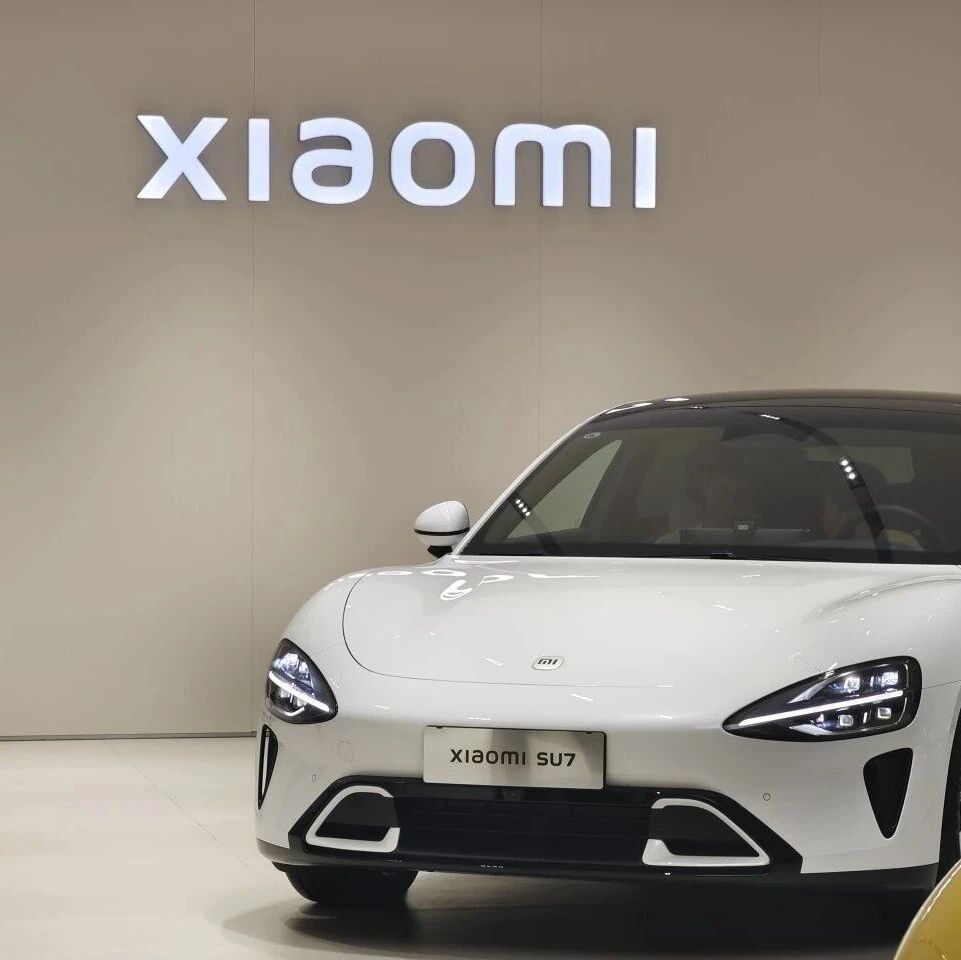
因智能驾驶缺陷致碰撞风险增加 小米SU7召回12万辆标准版车型
经济观察报· 2025-09-19 12:08
Core Viewpoint - Xiaomi Auto has initiated two recalls for the SU7 standard version, affecting nearly 150,000 vehicles, which is significant as it touches on the reliability of the core selling point: the intelligent driving system [1][2][3]. Group 1: Recall Details - The recent recall involves 117,000 SU7 standard version electric vehicles produced between February 6, 2024, and August 30, 2025, due to deficiencies in the L2 highway navigation assistance function, which may increase collision risks if the driver does not intervene promptly [2][3]. - This is the second large-scale recall for the SU7 standard version, with a total of nearly 150,000 vehicles recalled, amounting to almost half of its total sales since launch [2][3]. - The first recall occurred in January, affecting over 30,000 vehicles due to software issues that could lead to synchronization errors, impacting the intelligent parking assistance feature [2][3]. Group 2: Vehicle Performance and Market Impact - The Xiaomi SU7, launched in March last year, is positioned as a mid-to-large pure electric coupe and has become the best-selling model in its category, surpassing Tesla's Model 3 [2][3]. - As of 2024, Xiaomi Auto has delivered 135,000 vehicles, exceeding its annual sales target of 130,000, achieving a completion rate of 103.85% [4]. - Despite the recalls, Xiaomi Auto remains optimistic about achieving its annual delivery target of 350,000 vehicles, with expectations of profitability in the second half of the year [4].


甲骨文复兴启示:老巨头如何穿越新周期
经济观察报· 2025-09-19 12:08
Core Insights - Oracle's recent success is attributed to its accurate insight into technological evolution and strategic decision-making by its leadership [1][5] - The company has positioned itself effectively in the AI wave, securing significant contracts with major players like OpenAI and Nvidia, and potentially taking on a key role with TikTok [2][4] Technology Strategy - Oracle chose to focus on "second-generation cloud infrastructure" (OCI) rather than competing directly in the crowded public cloud market, which aligns well with the computational needs of AI model training and inference [2][3] - OCI's inherent architectural advantages provide Oracle with a competitive edge in cost-effectiveness and energy efficiency, especially as demand for computational power surges [3] Client Base and Trust - Oracle's long-standing relationships with large, complex organizations such as banks and governments create a strong trust factor, making it a reliable choice for AI giants seeking robust computational support [4] - This trust, built over decades, serves as an intangible asset that competitors find difficult to replicate quickly [4] Market Positioning - Oracle has strategically positioned itself as a "water and electricity" supplier in the AI era, avoiding direct competition with application-layer companies and instead focusing on providing essential computational resources [4][5] - The partnership with Nvidia enhances Oracle's infrastructure capabilities, allowing it to serve a wide range of clients without seeking to control them [4] Financial Considerations - Despite Oracle's promising trajectory, it faces challenges such as a $35 billion annual capital expenditure plan, which has impacted its free cash flow [5] - The company must efficiently convert its substantial contract backlog into actual revenue and establish large-scale data centers globally [5] Lessons Learned - Oracle's experience illustrates that established companies can thrive in new cycles by focusing on their strengths rather than diversifying blindly [5] - The case of Oracle demonstrates that while technological waves can disrupt some companies, those that can adapt and find their rhythm can continue to lead in the evolving market landscape [5]


英伟达50亿美元战投英特尔 芯片“双英”历史性牵手
经济观察报· 2025-09-19 12:08
在英伟达投资英特尔的消息公布后,AMD股价出现跳水,跌 幅一度超过5%。有投资者认为,"双英"牵手会在CPU市场与 AMD形成对抗。 作者: 钱玉娟 封图:东方IC 北京时间9月19日凌晨,美国两大芯片巨头英伟达与英特尔的首席执行官黄仁勋与陈立武现身网络 直播,共同宣布双方达成战略合作,英伟达以50亿美元入股英特尔,交易完成后,英伟达将持有 英特尔这家老牌芯片制造商约4%或更高的股份。 "与英特尔的战略合作不会影响英伟达的现有业务。"黄仁勋称,投资合作动作背后,英伟达既不会 将芯片制造合作伙伴从台积电转向英特尔,也不存在战略转移,英伟达始终坚持Arm的发展路线, 芯片架构不会转向x86架构。 经济观察报记者从英伟达方面获悉,双方计划基于英伟达NVLink技术实现架构间的无缝连接,将 英伟达在AI与加速计算领域的能力,与英特尔的CPU技术及x86生态进行整合,从而为超大规模计 算、企业级及消费级市场的客户提供解决方案。 素有"蓝色巨人"之称的英特尔,曾凭借x86架构统治全球计算机市场40余年,却在2024年迎来自成 立以来的最惨烈寒冬,2024年全年净亏损188亿美元,除了受全球PC销量下滑影响外,直接原因还 ...

再看“寒王”:寒武纪业绩说明会说明了什么?
经济观察报· 2025-09-19 12:08
Core Viewpoint - The article highlights the contrasting dynamics between the soaring stock price of Cambricon (寒武纪) and the management's reluctance to provide clear timelines on product iterations, raising concerns among investors about the company's future competitiveness [1][3]. Financial Performance - Cambricon reported a significant revenue increase of 4,347.82% year-on-year, achieving 2.881 billion yuan in the first half of 2025, and a net profit of 1.038 billion yuan, marking a turnaround from a loss of 530 million yuan in the same period last year [5]. - The company reached a quarterly profitability milestone in Q4 2024, with net profits of 355 million yuan and 683 million yuan in Q1 and Q2 of 2025, respectively [5]. - The substantial growth in "contract liabilities" from 142,000 yuan to 54.3 million yuan indicates strong pre-sales and customer confidence in future product offerings [6]. Market Environment - The demand for AI computing power in China is expected to grow from approximately 19 billion USD in 2024 to 55.2 billion USD by 2028, creating a favorable market environment for AI chip manufacturers [6]. - The tightening of U.S. export controls on high-end AI chips has prompted Chinese companies to seek domestic suppliers, enhancing the market opportunities for Cambricon [7][8]. Competitive Landscape - Cambricon's main competitors in the AI chip market include Huawei and Baidu, with Huawei's Ascend series and Baidu's Kunlun chips leading in market share [8]. - As of 2024, Cambricon holds only 1% of the AI accelerator market share, compared to Huawei's 23% [13]. Product Development and Innovation - Cambricon has not released a new generation of cloud training chips since the launch of the Siyuan 370 series in 2022, raising concerns about its product iteration pace compared to competitors like Huawei [11][12]. - The company plans to invest approximately 20.5 billion yuan in a new chip platform and 14.5 billion yuan in a software platform aimed at enhancing its competitive edge in AI chip technology [22]. Customer Dependency and Revenue Composition - The company's revenue is heavily reliant on a single customer, with the largest client contributing 79.15% of total revenue in 2024, increasing to 96.48% in Q1 2025 [20]. - Cambricon has strategically shifted focus from edge computing and smart computing cluster systems to cloud products due to external pressures and internal considerations [19][20]. Communication and Investor Relations - During the earnings call, management provided vague responses to critical questions regarding product timelines and market strategies, opting to reiterate previously disclosed information [23][26]. - The lack of specific details on product launches and market strategies contrasts sharply with competitors like Huawei, which provided a detailed roadmap for future products [26].


三四个人,一年千万出口:一个小商户的跨境逆袭
经济观察报· 2025-09-19 10:44
Core Viewpoint - The article highlights the success story of a small business owner, Chen Chen, who leveraged digital platforms to expand his export business, demonstrating that small players can thrive in the global market through digital transformation and support from local initiatives [1][40]. Group 1: Business Growth and Digital Transformation - Chen Chen's clothing business achieved over 10 million yuan in foreign trade exports in 2023, expanding its reach to 12 countries across Southeast Asia, the Middle East, and Africa [24]. - The introduction of the "City Procurement" platform played a crucial role in facilitating Chen's entry into foreign trade, providing necessary training and support [8][10]. - The use of digital management tools significantly improved operational efficiency, allowing for real-time tracking of orders and reducing errors in processing [25][26]. Group 2: Challenges and Resilience - Chen faced significant challenges, including a major order from a Vietnamese client that required quick adaptation to rising material costs, which he managed through transparent communication and maintaining customer trust [19][23]. - A crisis in early 2024 due to a 30% increase in raw material prices and shipping costs nearly halted his business, but support from the platform helped him pivot to higher-value customized products [30][32][34]. - Regulatory changes in tax compliance posed new challenges, but Chen's prior engagement with the platform ensured his business remained compliant and adaptable [35][37]. Group 3: Future Aspirations - Chen aims to achieve an annual sales target of 50 million yuan within three years and is focused on building his own brand while continuing to support fellow small business owners [39]. - The article emphasizes the importance of government policies and platform support in enabling small businesses to engage in global trade [41].

国资S基金跨境交易故事
经济观察报· 2025-09-19 10:33
Core Viewpoint - State-owned capital has become a significant player in S transactions, rising from a 6.9% market share in 2020 to the second-largest seller by 2022, maintaining around 20% share in subsequent years [2][3]. Group 1: Cross-Border Transactions - Cross-border S funds are emerging as a new option for state-owned funds to revitalize existing assets, but they face unprecedented challenges [3]. - Each cross-border fund transaction requires separate applications for capital entry and exit, leading to long approval cycles and uncertainty [5][6]. - Recent policy changes from the State Administration of Foreign Exchange aim to simplify cross-border investment processes, potentially benefiting state-owned S funds [8][9]. Group 2: Taxation Issues - High tax burdens have led to the abandonment of several cross-border S fund transactions, with some facing effective tax rates exceeding 40% [11][12]. - The complexity of tax regulations across different jurisdictions adds to the challenges, with varying tax treatments for cross-border equity income [13][14]. - Recent initiatives to optimize the tax environment have been introduced, but specific guidance for cross-border S fund transactions remains insufficient [15]. Group 3: Information Barriers - Information asymmetry poses significant challenges in cross-border transactions, with foreign funds often reluctant to share detailed financial data [17][18]. - Legal compatibility issues between different jurisdictions complicate transactions, increasing costs and extending timelines [19][20]. Group 4: Solutions and Developments - Hainan Free Trade Port is attempting to enhance cross-border capital flow through the introduction of Free Trade Accounts [22][23]. - Various regions are exploring solutions to facilitate cross-border S fund transactions, including the Shanghai QFLP pilot and the establishment of dedicated cross-border transaction channels [24]. - Despite challenges, the market shows optimism, with a 150% increase in cross-border S fund transaction volume in 2024 compared to 2023 [24].

40岁云海肴创始人赵晗去世,研一创业,去年已卸任董事长
经济观察报· 2025-09-19 09:36
Core Viewpoint - The article discusses the sudden passing of Zhao Han, the founder of Yunhaiyao, and highlights his contributions to the restaurant industry, particularly in promoting Yunnan cuisine. It also addresses the challenges faced by the company, including a food safety incident and brand aging issues. Company Overview - Yunhaiyao is a leading restaurant chain specializing in Yunnan cuisine, particularly known for its steam pot chicken. The company was recognized as one of the "Top Ten Most Popular Restaurants" by CCTV in 2017 and reported annual revenue exceeding 1 billion yuan in 2020, positioning itself among the top tier of Chinese casual dining brands [2][3]. Founder Background - Zhao Han was born in 1985 in Kunming, Yunnan. He studied at Renmin University, where he founded Yunhaiyao during his graduate studies. The first restaurant opened in 2009 in Beijing, despite initial losses due to high operational costs and a niche market for Yunnan cuisine [3][4]. Business Expansion - The company shifted its business model to focus on opening restaurants in shopping centers, with 97% of its locations situated in such venues. This strategic move capitalized on the rapid growth of commercial real estate and the increasing popularity of shopping centers [4][5]. Product Development - Zhao Han aimed to create a comprehensive menu that showcased classic Yunnan dishes while appealing to a broader audience. Innovations included combining local ingredients with popular dishes to cater to diverse tastes across China [5]. Investment and Growth - In 2014, Yunhaiyao received investments from Sequoia Capital and other firms, which facilitated its rapid expansion. The company ventured into international markets, opening five locations in Singapore and planning to enter Malaysia in July 2024 [5][6]. Food Safety Incident - A significant food safety incident occurred in July 2024, when 171 employees of ByteDance in Singapore fell ill after consuming meals from Yunhaiyao, leading to a fine of 7,000 SGD (approximately 39,149.6 RMB) and the closure of the implicated restaurant [6][7]. Market Challenges - The company faces challenges such as brand aging and competition from emerging dining concepts like bistros that blend local cuisine with modern dining experiences. As of 2025, Zhao Han stepped back from executive roles, with Zhu Haiqin taking over leadership responsibilities [7].

MCN机构不能成为网红主播的“避税港”
经济观察报· 2025-09-19 08:14
Core Viewpoint - The rapid development of MCN (Multi-Channel Network) institutions has revealed significant issues, particularly regarding tax compliance and the use of tax evasion strategies to attract streamers [1][3]. Group 1: Tax Compliance Issues - On September 19, the tax authorities exposed two MCN institutions and one streamer for tax violations, highlighting the failure to fulfill tax withholding obligations [2]. - Some MCN institutions have engaged in practices such as inflating costs and creating shell companies to facilitate tax evasion for streamers, leading to a "dual tax evasion" cycle [3][5]. - The tax authorities' actions serve as a warning to both violators and compliant operators, promoting fair competition and a regulated market environment [5]. Group 2: MCN Institutions' Role - MCN institutions are not merely intermediaries; they are responsible for calculating streamer incomes and fulfilling tax withholding obligations, which impacts their sustainability and the overall health of the industry [3]. - As of May 2025, the number of MCN institutions is projected to reach approximately 29,000, an increase of about 2,200 from 2024, indicating rapid growth in the sector [3]. Group 3: Streamer Behavior - Some streamers have developed a misguided belief that they can evade taxes by concealing income, such as receiving payments through private accounts or misrepresenting their tax status [4][5]. - These behaviors not only result in tax revenue loss for the state but also undermine fair market competition, adversely affecting the industry's development [5].

“我的微信莫名其妙发了条朋友圈”
经济观察报· 2025-09-19 08:06
小红书、微博、抖音等平台更像是"公共舆论广场"。相比之 下,微信使用强实名制,用户的身份与手机联系人、亲朋好友 等现实社交圈子紧密绑定,微信好友间是基于现实身份的强关 系模式,这也使得用户对微信账号的安全性提出了更高的要 求。 作者: 陈月芹 9月9日以前,王冉从来没有怀疑过微信的安全性。 这一天,她在小红书上发帖称遇到了"微信离谱事件":当天7:22,她的微信在没人操作的情况下发出了一条全公开的朋友圈,配文"三天了",配图是手 机相册里6月份拍摄的一张照片。 而3天前正是2025年中元节。或许是因为提到"微信隐私安全"和"中元节奇幻事件"等标签,这条帖子点赞数超5000,评论接近3000条,部分网友在评论 区晒出自己也遇到过的微信朋友圈"幽灵发帖"经历。 自2011年诞生以来,微信一步步发展成为国民级应用,凭14.11亿的月活用户数和抖音、淘宝等拉开绝对差距。它不仅是一款即时通讯和社交软件,还 覆盖了移动支付、内容阅读、游戏、电商购物等功能。 在高度实名化规则下,一个人的微信账号相当于个人数字身份,用户通过微信进行社交、工作、生活缴费、衣食住行等,几乎没有匿名"隐身"的空间, 一言一行都代表其本人。 经济观 ...


康龙化成两员工在实验室死亡 总裁等多位管理人员被罚
经济观察报· 2025-09-19 06:52
Core Viewpoint - The article discusses a tragic incident at Kanglong Huacheng, a leading CXO (Contract Research Organization) in China, where two laboratory workers died due to asphyxiation caused by improper safety protocols during an experiment [2][3][5]. Group 1: Incident Overview - On June 3, 2025, Kanglong Huacheng experienced a fatal accident resulting in the deaths of two employees, Guo and Jing, due to oxygen deficiency in a laboratory setting [2][3]. - The accident was classified as a general production safety incident caused by non-compliance with safety regulations, specifically the improper use of a flexible isolator that led to a significant drop in oxygen levels [3][5]. Group 2: Accident Details - The two deceased were responsible for temperature recording and equipment adjustments for a crystallization experiment and were working the night shift when the incident occurred [3][4]. - The workers entered a flexible isolator without proper safety measures, leading to their asphyxiation after nitrogen was introduced into the isolator, which reduced the oxygen concentration below the safe threshold of 19.5% [3][4]. Group 3: Investigation Findings - The investigation revealed that the workers did not follow the company's established safety protocols for using the flexible isolator, which contributed to the accident [5]. - The investigation team criticized Kanglong Huacheng for inadequate enforcement of safety regulations and insufficient training for employees regarding safety procedures [5][6]. Group 4: Recommendations and Penalties - The investigation recommended a fine of between 300,000 to 1,000,000 yuan for Kanglong Huacheng and suggested a penalty of 40% of the annual income for the company's CEO, who was deemed responsible for the incident [5][6]. - Additional penalties were recommended for various management personnel involved in safety oversight, suggesting fines of 20% to 50% of their annual income [6].